Free design support and free U.S. shipping. No minimum order.
Free design support on every order
No minimum order, free 3D mockups and free U.S. shipping.
Share your size, material and quantity. A packaging specialist replies with pricing, a free dieline and a digital proof.
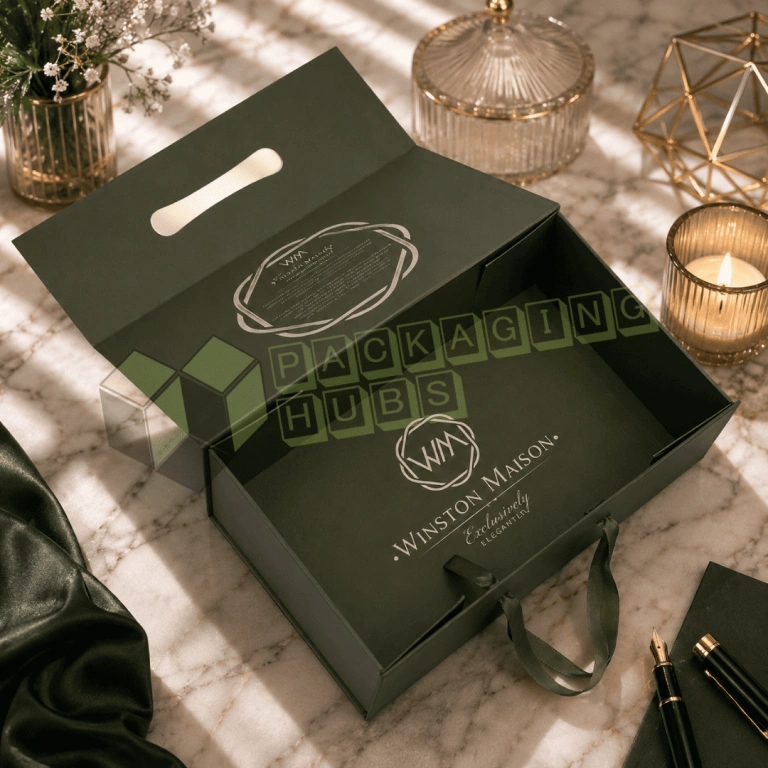
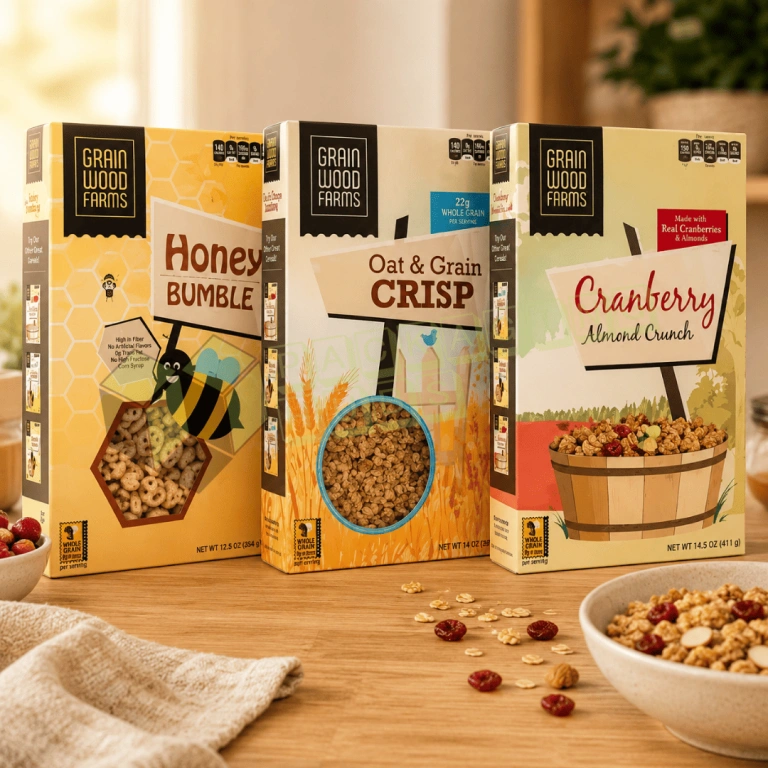
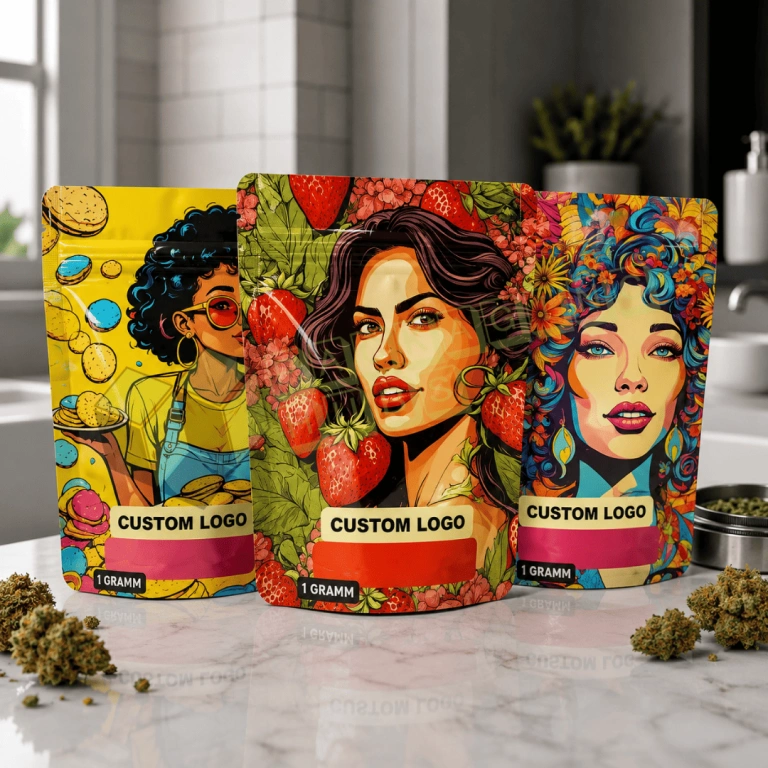
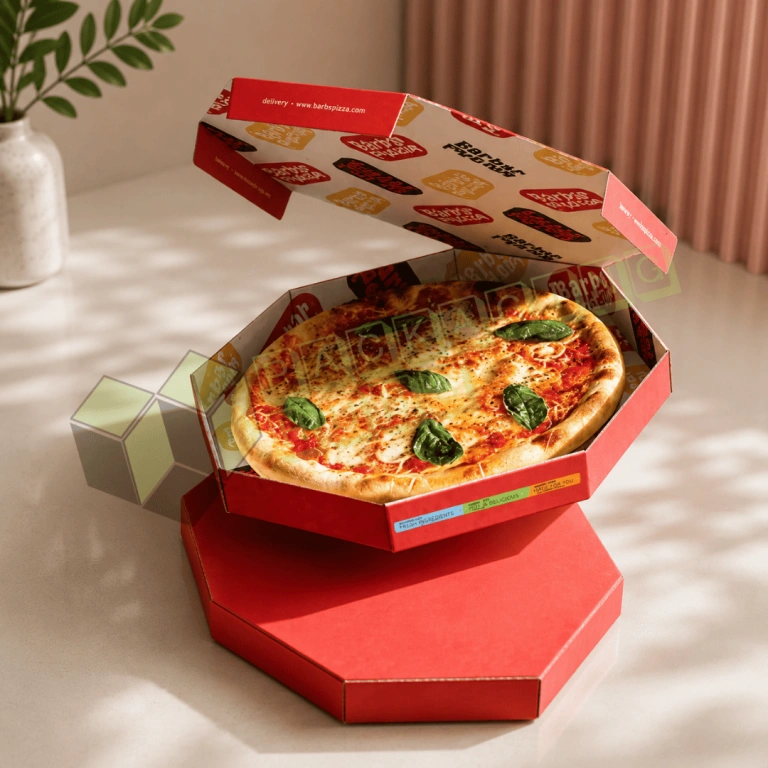
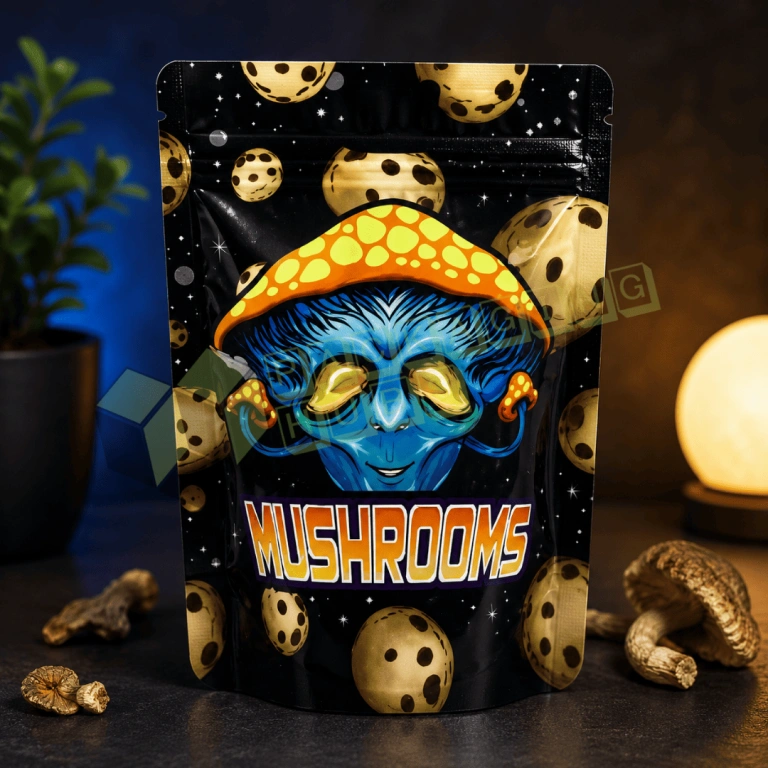
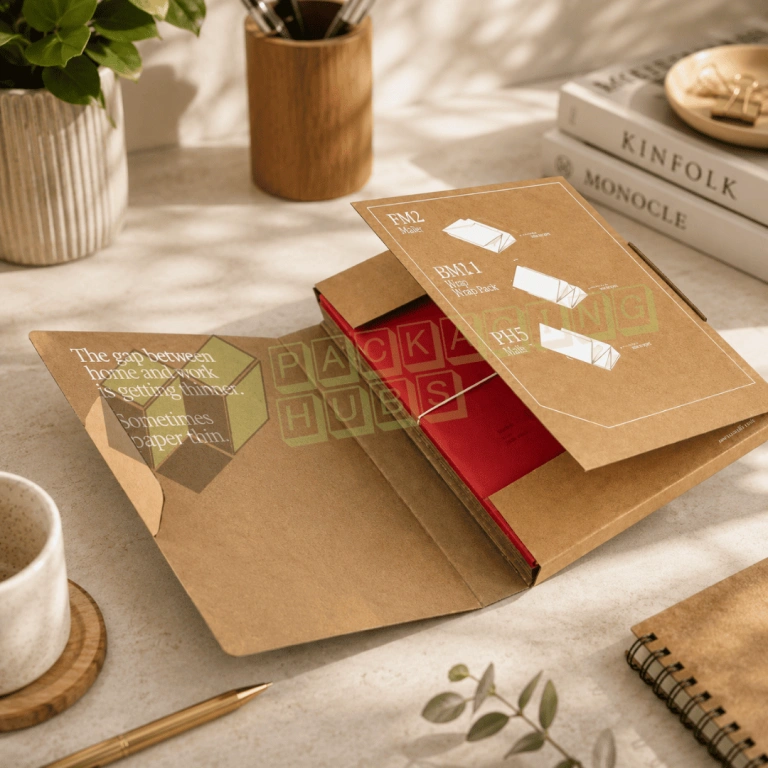
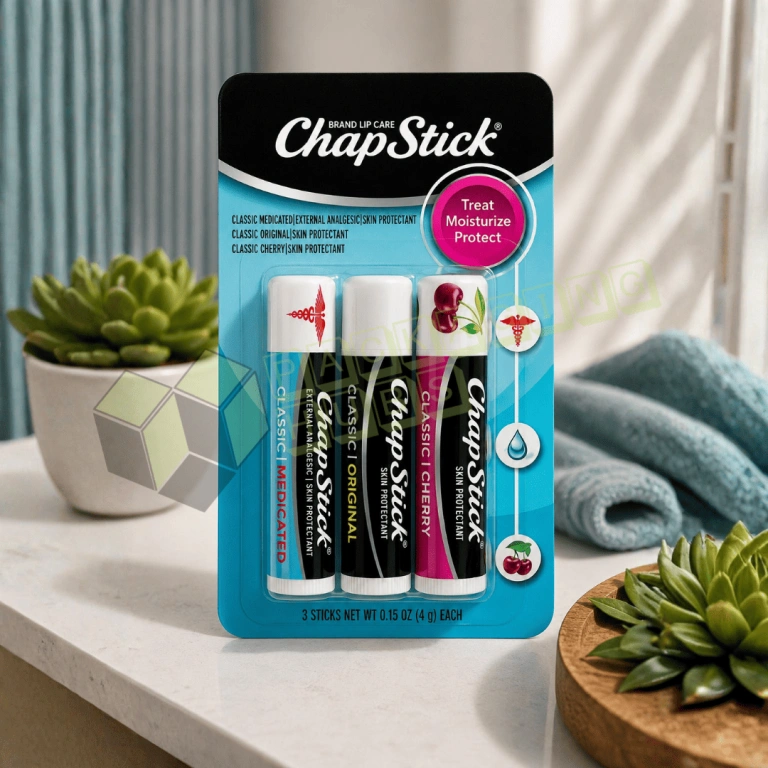
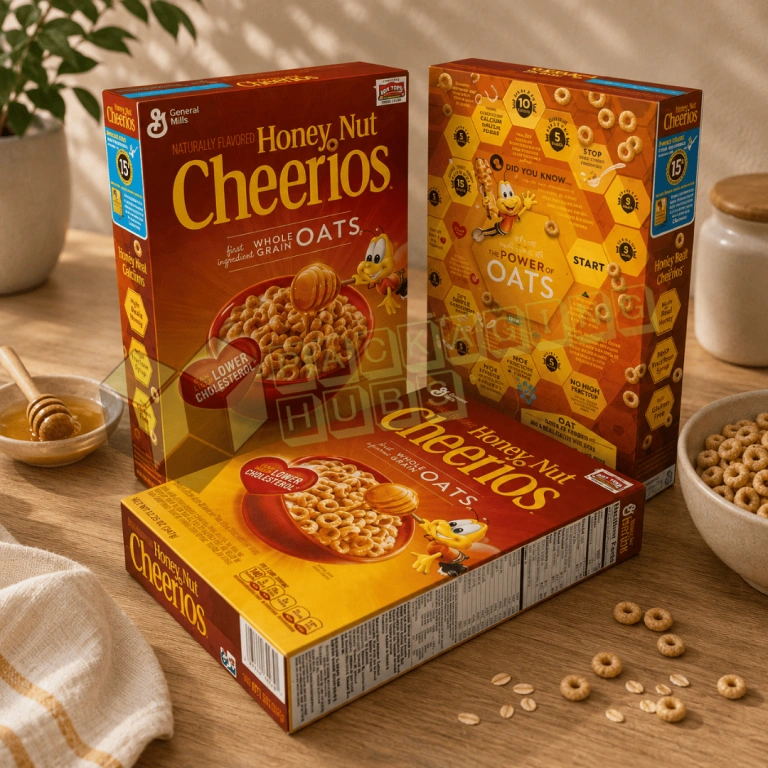
Custom retail boxes influence what happens before, during, and after a customer makes a purchase. On a store shelf, the package must identify the product quickly and help it compete for attention. At checkout, it must scan correctly and remain easy to handle. During ecommerce fulfillment, it may need another protective layer. After opening, it should leave the product organized and the brand clearly remembered.
Packaging Hubs develops custom retail boxes for U.S. startups, independent retailers, ecommerce sellers, consumer-product brands, subscription businesses, distributors, and national wholesale programs. The structure can be designed around compact cosmetics, apparel, food containers, stationery, glass bottles, home décor, wellness devices, live plants, collectible products, and many other retail categories.
Effective custom retail boxes are not created by adding a logo to a stock carton. The product dimensions, weight, fragility, display position, barcode requirements, opening method, fulfillment process, and shipping route should all shape the packaging specification.
Every project can include zero MOQ, free design support, flexible lead-time options, and free worldwide shipping. Request a free quote today to build a retail packaging system around the way your product is actually sold.
Retail packaging serves several users before it reaches the final customer. Packing teams need quick assembly. Warehouses need visible SKUs. Retailers need shelf efficiency. Customers need clarity and convenient access.
| Sales Stage | Packaging Responsibility | What Can Go Wrong | Better Packaging Direction |
| Production packing | Accept the product quickly and consistently | Tight folds, slow assembly, or damaged labels | Tested dieline with practical tolerances |
| Inventory storage | Stack efficiently and identify each SKU | Similar products become mixed | Visible model, size, color, and barcode panels |
| Retail display | Present the product and brand clearly | Important information is hidden | Strong front-panel hierarchy and suitable display format |
| Point of sale | Scan and handle correctly | Barcode sits across a fold or reflective finish | Flat, low-glare barcode area |
| Ecommerce fulfillment | Protect the retail presentation | Decorative carton arrives crushed or scratched | Fitted corrugated outer packaging |
| Customer opening | Provide easy access and organized presentation | Product becomes trapped or components spill | Finger access, trays, dividers, or controlled opening |
| Repeat ordering | Preserve approved specifications | Fit, colors, and finishes change between runs | Retained dieline and production standards |
This table shows why custom retail boxes need to be evaluated as part of a system. An attractive package can still create problems when it is slow to assemble, difficult to scan, unstable on the shelf, or unsuitable for parcel delivery.
Packaging Hubs considers the complete workflow before recommending the box style. The objective is to solve operational problems without adding materials or features that do not serve a practical purpose.
The correct structure depends partly on where the customer encounters the product. Countertop items need fast recognition, peg products need balanced hanging strength, and shelf packages need stable stacking.
| Retail Environment | Suitable Packaging Direction | Primary Design Goal | Common Product Categories |
| Standard shelf | Tuck carton, sleeve, or two-piece box | Clear front-facing presentation | Cosmetics, wellness, stationery, grooming |
| Peg display | Hanger carton or euro-slot package | Vertical visibility and hanging strength | Accessories, electronics, hosiery, small tools |
| Checkout counter | Display tray or compact dispenser | Encourage easy product access | Candy, lip care, samples, impulse products |
| Club and warehouse retail | Multipack carton or corrugated tray | Unit count and stacking strength | Food, household goods, personal care |
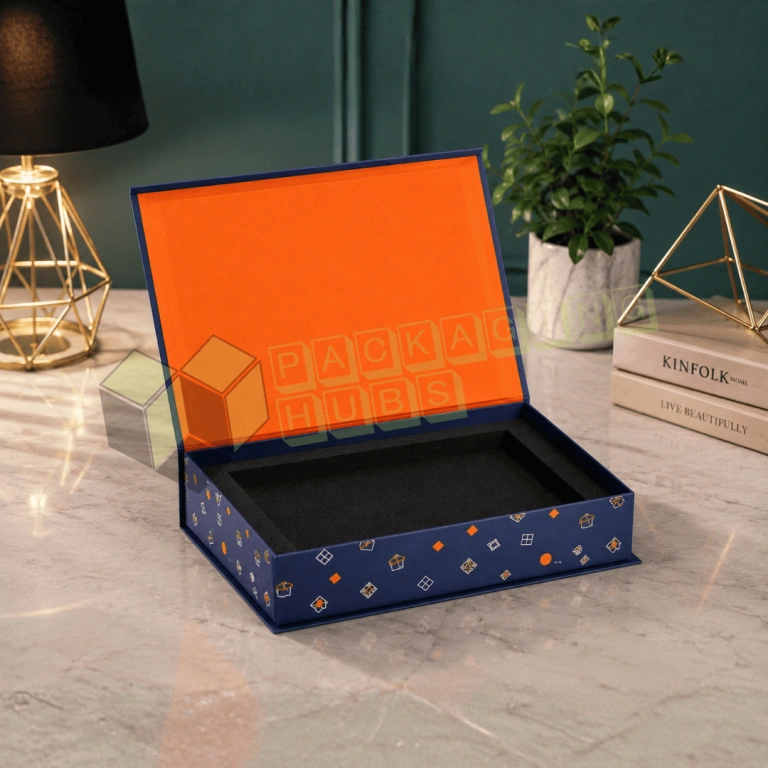
| Boutique store | Rigid, drawer, or premium folding carton | Tactile presentation | Jewelry, fragrance, fashion, gifts |
| Ecommerce marketplace | Retail carton inside a mailer | Protect retail surfaces during delivery | Consumer products across categories |
| Subscription service | Printed corrugated box with dividers | Organize changing product assortments | Beauty, wellness, stationery, food |
| Trade show or product launch | Presentation box or sample kit | Explain and reveal the collection | Sales samples, press kits, prototypes |
The right option depends on both product behavior and customer interaction. A small bottle sold on a pharmacy shelf may need a folding carton with a secure base. The same bottle placed in a subscription set may require a divider inside a corrugated mailer.
For a category page, custom retail boxes should therefore be presented as a broad family of structures rather than one universal box. Packaging Hubs can adapt size, stock, closure, display features, and inserts to the specific retail environment.
Large retail products need more than visual branding. A lamp, vase, ceramic item, or glass accessory may contain components with different weights and breakage risks.
A table lamp packaging box can separate a lamp base, shade, bulb, cord, harp, finial, and instructions. This type of packaging shows how retail presentation and shipping protection can be coordinated around a multi-part product.
For home décor, the box may need product photography, dimensions, finish information, assembly guidance, barcode placement, handles, orientation marks, and reinforced internal supports. A decorative outer surface should never replace the structural planning needed for heavy or fragile components.
Retail packaging problems can affect product condition, stocking efficiency, checkout, ecommerce delivery, and customer confidence. The correct solution depends on whether the issue comes from poor sizing, weak materials, unclear information, inefficient assembly, or insufficient shipping protection.
Packaging Hubs evaluates each problem separately instead of recommending the same box structure for every retail product.
Products can become scratched, dented, broken, or poorly presented when the carton is too large, too tight, or unsupported internally.
| Customer Challenge | Business Impact | Packaging Hubs Solution |
| Product moves inside the box | Scratches, breakage, and weak presentation | Product-specific dimensions, inserts, platforms, or end stops |
| Box presses against the product | Damaged labels, bent components, or difficult removal | Controlled clearance around sensitive areas |
| Heavy product weakens the base | Bowing panels and unstable shelf placement | Stronger PT board, auto-lock bottom, or corrugated support |
| Several components collide | Damaged accessories and disorganized presentation | Dividers, trays, pockets, or separate cavities |
A thicker board does not solve every fit problem. When the product moves because the carton is oversized, a fitted insert may provide more protection than simply increasing material thickness.
Packaging Hubs measures the finished product, including caps, labels, accessories, and protective sleeves. The structure is then designed to control movement without creating a tight press fit that slows packing or damages the item.
Custom retail boxes must help customers understand the product while allowing store and warehouse teams to identify it quickly.
| Customer Challenge | Business Impact | Packaging Hubs Solution |
| Similar products are difficult to distinguish | Picking errors and incorrect customer orders | Consistent color, size, flavor, model, or SKU systems |
| Important information looks crowded | Reduced readability and buyer confusion | Panel hierarchy planned during dieline development |
| Window weakens the carton | Torn panels and crushed corners | Balanced window placement with retained board support |
| Package does not face correctly on the shelf | Weak product visibility | Front-panel planning based on shelf orientation |
Packaging Hubs maps the product name, variation, barcode, QR code, instructions, and other supplied information before decorative artwork fills the panels.
This approach gives customer-facing details and operational information separate, predictable locations. A shopper can identify the product more quickly, while retail staff can locate the correct SKU without repeatedly turning every carton.
Poor barcode placement can create checkout delays, inventory errors, and retailer complaints. Codes may become difficult to scan when they cross folds, glue seams, windows, foil, embossing, or reflective coatings.
| Customer Challenge | Packaging Hubs Solution | Practical Result |
| Barcode crosses a fold | Reserve a flat scanning panel | Better scanner access |
| Gloss or foil creates glare | Use a controlled, low-glare code area | More reliable scanning |
| Code is too close to an edge | Add suitable surrounding space | Reduced printing and scanning problems |
| Barcode position changes across SKUs | Standardize its panel location | Faster retail and warehouse handling |
Packaging Hubs can reserve a dedicated barcode zone within the dieline. The customer supplies and approves the final UPC or other retail code according to its GS1 and retailer requirements.
Keeping the barcode position consistent across custom retail boxes also improves artwork preparation and makes growing product ranges easier to manage.
A carton designed for shelf presentation may not be strong enough to travel through a parcel network without additional protection.
| Customer Challenge | Business Impact | Packaging Hubs Solution |
| Retail carton arrives crushed | Refunds and poor first impressions | Fitted E-flute or B-flute outer packaging |
| Matte or foil surfaces become scratched | Premium packaging looks used | Protective sleeve, tissue, or outer mailer |
| Products collide inside the shipper | Damage and disorganized unboxing | Dividers, cushioning, or controlled void space |
| Shipping label covers the branding | Reduced presentation quality | Separate retail and delivery packaging layers |
Retail delivery boxes should manage compression, abrasion, labels, and carrier handling. The inner carton can then focus on product presentation and customer information.
Packaging Hubs can coordinate the retail box, protective mailer, insert, cushioning allowance, and master case. Each layer receives a clear purpose instead of expecting one decorative carton to perform every retail and shipping function.
Complex packaging can increase labor costs and create inconsistent results when staff must complete too many folds, locks, or insert steps.
| Customer Challenge | Packaging Hubs Solution | Operational Benefit |
| Box takes too long to assemble | Simplified folds or pre-glued construction | Faster packing |
| Bottom opens under product weight | Auto-lock or reinforced base | More reliable handling |
| Insert is difficult to position | Simplified folded platform or tray | More consistent product placement |
| Product is hard to remove | Thumb notch, ribbon lift, or open tray edge | Easier customer access |
Packaging Hubs considers who will assemble the box, the expected packing speed, and whether production is manual or automated.
A premium structure should still be practical. Removing unnecessary assembly steps can reduce labor without weakening the presentation. Physical samples can also reveal closures or inserts that appear workable on a digital mockup but become difficult during actual packing.
Retail brands often experience inconsistency when dimensions, materials, colors, inserts, or finishes are not documented clearly between production runs.
Packaging Hubs can retain approved dielines, material thicknesses, color references, finish locations, insert layouts, barcode positions, and packing directions. This makes successful custom retail boxes easier to reproduce.
For brands managing several sizes, flavors, shades, fragrances, or models, a small family of standardized carton sizes may reduce packaging inventory. Product-specific artwork and inserts can then adapt each structure to the appropriate SKU.
The goal is not to make every retail product look identical. It is to create a recognizable packaging system that remains efficient to order, pack, display, and replenish.
Packaging Hubs begins by reviewing the product dimensions, weight, fragile areas, accessories, sales channel, shelf position, shipping method, and order quantity.
Structural problems are addressed through sizing, materials, closures, and inserts. Display problems are addressed through front-panel planning, windows, hanger features, or retail trays. Operational problems are addressed through simpler assembly and standardized specifications.
This problem-led process helps customers avoid paying for features that do not improve performance. It also ensures that custom retail boxes are developed around practical requirements rather than appearance alone.
Share your product measurements, retail environment, packaging challenges, and delivery method to receive a tailored structural recommendation and quotation.
Glass bottles, pumps, droppers, and cosmetic containers create several challenges. A loose bottle can strike the carton walls, a label can rub against an insert, and a cap can press against the top panel when the full product height is not measured.
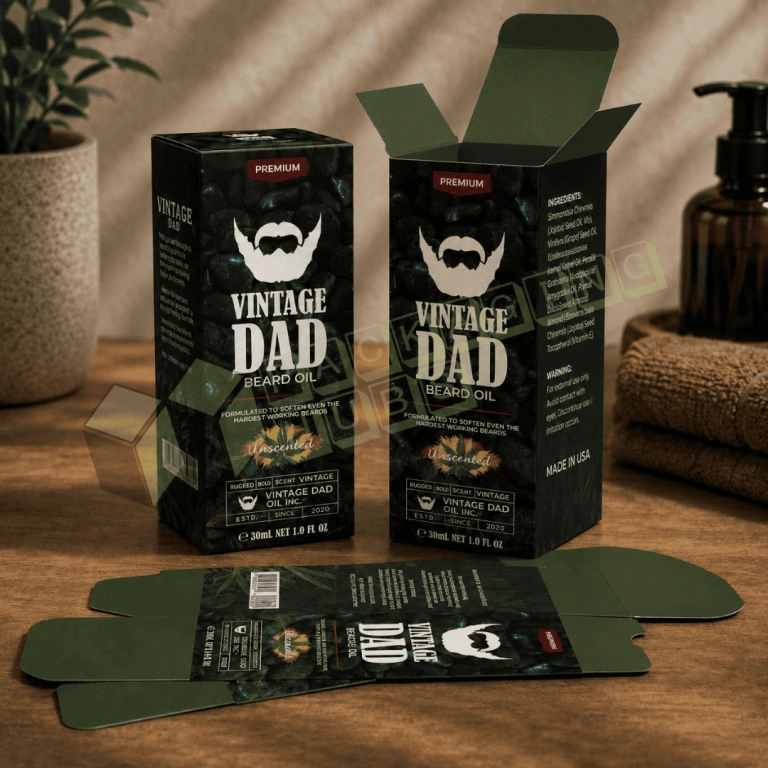
Brands selling grooming oils and small glass products can review custom beard oil boxes for bottle-fit structures, cap clearance, label-safe inserts, scent identification, and compact retail panels.
These principles also apply to serums, fragrances, essential oils, tinctures, and other bottled consumer products. The box should be measured around the filled and labeled container rather than an empty bottle specification.
Products should be grouped by how they behave inside packaging, not only by their industry name.
Soft products such as tights need fold control and snag-conscious surfaces. Heavy products need base strength. Breakable products need movement control. Tall products need resistance to leaning. Small impulse items need visible display positioning. Live products may need ventilation and moisture-aware planning.
This behavioral approach helps custom retail boxes solve real customer needs. Two products with similar dimensions may still need completely different interiors because one is made from glass and the other is folded fabric.
The main questions should be practical: Where can pressure safely be applied? Which surfaces must remain untouched? How will the item be removed? Does it need to hang, stack, stand upright, or ship inside another package? The answers guide the dieline more effectively than selecting a box from appearance alone.
Tights, pantyhose, leggings, and lightweight apparel can twist, bunch, or snag when placed loosely in a carton. Size, shade, denier, opacity, and style also need to remain easy to compare.
custom tights packaging can use insert cards, controlled fold dimensions, shade windows, hanger tabs, size panels, and barcode areas to keep hosiery organized.
This category demonstrates that lightweight products do not always need lightweight planning. Fabric behavior, folding variation, and retail identification can matter more than product weight.
Material should be chosen according to the product, package size, retail environment, insert design, and distribution route.
| Material | Common Starting Range | Better Use | Important Consideration |
| White cardstock | 12pt to 18pt | Samples, sleeves, and lightweight products | May not support heavy contents |
| SBS paperboard | 16pt to 24pt | Cosmetics, wellness, stationery, and personal care | Smooth surface for detailed printing |
| Heavy folding board | 24pt to 28pt | Larger folding cartons and heavier retail items | Requires suitable scoring and folding |
| Kraft paperboard | 16pt to 24pt | Natural, handmade, and minimalist products | Brown surface changes printed colors |
| E-flute corrugated | About 1.5 to 1.8 mm | Mailers, subscriptions, and compact displays | Combines printability with low-profile strength |
| B-flute corrugated | About 2.5 to 3.2 mm | Heavy products, wholesale cases, and delivery boxes | Provides greater compression support |
| C-flute corrugated | About 3.5 to 4 mm | Large shipping-to-store cartons | Bulkier than retail folding board |
| Rigid board | About 1 to 2.5 mm | Luxury products, launches, and gift sets | Strong presentation but greater assembly and storage needs |
| Folded paperboard insert | Product-specific | Lightweight product restraint | Printable and space-efficient |
| Molded pulp or foam insert | Product-specific | Fragile and multi-part products | Must be selected for the product and brand priorities |
These ranges are starting directions rather than universal rules. The current Packaging Hubs retail-box specification supports folding stocks from 12pt through 24pt and broader corrugated or rigid options, while the correct selection depends on the finished package rather than the category name alone.
A right-sized 18pt box can perform better than a loose 24pt carton because accurate dimensions reduce movement. E-flute works well for compact retail delivery boxes, while B-flute or C-flute may be more suitable for heavier products and larger case packs.
Retail display packaging includes countertop trays, shelf-ready cartons, sidekick displays, peg formats, dispenser boxes, and product-ready shipping trays. The structure should keep products organized while making removal and replenishment easy.
| Display Format | Best Location | Main Advantage | Common Risk |
| Countertop display | Checkout and service counters | Places impulse products close to purchase | Header bends or products tip forward |
| Shelf-ready tray | Grocery, pharmacy, and general retail shelves | Reduces stocking time | Tray walls cover too much of the product |
| Peg carton | Wall and rack systems | Uses vertical display space | Hanger tears under product weight |
| Dispenser box | Counters and service areas | Controls one-at-a-time access | Opening becomes weak after repeated use |
| Window carton | Standard retail shelf | Shows the product before purchase | Window removes too much structural board |
| Floor display | Promotional aisles and launches | Carries larger inventory | Base lacks stability |
| PDQ tray | Mass retail and club stores | Arrives ready for quick placement | Retail units shift during transit |
The table demonstrates that retail display product packaging must balance visibility, access, load distribution, and replenishment. A large opening may reveal more of the product but weaken the display. A tall header may increase branding space but require additional support.
Businesses comparing retail display packaging suppliers should ask whether the supplier evaluates filled-display weight, shelf dimensions, product removal, replenishment, and transport to the store. Packaging Hubs can develop the retail units and display tray together so the products do not fight the display structure.
U.S. retailers frequently depend on UPC barcodes for point-of-sale scanning and inventory workflows. GS1 US recommends creating barcode artwork at the intended packaging size and provides placement guidance, including a preferred UPC location in the lower-right area of the package back when space allows.
Brands can review the official GS1 US barcode placement guidance before approving retail artwork.
Packaging Hubs can reserve a flat barcode panel away from folds, glue seams, windows, foil, embossing, and reflective coatings. The brand should supply its approved barcode and confirm the final retail-partner requirements before printing.
Retail stationery can include notebooks, cards, envelopes, pens, bookmarks, stickers, planners, and paper accessories. These products may look durable but can still suffer from bent corners, surface rubbing, moisture exposure, and uncontrolled movement.
custom stationery shipping boxes can organize paper-goods sets for ecommerce delivery, subscriptions, school programs, bookstores, and gift retailers.
A stationery shipping system may use shallow E-flute construction, paperboard dividers, document pockets, belly bands, and corner clearance. The retail presentation can remain inside the mailer while the corrugated layer absorbs the handling associated with delivery.
A retail carton communicates the product and supports shelf interaction. Retail delivery boxes protect that carton through parcel networks, local delivery, subscription fulfillment, and store replenishment.
Using one decorative carton for both roles may work for some corrugated mailer designs, but it is not appropriate for every product. A soft-touch folding carton may need a plain outer shipper. A compact low-cost product may use one printed E-flute mailer that combines both functions.
When selecting custom retail boxes, buyers should decide whether the customer will see a separate product carton after opening the delivery package. That decision affects dimensions, printing costs, cushioning, returns, shipping labels, and the unboxing sequence.
Plants can shift, spill growing media, lose leaves, or suffer from insufficient clearance. Their packaging may also need handling openings, pot support, ventilation planning, and clear care instructions.
plant packaging can support nurseries, garden centers, florists, plant subscriptions, local pickup, and ecommerce programs.
A plant package should stabilize the pot without compressing foliage. The interior height must account for the live product rather than the container alone, and the selected board should reflect possible moisture exposure and handling conditions.
Food retailers must distinguish between a printed sleeve around an approved container and materials that touch food directly. FDA explains that food-contact substances may include packaging components such as coatings, adhesives, and colorants that are expected to contact food.
Brands can review the official FDA food-packaging and food-contact information when selecting materials for direct-contact applications.
Packaging Hubs can manufacture the carton or sleeve around customer-approved specifications, while the food business remains responsible for confirming that direct-contact materials suit the food type, temperature, grease level, storage condition, and intended use.
Restaurants, bakeries, cafés, meal-prep companies, and grab-and-go retailers may not need a fully printed container for every menu item.
To Go Box Sleeves can add a logo, item name, flavor code, reheating direction, QR code, pickup label, or tamper-evident sticker area around a plain food box.
Sleeves can reduce the need to inventory a separate printed container for each menu category. The fit should still be tested around the closed box because a loose sleeve can slide and a tight sleeve can crush corners or slow packing.
Collectible-card packaging often combines product display, tamper evidence, pack organization, licensed artwork, and strong shelf recognition. Searches such as 2024 optic football retail box, 2024 panini donruss optic nfl football retail 20-pack box, donruss retail boxes, and panini prizm retail box typically relate to branded, factory-sealed trading-card products.
The phrase iono premium pokemon box retail similarly points toward a branded collectible set containing cards and game accessories. These searches show how strongly customers can associate a retail box with the product’s authenticity and collectible value.
Packaging Hubs can manufacture original boxes for authorized card games, independent collectible brands, sports promotions, tabletop products, and licensed merchandise programs. Customers must own or have permission to reproduce all trademarks, logos, characters, league marks, and copyrighted artwork. Custom packaging should never imitate the official packaging of an unrelated branded product.
For original collectible ranges, custom retail boxes can include pack dividers, tamper-evident closures, display openings, count panels, barcode areas, serial-number zones, and protective outer cases.
Devices such as massage guns combine a main product with several attachments, cables, chargers, manuals, carrying cases, and warranty materials. Loose components can scratch one another or create a disorganized opening experience.
Massage Gun Packaging can use molded trays, foam inserts, paperboard compartments, charger pockets, attachment-head cavities, and stronger corrugated or rigid structures.
This example demonstrates why category packaging should begin with a component map. The device and every accessory need a defined position before the box dimensions and artwork are approved.
| Printing or Finish | Better Application | Main Benefit | Important Limitation |
| Digital printing | Prototypes, short runs, and several artwork versions | Flexible setup and SKU testing | Unit economics may change at high volume |
| Offset printing | Larger folding-carton programs | Fine detail and repeat color control | Requires more setup |
| Flexographic printing | Corrugated boxes and displays | Efficient for larger corrugated runs | Not identical to offset reproduction |
| CMYK | Photography, gradients, and multicolor designs | Broad color range | Printed colors may vary from screens |
| PMS matching | Signature logos and controlled brand colors | Better spot-color consistency | Adds cost when many colors are required |
| Matte lamination | Premium and restrained designs | Low-glare appearance | Dark areas may show scuffs |
| Gloss lamination | Bright consumer products | Greater shine and color intensity | Can create glare around codes |
| Soft-touch coating | Luxury products and launch kits | Tactile premium feel | Requires protection during shipping |
| Foil stamping | Logos and selected details | Metallic emphasis | Should not cover barcodes or small text |
| Spot UV | Patterns and product names | Selective gloss contrast | Needs precise registration |
| Embossing or debossing | Simple marks and typography | Tactile depth | Can affect the opposite side of thin board |
| Die-cut window | Products with visual appeal | Lets customers see the item | Reduces printable and structural area |
The table helps buyers connect each option to a business objective. A small test launch may need digital printing without decorative finishing. A national retail program may justify offset printing, PMS color control, and a carefully positioned coating.
Custom retail boxes should not use finishing only because it is available. The selected treatment should support product recognition, brand value, abrasion resistance, or customer interaction without compromising scanning and information clarity.
Retail stores, ecommerce brands, boutiques, holiday campaigns, and corporate programs may need a second presentation layer around the product box.
eco friendly wrapping paper can support branded gift wrap, kraft directions, repeating logos, seasonal artwork, tissue-style presentation, and customer-ready wrapping programs.
The wrapping material should be sized around the finished product box and folding method. Heavy ink, coatings, tape, ribbons, and labels should also be considered when planning any environmental statement.
The FTC advises businesses not to make broad, unqualified claims such as “green” or “eco-friendly” because those statements can imply environmental benefits that are difficult to substantiate. It recommends clear and specific qualifications for recyclable, recycled-content, compostable, degradable, and other environmental claims.
Brands can review the official FTC Green Guides summary before placing environmental language on retail packaging.
A kraft carton with a plastic window, lamination, foam insert, magnet, or foil may require different disposal instructions from a plain paperboard box. Packaging Hubs can discuss right-sizing, paperboard inserts, kraft stock, recycled-content requests, and reduced-material structures, while the customer should approve claims against the documented final specification.
Custom retail boxes become more complex when a brand sells many sizes, flavors, colors, fragrances, models, or seasonal versions. Creating a completely different box for every SKU can increase inventory, artwork management, case-count complexity, and reorder risk.
A stronger wholesale program may standardize several carton families. One compact structure can serve small products, a medium carton can support the main range, and a deeper structure can hold sets or heavier items. Product-specific inserts and artwork can then adapt the shared dimensions.
For U.S. retailers and distributors, custom retail boxes can include UPC zones, shelf-facing product codes, case-count labels, size and color indicators, master-carton identification, and retailer-specific information areas.
Packaging Hubs can retain approved dielines, material specifications, color references, insert layouts, finish placement, and packing instructions. This makes it easier to reorder successful SKUs while adding new variants without rebuilding the entire packaging system.
A category-level packaging program should be tested in a logical sequence.
| Approval Stage | What Is Confirmed | Why It Matters |
| Product profile | Dimensions, weight, fragile points, and packed accessories | Establishes the structural starting point |
| Retail environment | Shelf, peg, counter, display, ecommerce, or subscription | Determines the customer interaction |
| Structure | Closure, opening direction, base, and display features | Controls packing and usability |
| Material | PT paperboard, kraft, corrugated flute, or rigid board | Matches product weight and distribution |
| Interior | Insert, divider, platform, or cushioning allowance | Controls movement |
| Panel map | Brand, SKU, barcode, instructions, and required information | Protects readability |
| Print proof | Artwork, color, text, and alignment | Reduces printing errors |
| Physical sample | Fit, assembly, opening, stacking, and presentation | Tests the real package |
| Distribution system | Inner pack, retail display, mailer, and master case | Coordinates packaging levels |
| Reorder record | Dieline, material, print, finish, and packing method | Supports repeat consistency |
The table shows why artwork approval should not be the first or only quality check. The product and retail environment determine the structure, and the structure determines the usable print panels.
Packaging Hubs can support flat proofs, three-dimensional mockups, and physical sampling when requested and available. Testing custom retail boxes before the full order helps reveal tight closures, weak display walls, difficult inserts, crowded panels, and avoidable shipping space.
The content, dimensions, terminology, retail features, and buying guidance on this page are designed primarily for customers in the United States. This includes inch-based sizing, PT paperboard specifications, UPC panel planning, U.S. retail workflows, ecommerce fulfillment, and wholesale case organization.
Packaging Hubs also serves customers in Canada, the UK, Australia, UAE, Germany, France, New Zealand, Singapore, and other international markets. The approved packaging structure can remain consistent while customer-supplied language, barcodes, recycling information, net quantity, and destination-specific details change.
Free worldwide shipping is available on custom packaging orders. Customers remain responsible for confirming the product, labeling, import, customs, retail, food-contact, environmental-claim, and trademark requirements that apply to their market.
Packaging Hubs manufactures custom retail boxes for cosmetics, wellness, apparel, food service, stationery, home décor, electronics, plants, grooming, collectibles, subscription programs, retail displays, ecommerce orders, and wholesale distribution.
Share the finished product dimensions, packed weight, quantity, retail environment, shipping method, preferred structure, material, insert requirements, artwork, barcode needs, finishes, and U.S. delivery location.
Available options include 12pt to 28pt paperboard, SBS, kraft stock, E-flute, B-flute, C-flute, rigid board, folded inserts, corrugated dividers, molded pulp, properly specified foam, hanger tabs, display trays, windows, digital printing, offset printing, flexographic printing, CMYK, PMS matching, matte or gloss lamination, soft touch, foil, spot UV, embossing, and debossing.
Every project can include zero MOQ, free design support, flexible lead-time options, and free worldwide shipping. Call (855) 611-8876 or email sales@packaginghubs.com to request a tailored quotation.
Get a free quote today and develop custom retail boxes that solve the practical needs of your product, your retail partners, your fulfillment team, and your customers.
Still unsure? Email sales@packaginghubs.com and a packaging specialist will help.