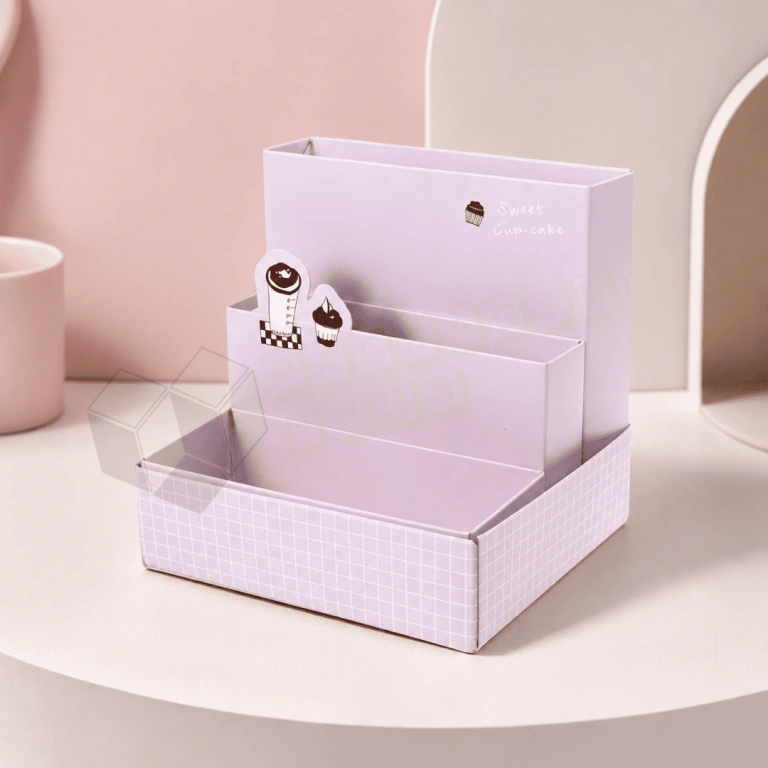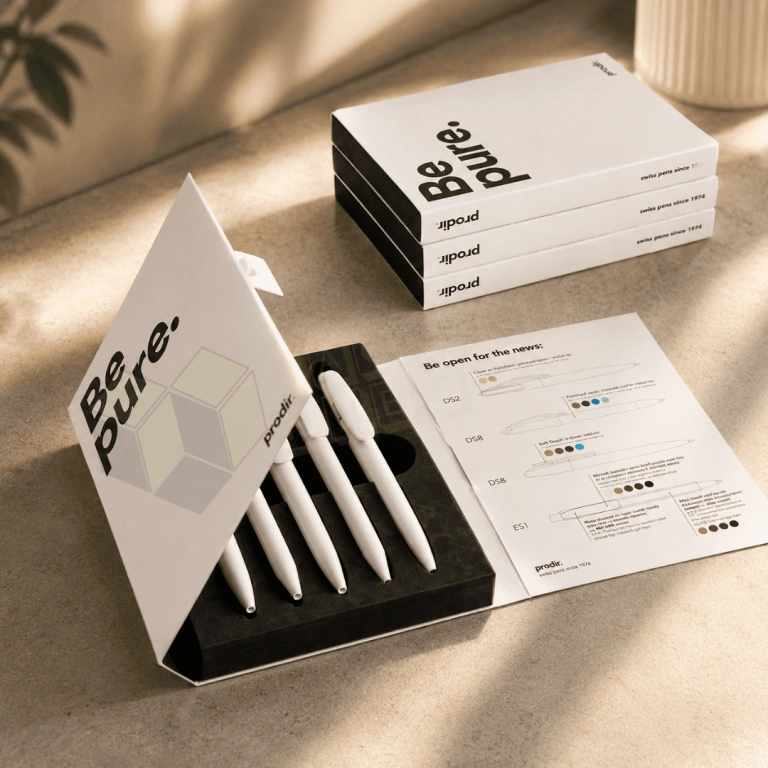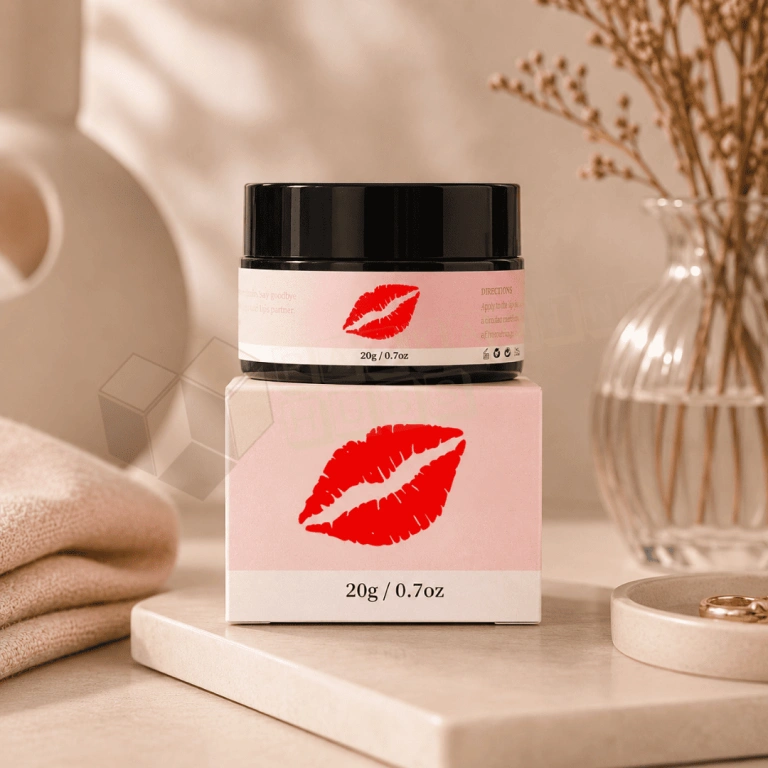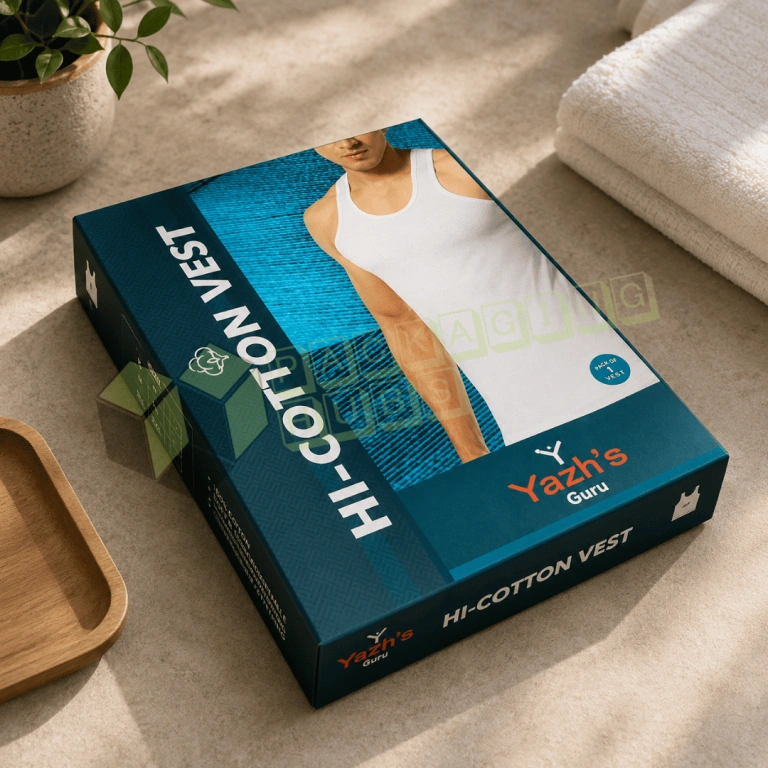
Free design support and free U.S. shipping. No minimum order.
Custom Stationery Shipping Boxes for journals, planners, greeting cards, invitation sets, pencils, office kits, art supplies, subscription stationery, school products, and gift box stationary sets. Choose custom sizes, paperboard or corrugated materials, kraft finishes, protective inserts, branded printing, inside artwork, retail-ready layouts, and packaging support for custom stationary boxes, stationary boxes, and box stationary products across the USA.
Custom stationery shipping boxes should keep paper goods flat, clean, organized, and ready to present. Stationery products look simple, but they can lose value quickly when corners bend, covers scuff, envelopes curl, stickers slide, or printed sheets arrive with pressure marks.
A stationery box has to do more than hold paper. It must protect the edges, control movement, support retail presentation, and create a clean opening experience. This matters for greeting card sets, notebooks, planners, letter sets, journals, art prints, office kits, subscription boxes, and professional presentation packages.
Packaging Hubs creates custom stationery packaging for ecommerce paper brands, office supply companies, artists, publishers, school supply sellers, gift shops, corporate stationery suppliers, subscription box brands, retail stores, and wholesale distributors across the USA. We help plan box style, board strength, inserts, dividers, tuck closures, print layout, product labels, retail panels, and shipping support around the actual stationery product.
Request a free quote today and create stationery packaging that protects your paper goods, supports your brand, and makes every order look organized from the first opening.
Stationery damage is usually subtle. A bent notebook corner, a curled envelope, a scratched journal cover, or a dented card edge can make the product feel poorly handled. Customers notice these details because stationery is purchased for neatness, design, writing experience, and presentation.
The box must protect against three main risks: bending, rubbing, and movement. Bending happens when the board is too thin or the package is oversized. Rubbing happens when printed paper surfaces move against each other. Movement happens when mixed items are placed in one box without inserts or dividers.
A good box keeps each item where it belongs. The customer should open the package and see an arranged set, not scattered paper products.
Different stationery products need different packaging structures. A card pack, planner, presentation kit, and art print should not all use the same box.
| Stationery Product | Main Packaging Risk | Better Box Direction |
| Greeting cards | Corner bends and envelope movement | Shallow tuck box or fitted mailer |
| Notebooks | Cover scuffs and spine pressure | Strong paperboard or cardboard box |
| Planners | Tab damage and corner crush | Reinforced mailer with fitted insert |
| Journals | Cover rubbing and retail damage | Printed box with smooth inner support |
| Sticker sheets | Curling and sheet movement | Flat sleeve, pocket, or shallow box |
| Art prints | Bending and edge dents | Flat cardboard mailer with corner room |
| Office kits | Mixed items moving together | Divider tray or compartment insert |
| Presentation sets | Poor opening experience | Premium box with organized layout |
| Wholesale stationery | Storage and case handling | Case cartons with consistent pack count |
This table helps buyers choose packaging by product risk, not just by outside dimensions.
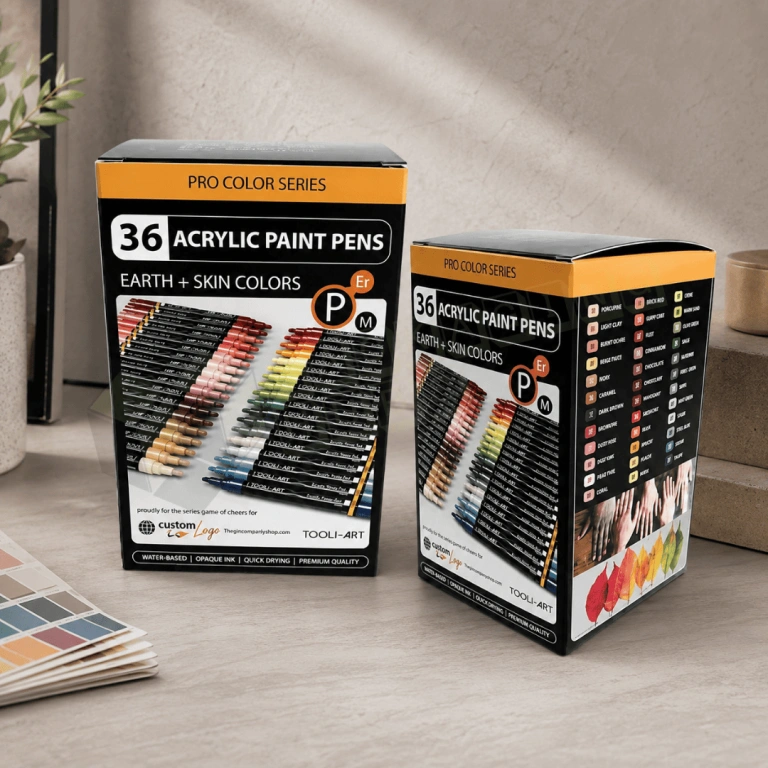
Many stationery brands sell creative items along with paper goods. Crayons, markers, colored pencils, sketch kits, and classroom art products need packaging that holds items in rows, protects tips, and supports retail display.
For school and art supply packaging, crayon box options can support creative kits, children’s stationery, classroom supplies, and branded art products.
This link fits naturally because stationery brands often expand from paper products into creative tools. A stationery shipping box protects flat paper goods, while crayon packaging organizes color tools and art supplies.
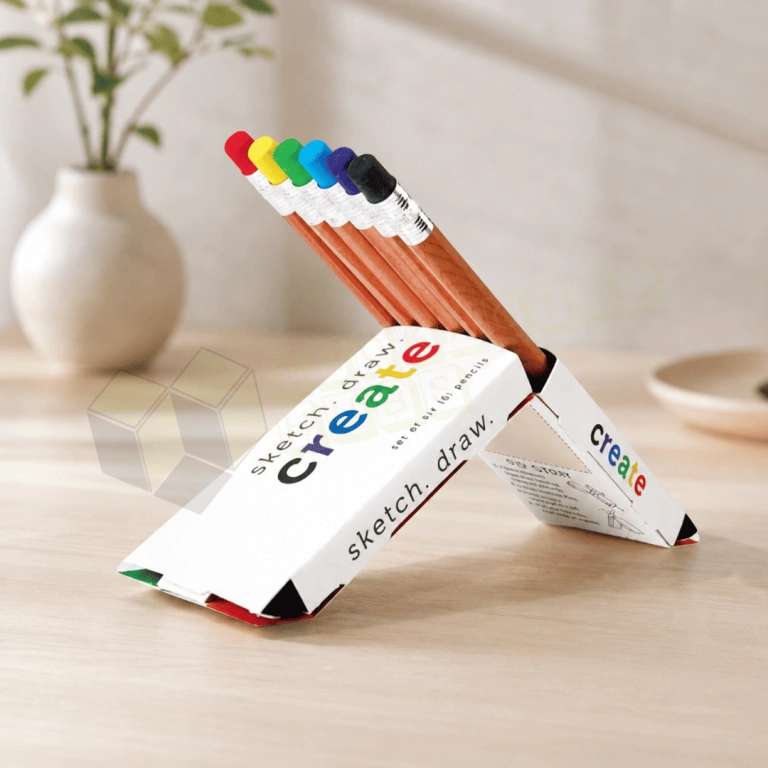
Tuck-style packaging works well for smaller stationery products because it is compact, clean, and easy to open. It can be used for greeting card packs, thank-you notes, mini envelopes, flash cards, stickers, stationery refills, and small office supplies.
For compact paper goods, Tuck Boxes can support retail-ready packaging with simple closure, branded print panels, and efficient storage.
This structure is useful when the product does not need a deep mailer but still needs protection and presentation. A tuck box can keep a small stationery set neat while giving the brand a clean front panel for logo, product name, and set count.
A strong stationery page must explain what buyers can actually customize. Paper products need the right size, board thickness, insert layout, print surface, and shipping format.
| Specification | Available Direction | Why It Matters for Stationery Packaging |
| Material | SBS paperboard, kraft paperboard, cardboard, corrugated board, rigid-style direction | Matches product weight, brand style, and shipping risk |
| Board thickness | 14pt, 16pt, 18pt, 20pt, 22pt, 24pt, E-flute corrugated support | Helps reduce bending, corner dents, and compression |
| Box style | Mailer box, tuck box, tray and lid, sleeve box, presentation box, rigid-style box, flat mailer | Fits retail, ecommerce, gifting, or client presentation |
| Insert type | Card slot, envelope divider, sticker pocket, journal tray, planner support, office kit compartment | Keeps items arranged and protected |
| Closure | Straight tuck, reverse tuck, lock tab, sleeve, belly band, sticker seal, magnetic-style direction | Controls opening experience and security |
| Inner protection | Tissue paper, paper wrap, smooth liner, corner pad, divider sheet, moisture-aware layer | Helps reduce rubbing and movement |
| Printing | CMYK, PMS matching, inside print, outside print, product pattern, QR code, barcode panel | Builds brand identity and retail clarity |
| Finish | Matte, gloss, soft-touch, spot UV, foil stamping, embossing, debossing | Supports premium stationery presentation |
| Label area | SKU, product name, paper size, set count, barcode, care note, reorder QR code | Supports retail and inventory |
| Add-ons | Window, ribbon area, message card, sample pocket, presentation insert, catalog card | Improves gifting and customer experience |
| Packing use | Single set, subscription kit, wholesale case, retail display, client proposal kit | Matches fulfillment and sales channel |
The right structure should be selected after measuring the final product stack, not only one flat sheet. Product thickness, envelopes, sleeves, stickers, inserts, and protective sheets all affect the finished box size.
Stationery businesses often sell office supplies with their paper goods. Staples, clips, pins, tape refills, labels, sticky notes, desk accessories, and small tools need compact packaging with tighter containment.
For small office products, Custom Staple Boxes can support staple packs, refill boxes, desk supply packaging, and retail office product lines.
This link fits because a stationery brand may need large boxes for planners and card sets, but smaller boxes for desk supplies. Each product category should have its own structure while keeping the same brand language.
Ecommerce stationery often needs more strength than a simple paperboard carton. Card sets, planners, journals, art prints, and subscription kits may require cardboard mailers or corrugated support to resist bending during shipping.
For stronger shipping and product protection, Cardboard Boxes can support ecommerce orders, wholesale cartons, retail shipping, and product delivery needs.
This section matters because stationery is lightweight but easily damaged. A low-weight product can still need strong packaging if the surface, corners, and edges are valuable.
USPS package preparation guidance recommends choosing proper packaging and preparing items before mailing, which is important for flat paper goods that can bend or shift during transit. USPS package preparation guidance
Retail stationery packaging has different requirements from shipping packaging. It needs a strong front panel, clean product name, visible set count, barcode space, and shelf-friendly sizing. If the box is too plain, the product may not stand out. If the box is too crowded, premium stationery can look cheap.
A strong retail stationery box should make these details clear:
Product type
Paper size
Set count
Color or theme
Brand name
Barcode
SKU
Material or finish note
Reorder or QR code where useful
For boutiques and gift shops, the package should also feel giftable. That may mean matte board, soft-touch finish, foil detail, embossed logo, inside print, or a sleeve.
Stationery packaging must protect print quality. A glossy journal cover can scuff. A greeting card can rub against an envelope. Sticker sheets can curl. Art prints can dent at the edges. Planners can be damaged around tabs, corners, and spiral areas.
Smooth liners, fitted trays, corner room, divider sheets, and paper wraps can help protect premium products. For high-value paper goods, the inside of the box should not be rough, oversized, or overly tight.
A clean package should hold the item still without pressing too hard on the product.
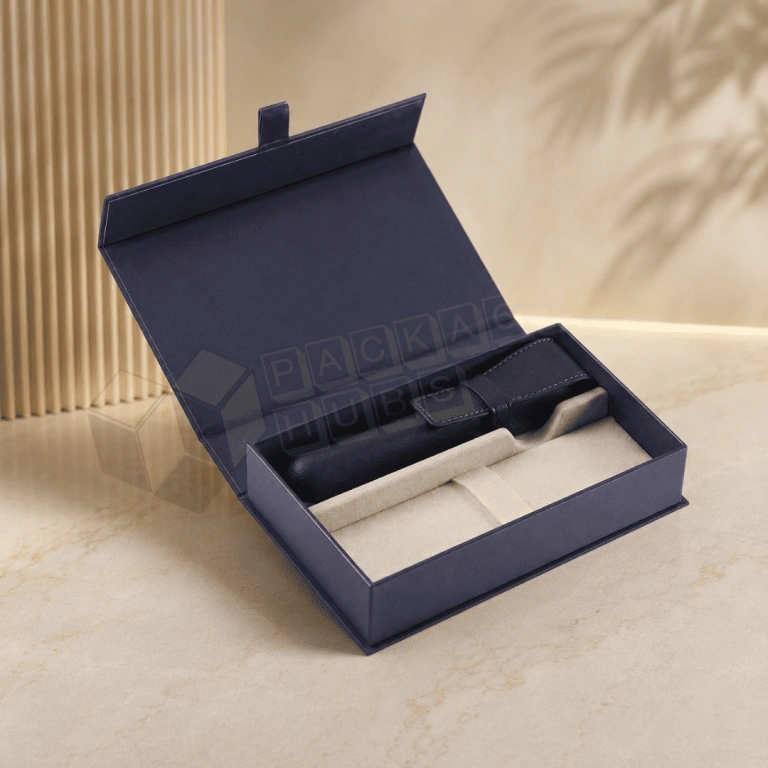
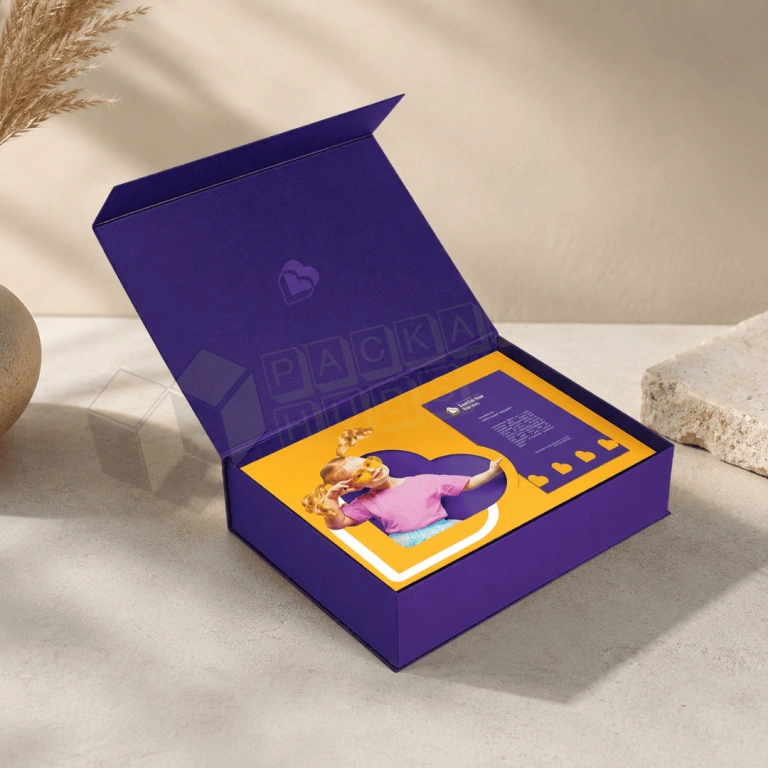
Some stationery products are used for professional presentation, not just shipping. Proposal kits, welcome packets, brand guideline sets, corporate stationery, luxury card sets, client folders, and event stationery need packaging that feels more polished.
For premium client-facing packaging, Custom Presentation Boxes can support organized kits, branded documents, corporate materials, stationery sets, and professional product presentations.
This link fits because presentation packaging solves a different problem. A shipping box protects during transit, while a presentation box controls the opening experience and creates a polished impression.
Stationery boxes wholesale buyers care about consistency, storage, pack count, and cost control. A wholesale stationery supplier may need individual product boxes, inner cartons, master cartons, and labeled case packs.
For bulk orders, packaging should answer practical questions:
How many units fit per case?
Can warehouse staff identify the SKU quickly?
Will product corners survive stacking?
Does the inner box fit retail shelves?
Can one structure support multiple design themes?
Is there enough space for barcodes and set details?
Wholesale stationery packaging should feel organized and repeatable. Beautiful print matters, but fulfillment accuracy and product condition matter first.
| Sales Channel | Buyer Expectation | Better Packaging Direction |
| Ecommerce | Arrives flat and clean | Corrugated mailer with insert |
| Retail store | Looks shelf-ready | Printed paperboard box with barcode panel |
| Subscription box | Organized opening | Mailer with compartments |
| Corporate gifting | Premium presentation | Rigid-style or presentation box |
| School supply brand | Practical and clear | Tuck box or cardboard product box |
| Artist shop | Protects prints and cards | Flat mailer with corner support |
| Wholesale supply | Consistent case packs | Master carton and labeled inner boxes |
| Event stationery | Giftable and neat | Sleeve, box, or presentation kit |
This gives the page a stronger commercial structure because it ties packaging choices to buyer use.
Many stationery brands want kraft, recyclable, recycled, compostable, or eco-friendly packaging. These claims should be specific. Kraft color alone does not prove recyclability. Coatings, adhesives, inks, labels, inserts, windows, and local recovery access can affect the final claim.
The FTC Green Guides help businesses avoid misleading environmental claims, including recyclable, recycled, compostable, and broad eco-friendly claims. FTC Green Guides
Packaging Hubs can discuss kraft paperboard, recyclable-direction materials where available, recycled-content direction when documented, right-sized packaging, window-free structures, and reduced-material designs. Final claims should match material documentation and local recovery access.
Stationery packaging should look clean, organized, and intentional. It should not feel like a generic box with paper inside.
Useful packaging ideas include:
Each option should support a real packaging need. A decorative box that allows paper to bend is still the wrong structure.
Before ordering larger quantities, test the box with the real stationery set. Pack the cards, envelopes, journals, stickers, or planners exactly as customers will receive them. Shake the box lightly. Stack it. Open it after movement. Check for corner dents, paper shift, surface rub, lid pressure, and loose presentation.
For retail, test shelf fit and barcode placement. For ecommerce, test shipping movement. Presentation kits, test the opening sequence. For wholesale, test case count and storage.
A flat dieline can confirm the print layout, but a packed sample confirms whether the box works.
Packaging Hubs supports stationery brands, paper goods shops, office supply sellers, school supply companies, artists, publishers, greeting card brands, corporate stationery suppliers, gift shops, subscription box companies, retail stores, and wholesale distributors.
You can order custom stationery shipping boxes, custom stationery boxes, stationery boxes, stationary boxes, box stationery packaging, stationery packaging, retail stationery boxes, tuck boxes, cardboard mailers, presentation boxes, and wholesale stationery boxes. Options can include inserts, dividers, sleeves, windows, inside printing, matte finishes, soft-touch finishes, foil stamping, barcode panels, and case-pack cartons.
Share your stationery product size, stack height, box style, artwork, quantity, insert needs, retail requirements, and deadline. Packaging Hubs can recommend a practical packaging direction for material, structure, print, and production.
Packaging Hubs creates custom packaging for paper goods, office supplies, stationery brands, school products, and retail sets that need organized presentation and shipping protection. We help with box size, board selection, tuck styles, cardboard mailers, inserts, dividers, presentation layouts, print design, finishes, labels, retail panels, and wholesale case packs.
Whether you need custom stationery shipping boxes, custom stationery boxes, stationery boxes wholesale, box stationery packaging, or stationery packaging for retail and ecommerce, Packaging Hubs can help you build packaging that protects the product and improves the customer opening experience.
Request a free quote today and create stationery boxes that keep your paper goods flat, clean, and brand-ready.
| Box Style | Custom Stationery Shipping Boxes |
| Dimension (L + W + H) | All Custom Sizes & Shapes |
| Quantities | No Minimum Order Required |
| Paper Stock | 10pt to 28pt (60lb to 400lb) Eco-Friendly Kraft, E-flute Corrugated, Bux Board, Cardstock |
| Printing | No Printing, CMYK, CMYK + 1 PMS color, CMYK + 2 PMS colors |
| Finishing | Gloss Lamination, Matte Lamination, Gloss AQ, Gloss UV, Matte UV, Spot UV, Embossing, Foiling |
| Included Options | Die Cutting, Gluing, Scored, Perforation |
| Additional Options | Eco-Friendly, Recycled Boxes, Biodegradable |
| Proof | Flat View, 3D Mock-up, Physical Sampling (On request) |
| Turnaround | 4 – 8 Business Days, RUSH |
| Shipping | FLAT |
Pick the stock and the finish that suit your product. We’ll confirm both on your proof before anything is printed.
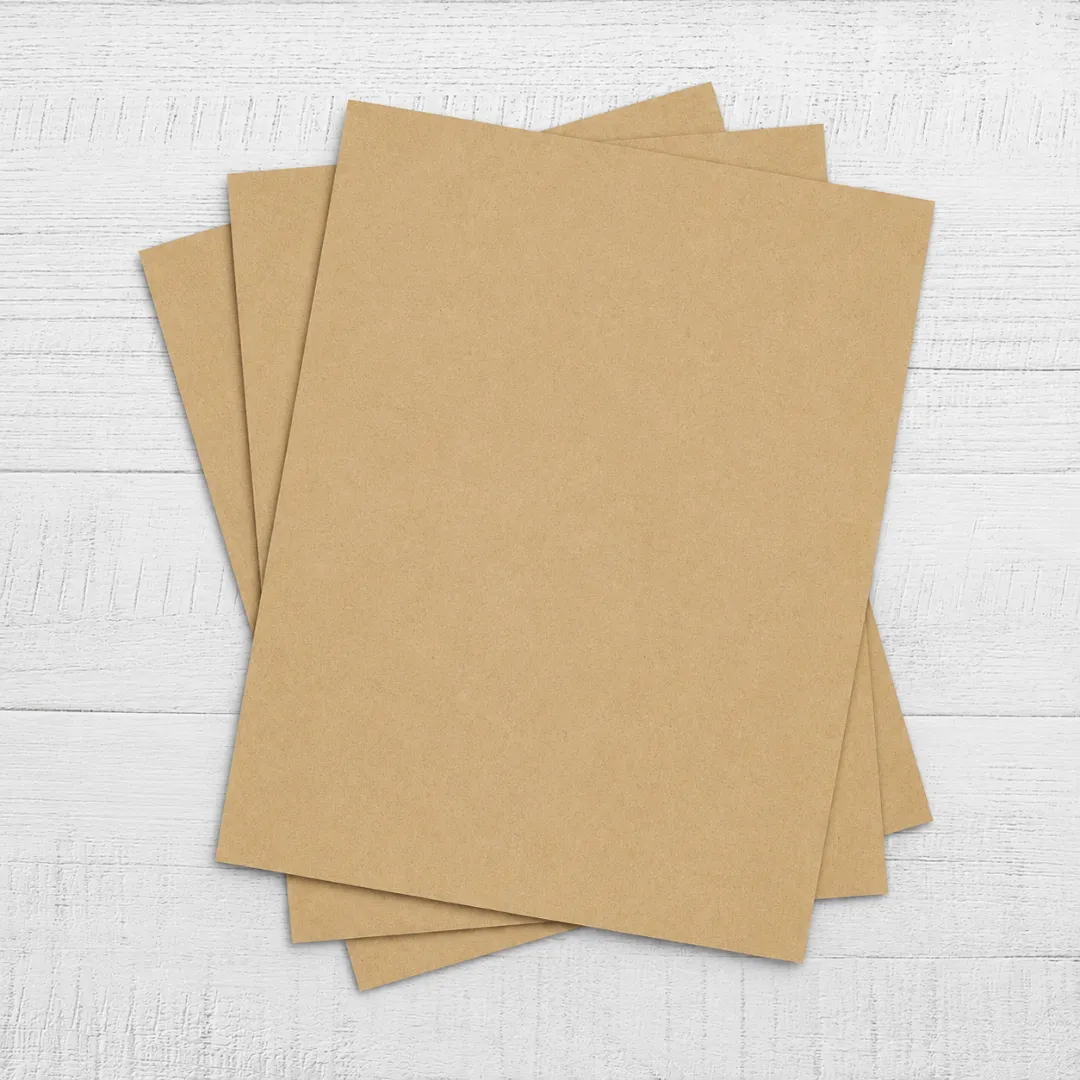
Kraft paper is a strong, durable and reliable material that is widely used across many different industries.
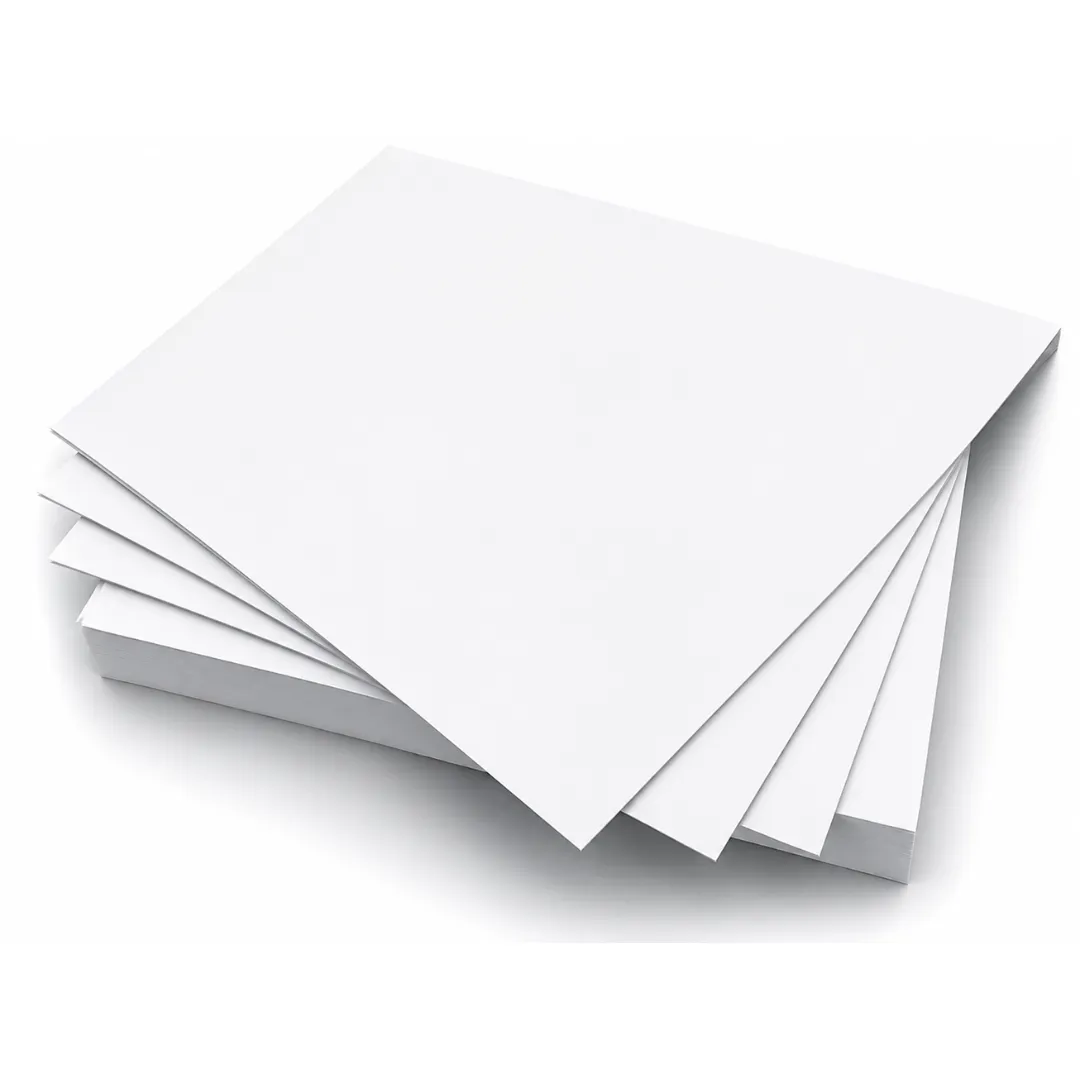
We use cardboard material with the least environmental impact and minimizes waste generation.
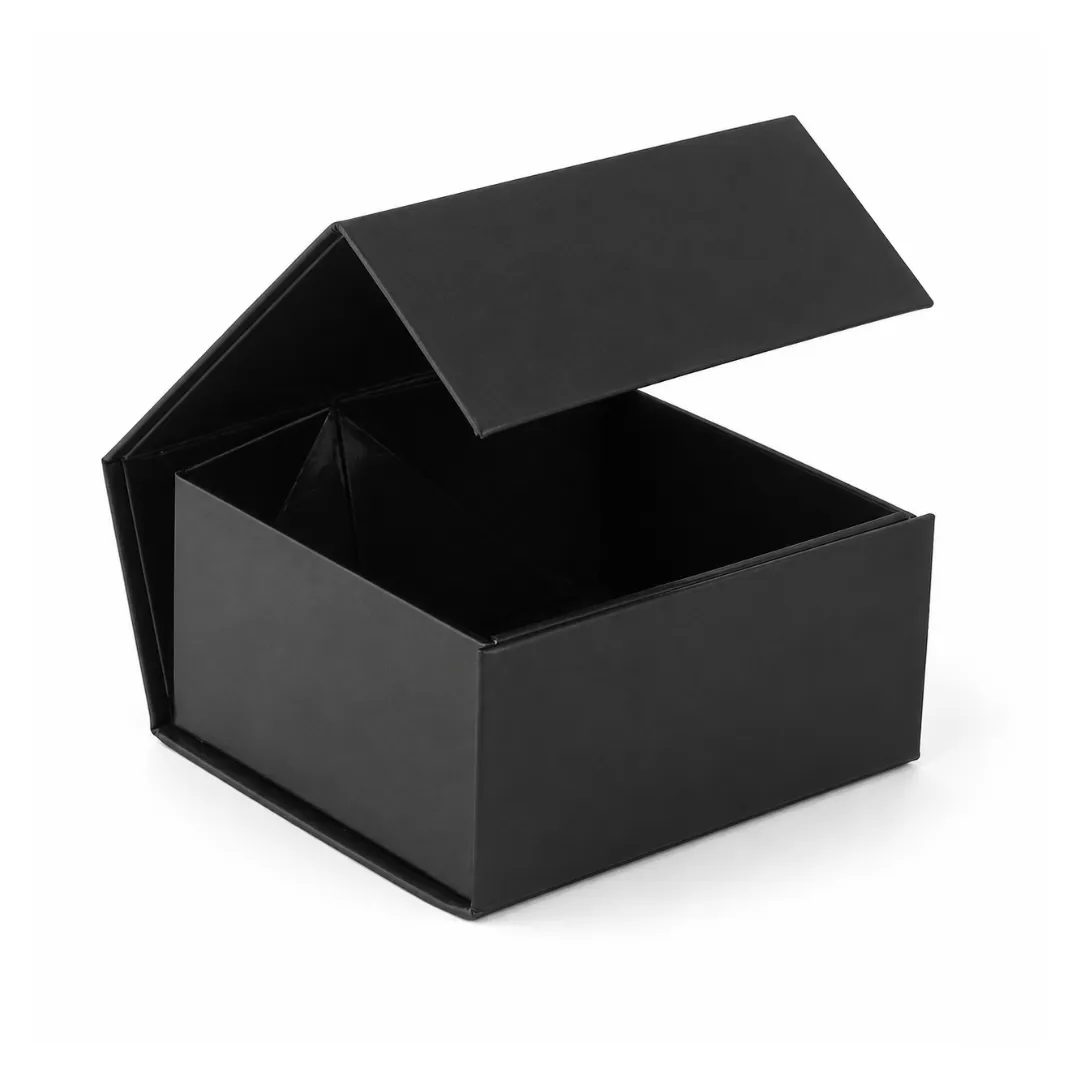
Rigid is highly protective, affordable and recyclable material. These boxes provide maximum protection.
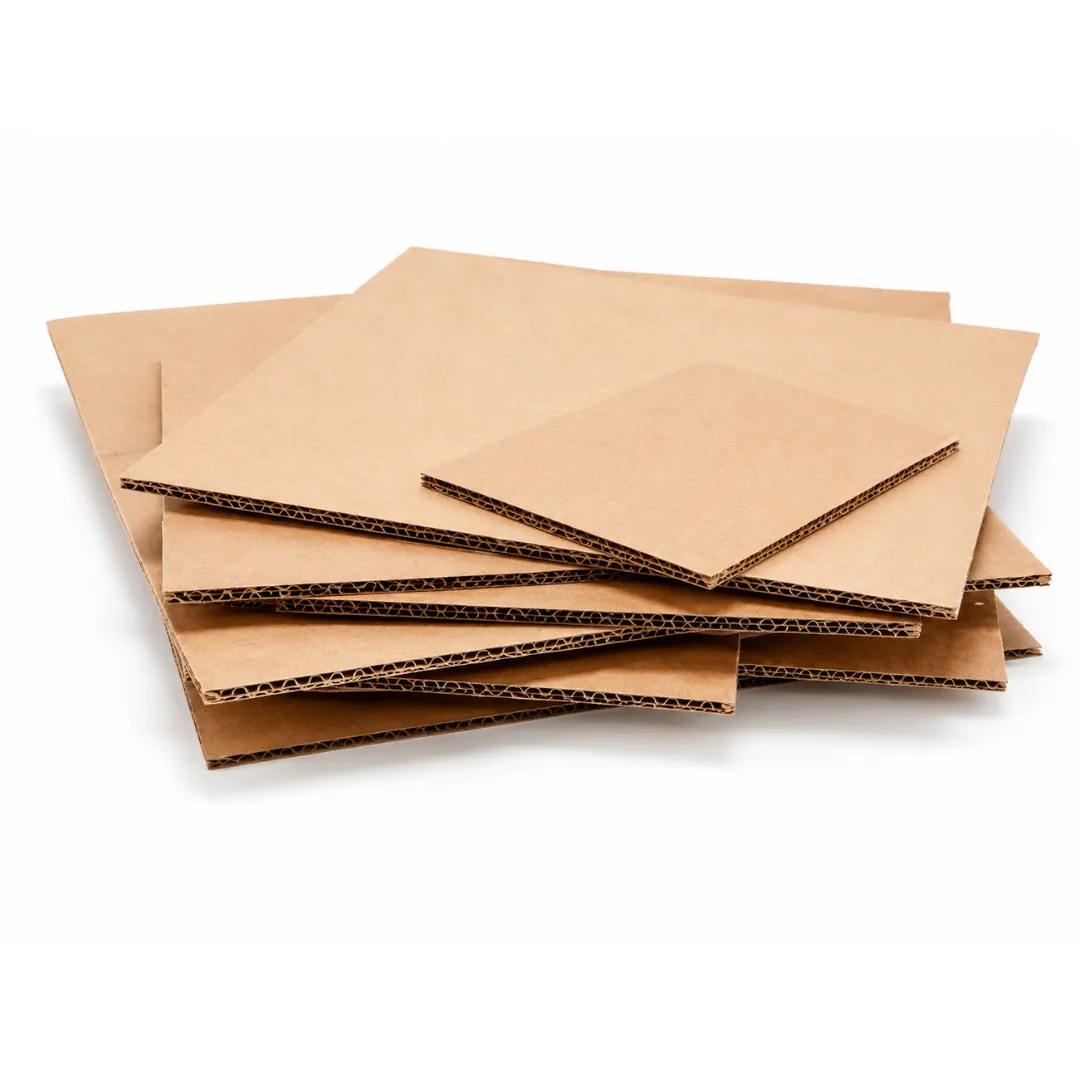
Corrugated material is easy to customize, cost effective and sustainable. It is also great for branding purposes.
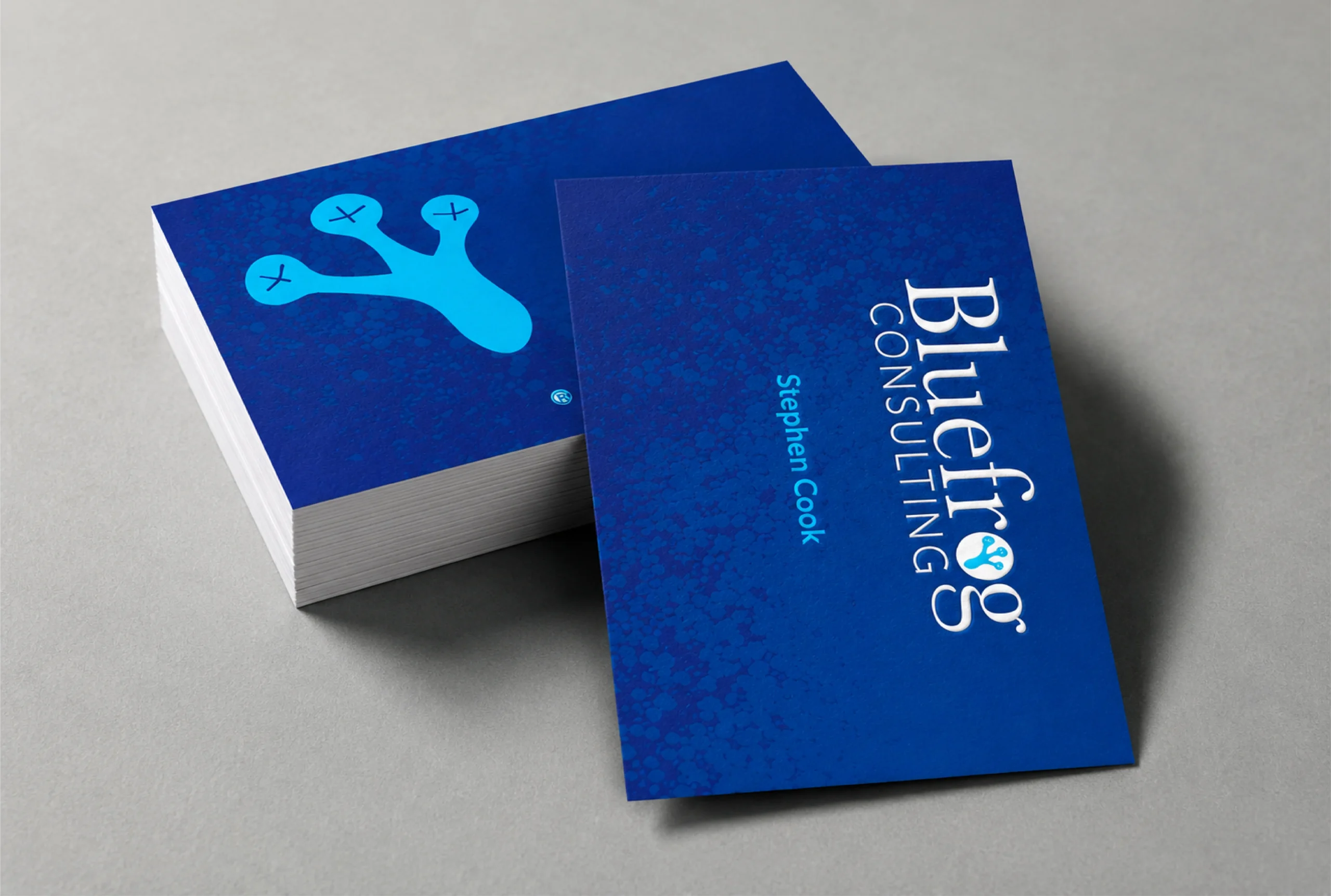
We add additional layer of protection with soft touch lamination from toner chipping.
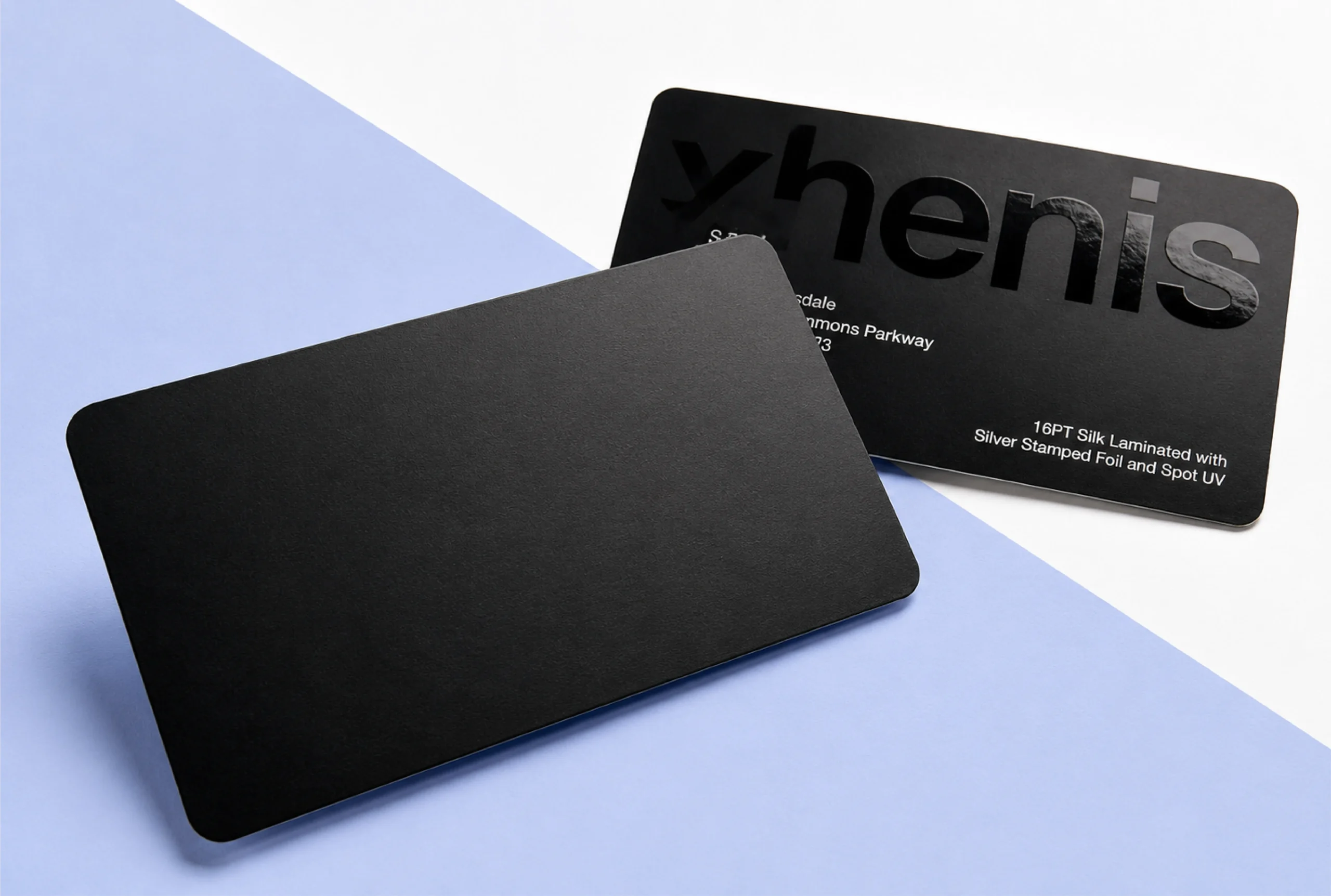
With our matte finish, fingerprints and smudges will now be less visible on the packaging.
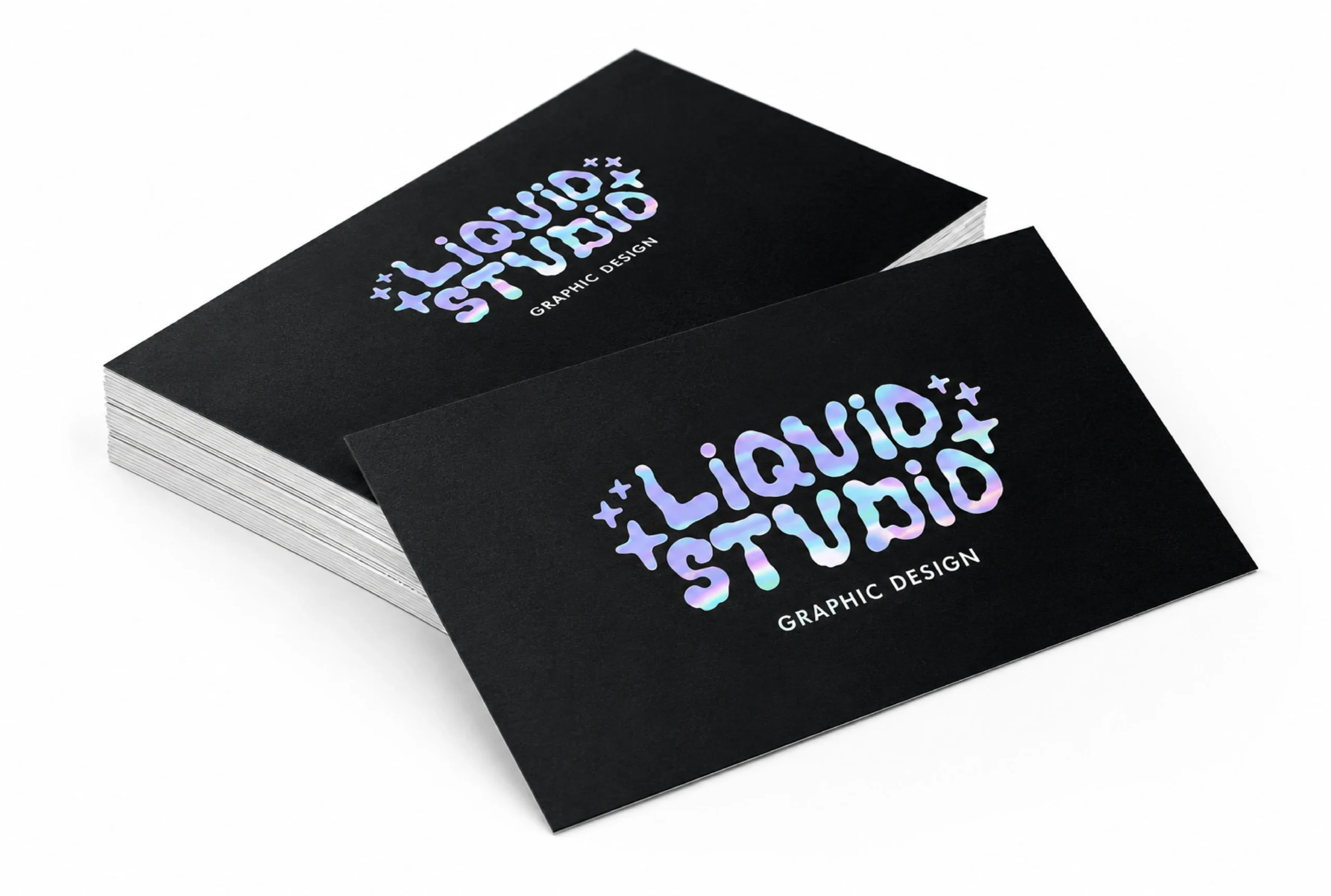
Holographic foil diffracts light and reveals the colors of the rainbow at various angles.
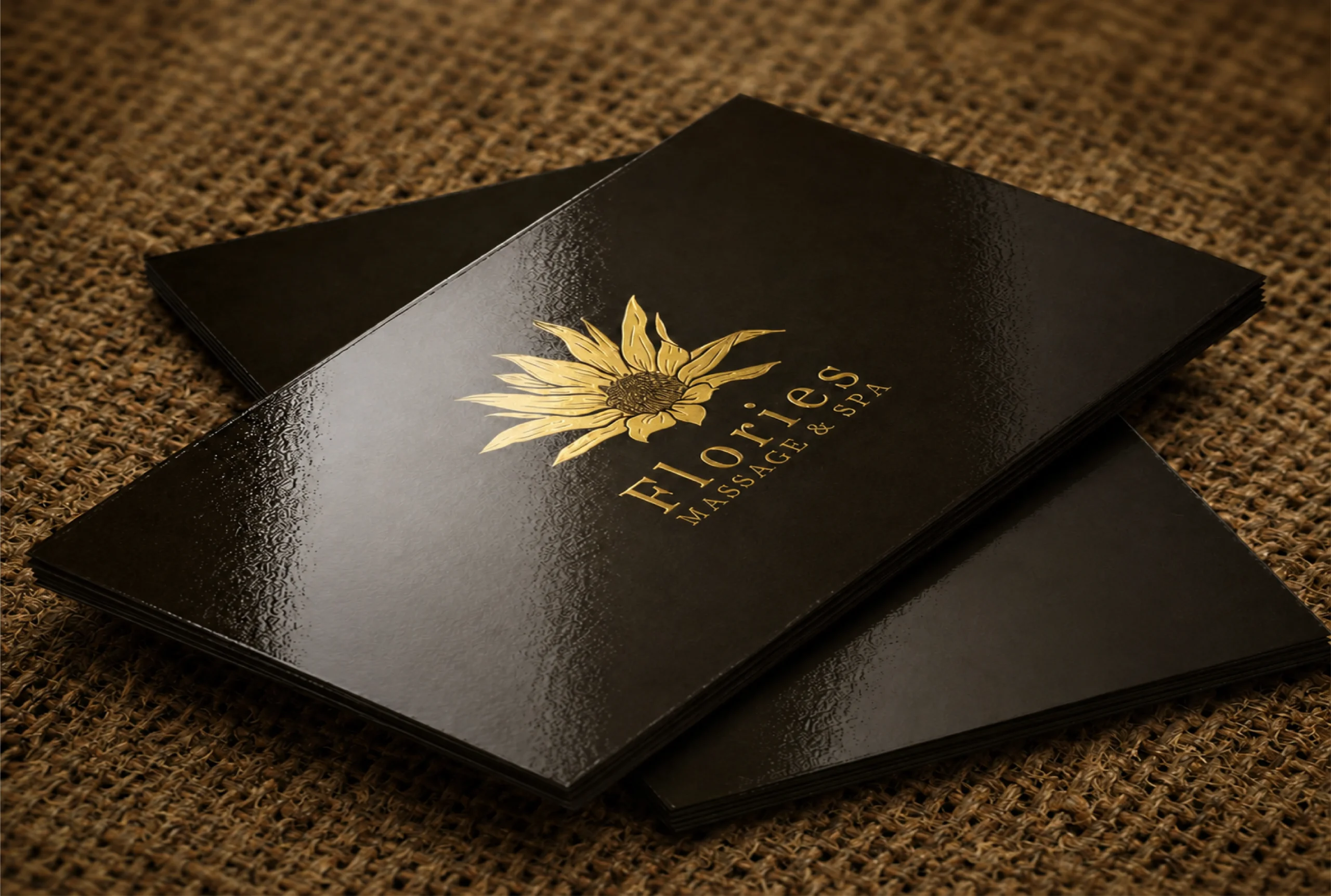
Our glossy finishing gives your packaging an extra layer of shine.
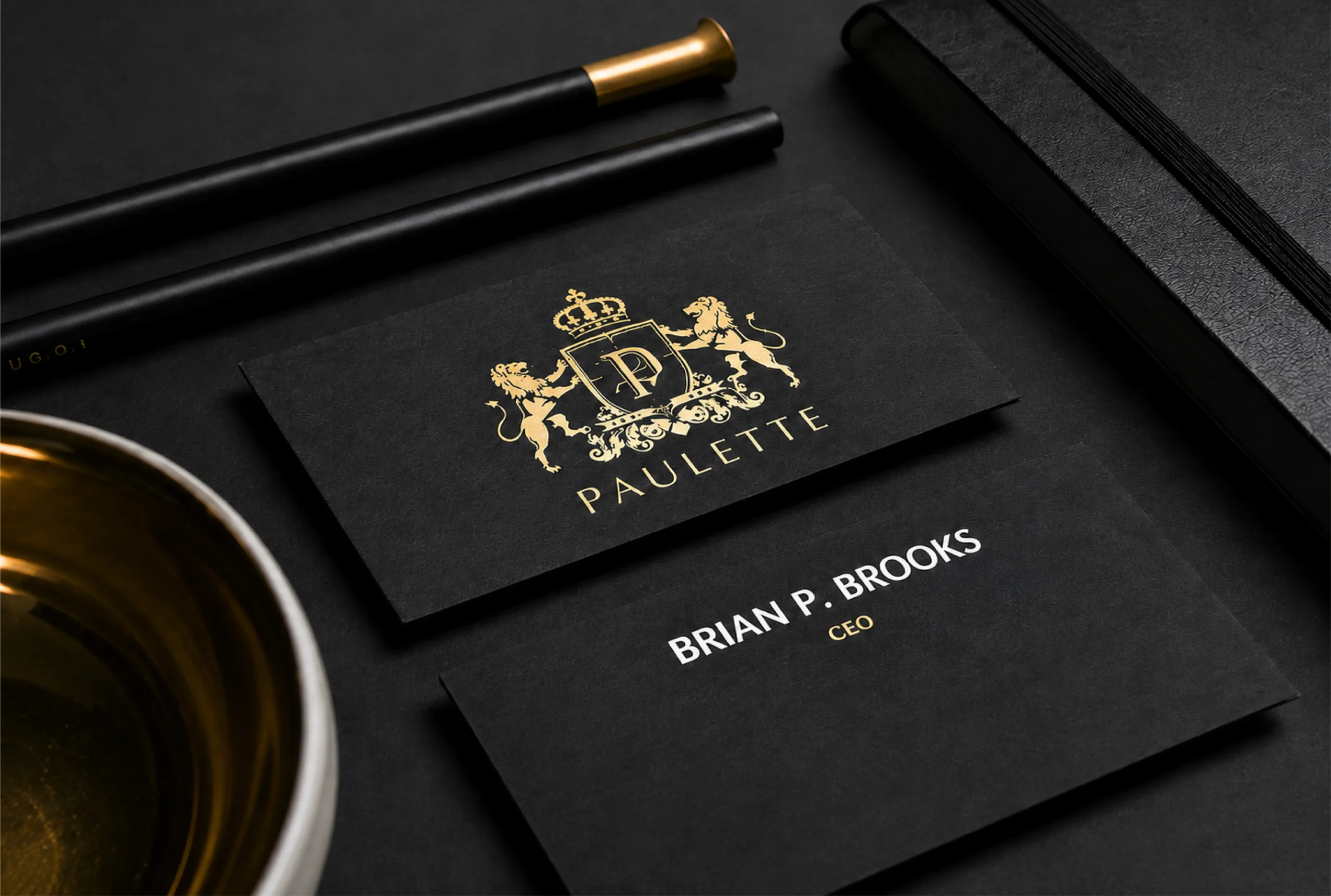
Decorate a wide range of your product packaging with our foil stamping.
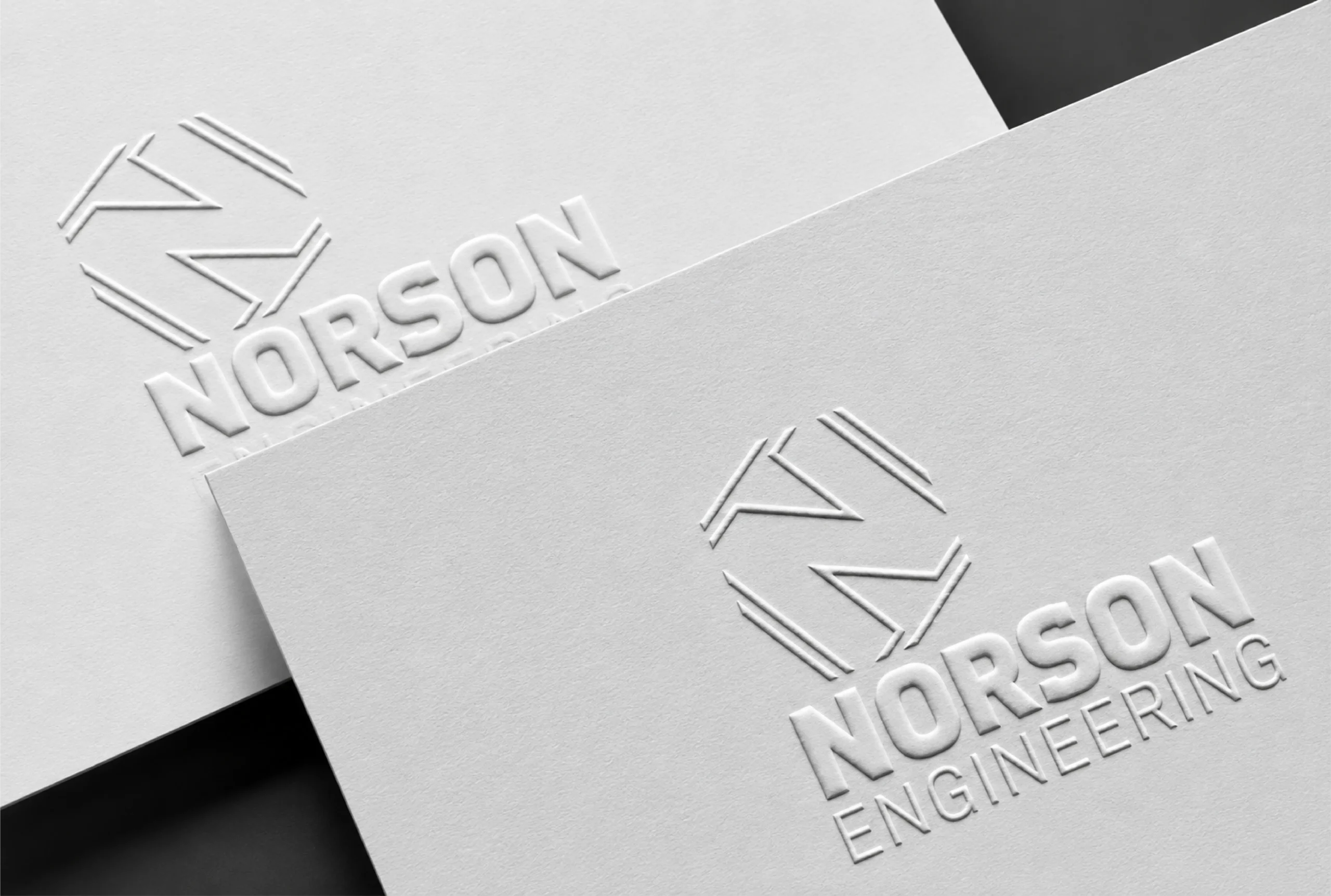
With our embossing technique, we transfer the finest details of your product on packaging.

We use debossing technique to add unique graphics into your packaging.
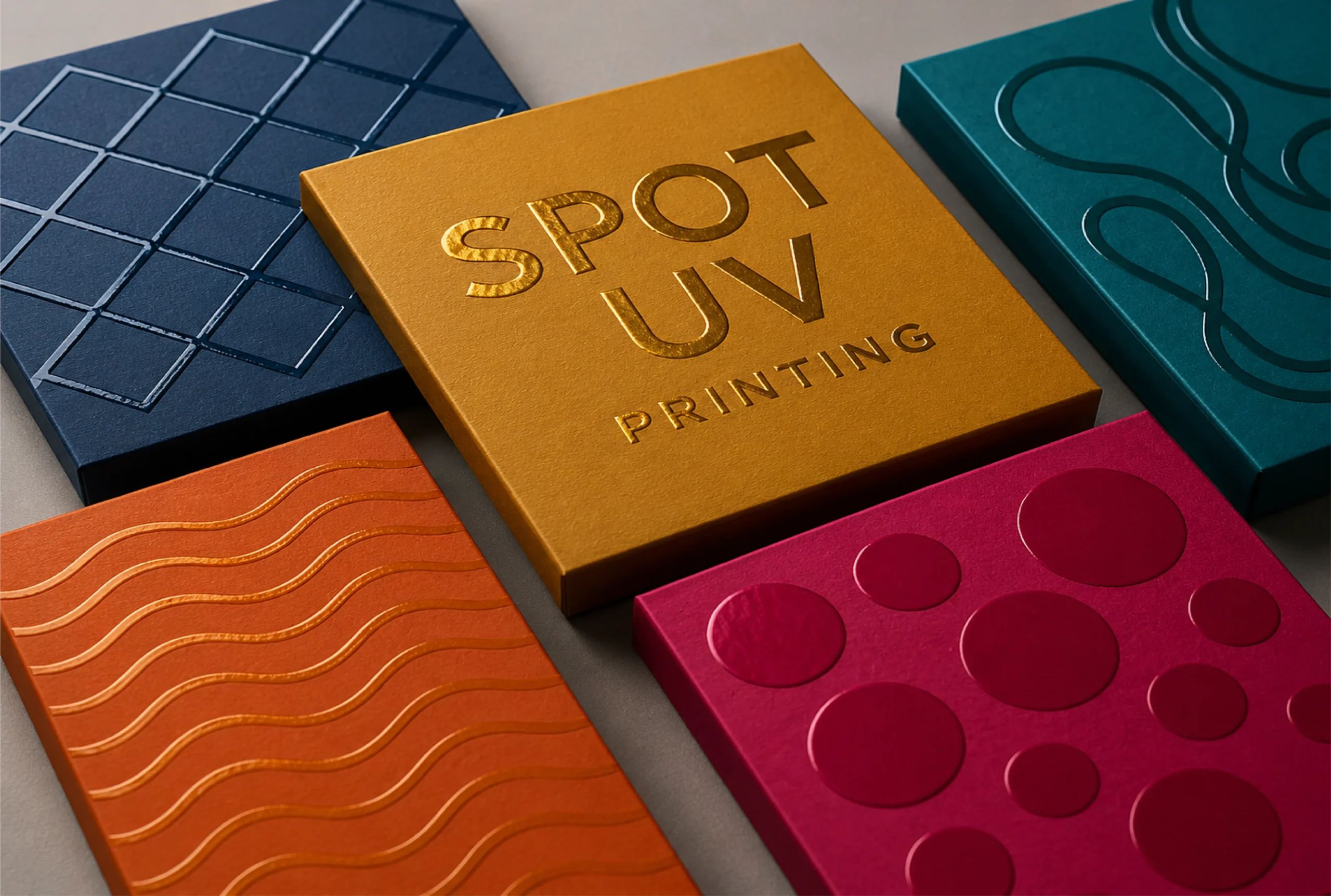
Our high-gloss UV coating gives light and shine to cure the printed material's varnish.
Still unsure? Email sales@packaginghubs.com and a packaging specialist will help.
Get your free quote today and see why Packaging Hubs is the most trusted name in U.S. custom packaging.