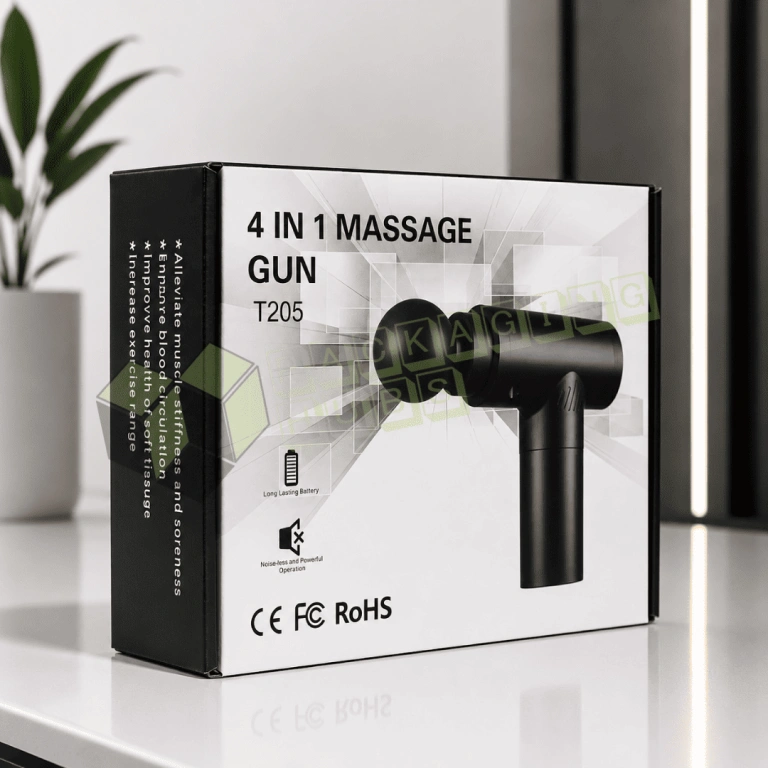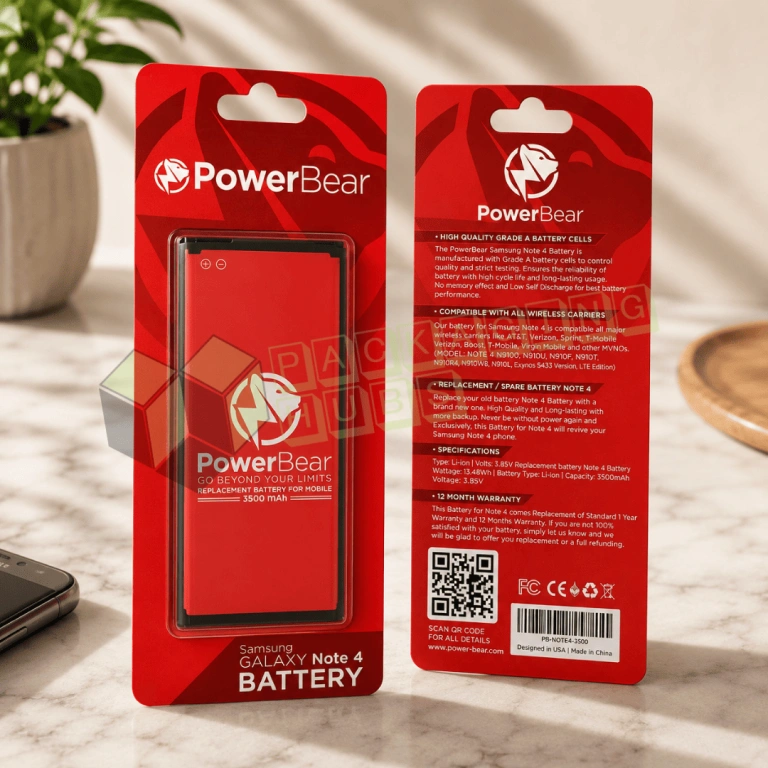
Free design support and free U.S. shipping. No minimum order.
Create a structured journey from the cover to the final product reveal. Packaging Hubs manufactures book-style presentation packaging for manuals, catalogs, certificates, PR kits, samples, apparel launches, electronics, corporate gifts, and promotional campaigns. Choose custom pockets, fitted inserts, magnetic closures, printed interiors, mailing protection, and free worldwide shipping.
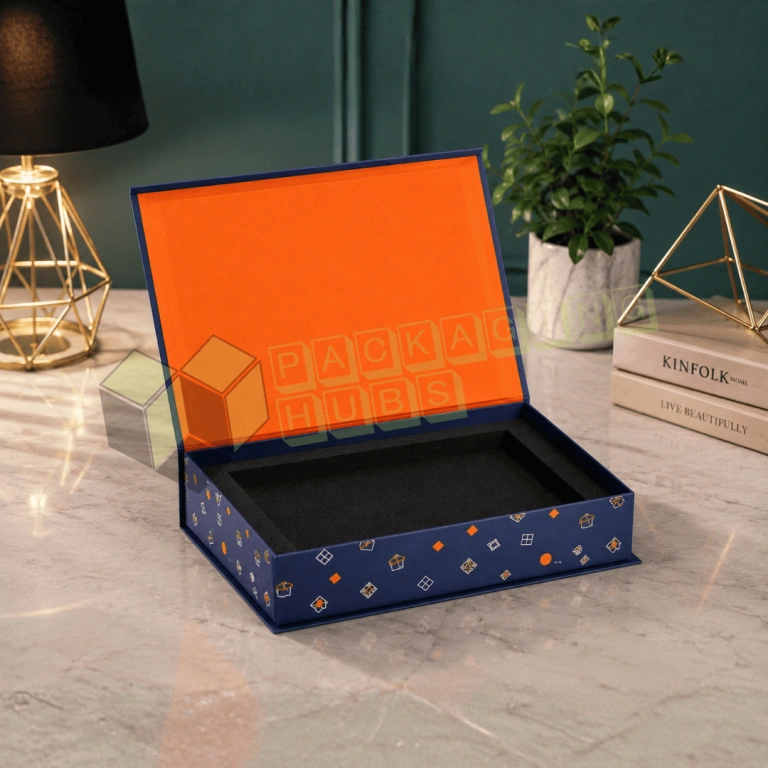
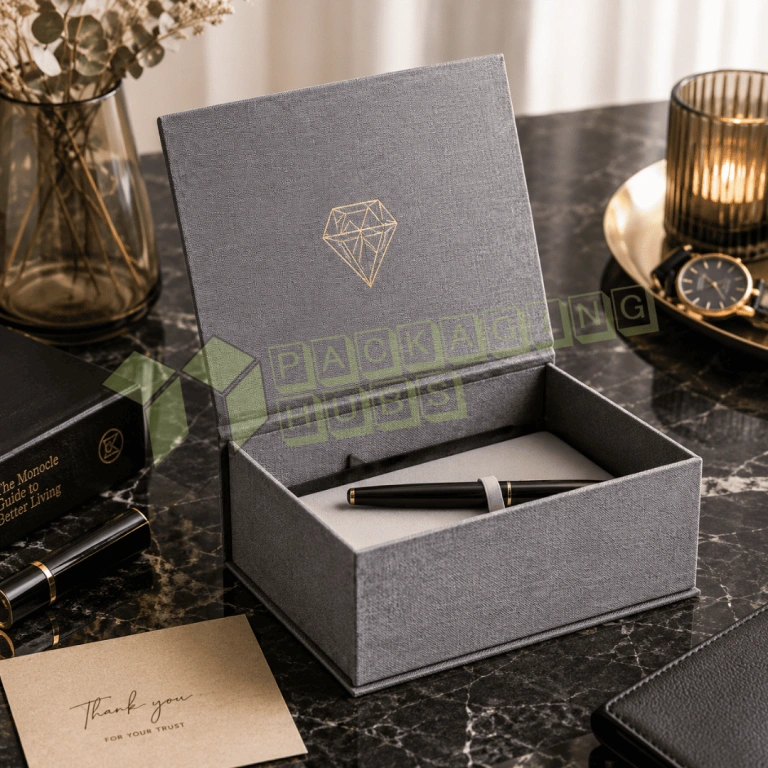
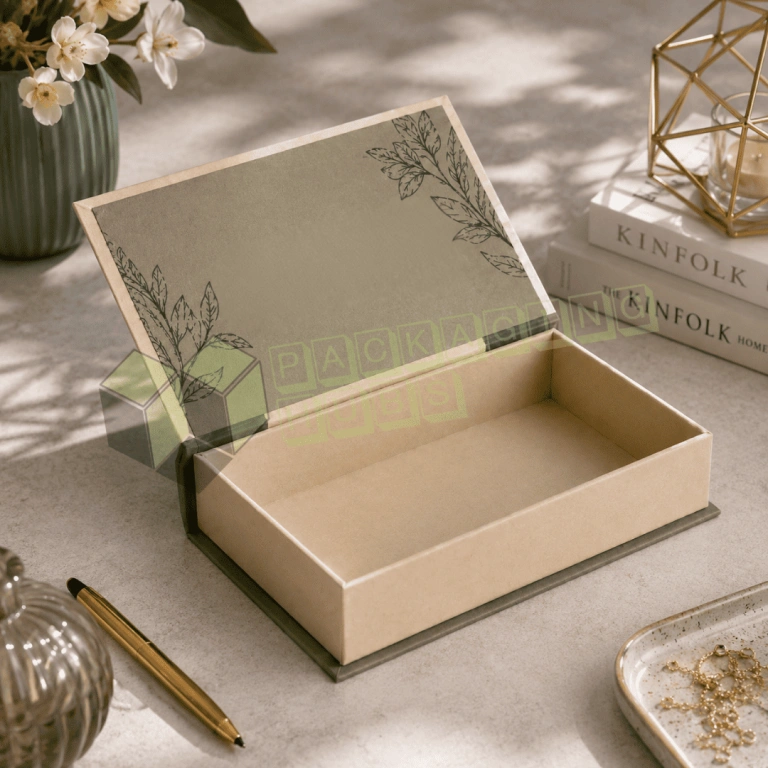
Custom booklet boxes turn a lid into part of the product story. Instead of lifting a separate top or pulling out a drawer, the customer opens a hinged cover from a defined spine. The movement feels familiar, creates a broad interior display, and gives brands a natural place for instructions, campaign artwork, product education, or a welcome message.
Packaging Hubs manufactures these book-style structures for cosmetics, electronics, wellness kits, promotional collections, jewelry, stationery, software packages, media sets, corporate gifts, samples, and printed presentation materials. Each box is developed around the actual product dimensions, weight, fragility, removal order, retail channel, and shipping method.
A successful booklet box must do more than resemble a book. The spine needs suitable clearance, the hinge must open smoothly, the lid should align with the base, and the insert must keep every component in place. Packaging Hubs combines these structural requirements with custom printing, premium finishes, zero MOQ, free design services, flexible lead-time options, and free shipping across the USA. Request a free quote to create packaging that opens clearly, protects the contents, and gives customers a reason to explore what is inside.
A booklet box is a book-opening package with a connected cover, a defined spine, and an internal tray or base. Many versions use rigid board wrapped with printed or specialty paper, although lighter paperboard and reinforced corrugated constructions can create a similar opening experience for less demanding products.
The term can also describe a box made to hold brochures, manuals, catalogs, or bound booklets. These uses overlap, but they are not identical. A book-style product box is defined mainly by its hinged opening, while a printed-material box is defined by what it holds. Packaging Hubs can develop either version or combine them in one presentation kit.
For example, a skincare launch may place bottles in a fitted tray and print the usage sequence inside the lid. A corporate presentation may hold a booklet, samples, cards, and a USB device in separate zones. In both cases, the packaging should be measured around the complete contents rather than a general book size.
Booklet boxes work best when the customer understands the presentation immediately after opening. The cover, inside panel, insert, and accessory pockets should guide attention in a deliberate order.
| Structural Area | What It Must Do | Buyer Planning Question |
| Front cover | Introduce the brand while protecting the main lid surface | What should customers recognize before they open the package? |
| Spine | Connect the cover and base without buckling or pulling | How deep is the tray, and how far must the cover travel? |
| Hinge | Allow repeated opening without exposing weak wrap areas | Should the box open flat, partly open, or stop at an angle? |
| Inside cover | Carry instructions, artwork, a message, or a document pocket | What information should customers see before removing the product? |
| Product tray | Hold the main item and restrict movement | Which product surfaces can safely contact the insert? |
| Access point | Make product removal controlled and convenient | Does the item need a finger notch, ribbon, or pull tab? |
| Closure | Keep the cover aligned during storage and handling | Is a magnet, ribbon, sleeve, tab, or friction fit appropriate? |
The table shows why the dieline should begin with customer interaction rather than decoration. Artwork becomes easier to plan after the opening angle, spine width, tray height, and removal method are confirmed. This sequence also prevents important text from disappearing into the hinge or sitting underneath the product.
The most common failures happen when a booklet box is designed as a visual concept instead of a working structure. The following table connects real packaging problems with practical solutions.
| Packaging Problem | Why It Happens | Packaging Hubs Solution | Practical Result |
| Cover does not close evenly | The insert or product sits above the tray walls | Adjust the tray depth, product recess, and lid clearance together | Cleaner lid alignment |
| Spine wrinkles or tears | The hinge allowance is too tight for the board and wrap | Engineer the spine width and wrap movement as one system | Smoother repeated opening |
| Product lifts with the lid | Interior components touch the inside cover | Add suitable clearance and define the packed height correctly | More controlled presentation |
| Items rattle during handling | Cavities are oversized or unsupported | Use fitted compartments, dividers, bands, or restraint points | Less internal movement |
| Customer cannot remove the product | The insert grips the item too tightly | Add finger access, tapered cavities, ribbon lifts, or pull tabs | Easier product removal |
| Magnets pull the cover out of line | Magnet strength or placement is unbalanced | Match magnet position to the board, size, and tray height | More dependable closure |
| Text disappears near the fold | Artwork ignores the hinge and safe zones | Build the artwork on the approved production dieline | Better readability |
| Premium surfaces arrive scuffed | The presentation package ships without outer protection | Add a corrugated shipper, sleeve, or suitable protective layer | Cleaner arrival condition |
A strong booklet box solves these issues before production. Premium finishes can improve appearance, but they cannot correct a shallow tray, stressed hinge, or product that is difficult to lift. Structural approval should therefore come before final artwork approval.
The main advantage is controlled storytelling. The cover can introduce the brand, the inside panel can explain the product, and the insert can reveal components in a planned order. This makes the format valuable for products that require education, comparison, setup instructions, or a ceremonial opening.
The second advantage is presentation area. A booklet box offers several connected surfaces without requiring a separate folder. Brands can use the front, back, spine, inside cover, tray border, and insert labels for different parts of the message.
The third advantage is organization. Compartments can separate devices, bottles, accessories, samples, manuals, cards, or tools. This reduces visual clutter and helps customers understand what belongs in the set.
The format can also encourage reuse when the structure, finish, and product value justify keeping the package. Customers may store documents, accessories, collectibles, or the original product inside. However, reuse should be treated as a design opportunity rather than an unsupported environmental claim.
Finally, booklet boxes can scale from restrained corporate kits to elaborate luxury launches. The same opening idea can use a lightweight paperboard structure, wrapped rigid construction, or reinforced corrugated format depending on budget, product weight, and distribution needs.
The following specifications provide a practical manufacturing framework. Final selections should follow the actual contents, packed weight, opening angle, sales channel, and delivery route.
| Specification | Available Direction | What the Decision Changes |
| Dimensions | Fully custom length, width, depth, and spine measurement | Controls fit, closure, material usage, and shipping volume |
| Main structure | Book-opening rigid, hinged paperboard, collapsible rigid, or reinforced corrugated | Changes strength, storage, assembly, and perceived value |
| Board material | Rigid board, SBS, cardstock, kraft, or corrugated flute | Affects stiffness, printing, weight, storage, and cost |
| Insert system | Paperboard, corrugated, molded pulp, properly specified foam, or layered rigid tray | Controls movement, product access, and presentation |
| Closure | Hidden magnets, ribbon tie, tab lock, sleeve, or friction fit | Changes security, assembly time, and opening feel |
| Printing | Digital, offset, flexographic, screen, exterior, interior, or both | Affects run efficiency, detail, and artwork flexibility |
| Color system | CMYK, PMS spot colors, monochrome, or unprinted material | Controls photographic range and brand-color consistency |
| Surface finish | Matte, gloss, soft touch, anti-scratch, foil, spot UV, embossing, or debossing | Changes surface feel, contrast, handling, and price |
| Proofing | Flat proof, 3D mockup, and physical sample when appropriate | Helps review artwork, fit, opening, and removal |
| Order support | Zero MOQ, free design services, flexible lead times, and free USA shipping | Supports testing, launches, and repeat programs |
The strongest specification is not the one containing the most features. It is the combination that supports the product, customer experience, and fulfillment process without adding unnecessary material or production complexity.
A book-opening format can be produced in several ways. The correct construction depends on the required strength, assembly process, storage efficiency, and presentation level.
| Structure | Best Use | Main Advantage | Important Tradeoff |
| Wrapped rigid book box | Luxury goods, electronics, corporate gifts, and collectibles | Strong shape retention and a substantial hand feel | Uses more storage and assembly than folding formats |
| Collapsible rigid booklet box | Premium ecommerce and wholesale programs | Reduces storage volume before assembly | Requires accurate setup and closure alignment |
| Hinged paperboard carton | Lightweight samples, media, stationery, and promotions | Lower material weight and efficient flat shipping | Provides less rigidity for heavy products |
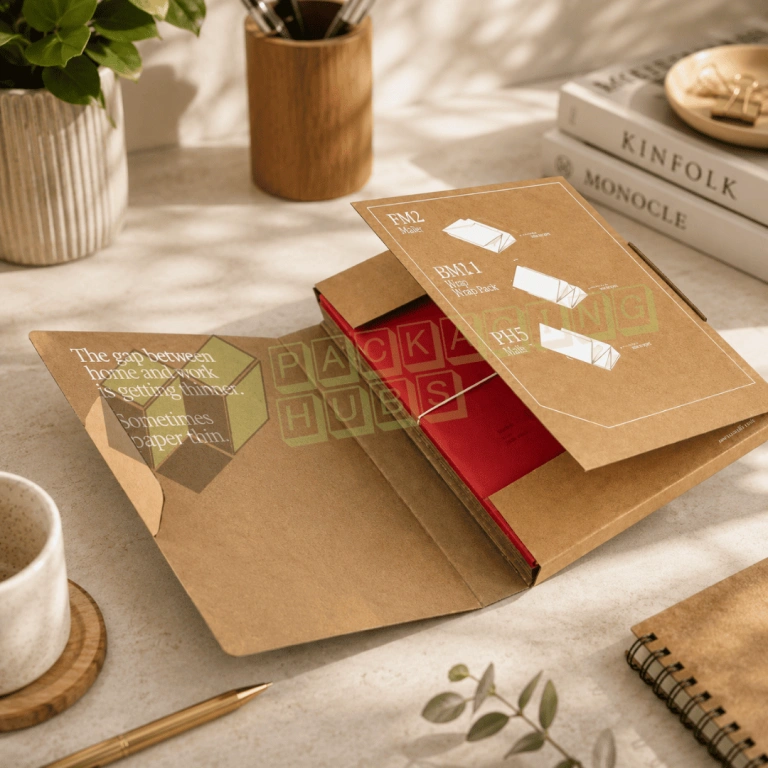
| Reinforced corrugated book mailer | Subscription kits and direct shipping | Combines a book-opening experience with transit strength | Corrugated texture changes the visual finish |
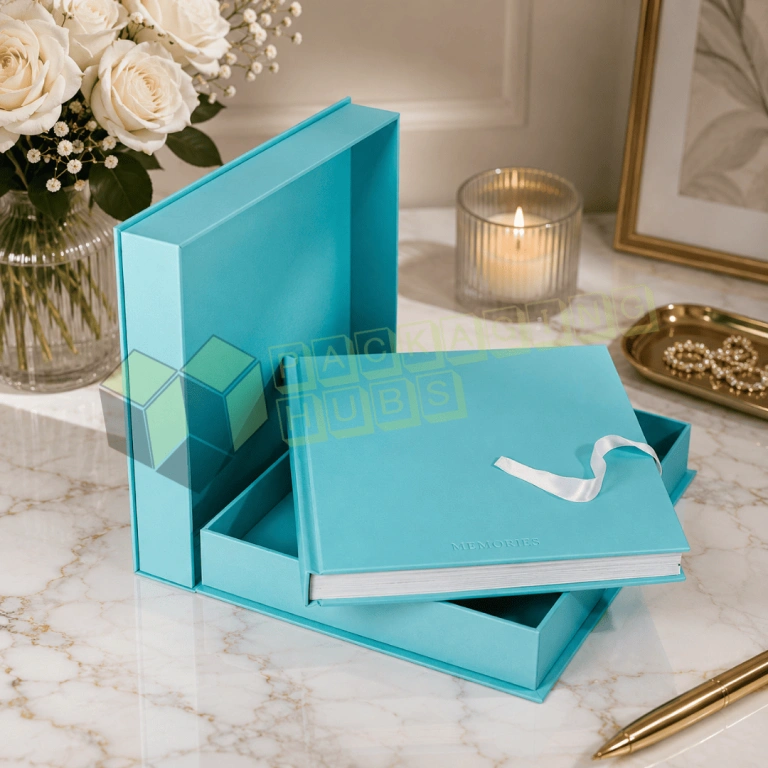
| Book box with sleeve | Collectors’ sets and limited editions | Adds surface protection and a second reveal | Adds material, handling, and packing time |
This comparison prevents brands from paying for rigid construction when a lighter structure will perform well. It also prevents heavy or fragile products from being placed in a carton that cannot retain its shape. Packaging Hubs can compare prototypes around the actual product rather than recommending one structure for every buyer.
Booklet boxes should be measured from the packed interior outward. Begin with the largest product dimensions, then add the required clearance, insert walls, accessory spaces, tray thickness, and removal features. The resulting base depth determines the spine and influences how the cover closes.
The measurement must include everything the customer receives. Bottles need cap clearance. Electronics need room for cables and adapters. Printed books need enough space for cover thickness and page variation. Sample kits may include cards, envelopes, swatches, tubes, or documents that change the final stack height.
The hinge also requires movement space. A spine that appears correct on a flat drawing may pull against the wrap when the box opens. Conversely, excessive allowance can create a loose spine that weakens the book-like appearance.
Packaging Hubs can prepare a dieline after reviewing product measurements, weights, photographs, insert requirements, opening direction, and artwork goals. For complex kits, a physical sample provides the clearest opportunity to test alignment, closure, and product removal before full production.
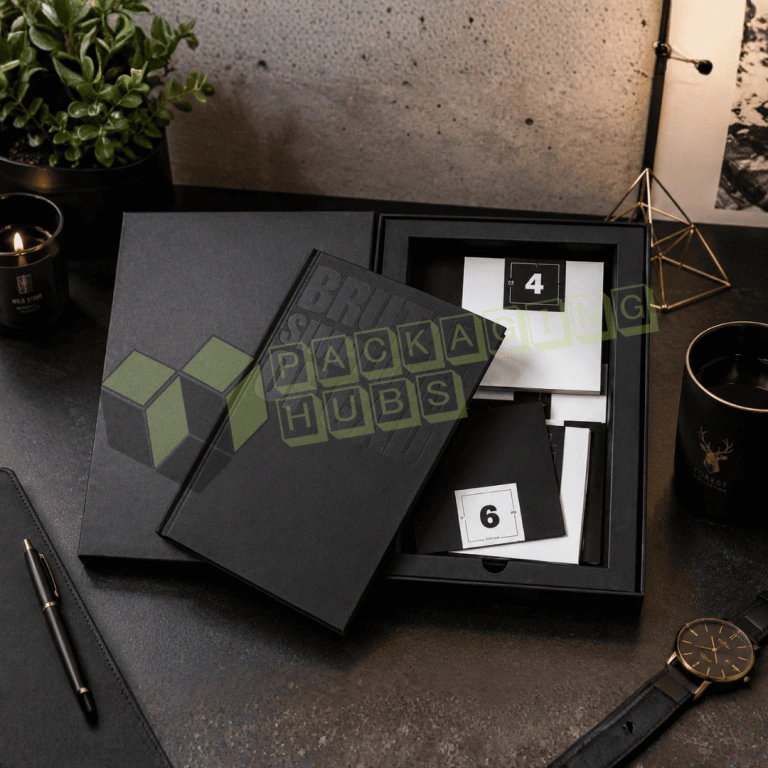
An insert should tell the customer where to look and what to remove first. It can center one hero product, separate a multi-item kit, position accessories beside the main item, or hold instructions inside the cover.
Paperboard inserts work well for lightweight products and paper-focused presentations. Corrugated inserts add structural support for larger kits. Molded pulp can support suitable shapes with a paper-based appearance. Properly specified foam provides precise cavities for technical, delicate, or high-value products, although the material and related environmental claims require careful review.
Finger notches, ribbon lifts, pull tabs, stepped trays, and open edges improve access. Without these features, a tight cavity may look precise but create a frustrating experience. The insert should restrict movement while still allowing customers to remove the product without bending cards, pulling labels, or pressing fragile surfaces.
The removal sequence also affects the artwork. When several items sit in layers, printed labels or icons can show what belongs underneath. This creates organization and reduces the likelihood that customers overlook accessories.
Some products need a premium structure but do not require a specialized booklet-style layout. A two-piece setup box, magnetic presentation box, drawer, or another rigid format may offer better access or simpler packing.
Brands comparing premium structures can review Custom Rigid Boxes for broader luxury packaging options. These formats can support cosmetics, technology, gifts, fashion accessories, collectibles, and corporate presentations when a separate lid or sliding tray fits the customer journey better than a hinged cover.
The decision should follow product behavior. A wide item that requires complete top access may work better in a lid-and-base box. A product with a staged reveal may suit a drawer. A kit that needs instructions on the inside cover may benefit most from a booklet box. Packaging Hubs can compare these structures before the brand commits to final artwork or tooling.
Multi-item products need more than a strong outer shell. The interior must separate components, identify the main item, prevent contact, and make accessories easy to remove.
For precision-cut trays and compartmented presentations, Custom Rigid Boxes with Inserts can support cosmetics, electronics, grooming tools, samples, devices, gift sets, and technical kits. The related format is especially useful when product control matters more than the exact opening style.
A good insert plan begins with the unpacking order. The main product should not block a manual, cable, refill, or card that the customer needs first. Components should also remain visible enough for fulfillment teams to confirm that the set is complete before closing the package.
Packaging Hubs can develop cavities, dividers, document pockets, ribbon lifts, accessory channels, and layered trays around the finished products. The insert should be reviewed together with the box depth because even a small change in cavity height can affect the lid and closure.
Booklet packaging can use rigid board, paperboard, kraft stock, or corrugated material. The strongest choice depends on weight, box size, shipping route, print detail, and opening expectations.
| Material | Better Application | Main Benefit | Limitation to Plan Around |
| Wrapped rigid board | Premium retail, gifting, and reusable product sets | Strong walls and substantial presentation | Higher assembly, storage, and unit cost |
| SBS paperboard | Lightweight printed kits and promotional products | Smooth surface for detailed color printing | Large panels may require reinforcement |
| Kraft paperboard | Natural-looking gifts, stationery, and artisan products | Distinct paper character with restrained graphics | Brown stock changes color reproduction |
| E-flute corrugated | Ecommerce kits and stronger book-style mailers | Better edge protection with printable surfaces | Flute texture affects fine finishing results |
| B-flute corrugated | Master cases and heavier distribution packs | Greater stacking and handling strength | Usually too heavy for small premium interiors |
Material should follow the product tier and delivery route. A lightweight media kit may not need rigid board, while a glass product set should not rely on appearance-focused paperboard without suitable support. Packaging Hubs can also combine materials, such as a rigid presentation box inside a corrugated outer shipper.
Brands selling handmade goods, stationery, wellness items, samples, educational kits, and artisan products may prefer a natural paper character instead of a heavily laminated luxury surface.
Kraft Boxes can support this direction with brown or natural-looking stock, minimal printing, paper-based inserts, and restrained branding. Kraft can also be wrapped over stronger board when a project needs a book-opening structure with greater rigidity.
The material should be selected for more than appearance. Uncoated kraft may show scuffs, absorb moisture, and reproduce colors differently from white coated stock. Pale graphics may need a white underprint or label, while black ink and limited spot colors often create stronger contrast.
A kraft booklet box can feel premium when the dimensions, board, printing, and closure are controlled. However, brown paper alone does not prove that the complete package is recyclable, recycled, biodegradable, or broadly sustainable. Those claims must follow the documented construction.
Not every book-opening package needs rigid board. Lightweight products, printed manuals, sample cards, small media kits, and promotional sets can often use folding paperboard or reinforced cardboard structures.
Cardboard Boxes provide a broader range of folding cartons and paper-based formats that can ship flat, require less storage, and support detailed custom printing. A hinged paperboard design can retain the book-opening idea while reducing assembly and weight.
This option becomes less suitable when the product is heavy, highly fragile, or expected to create a substantial luxury feel. Large paperboard panels may bow, and repeated opening can stress folds when the structure is not engineered correctly. Reinforcement, sleeves, double walls, or corrugated support may resolve some of these issues.
Packaging Hubs can compare a paperboard booklet box with rigid and corrugated alternatives so buyers understand the cost, storage, strength, and presentation differences before ordering.
The connected panels create a natural storytelling canvas, but each printing method and color system serves a different production need.
| Option | Best Use | Buyer Implication |
| Digital printing | Prototypes, small launches, personalized kits, and several short-run designs | Supports flexibility and zero-MOQ testing with less setup |
| Offset printing | Larger repeat orders, detailed graphics, and premium wraps | Provides fine detail and efficient larger-run consistency |
| Flexographic printing | Corrugated booklet mailers and master cases | Works well for bold graphics and higher-volume outer packaging |
| Screen printing | Specialty wraps, rigid surfaces, and bold spot designs | Creates strong coverage but is less suited to complex photography |
| CMYK | Images, gradients, illustrations, and full-color campaigns | Reproduces a broad color range but may not match every screen color |
| PMS spot color | Logos and controlled corporate colors | Supports closer brand-color consistency across components |
| RGB reference | Digital previews and online artwork | Must normally be converted for physical print production |
Artwork should follow the approved dieline. The spine, hinge, magnet zones, tray edges, and wrap joints can affect where important text or logos should sit. Packaging Hubs provides free design support for bleed, safe zones, resolution, font preparation, color setup, and inside-to-outside panel flow.
Matte lamination creates a restrained, low-glare surface, while gloss increases shine and color intensity. Soft-touch lamination can make rigid booklet boxes feel more tactile, although the added cost should match the product tier. Anti-scratch films can reduce visible scuffing on dark surfaces but do not make packaging damage-proof.
Foil stamping can emphasize a title, logo, border, or spine detail. Embossing raises selected artwork, while debossing presses it inward. Spot UV creates localized gloss contrast, particularly over a matte background. Edge printing, printed endpapers, fabric pulls, and specialty wraps can extend the book-inspired appearance.
Hidden magnets support a clean closure, but their position must align with the board and tray. Ribbon ties add ceremony but can slow fulfillment. Pockets hold manuals or cards, while windows reveal products but may conflict with the solid book-cover effect.
The strongest design usually uses a small number of coordinated details. A precise spine, one tactile finish, and one focused logo treatment can create more impact than several effects competing across every panel.
Book-style packaging is especially valuable when customers need instructions, context, or a guided setup. Electronics kits can place a quick-start guide inside the cover and accessories in labeled cavities. Skincare sets can show the usage order before customers lift the bottles. Sample programs can connect each swatch or vial with a printed description.
Corporate presentation kits may combine a booklet, cards, samples, credentials, and a USB device. Educational sets can organize flash cards, manuals, workshop tools, or manipulatives. Collectible launches can include certificates, numbered cards, and display components.
The package should not become more complicated than the product. A one-piece item with no education requirement may gain little from several pockets and layered trays. Conversely, a multi-step product may benefit greatly from a cover that explains the experience before the customer removes anything.
Packaging Hubs plans the information hierarchy together with the physical layout so printed content, product positions, and the removal sequence support one another.
When the package holds catalogs, documents, art prints, manuals, or collectible paper, the interior should reduce bent corners, sliding, and pressure from harder components. Printed materials should sit flat, remain easy to lift, and avoid direct contact with rough edges, exposed adhesive, or poorly positioned hardware.
The Library of Congress recommends supportive protective enclosures and explains that suitable storage can help prolong the life of paper materials. Its guidance also distinguishes long-term preservation supplies from ordinary commercial packaging. Brands handling valuable paper materials can review the official Library of Congress guidance for works on paper before making preservation or archival claims.
A commercial booklet boxes can protect printed materials from ordinary handling, dust, and movement, but it should not be described as archival unless the complete material system meets the relevant requirements. Packaging Hubs can create document wells, corner tabs, paper bands, pockets, and lift ribbons around the dimensions and value of the contents.
A premium presentation still needs operational clarity. Retail and fulfillment teams may require SKU labels, barcodes, batch details, color indicators, serial numbers, or product counts on a flat and accessible panel. These areas should remain away from wrap joints, heavy texture, foil, and magnetic hardware that could interfere with scanning or label application.
The package should also be practical to fill. A tray that requires repeated adjustments can slow a wholesale program. Loose cards may slip into the hinge. Ribbon lifts may become trapped under the product. Clear packing instructions and a repeatable component order can reduce these problems.
For multiple SKUs, brands can retain one structural footprint while changing insert labels, artwork, color bands, or sleeves. This creates consistency across a product family and may simplify master-carton planning.
Packaging Hubs can retain approved dielines, material details, insert layouts, color references, finishing locations, and packing directions for repeat orders. Buyers should still review new proofs when the product, artwork, or manufacturing specification changes.
A rigid booklet box can protect its contents during normal retail handling, but decorative wraps, corners, magnets, and premium surfaces may still suffer during parcel distribution. Ecommerce projects often need a corrugated outer shipper, suitable cushioning, or a close-fitting protective sleeve.
The United States Postal Service advises shippers to use strong packaging, provide room for cushioning, and prevent contents from shifting during processing. Brands can review the official USPS package preparation guidance when planning the shipping layer, closure, and label area.
The outer package should match the complete packed weight and delivery route. A lightweight promotional kit may need a compact E-flute mailer, while a heavier glass or electronics set may require stronger corrugated support and more controlled cushioning. Shipping labels and tape should remain on the outer layer when the inner package is intended as a gift or keepsake.
Packaging Hubs can plan the presentation box and outer shipper as one system so the premium surface is not expected to handle every distribution hazard alone.
A paper appearance does not automatically make booklet boxes recyclable, recycled, biodegradable, compostable, or environmentally preferable. The finished structure may combine board, wrap paper, laminate, foil, magnets, foam, fabric ribbon, plastic film, adhesive, and several insert materials.
The Federal Trade Commission’s Green Guides are designed to help marketers avoid environmental claims that may mislead consumers. The FTC also explains that recycled-content and related claims should remain specific, supportable, and appropriately qualified.
Packaging Hubs can discuss right-sizing, reduced finish coverage, recycled-content requests, kraft stock, removable components, paperboard inserts, and fewer mixed materials when these choices fit the product. However, the final marketing language should match the documented construction and recovery options available where the packaging is sold.
Reducing material should not create product damage, returns, or replacement shipments. A better approach removes unnecessary complexity while retaining the protection and usability the product genuinely needs.
Wholesale booklet boxes need consistency across structure, artwork, inserts, packing, and master cases. A brand may keep one approved base and spine while changing the printed cover, interior message, product label, or sleeve for different campaigns.
Standardization can reduce inventory complexity. One box footprint may support several compatible SKUs when the inserts change, while shared outer cases simplify storage and distribution. However, a universal cavity should not be forced across products with different heights, weights, or fragile surfaces.
Zero MOQ allows businesses to test a booklet boxes for a launch, sales presentation, influencer program, or limited edition before scaling. Larger quantities may improve unit economics when the structure and artwork remain stable. Flexible lead-time options help buyers plan prototypes, ordinary replenishment, seasonal releases, and deadline-driven campaigns.
Packaging Hubs can quote one design, several artwork versions, or a family of related sizes. Buyers should provide expected volumes, launch dates, storage limits, packing locations, and repeat-order plans so the production direction supports more than the first shipment.
Pricing reflects the entire packaging system rather than the outer dimensions alone.
| Cost Factor | Why It Changes Pricing | Practical Cost-Control Approach |
| Size and spine depth | Larger panels and deeper bases use more material | Measure the packed contents and remove unused space |
| Structure | Rigid, collapsible, paperboard, and corrugated formats require different labor | Match construction to product value and handling needs |
| Insert complexity | Multiple cavities and layers add cutting and assembly | Use only compartments that improve product control |
| Quantity | Setup costs spread differently across short and long runs | Compare digital tests with larger repeat production |
| Print coverage | Interior, exterior, and edge graphics add production work | Place color where it supports the customer story |
| Finishes | Foil, spot UV, embossing, and specialty wraps add processes | Select focused effects instead of every option |
| Closure | Magnets, ribbons, sleeves, and tabs add components and labor | Choose the simplest closure that meets the need |
| Shipping format | Assembled rigid boxes require more storage volume | Consider collapsible or folding structures when practical |
A lower-cost package that fails during packing or delivery is not economical. Packaging Hubs prepares custom pricing after reviewing dimensions, weight, structure, insert, quantity, artwork, finishes, proofing, assembly, and delivery requirements.
Quality review should cover the complete interaction, not only print appearance. Packaging Hubs can examine cover alignment, spine allowance, hinge movement, tray depth, product clearance, insert pressure, magnet placement, ribbon length, finger access, artwork safe zones, barcode areas, finish registration, and outer-shipping fit.
A 3D mockup helps review panel flow and general appearance. A physical sample becomes more valuable when the product is heavy, fragile, highly fitted, or dependent on repeated opening. The sample should be tested with the real contents rather than an approximate object with different weight or surface behavior.
The packing team should also review the sample. A structure may feel impressive to the designer but create unnecessary steps during assembly. Likewise, customers may struggle to remove a product that appears perfectly centered in photographs.
After approval, retained specifications help repeat orders remain consistent. Nevertheless, each new artwork version, insert revision, material change, or product adjustment should receive a fresh proof review.
Packaging Hubs manufactures custom booklet boxes for cosmetics, electronics, wellness products, corporate presentations, media kits, stationery, printed materials, jewelry, collectibles, samples, promotional programs, subscriptions, and premium retail launches across the USA.
Share the complete product dimensions, packed weight, accessory list, preferred opening direction, insert requirements, quantity, artwork, finishes, closure, shipping method, and delivery location. Our team can recommend rigid, collapsible, paperboard, or corrugated book-style structures and prepare a dieline, 3D mockup, or physical sample when appropriate.
Available options include custom sizing, wrapped rigid board, SBS, cardstock, kraft, corrugated flute, paperboard inserts, molded pulp, properly specified foam, document pockets, ribbon lifts, hidden magnets, sleeves, digital printing, offset printing, CMYK, PMS matching, matte or gloss lamination, soft touch, foil stamping, spot UV, embossing, debossing, inside printing, and corrugated outer protection.
Every project can include zero MOQ, free design services, flexible lead-time options, and free shipping across the USA. Call (855) 611-8876 or email sales@packaginghubs.com to request custom pricing and start your booklet packaging project.
| Box Style | Custom Booklet Boxes |
| Dimension (L + W + H) | All Custom Sizes & Shapes |
| Quantities | No Minimum Order Required |
| Paper Stock | 10pt to 28pt (60lb to 400lb) Eco-Friendly Kraft, E-flute Corrugated, Bux Board, Cardstock |
| Printing | No Printing, CMYK, CMYK + 1 PMS color, CMYK + 2 PMS colors |
| Finishing | Gloss Lamination, Matte Lamination, Gloss AQ, Gloss UV, Matte UV, Spot UV, Embossing, Foiling |
| Included Options | Die Cutting, Gluing, Scored, Perforation |
| Additional Options | Eco-Friendly, Recycled Boxes, Biodegradable |
| Proof | Flat View, 3D Mock-up, Physical Sampling (On request) |
| Turnaround | 4 – 8 Business Days, RUSH |
| Shipping | FLAT |
Pick the stock and the finish that suit your product. We’ll confirm both on your proof before anything is printed.
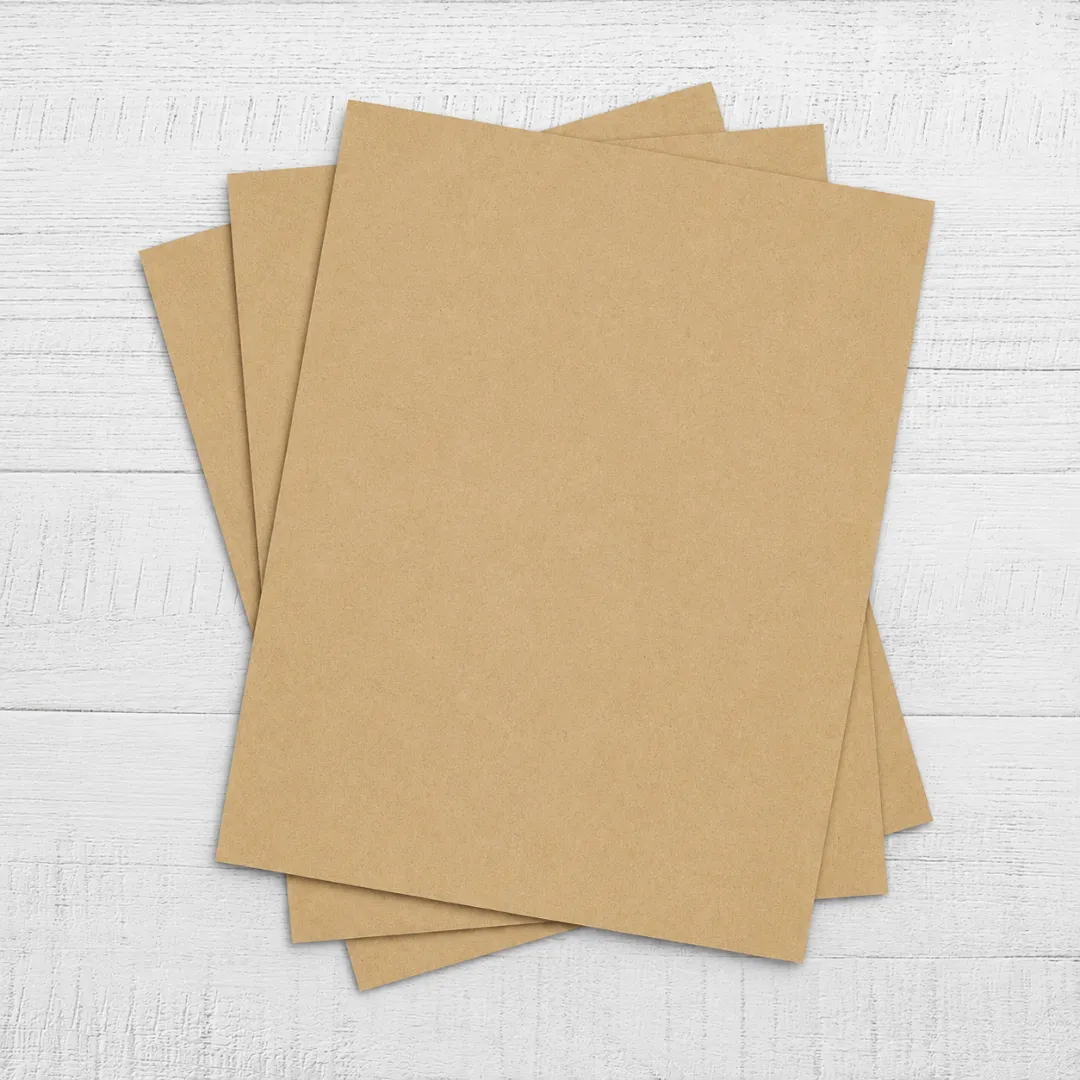
Kraft paper is a strong, durable and reliable material that is widely used across many different industries.
We use cardboard material with the least environmental impact and minimizes waste generation.
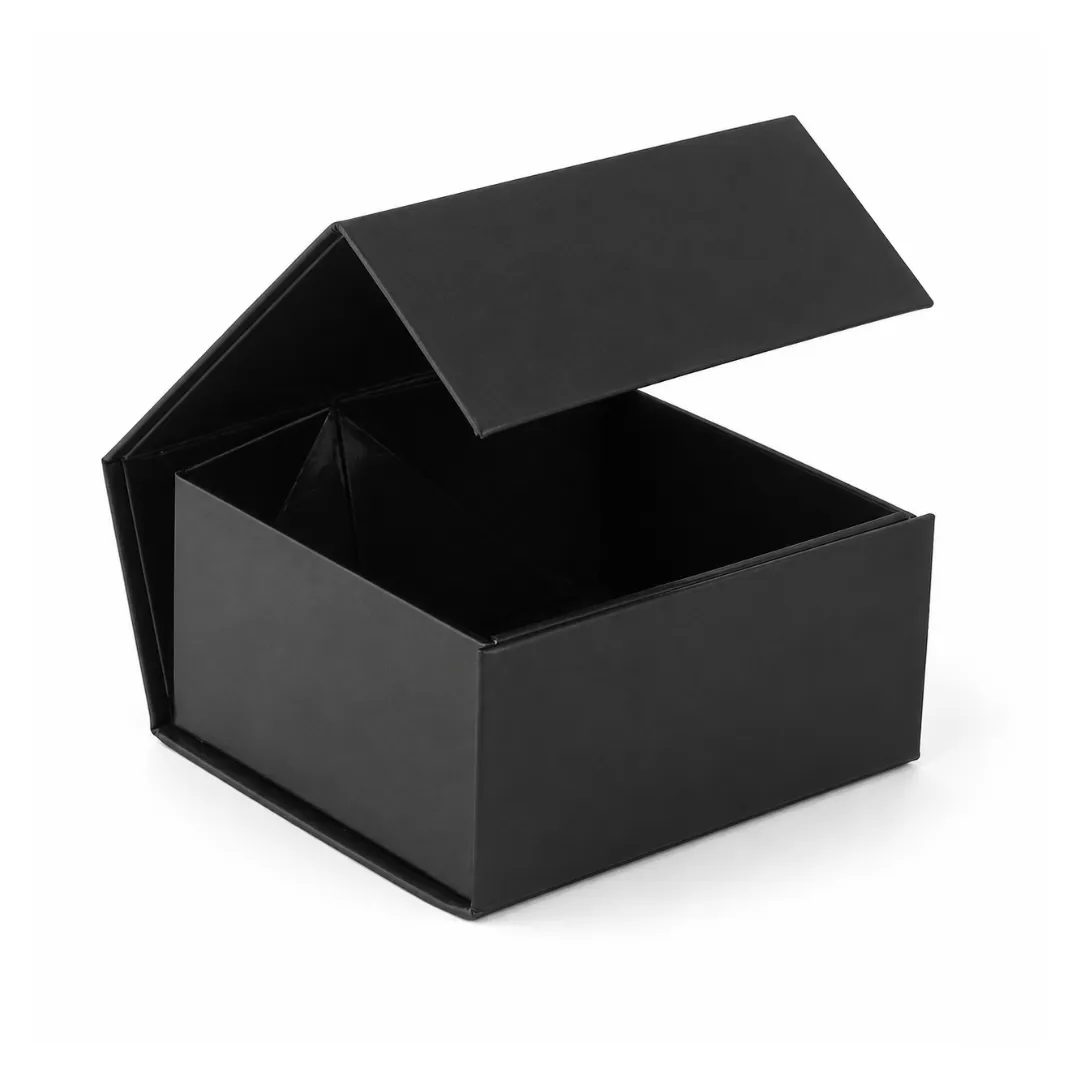
Rigid is highly protective, affordable and recyclable material. These boxes provide maximum protection.
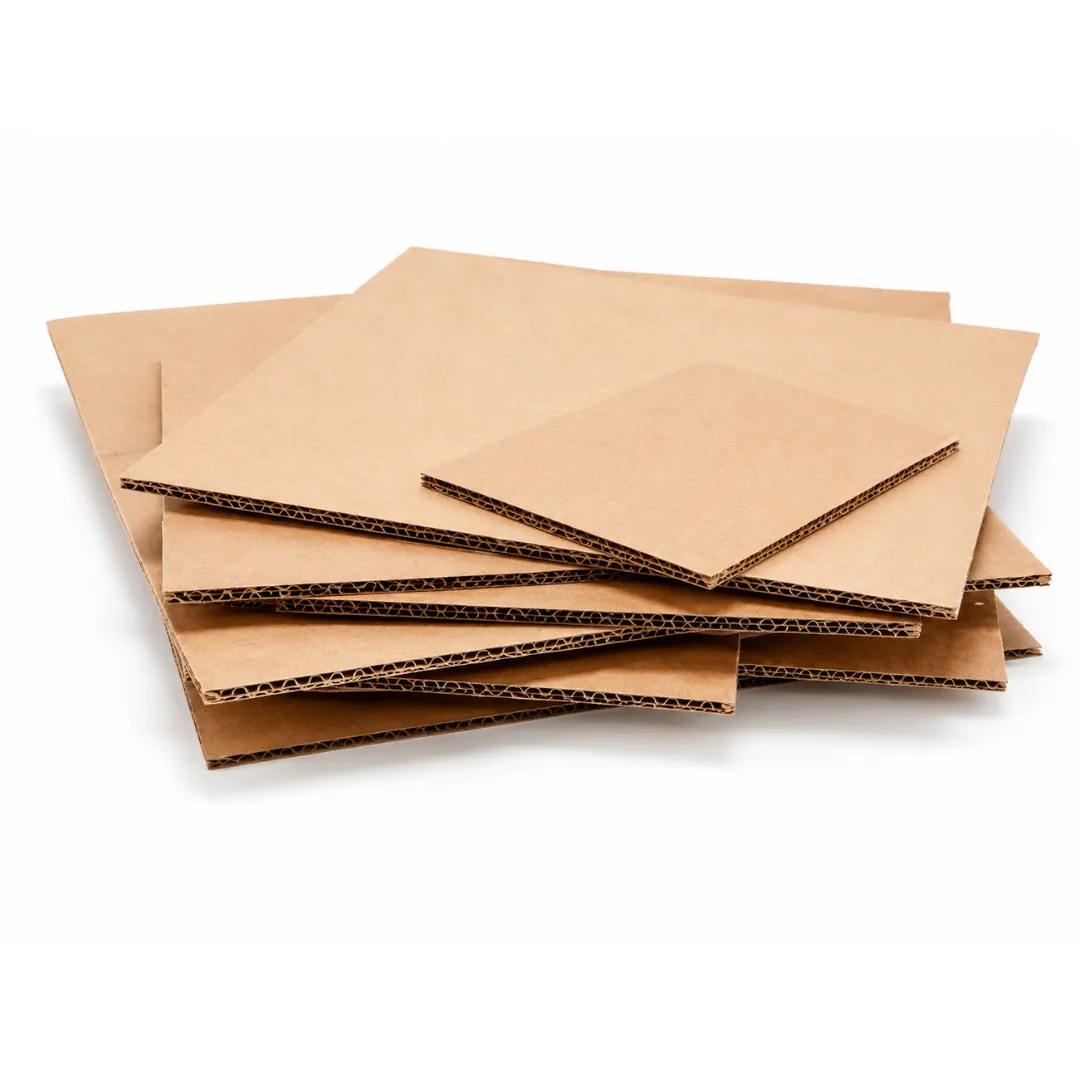
Corrugated material is easy to customize, cost effective and sustainable. It is also great for branding purposes.
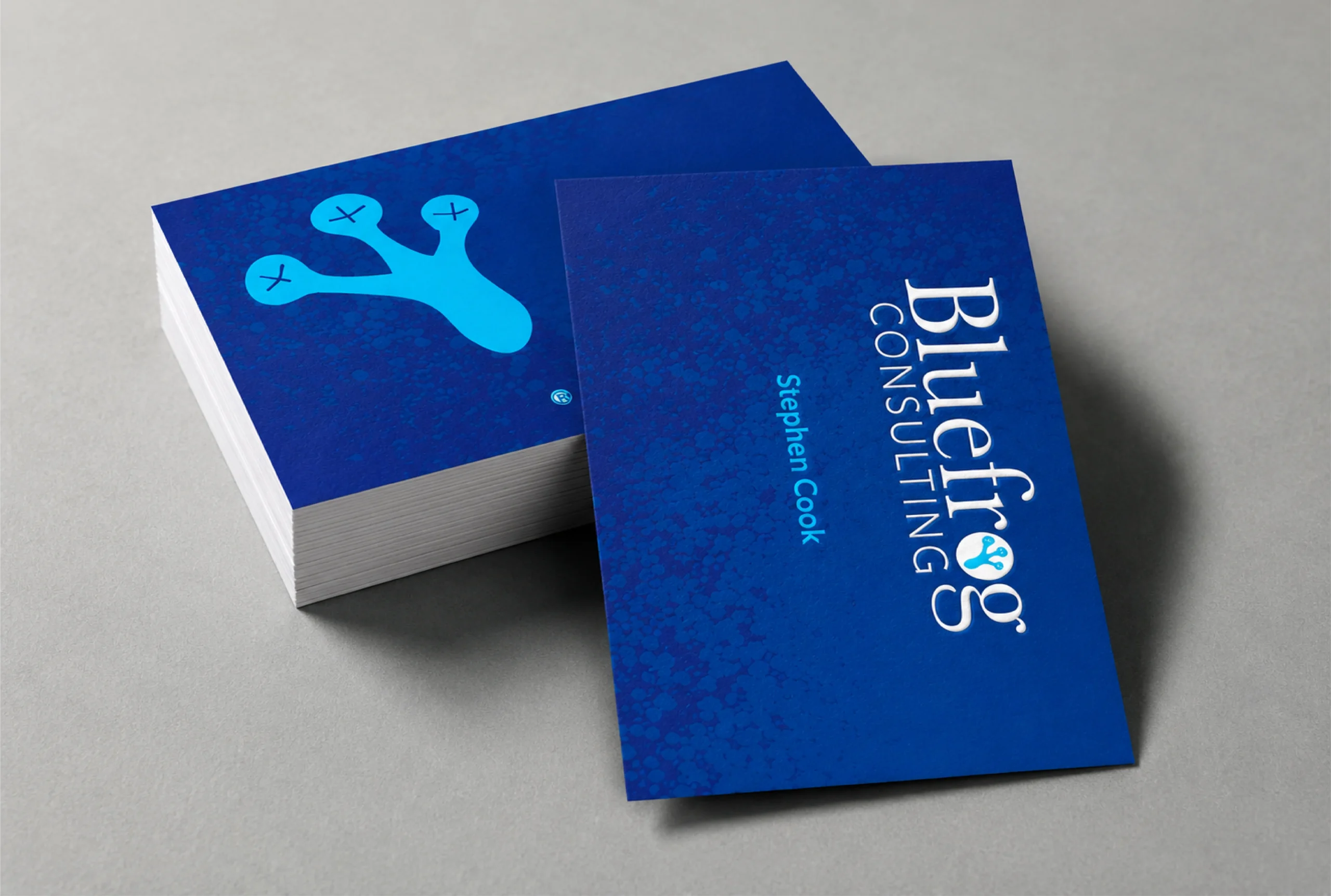
We add additional layer of protection with soft touch lamination from toner chipping.
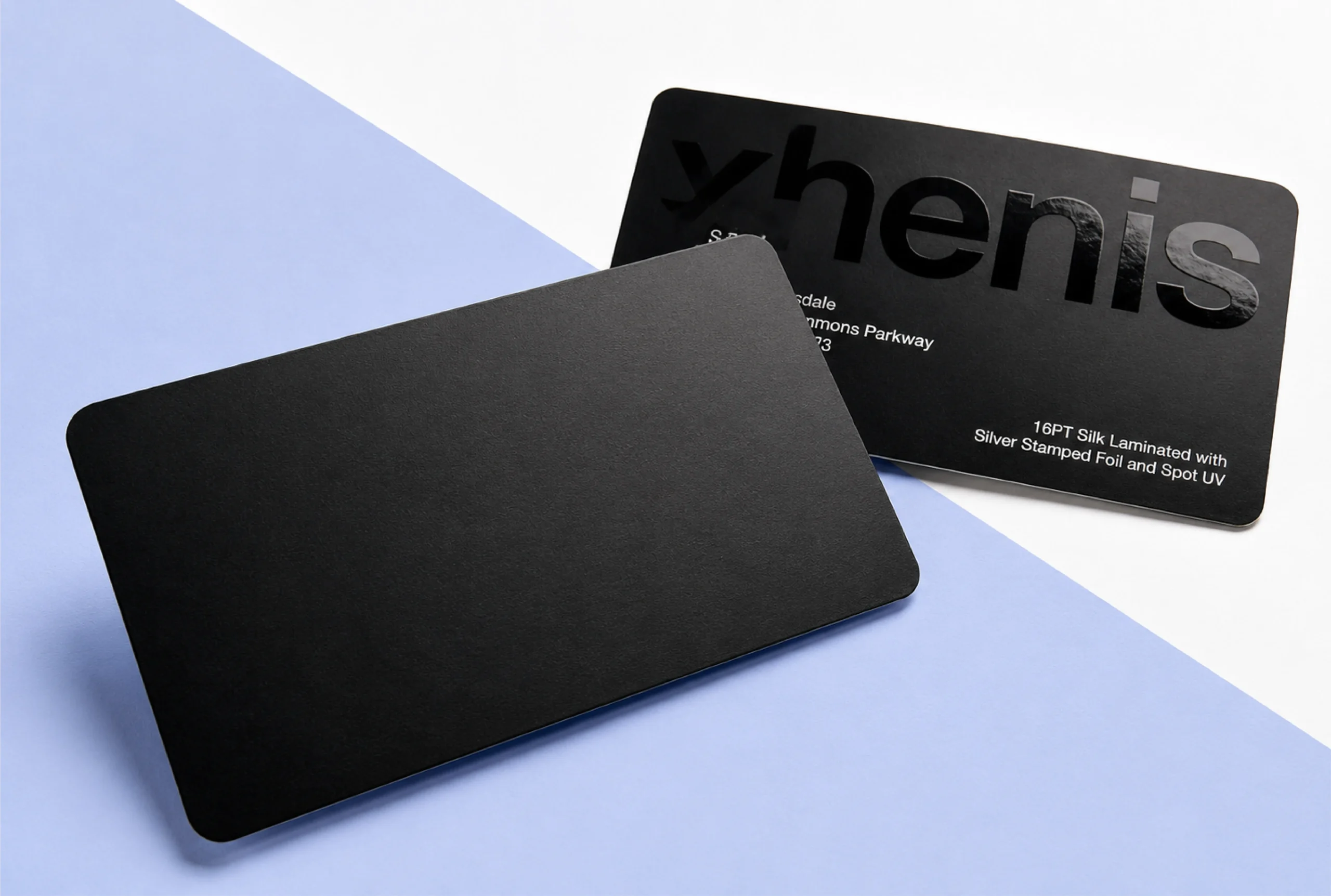
With our matte finish, fingerprints and smudges will now be less visible on the packaging.
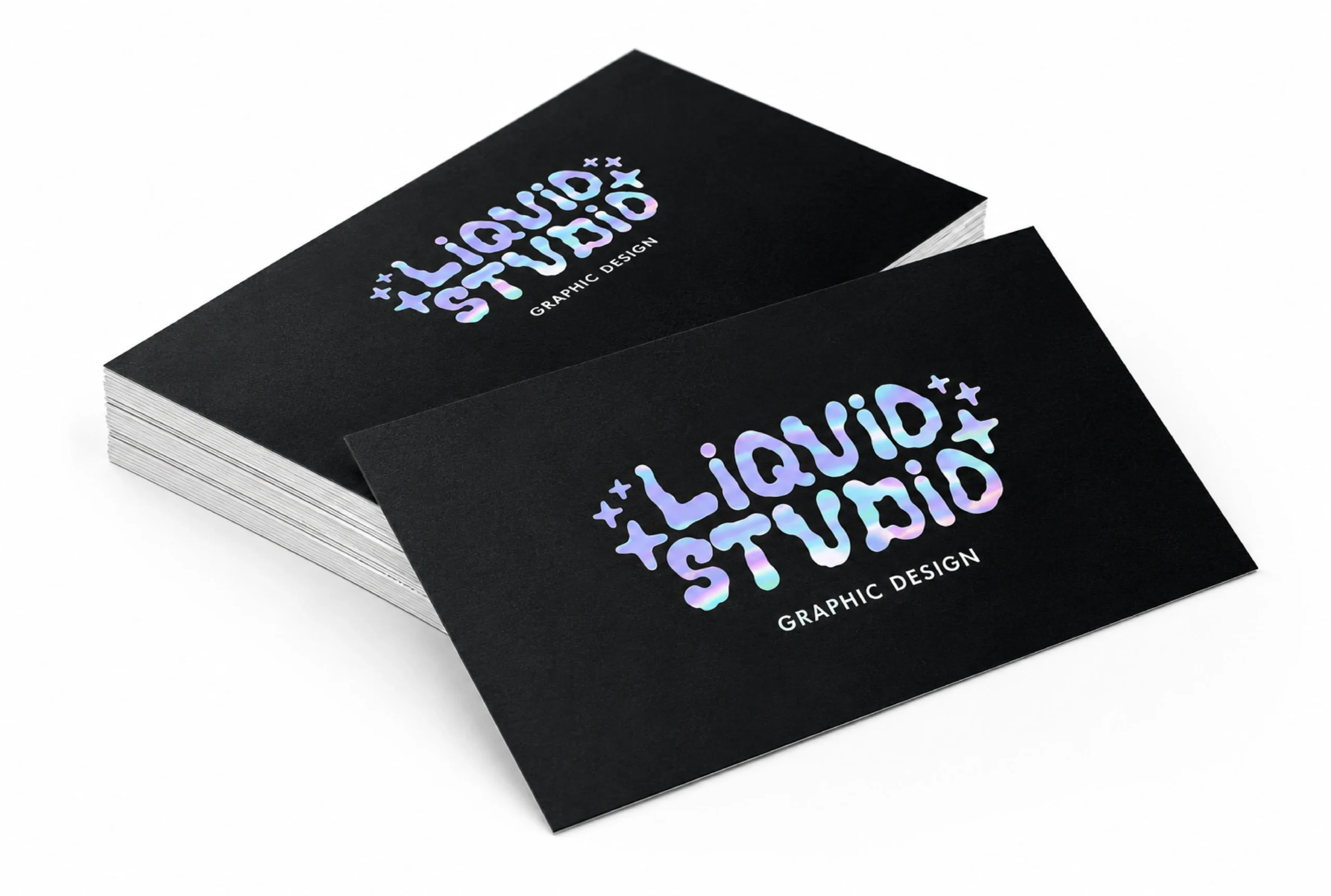
Holographic foil diffracts light and reveals the colors of the rainbow at various angles.
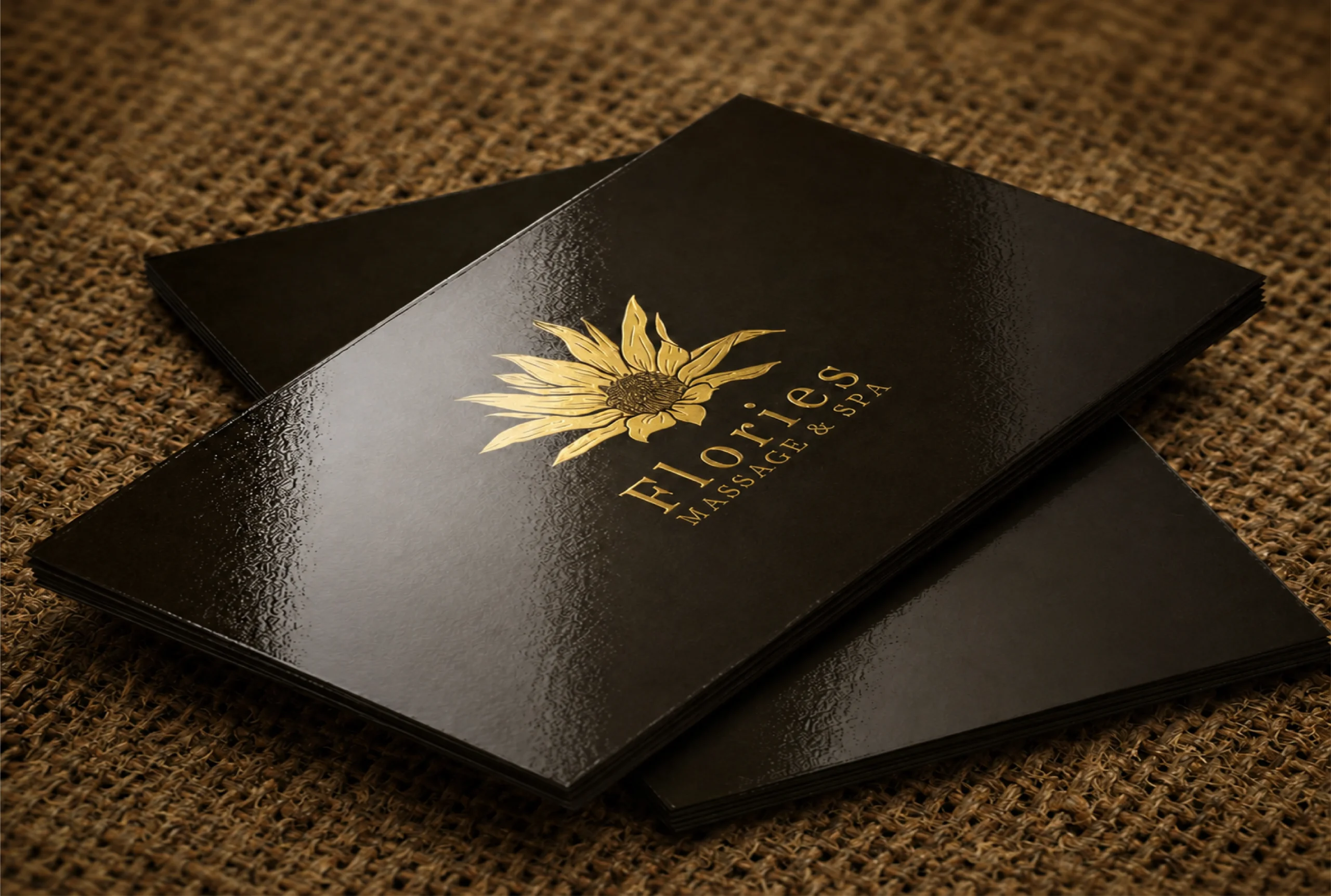
Our glossy finishing gives your packaging an extra layer of shine.
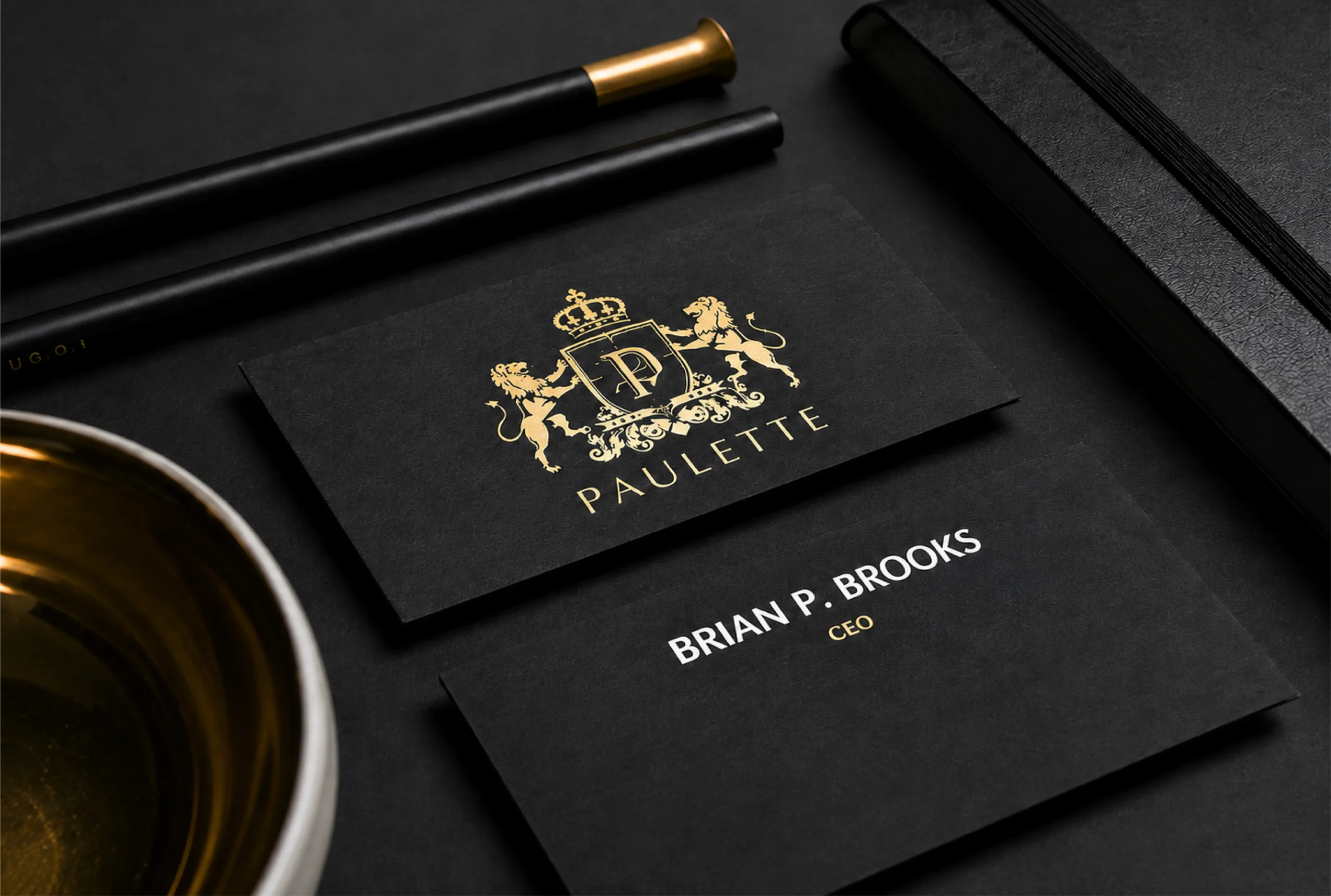
Decorate a wide range of your product packaging with our foil stamping.
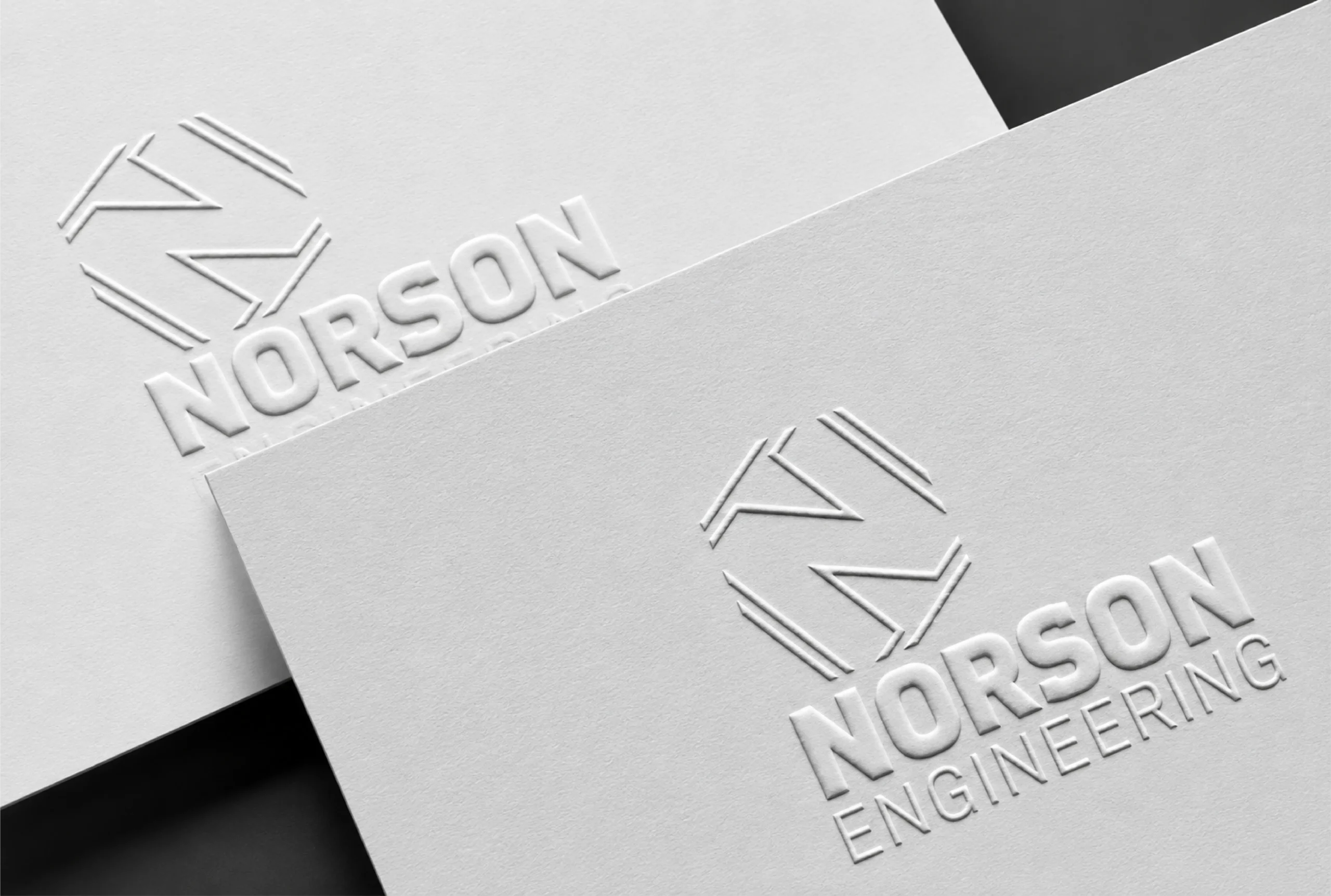
With our embossing technique, we transfer the finest details of your product on packaging.
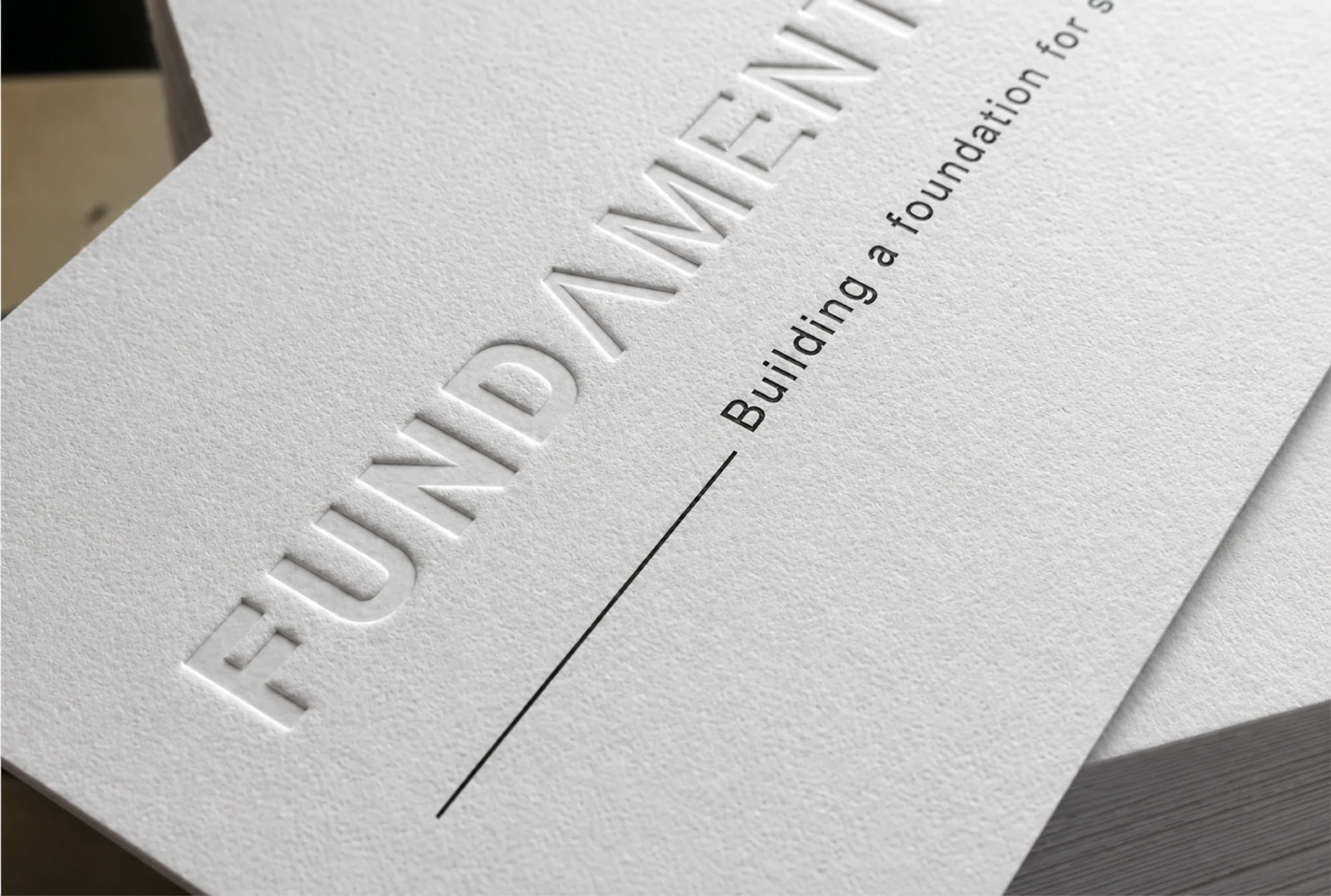
We use debossing technique to add unique graphics into your packaging.
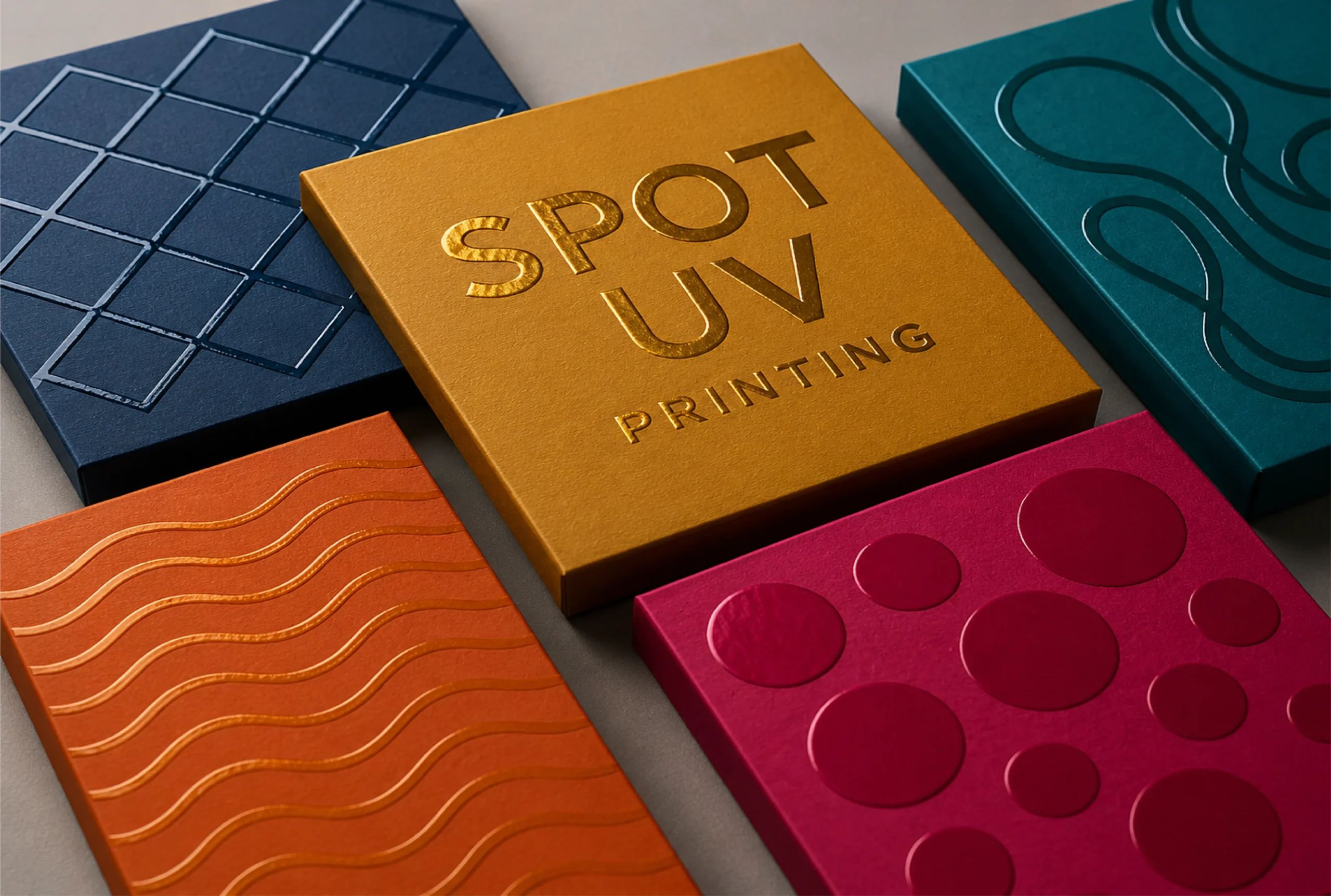
Our high-gloss UV coating gives light and shine to cure the printed material's varnish.
Still unsure? Email sales@packaginghubs.com and a packaging specialist will help.
Get your free quote today and see why Packaging Hubs is the most trusted name in U.S. custom packaging.