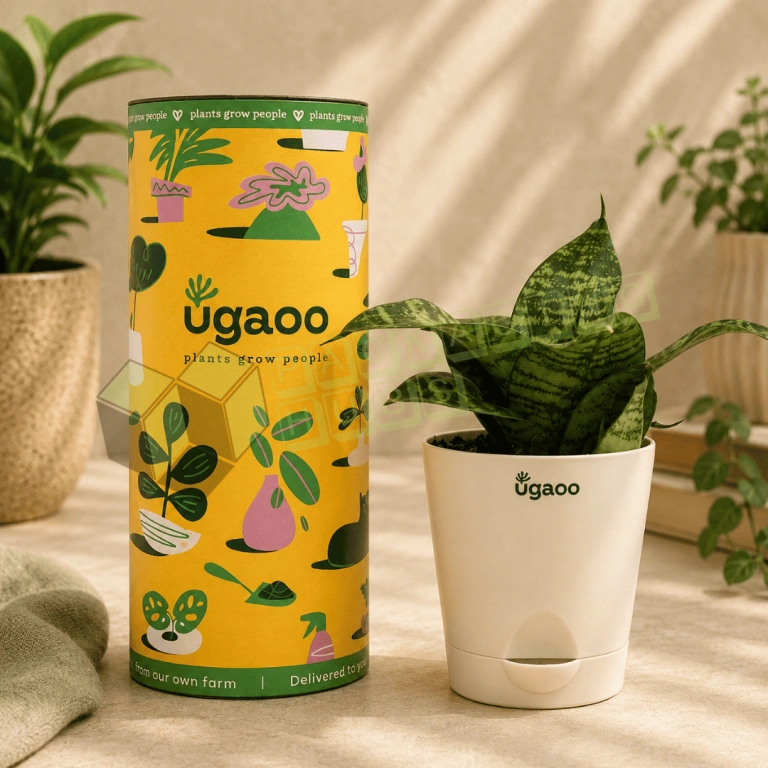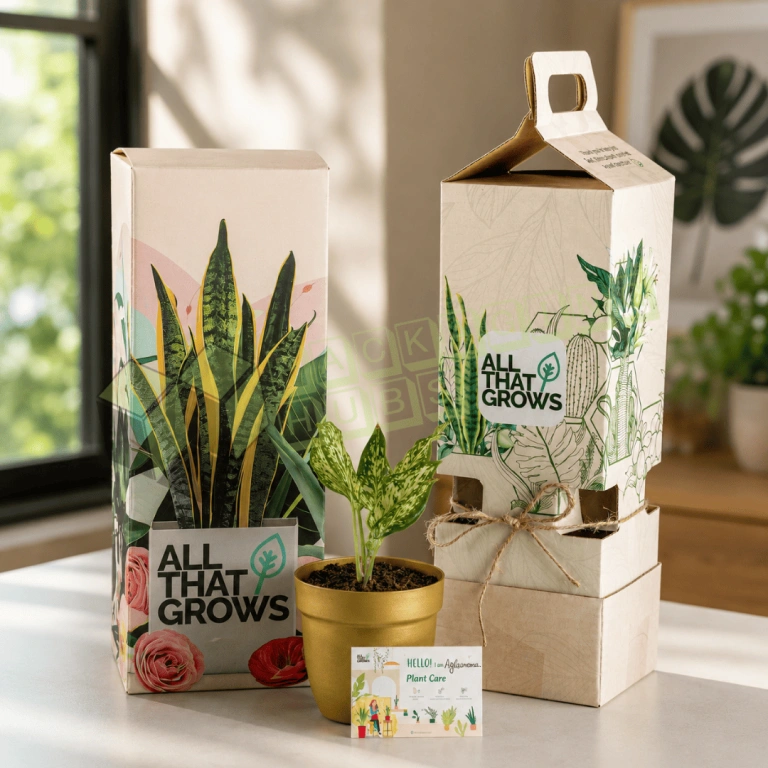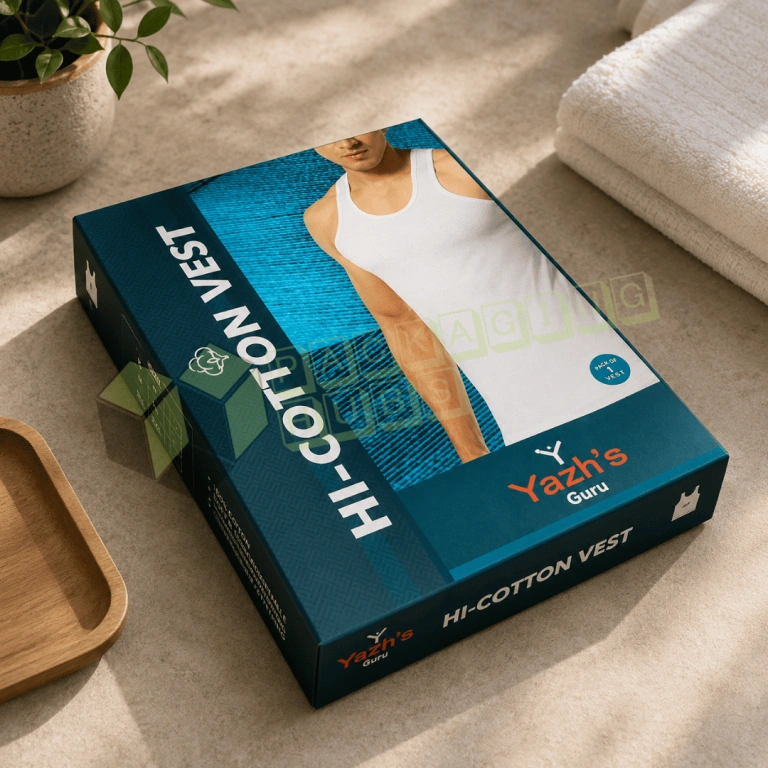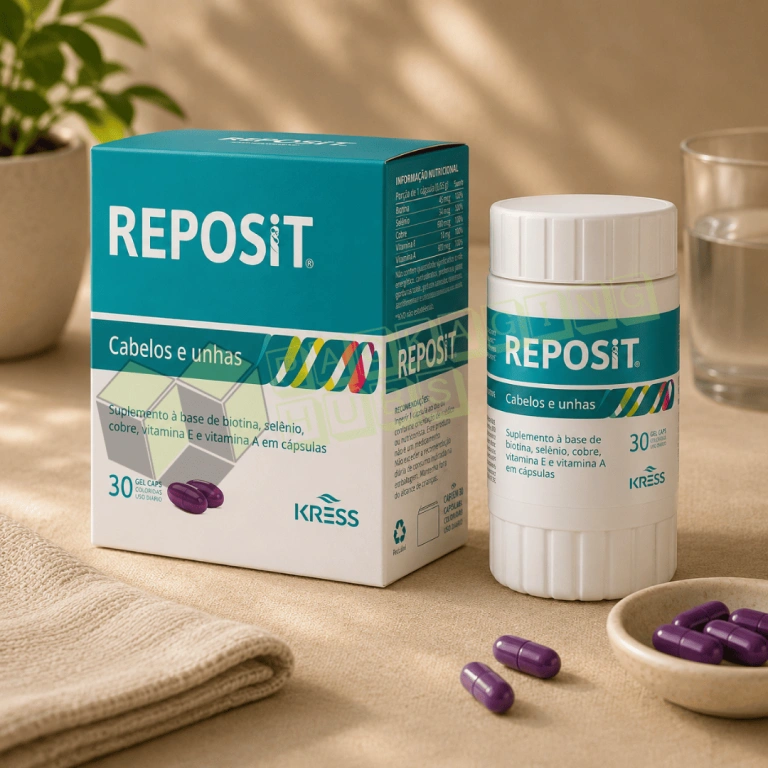
Free design support and free U.S. shipping. No minimum order.
Custom plant packaging from Packaging Hubs helps nurseries, garden centers, florists, plant shops, subscription brands, and ecommerce sellers package live plants, seedlings, herbs, succulents, cuttings, potted flowers, terrariums, and plant kits with durable board, secure inserts, ventilation planning, moisture control, branded printing, and free shipping across the USA.
Custom plant packaging helps nurseries, plant shops, garden centers, florists, and ecommerce sellers ship and display delicate plant products with stronger structure, cleaner branding, and better product protection.
Plants need packaging that supports life, shape, and presentation at the same time. A pot can shift during delivery. Soil can spill inside the carton. Leaves can bend against the lid. Cuttings can dry out when moisture control fails. As a result, the box must protect the pot, support the plant, manage airflow, and still look professional when the customer opens it.
Packaging Hubs manufactures plant shipping boxes, live plant shipping boxes, seedling shippers, retail plant boxes, and subscription plant boxes for businesses across the USA. We help brands choose the right board, insert, ventilation pattern, label area, and print layout before production.
You get zero MOQ, free design support, free shipping across the USA, custom sizing, insert planning, and ventilation options. Our team also supports CMYK printing, PMS color matching, kraft stock, paperboard, corrugated board, retail display features, and 3D mockups.
Plant boxes fail when they ignore movement, moisture, airflow, or crush pressure.
Movement creates the first problem. A loose pot can tilt, crack, or spill soil during handling. A cutting can slide to one side. A seedling tray can shift and bruise young stems.
Moisture creates the second risk. Wet soil can weaken paperboard, stain the box, or create condensation. Poor moisture planning can also dry out cuttings and root balls before delivery.
Airflow creates the third challenge. Tight cartons can trap heat and humidity. Plant boxes with ventilation holes can help, but the holes need careful placement. Poorly placed openings can weaken corners or expose the plant to damage.
Crush pressure creates the fourth issue. Leaves, blooms, stems, and young shoots need headroom. A box can fit the pot and still fail if the top clearance damages the foliage.
Packaging Hubs builds plant boxes around these risks. We match the board, height, insert, closure, vent pattern, and print layout to the plant instead of forcing every product into one generic mailer.
Different plant products need different packaging structures.
A succulent does not ship like a leafy houseplant. A terrarium does not need the same box as a seedling tray. A potted flower needs stronger base support than a small cutting. Therefore, the box style should follow the product before any artwork begins.
| Plant Type | Better Packaging Direction | Main Protection Need | Best Use Case |
| Succulents | Small corrugated mailer with pot lock | Stop pot movement and protect leaves | Ecommerce and gift shipping |
| Leafy houseplants | Tall shipper with side support | Protect foliage and prevent bending | Live plant shipping boxes |
| Seedlings | Tray-style carton with partitions | Keep young plants upright | Nursery and farm orders |
| Herbs | Ventilated kraft or corrugated carton | Manage airflow and pot stability | Retail and local delivery |
| Cuttings | Slim mailer with moisture wrap space | Reduce drying and movement | Small ecommerce shipments |
| Potted flowers | Reinforced base carton | Support pot weight and bloom clearance | Florists and garden centers |
| Terrariums | Rigid or reinforced corrugated carton | Protect glass, filler, and plant layers | Gift and specialty retail |
| Subscription plants | Multi-compartment shipper | Separate pot, care card, soil, and accessories | Subscription programs |
A plant shop in Los Angeles may need compact boxes for succulents and cuttings. A nursery in Ohio may need seedling shipping boxes for spring orders. A florist in New York City may need stronger cartons for potted flowers and terrarium packaging.
This structure-first approach helps buyers order packaging that fits the plant, not just the brand artwork.
Live plant shipping boxes need airflow, pot hold, and foliage clearance before decoration.
Airflow helps reduce trapped heat and condensation. Plant boxes with ventilation holes can support safer transit when the product and route require airflow. However, the openings should not weaken the sidewalls, corners, or base.
Pot hold controls movement. Pot locks, insert trays, collars, and corrugated dividers help keep the container upright. A lightweight herb pot may need a paperboard insert. A heavier ceramic pot may need a reinforced base and stronger corrugated board.
Headroom protects foliage. Leaves, blooms, and stems should not press against the lid. This detail matters for leafy houseplants, potted flowers, herbs, plant gift boxes, and live plant boxes for ecommerce sellers.
USPS Publication 52 covers hazardous, restricted, and perishable mail. Sellers can review USPS Publication 52 before mailing live plants or plant material.
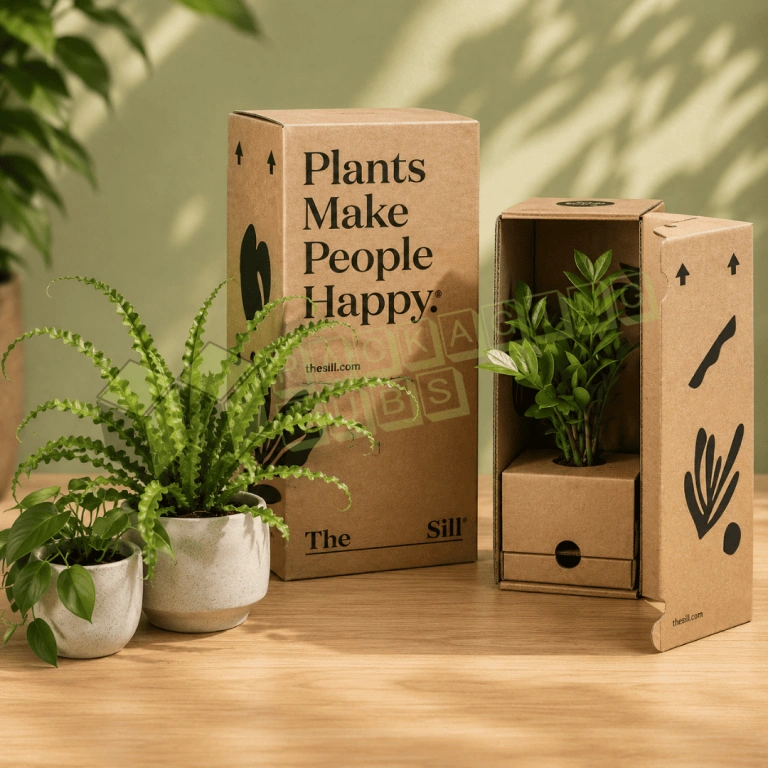
Packaging Hubs can manufacture live plant shipping cartons with protected vents, pot stabilizers, care instruction panels, and shipping label zones. These features help sellers protect plants while keeping the unboxing experience clean.
A Miami seller may need warm-weather airflow planning. A Chicago plant shop may need stronger winter packing support. A Seattle seller may need moisture control for damp delivery routes.
Corrugated structure works best when plants need real shipping protection.
Ecommerce plant shipping can expose boxes to vibration, drops, compression, route delays, and handling changes. A decorative paperboard carton may look good, but a live plant often needs stronger sidewalls and base support.
For ecommerce sellers, corrugated boxes can support plant shipping boxes, subscription plant shippers, corrugated boxes for potted plants, and multi-plant delivery cartons.
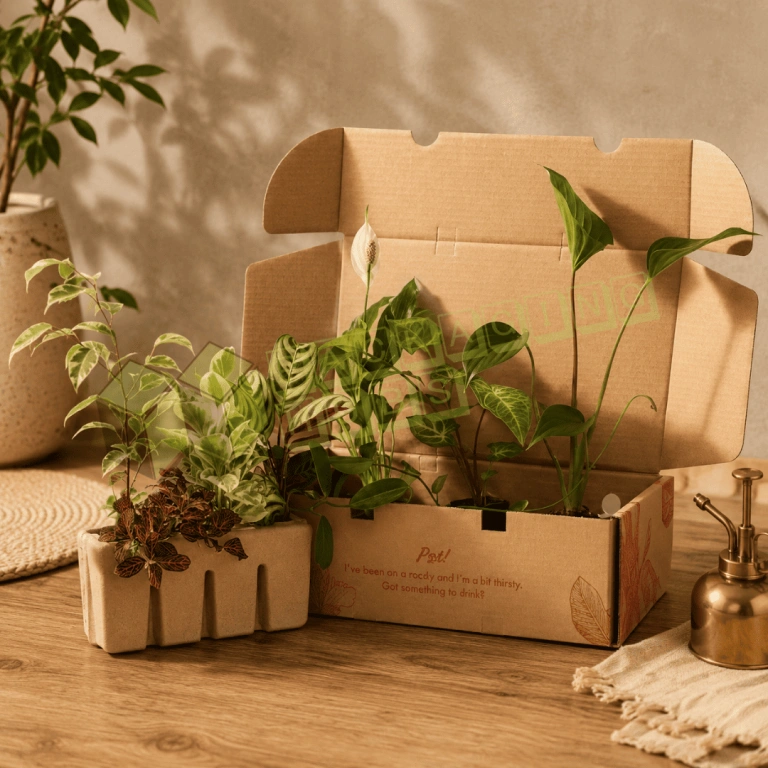
A corrugated mailer can hold small succulents. A tall corrugated shipper can protect leafy plants. A partitioned corrugated carton can separate several small pots. A reinforced base can support ceramic containers, terrariums, and larger nursery items.
Plant shipping boxes Texas sellers may need durable structures for longer delivery routes. Plant shipping boxes Austin projects may need heat-aware scheduling and ventilation. Live plant shipping boxes Seattle sellers may need moisture planning and stronger closure control.
Corrugated packaging should still look branded. Packaging Hubs can print logos, care instructions, QR code panels, orientation marks, and handling copy directly on the carton.
Kraft plant boxes work well for brands that want a warm, natural, garden-friendly look.
Brown kraft stock pairs well with botanical artwork, care instructions, simple logos, black or green printing, seed kit graphics, and earthy retail presentation. It can support herb kits, plant gift packaging, seed packets, nursery retail items, and workshop packaging.
For garden brands that want natural-looking cartons, kraft boxes can support kraft plant cartons, retail herb boxes, seed starter kits, and gift plant packaging.
Kraft works best when the product stays dry or uses a sleeve, pot wrap, or inner liner. Do not rely on kraft paper alone for wet soil, leaking pots, or long-distance plant shipments. If the product needs shipping strength, pair the kraft look with a stronger corrugated structure.
A Portland plant brand may prefer kraft packaging with simple black printing. A Colorado succulent seller may want kraft-style boxes with insert trays and clear care instructions.
Plant shipping boxes wholesale help sellers keep sizing, inserts, and print layouts consistent across repeat orders.
A small plant shop may begin with one size for succulents. As the business grows, it may need several cartons for cuttings, herbs, seedlings, terrariums, and larger potted plants. Wholesale planning reduces fulfillment confusion and keeps the customer experience consistent.
Packaging Hubs supports plant shipping boxes wholesale for nurseries, boutique plant shops, greenhouse sellers, florists, garden centers, subscription businesses, and multi-location retailers. You can order custom plant shipping boxes no minimum order for testing. Then you can scale into higher quantities when the structure performs well.
A Florida nursery may need wholesale boxes for tropical plants. A Pennsylvania garden brand may need sturdy cartons for wholesale nursery distribution. A Texas seller may need multiple sizes for potted herbs, succulents, and plant gift sets.
Plant packaging with free shipping USA helps growing sellers control packaging costs while keeping branding consistent across orders.
Cardboard and paperboard packaging work well for lightweight plant products and retail kits.
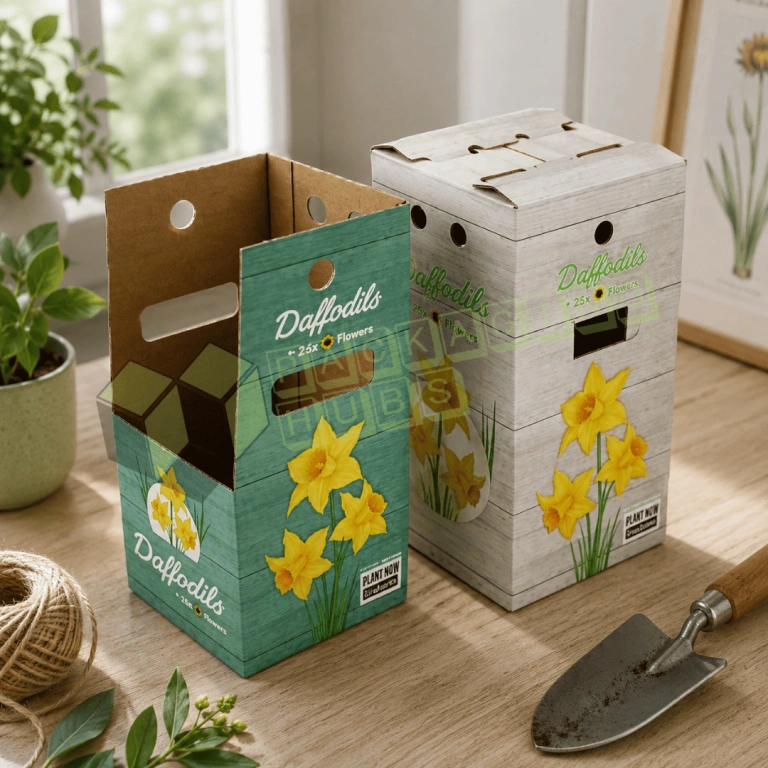
Seed packets, plant markers, gloves, fertilizer samples, care cards, labels, small tools, and starter kits often need clean printed packaging more than heavy shipping strength. A folding carton gives brands more space for instructions, QR codes, product details, and shelf presentation.
For these lightweight products, cardboard boxes can support plant kits, seed starter sets, botanical accessories, paperboard retail cartons, and branded garden products.
Cardboard packaging does not replace corrugated shipping strength for heavier live plants. Instead, use it when the product needs clean print quality, compact retail structure, and clear presentation. For ecommerce, pair paperboard inserts with a stronger outer carton when needed.
A Dallas garden retailer may use cardboard cartons for seed kits. A Nashville plant shop may need printed boxes for workshop supplies. A New Jersey seller may need compact retail cartons for limited shelf space.
Custom plant boxes with inserts reduce damage before it happens.
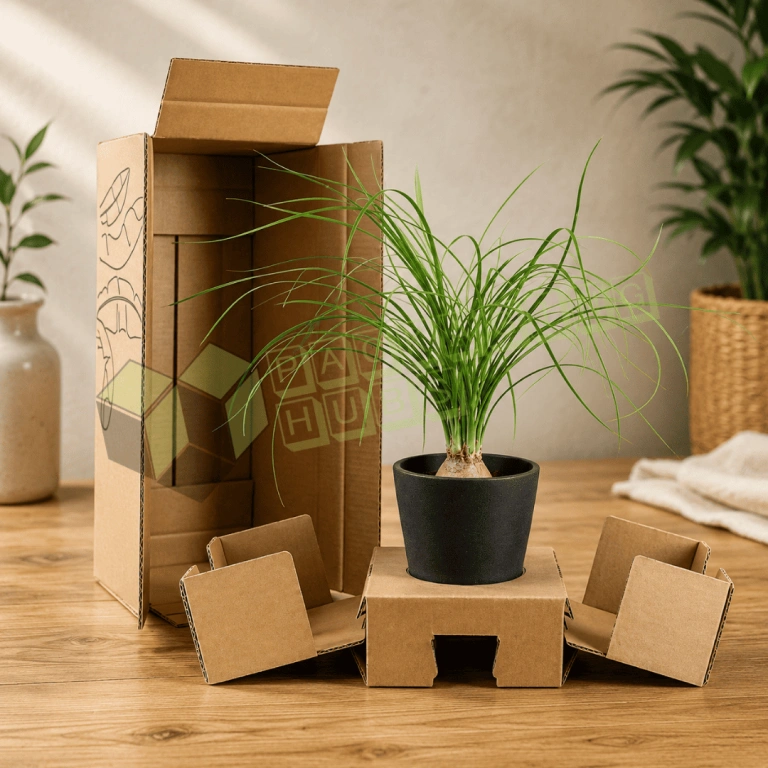
A pot lock holds the container base. A paperboard insert stabilizes small pots. A corrugated divider separates multiple plants. A tray insert supports seedlings. A collar insert can hold the pot while leaving room for foliage above it.
Drainage holes or drainage slots can help some retail plant boxes when the product needs moisture release or airflow. Use them carefully. Openings should support the plant’s needs without weakening the base or causing soil to leak into the customer’s space.
Soil control matters because messy packaging weakens the unboxing experience. Use pot covers, soil guards, inner liners, paper wraps, moisture pads, or barrier layers when the plant needs extra containment.
A California succulent brand may need insert trays that stop ceramic pots from touching. A Georgia herb seller may need breathable side openings and dividers for regional delivery. Packaging Hubs can build the insert and carton together so the product does not fight the box.
Plant packaging also needs to work before shipping.
Garden centers need boxes that help customers carry small pots from shelf to checkout. Florists may need giftable cartons for seasonal arrangements. Plant shops may need branded boxes for workshops, pickup orders, and local plant drops. Farmers markets may need simple kraft or cardboard cartons for herbs and succulents.
Retail plant boxes should look attractive, but stability still matters. A premium design loses value when the pot slides or leaves press against the lid. For this reason, retail plant packaging should combine branding with pot support, label clarity, and comfortable handling.
A boutique nursery in Nashville may need gift-ready cartons for holiday plants. A Dallas garden center may need carry-style boxes for weekend sales. A New York City plant shop may need compact boxes that fit tight shelving.
Packaging Hubs can support printed retail plant cartons with logos, care instructions, QR codes, barcode zones, and branded color systems.
Use technical specifications to match the carton to plant size, moisture level, shipping route, and retail use.
| Specification | Standard Option | Premium Option | Why It Matters |
| Board type | Kraft paperboard or corrugated board | E-flute, B-flute, C-flute, or reinforced corrugated | Board choice affects strength, print quality, and durability |
| Board strength | 14pt to 24pt paperboard | 32 ECT, 44 ECT, or stronger corrugated | Stronger board supports pots and parcel handling |
| Insert style | Paperboard insert or pot lock | Corrugated tray, molded pulp insert, or multi-plant divider | Inserts reduce movement and protect roots, stems, and pots |
| Ventilation | Small side vents | Custom airflow pattern with protected openings | Ventilation helps manage heat and condensation |
| Moisture planning | Pot wrap or sleeve | Inner liner, soil guard, moisture pad, or barrier layer | Moisture control protects both plant and box |
| Drainage feature | None or small cutouts | Drainage slots or drainage holes where suitable | Helps manage moisture in specific retail-use cases |
| Closure style | Tuck flap or mailer lock | Tab-lock, auto-lock bottom, or reinforced closure | Better closures improve shipping and handling strength |
| Print method | Digital or CMYK printing | Offset printing, PMS matching, or specialty ink | Print choice affects brand consistency |
| Shipping use | Local pickup or retail carry | Parcel delivery, subscription shipping, or wholesale distribution | Use case controls structure and testing needs |
| Label zone | Standard shipping label area | Dedicated barcode, care instruction, and orientation panel | Clear zones improve handling and customer guidance |
A seed kit may need lightweight board and sharp printing. A live plant may need corrugated strength and pot control. A subscription plant box may need airflow, inserts, label zones, and moisture planning together.
Ready to match the box, insert, and ventilation plan to your plant product? Call (855) 611-8876 or email sales@packaginghubs.com for a free quote and 3D mockup.
Plant shipping boxes for ecommerce must handle compression, vibration, drops, and route changes.
ISTA Procedure 3A covers individual packaged-products shipped through parcel delivery systems. Plant sellers can review ISTA test procedures when planning parcel-ready packaging.
ASTM D4169 gives packaging teams a performance-testing framework for shipping containers and systems. Sellers can review ASTM D4169 when planning shipping validation.
For plant products, testing should focus on real risks: pot movement, sidewall crush, top clearance, insert shift, soil leakage, moisture exposure, and label readability. A strong carton alone is not enough if the insert fails.
Packaging Hubs can manufacture ecommerce-ready cartons with corrugated board, pot locks, divider inserts, care instruction panels, and protected label zones. These details help plant sellers reduce damage and improve customer confidence.
An Atlanta seller in Georgia may need compartments for multiple plant SKUs. A Denver ecommerce brand may need stronger mailers for longer delivery routes. A Philadelphia retailer may need custom plant packaging with free shipping USA to control replenishment costs.
Plant shipments may face agricultural restrictions, especially across state lines or international borders.
USDA APHIS provides guidance for plant and plant-product imports through its Plant and Plant Product Imports resources. Sellers should also review state agriculture departments and carrier rules before shipping live plants, cuttings, soil, or regulated plant material.
This matters for nurseries, rare plant shops, seedling sellers, ecommerce businesses, and subscription brands. Some plants, soils, pests, or agricultural products may require permits, inspection, treatment, or documentation.
A box protects the plant, but the seller must confirm whether the plant moves legally to the destination. Packaging can support the process with document areas, handling panels, QR codes, batch details, orientation labels, and care instruction zones.
Packaging Hubs can build plant cartons with document pockets, printed handling panels, QR placement, and care instructions. These features help sellers organize shipping information without crowding the retail design.
A California plant seller, Oregon nursery, Colorado greenhouse, or North Carolina grower may face different requirements based on plant type and destination.
Plant brands often want natural-looking packaging, but environmental claims need evidence.
A kraft carton, recycled-content board, or paper-based shipper does not automatically qualify as recyclable, compostable, biodegradable, sustainable, or eco-friendly. Material, coating, ink, adhesive, tape, insert, liner, finish, and local recovery systems all affect the claim.
The FTC Green Guides help marketers avoid misleading environmental claims. Brands can review the canonical FTC Green Guides before adding broad sustainability copy to packaging or website content.
For brands that want a more responsible packaging direction, Custom Sustainable Boxes can support paper-based structures, kraft-style cartons, right-sized packaging, and documentation-aware material choices.
Packaging Hubs can also discuss recycled-content requests, water-based coatings, minimal-finish options, and paper-based inserts when available. These choices should support the product first, because damaged shipments create waste too.
A Michigan nursery may choose durability over light board. A Portland plant brand may prefer kraft packaging with simple black printing. In both cases, the claim should stay specific and supportable.
Order plant packaging by plant type, pot size, product weight, moisture level, airflow need, shipping route, retail channel, and branding goal.
Packaging Hubs supports plant shipping boxes, live plant shipping boxes, plant shipping boxes wholesale, seedling shipping boxes, kraft plant cartons, cardboard plant kits, subscription plant boxes, retail plant packaging, and corrugated boxes for potted plants.
Packaging Hubs has supported nurseries, plant shops, florists, subscription sellers, garden retailers, and ecommerce brands across the USA with packaging built around real shipping needs. You get zero MOQ, free design support, free shipping across the USA, custom sizing, and flexible production options.
Our team can help with dielines, ventilation placement, pot locks, insert trays, soil guards, and label zones. We also support QR code panels, barcode placement, CMYK printing, PMS matching, matte finishes, kraft stock, cardboard, and corrugated board.
Request a 3D mockup before production. Then review pot fit, insert hold, foliage clearance, ventilation, label placement, moisture planning, and shipping strength before approving the order.
Call (855) 611-8876 or email sales@packaginghubs.com to get a free quote today.
Review custom plant boxes before production because one small design mistake can damage the product inside.
Packaging Hubs checks plant size, pot diameter, box height, board type, insert fit, base strength, top clearance, ventilation placement, print alignment, label zones, and closure strength. We also review whether the package supports retail display, local pickup, parcel shipping, subscription delivery, or wholesale nursery distribution.
This review helps prevent crushed leaves, loose soil, shifting pots, weak bases, trapped moisture, unreadable labels, and oversized boxes that raise shipping costs.
Case example: A plant subscription seller replaced generic mailers with fitted plant shipping boxes and pot-lock inserts for succulents and small herbs. Within 60 days, damage complaints dropped by 21%, and repeat gift orders increased by 15%. The plants stayed the same. The packaging improved stability, unboxing, and customer confidence.
| Box Style | Custom Plant Packaging |
| Dimension (L + W + H) | All Custom Sizes & Shapes |
| Quantities | No Minimum Order Required |
| Paper Stock | 10pt to 28pt (60lb to 400lb) Eco-Friendly Kraft, E-flute Corrugated, Bux Board, Cardstock |
| Printing | No Printing, CMYK, CMYK + 1 PMS color, CMYK + 2 PMS colors |
| Finishing | Gloss Lamination, Matte Lamination, Gloss AQ, Gloss UV, Matte UV, Spot UV, Embossing, Foiling |
| Included Options | Die Cutting, Gluing, Scored, Perforation |
| Additional Options | Eco-Friendly, Recycled Boxes, Biodegradable |
| Proof | Flat View, 3D Mock-up, Physical Sampling (On request) |
| Turnaround | 4 – 8 Business Days, RUSH |
| Shipping | FLAT |
Pick the stock and the finish that suit your product. We’ll confirm both on your proof before anything is printed.
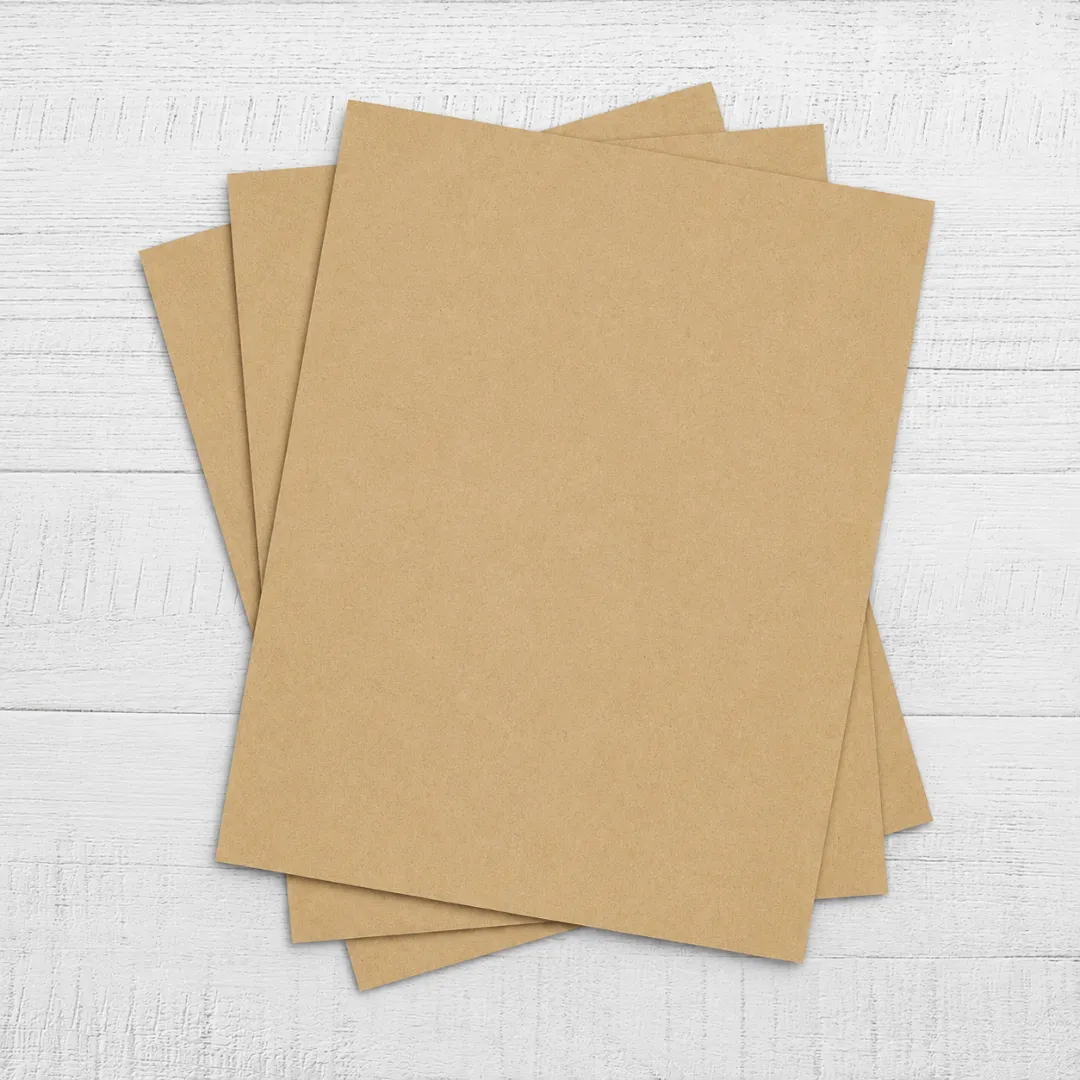
Kraft paper is a strong, durable and reliable material that is widely used across many different industries.
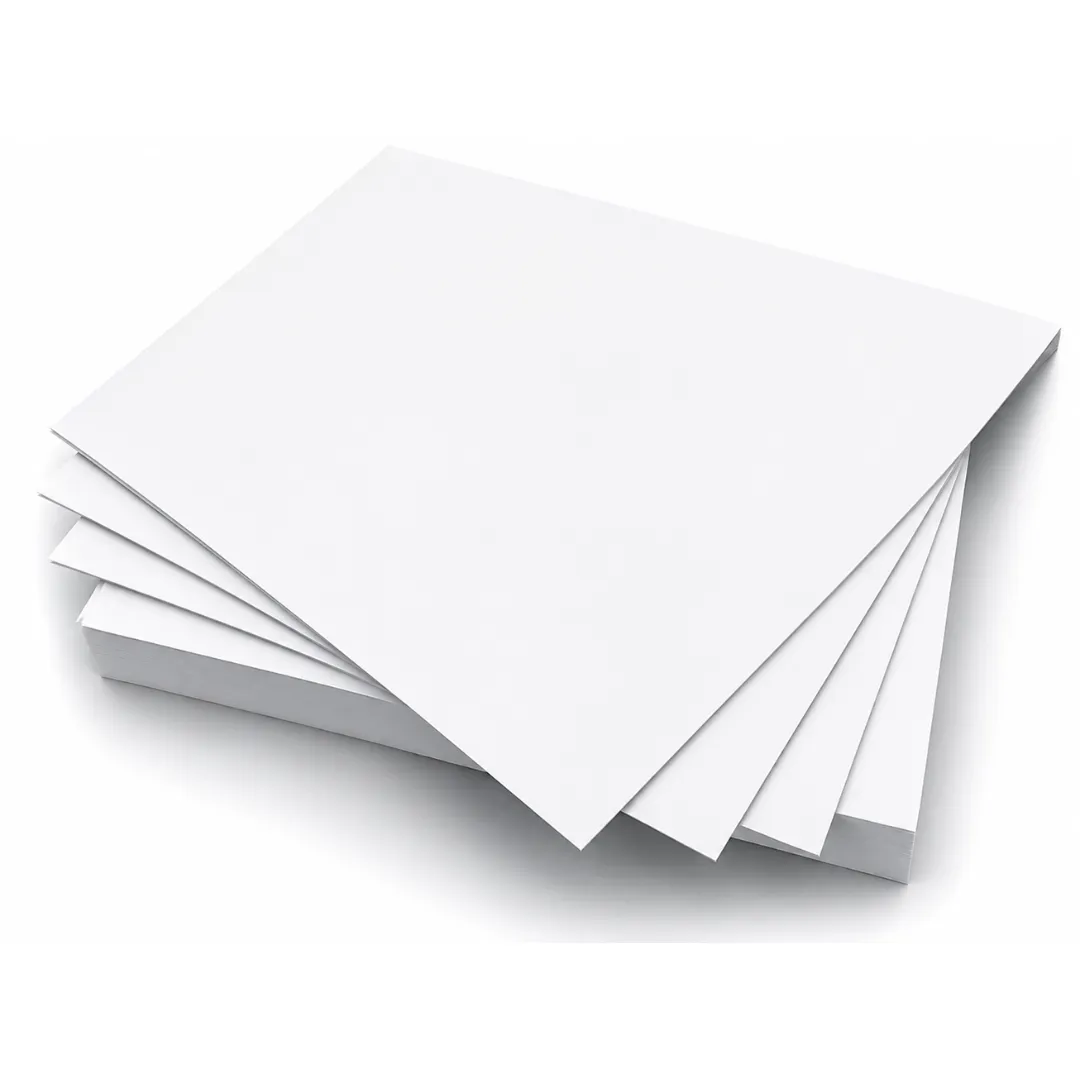
We use cardboard material with the least environmental impact and minimizes waste generation.
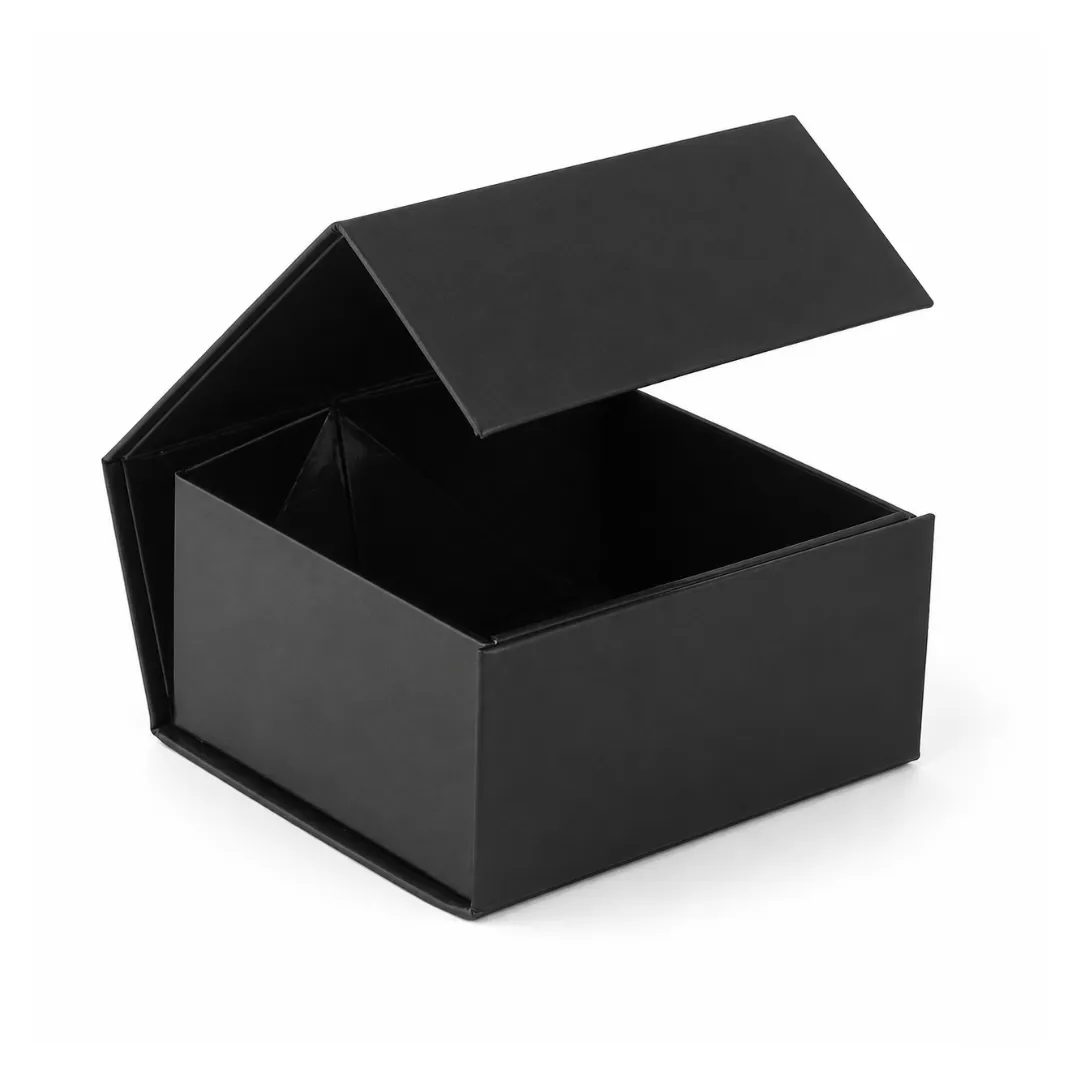
Rigid is highly protective, affordable and recyclable material. These boxes provide maximum protection.
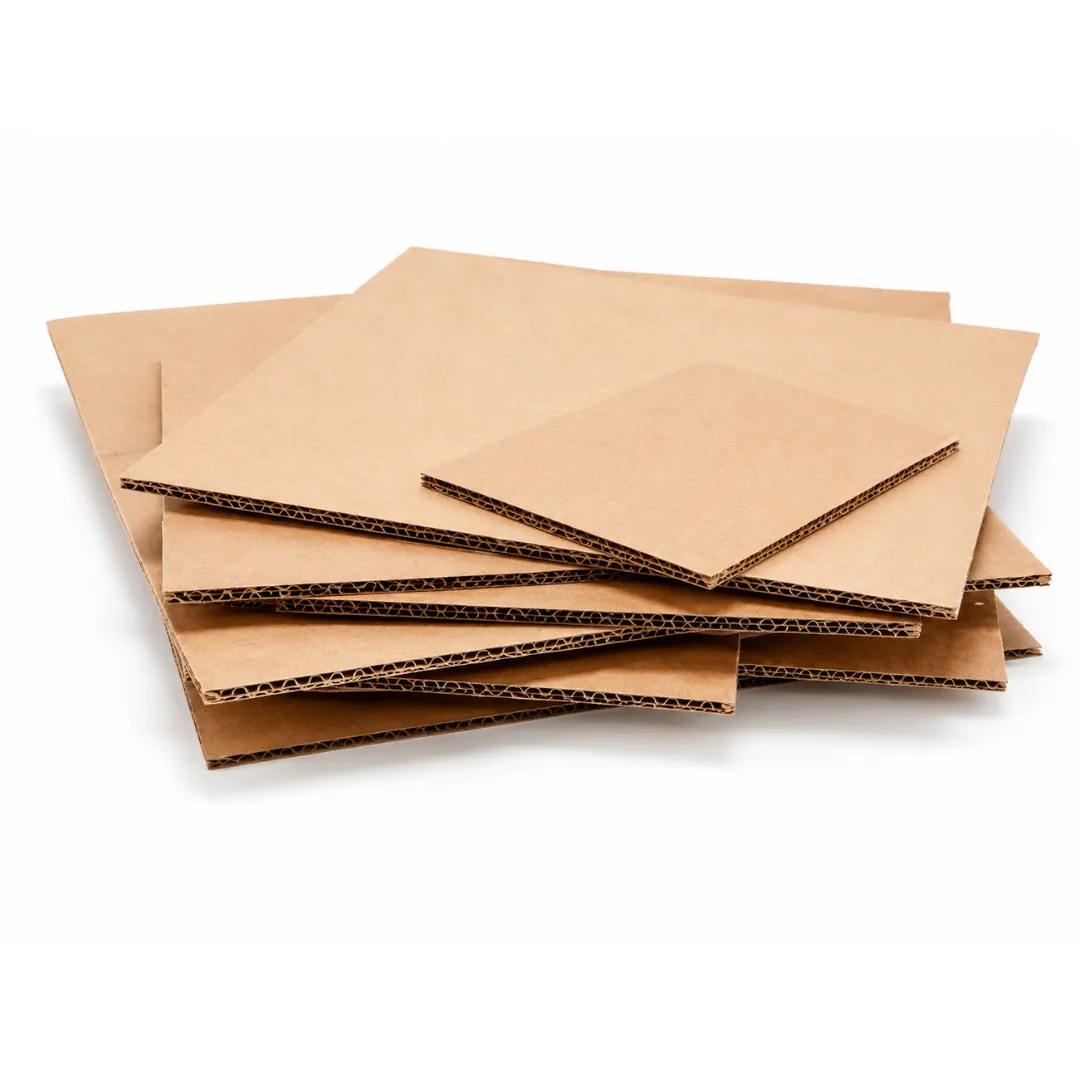
Corrugated material is easy to customize, cost effective and sustainable. It is also great for branding purposes.
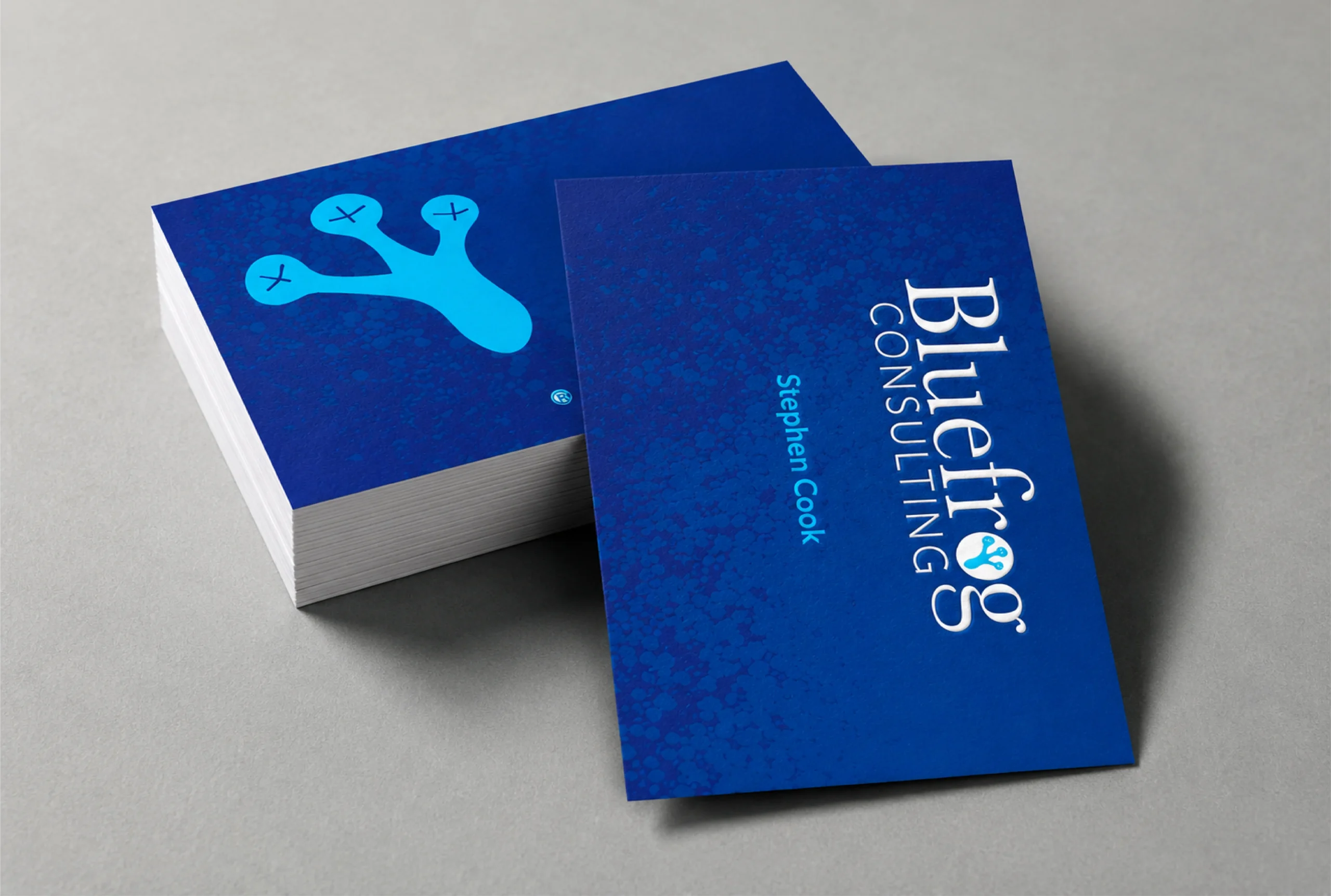
We add additional layer of protection with soft touch lamination from toner chipping.
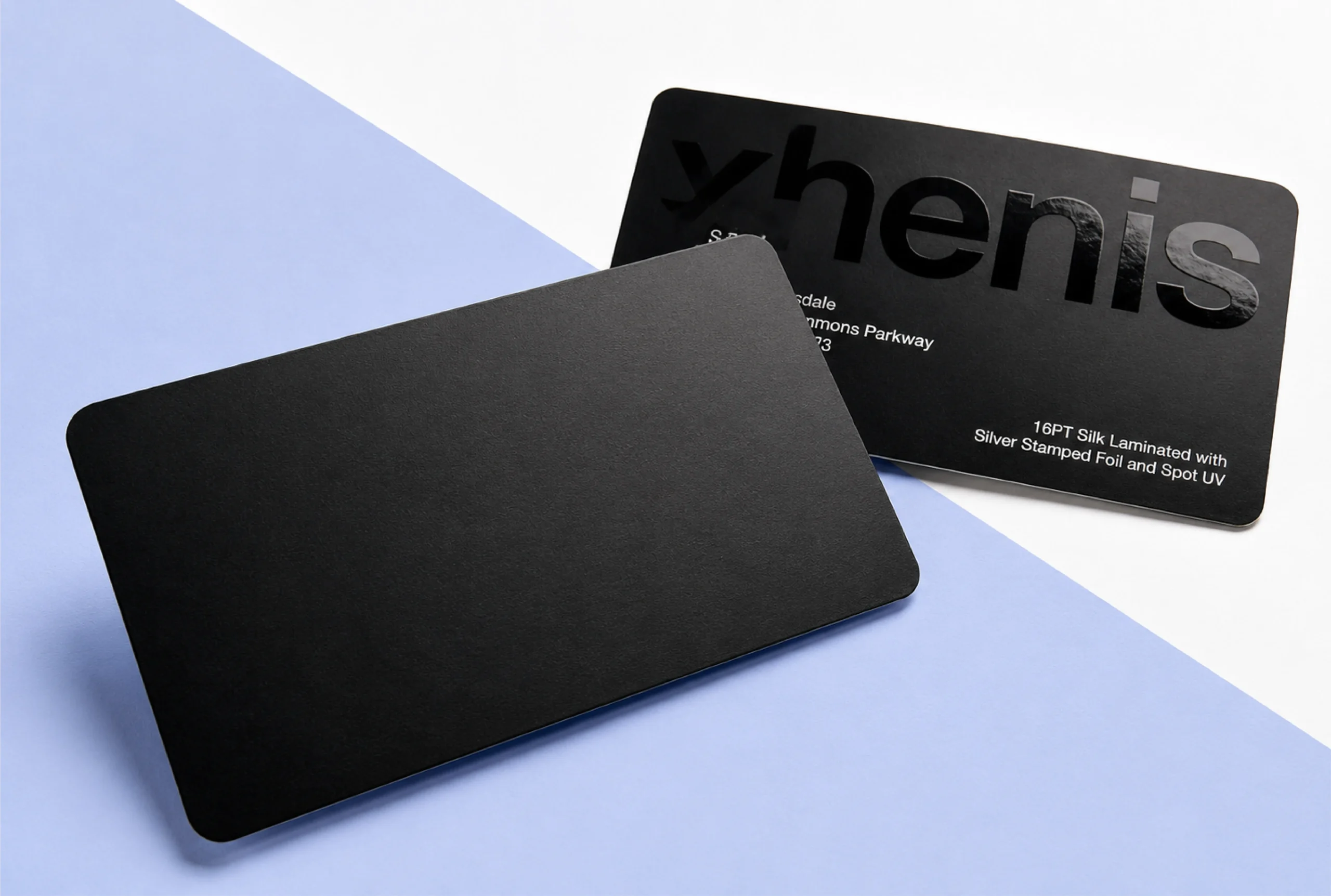
With our matte finish, fingerprints and smudges will now be less visible on the packaging.
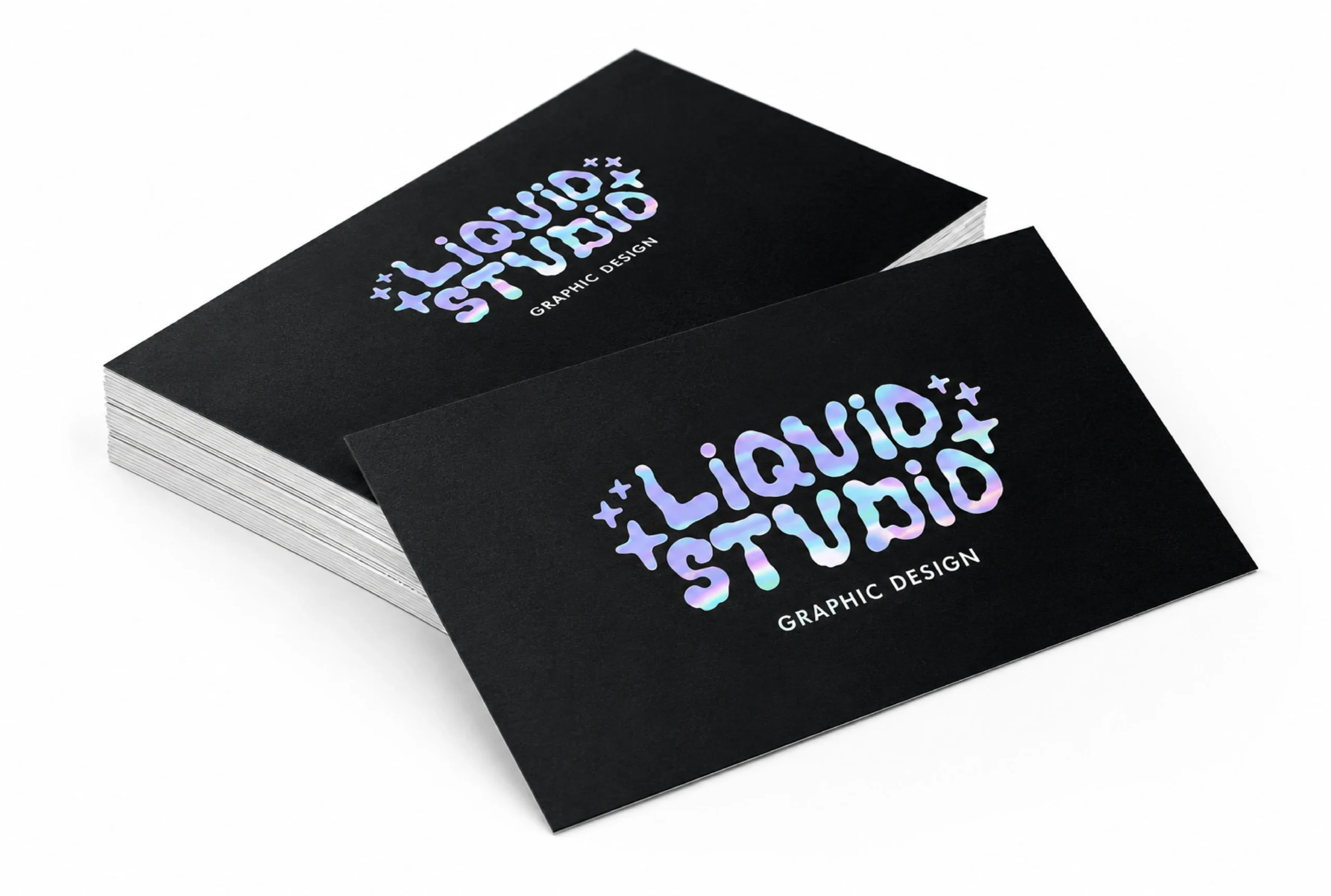
Holographic foil diffracts light and reveals the colors of the rainbow at various angles.
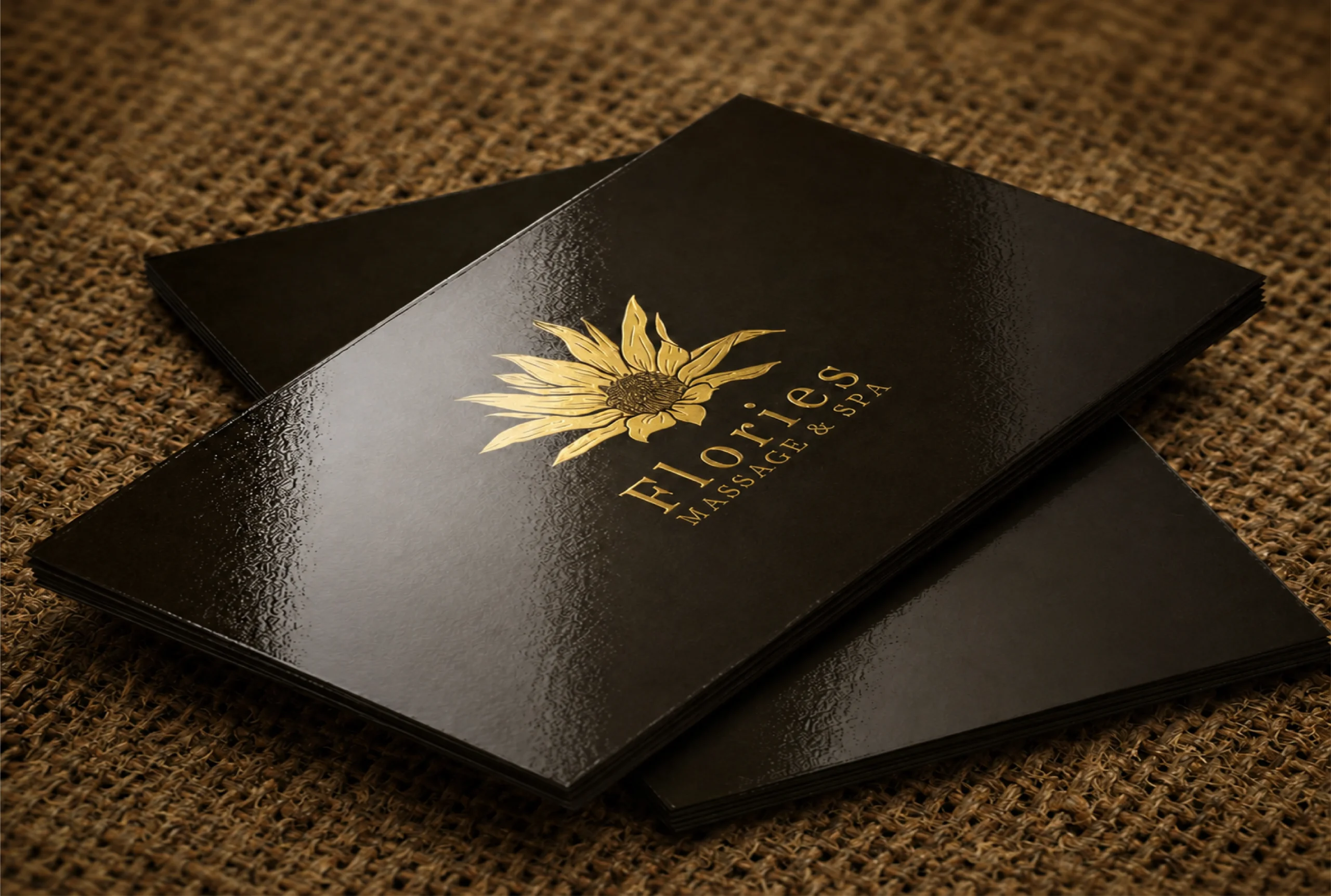
Our glossy finishing gives your packaging an extra layer of shine.
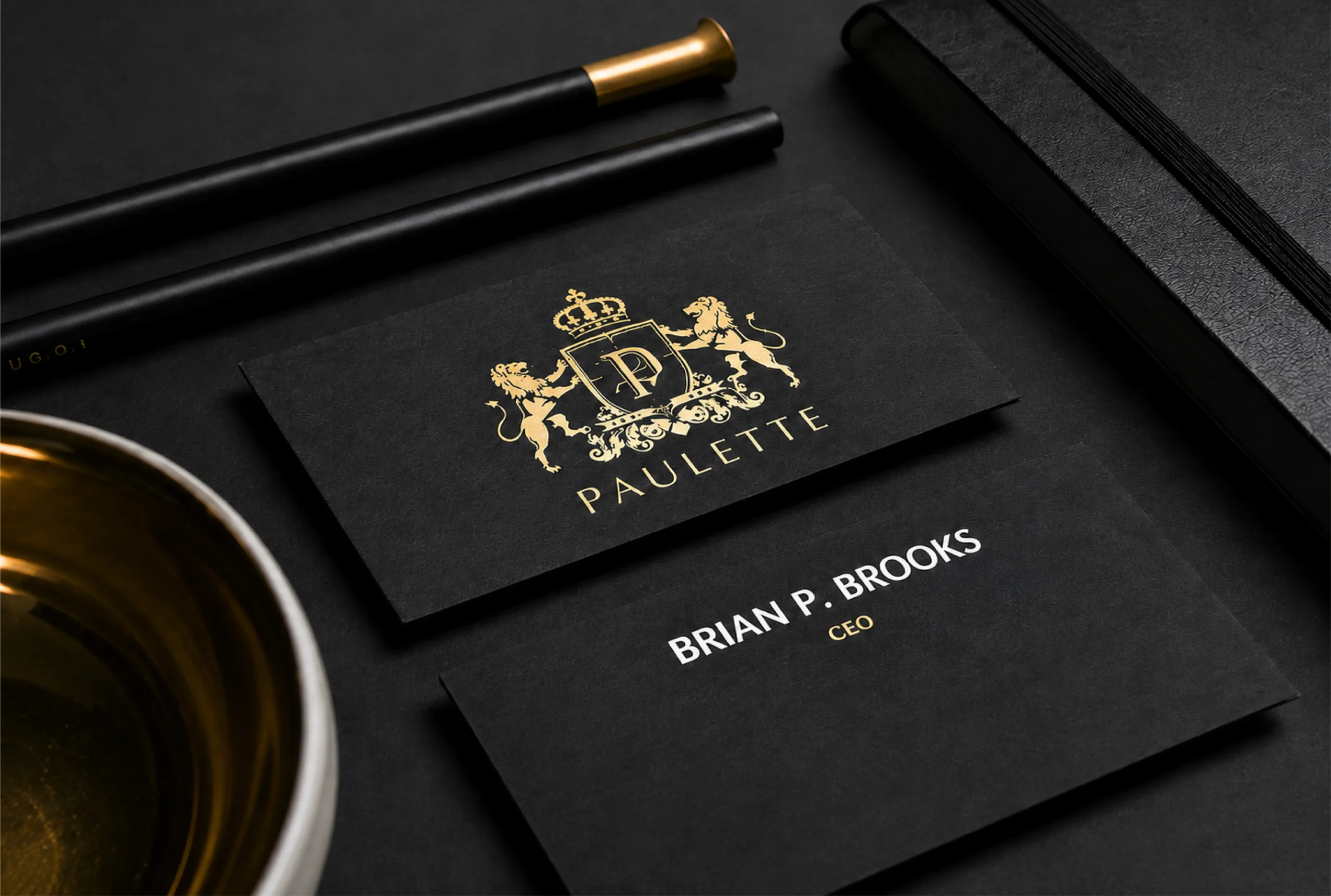
Decorate a wide range of your product packaging with our foil stamping.
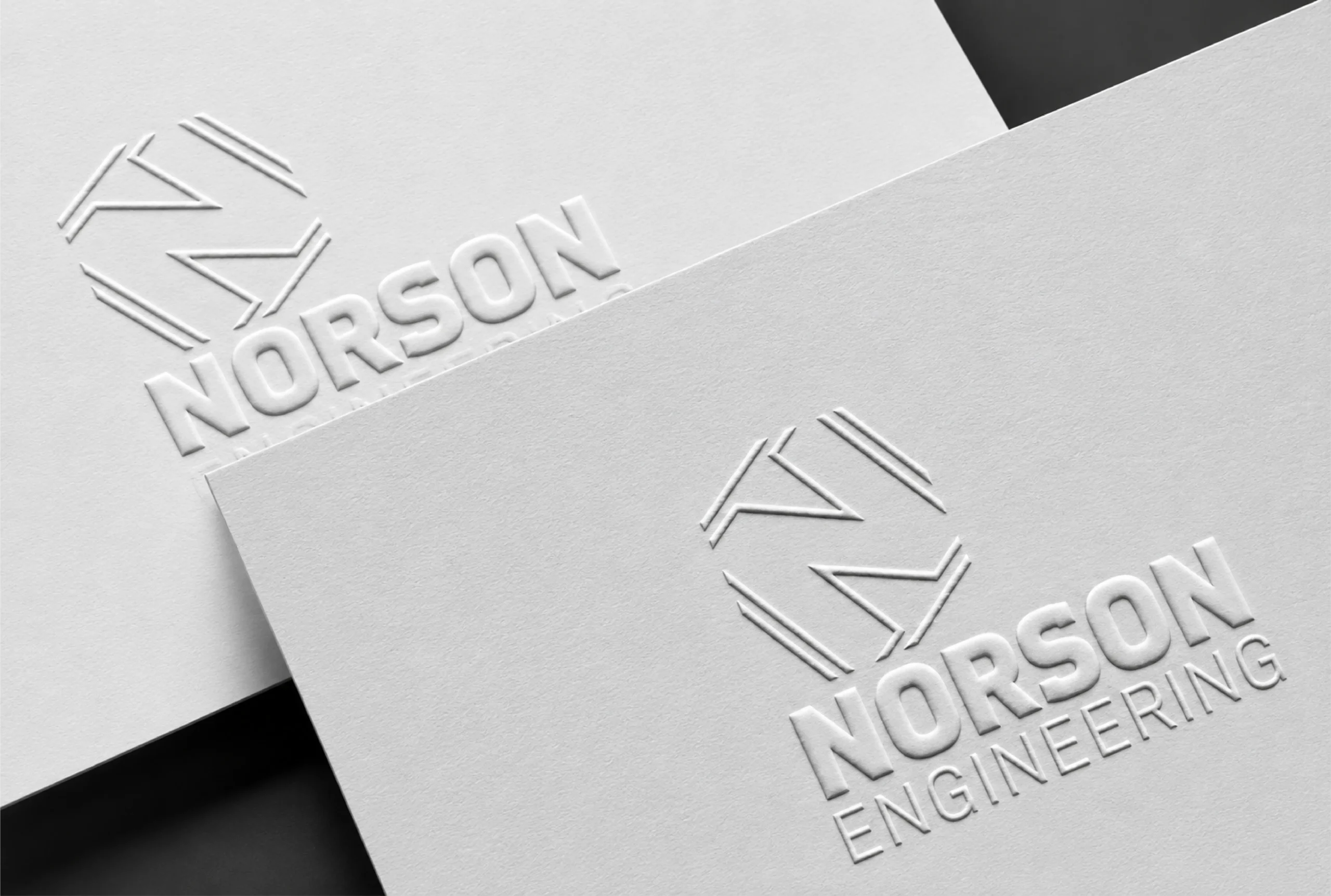
With our embossing technique, we transfer the finest details of your product on packaging.

We use debossing technique to add unique graphics into your packaging.
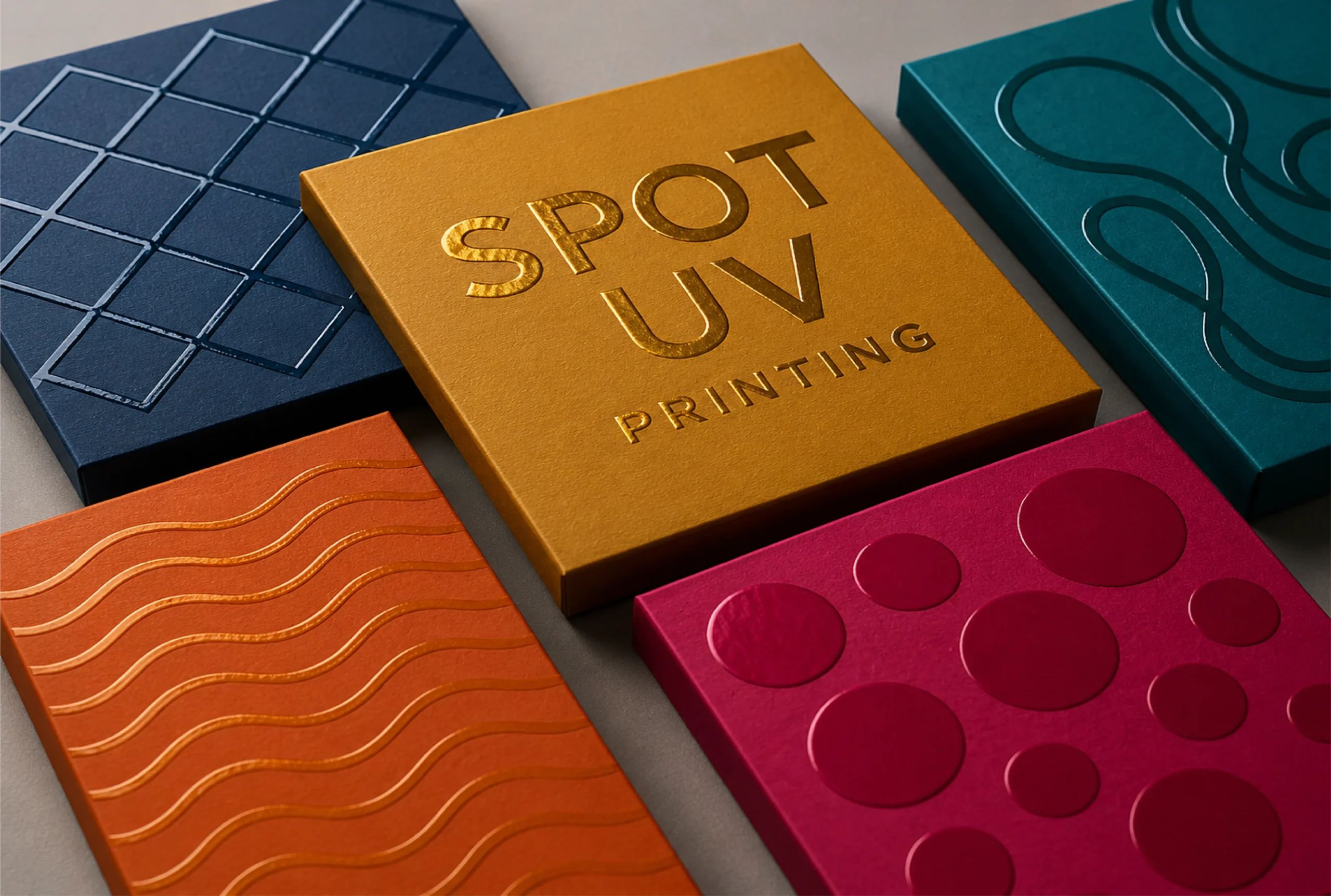
Our high-gloss UV coating gives light and shine to cure the printed material's varnish.
Still unsure? Email sales@packaginghubs.com and a packaging specialist will help.
Get your free quote today and see why Packaging Hubs is the most trusted name in U.S. custom packaging.