Free design support and free U.S. shipping. No minimum order.
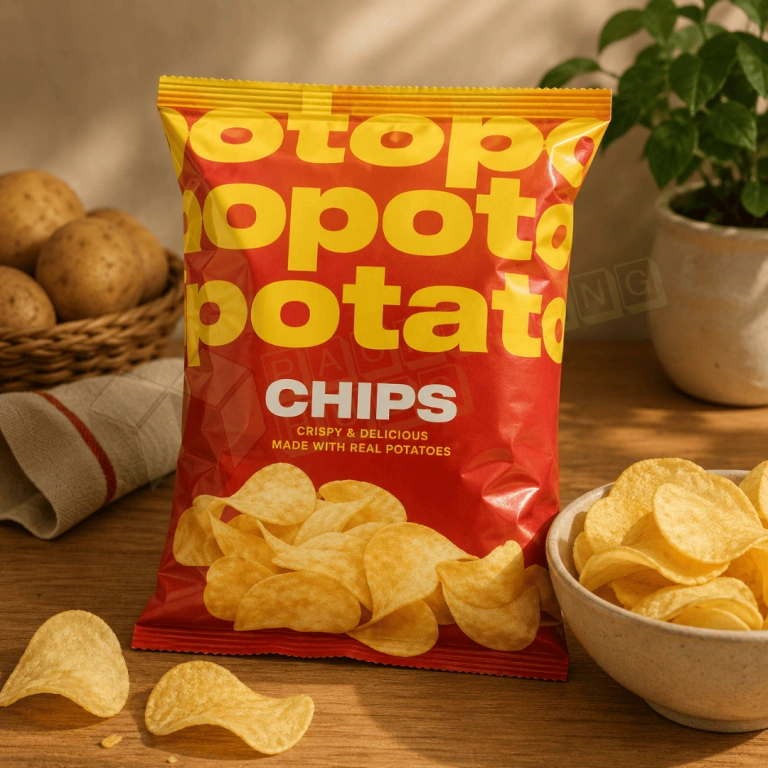
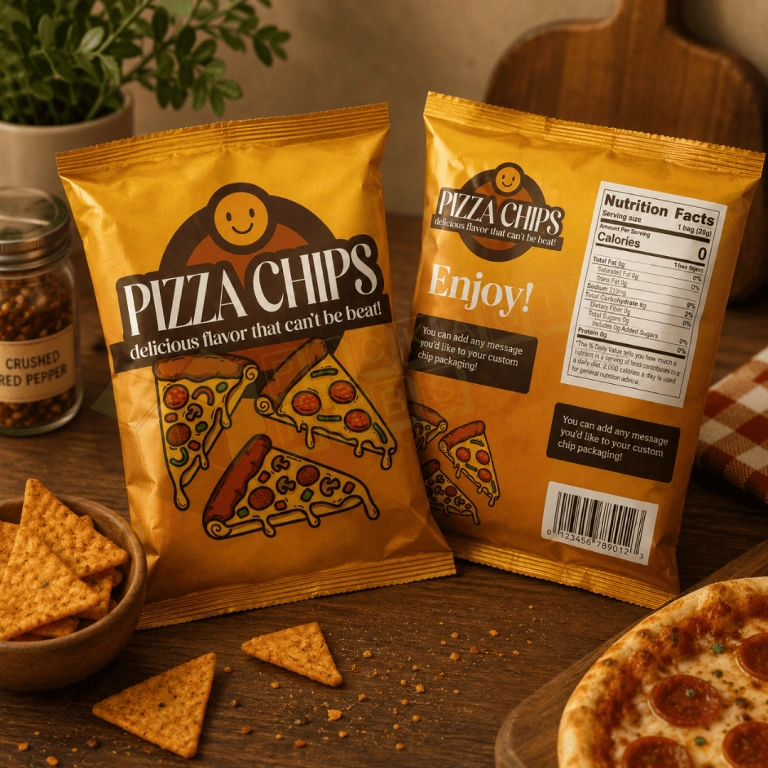
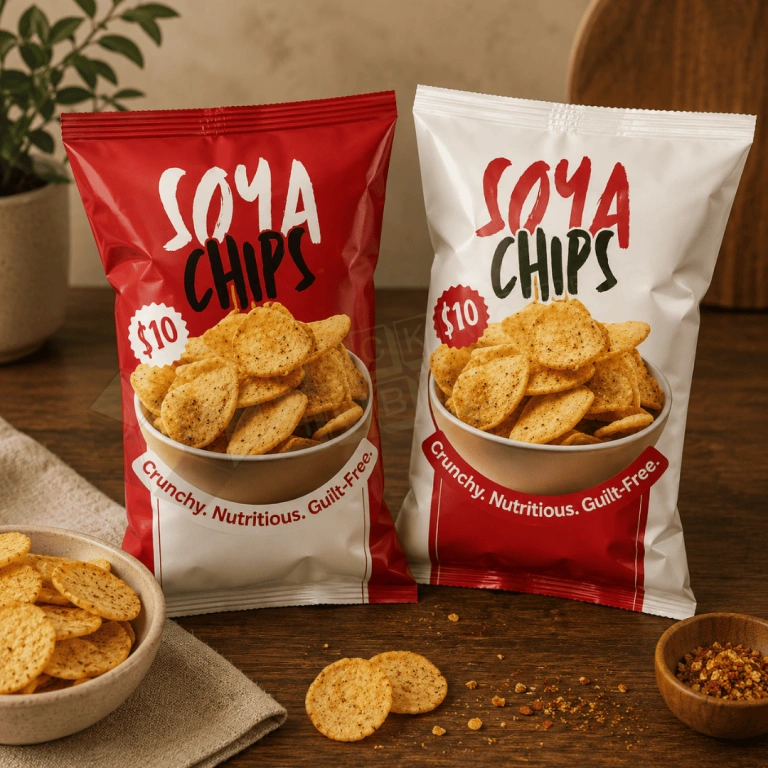
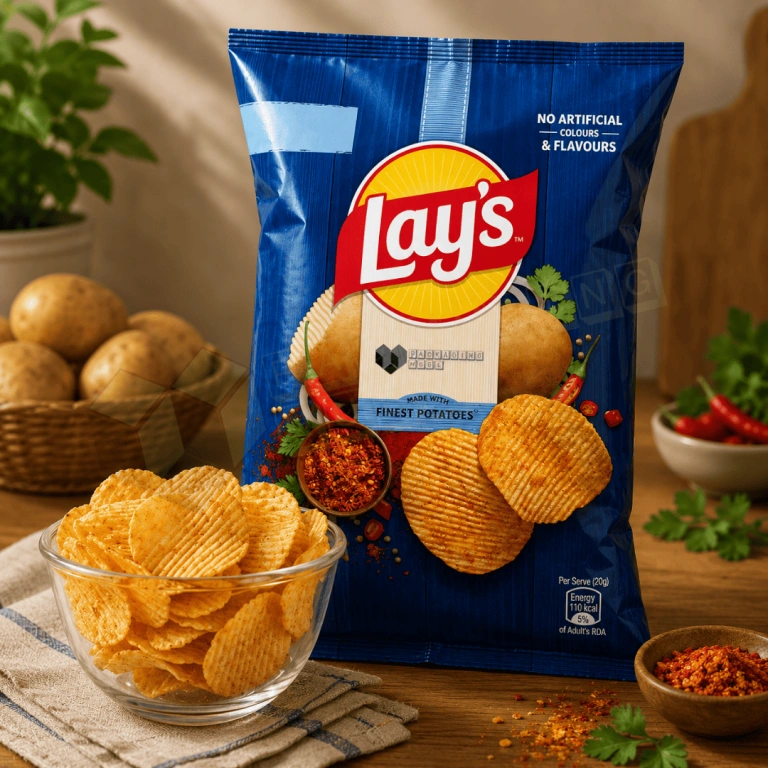
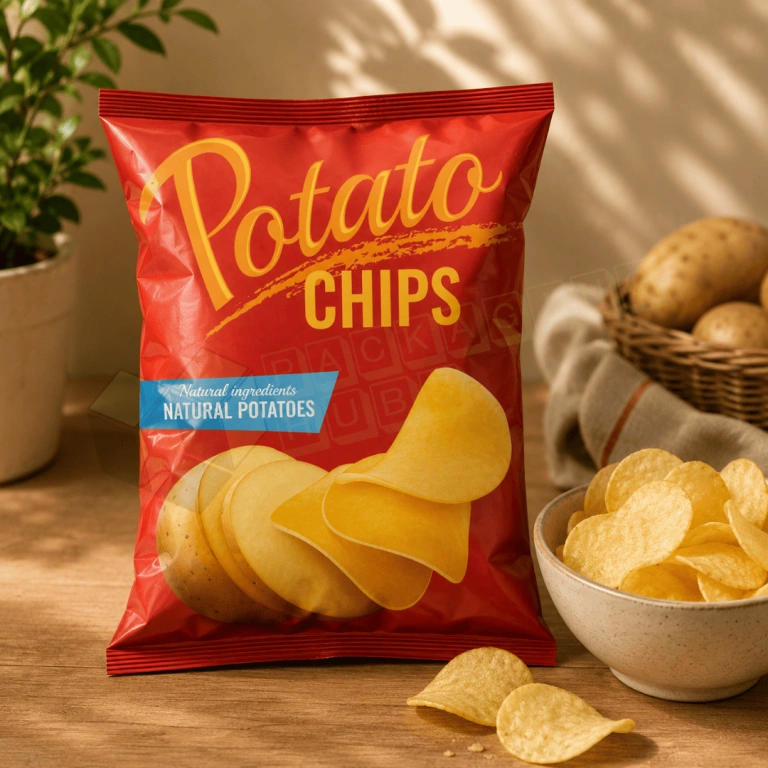
Custom Chips Bags packaging for potato chips, tortilla chips, kettle chips, snack packs, private-label food brands, and wholesale snack suppliers. Choose custom chip bag sizes, barrier film options, branded printing, resealable features, matte or gloss finishes, and packaging support for retail, ecommerce, local food markets, and nationwide USA snack distribution.
Custom chip bags should protect the crunch before they promote the design. A snack bag has to hold fragile chips, resist grease, protect flavor, reduce air and moisture exposure, seal properly, and keep the product looking retail-ready from filling to customer handoff. A good design can attract attention, but the bag still has to perform inside lunch packs, pizza boxes, event bundles, grocery shelves, ecommerce cartons, and wholesale cases.
Chip packaging becomes more complicated when the product changes size. A 1 oz chip bag for individual snacks needs a different structure from a 4 oz chip bag for small retail packs, a 7 oz chip bag for grocery shelves, or a 9 oz chip bag for family-size products. Individual bags of potato chips, individual tortilla chip bags, personalized chip bags, custom potato chip bags, and bulk potato chip bags all need different planning for size, headspace, seal strength, artwork layout, and carton packing.
Packaging Hubs creates custom chip bags for snack startups, potato chip brands, tortilla chip companies, food businesses, private-label sellers, pizza shops, bakeries, cafés, school snack suppliers, event planners, ecommerce food brands, and wholesale snack distributors across the USA. We help plan bag size, film direction, barrier level, seal style, printing, flavor panels, label areas, barcode space, display boxes, and secondary food packaging.
Request a free quote today and create custom snack packaging that protects freshness, supports your brand, and fits your real sales channel.
A chip bag is successful when the snack still feels crisp, clean, and fresh when the customer opens it. Potato chips, tortilla chips, corn chips, kettle chips, veggie chips, and plantain chips all create different packaging needs. Some chips are thin and fragile. Some have strong seasoning powder. Have sharp edges. Some contain more oil. Some need extra space so they do not crush during shipping.
That is why the bag should be selected around the product first. The design should come after decisions about fill weight, chip thickness, oil level, flavor powder, desired shelf life, seal method, storage condition, and case-pack direction. A custom printed bag that looks professional but does not protect the snack will not support repeat sales.
For potato chips in a bag, headspace is especially important. The bag needs enough room to reduce breakage, but it should not look underfilled. The right balance depends on product volume, bag dimensions, gusset depth, seal width, and how the bags will be packed in cartons.
Searches around chip bag size chart oz, 1 oz chip bag, 4 oz chip bag, 7 oz chip bag, and 9 oz chip bag usually come from buyers trying to match a real snack program. The chart below gives a practical planning direction, but final dimensions should always be confirmed with the actual product.
| Bag Size or Fill Direction | Common Use | Packaging Direction |
| 1 oz chip bag | Party favors, school snacks, samples, kids’ meals | Small flat bag or pillow pouch with clear flavor identity |
| 2 oz to 3 oz bag | Lunch packs, vending, hotel snacks, individual tortilla chip bags | Compact snack bag with strong seal and readable label area |
| 4 oz chip bag | Small retail snack, café side, event snack pack | Mid-size bag with strong front-panel branding |
| 5 oz to 6 oz bag | Specialty chips, kettle chips, local snack brands | Retail pouch direction with flavor-focused artwork |
| 7 oz chip bag | Grocery snack aisle and premium chip lines | Larger front panel with better shelf visibility |
| 8 oz bag | Retail bundles, private-label food programs, snack kits | Case-pack planning and barcode space become more important |
| 9 oz chip bag | Family-size chips, tortilla chips, grocery packs | Larger structure with headspace and crush-aware carton support |
| 10 oz and larger | Party-size, food service, wholesale, bulk retail | Stronger film, reinforced seal direction, and master cartons |
| Personalized chips | Weddings, birthdays, events, schools, corporate giveaways | Custom artwork with event message and product clarity |
| Bulk potato chip bags | Wholesale, distributors, grocery programs, repeat production | Consistent dimensions, SKU control, and carton planning |
A 9 oz bag of chips size can look large because chips are light and need air space. Potato chip bag dimensions should be based on product volume and breakage risk, not only weight.
Chip brands often need more than the flexible bag. A snack company may sell variety boxes, school packs, ecommerce bundles, retail assortments, subscription snack kits, or wholesale cartons. In those cases, the bag protects the product, but the outer box controls presentation, storage, and delivery.
For broader food packaging systems, custom food boxes can support snack kits, retail food sets, delivery boxes, and multipack packaging for food brands.
This link fits naturally because custom chip bags often work inside a larger food packaging system. The flexible bag holds the snack, while the food box organizes the order for retail, shipping, or event use.
Chip bags are usually made from flexible packaging films rather than simple paper. Many snack bags use multilayer structures that may include PET, PE, BOPP direction, metallized film direction, foil laminate direction, or other barrier materials depending on product needs. These layers help protect the snack from oxygen, moisture, aroma loss, light exposure, grease transfer, and rough handling.
The outer layer supports printing and shelf appeal. The barrier layer helps protect crispness and flavor. The inner layer supports sealing and product contact. The final structure depends on chip type, oil level, desired shelf life, filling method, storage condition, and distribution route.
The FDA explains that food-contact packaging can include components such as coatings, adhesives, colorants, and substances applied to packaging surfaces. For snack packaging, the chosen films, inks, coatings, and sealing layers should match the intended food use and storage conditions. FDA food-contact packaging guidance
A strong chip packaging page should explain the real product decisions behind the bag. Buyers need to understand material, barrier, seal, size, and print options before choosing artwork.
| Specification | Available Direction | Why It Matters for Chip Bags |
| Bag material | PET, PE, BOPP direction, metallized film direction, foil laminate direction, multilayer film options | Supports strength, print quality, and barrier performance |
| Barrier level | Oxygen barrier, moisture barrier, aroma barrier, light barrier | Helps protect crunch, flavor, and freshness |
| Seal type | Heat seal, fin seal, back seal, side seal, bottom seal, reinforced seal direction | Helps reduce air exposure and seal failure |
| Bag style | Pillow bag, flat pouch, stand-up pouch, gusseted bag, rollstock direction, sample bag | Fits snack type, fill weight, and filling process |
| Opening feature | Tear notch, easy-open direction, resealable zipper where suitable | Improves customer convenience |
| Size range | 1 oz, 4 oz, 7 oz, 9 oz, family-size, party-size, wholesale, custom dimensions | Matches serving size and sales channel |
| Printing | Full-color printing, CMYK, PMS matching, matte, gloss, metallic direction | Builds brand and flavor recognition |
| Retail panel | Nutrition facts, ingredients, barcode, net weight, flavor name, date code area | Supports retail readiness |
| Finish | Matte, gloss, soft-touch direction, metallic finish, clear window where suitable | Controls shelf style and brand positioning |
| Secondary packaging | Display box, master carton, shipper, multipack box | Supports storage, shipping, and wholesale handling |
The best specification depends on the snack formula, chip shape, fill weight, oil level, shelf-life goal, filling method, retail channel, and shipping route.
Chips often appear beside pizza, sandwiches, burgers, wraps, and quick-service meals. Pizza shops may sell individual tortilla chip bags with dips, potato chips with lunch specials, or branded snack packs for events and catering. In these cases, chip packaging becomes part of a larger meal presentation.
For pizza and restaurant packaging, custom pizza boxes can support pizza shops, food trucks, restaurants, catering brands, and takeout businesses.
This link fits because a restaurant may need chip bags for snack sides and pizza boxes for the main product. Both packages can carry the same brand style while solving different food packaging problems.
The question “what are the colored dots on chip bags” usually refers to small print control or color registration marks used during packaging production. Customers may notice them near an edge or back panel and wonder whether they relate to flavor, freshness, or ingredients.
For packaging buyers, the useful lesson is print consistency. Snack brands often use flavor color systems. Original, barbecue, cheddar, sour cream, ranch, jalapeño, spicy, salt and vinegar, and tortilla flavors should look consistent across production runs. If the same red, green, yellow, or orange changes from one run to the next, the product line may look less professional on shelves.
Packaging Hubs can help plan custom artwork, flavor colors, print areas, barcode panels, and front-panel hierarchy so customized chip bags look clean and easy to identify.
Individual bags of potato chips are useful for schools, vending programs, hotels, cafés, corporate lunches, kids’ meals, event favors, airline snacks, and meal bundles. These bags usually need compact sizing, clear flavor labels, durable seals, and readable product panels.
A 1 oz chip bag works well for party favors, samples, and small snack packs. A 2 oz or 3 oz bag can fit vending, lunch, and hotel programs. A 4 oz chip bag can support small retail and café sales. Individual tortilla chip bags may need more internal volume because tortilla chips are often larger and more angular than thin potato chips.
Personalized chip bags should still be designed like real snack packaging. The event theme can be prominent, but the flavor, snack type, and required information should remain easy to understand.
Many food brands sell chips beside baked goods, cookies, brownies, muffins, pastries, cakes, or dessert samplers. A café may offer a lunch box with chips and a cookie. A bakery may sell sweet-and-salty snack bundles. A food business may need both flexible snack bags and rigid or paperboard bakery packaging.
For baked goods and dessert packaging, custom bakery boxes can support pastries, cookies, sweets, cakes, and café bundle packaging.
This link fits because custom chip bags can be part of a wider food program. The chip bag protects the crunchy side item, while bakery boxes protect sweet products that need structure and presentation.
A bag of chips can hold many different weights depending on the product and selling format. Small individual bags may hold around 1 oz. Lunch or vending bags may hold 2 oz to 3 oz. Retail bags may be 4 oz, 7 oz, 9 oz, or larger. Party-size and wholesale packs can go higher depending on product type and brand strategy.
The ounce count does not tell the full story. Chips are light, irregular, and fragile, so the bag often needs extra space. A 9 oz bag of chips can appear larger than other 9 oz food packages because the snack needs headspace to reduce crushing and protect the product’s shape.
Potato chip bag dimensions should be based on the real chip, not guessed from a competitor’s package. Thin potato chips, kettle chips, tortilla chips, corn chips, and veggie chips all fill space differently. A bag that works for one snack may look underfilled or too tight for another.
Headspace matters because chips break when packed too tightly. But too much empty space can make the package feel underfilled. The right size depends on product volume, chip thickness, bag width, bag height, gusset depth, seal width, and carton count.
For wholesale snack brands, the bag and master carton should be planned together. The flexible package protects freshness, while the carton protects the bags from pressure during shipping and storage.
Some snack products need stronger barrier packaging, especially when freshness, aroma, light exposure, oil transfer, and shelf life are major concerns. Mylar-style flexible packaging can be useful for many food products that need durable film and strong shelf presentation.
For barrier-focused snack and food packaging, custom mylar bags can support food products, supplements, snacks, and retail items that need durable flexible packaging.
This internal link fits because many chip brands also sell seasonings, snack mixes, powders, dried foods, or premium snack products that may require mylar-style packaging. Chip bags and mylar bags are not always the same structure, but both are part of flexible food packaging planning.
“Microwave chip bag” is a search term, but standard chip bags should not be treated as microwave-safe packaging. Many snack bags include metallized or foil-like barrier layers, inks, adhesives, coatings, and sealing materials that are not intended for microwave heating.
If a brand wants microwave-ready snack packaging, that requires a separate material review and supplier confirmation. A standard chips bag should not be marketed as microwave-safe unless the selected material is documented for that use.
This section matters because packaging claims must match real use. A bag designed to protect crunch and shelf life is not automatically suitable for heating.
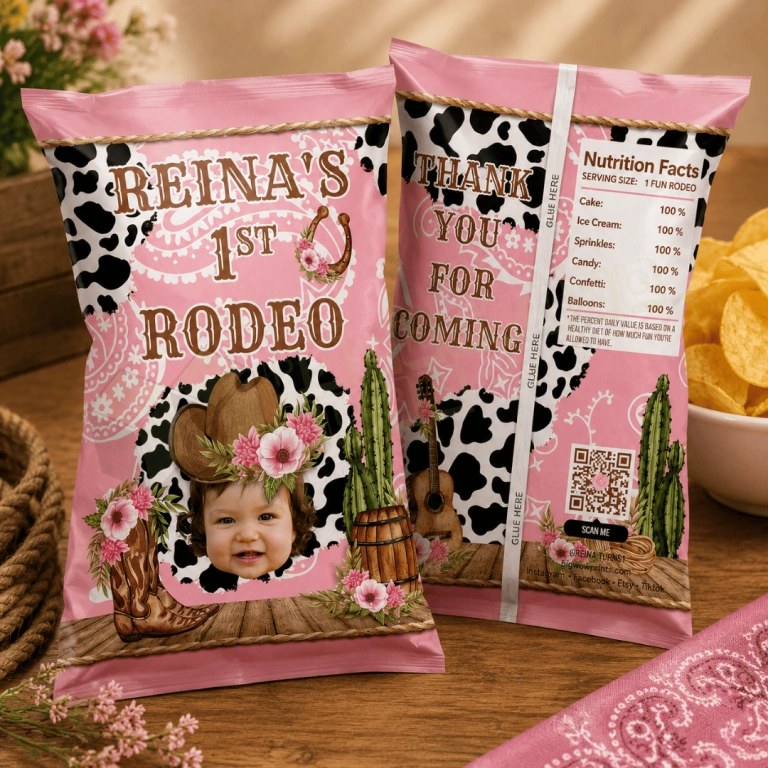
Personalized chip bags are popular for birthdays, weddings, school events, graduations, sports teams, baby showers, corporate events, holiday promotions, and branded giveaways. They turn a simple snack into a custom favor.
A personalized bag should still look clear and professional. The artwork may include names, photos, dates, logos, colors, event themes, and messages, but the design should leave enough room for flavor identity and product information. Personalized potato chip bags can be decorative event packaging or true food-filled packaging depending on how they are used.
For event orders, the bag size should match the serving. A small 1 oz format may work for party tables, while a larger size may fit corporate snack kits or promotional food boxes.
Custom chip bags wholesale programs require more planning than one-time event packaging. Wholesale buyers need consistent dimensions, repeatable print, case counts, barcode areas, flavor separation, and outer cartons that protect the bags from crushing.
If a snack brand sells several flavors, each SKU may need its own color system, nutrition panel, barcode, and case label. If the product is sold in multipacks, the outer carton or display box should also match the bag count and retail setup.
Wholesale chip packaging works best when the flexible bag and secondary box are planned together. The bag protects freshness. The carton protects the bag during storage, shipping, and distribution.
A chips bag needs to communicate quickly. Customers should recognize the brand, flavor, snack type, and net weight within seconds. The front panel should not be crowded with too many claims, badges, or decorative elements.
A stronger layout uses the main front panel for brand identity, flavor name, snack type, product image or illustration, and net weight. The back or side panel can support nutrition facts, ingredients, barcode, manufacturer details, date code space, QR code, and supported claims.
Flavor color consistency is important. A strong line of custom potato chip bags should make each flavor easy to identify while keeping the brand system connected across all sizes.
Many brands want recyclable, compostable, reduced-plastic, or eco-friendly snack packaging. These claims should be handled carefully because many flexible chip bags use multilayer films that may not be accepted in standard curbside recycling programs.
The FTC Green Guides help businesses avoid misleading environmental claims, including recyclable, recycled, compostable, and broad eco-friendly claims. FTC Green Guides for environmental claims
Packaging Hubs can discuss right-sized packaging, recyclable-direction films where available, mono-material possibilities, secondary paperboard packaging, and reduced material planning. Final environmental claims should match the selected material, supplier documentation, and local recovery access.
Potato chips in a bag can crush if the outer carton is weak, overfilled, or poorly sized. Even a good flexible bag cannot stop heavy pressure if the master carton fails or if the bags are packed under heavier food items.
USPS package preparation guidance explains that shippers should choose and prepare packaging properly before sending packages. For fragile snack products, the outer carton, bag count, void space, stacking direction, and handling route should be planned around the product. USPS package preparation guidance
For ecommerce and wholesale shipping, brands should test how bags sit inside the carton. A light snack can still arrive damaged when packed with bottles, jars, cans, or rigid products.
Before ordering bulk potato chip bags, test the package with the real snack. Fill the bag with the actual chips, seasoning, oil level, and intended weight. Seal it using the planned method. Then check seam strength, air loss, oil transfer, flavor powder residue, print scuffing, bag feel, and shelf appearance.
The outer carton should be tested at the same time. Pack the planned number of bags inside and check whether the chips crush, bags bend, or cartons feel weak. A digital proof can confirm artwork, but a filled bag test confirms whether the packaging works.
This step is especially important for private-label snack launches, wholesale chip programs, event bags, multiple flavors, and ecommerce snack bundles.
A snack brand may start with plain packaging or sticker labels. That can work for testing, but it often looks weak for retail shelves, ecommerce bundles, and wholesale buyers. The product may taste good, but the packaging may not create enough trust.
A stronger setup uses custom printed chip bags with the right film structure, size system, flavor colors, nutrition area, barcode space, seal planning, and matching outer cartons. The brand can then build 1 oz sample bags, 4 oz retail bags, 7 oz grocery bags, 9 oz family-size bags, personalized chip bags, individual tortilla chip bags, and bulk potato chip bags under one visual family.
The snack may stay the same, but the packaging makes it look ready for retail and repeat orders.
Packaging Hubs supports snack startups, potato chip brands, tortilla chip companies, private-label sellers, restaurants, pizza shops, cafés, bakeries, event planners, school snack suppliers, ecommerce food brands, grocery programs, and wholesale distributors.
You can order custom chip bags, personalized chip bags, custom potato chip bags, individual bags of potato chips, individual tortilla chip bags, 1 oz chip bags, 4 oz chip bags, 7 oz chip bags, 9 oz chip bags, family-size snack bags, event chip bags, and wholesale food packaging. Options can include custom printing, tear notches, barrier films, metallic finishes, flavor panels, nutrition areas, barcode space, display boxes, master cartons, and shipping cartons.
Share your snack type, fill weight, bag size, artwork, quantity, flavor count, barrier needs, and deadline. Packaging Hubs can recommend a practical direction for material, print, and production.
Packaging Hubs creates custom food packaging for snack brands that need better shelf appeal, stronger product protection, and packaging that matches real sales channels. We help with bag size, film selection, barrier direction, seal planning, flavor panels, custom printing, nutrition layout, barcode space, display boxes, multipack cartons, and wholesale case-pack support.
Whether you need custom chip bags, chip bags custom printed, customized chip bags, custom potato chip bags, personalized chip bags, personalized potato chip bags, or custom chip bags wholesale, Packaging Hubs can help you create snack packaging that protects the product and strengthens the brand.
Request a free quote today and create chip packaging that looks professional, protects freshness, and supports your snack business.
| Box Style | Bag of Chips |
| Dimension (L + W + H) | All Custom Sizes & Shapes |
| Quantities | No Minimum Order Required |
| Paper Stock | 10pt to 28pt (60lb to 400lb) Eco-Friendly Kraft, E-flute Corrugated, Bux Board, Cardstock |
| Printing | No Printing, CMYK, CMYK + 1 PMS color, CMYK + 2 PMS colors |
| Finishing | Gloss Lamination, Matte Lamination, Gloss AQ, Gloss UV, Matte UV, Spot UV, Embossing, Foiling |
| Included Options | Die Cutting, Gluing, Scored, Perforation |
| Additional Options | Eco-Friendly, Recycled Boxes, Biodegradable |
| Proof | Flat View, 3D Mock-up, Physical Sampling (On request) |
| Turnaround | 4 – 8 Business Days, RUSH |
| Shipping | FLAT |
Pick the stock and the finish that suit your product. We’ll confirm both on your proof before anything is printed.
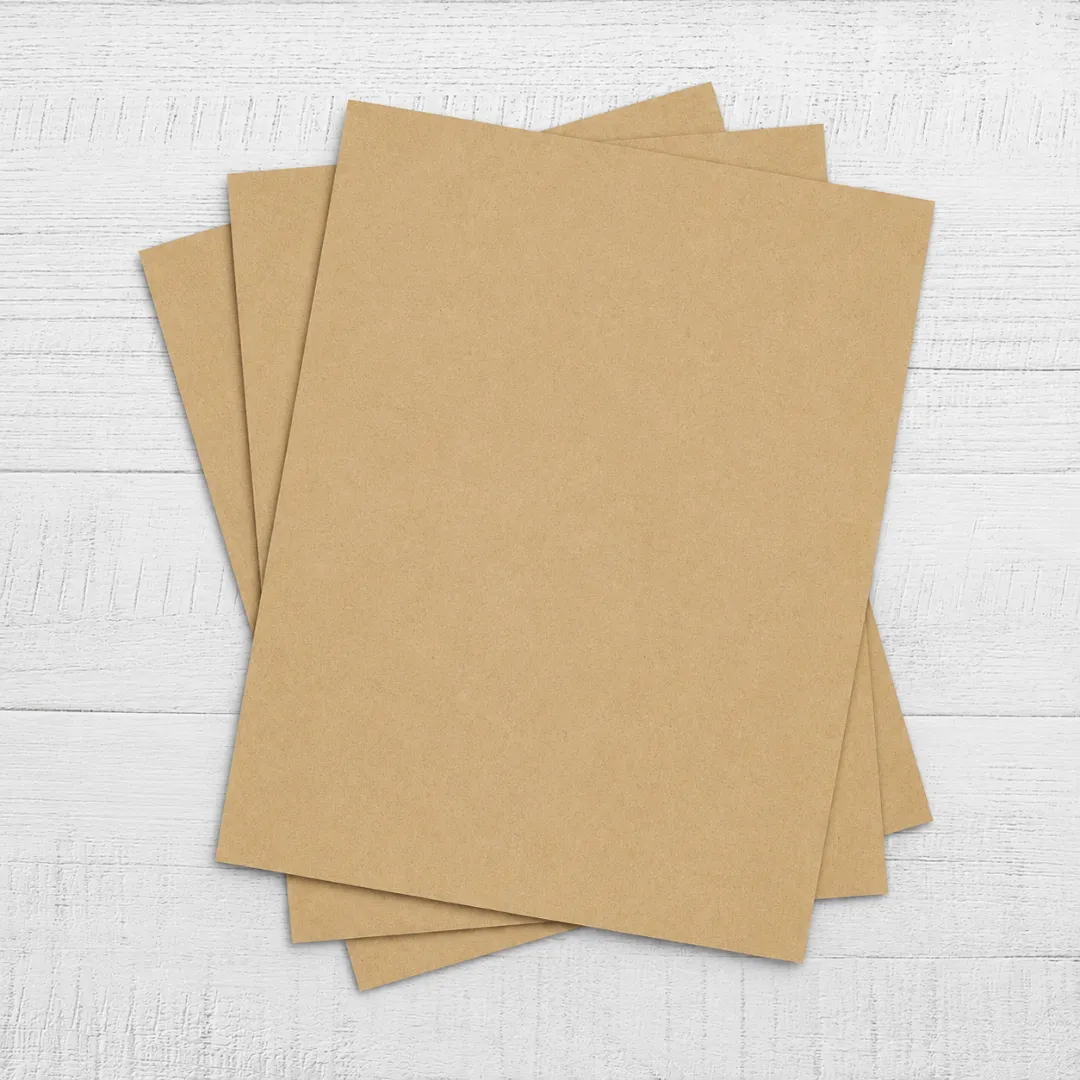
Kraft paper is a strong, durable and reliable material that is widely used across many different industries.
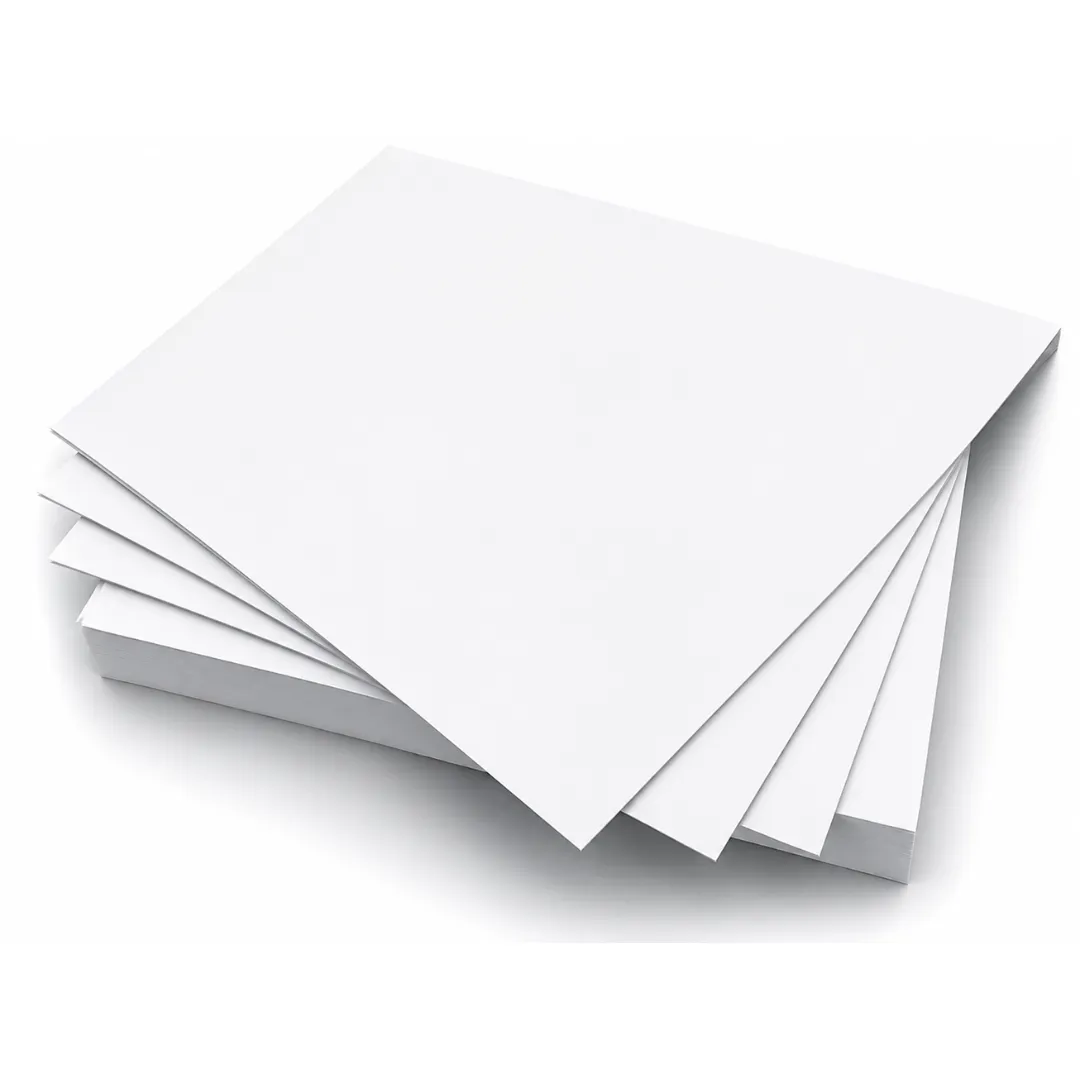
We use cardboard material with the least environmental impact and minimizes waste generation.
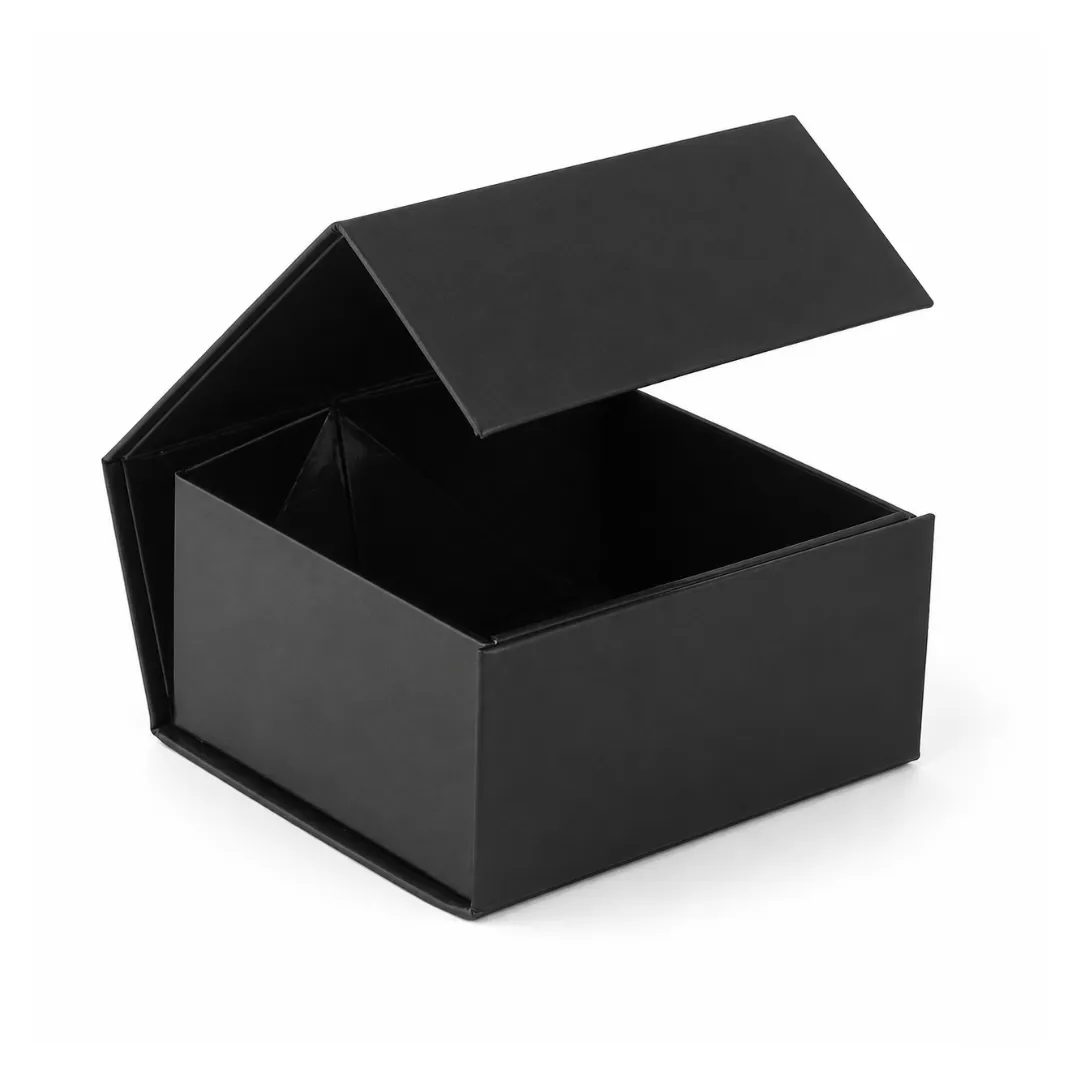
Rigid is highly protective, affordable and recyclable material. These boxes provide maximum protection.
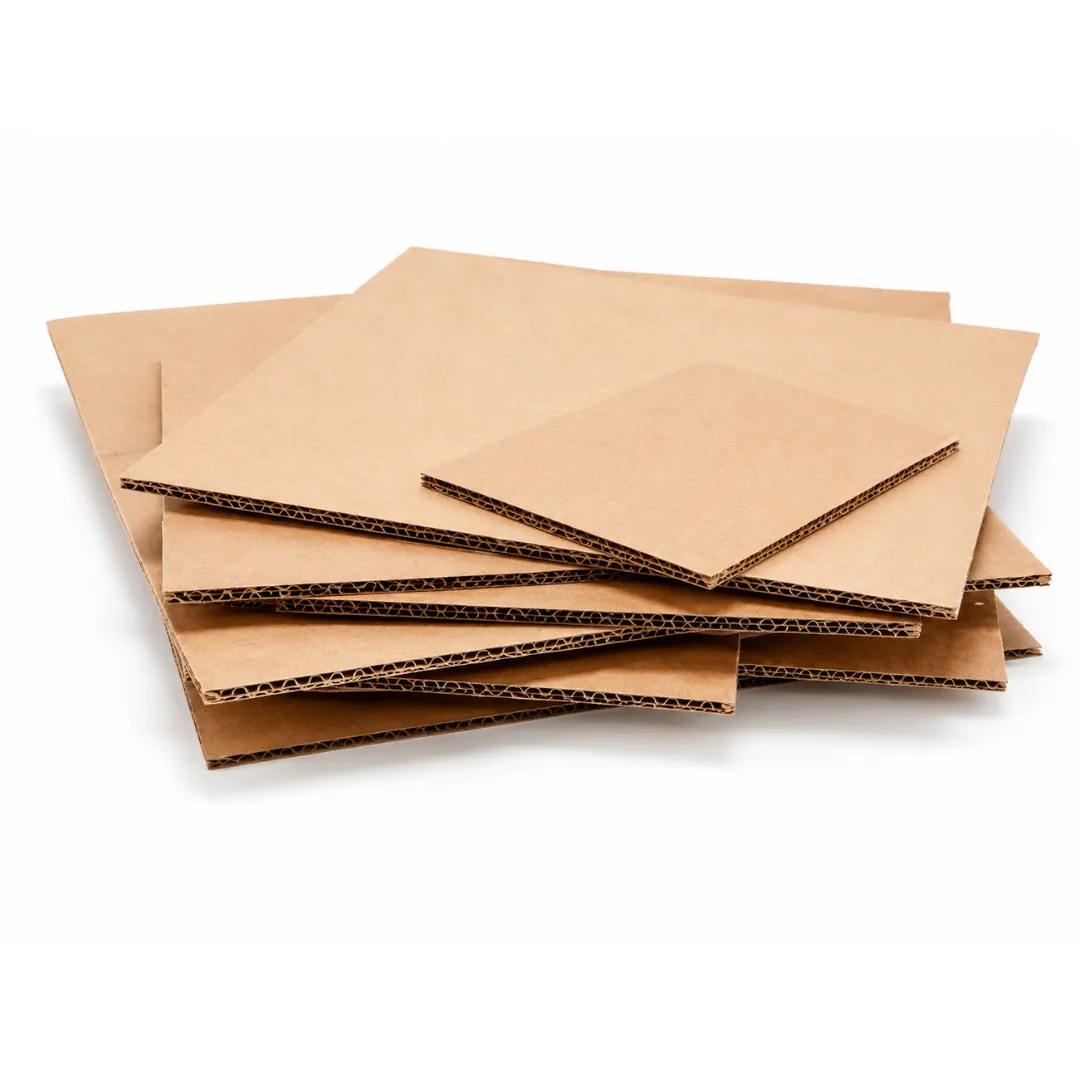
Corrugated material is easy to customize, cost effective and sustainable. It is also great for branding purposes.
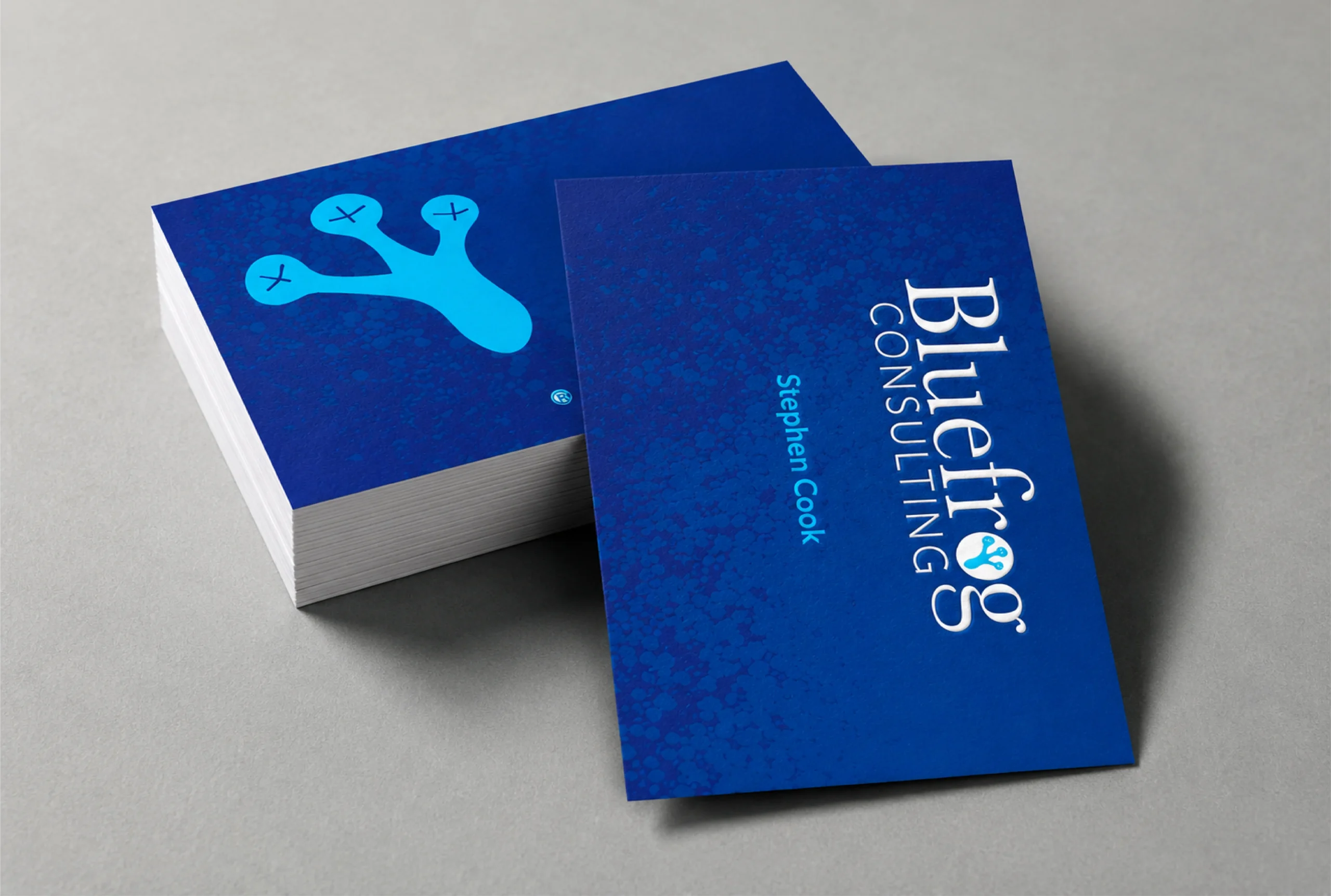
We add additional layer of protection with soft touch lamination from toner chipping.
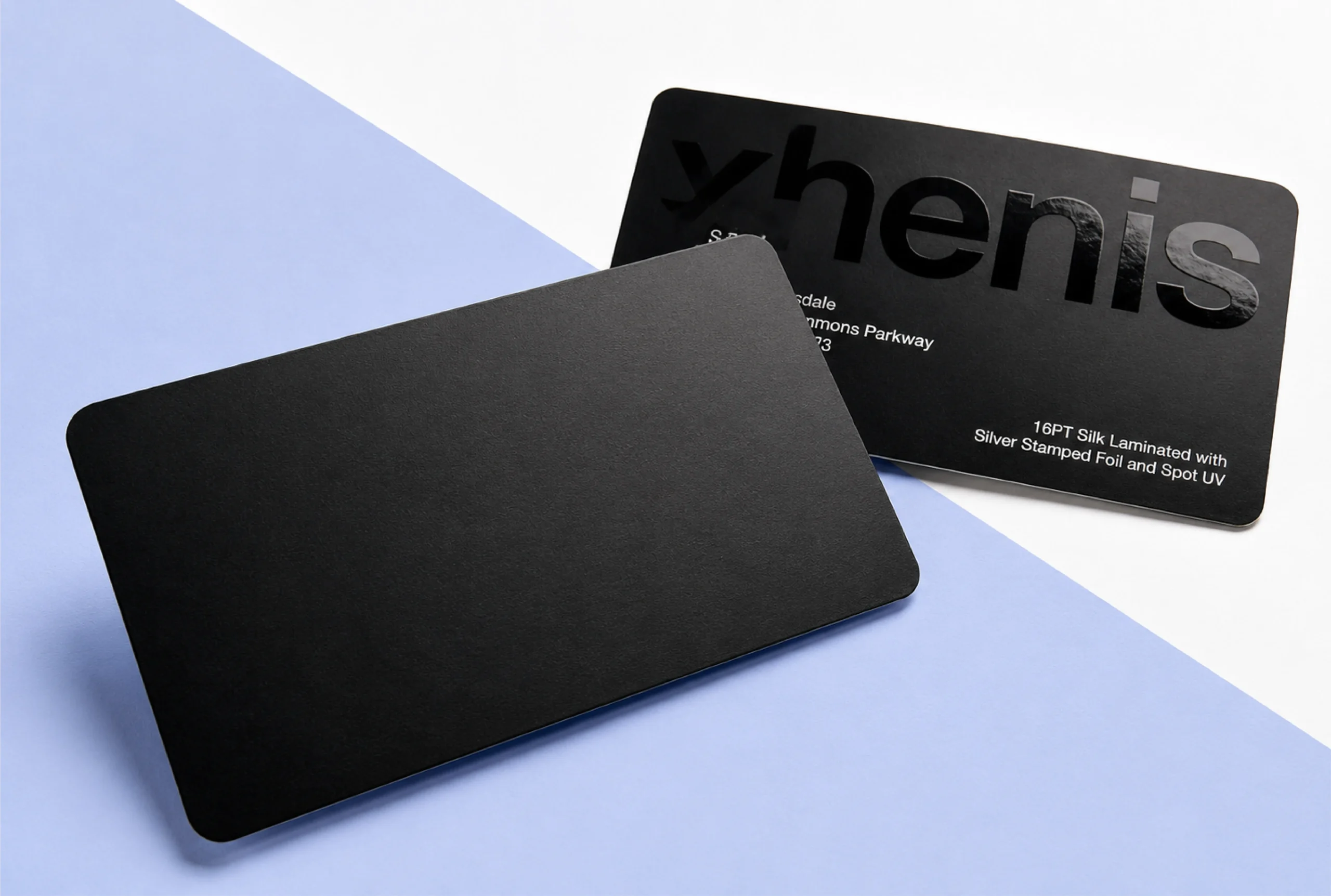
With our matte finish, fingerprints and smudges will now be less visible on the packaging.
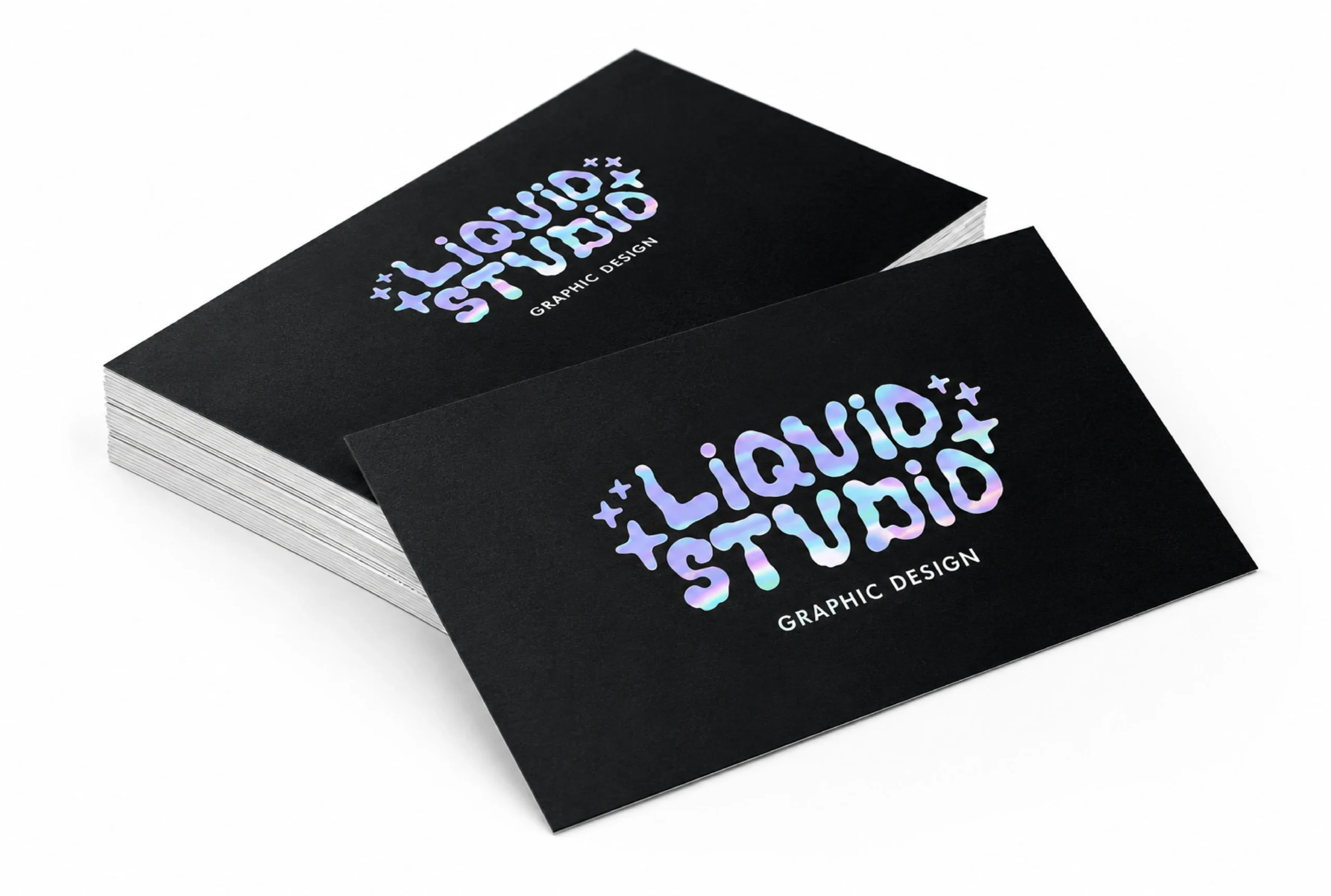
Holographic foil diffracts light and reveals the colors of the rainbow at various angles.
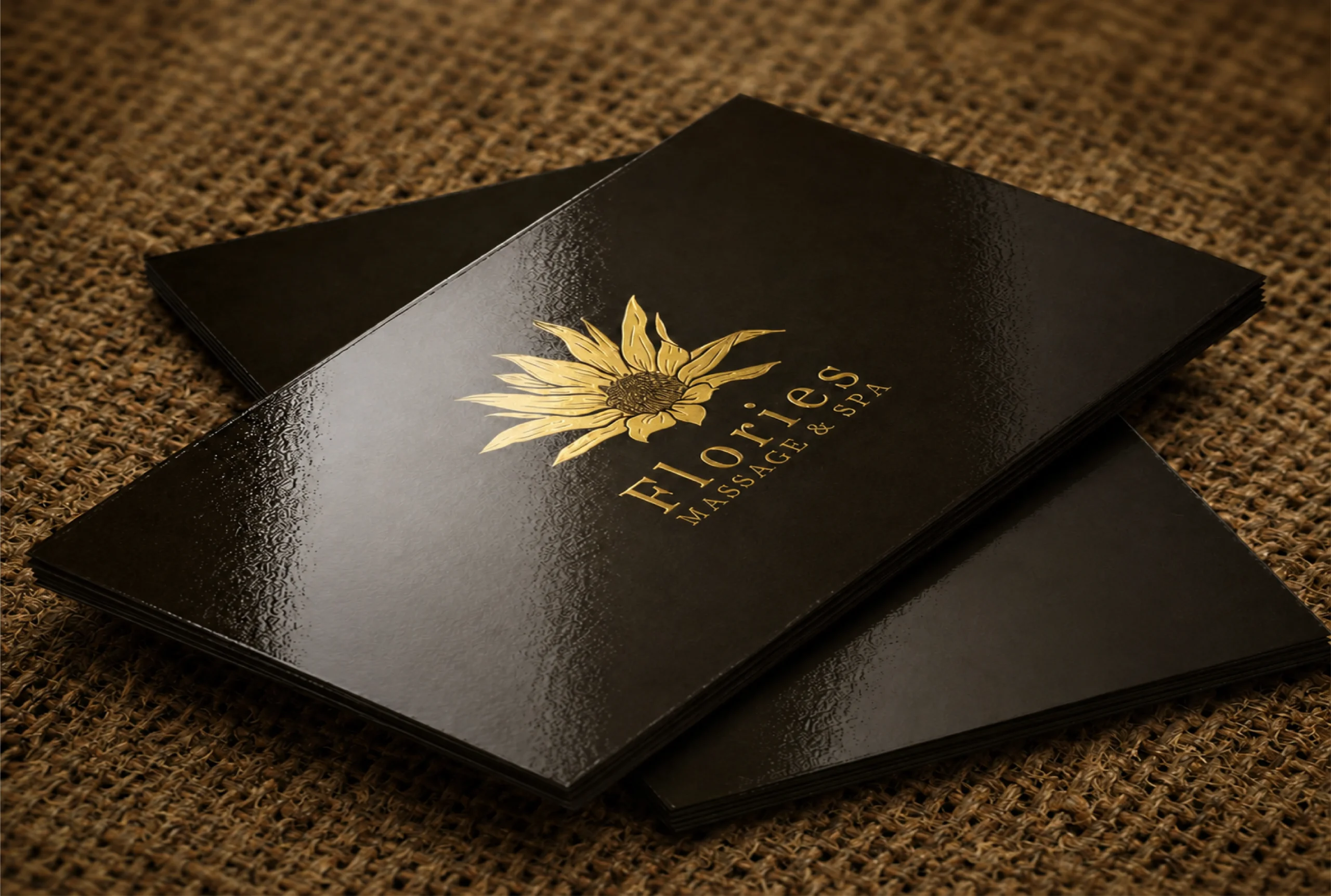
Our glossy finishing gives your packaging an extra layer of shine.
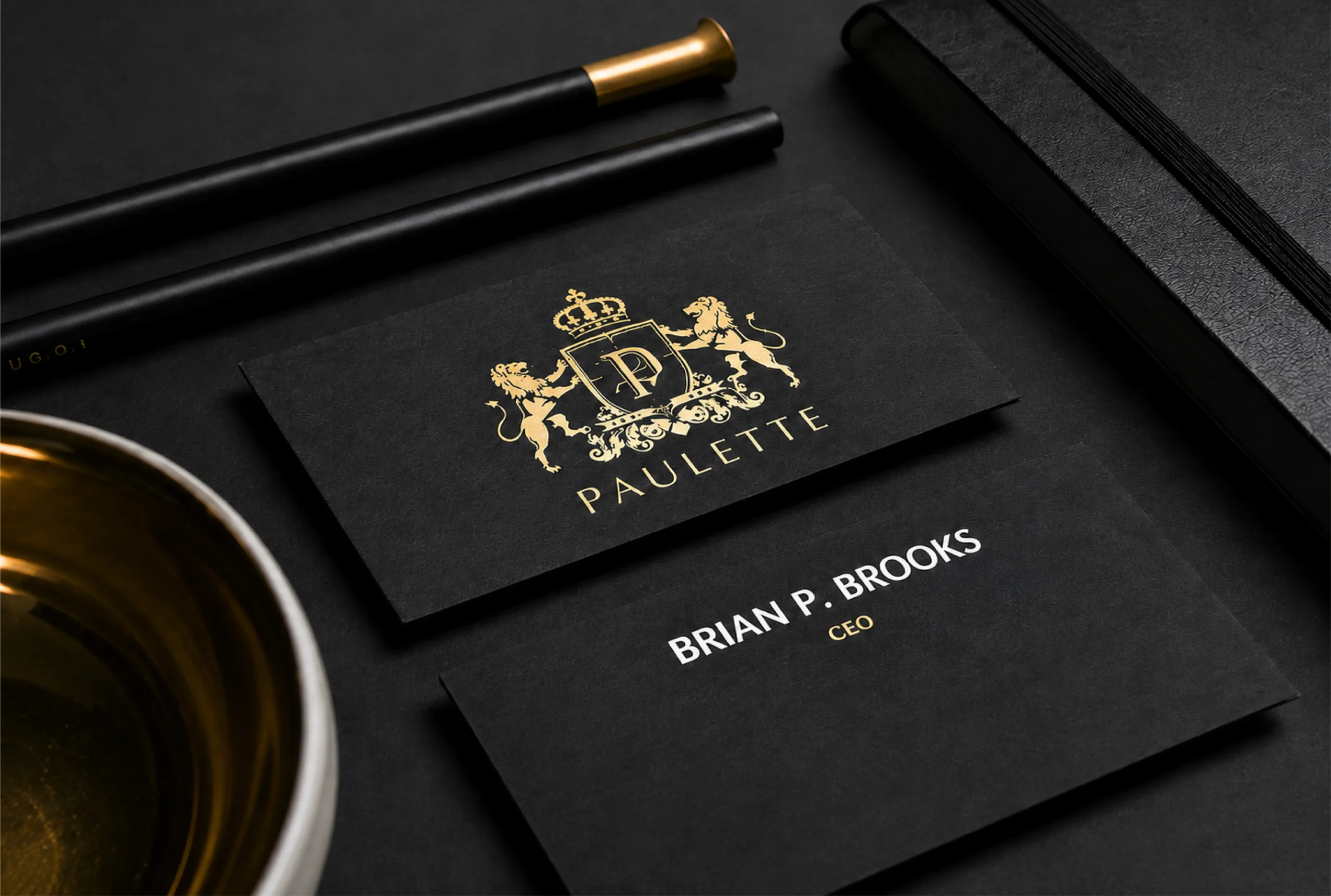
Decorate a wide range of your product packaging with our foil stamping.
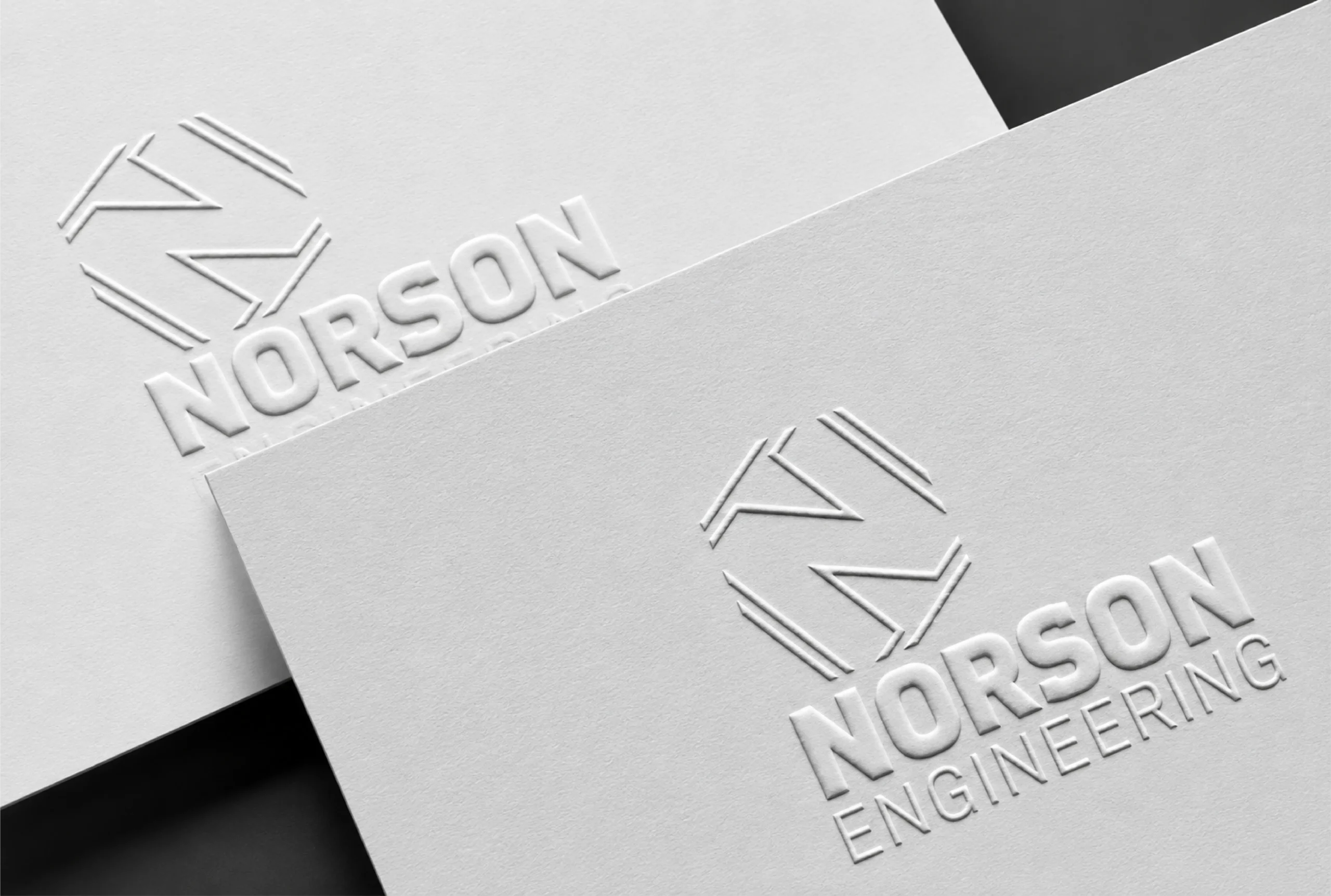
With our embossing technique, we transfer the finest details of your product on packaging.
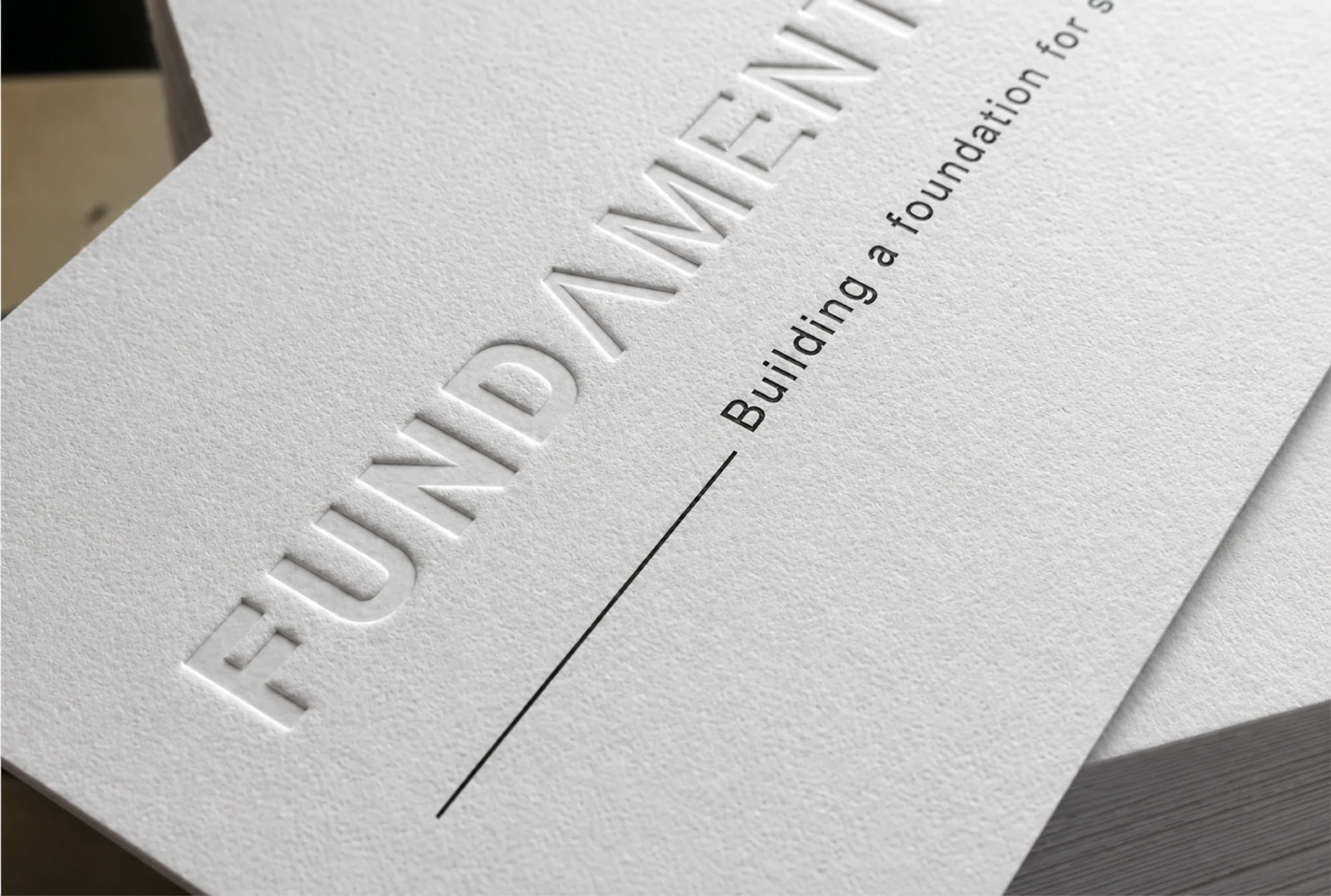
We use debossing technique to add unique graphics into your packaging.
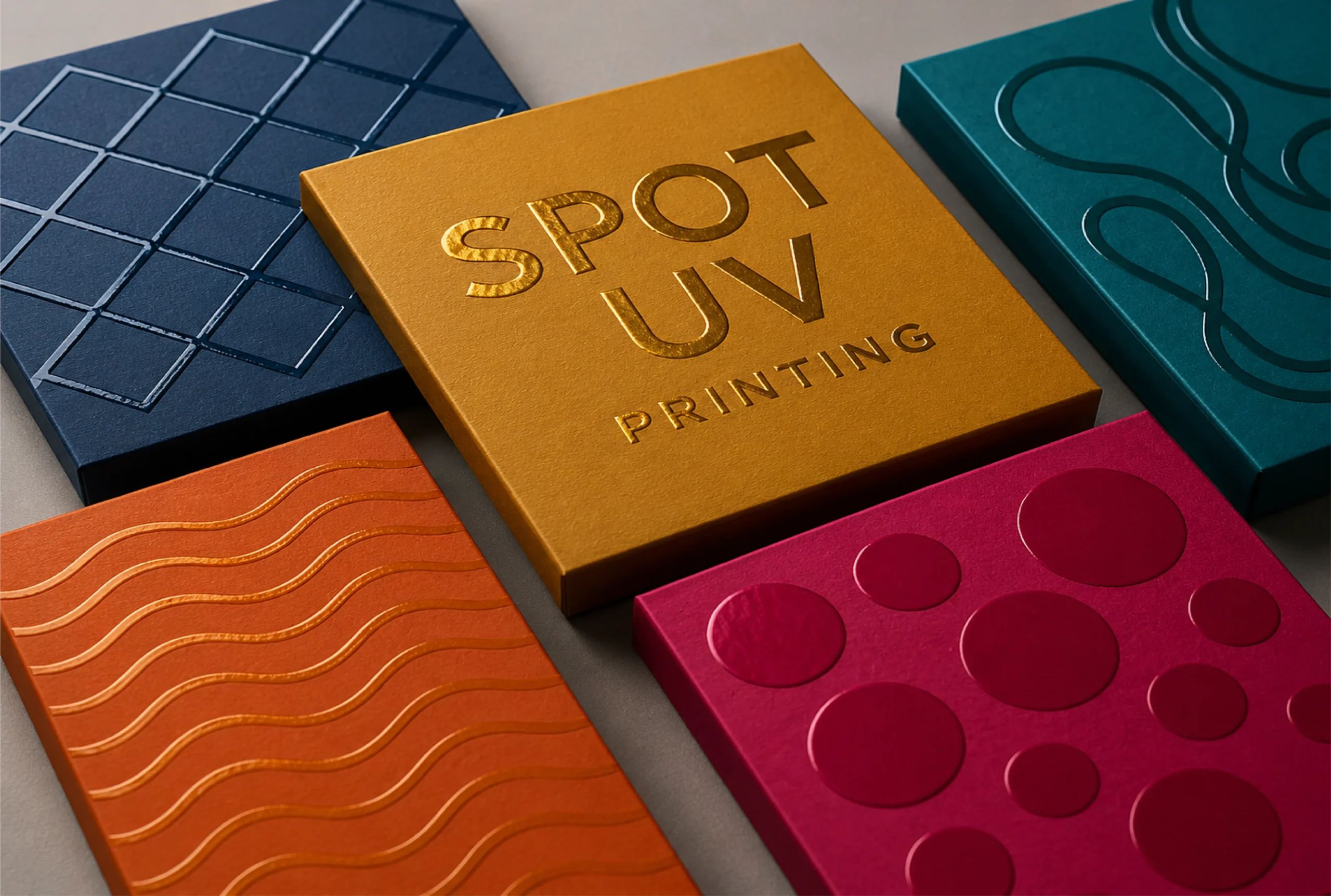
Our high-gloss UV coating gives light and shine to cure the printed material's varnish.
Still unsure? Email sales@packaginghubs.com and a packaging specialist will help.
Get your free quote today and see why Packaging Hubs is the most trusted name in U.S. custom packaging.