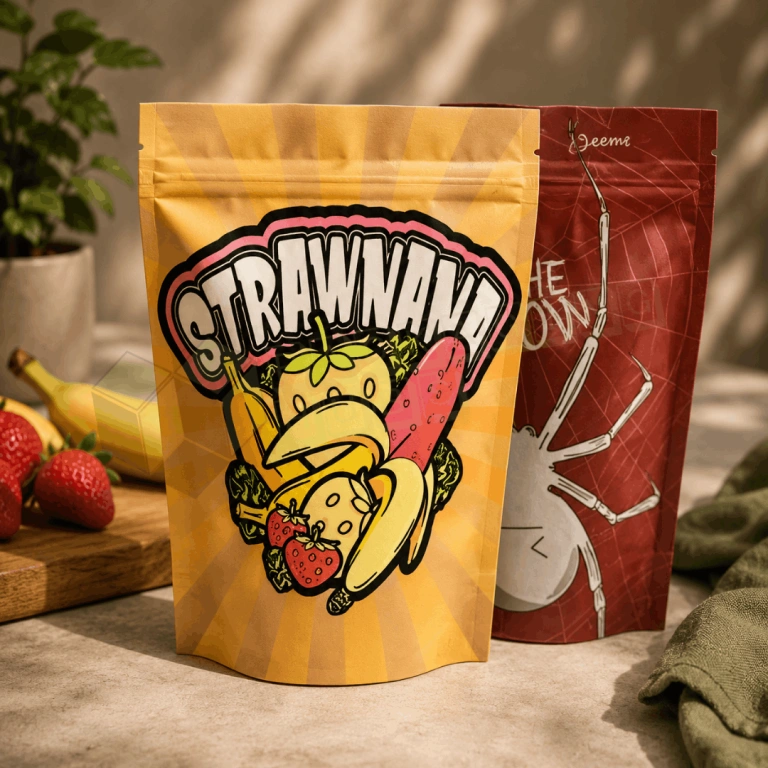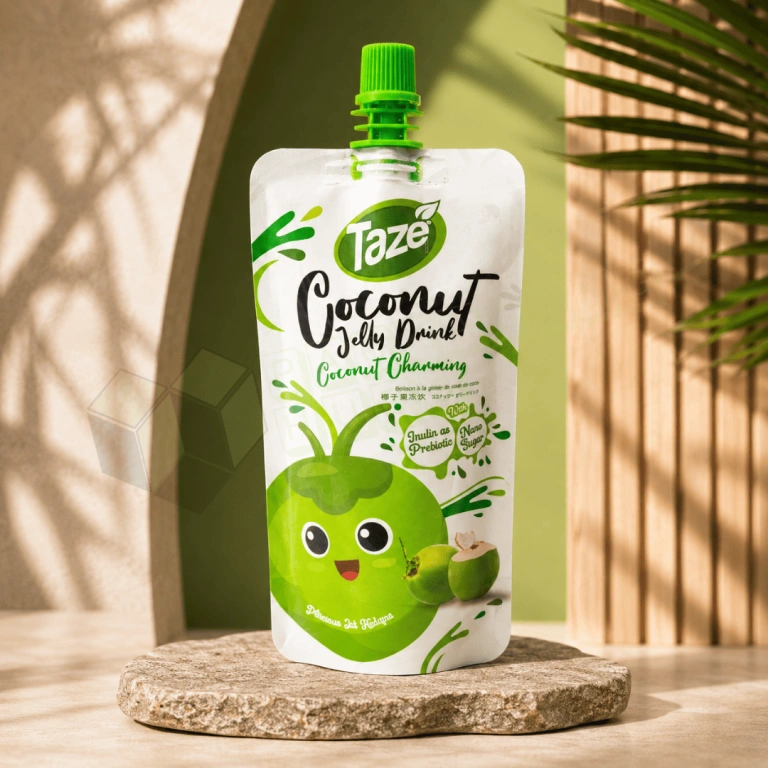
Free design support and free U.S. shipping. No minimum order.
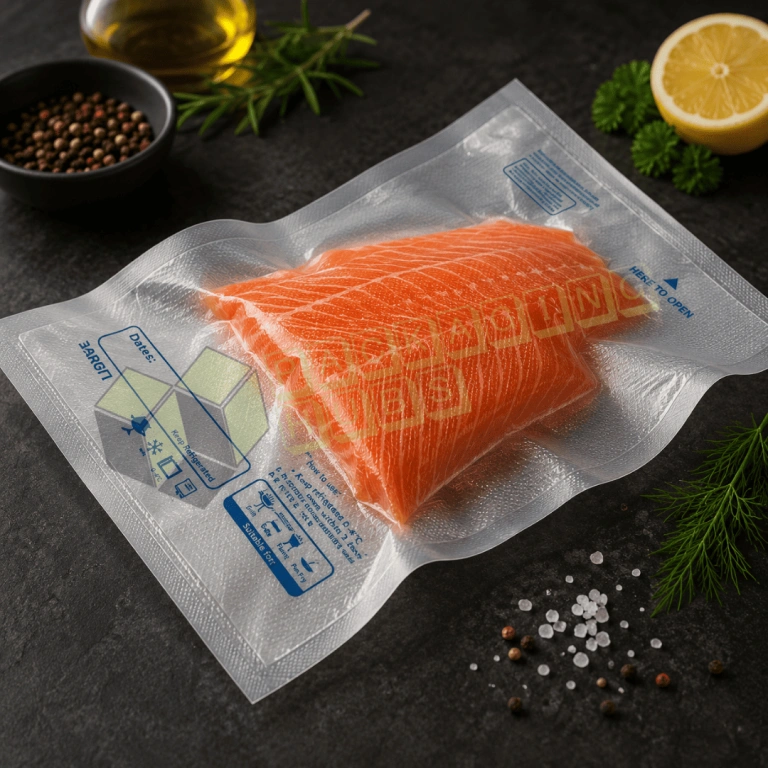
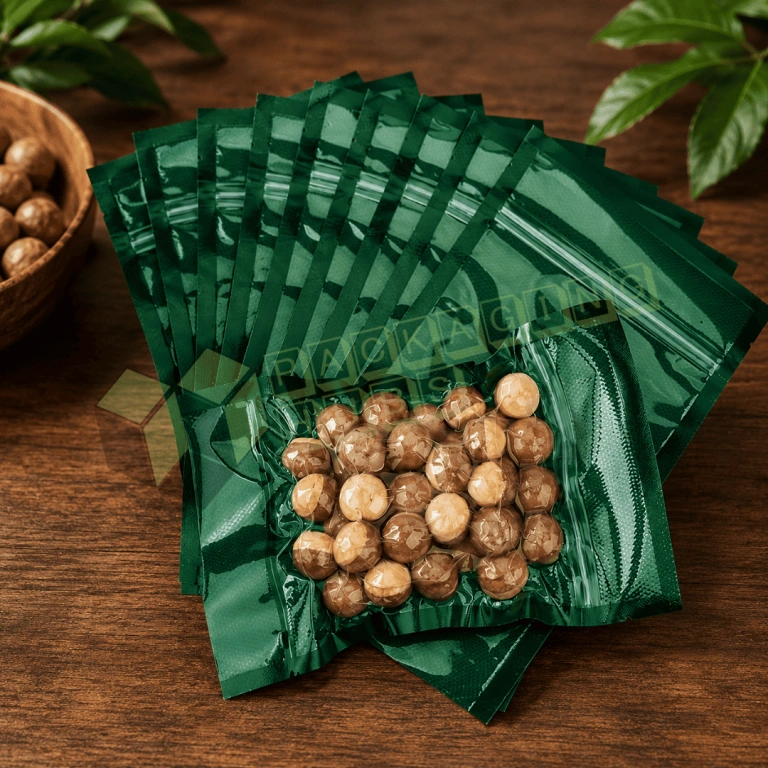
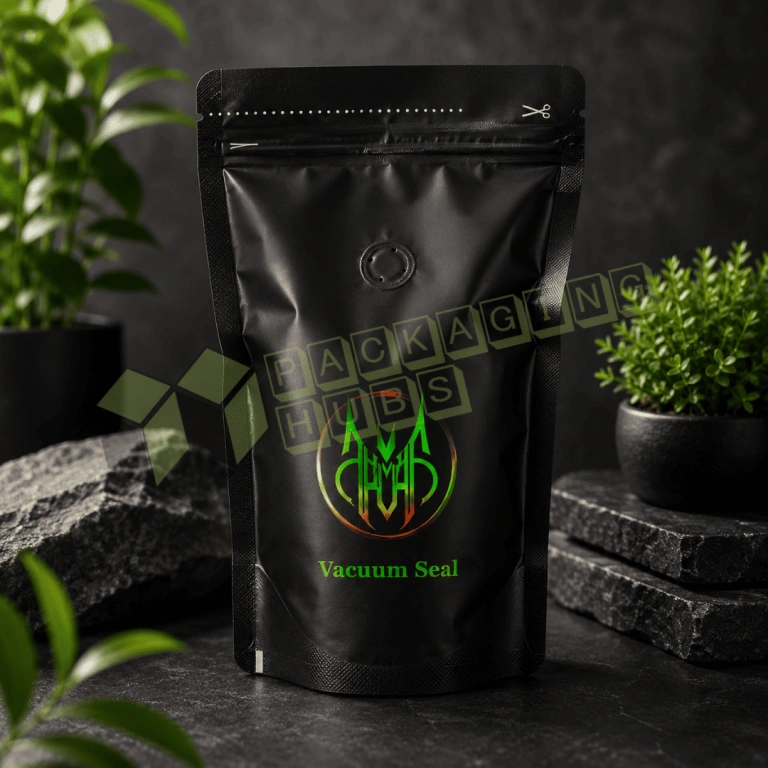
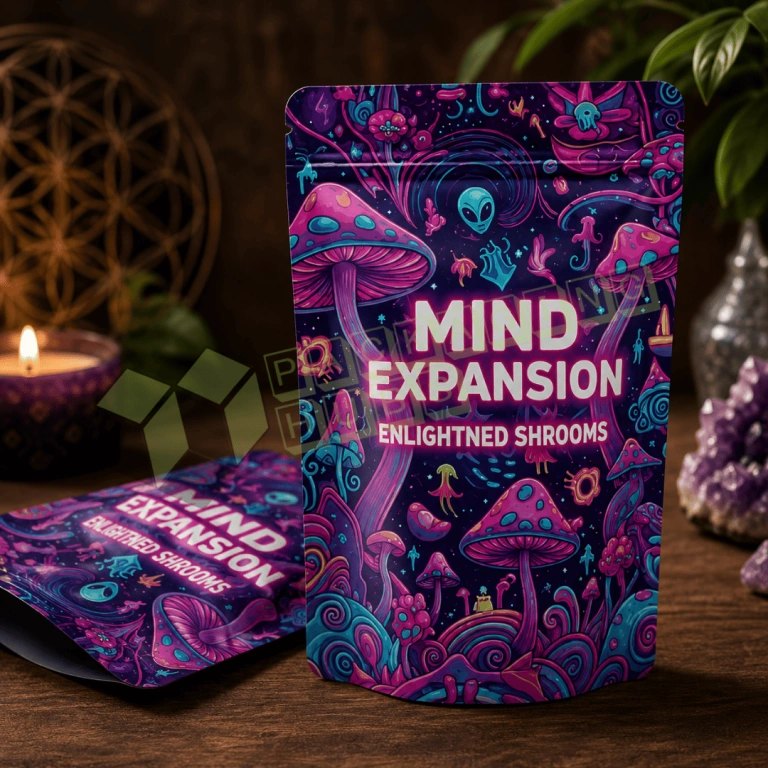
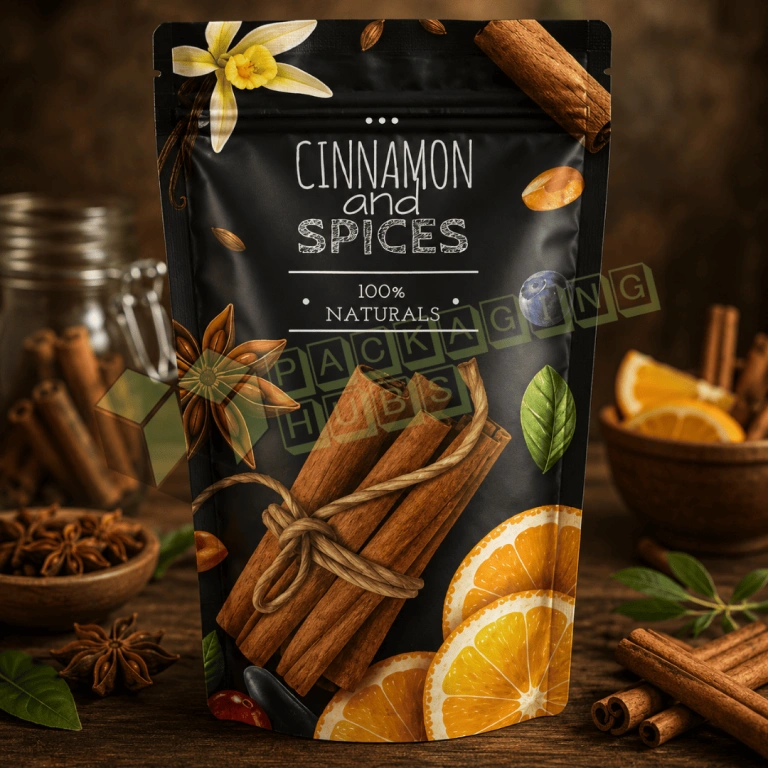
Custom Mylar Vacuum Seal Bags combine vacuum-compatible structures, strong heat-seal layers, custom dimensions, and professional branding for food, freeze-dried products, pet treats, ingredients, and specialty goods. Order with zero MOQ, free design services, flexible lead-time options, and free shipping.
Custom Mylar Vacuum Seal Bags help businesses reduce air around suitable products, create a fused closure, and present goods in a professionally printed package. Packaging Hubs develops the film, opening, size, sealant, surface, and artwork around the buyer’s vacuum equipment and the product inside. Therefore, customers avoid a common purchasing failure: ordering a pouch that looks correct but will not draw air or seal reliably on their machine.
Food processors, freeze-drying businesses, contract packers, pet-treat companies, ingredient suppliers, and specialty retailers can use these pouches when vacuum compatibility forms part of an approved packaging process. However, vacuum packaging does not make unsafe food shelf stable, replace refrigeration, or guarantee a specific storage period.
A California freeze-dried snack company may need small branded packs, while a Texas co-packer may require repeat production for several clients. Our zero MOQ policy supports both directions. Free design services reduce artwork errors, flexible lead-time options support different schedules, and free shipping across the United States makes total packaging costs easier to plan.
Vacuum packaging removes part of the air from a package before the sealing jaws close the opening. Yet machines create that result in different ways. Chamber systems remove air from the entire chamber, while external-suction units pull air through the bag opening. Nozzle systems and automated production lines introduce additional requirements for bag width, film stiffness, sealant, and line handling.
Before selecting these pouches, buyers should identify the machine type, maximum opening, seal-bar width, vacuum level, cycle time, and whether the equipment accepts smooth or textured film.
The following table explains the main equipment differences that influence pouch construction and machine compatibility.
| Vacuum equipment | How it removes air | Suitable pouch direction | Critical compatibility issue |
| Chamber vacuum sealer | Removes air from the chamber and package together | Smooth flat pouches with equipment-compatible sealant | The filled bag must fit inside the chamber and across the seal bar |
| External-suction sealer | Pulls air through the open end of the pouch | Textured or channel-assisted structures where required | Smooth laminated film may not evacuate properly on some machines |
| Nozzle vacuum sealer | Inserts a nozzle into the pouch before sealing | Custom openings and films developed for the machine | Powder or small particles can enter the nozzle and seal zone |
| Continuous commercial line | Controls vacuum and sealing through repeat production settings | Consistent custom specifications for scalable runs | Film tracking, line speed, sealing window, and repeat tolerances matter |
| Vacuum-skin or thermoforming system | Forms film closely around a product or tray | Specialized forming and lidding materials | A standard premade Mylar pouch cannot replace purpose-built forming film |
This table shows why the machine should influence the pouch from the beginning. Our team can review equipment information and prepare samples for trials. However, the buyer should validate the filled package at actual production settings because seal quality and vacuum draw can change with food particles, product temperature, headspace, and cycle speed.
Commercial food vacuum sealer bags must match the preservation method and distribution environment. Raw refrigerated proteins, frozen portions, dry ingredients, and freeze-dried snacks create different safety, barrier, puncture, and temperature demands. A package that works for frozen meat may not provide the moisture barrier required by a long-term freeze-dried product.
Reduced-oxygen conditions can slow some forms of quality loss, but they may also create food-safety concerns when processors use them with time-and-temperature-controlled foods. The University of Minnesota Extension’s reduced-oxygen packaging guidance explains that vacuum packaging uses a nonpermeable heat-sealed bag and requires controlled procedures for applicable foods. Therefore, food businesses should build the package into a validated processing, cooling, refrigeration, freezing, labeling, and monitoring plan.
Packaging Hubs can manufacture the agreed pouch specification, but the responsible food business must determine whether its product and process meet applicable requirements.
For food vaccum seal bags used on a commercial line, the purchase specification should identify more than length and width. Buyers should provide the machine model, chamber size, seal-bar length, required opening, product temperature, filled weight, sharp edges, desired vacuum level, and storage condition.
This information helps our team determine whether the pouch needs a smooth surface, an evacuation channel, a specific sealant, greater puncture resistance, or extra headspace. It also prevents artwork from entering the sealing zone or becoming distorted after the package tightens around the product.
A New Jersey meal-prep company may prioritize rapid chamber cycles, while an Ohio ingredient supplier may need a heavy flat pouch for dense products. Both use vacuum packaging, but the films and operating conditions may differ considerably.
Custom Mylar Vacuum Seal Bags usually combine several layers because the print surface, barrier layer, puncture resistance, and inner heat-seal layer perform separate jobs. The finished laminate should also tolerate the stresses created when atmospheric pressure compresses the package around the product.
Before approving a material, buyers should compare each layer’s purpose with the real product and process.
The material table below explains how common flexible-film layers contribute to sealing, protection, printing, and machine performance.
| Material direction | Main function | Suitable application | Limitation or tradeoff |
| PET or BOPET outer layer | Supports printing, stiffness, and abrasion resistance | Branded dry foods, supplements, pet treats, and retail products | It needs a compatible inner layer for heat sealing |
| Nylon or PA layer | Adds puncture resistance and toughness | Products with edges, dense portions, and freezer handling | It may increase cost and alter stiffness |
| Metallized PET | Improves opacity and resistance to moisture, oxygen, and light | Dry products, coffee, powders, and aroma-sensitive goods | It blocks product visibility and can affect printed colors |
| Aluminum foil laminate | Provides a stronger barrier for demanding dry-food uses | Selected freeze-dried foods and long-storage applications | It can crease, costs more, and does not suit every vacuum process |
| PE or LLDPE sealant | Creates the inner bonding surface | Many food and general-product pouches | The grade must match equipment, temperature, and product-contact needs |
| Textured evacuation layer | Creates air channels for compatible external-suction equipment | Household and selected commercial external vacuum systems | Texture may affect printing, thickness, and visual presentation |
The strongest or thickest film does not automatically produce the best result. A rigid laminate may bridge around an irregular product, while a film with insufficient toughness may puncture as the package compresses. We balance flexibility, barrier performance, sealability, and puncture resistance rather than selecting material by thickness alone.
For food applications, the inner film, adhesives, inks, and other components should suit their intended contact conditions. The FDA’s food-contact packaging information explains that the regulatory status of packaging substances depends on their intended use. We therefore avoid unsupported blanket statements that every finished pouch is “FDA approved.”
vacuum packaging bags for food tighten around the contents as air leaves the package. Consequently, bones, sharp pasta, dried stems, brittle snack corners, and hard-edged ingredients can concentrate pressure against a small film area. The package may look undamaged after sealing but develop pinholes during boxing, freezing, or transportation.
We can increase puncture resistance through nylon layers, stronger laminates, thicker structures, adjusted vacuum levels, product orientation, protective pads, or better secondary cartons. Nevertheless, the buyer should test the final pack through actual handling and distribution.
For highly abrasive or heavy contents, heavy duty mylar bags may provide a better starting direction. Yet the complete specification still needs suitable seals, gussets, and carton support. Thickness alone cannot compensate for an exposed bone or sharp product corner.
Vacuum removal can reduce trapped air, while proper freezer packaging helps limit dehydration and freezer burn. However, the package also needs flexibility at low temperatures, strong seals, suitable puncture resistance, and enough toughness to withstand stacking and handling.
The USDA Food Safety and Inspection Service’s freezing guidance explains that suitable packaging helps maintain frozen-food quality and prevent freezer burn. It also clarifies that freezing does not destroy all microorganisms. Therefore, a vacuum pouch cannot replace correct food handling, rapid cooling, suitable freezing, or dependable temperature control.
Businesses should cool and freeze foods according to validated procedures. A strong bag supports quality, but it does not make an unsafe or improperly handled product safe.
When selecting freezer bags for vacuum sealer equipment, buyers should confirm low-temperature flexibility, machine compatibility, seal strength, puncture resistance, and the product’s expansion or shape changes. A bag that performs at room temperature may become stiffer in the freezer or develop stress around hard corners.
A Minnesota meat processor may need clear, tough pouches for product inspection, while a Washington seafood company may prefer high-barrier printed packs inside frozen distribution cartons. Our team can adapt the format around the machine, product, and desired retail presentation.
The package should also include enough seal margin to remain secure when workers handle it with cold or wet gloves. Furthermore, the carton should prevent sharp frozen packs from rubbing against one another during transit.
freezer vacuum sealer bags can use flat formats for efficient chamber loading or gusseted formats for bulky products. Retail packs may need printed cooking instructions, lot-code areas, barcodes, and product windows. Bulk packs may prioritize toughness, simple identification, and carton efficiency.
We can create several capacities under one artwork system. This allows a brand to offer household, food-service, and wholesale quantities while maintaining the same logo placement and information hierarchy.
The final size should avoid excessive loose film, yet it must leave enough opening for loading and enough clean area for air removal and sealing. A physical filling test often reveals these requirements more clearly than a flat dimension estimate.
Custom Mylar Vacuum Seal Bags should follow the three-dimensional product rather than a generic ounce label. The vacuum process changes the final shape because the film draws toward the contents. Therefore, rigid, soft, powdered, irregular, and fragile products require different headspace and width allowances.
The sizing table below shows how product shape and condition influence the recommended pouch format.
| Product condition | Recommended format | Sizing priority | Common mistake |
| Flat portions or sliced products | Flat chamber pouch | Provide loading clearance and a clean top seal | Choosing a bag so narrow that product fluids reach the seal |
| Irregular solid products | Wider flat or shallow-gusset pouch | Allow the film to conform without excessive tension | Using dimensions based only on product length and width |
| Fine powders | Controlled flat pouch with generous headspace | Keep particles away from the vacuum path and seal | Pulling powder into the machine or closure |
| Fragile freeze-dried pieces | High-barrier pouch with controlled vacuum | Protect texture and leave room for gentle filling | Applying aggressive vacuum that crushes the contents |
| Bulk or dense products | Reinforced pouch with wider seals | Scale film strength and closure width with filled weight | Enlarging a small retail pouch without changing construction |
| Retail products requiring presentation | Printed flat or stand-up hybrid format | Balance vacuum function with a clean front panel | Assuming the pouch will remain perfectly flat after air removal |
The table shows that vacuum packaging changes both function and appearance. Packaging Hubs can develop a custom dieline from product samples, fill dimensions, and equipment details. This process helps a Florida seafood supplier control seal contamination and helps a Colorado freeze-drying brand protect fragile pieces without creating an oversized package.
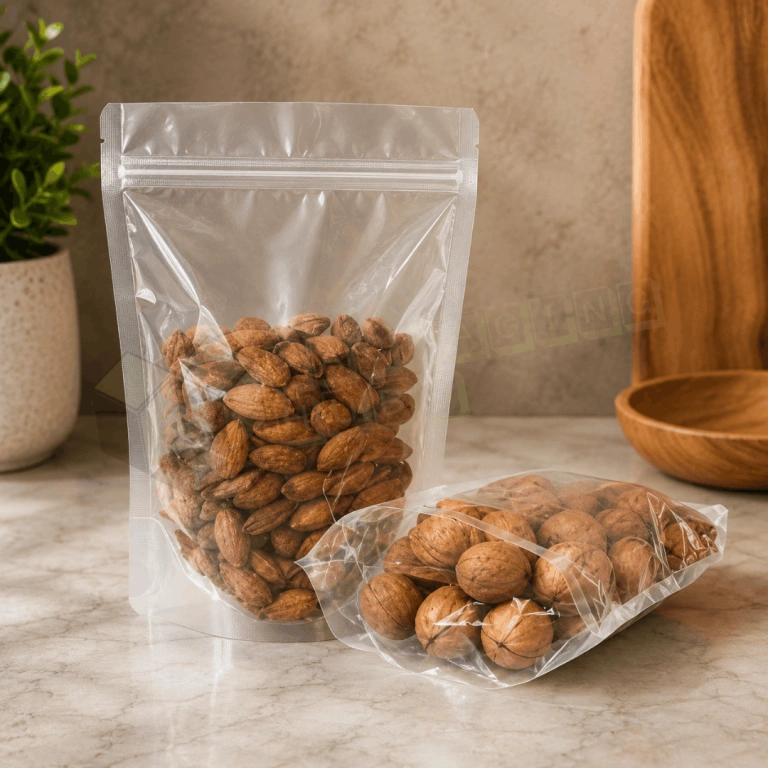
Some vacuum-packed products sell more effectively when customers can inspect color, portion size, texture, and workmanship. Clear Mylar Bags can support this direction when transparency matters more than full light blockage.
A fully clear package does not provide the same opaque light protection as metallized or foil structures. Therefore, brands may use a clear front with a high-barrier back, a controlled product window, or a secondary carton. The final choice should reflect both merchandising and product sensitivity.
For frozen or refrigerated foods, clear panels also make seal contamination, purge, and product position easier to inspect. However, product appearance must remain consistent enough for transparency to strengthen customer confidence.
Freeze-dried foods require a different packaging approach from refrigerated vacuum-packed foods. After proper drying, the product can quickly reabsorb moisture from humid air. Consequently, a business needs fast loading, a strong moisture barrier, a dependable top seal, and a validated oxygen-management plan.
Utah State University Extension states that thick, opaque Mylar bags without transparent windows can provide strong long-term protection for properly freeze-dried foods when combined with an appropriate oxygen-control plan. It also stresses immediate packaging and safe processing. Therefore, buyers should not assume that an ordinary vacuum bag automatically meets freeze-dried storage needs.
mylar bags for freeze dried food should prioritize moisture and oxygen barrier performance, seal integrity, and protection against crushing. Vacuum removal may suit some products, but aggressive compression can break berries, meal pieces, desserts, and other fragile items.
We can develop an opaque barrier pouch with enough opening width for careful filling. We can also reserve space for absorber warnings, rehydration directions, lot coding, and preparation instructions. The business should validate the absorber size, residual moisture, storage temperature, and expected shelf life for its specific product.
mylar bags for freeze drying should fit the workflow after the drying cycle ends. Staff need enough opening width to fill quickly, enough headspace to keep crumbs away from the seal, and a layout that supports accurate batch identification.
A Utah or Idaho producer may package several recipes on the same day. Digital printing can support multiple artwork versions, while a shared structure simplifies sealing and inventory. A physical trial can reveal whether the bag mouth, dimensions, and vacuum settings protect each recipe.
The package should also fit the shipping carton closely enough to prevent repeated movement without compressing delicate contents.
Commercial freeze dry bags should not squeeze lightweight products into a dense block merely to show a strong vacuum. Instead, the package should protect texture and reduce moisture exposure. Some brands may use a gentle vacuum, while others may rely on oxygen absorbers and heat sealing without aggressive air removal.
The correct direction depends on the product’s fragility, moisture sensitivity, headspace, and shelf-life validation. Packaging Hubs can manufacture the selected structure, but the processor remains responsible for confirming that the complete storage method works safely.
A vacuum-compatible product does not have to use plain industrial packaging. Brands launching confectionery, supplements, accessories, or promotional goods can use Custom Holographic Mylar Bags as a related visual direction when reflective presentation matters.
However, the holographic layer must not interfere with machine function, seal formation, barcode contrast, or required information. White ink can control reflective areas, while an opaque panel can keep small text readable. For vacuum formats, the artwork must also account for the way film wraps around the product after air removal.
A reflective design works best when it supports the product’s positioning without reducing machine compatibility or package readability.
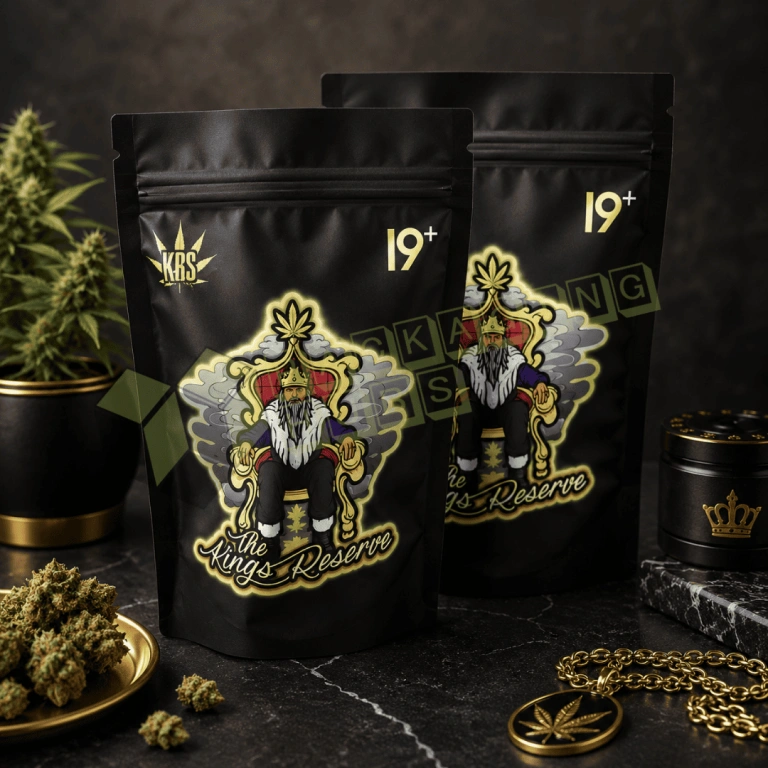
Vacuum sealing does not create child resistance. Products covered by special-packaging requirements may need a tested closure and a final package configuration that matches the applicable protocol. Child Resistant Mylar Bags provide a more relevant route when safety-controlled access forms part of the project.
The closure, film, heat seal, instructions, and filled package work together. Therefore, buyers should provide regulatory and testing requirements before approving a vacuum-compatible child-resistant design. Packaging Hubs can manufacture to the confirmed specification without treating an ordinary zipper or fused seal as automatic compliance.
Some retail categories need stronger visual differentiation, illustrated artwork, or coordinated limited editions. Custom Exotic Mylar Bags offer a related branding direction for products that require bold graphics alongside practical film performance.
Vacuum packages change shape after processing, so the design should keep the logo and essential text away from severe folds and product contours. A flexible artwork grid can preserve recognition across several pack sizes, while digital printing supports shorter runs and multiple versions.
Packaging Hubs provides free design services to prepare dielines, convert RGB artwork to production color, control CMYK and PMS colors, reserve seal zones, check barcode contrast, and position white ink where needed.
Custom Mylar Vacuum Seal Bags can carry ingredients, handling directions, storage statements, preparation instructions, traceability fields, branding, and barcodes. Digital printing suits tests, multiple SKUs, and regional launches. Flexographic printing can support repeat medium-to-large programs, while rotogravure may offer consistent high-volume reproduction.
Matte lamination reduces glare and can support premium food or wellness branding. Gloss increases color saturation and helps product photography appear vivid. Metallic film, soft-touch sections, transparent panels, and spot effects may also be available, although the finish must tolerate vacuum handling and remain outside the functional seal area.
A brand in Illinois may need one master layout for several frozen portions, while a Nevada supplement company may require compact pouches with controlled metallic details. We connect the printing plan to the final vacuumed shape rather than designing only for the empty bag.
Vacuum packaging problems often appear after filling rather than during artwork approval. Therefore, buyers should evaluate machine draw, seal contamination, punctures, cold handling, package shape, and customer opening before a full commercial run.
The following problem-solving table connects frequent package failures with their likely causes and practical corrections.
| Commercial problem | Likely packaging or process cause | Custom response | Business outcome |
| The machine does not remove air | Film surface or pouch format does not match the equipment | Match the pouch to chamber, suction, or nozzle requirements | Faster cycles and fewer rejected packs |
| Powder or liquid reaches the seal | Insufficient headspace or poor product control | Increase opening length, adjust filling, or change orientation | Cleaner seals and more consistent output |
| Sharp contents create pinholes | Film lacks toughness or the product concentrates pressure | Add puncture-resistant layers or protective components | Lower leakage and shipping damage |
| Frozen packs split during handling | Seals or film become stressed at low temperature | Select freezer-suitable film and validate cold handling | Better package durability through distribution |
| Fragile foods crush under vacuum | Vacuum level or pouch fit is too aggressive | Adjust the process and provide controlled headspace | Improved texture and customer experience |
| Printed graphics distort | Artwork ignores the final compressed shape | Reposition key elements and use a flexible layout | Clearer branding after vacuuming |
| Minimum quantities make testing expensive | Conventional production setup exceeds launch needs | Use zero MOQ and suitable short-run printing | Easier validation before scaling |
| Multiple vendors create fit problems | Film, artwork, and testing are managed separately | Coordinate dielines, printing, samples, and production | Simpler purchasing and fewer mismatches |
This table demonstrates why Custom Mylar Vacuum Seal Bags need both material and process planning. Packaging Hubs helps buyers reduce avoidable risks before production, while the customer validates the complete filled package under real machine, storage, and shipping conditions.
Custom Mylar Vacuum Seal Bags are available in flat, gusseted, clear, opaque, printed, freezer-suitable, puncture-resistant, and high-barrier directions. Packaging Hubs serves startups, small businesses, contract packers, wholesalers, food companies, and established B2B brands throughout the United States. We also provide custom packaging worldwide, with international freight terms confirmed during quotation.
Our zero MOQ policy supports samples and market tests, while scalable production supports recurring commercial supply. Free design services help prepare artwork and dielines. Flexible lead-time options support urgent, standard, and planned orders, and free U.S. shipping simplifies landed-cost planning.
Send the product type, storage condition, fill weight, pouch dimensions, quantity, machine model, seal-bar size, desired vacuum level, film requirements, artwork, and delivery target. Packaging Hubs will review the project and recommend a practical path.
Order Now to begin equipment and pouch planning, or Get a Free Quote to compare films, sizes, sealing structures, printing methods, and finishes.
| Box Style | Custom Mylar Vacuum Seal Bags |
| Dimension (L + W + H) | All Custom Sizes & Shapes |
| Quantities | No Minimum Order Required |
| Stock | Material, MOPP/VMPET/PE/BOPP/ALU, THICKNESS: 100/120/150 microns/sid |
| Printing | Digital/ Gravure |
| Finishing | Gloss/ Matt/ Spot uv |
| Included Options | Die Cutting, Gluing, Scored, Perforation |
| Additional Options | Eco-Friendly, Recycled Boxes, Biodegradable |
| Proof | Flat View, 3D Mock-up, Physical Sampling (On request) |
| Turnaround | 4 – 8 Business Days, RUSH |
| Shipping | FLAT |
Pick the stock and the finish that suit your product. We’ll confirm both on your proof before anything is printed.
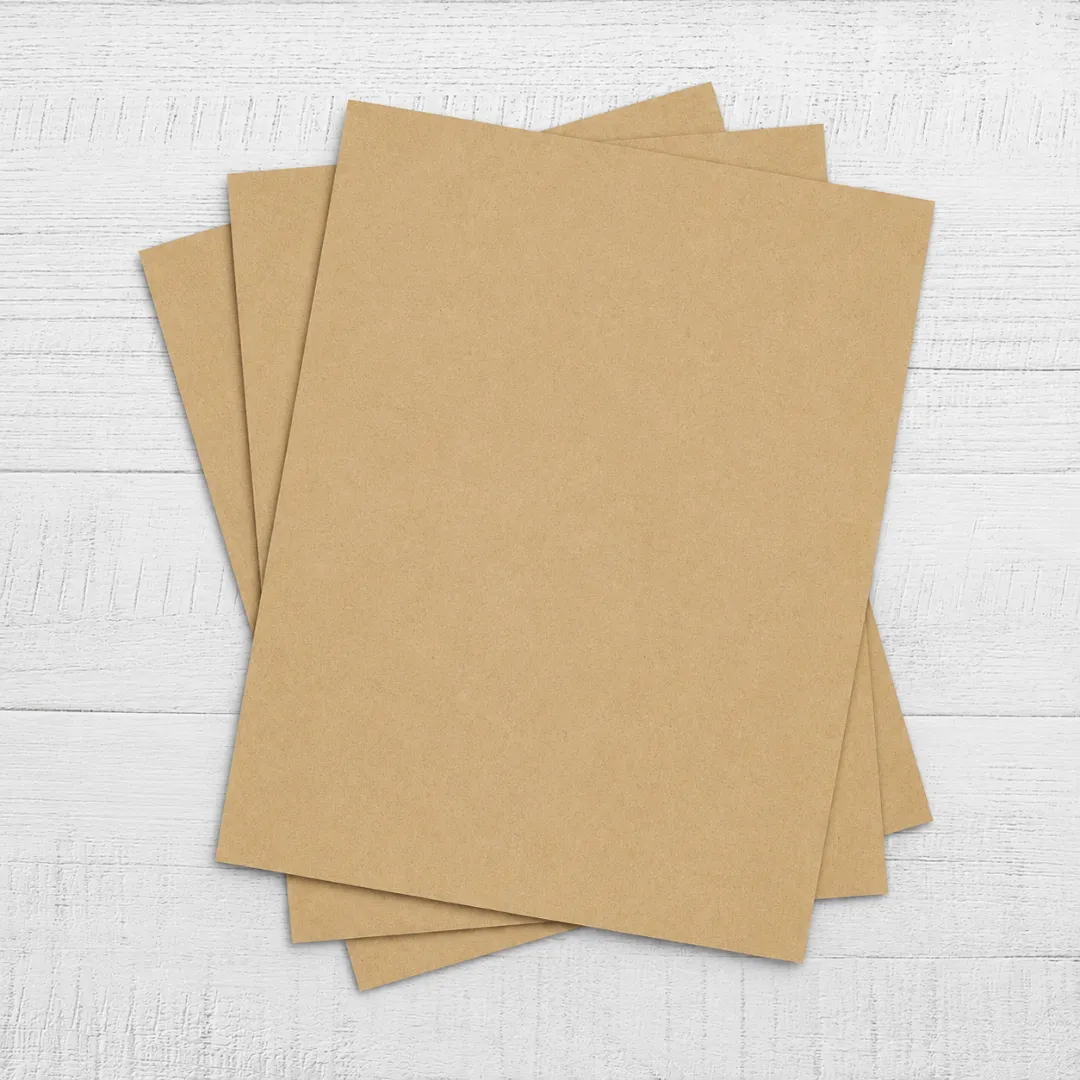
Kraft paper is a strong, durable and reliable material that is widely used across many different industries.
We use cardboard material with the least environmental impact and minimizes waste generation.
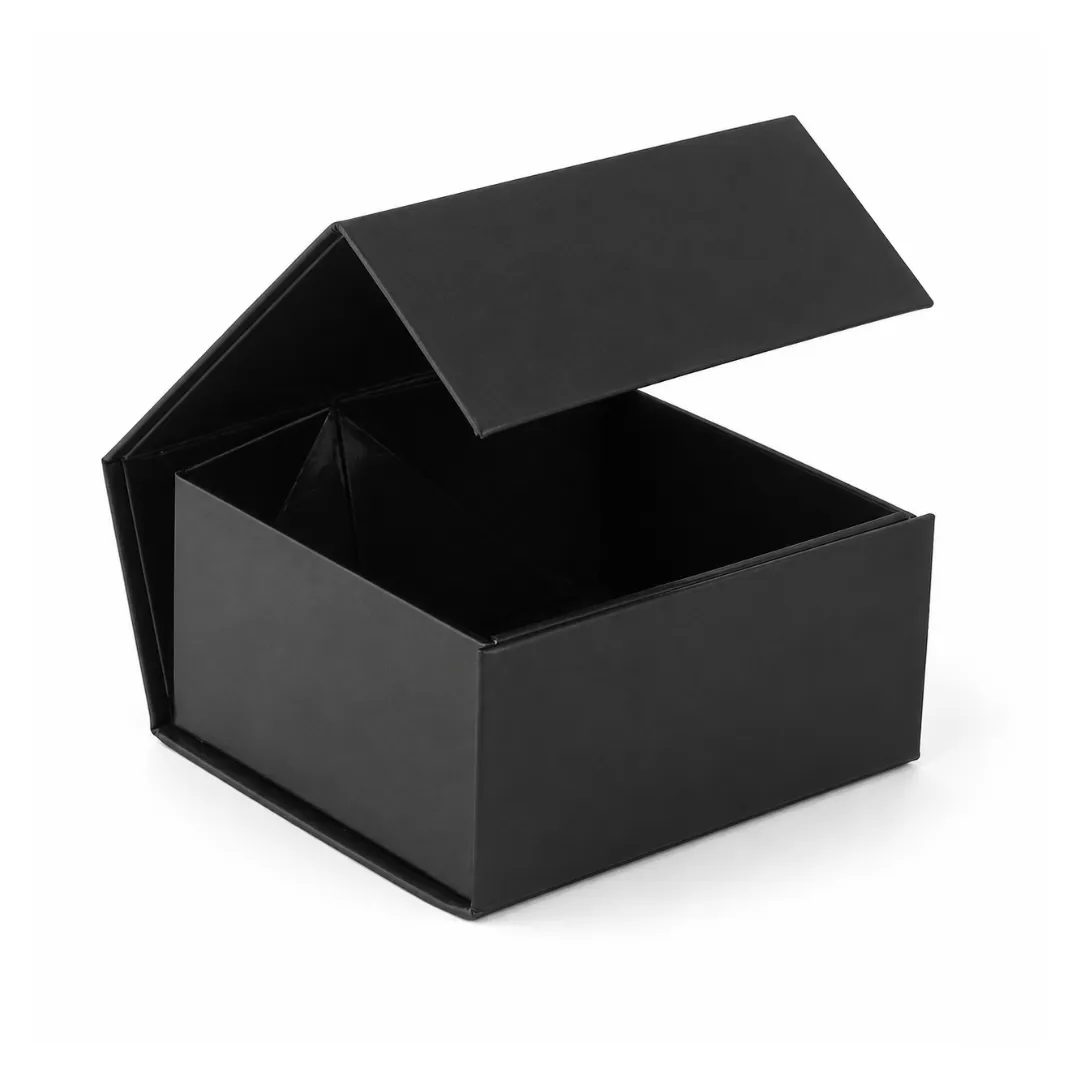
Rigid is highly protective, affordable and recyclable material. These boxes provide maximum protection.
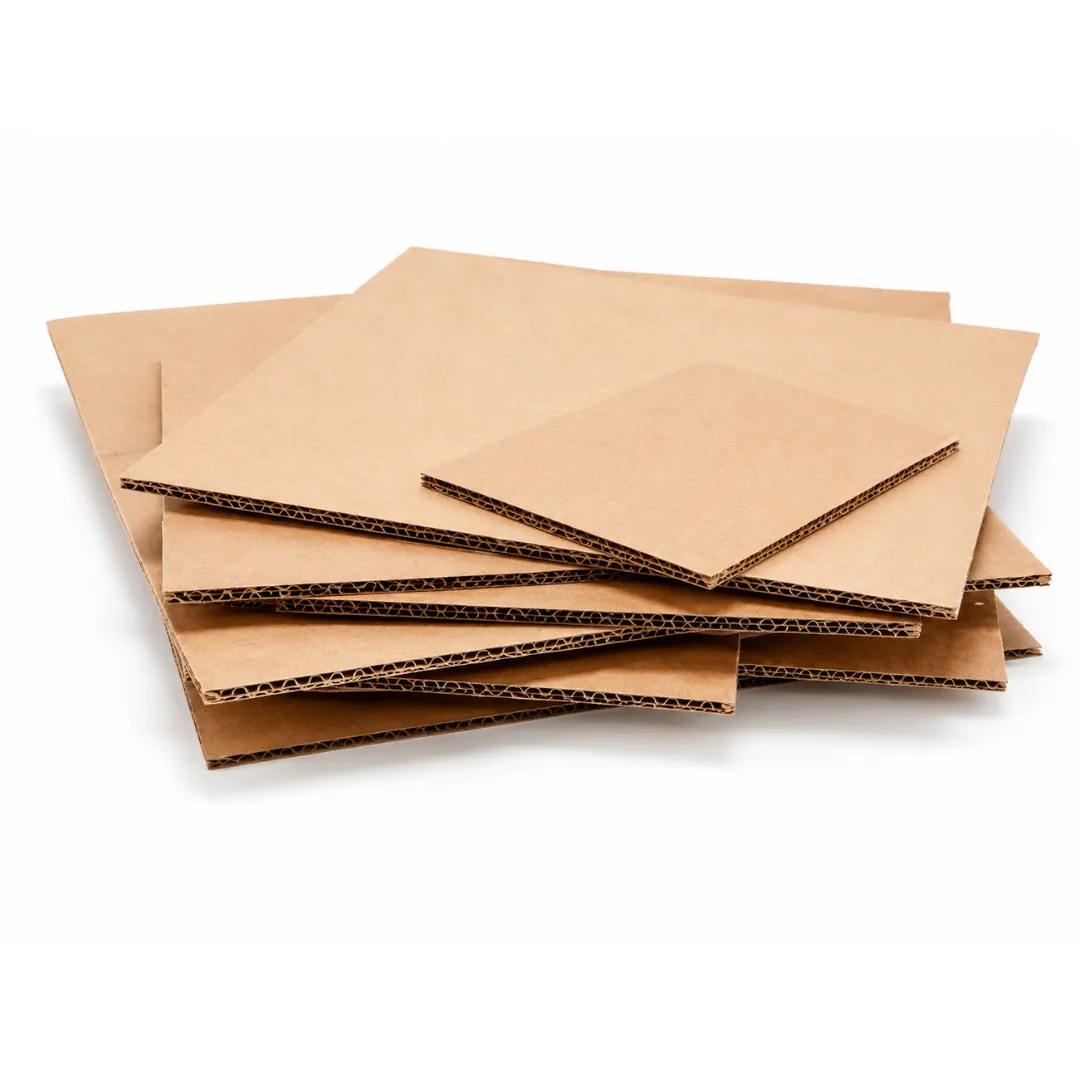
Corrugated material is easy to customize, cost effective and sustainable. It is also great for branding purposes.
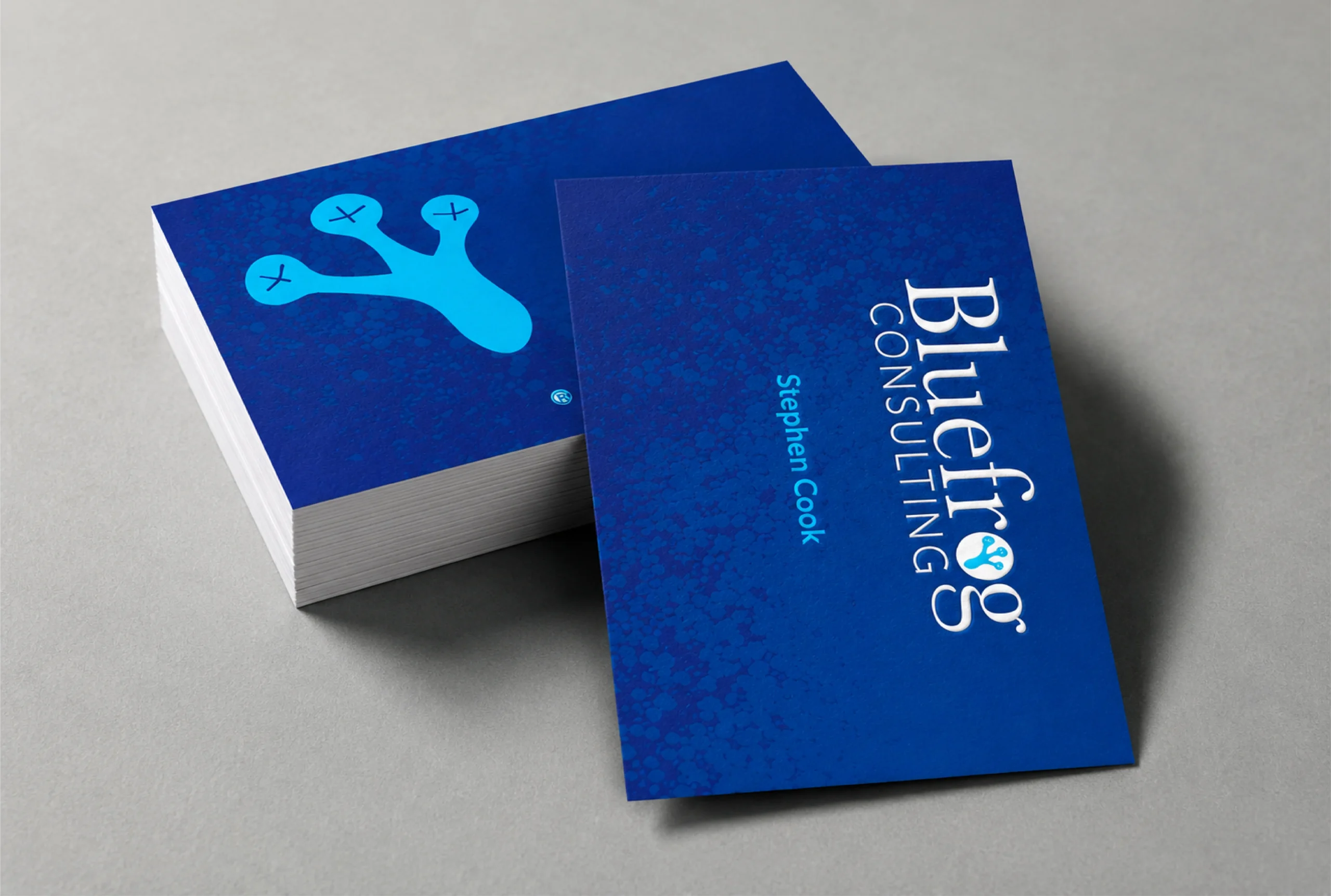
We add additional layer of protection with soft touch lamination from toner chipping.
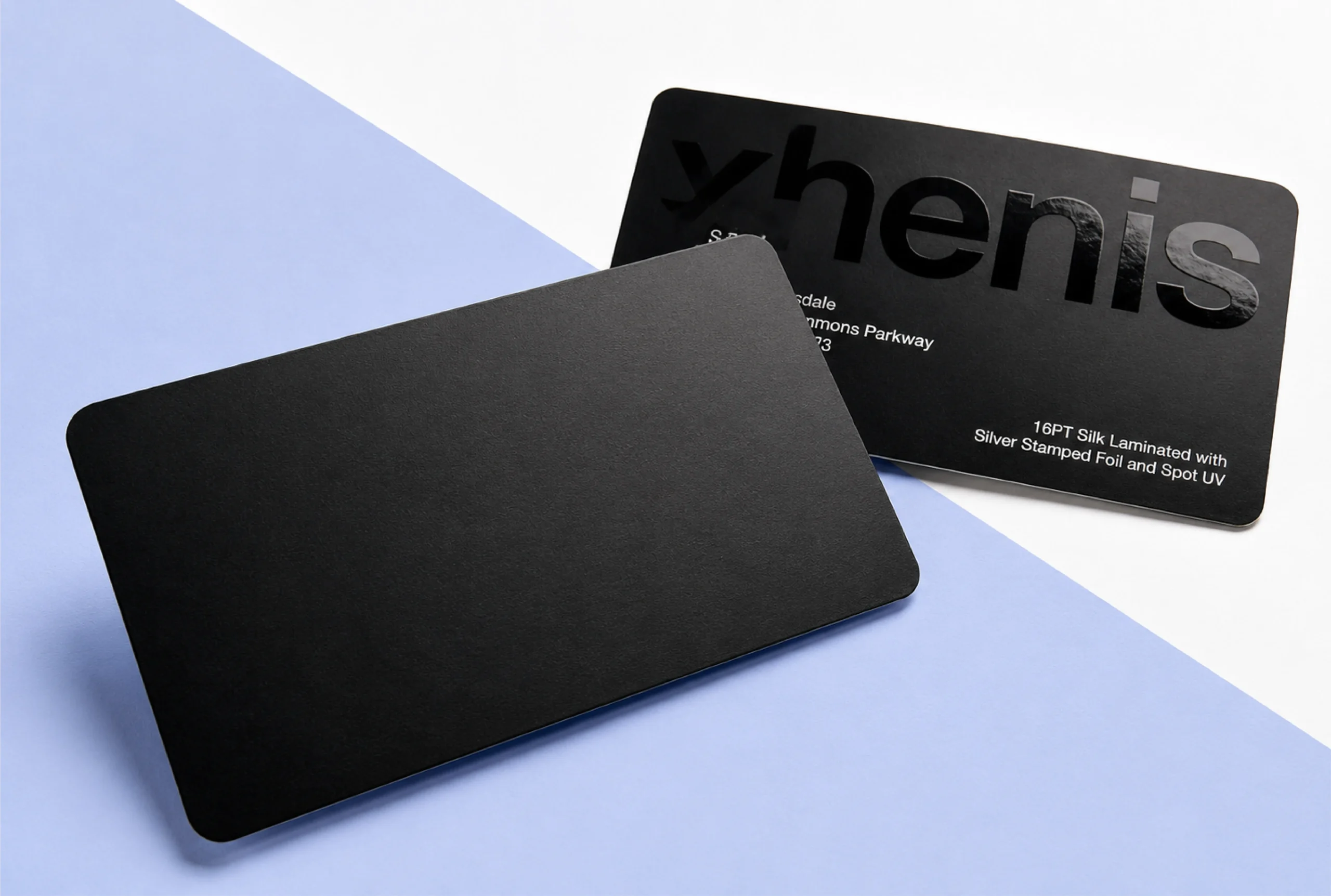
With our matte finish, fingerprints and smudges will now be less visible on the packaging.
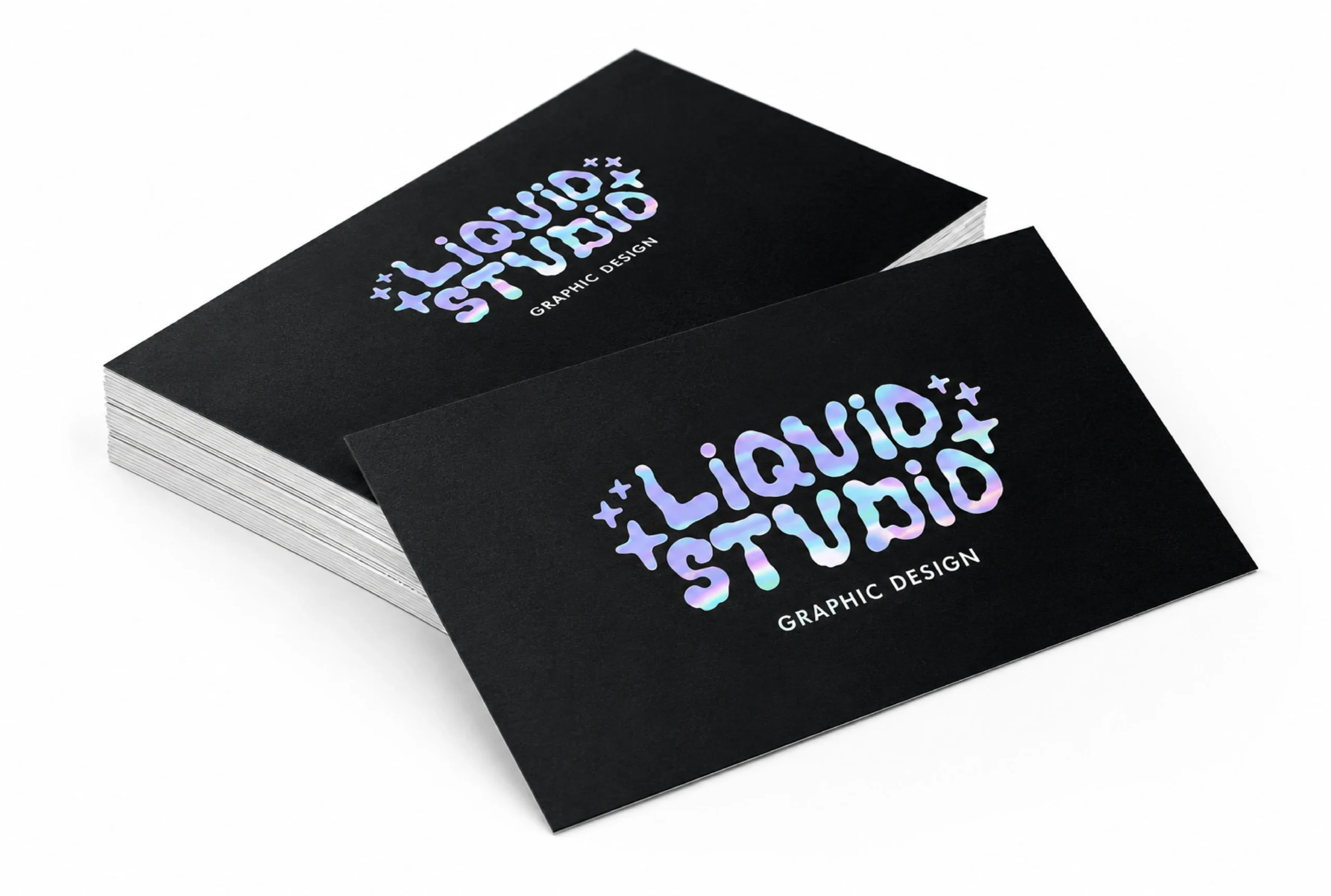
Holographic foil diffracts light and reveals the colors of the rainbow at various angles.
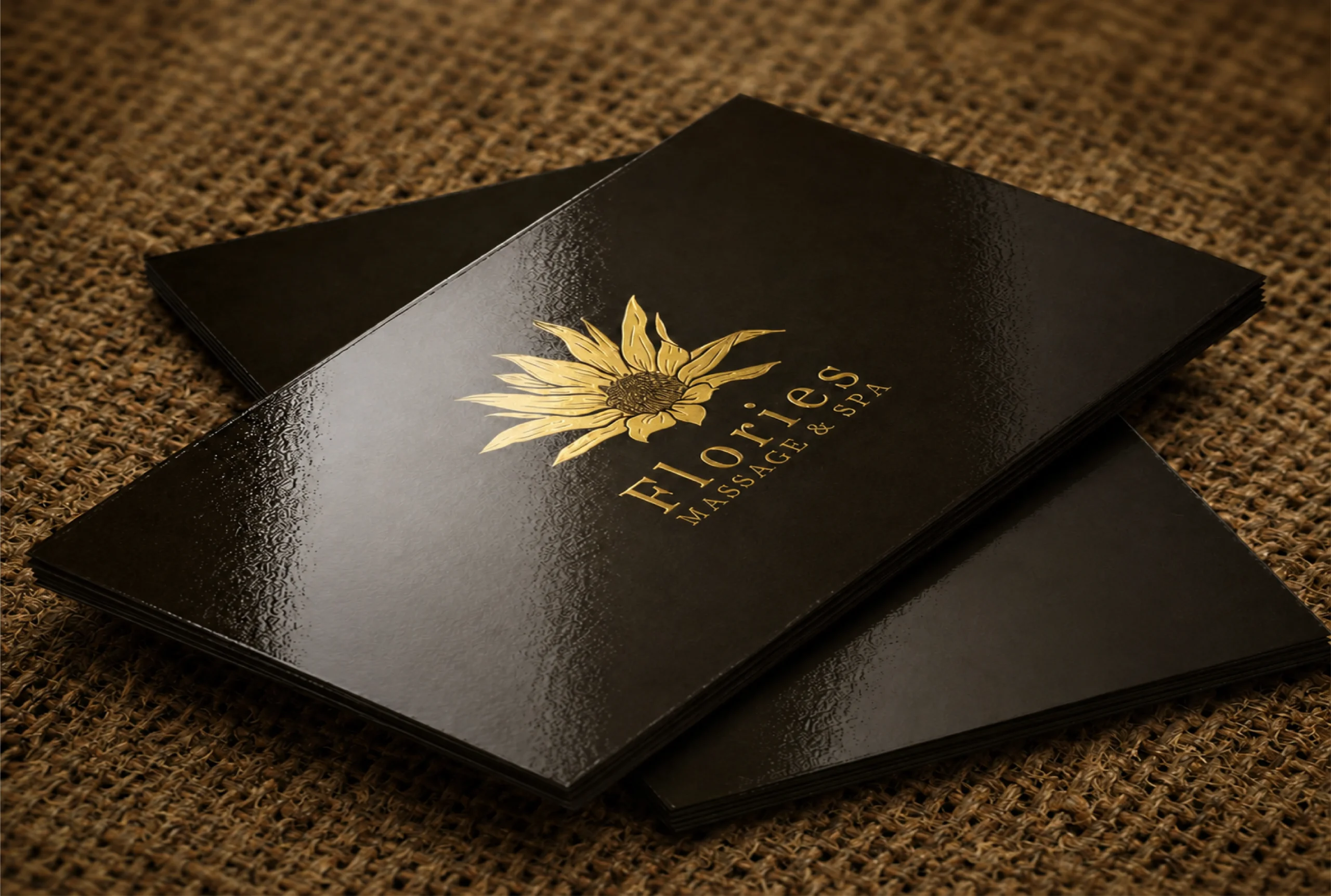
Our glossy finishing gives your packaging an extra layer of shine.
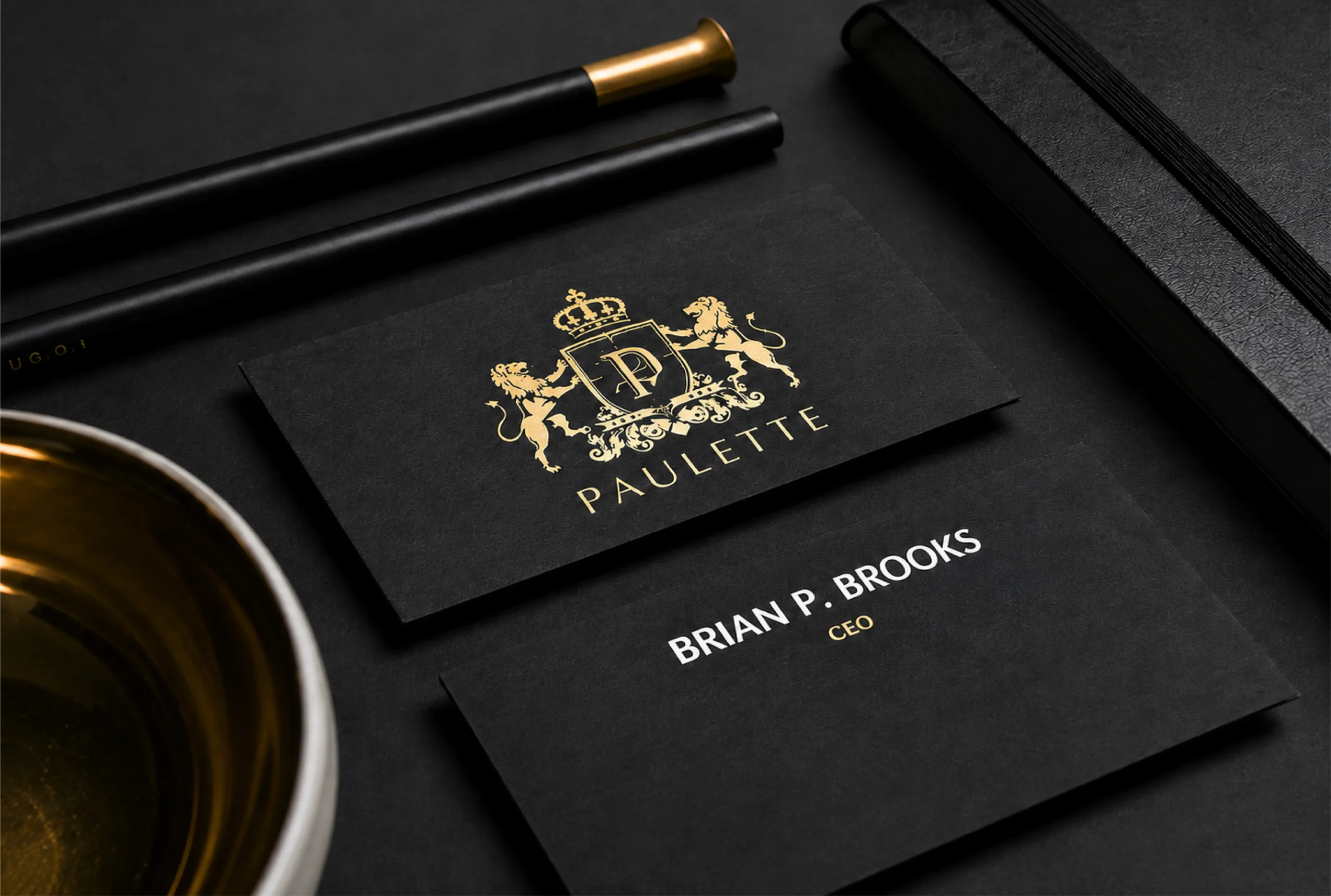
Decorate a wide range of your product packaging with our foil stamping.
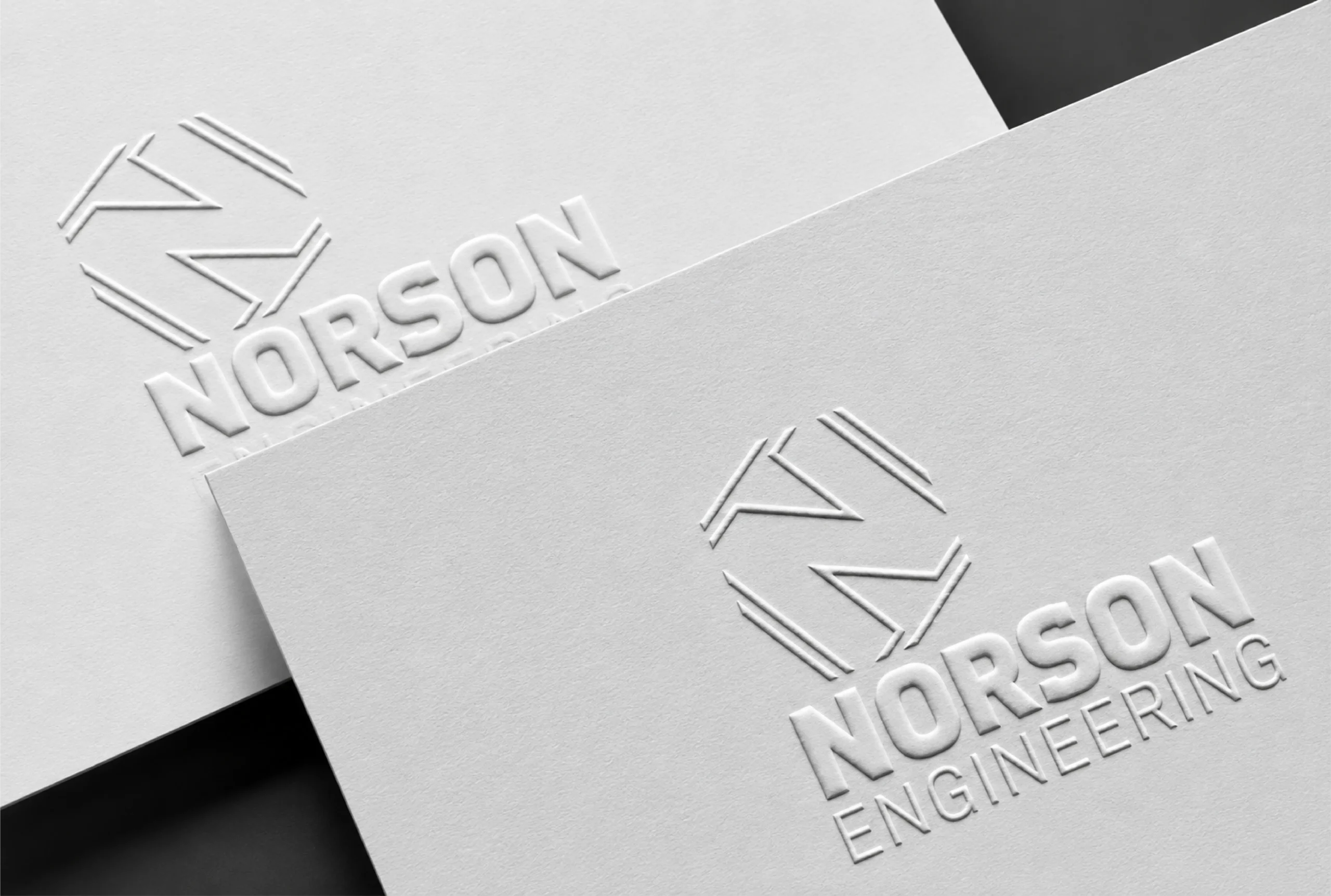
With our embossing technique, we transfer the finest details of your product on packaging.

We use debossing technique to add unique graphics into your packaging.
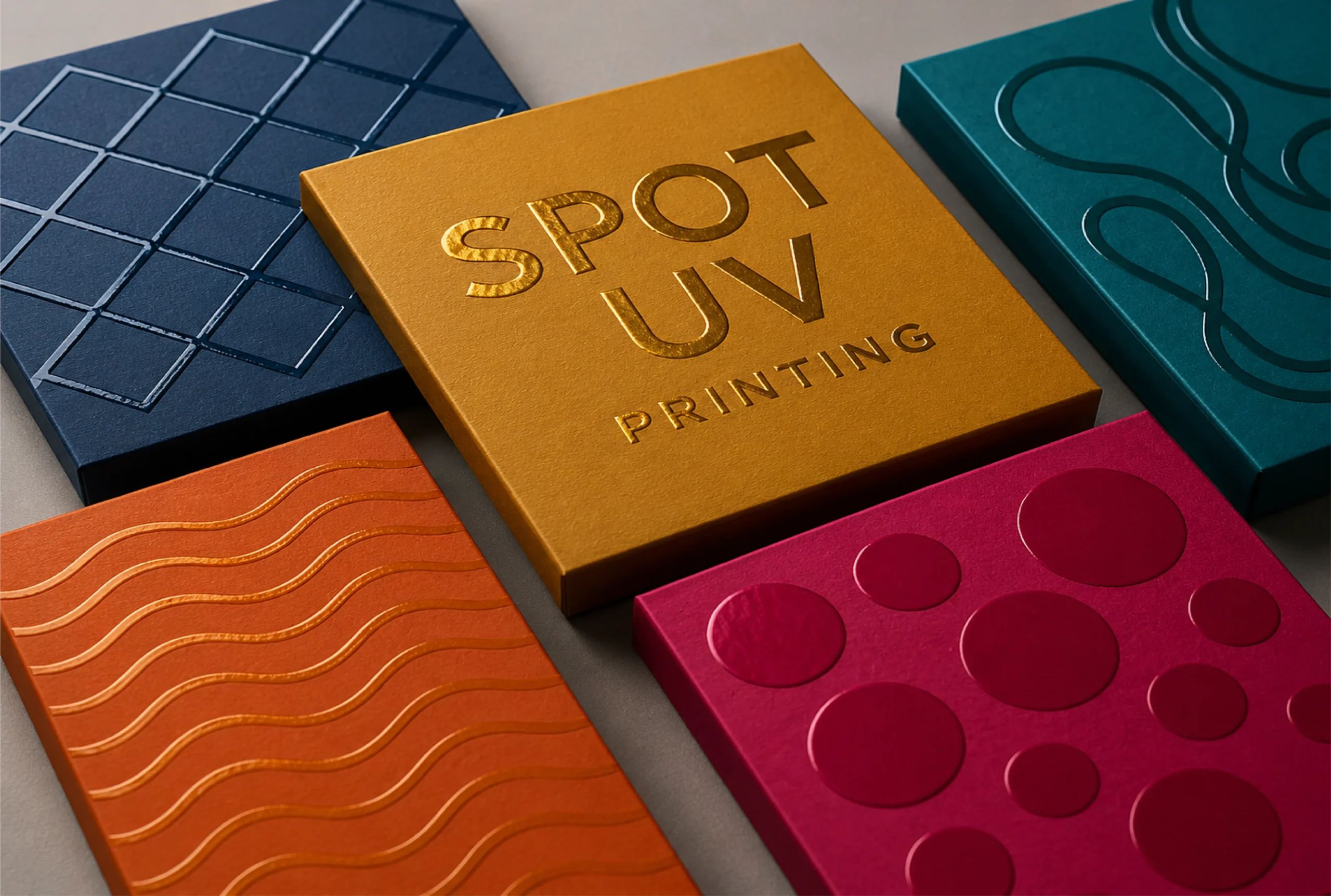
Our high-gloss UV coating gives light and shine to cure the printed material's varnish.
Still unsure? Email sales@packaginghubs.com and a packaging specialist will help.
Get your free quote today and see why Packaging Hubs is the most trusted name in U.S. custom packaging.