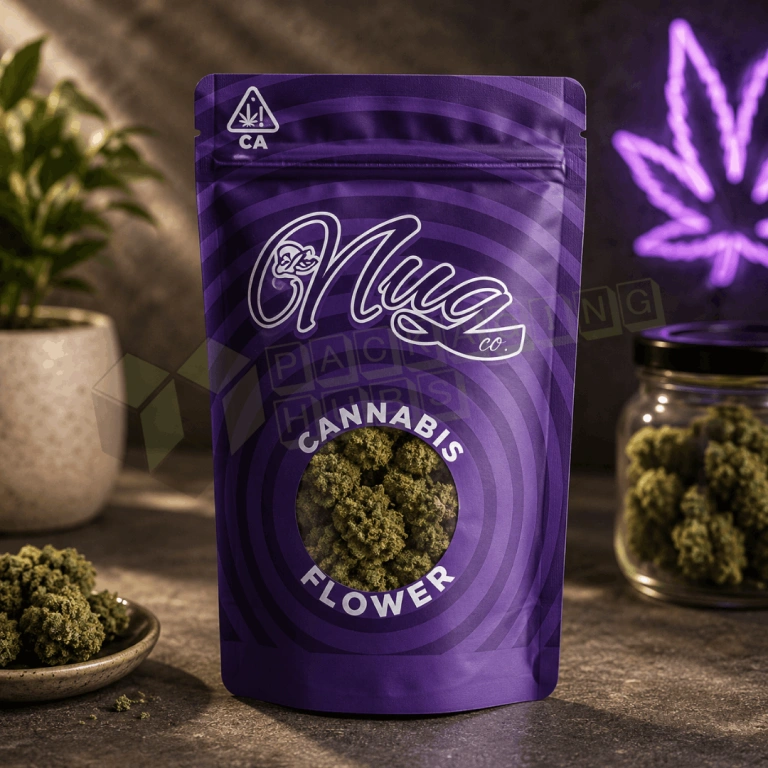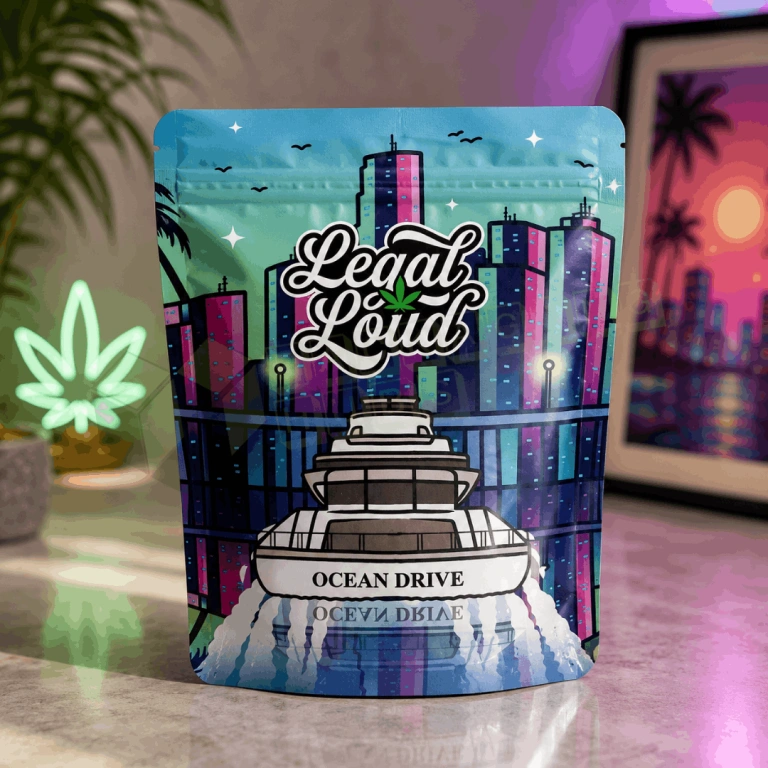
Free design support and free U.S. shipping. No minimum order.
Irregular Shaped Mylar Bags turn flexible packaging into a recognizable brand asset through custom contours, product-specific materials, precision printing, and practical opening features. Order with zero MOQ, free design services, flexible lead-time options, and free shipping.
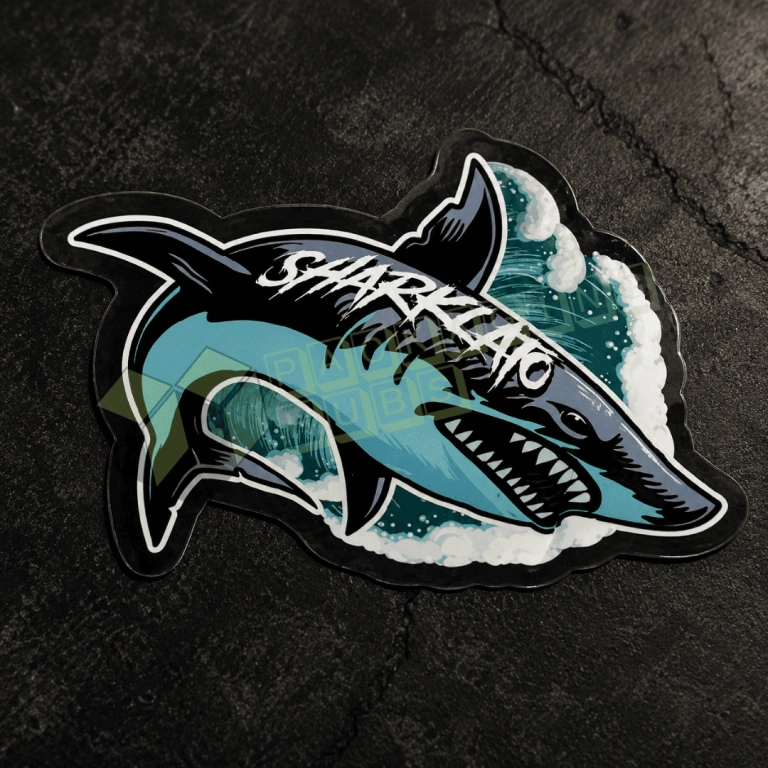
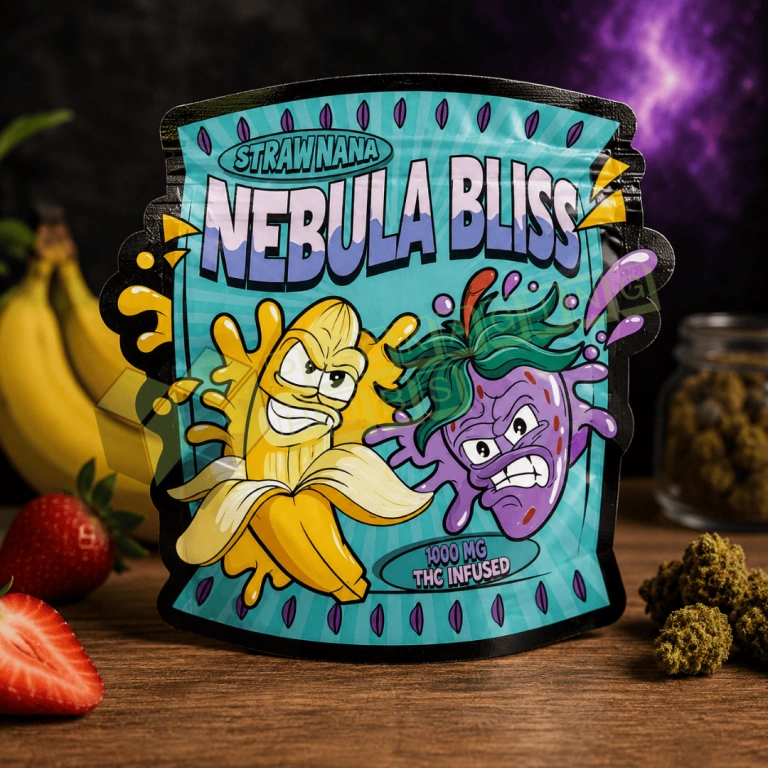
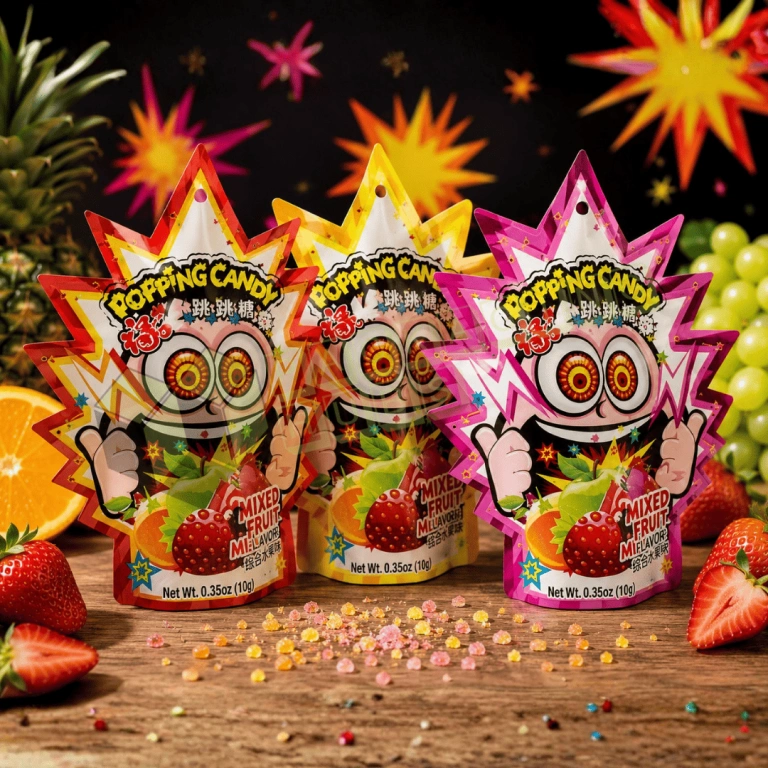
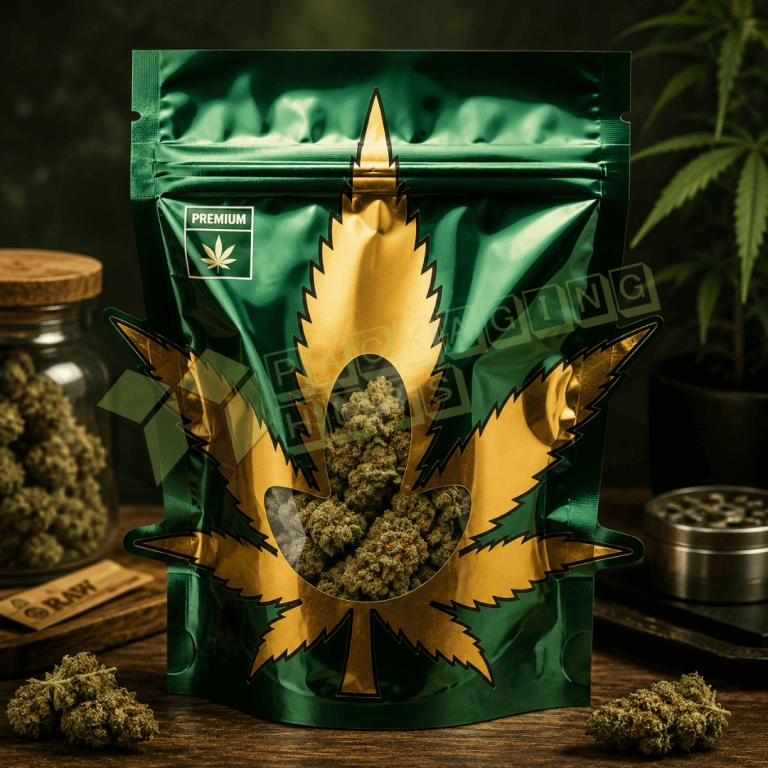
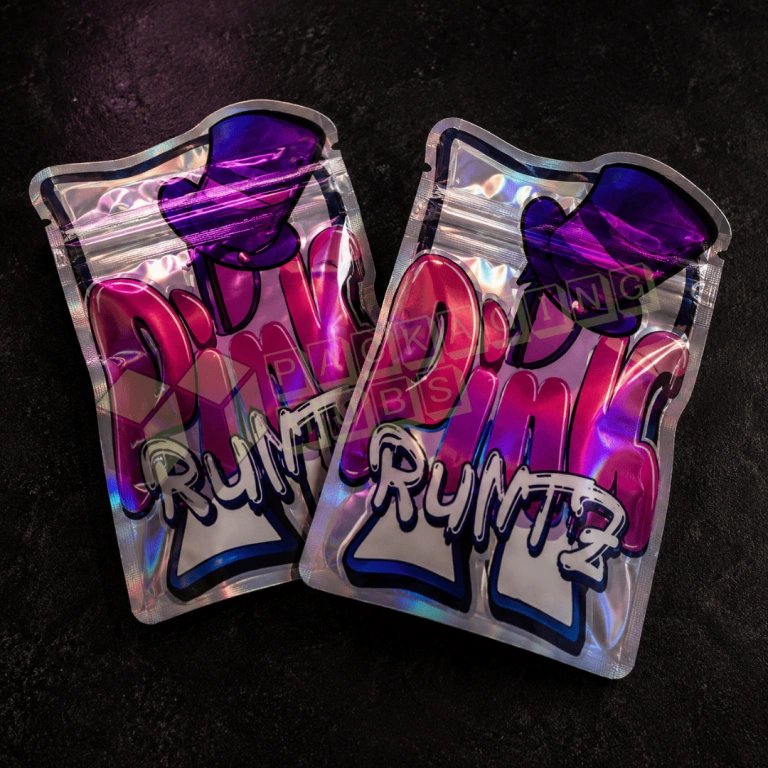
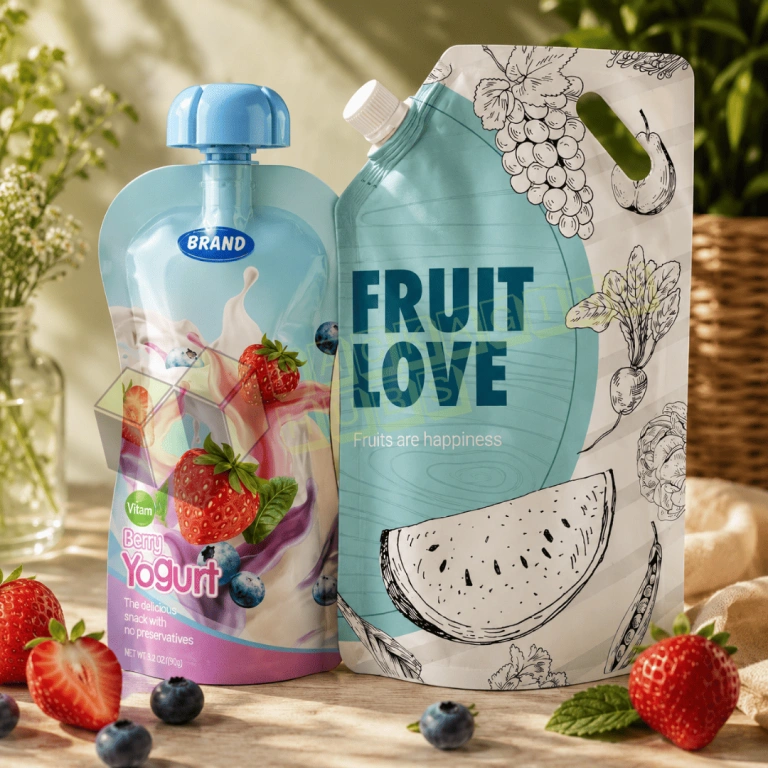
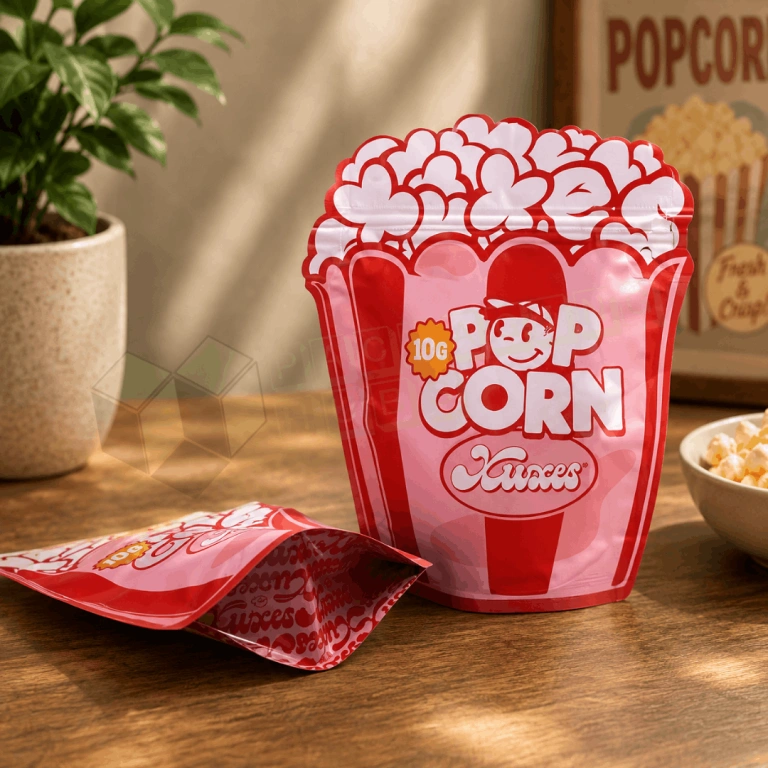
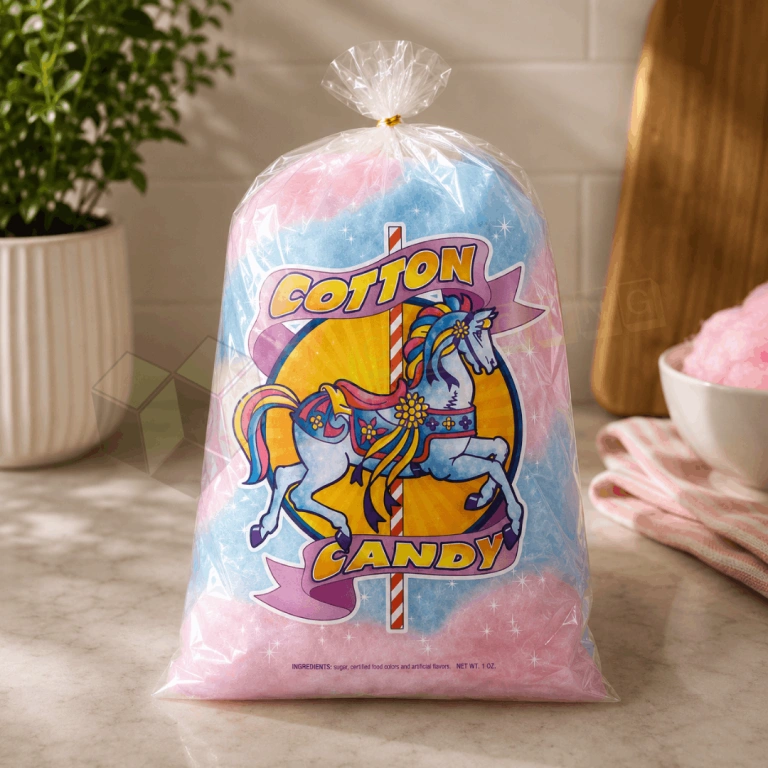
Irregular Shaped Mylar Bags move beyond the standard square or rectangle by turning a logo, character, ingredient, object, or product theme into a functional flexible package. Packaging Hubs develops the silhouette together with the pouch structure because a shape only creates commercial value when it can hold the product, seal consistently, display clearly, and remain easy for customers to open.
These bags can support candy, snacks, supplements, cosmetics, pet treats, accessories, promotional items, samples, and other lightweight retail products. A California confectionery brand may want a fruit-inspired outline, while a Texas event supplier may need a character-shaped pouch for a short campaign. Our zero MOQ policy supports controlled tests and larger B2B production without forcing buyers to hold unnecessary packaging inventory.
A custom silhouette works best when the shape communicates something useful before the customer reads the copy. A pouch shaped like a fruit can identify a flavor, a bottle outline can reinforce a beverage theme, and a character profile can support a licensed or original brand world. In addition, the contour may help a limited edition, gift item, event product, or social-media launch look different from ordinary stock packaging.
However, the strongest cool mylar bag designs do not rely on novelty alone. The shape should improve recognition, product storytelling, shelf impact, handling, or gifting. If the contour reduces usable capacity, hides required information, or creates fragile corners, the package may attract attention but create production and customer-service problems.
We evaluate the concept from both the buyer’s and manufacturer’s perspective. Therefore, the final outline supports branding without sacrificing filling speed, closure placement, shipping, and real product protection.
A rough concept may begin as a logo, mascot, ingredient, product photo, or hand-drawn idea. Before creating production tooling, the shape must be translated into a dieline with practical seal widths, safe corner radii, usable internal volume, and enough space for printing. Extremely narrow points, deep inward curves, and tiny protrusions can become weak areas or consume more material than they add in visual value.
The following table explains how the main design decisions influence manufacturability and the customer experience.
| Shape decision | Production effect | Customer-facing effect | Recommended planning approach |
| Wide curves and rounded corners | Support smoother cutting and more consistent sealed edges | Feel comfortable to hold and resist snagging | Use generous radii around high-stress areas |
| Narrow points or thin extensions | Reduce internal capacity and may concentrate stress | Create a dramatic outline but may bend or crease | Thicken the feature or simplify the contour |
| Deep inward notches | Complicate cutting, printing alignment, and sealing | Can make the silhouette more recognizable | Keep the notch away from the main product cavity |
| Asymmetrical upper edge | Changes zipper, tear-notch, and hang-hole placement | Creates a distinctive top profile | Reserve one practical opening zone inside the design |
| Shaped window | Adds a second registration and cutting requirement | Reveals the product and reinforces the theme | Position the window away from seals, folds, and key text |
| Custom base | Affects gusset formation and standing stability | Can improve display or cause leaning | Test the filled pouch rather than judging the empty sample |
This table shows why successful shaped packaging requires controlled compromise. A simplified curve can preserve the brand idea while increasing usable space and seal reliability. Packaging Hubs provides free design services to refine the concept, create the dieline, and prepare a proof before production. A physical sample may also reveal balance, grip, and filling issues that a flat digital preview cannot show.
The silhouette should connect to how the product sells. A wide character-shaped package can create a strong front panel for illustrations, while a tall, narrow outline may suit accessories or single-serve items. A stand pouch bag can also use a shaped top or side contour while retaining a functional bottom gusset for shelf display.
For eCommerce, the outline must fit secondary cartons without excessive empty space or vulnerable projecting edges. Meanwhile, peg-display products need a hang hole positioned where the filled package will remain balanced. A Florida retailer may prioritize shelf and peg visibility, while an Illinois subscription business may focus on unboxing and carton efficiency.
The same creative idea can be adjusted for different channels. For example, the retail version may use a hang hole, while the mail-order version uses a smoother edge and smaller overall footprint.
The product cavity, top seal, zipper, tear notch, hang hole, and gusset all need protected zones inside the decorative outline. A zipper cannot follow every extreme curve, so the opening often requires a straighter section even when the rest of the pouch uses an irregular contour. Similarly, the top heat seal needs enough uninterrupted width to close the package after filling.
The tear notch should guide customers into the removable header without cutting the zipper or important artwork. In addition, the hang hole must sit above the product cavity and remain strong enough for the filled weight. For larger or heavier goods, the contour may require thicker film, wider seals, or a simplified top area.
These decisions prevent the design from becoming a flat illustration that cannot function as a package. They also help production teams fill and close the pouch without guessing where the usable opening begins.
Many irregular concepts use controlled die cutting to create repeatable edges and accurate windows. Brands that want a logo outline, character profile, product silhouette, or promotional contour can review our Die Cut Mylar Bags for a closely related production direction.
The die should create a consistent shape without placing unnecessary stress on sealed areas. Our team reviews the contour, registration, artwork, and finished tolerance before production. As a result, the creative idea becomes a repeatable package rather than a one-time mockup that cannot scale.
Material decisions should follow the product and final geometry. A small curved pouch for lightweight candy may need a different laminate from a pointed package holding sharp accessories. The outer layer supports printing and surface durability, the middle layers can improve barrier or puncture performance, and the inner layer creates the product-contact and heat-sealing surface.
The next table explains the main material directions and how each one affects shaped packaging.
| Material direction | Main function | Best-fit application | Shape-related consideration |
| PET or BOPET outer layer | Supports printing, stiffness, and abrasion resistance | Detailed retail graphics and clean shaped edges | Added stiffness can help the contour remain visible |
| Metallized PET | Improves opacity and resistance to light, moisture, and oxygen | Snacks, powders, supplements, and aroma-sensitive goods | Metallic film can highlight curves but changes printed color appearance |
| Aluminum foil laminate | Provides stronger barrier performance for demanding dry products | Selected long-storage or highly sensitive contents | Foil may show creasing around tight curves and narrow points |
| PE or CPP inner layer | Creates the product-contact and heat-seal surface | Zippered and heat-sealed pouches | Sealant must bond consistently along the irregular perimeter |
| Nylon-reinforced laminate | Adds toughness and puncture resistance | Sharp, dense, or heavily handled products | Extra toughness can protect narrow contour areas |
| Clear barrier structure | Allows product visibility | Colorful candy, accessories, samples, and decorative products | Transparent film makes fill consistency and seal quality visible |
The best structure balances flexibility, shape definition, sealability, barrier needs, and cost. A very stiff laminate may make a small pouch difficult to open, while a weak structure may collapse and hide the contour. We recommend the complete laminate after reviewing the product, filled weight, storage conditions, and desired appearance.
For food applications, the inner film, adhesives, inks, coatings, and other package components should suit the intended conditions of use. The FDA’s food-packaging guidance explains that food-contact substances are evaluated according to their intended use. Therefore, the responsible specification should identify the food and process instead of relying on a blanket statement that every finished pouch is “FDA approved.”
Irregular Shaped Mylar Bags need artwork that follows the actual contour. Important logos, product names, barcodes, warnings, and net-weight statements should remain inside safe zones rather than sitting on cut edges, gusset folds, zipper tracks, or tear-away headers. The design also needs bleed beyond the cut line so minor production tolerances do not create unwanted unprinted edges.
Brands searching for printable mylar bags can choose digital printing for shorter runs, multiple versions, and frequent design changes. Flexographic or rotogravure printing can suit larger repeat programs. CMYK supports photographs, gradients, and illustrations, while PMS or Pantone colors can improve control over important brand shades. RGB remains a screen color mode, so files should undergo conversion and proof review before production.
A strong mylar bag design also considers how the filled product changes the flat artwork. Curves, bulges, and folds can distort a face, logo, or small text. Packaging Hubs can reposition visual elements so the design remains recognizable after filling instead of only looking correct on a computer screen.
A single shaped pouch can create attention, but a coordinated family creates stronger long-term recognition. Brands can keep the same logo position, opening area, information panel, and overall visual language while adjusting the contour or color by product variety.
Companies developing a premium visual system can explore Designer Mylar Bags for a broader artwork-led approach involving coordinated graphics, specialty finishes, and scalable product families. This direction helps a New York beauty brand or a Colorado specialty-food company launch several related products without making each pouch feel disconnected.
We can create the first structure and then adapt it into additional sizes or variations. This reduces avoidable redesign work and helps future packaging remain consistent.
A shaped pouch should be evaluated filled, sealed, handled, displayed, and packed inside its shipping carton. The empty sample may look balanced while the filled version leans, hides the contour, or places too much tension on one corner. A physical test can also reveal whether staff can load the product quickly and whether customers can grip the opening.
This approval stage is especially important when the package includes a zipper, hang hole, shaped window, or bottom gusset. A physical sample can be prepared on request so buyers can test the complete experience before scaling production.
Get a Free Quote now to turn a sketch, logo, character, or product theme into a production-ready shaped pouch. Our free design service can refine the dieline, artwork zones, and structural details before manufacturing.
clear pouches make the product itself part of the visual design. Candy, colorful snacks, accessories, craft supplies, and decorative goods can show through the full film or a controlled shaped window. However, transparency also reveals fill inconsistency, breakage, settling, and empty space.
Brands that need a dedicated transparent structure can review Clear Mylar Bags for clear panels, full-visibility pouches, and printed window combinations. The visible area should remain away from seals and required information, while light-sensitive products may need an opaque or metallized back panel.
A shaped window can reinforce the irregular outline without exposing the full package. For example, a fruit-shaped pouch may use a leaf-shaped window, creating a stronger theme while preserving most of the printed front panel.
Irregular packaging creates opportunities that standard pouches cannot provide, but it also introduces different risks. Buyers should identify the most expensive potential failure before selecting decorative finishes or approving tooling.
The following table connects common problems with practical design responses and commercial outcomes.
| Buyer problem | Likely cause | Packaging response | Commercial outcome |
| The shape looks exciting but holds too little product | Decorative areas consume the usable cavity | Widen the product zone and simplify nonfunctional projections | Better fill efficiency without losing the core concept |
| Narrow points bend or tear | The contour concentrates stress in a small area | Increase corner radii, film toughness, or local width | Fewer damaged units during packing and shipping |
| The pouch will not stand upright | The base shape conflicts with the gusset or fill distribution | Redesign the footprint and test the filled pouch | More reliable shelf display |
| Artwork becomes cropped or distorted | Key graphics sit too close to the cut line or product bulge | Create safe zones and adjust the layout to the filled form | Clearer branding and fewer print complaints |
| Staff struggle to fill and seal the package | The opening is too narrow or the shape blocks the seal zone | Add loading clearance and a straighter top section | Faster production and fewer rejected packs |
| The package does not fit standard cartons | Projections create unused space or snagging risk | Adjust the contour or design a matching secondary pack | Better shipping efficiency and lower damage risk |
| Tooling costs make market testing difficult | The buyer commits before proving the concept | Use zero MOQ and an appropriate sampling path | Lower launch risk and stronger approval decisions |
| Customers do not understand how to open it | The opening area blends into the decorative silhouette | Add clear tear guidance, grip space, and instructions | Easier use and a better first impression |
The table shows why irregular packaging needs both creative and structural review. Packaging Hubs connects the visual idea to capacity, filling, sealing, display, shipping, and customer use. Therefore, the final package can look distinctive without becoming expensive to handle or frustrating to open.
mylar bags with box combine the flexible shaped pouch with a rigid or folding carton that adds stacking strength, information space, and a more controlled unboxing experience. This format can work for promotional launches, gift products, subscription kits, influencer mailers, and high-value retail items.
The box can protect projecting edges and reduce abrasion during shipping. It can also carry instructions, brand storytelling, or regulatory information that would overcrowd the irregular pouch. Packaging Hubs coordinates both dielines so the filled bag fits securely instead of moving inside an oversized carton.
A mylar bag with box can give one signature product stronger shelf presence while keeping the inner pouch practical after opening. The shaped bag provides recognition, while the carton creates flat surfaces for detailed printing, foil stamping, embossing, or other paper-based finishes.
The internal fit requires real filled dimensions. A tight box can crush the contour or interfere with the zipper, while too much space may allow scuffing and movement. We can add a paperboard insert when the shape needs better support.
mylar bags with boxes can help brands manage several characters, flavors, product types, or seasonal editions under one packaging system. Shared box dimensions may simplify shipping, while the inner shaped pouches provide variety and visual differentiation.
Packaging Hubs can standardize the structural rules and change selected artwork or contours by SKU. This approach supports retailers, distributors, and eCommerce brands that need a recognizable collection without creating an entirely separate packaging program for every product.
An unusual shape, zipper, or sealed edge does not automatically make a package child resistant. Products covered by special-packaging requirements need a configuration that meets the applicable testing standard and remains usable for adults. The U.S. Consumer Product Safety Commission’s special-packaging guidance explains that special packaging is designed to be significantly difficult for children under five to open while remaining accessible to normal adults.
If a product requires child resistance, the shape must work with the tested closure, instructions, and final seal. Decorative changes should not be made after testing without confirming whether they affect the approved configuration.
A smaller or unusually shaped pouch may reduce empty space in some applications, but that does not automatically make the package recyclable, biodegradable, compostable, or environmentally preferable. Laminated films can combine several polymers, adhesives, coatings, zippers, and inks that local recovery systems may not accept.
The Federal Trade Commission’s Green Guides summary advises marketers to support environmental claims and qualify recyclable statements when appropriate recovery facilities are not widely available. Therefore, Packaging Hubs can discuss reduced-material or mono-material directions when they suit the product, while the brand should base final marketing claims on the documented structure and real disposal options.
Irregular Shaped Mylar Bags are available with custom contours, clear windows, stand-up bases, flat formats, zippers, heat-sealed headers, hang holes, matte or gloss surfaces, metallic films, and coordinated cartons. Packaging Hubs serves startups, small businesses, retailers, wholesalers, event brands, and established B2B buyers throughout the United States while also supporting worldwide packaging projects.
Our zero MOQ policy supports prototypes, market tests, seasonal launches, and repeat orders. Free design services help convert the concept into a production-ready dieline. In addition, flexible lead-time options support urgent, standard, and planned schedules, while free shipping throughout the USA helps buyers calculate landed costs more clearly.
Send the product type, fill weight, target dimensions, preferred shape, quantity, closure, material needs, artwork, finish, compliance requirements, and delivery schedule. Packaging Hubs will review the project and recommend a practical development path.
Order Now to begin shape development, or Get a Free Quote to compare structures, materials, printing methods, finishes, and sample options.
| Box Style | Irregular Shaped Mylar Bags |
| Dimension (L + W + H) | All Custom Sizes & Shapes |
| Quantities | No Minimum Order Required |
| Stock | Material, MOPP/VMPET/PE/BOPP/ALU, THICKNESS: 100/120/150 microns/sid |
| Printing | Digital/ Gravure |
| Finishing | Gloss/ Matt/ Spot uv |
| Included Options | Die Cutting, Gluing, Scored, Perforation |
| Additional Options | Eco-Friendly, Recycled Boxes, Biodegradable |
| Proof | Flat View, 3D Mock-up, Physical Sampling (On request) |
| Turnaround | 4 – 8 Business Days, RUSH |
| Shipping | FLAT |
Pick the stock and the finish that suit your product. We’ll confirm both on your proof before anything is printed.
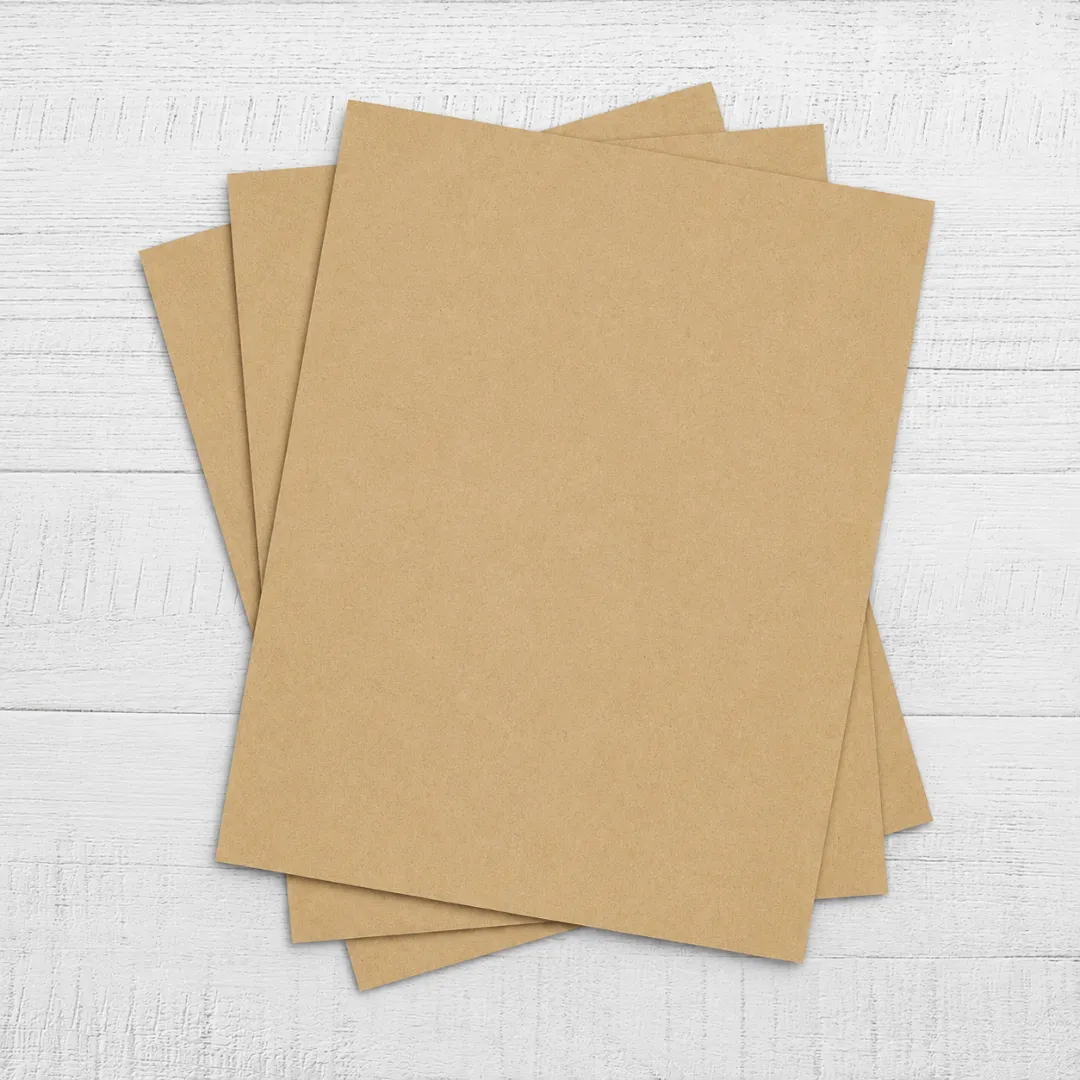
Kraft paper is a strong, durable and reliable material that is widely used across many different industries.
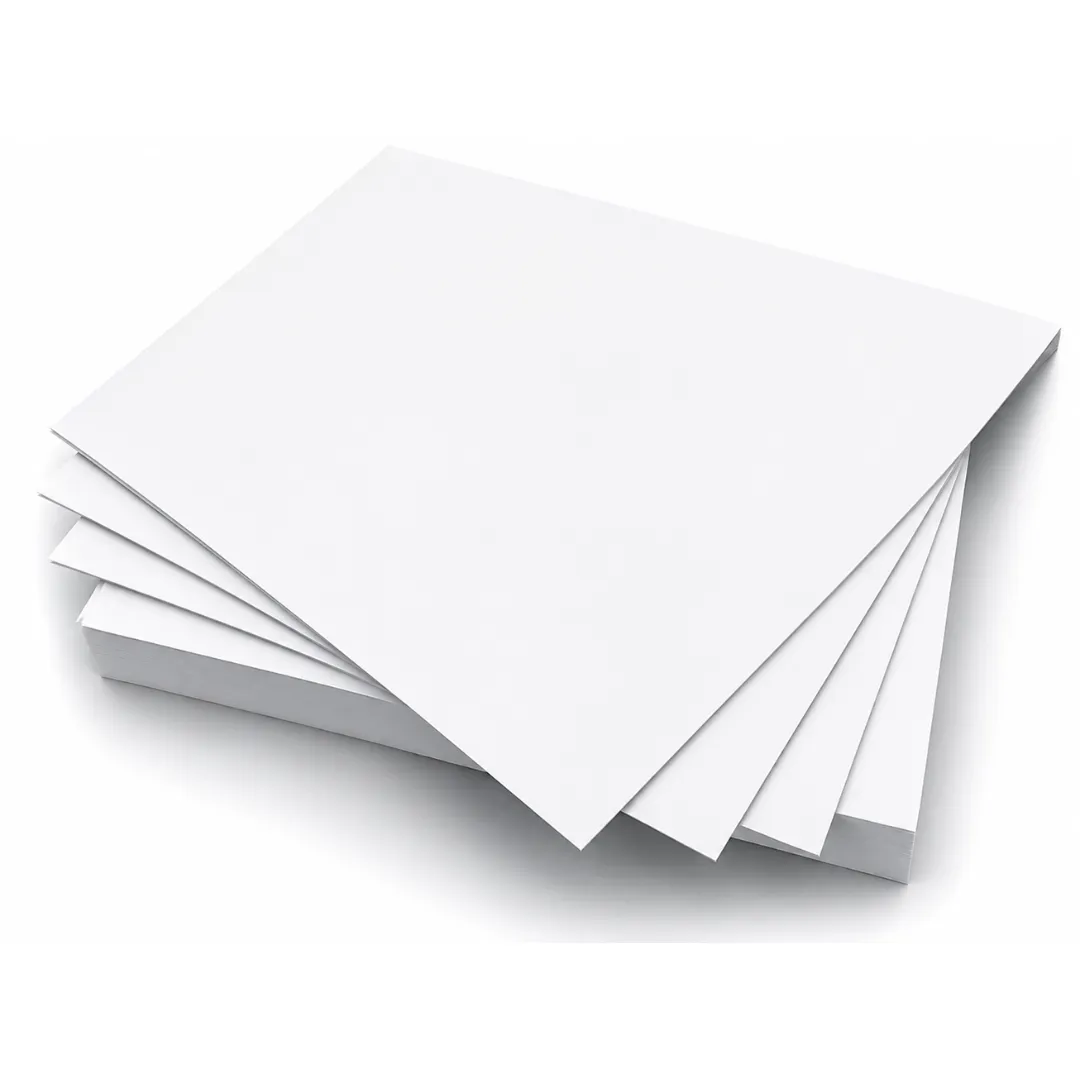
We use cardboard material with the least environmental impact and minimizes waste generation.
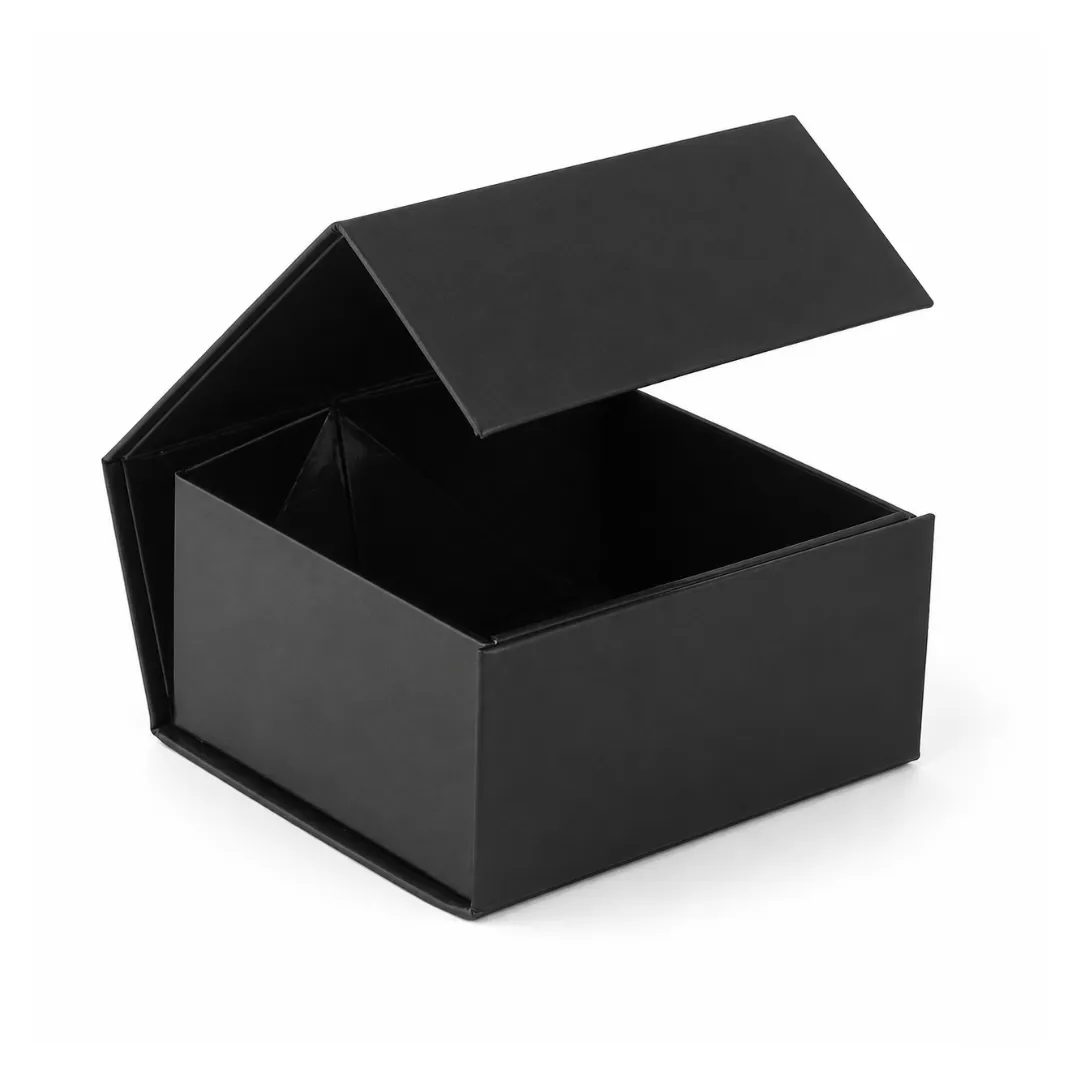
Rigid is highly protective, affordable and recyclable material. These boxes provide maximum protection.
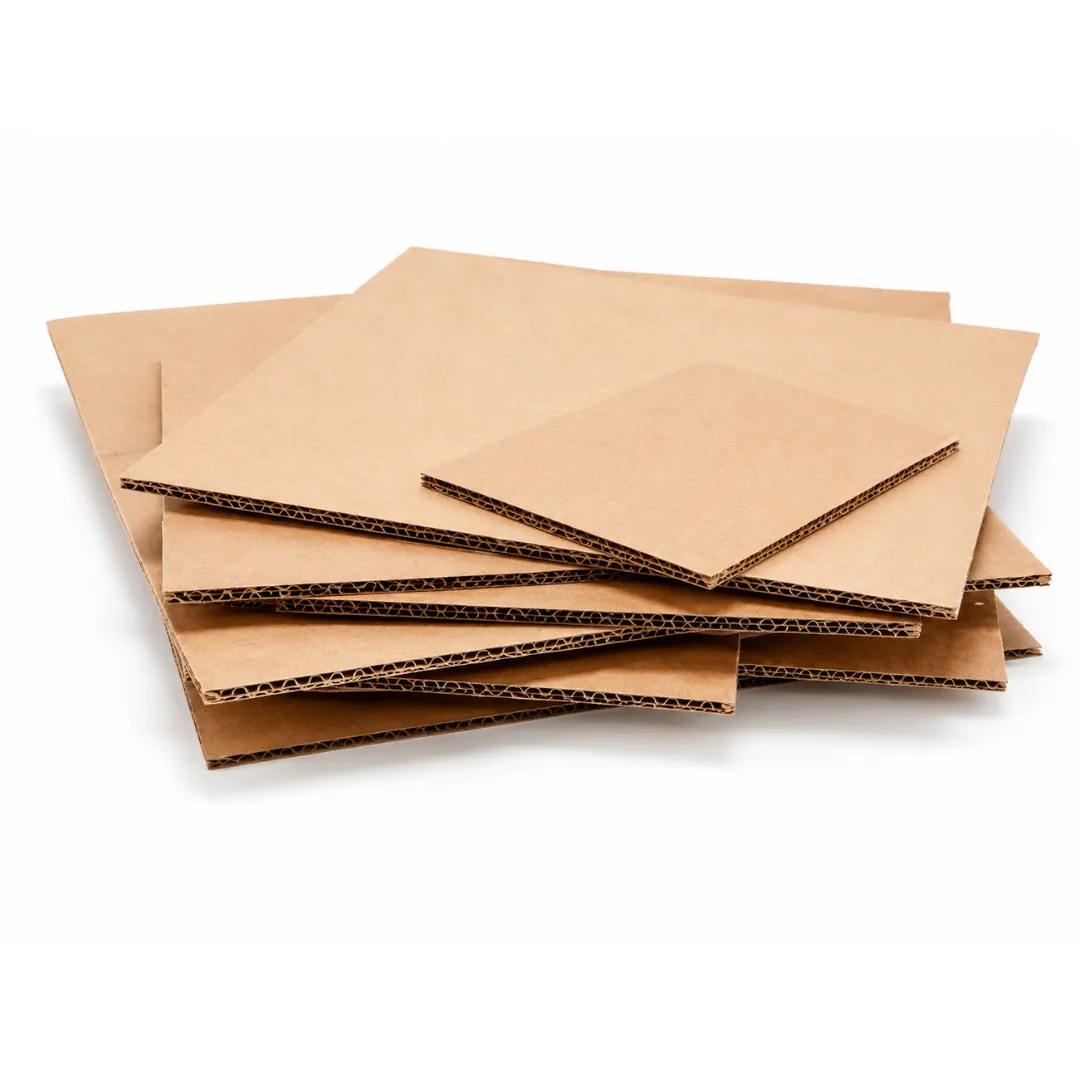
Corrugated material is easy to customize, cost effective and sustainable. It is also great for branding purposes.
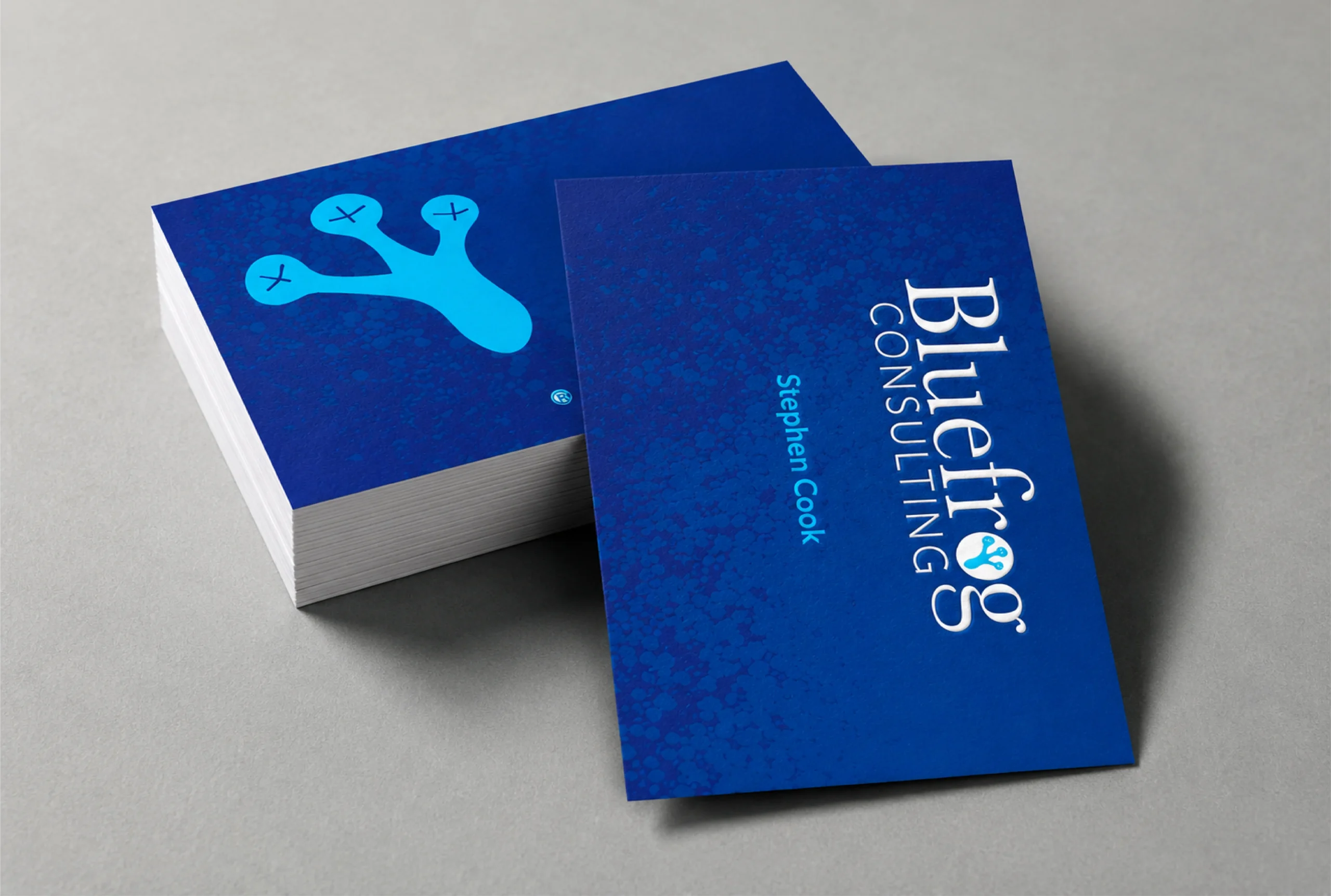
We add additional layer of protection with soft touch lamination from toner chipping.
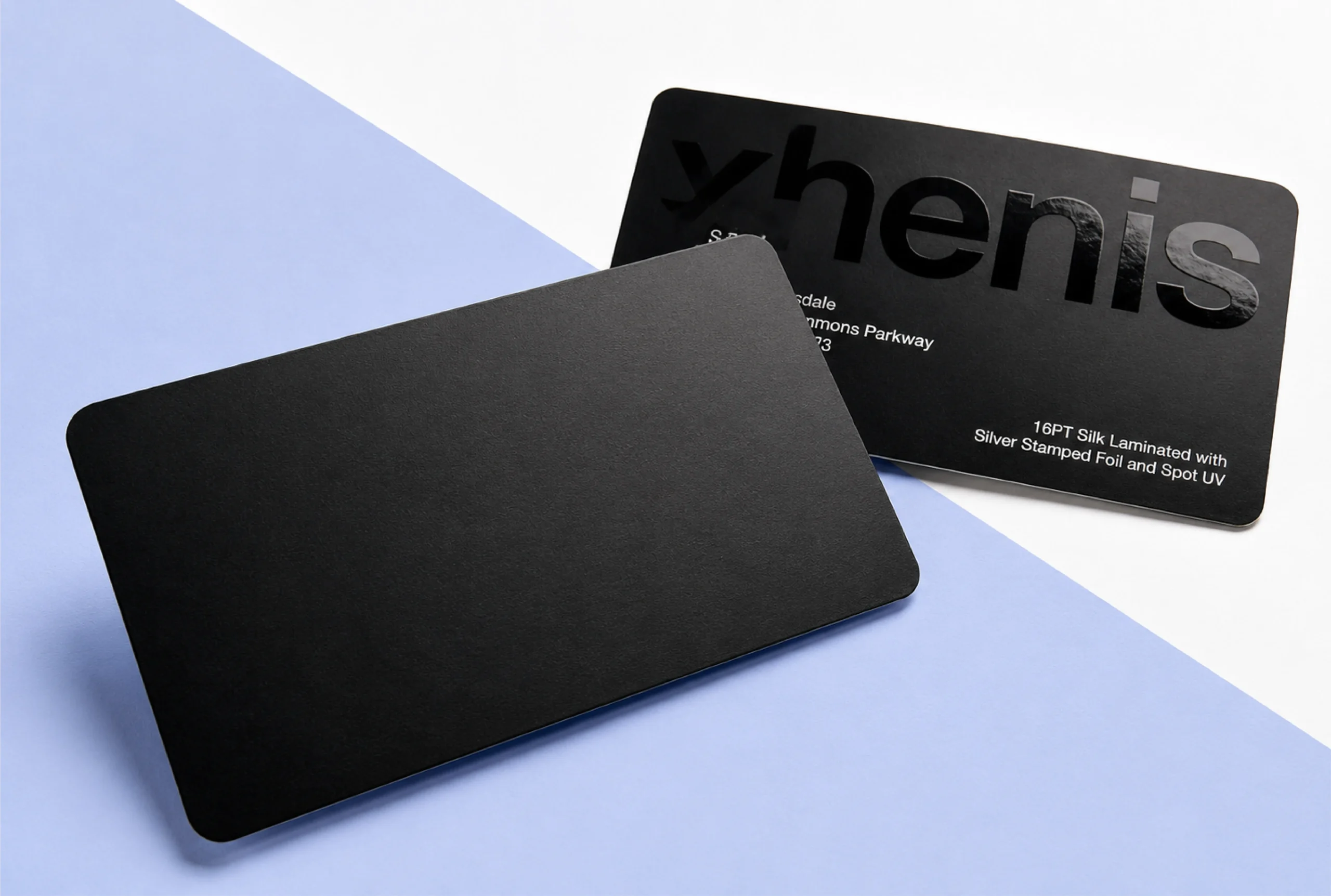
With our matte finish, fingerprints and smudges will now be less visible on the packaging.
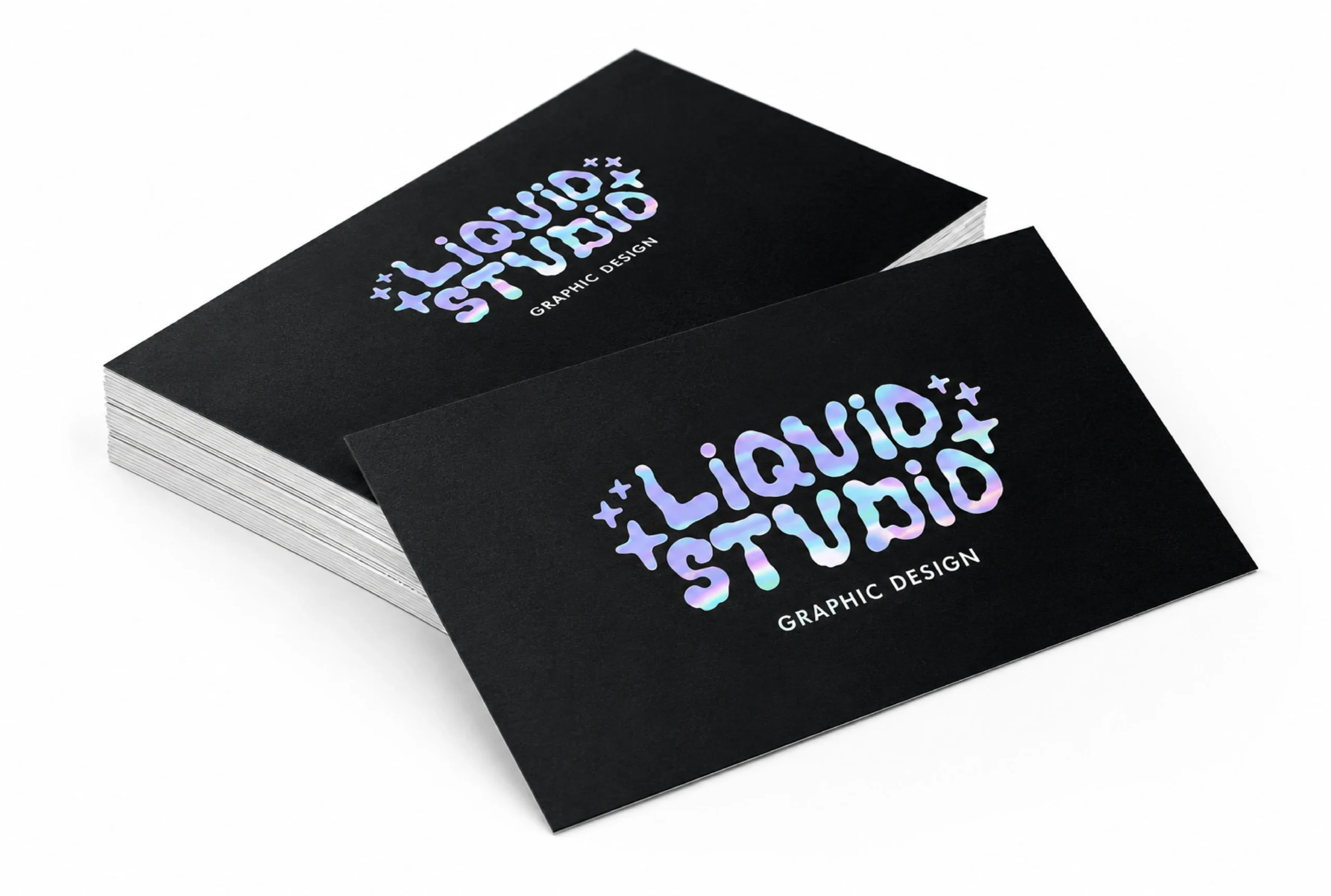
Holographic foil diffracts light and reveals the colors of the rainbow at various angles.
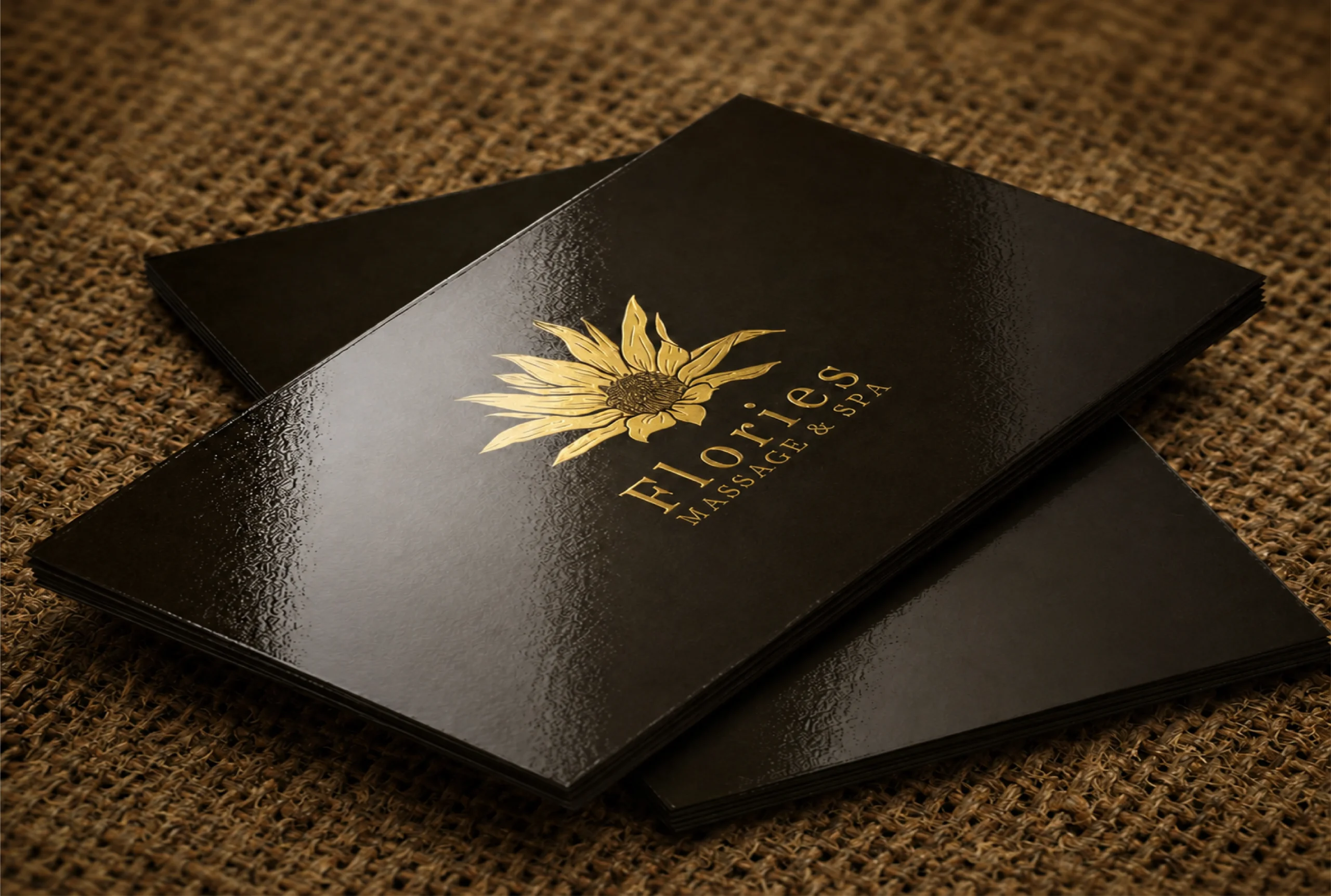
Our glossy finishing gives your packaging an extra layer of shine.
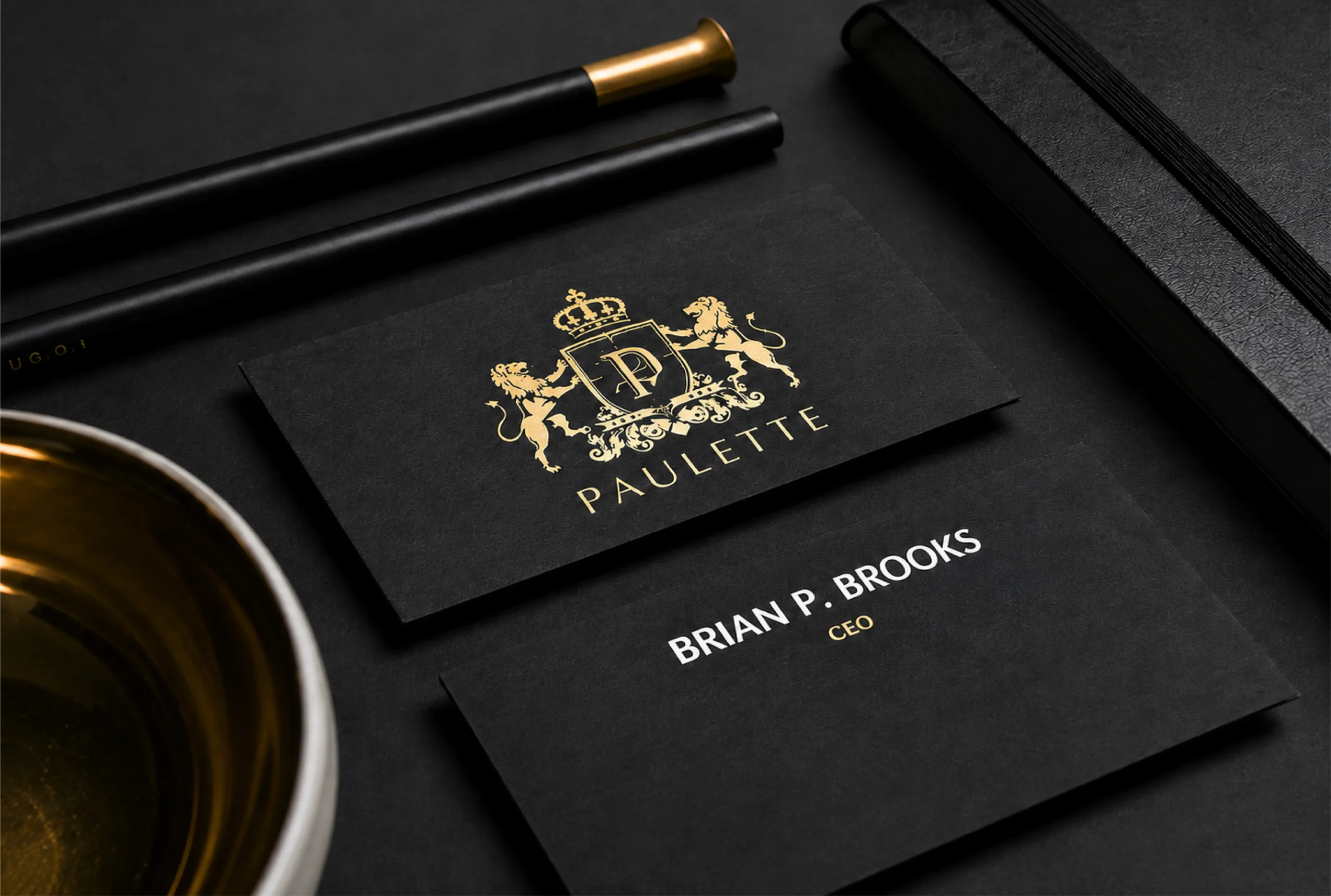
Decorate a wide range of your product packaging with our foil stamping.
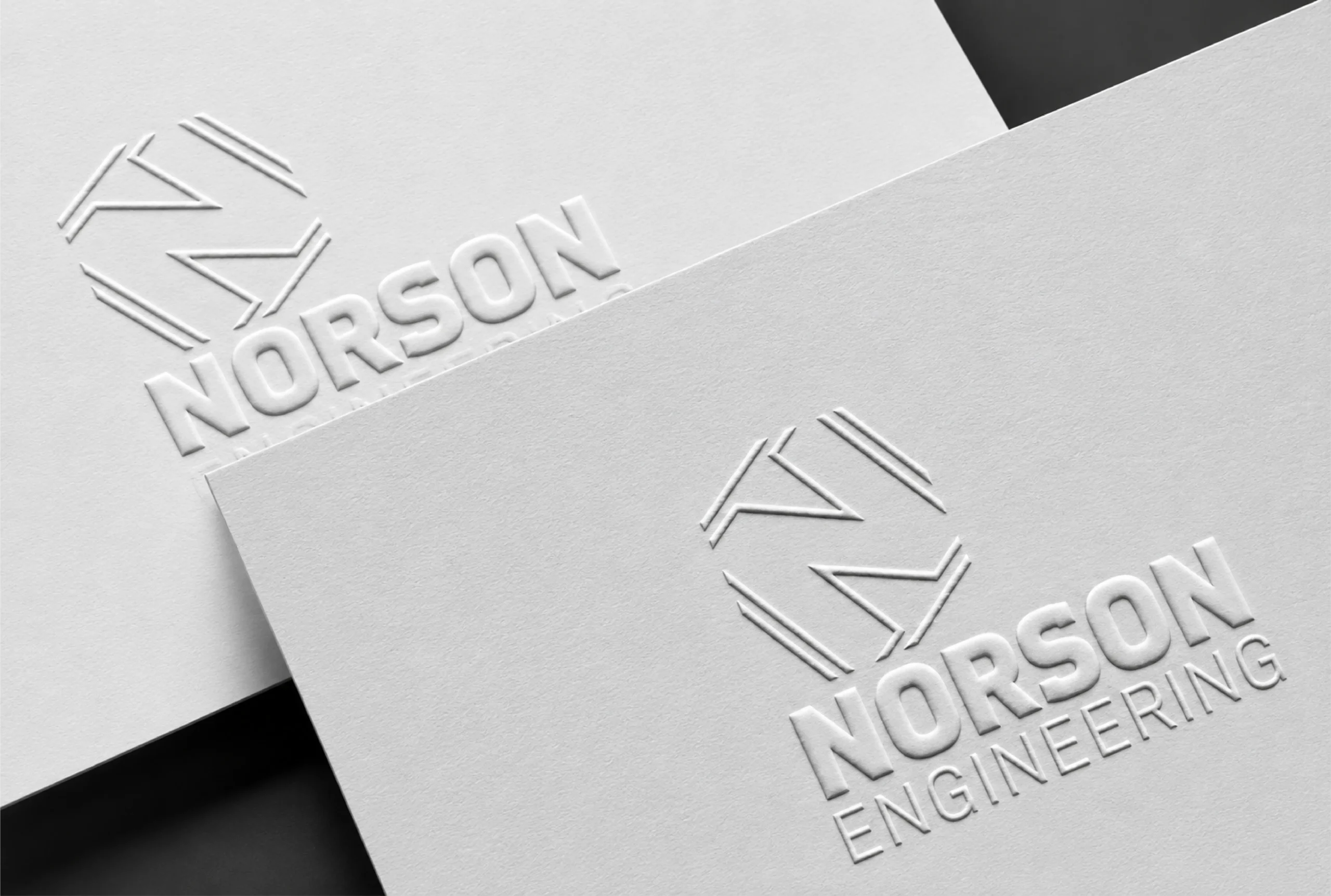
With our embossing technique, we transfer the finest details of your product on packaging.
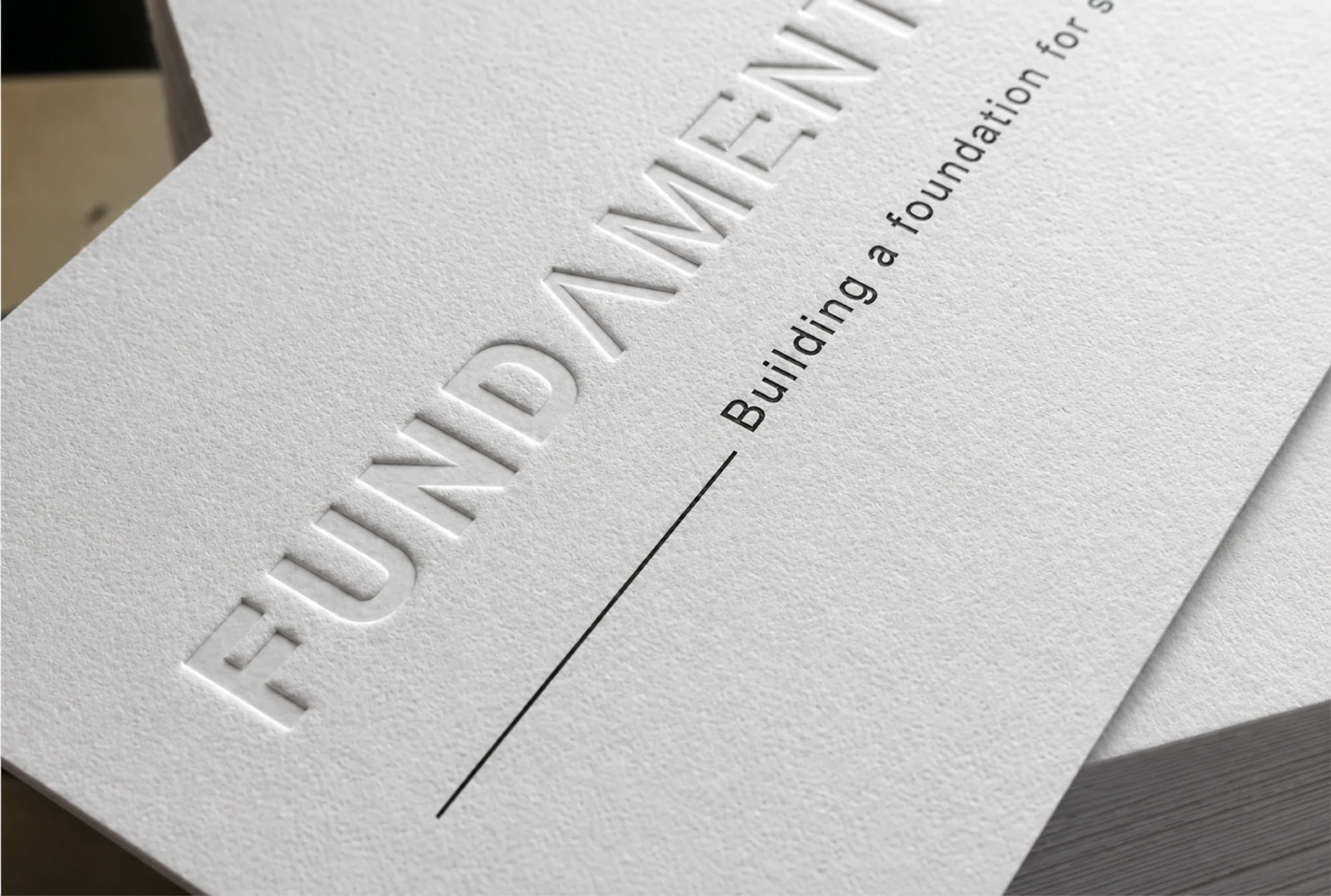
We use debossing technique to add unique graphics into your packaging.
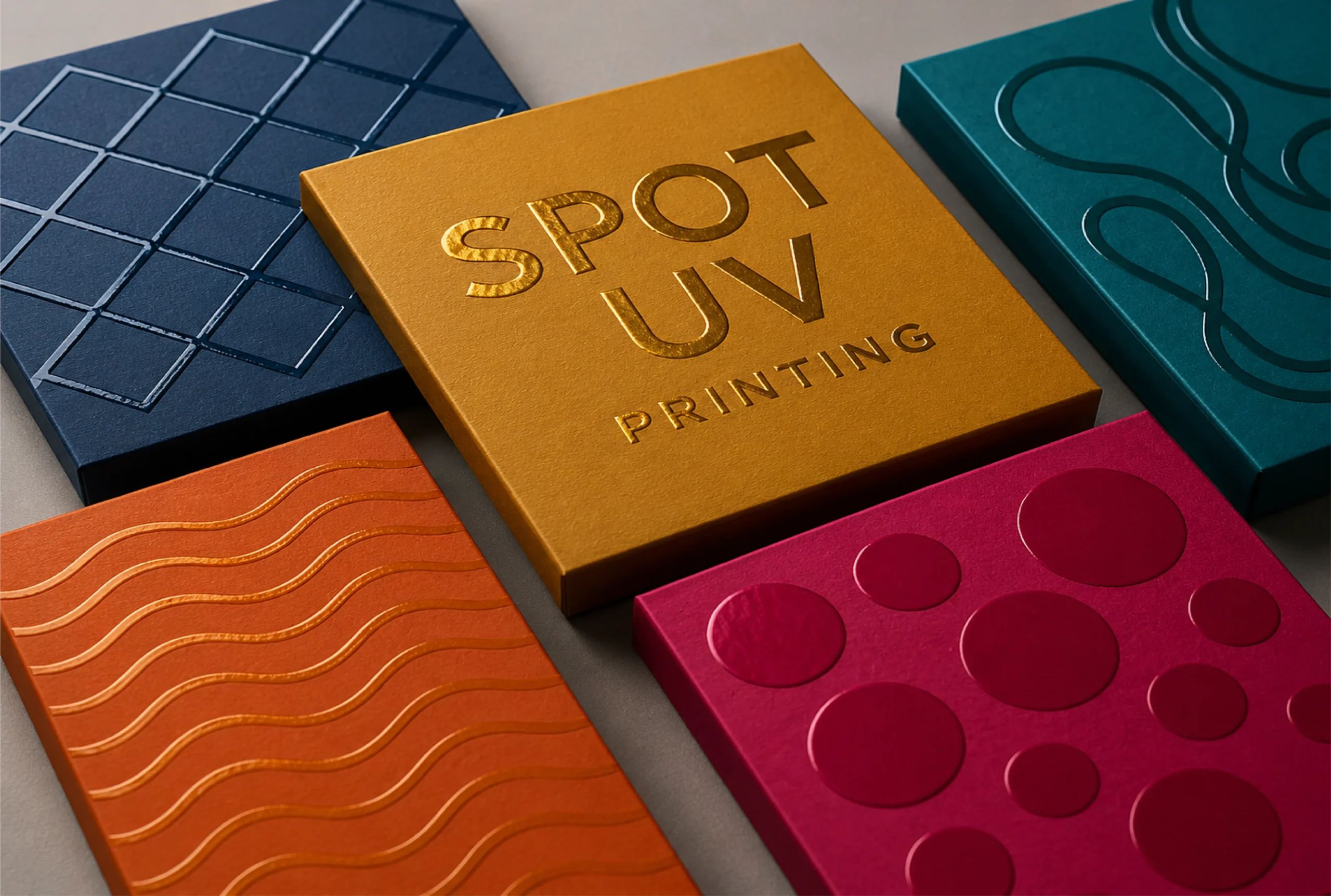
Our high-gloss UV coating gives light and shine to cure the printed material's varnish.
Still unsure? Email sales@packaginghubs.com and a packaging specialist will help.
Get your free quote today and see why Packaging Hubs is the most trusted name in U.S. custom packaging.