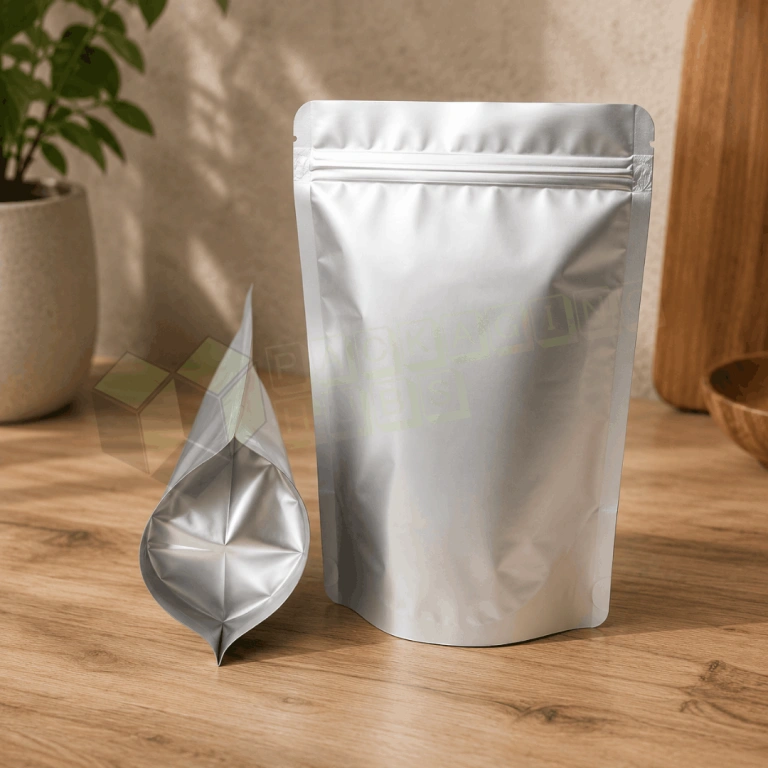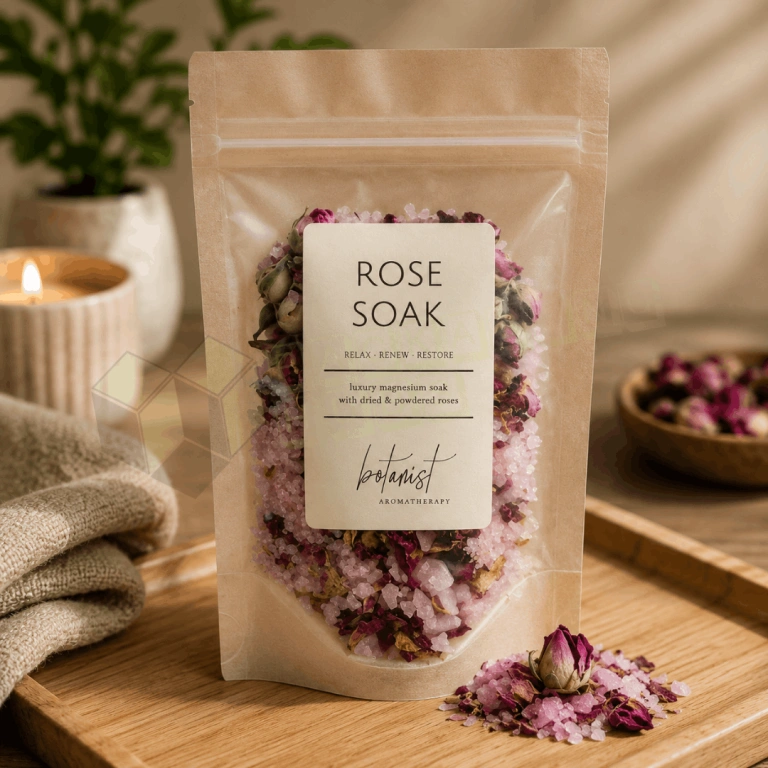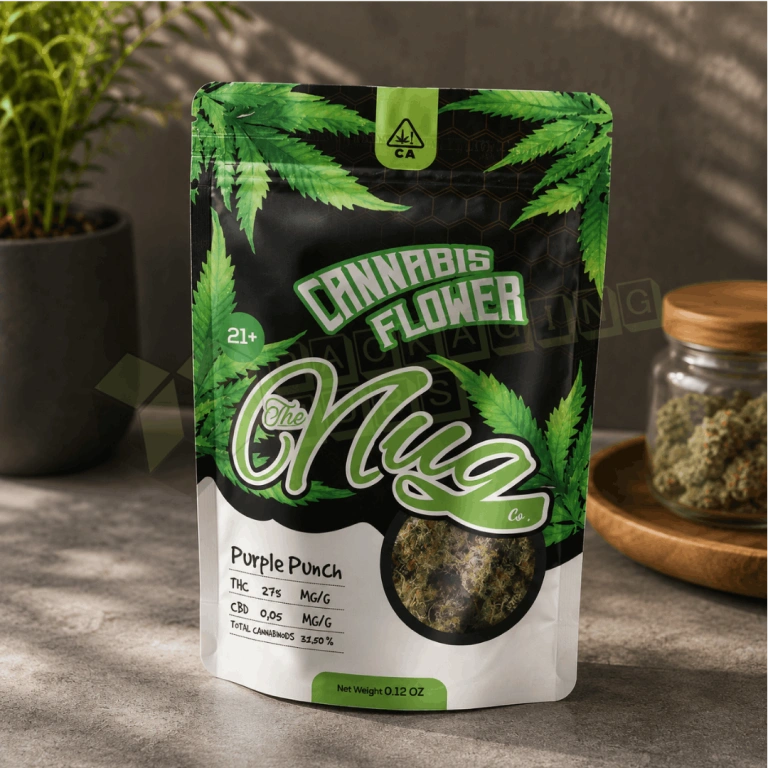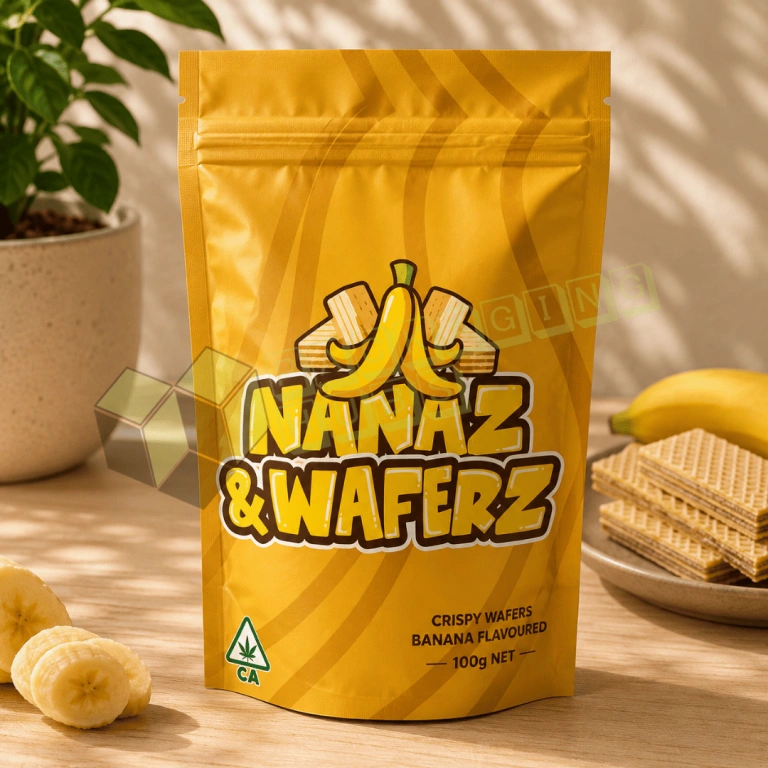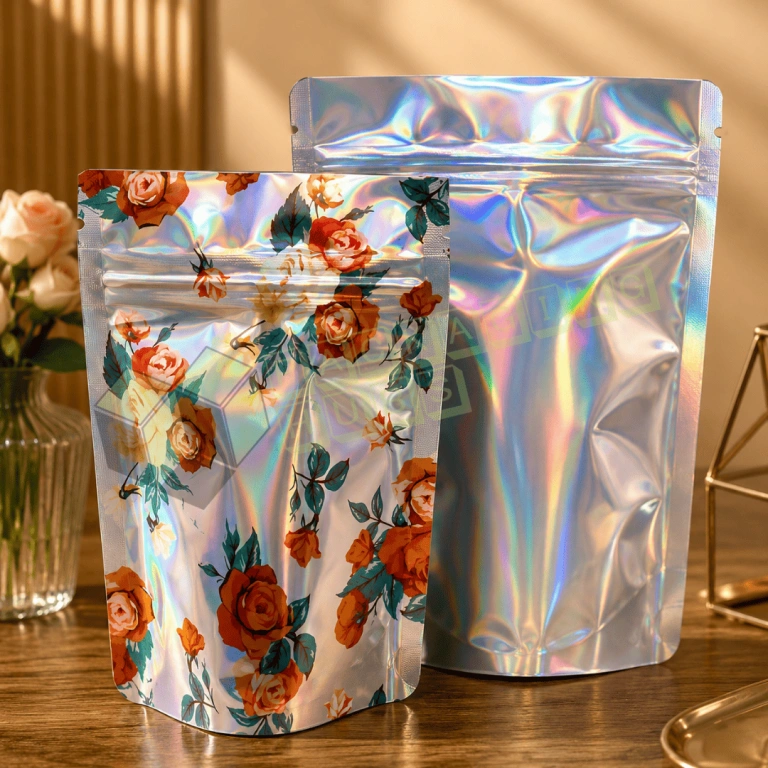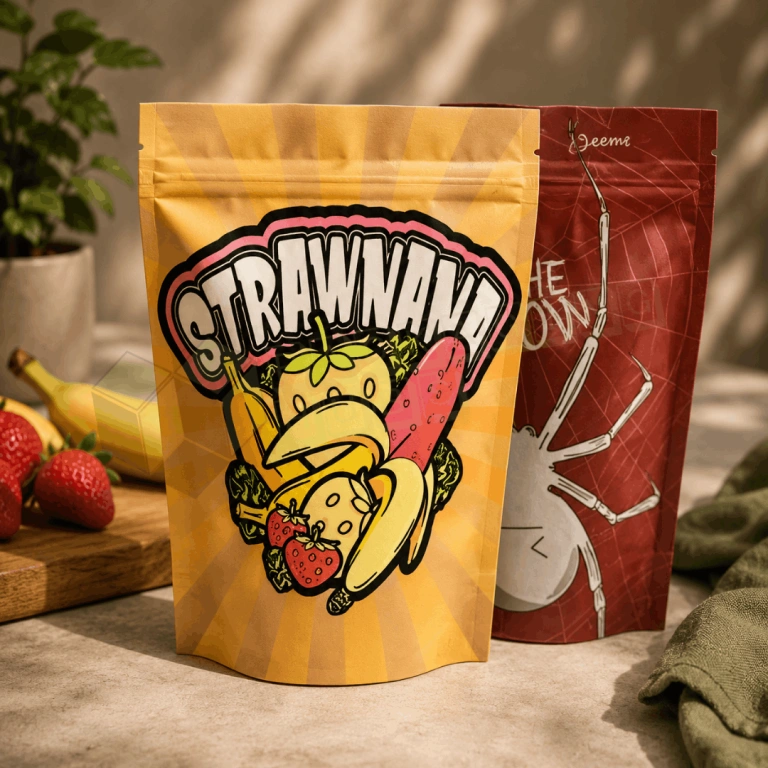
Free design support and free U.S. shipping. No minimum order.
Clear Mylar Bags give customers direct product visibility while supporting custom printing, resealable closures, heat sealing, custom sizes, and product-specific film structures. Packaging Hubs manufactures transparent packaging for food, retail, supplements, accessories, and specialty goods with zero MOQ, free design services, flexible lead times, and free U.S. shipping.
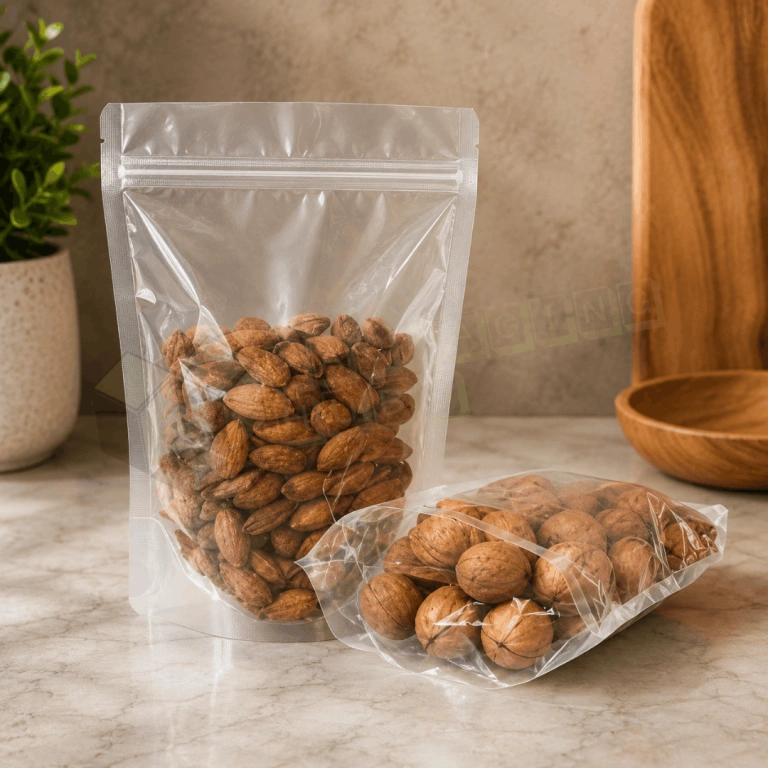
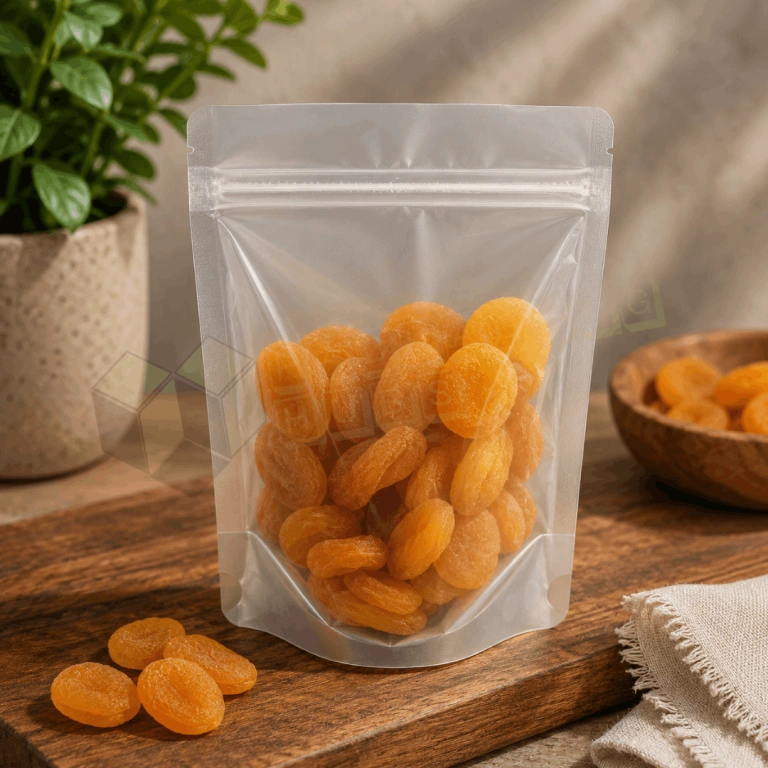
Clear Mylar Bags give customers something opaque packaging cannot: the ability to inspect the actual product before buying it. That visibility can strengthen purchasing confidence for colorful candy, dried fruit, bakery products, coffee beans, pet treats, spices, accessories, craft items, samples, and other products whose appearance contributes directly to perceived quality.
However, transparency should never become the only packaging decision. A clear film structure must still match the product’s moisture sensitivity, oxygen exposure, puncture risk, sealing requirements, handling conditions, and expected storage period. Packaging Hubs develops the package around those commercial needs instead of assuming that every transparent pouch provides the same barrier performance.
A Los Angeles confectionery startup may want small retail packs that showcase colorful products, while a Chicago ingredient supplier may need larger transparent bags that make warehouse identification easier. Our zero MOQ policy supports both small launches and repeat B2B production. Free design services, flexible lead-time options, and free shipping throughout the United States further help businesses control the complete packaging project.
Product visibility works best when customers gain useful information from seeing the contents. Attractive textures, consistent pieces, strong natural colors, premium ingredients, and carefully arranged products often benefit from transparent packaging. Conversely, a product that settles unevenly, discolors under light, or develops visible breakage may perform better behind an opaque or partially printed panel.
Before choosing a fully transparent structure, buyers should decide how much of the product customers actually need to see. The following comparison shows how different visibility levels affect branding, protection, and retail presentation.
| Visibility format | Best commercial use | Branding advantage | Main tradeoff |
| Fully transparent pouch | Candy, accessories, dried foods, samples, and visually consistent products | Lets the product become the main visual element | Provides limited privacy and generally less light protection |
| Clear front with printed back | Retail foods, snacks, crafts, and premium ingredients | Combines visibility with a larger branded information panel | The clear face still exposes the contents to light |
| Custom clear window | Products that need both branding and selective visibility | Controls exactly what customers see while preserving printable space | Window placement must avoid seals, folds, and important text |
| Frosted or lightly printed clear film | Cosmetics, premium foods, and lifestyle products | Creates softer visibility with more visual control | Fine product details become less obvious |
| Opaque pouch | Light-sensitive, private, or highly branded products | Provides maximum graphic control and product privacy | Customers cannot directly inspect the contents |
The comparison makes one point especially important: clear packaging should solve a merchandising problem, not simply follow a trend. Packaging Hubs can develop Clear Mylar Bags with full transparency, controlled windows, printed backs, or partially opaque areas depending on what buyers need customers to notice first.
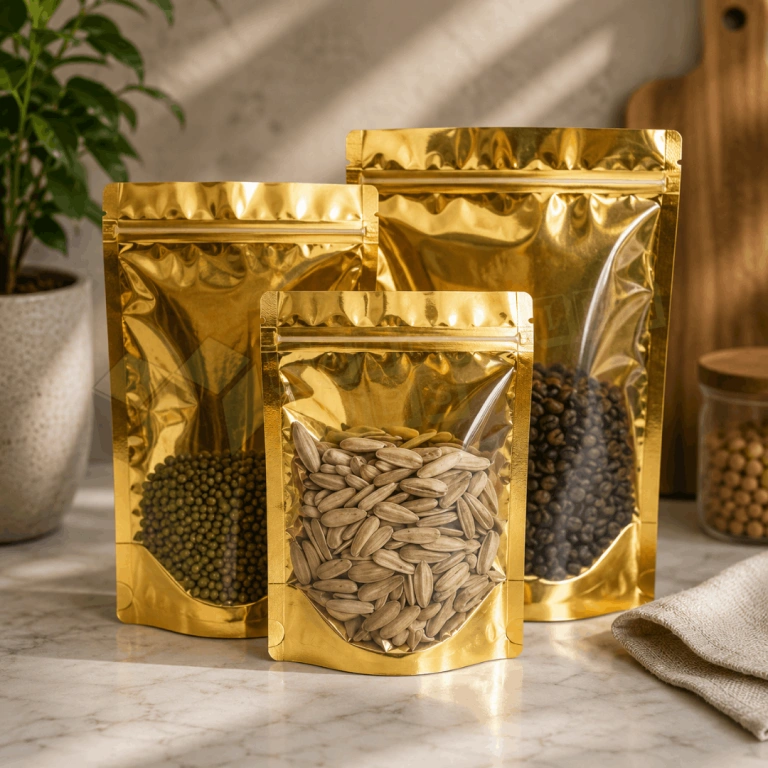
A fully clear pouch can limit the space available for high-impact artwork. In those cases, Clear and White Mylar Bags provide a useful middle ground. A transparent section can showcase the product, while the white area creates a predictable base for logos, photographs, nutrition information, instructions, and brand colors.
White film also prevents the contents from changing the perceived color of printed graphics. For example, a red logo printed over dark coffee beans may look different from the same logo printed over bright candy. An opaque white panel helps maintain consistency.
This format can work particularly well for brands with several SKUs because the same structural layout can carry different artwork while maintaining a consistent product window.
Businesses using clear mylar bags for food should evaluate the complete material structure, not simply whether the film looks clean and transparent. The inner layer, adhesives, coatings, colorants, and other packaging components need to suit the intended food and conditions of use.
The U.S. Food and Drug Administration explains that food packaging and its components can qualify as food-contact substances, and their regulatory status depends on the intended application.
Therefore, Packaging Hubs does not rely on a blanket claim that every finished transparent pouch is simply “FDA approved.” Instead, we can develop the material around the product type, filling conditions, oils, storage temperature, sealing method, and buyer documentation requirements.
For a Miami bakery brand, product visibility may increase impulse purchases. However, a food-contact film still needs to perform correctly after filling, sealing, transportation, and shelf display.
Clear Mylar Bags create a different printing challenge because the product itself becomes the background behind the artwork. Consequently, designers need to decide where ink should remain transparent, where white ink should create opacity, and which areas need enough contrast for text and barcodes.
Digital printing can work well for shorter runs, test launches, several SKUs, and seasonal designs. Flexographic printing may suit medium and larger repeat programs, while rotogravure can support consistent detailed graphics at higher volumes. These processes allow brands to create printable mylar bags for both simple logos and more complex retail artwork.
CMYK supports photographs, gradients, and full-color illustrations. PMS or Pantone colors can help control important brand shades. RGB remains a screen-based color system, so artwork created in RGB should undergo conversion before commercial printing.
A strong mylar bag design also accounts for what sits behind every printed element. White ink can create an opaque base below a logo or barcode, while selected areas remain transparent to display the product. Packaging Hubs provides free design services to organize those layers, review bleed and resolution, reserve seal zones, and improve print readability.
Products that customers consume or use over several occasions often benefit from resealable mylar bags. A press-to-close zipper can help customers manage snacks, powders, coffee, pet treats, craft items, and other products after the initial package has been opened.
However, the zipper should sit below a separate heat-sealed header when the brand needs an initial closed package. The zipper then supports repeated access after the customer removes the top section. Powder, crumbs, and small product pieces should remain below the tracks so they do not interfere with resealing.
Buyers who need a more closure-focused format can review Custom Mylar Ziplock Bags for zipper selection, grip space, tear notches, and repeated-access planning.
Customers may also search for mylar bags zip lock when looking for this format. Regardless of terminology, the commercial specification should identify the exact zipper, top-seal area, bag dimensions, and customer-use pattern.
sealable mylar bags simply indicate that a compatible surface can form a closure under appropriate heat, pressure, and time. That does not automatically mean the same pouch can run on every vacuum machine.
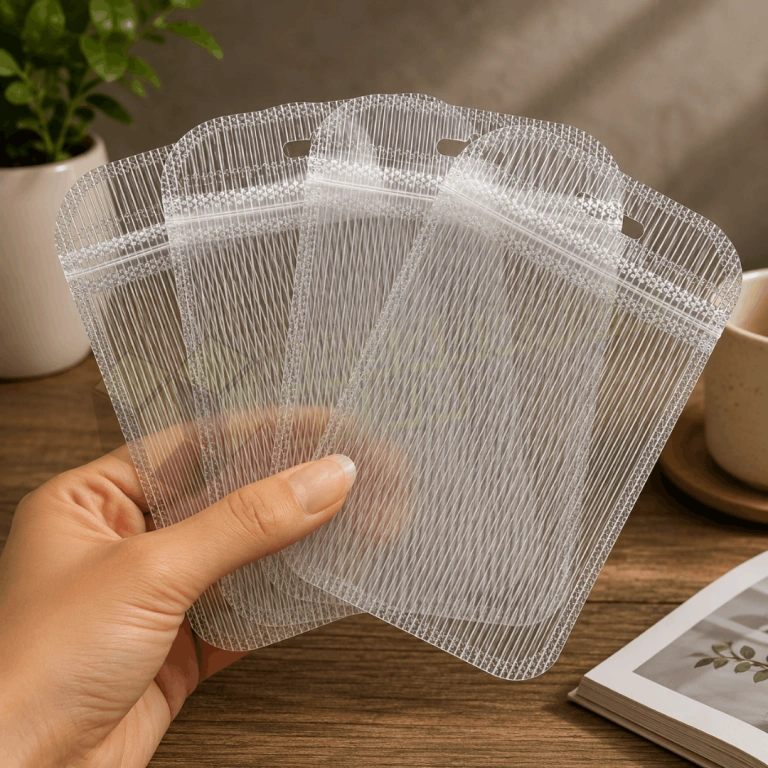
vacuum sealable mylar bags must match the equipment. Chamber vacuum sealers can often use smooth flexible bags, while many external-suction machines require textured channels that allow air to travel toward the vacuum port. Therefore, mylar vacuum bags should be ordered according to machine type, seal-bar width, bag opening, product shape, and storage conditions.
Packaging Hubs can adjust the sealant layer and format around the equipment. However, buyers should test the finished bag on their actual machine before approving a large run.
Transparency does not automatically provide strong odor control. Products with coffee aromas, seasonings, botanical ingredients, pet-treat odors, or other strong scents may need a more specialized barrier laminate.
Search terms such as smell proof mylar bags and mylar smell proof bags often describe the buyer’s desired outcome, but odor containment depends on film permeability, side seals, zipper engagement, initial heat sealing, and repeated customer opening. A standard transparent pouch should not carry an unlimited “smell proof” claim without suitable performance evidence.
Packaging Hubs can strengthen the structure when odor containment becomes a central requirement while preserving a clear viewing area where practical.
Clear Mylar Bags normally use transparent flexible films rather than the opaque aluminum structures commonly associated with silver barrier pouches. Depending on the application, a laminate may combine PET, PE, CPP, nylon, or specialized transparent barrier layers.
Before choosing a film, businesses should understand what each component contributes. The following table explains common material directions and their practical tradeoffs.
| Material direction | Primary role | Suitable use | Important limitation |
| Clear PET or BOPET | Adds clarity, stiffness, printability, and abrasion resistance | Branded snacks, accessories, supplements, and retail goods | It normally needs another layer for heat sealing |
| PE or LLDPE | Creates flexibility and a heat-sealable inner surface | Foods, powders, snacks, and general retail products | Barrier properties vary according to grade and thickness |
| CPP | Supports sealing, clarity, and selected stiffness requirements | Confectionery and other retail applications | Performance depends on the full laminate |
| Nylon or PA | Improves toughness and puncture resistance | Products with sharp edges or demanding handling | Added material may increase cost and change film feel |
| Transparent high-barrier film | Improves oxygen or aroma protection without complete opacity | Foods where visibility and barrier performance both matter | It may cost more than basic clear film |
| Clear-to-opaque hybrid laminate | Combines a window or clear panel with opaque barrier areas | Products needing visibility plus stronger light protection | Requires more detailed artwork and structural planning |
The table shows why heavy duty mylar bags cannot be defined by thickness alone. A tougher nylon-containing film can outperform a thicker basic structure against certain puncture risks. Meanwhile, transparent high-barrier layers may provide better oxygen control without sacrificing all product visibility.
The correct material depends on the product, not on the assumption that clear, silver, black, or thick automatically means better.
black mylar bags prioritize opacity, privacy, and a controlled visual surface rather than complete visibility. Likewise, buyers searching mylar bags black or simply black mylar are often looking for a premium or discreet presentation.
Matte black works well with metallic foil, white typography, or spot gloss. However, the contents remain hidden. A brand may therefore use a black back panel with a clear front or create one controlled viewing window.
This type of hybrid structure can help businesses offer several product lines while maintaining the same overall brand architecture.
Clear Mylar Bags make poor sizing easier for customers to notice. An oversized pouch visibly exposes empty space, while an undersized pouch can compress the product against the zipper or seams. Therefore, mylar bag sizes should follow real fill volume, product shape, settling, customer use, and required headspace rather than weight alone.
Before finalizing dimensions, the following table provides useful starting directions for common commercial applications.
| General size direction | Typical application | Visibility consideration | Structural priority |
| Mini or sample format | Samples, jewelry, spices, seeds, and trial products | Small fills must still look intentional | Preserve enough space for seals and artwork |
| Small retail format | Candy, supplements, coffee portions, and accessories | Customers can easily judge fill level | Prevent products from crowding the zipper |
| Medium stand-up format | Dried fruit, pet treats, snacks, and craft goods | Broad front panels improve product display | Match gusset depth to actual volume |
| Large retail or refill format | Bulk snacks, ingredients, pet products, and wholesale goods | Empty headspace becomes more obvious | Increase film toughness and closure width |
| Fully custom dimensions | Irregular products or branded product systems | Window and print placement can follow the contents | Develop dimensions from physical samples or reliable fill data |
This explains why small mylar bags can require as much sizing care as larger formats. A small sample should still have enough seal area and branding space. Conversely, large mylar bags may need deeper gussets, stronger seals, thicker films, or secondary cartons as the filled weight increases.
Packaging Hubs can develop the dieline from a physical product sample, dimensions, or controlled fill information rather than relying only on a generic ounce capacity.
Businesses searching for mylar bags for long term storage should understand one important limitation of transparent film: light can reach the contents. Many long-term storage systems therefore favor opaque containers alongside strong moisture and oxygen barriers.
Utah State University Extension discusses Mylar-type bags as an option for long-term dry-food storage and emphasizes protection from moisture, insects, and other environmental conditions. Its food-storage packaging guidance also shows why the correct packaging method depends on the food rather than one universal bag.
Consequently, clear packaging may work well when product visibility matters during normal retail use, while opaque high-barrier packaging may suit certain extended-storage programs better. Packaging Hubs can help buyers separate shelf-display requirements from long-term preservation requirements instead of treating them as the same application.
mylar bags for flour storage need dependable moisture protection, clean seals, and practical portion sizes. Flour dust can also enter zipper tracks or heat-seal zones, so the package requires sufficient headspace and careful filling.
For larger commercial programs, brands may use several smaller bags instead of one oversized pouch. This approach can simplify product rotation and reduce repeated exposure after opening. A protective bucket or outer carton can also help defend flexible packaging against puncture or pests during longer storage.
Clear film may improve warehouse identification, but an opaque structure can provide better light protection. Therefore, the right choice depends on whether the package is intended for immediate retail sale, pantry use, or extended storage.
Businesses sourcing mylar food storage bags should consider residual moisture, oxygen sensitivity, fat content, product edges, portion size, expected storage time, and whether oxygen absorbers or vacuum methods are appropriate.
Our Custom Mylar Food Storage Bags provide a more storage-specific solution for grains, dry ingredients, freeze-dried foods, powders, and pantry programs.
The phrase mylar pouches food storage may describe both transparent retail packaging and opaque long-term systems, but those applications should not be treated as interchangeable. The pouch should follow the food and storage target.
Transparency may look attractive for freeze-dried fruit or complete meals, but extended storage demands stronger protection from moisture, oxygen, and light. Utah State University Extension’s current freeze-drying guidance specifically notes that thick opaque Mylar bags without clear plastic windows provide stronger long-term protection than windowed bags when paired with an appropriate oxygen-control plan. Read the university’s freeze-drying packaging guidance.
That does not make transparent packaging unsuitable for every freeze-dried product. A short-turn retail snack may prioritize product visibility differently from a preparedness product designed for extended storage. The intended shelf life and product test results should decide which benefit matters more.
Some buyers searching weed seal bags or little weed bags are looking for transparent or partially clear cannabis packaging. However, those search terms do not establish that the package satisfies cannabis regulations.
Opacity, child resistance, tamper evidence, warning symbols, labeling, and graphic restrictions can vary by jurisdiction and product type. A transparent cannabis pouch that works for one lawful market may not satisfy another state’s requirements. Therefore, regulated buyers should confirm current rules before approving the film or artwork.
Packaging Hubs can manufacture an approved configuration and reserve the required label areas, while the licensed business remains responsible for legal review in each sales market.
Businesses searching mylar bags bulk usually need consistent dimensions, films, closures, artwork, and replenishment rather than simply a lower unit price. Bulk packaging also introduces new issues because greater filled weight can stress the bottom gusset, zipper, side seals, and shipping carton.
When capacity becomes the main requirement, buyers can review Large Mylar Bags for higher-volume product, refill, ingredient, and wholesale applications.
Packaging Hubs can also develop coordinated small, medium, and bulk sizes under the same visual system. This allows a New York retailer to sell individual packs while supplying larger formats to food-service customers without losing brand consistency.
Transparent packaging exposes both the strengths and weaknesses of the product presentation. Customers can see crushed pieces, uneven fill levels, powder on the zipper, condensation, discoloration, and poor arrangement. Therefore, visibility creates an additional quality-control responsibility.
If the product settles heavily, we can reduce unnecessary headspace or adjust the gusset. If sharp contents puncture the film, we can evaluate a tougher laminate. If customers struggle to reseal the package, we can change the zipper or increase grip space. If light exposure threatens the contents, we can reduce the transparent area rather than forcing full visibility.
Similarly, mylar storage bags should not promise indefinite freshness merely because the pouch closes. Shelf life depends on the product, processing, barrier properties, storage temperature, humidity, light, seal integrity, and customer use.
This problem-solving approach helps the package support the product rather than simply display it.
Clear Mylar Bags can be manufactured in flat, stand-up, gusseted, resealable, heat-sealed, vacuum-compatible, windowed, and printed configurations. Packaging Hubs serves startups, small businesses, food brands, retailers, wholesalers, distributors, contract packers, and established B2B buyers throughout the United States while also supporting custom packaging projects worldwide.
Businesses asking where to buy mylar bags should compare more than stock availability. The supplier should understand film structure, seal compatibility, custom sizing, artwork, fill behavior, and the difference between visibility and barrier performance.
Our zero MOQ policy supports product testing and short launches. Free design services help prepare production-ready artwork and dielines. Flexible lead-time options support urgent, standard, and planned projects, while free shipping throughout the United States simplifies landed-cost calculations.
Send the product type, fill weight, preferred dimensions, required transparency, quantity, closure, printing, finish, storage needs, and delivery schedule. Packaging Hubs can then recommend a structure based on the actual application.
Order Now to begin your project, or Get a Free Quote to compare films, transparency levels, dimensions, closures, printing processes, and finishing options.
| Box Style | Clear Mylar Bags |
| Dimension (L + W + H) | All Custom Sizes & Shapes |
| Quantities | No Minimum Order Required |
| Stock | Material, MOPP/VMPET/PE/BOPP/ALU, THICKNESS: 100/120/150 microns/sid |
| Printing | Digital/ Gravure |
| Finishing | Gloss/ Matt/ Spot uv |
| Included Options | Die Cutting, Gluing, Scored, Perforation |
| Additional Options | Eco-Friendly, Recycled Boxes, Biodegradable |
| Proof | Flat View, 3D Mock-up, Physical Sampling (On request) |
| Turnaround | 4 – 8 Business Days, RUSH |
| Shipping | FLAT |
Pick the stock and the finish that suit your product. We’ll confirm both on your proof before anything is printed.
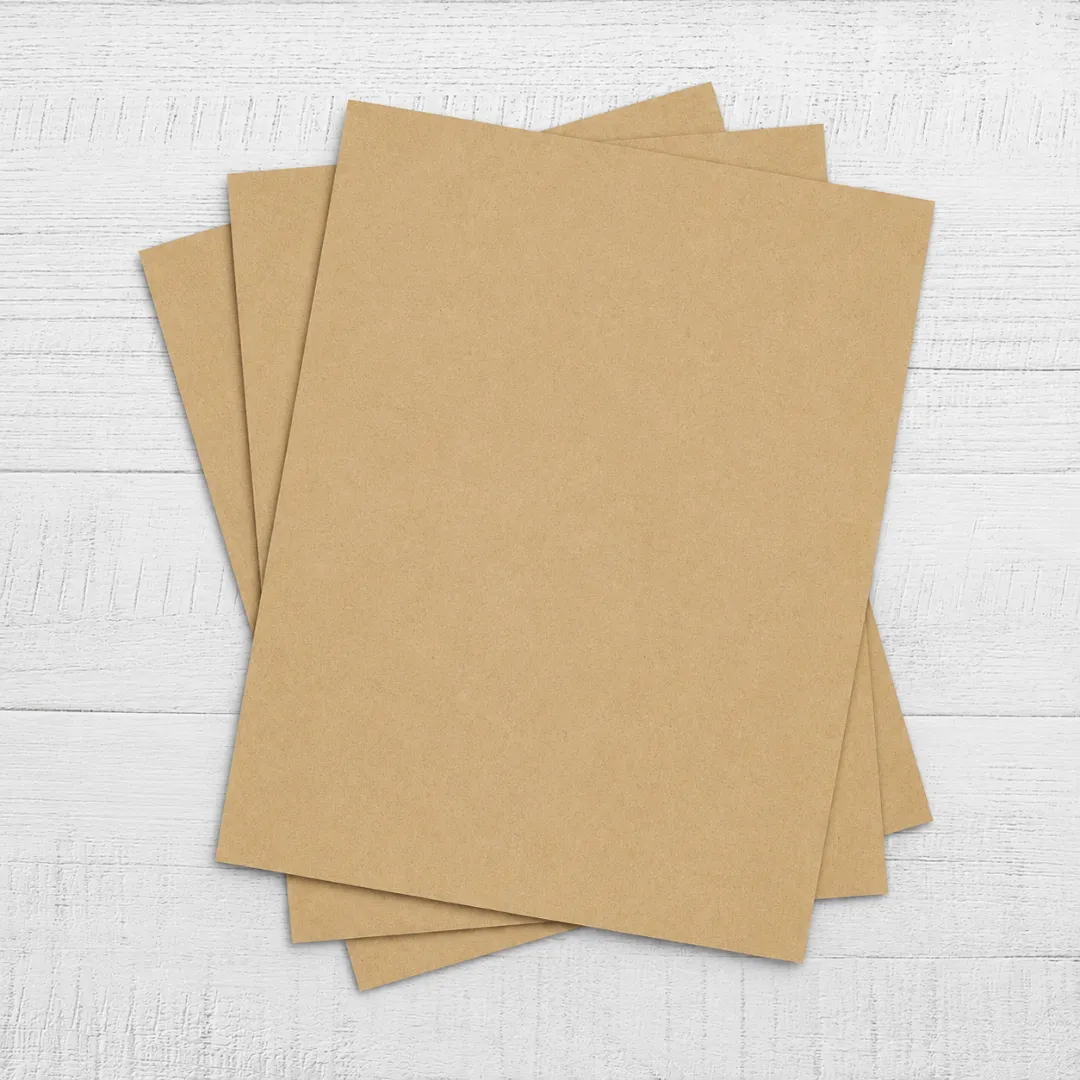
Kraft paper is a strong, durable and reliable material that is widely used across many different industries.
We use cardboard material with the least environmental impact and minimizes waste generation.
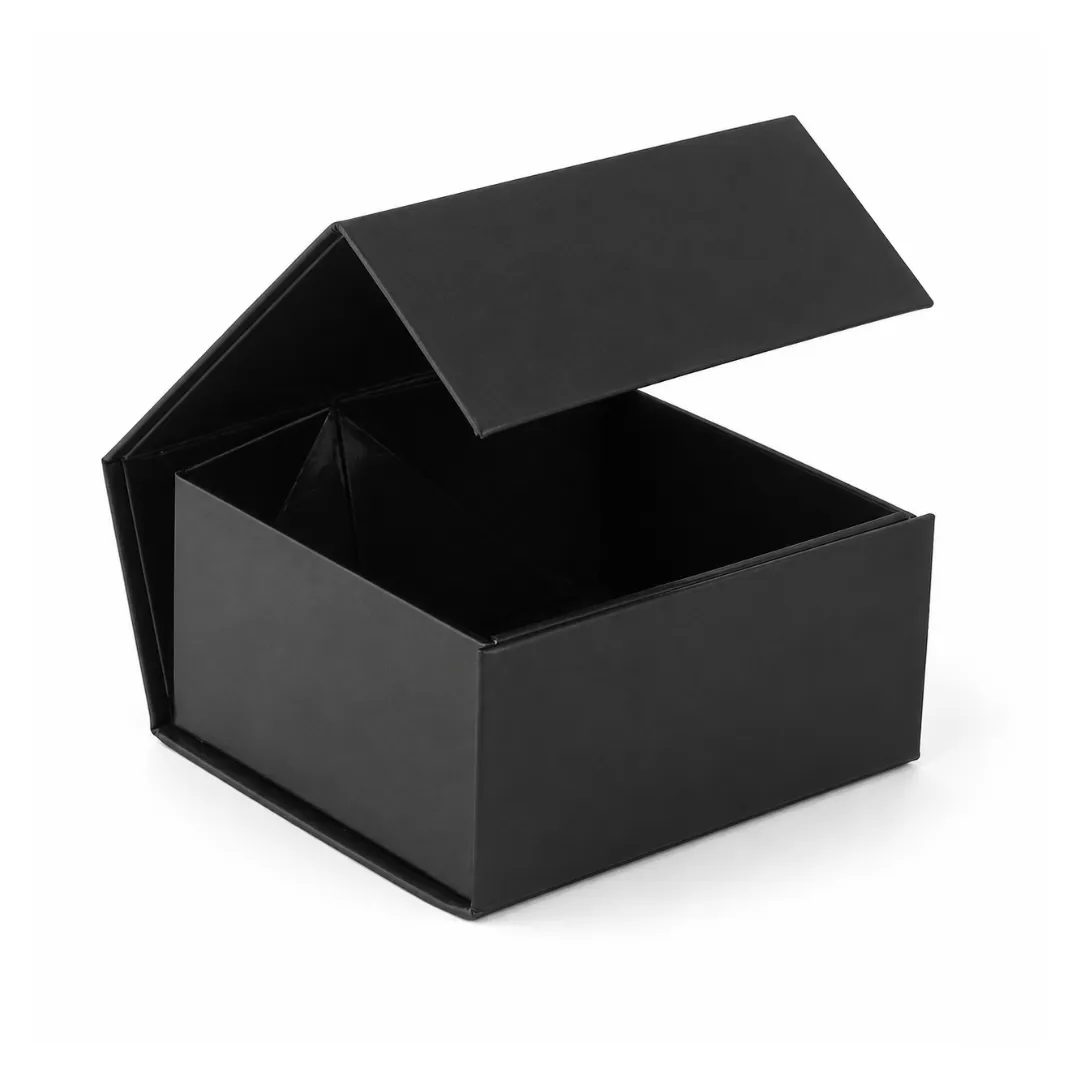
Rigid is highly protective, affordable and recyclable material. These boxes provide maximum protection.
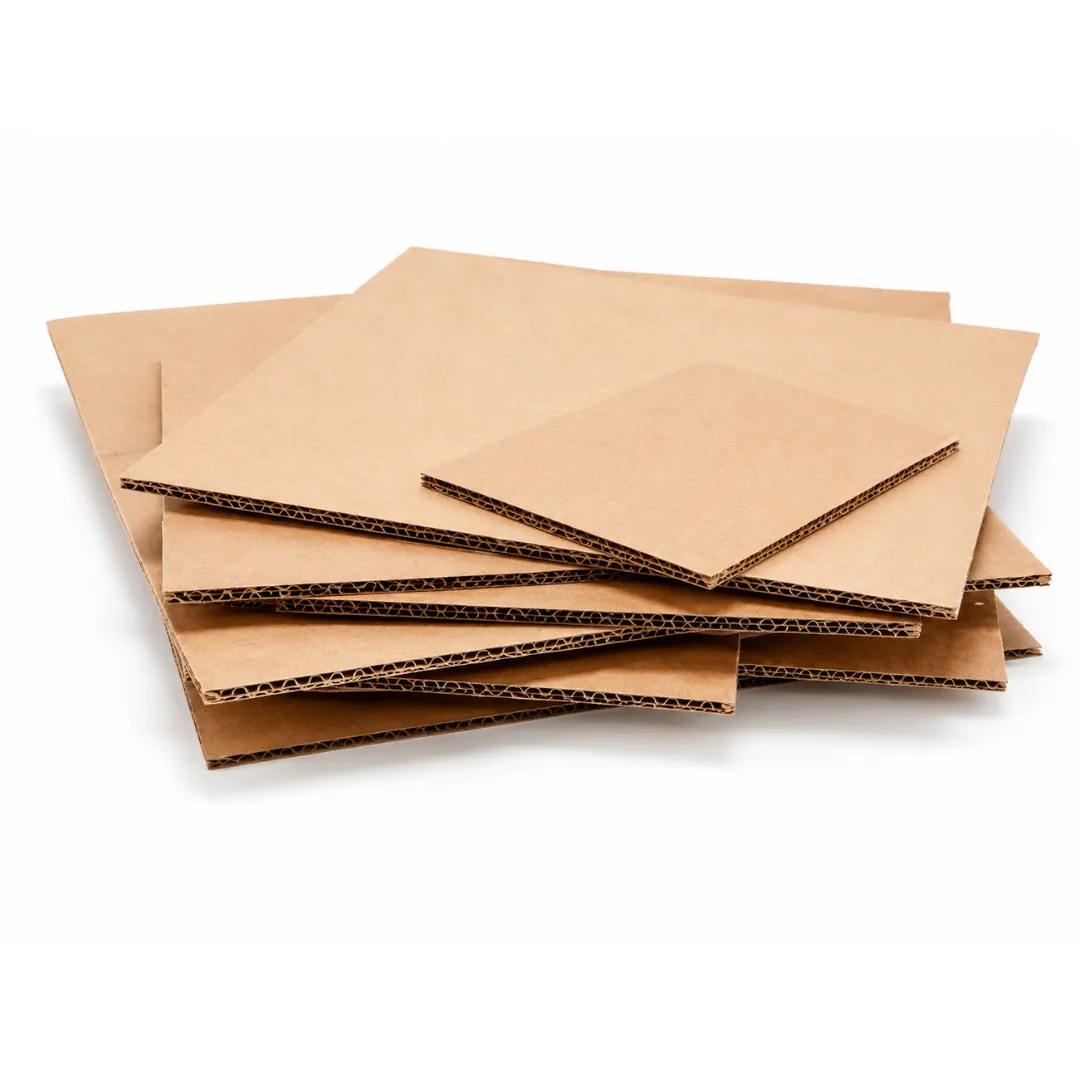
Corrugated material is easy to customize, cost effective and sustainable. It is also great for branding purposes.
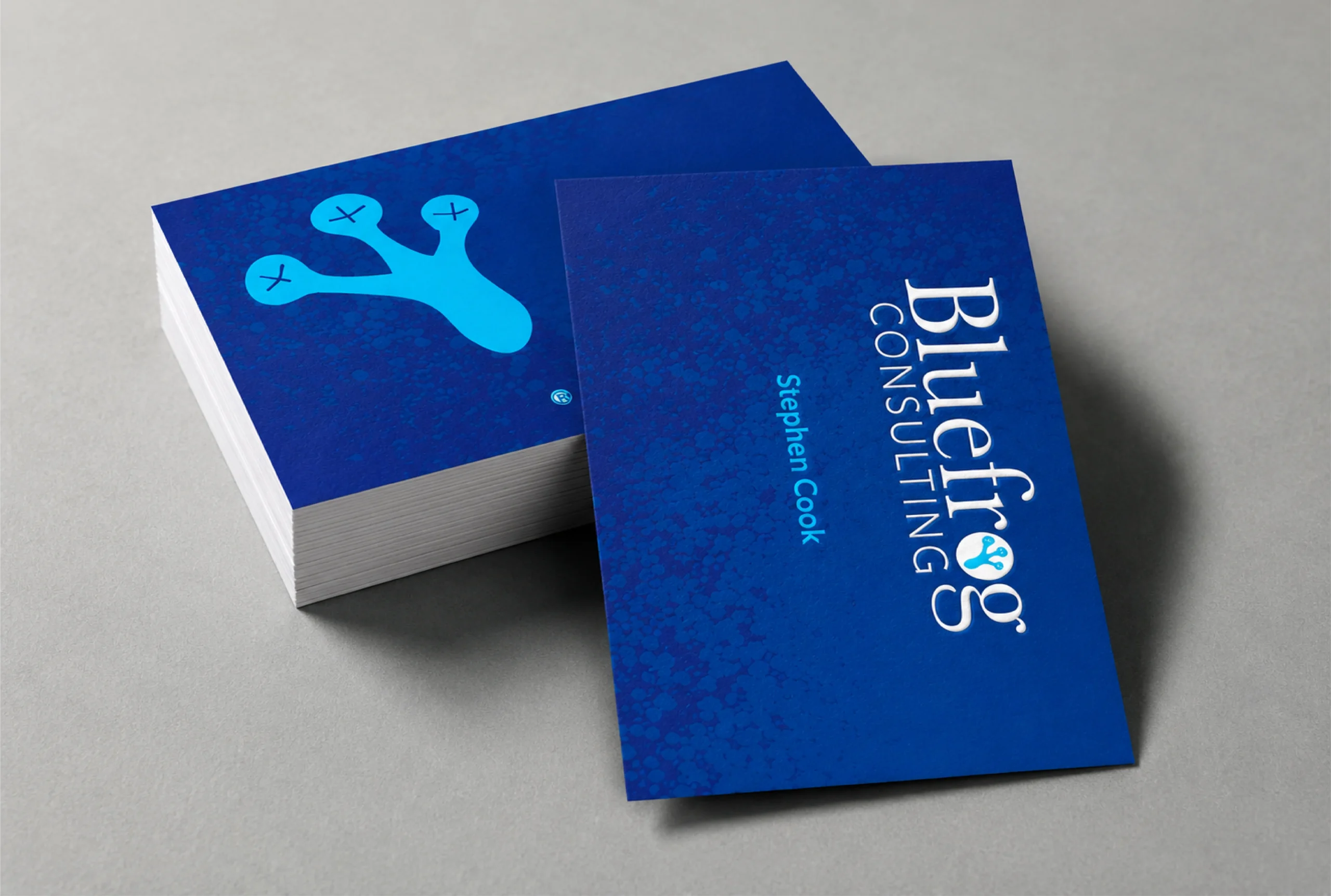
We add additional layer of protection with soft touch lamination from toner chipping.
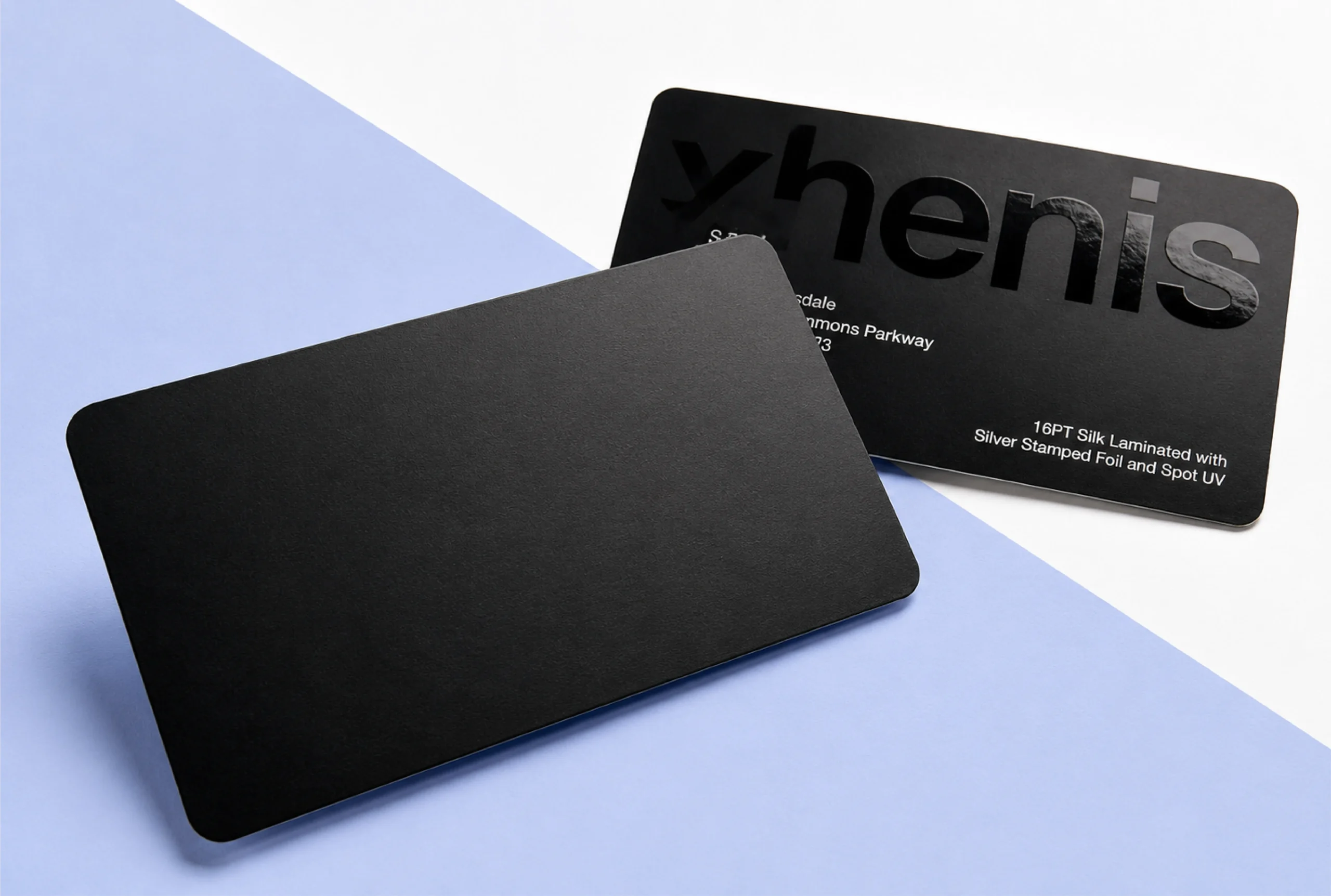
With our matte finish, fingerprints and smudges will now be less visible on the packaging.
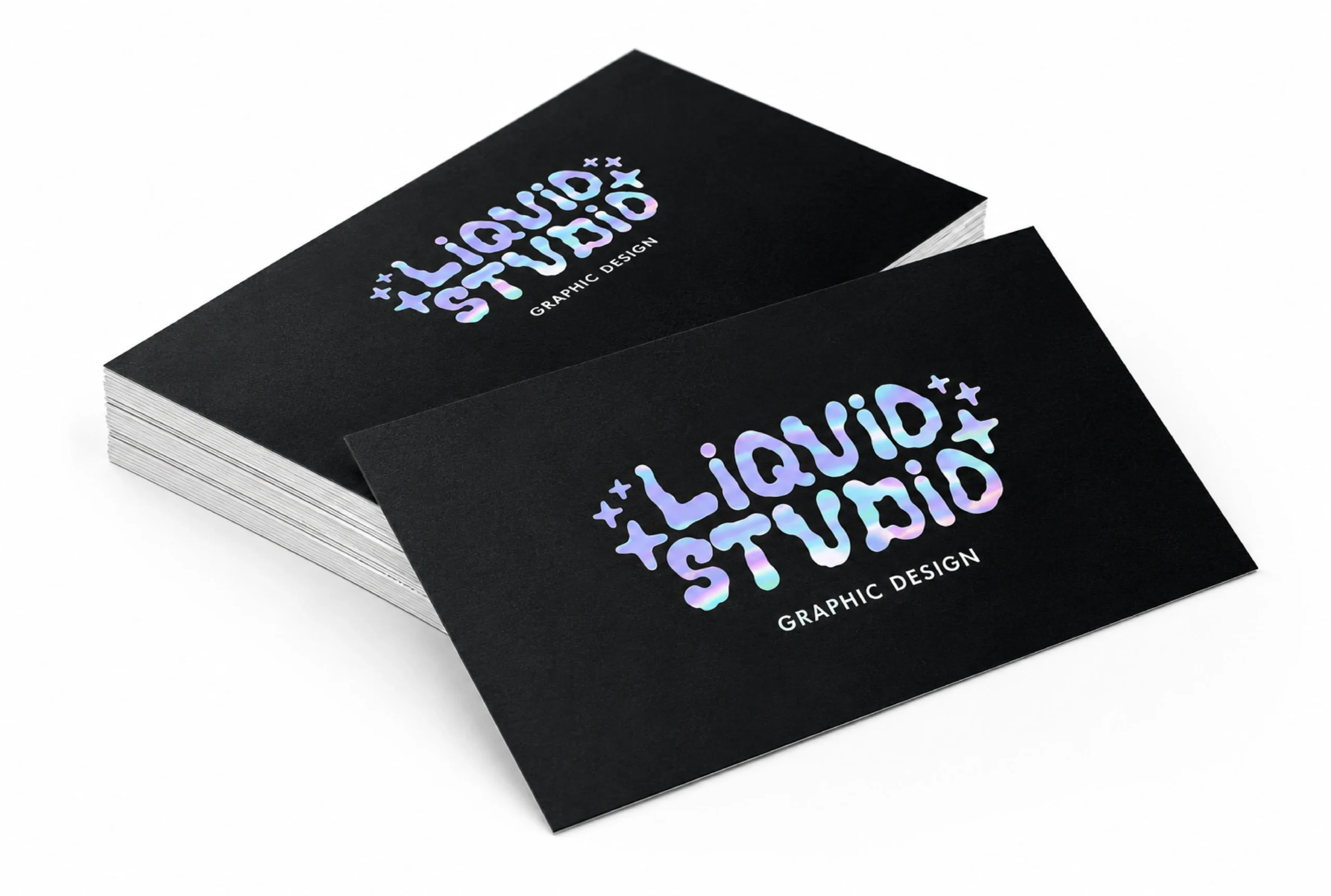
Holographic foil diffracts light and reveals the colors of the rainbow at various angles.
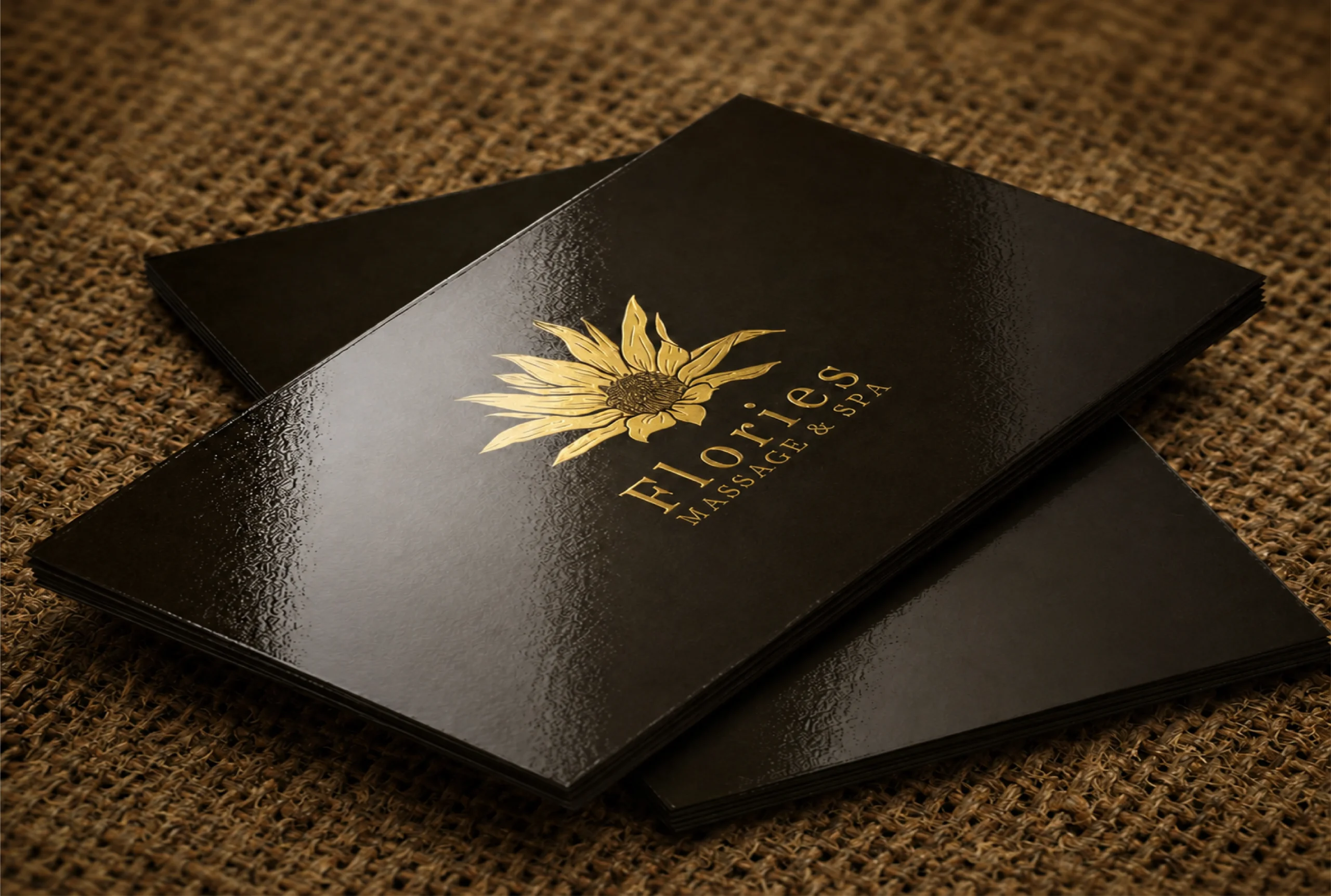
Our glossy finishing gives your packaging an extra layer of shine.
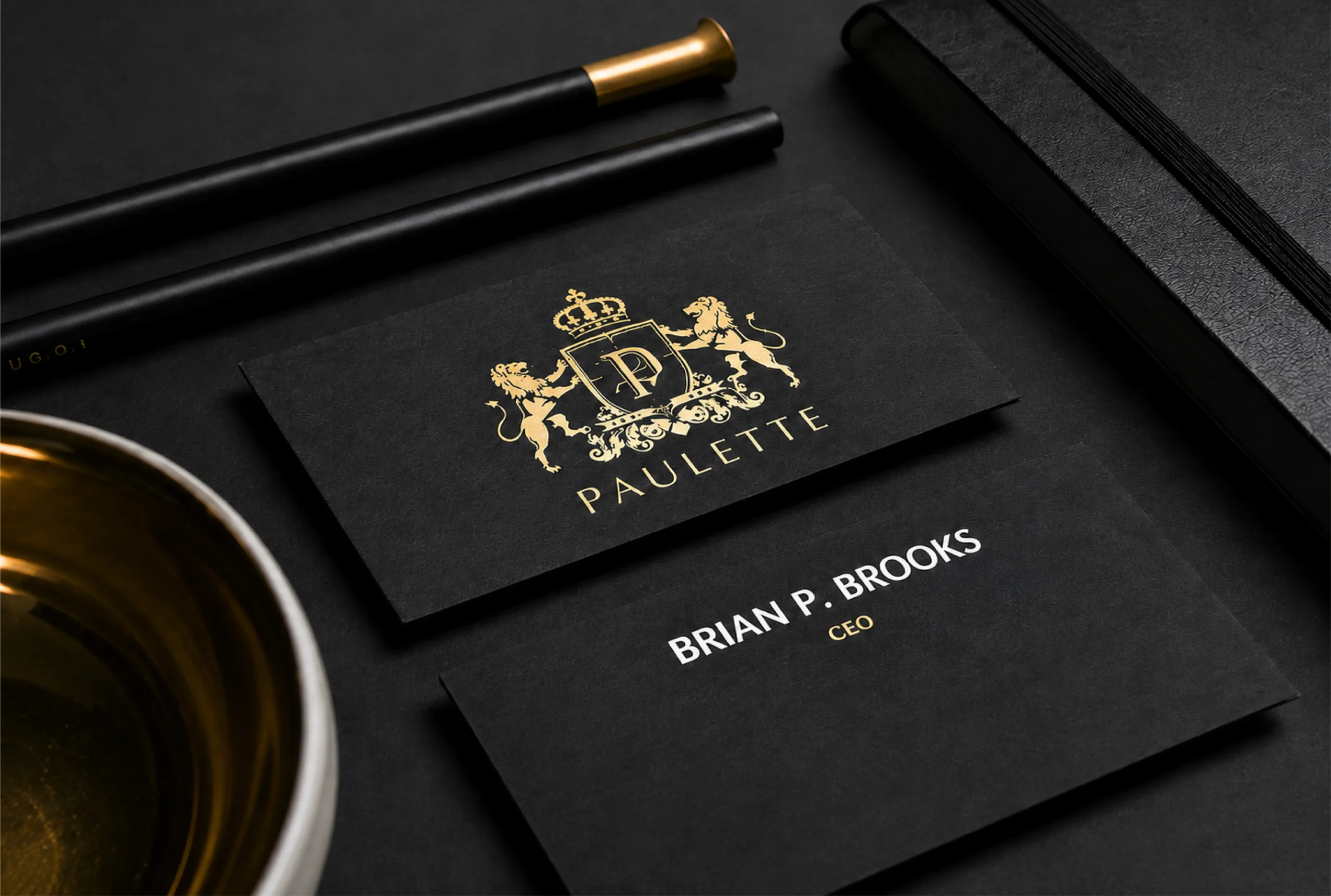
Decorate a wide range of your product packaging with our foil stamping.
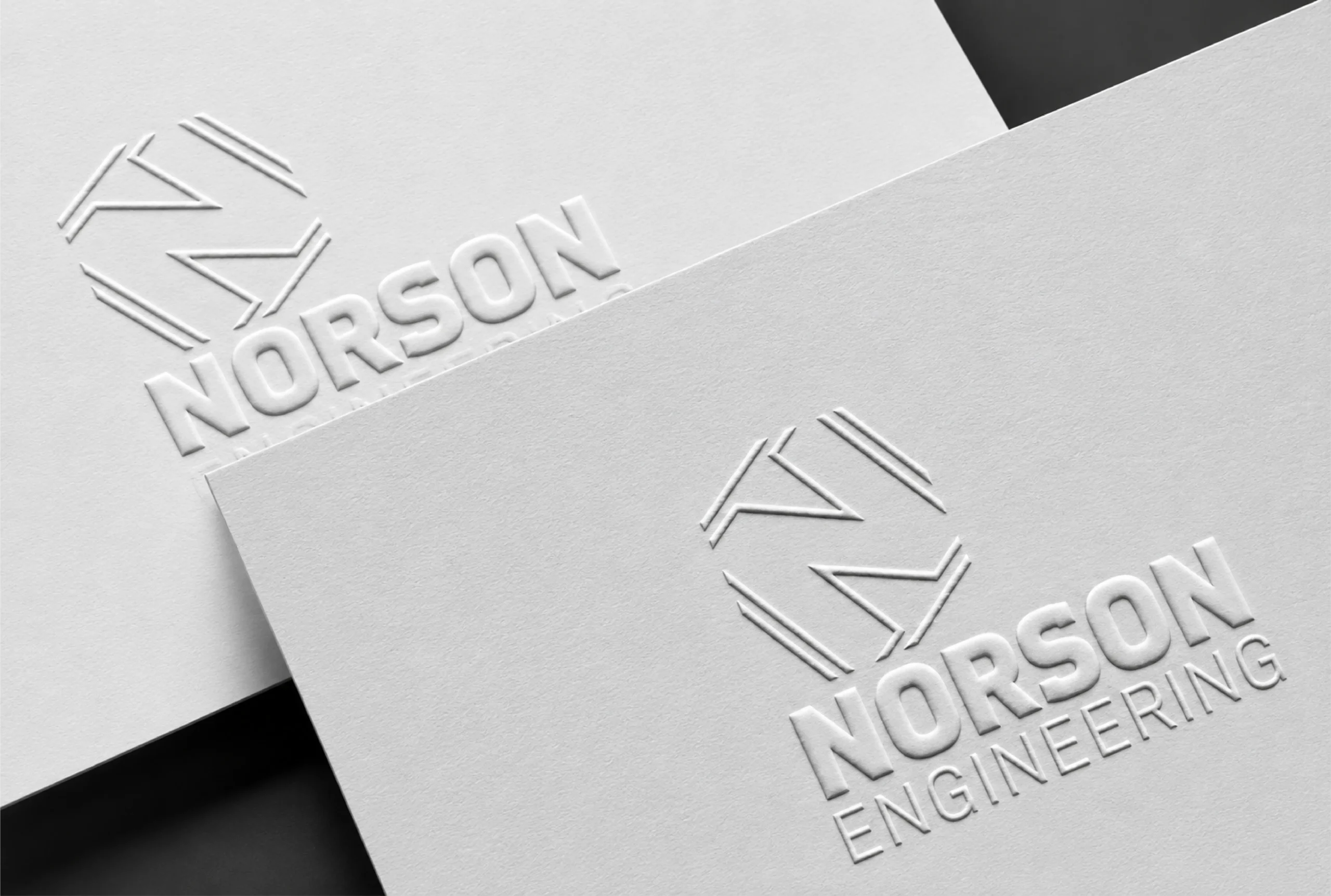
With our embossing technique, we transfer the finest details of your product on packaging.
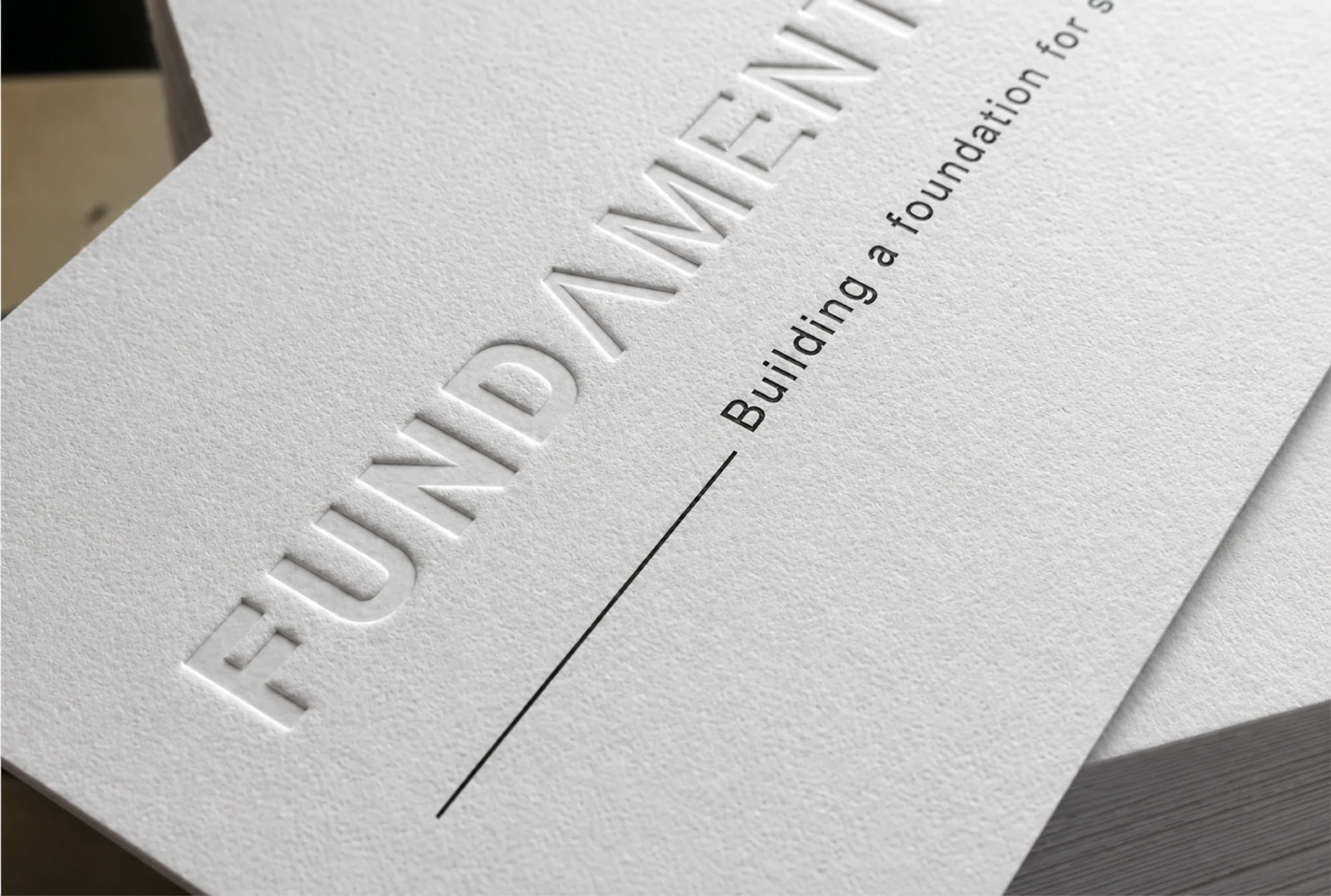
We use debossing technique to add unique graphics into your packaging.
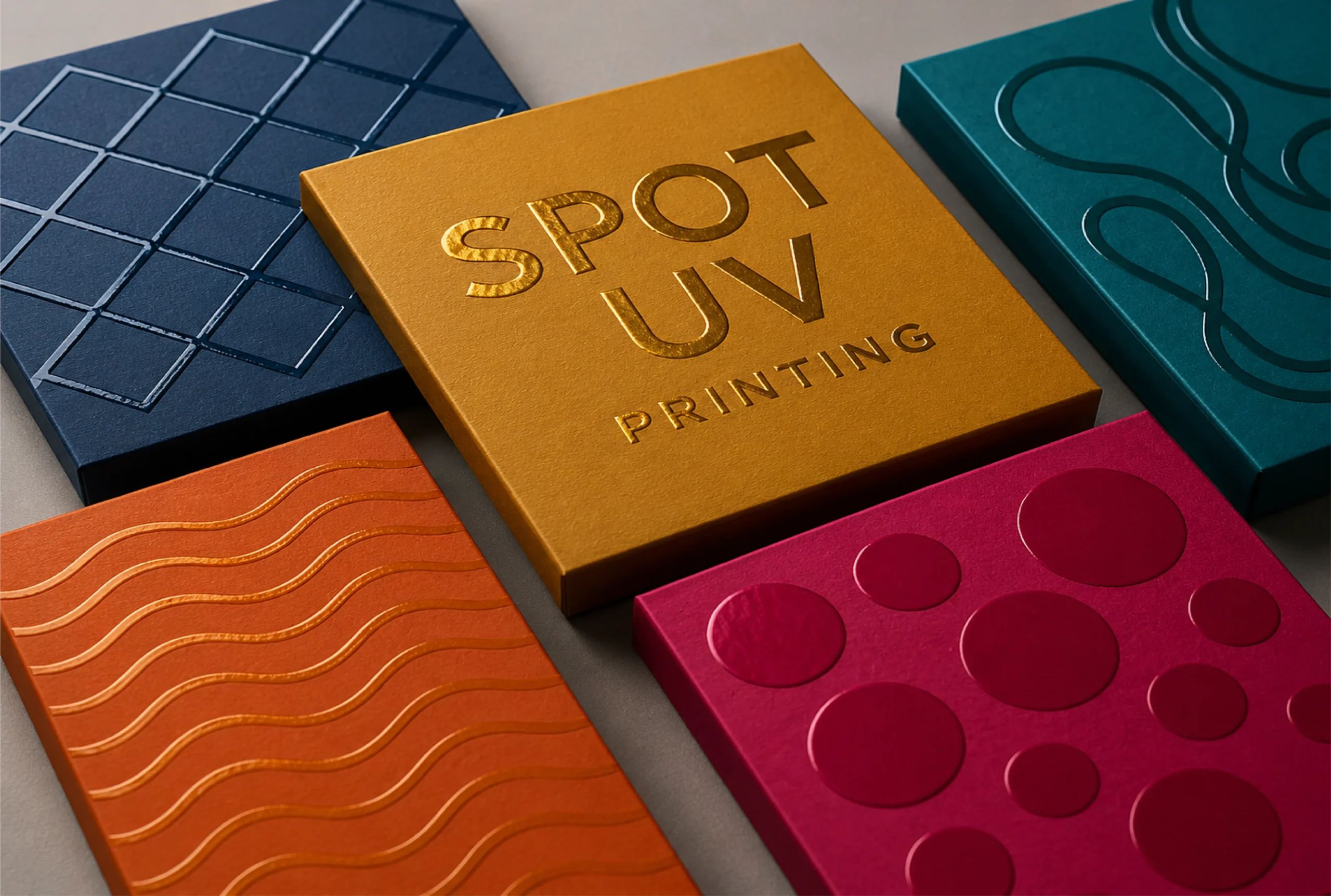
Our high-gloss UV coating gives light and shine to cure the printed material's varnish.
Still unsure? Email sales@packaginghubs.com and a packaging specialist will help.
Get your free quote today and see why Packaging Hubs is the most trusted name in U.S. custom packaging.