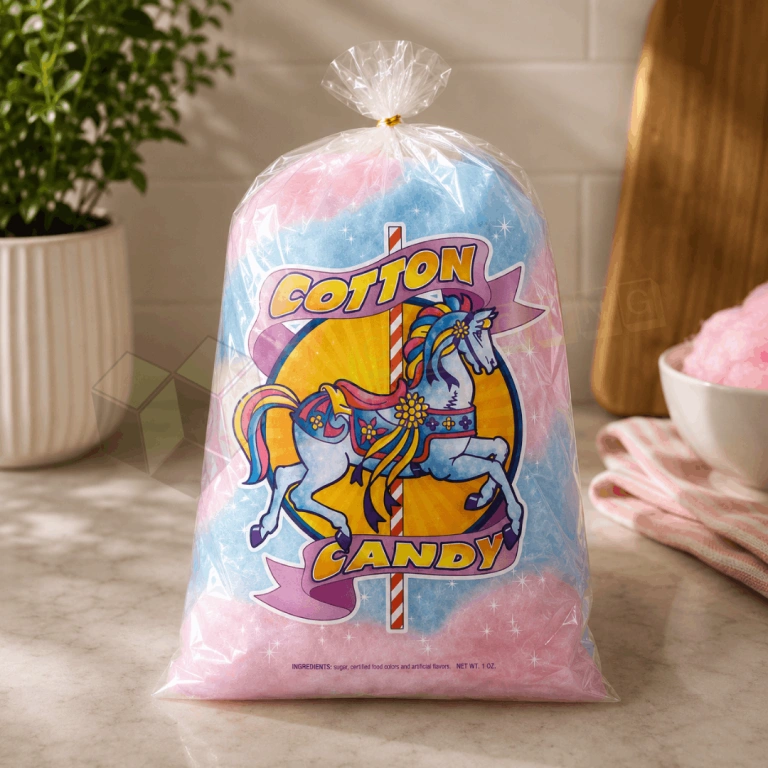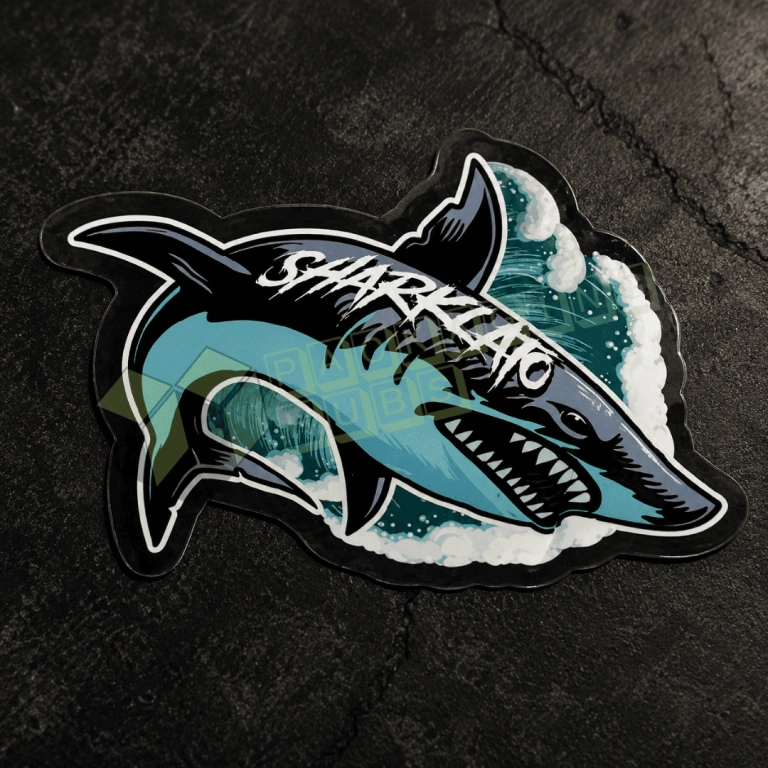
Free design support and free U.S. shipping. No minimum order.
Die Cut Mylar Bags transform standard flexible packaging into recognizable custom shapes built around your product, branding, filling process, and retail environment. Packaging Hubs offers custom dimensions, printing, films, closures, windows, zero MOQ, free design services, flexible lead-time options, and free shipping.
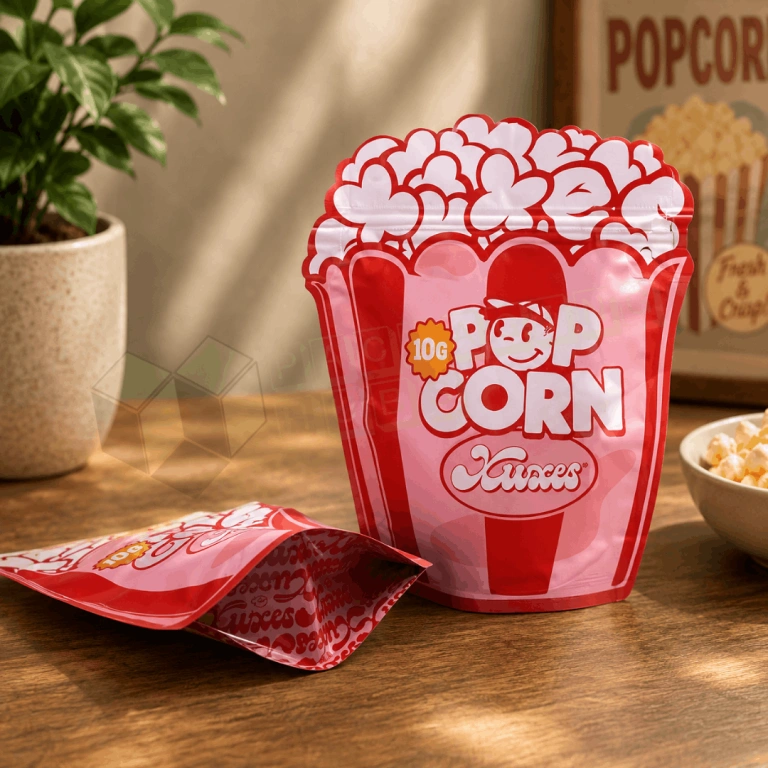
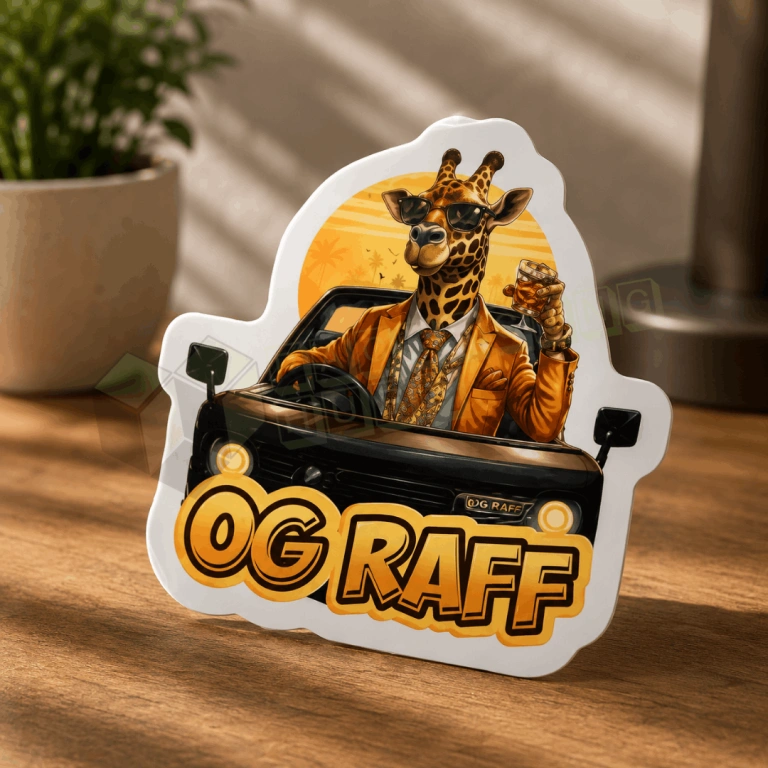
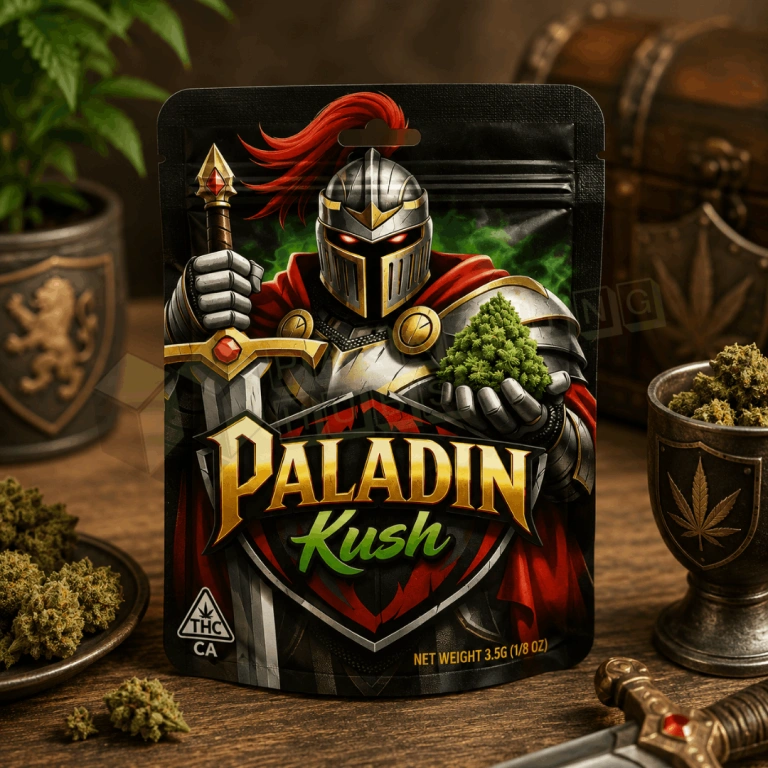
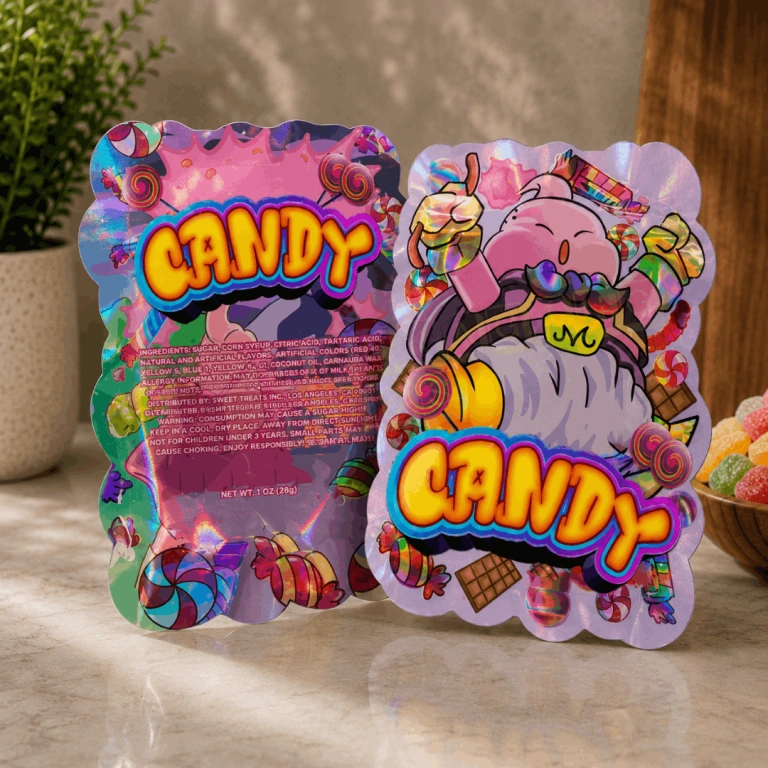
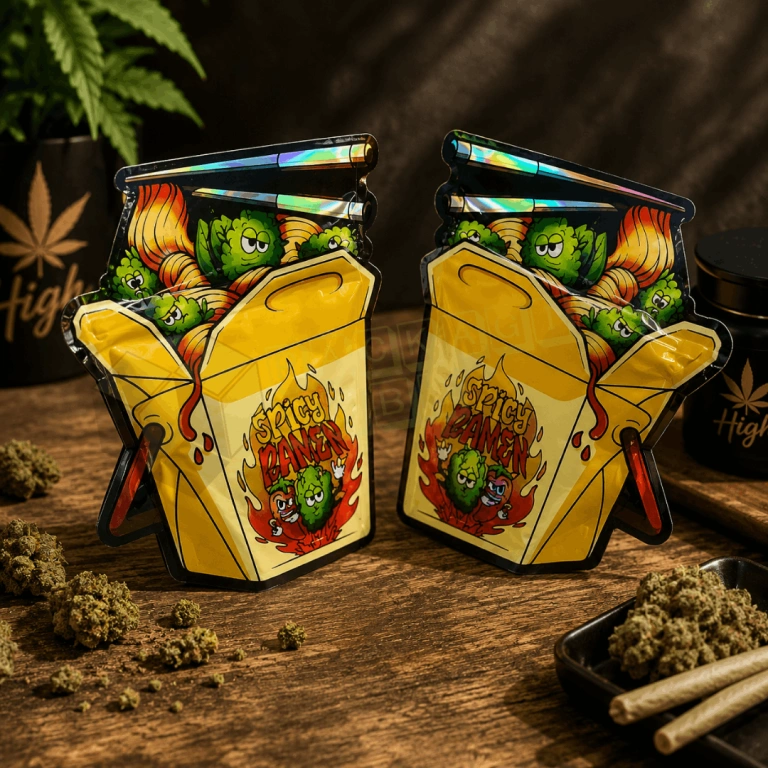
Die Cut Mylar Bags give brands the ability to change the outer silhouette of a flexible pouch rather than relying only on graphics to stand apart. A package can follow an ingredient, mascot, logo-inspired contour, product shape, seasonal theme, or another carefully engineered profile while still providing space for filling, sealing, branding, and customer opening.
Packaging Hubs develops the shape from the inside out. We first consider the physical product, required capacity, opening area, sealing geometry, storage environment, and retail method. Only then should the decorative contour be finalized. This prevents a visually exciting concept from becoming difficult to fill, unstable on display, inefficient to ship, or too small for the actual product.
Startups can test custom die cut mylar bags through our zero MOQ policy, while established retailers and wholesalers can scale an approved design into repeat production. Free design services help convert the initial idea into a manufacturable dieline, while flexible lead-time options and free shipping throughout the United States support different launch schedules and purchasing requirements.
Not every product needs shaped packaging. In some cases, a conventional rectangular stand-up or flat pouch provides better filling efficiency, more usable print space, and easier carton packing. Die cutting creates the most commercial value when the silhouette improves product identification, brand recognition, seasonal appeal, display performance, or the customer’s first impression.
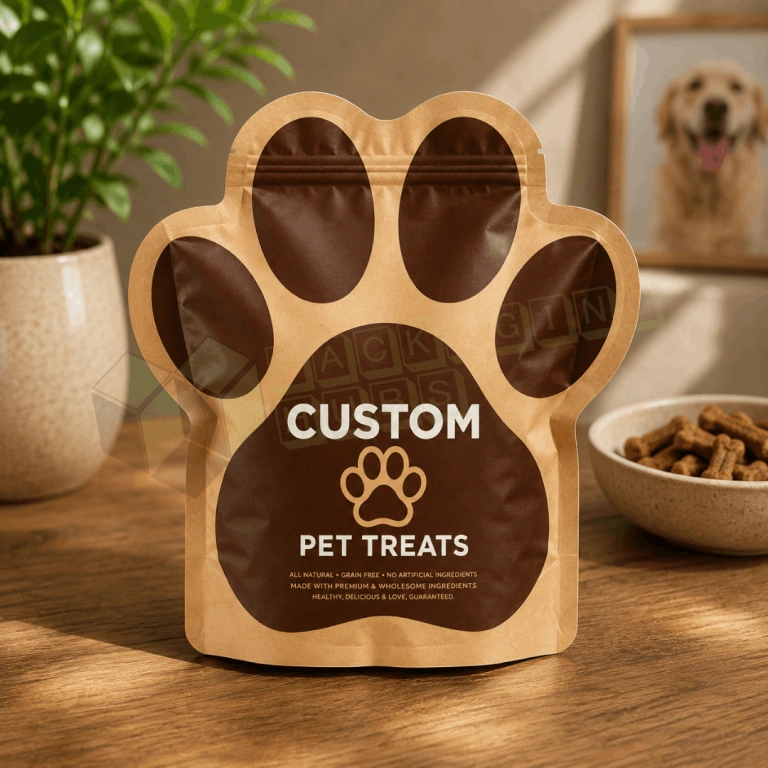
A strawberry-flavored candy could use a fruit-inspired contour. A cosmetic accessory may follow the profile of the product inside. A pet-treat brand could develop an animal-related shape, while a promotional launch might use a mascot or event-inspired outline.
However, the shape should never reduce functionality simply to look different. Narrow projections may bend. Deep inward curves may reduce usable capacity. Sharp internal transitions can create difficult seal areas, while a wide decorative top may require additional material without increasing the product cavity.
The strongest concept is therefore not necessarily the most complicated one. Packaging Hubs can simplify the outer contour while preserving the visual idea so the pouch remains practical throughout filling, shipping, display, opening, and storage.
custom die cut mylar bags have two shapes at the same time: the decorative outside shape customers see and the usable internal cavity that actually holds the product.
Those two shapes are not identical because a sealed margin runs around the perimeter. A pouch may appear wide at one section, yet part of that width can be occupied by seals rather than usable volume. Narrow arms, ears, stems, corners, or decorative projections may contain little or no product at all.
The following table explains how common contour decisions affect usable space and manufacturing.
| Shape feature | Visual advantage | Structural effect | Better design approach |
| Rounded outer curves | Creates a smooth, distinctive silhouette | Supports more consistent cutting and reduces concentrated stress | Keep enough width behind the curve for usable product volume |
| Narrow extensions | Adds recognizable character or logo details | May contain little usable volume and can bend during handling | Widen or shorten the feature while retaining its identity |
| Deep inward curves | Creates stronger shape definition | Can reduce cavity width and complicate seals | Use shallower transitions where possible |
| Wide custom top | Increases visual impact and branding area | Can increase material without adding capacity | Use the extra space for branding, opening instructions, or a hang hole |
| Irregular bottom | Creates unusual shelf presentation | Can interfere with standing stability | Preserve a functional gusset or flat supporting area |
| Asymmetrical sides | Makes the package more recognizable | Changes how the filled product distributes pressure | Test the pouch physically with the intended contents |
This is one of the biggest differences between a concept drawing and production-ready packaging. Packaging Hubs reviews both the visible contour and internal fill area so brands know what the shape will actually hold.
The production dieline should be developed before designers spend significant time placing final artwork. It identifies the cut line, seal margin, zipper position, tear notch, gusset, hang hole, safe printing area, bleed, and other functional zones.
If artwork comes first, important elements can end up inside areas that are later cut away or sealed. A logo may cross a contour, small text may move too close to an edge, or a character’s face may become distorted once the pouch fills.
Packaging Hubs provides free dieline and design assistance to help prevent those problems. The artwork can then follow the real package rather than forcing manufacturing to follow an unrealistic flat design.
A Los Angeles candy company, for example, may want a pouch shaped around an illustrated fruit. Instead of simply cutting around the illustration, we can first build the correct capacity and sealing perimeter, then adjust the illustration to fit safely within it.
A digital proof can confirm artwork placement, colors, text, and approximate appearance. However, it cannot fully demonstrate how a complex pouch will behave once filled.
Physical sampling can reveal whether the product reaches narrow sections of the cavity, whether the package leans, whether a decorative corner bends, whether the zipper is easy to grip, and whether the filled shape fits properly inside the intended shipping carton.
For more complex Die Cut Mylar Bags, a physical sample can therefore be valuable before a larger production run. Packaging Hubs can support physical sampling on request when the project requires closer structural approval.
A successful sample should be evaluated as a package, not only as a printed object. The buyer should fill it, seal it, hold it, open it, display it, and place it inside the secondary packaging that will be used commercially.
Die Cut Mylar Bags rely on the relationship between artwork and the final cut. A conventional rectangular pouch gives designers straight boundaries, while a custom contour makes small alignment differences more noticeable.
Artwork should extend beyond the final cut line through proper bleed, while critical logos, text, faces, barcodes, and product information stay within a safe zone. This allows normal production tolerances without creating visible blank edges or accidentally trimming important design elements.
Digital printing can suit shorter runs, prototypes, seasonal graphics, and multiple SKUs. Flexographic printing can work efficiently for larger repeat programs, while rotogravure may suit substantial volumes requiring detailed repeat reproduction.
CMYK works well for photographs, gradients, and multicolor illustrations. PMS or Pantone colors can help control important brand shades. RGB remains a screen-based color mode, so files created for digital display should be converted and reviewed before commercial printing.
Packaging Hubs can also plan white ink for metallic or transparent substrates so the printed color does not unintentionally change because of the film beneath it.
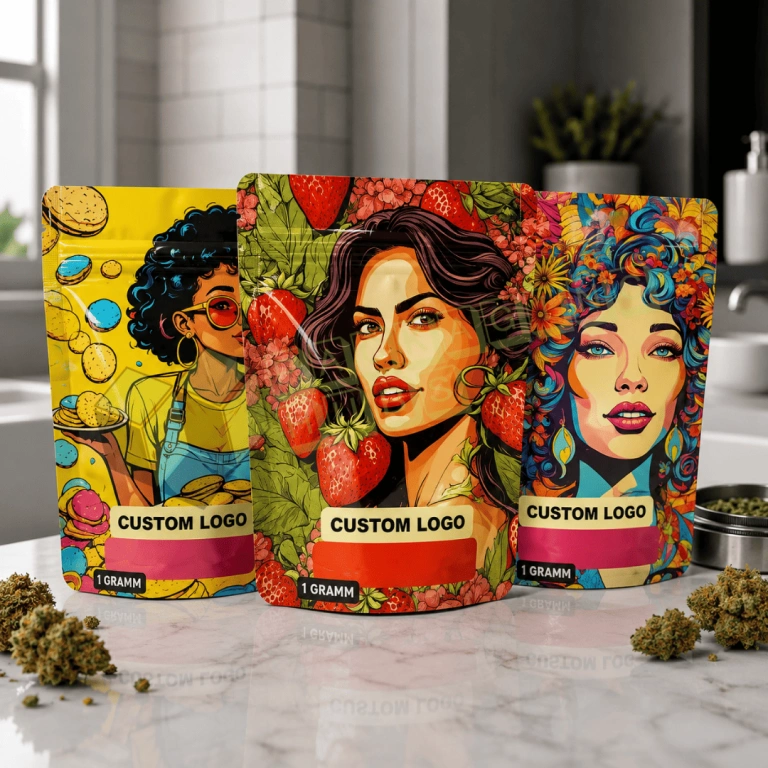
Sometimes the brand does not need an unusual outline at all. It may simply need stronger typography, illustration, colors, finishes, or a more premium visual system.
In that situation, Designer Mylar Bags can provide a better starting point. The brand can first develop its artwork language and then decide whether selected products deserve an additional custom silhouette.
This approach can be particularly useful for companies with many SKUs. Standardizing the visual system first prevents every package from becoming structurally different just for the sake of variety.
The package shape should follow the way customers encounter the product. A pouch designed for a peg display needs a properly positioned hang hole and enough material above it to support the filled weight. A freestanding package needs a stable base. Meanwhile, an eCommerce pouch needs to fit efficiently into a shipping carton without vulnerable projections.
The comparison below shows how selling channels influence shape development.
| Sales channel | Shape priority | Structural requirement | Common mistake |
| Retail shelf | Recognizable front-facing silhouette | Stable base or controlled lay-flat presentation | Creating a dramatic upper shape while ignoring standing balance |
| Peg display | Visible contour from several feet away | Balanced hang-hole position | Placing the hole according to the flat artwork instead of the filled center of gravity |
| Counter display | Compact footprint and immediate product recognition | Shape should remain readable at close range | Creating too much decorative material around a small product |
| eCommerce | Memorable unboxing without excessive shipping volume | Smooth carton fit and protected edges | Using fragile projections that bend inside parcel shipping |
| Gift or promotional kit | Strong reveal and brand storytelling | Shape must coordinate with the outer box or insert | Designing the pouch separately from the kit components |
| Wholesale distribution | Repeatable dimensions and efficient packing | Controlled case count and consistent tooling | Ignoring master-carton efficiency until after production |
The table explains why a creative shape cannot be separated from logistics. Packaging Hubs can develop the pouch around both retail appearance and distribution efficiency so a distinctive design does not unnecessarily increase shipping space or damage risk.
There is significant overlap between die cutting and custom-shaped packaging, but some projects are driven more by the overall silhouette than by the cutting method itself.
Brands starting with a character, object, ingredient, logo, or highly unconventional outline can compare Irregular Shaped Mylar Bags for a shape-led design approach.
That page focuses more specifically on developing unconventional pouch geometry, while this Die Cut Mylar Bags page focuses on how precision cutting integrates with printing, functional edges, windows, openings, and repeat manufacturing.
Keeping those intents distinct also helps buyers choose the page that most closely matches their purchasing problem.
A die-cut profile does not create barrier performance by itself. The laminate still needs to match the product’s sensitivity to moisture, oxygen, aroma, light, puncture, oils, and handling.
The outer layer generally contributes printing quality and surface durability. Intermediate layers can improve barrier or toughness, while the inner layer provides the sealing surface and, where applicable, product contact.
Different products therefore need different constructions even when they use the same outer shape.
| Material direction | Main role | Appropriate application | Die-cut consideration |
| PET or BOPET outer layer | Supports printing, stiffness, and abrasion resistance | Detailed retail graphics and branded goods | Helps the finished contour maintain visual definition |
| Metallized PET | Adds opacity and improved barrier properties | Snacks, supplements, coffee, botanicals, and aroma-sensitive products | Metallic edges can visually emphasize the custom shape |
| Aluminum foil laminate | Provides stronger barrier performance in selected applications | Sensitive dry foods and other demanding uses | Tight curves may make foil creasing more noticeable |
| PE or CPP inner sealant | Creates the heat-sealing surface | Foods, powders, retail products, and zipper pouches | Must form reliable seals around the usable perimeter |
| Nylon-reinforced laminate | Adds toughness and puncture resistance | Sharp or heavily handled products | Helps protect narrow or stressed areas |
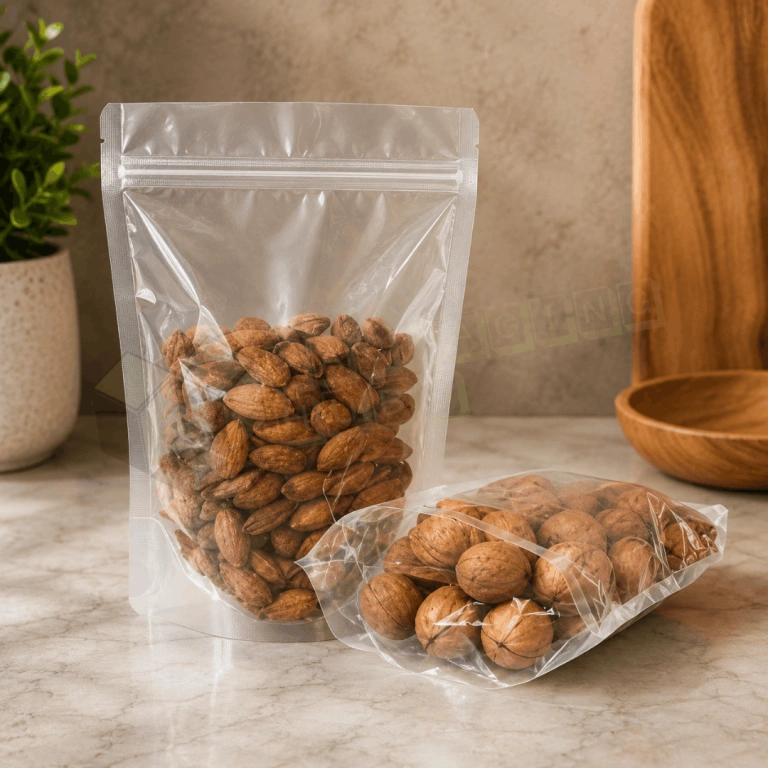
| Transparent structure | Creates full or partial product visibility | Candy, accessories, colorful products, and samples | Cut accuracy and seal appearance become more visible |
The appropriate structure depends on the complete application. Therefore, Packaging Hubs does not define quality simply by quoting one film thickness. Toughness, flexibility, sealability, barrier performance, filled weight, and contour geometry should be evaluated together.
Die Cut Mylar Bags can package snacks, candies, dried foods, powders, and other food products when the selected materials suit the intended food-contact conditions.
The FDA explains that food packaging components can be food-contact substances and that their regulatory status depends on the specific substances and intended uses involved. The agency also notes that the overall regulatory status of a food-contact material depends on its individual components. Buyers can review the FDA’s food-packaging guidance when developing a direct-food-contact application.
For that reason, Packaging Hubs avoids treating the entire finished pouch as generically “FDA approved.” The buyer should instead provide the food type, processing conditions, filling temperature, oils, storage environment, and relevant documentation requirements so the material can be selected for the intended use.
A custom silhouette can create recognition, while unusual illustrations, bold characters, metallic effects, and highly distinctive themes create another layer of visual identity.
Brands developing that type of packaging can explore Custom Exotic Mylar Bags for a more graphics-driven direction.
The two approaches can also work together. A novelty product can use an unconventional illustration inside a controlled die-cut silhouette. However, enough visual hierarchy should remain for the product name, logo, quantity, instructions, barcode, and other required information.
Packaging Hubs can simplify overly complex concepts so the final bag retains its personality without becoming difficult to manufacture or read.
A standard resealable zipper does not become child resistant simply because the pouch has an unusual shape. Likewise, changing the dimensions or contour of a package that relies on a tested child-resistant configuration may require additional review.
The U.S. Consumer Product Safety Commission explains that child-resistant or “special” packaging must be significantly difficult for children under five to open while remaining usable by normal adults. CPSC also states that it does not approve or endorse individual packaging products or suppliers. Buyers working with regulated substances should review the CPSC Guide to Special Packaging.
Therefore, a decorative contour should never be assumed to preserve a previously tested safety configuration. The responsible brand should confirm its regulatory and testing obligations before modifying dimensions, closure placement, opening instructions, or structure.
Shape can help identify a product category before customers read the label. Mushroom-inspired contours, botanical shapes, ingredient silhouettes, and themed windows can all support recognition when used carefully.
Brands working specifically with dried mushrooms, freeze-dried pieces, mushroom powders, coffee blends, or supplement products can review Custom Mushroom Mylar Bags for a product-focused packaging direction.
The advantage of keeping the product-specific page separate is that structural decisions can follow the contents. Fresh mushrooms, dried mushrooms, powdered products, and freeze-dried pieces do not have identical storage requirements, even when the branding uses the same mushroom-inspired design.
The cost of custom die cut mylar bags depends on more than the overall dimensions. Shape complexity can affect tooling, material usage, cutting efficiency, production speed, waste, printing registration, and sampling requirements. The chosen laminate, zipper, window, number of artwork versions, printing method, order quantity, and finishing options also influence the final quotation.
An intricate silhouette is not automatically better value than a simplified one. Removing a decorative projection that adds no capacity or meaningful brand recognition may reduce material use and make the package easier to ship.
The next comparison explains the commercial effect of common specification choices.
| Cost factor | Why it matters | Lower-complexity direction | Higher-complexity direction |
| Shape geometry | Influences tooling, cutting efficiency, and material yield | Smooth curves and simple silhouettes | Multiple projections, deep curves, and fine details |
| Film structure | Determines barrier, strength, and seal performance | Basic application-matched laminate | Specialty barrier or reinforced laminate |
| Printing | Affects setup and per-unit economics | Limited artwork or short-run digital | Large-area specialty printing or high-volume processes |
| Number of SKUs | Changes artwork setup and version control | One shared design | Multiple flavors, characters, or regional designs |
| Windows and closures | Add manufacturing steps and components | Simple top heat seal | Custom windows, specialized zippers, and multiple features |
| Sampling | Adds development work before commercial production | Digital proof | Several physical prototypes and fill tests |
This table gives buyers a more useful way to think about pricing than simply asking whether shaped pouches “cost more.” Packaging Hubs can adjust the design around the brand’s priorities so money is spent on features customers can see or functions the product actually needs.
One of the largest risks with unique packaging is scaling an idea before confirming that it works. A package can look impressive in artwork and still be awkward to fill or inefficient to ship.
Packaging Hubs offers zero MOQ, allowing brands to approach the development process more carefully. A startup can validate a new concept, while an established company can test a seasonal or limited-edition silhouette before committing to a larger rollout.
This is especially useful when several shapes are competing for approval. Instead of choosing only from digital renders, buyers can compare the commercial advantages of each concept and then scale the strongest option.
Get a Free Quote when you have a logo, sketch, photograph, existing pouch, or basic shape idea. Our team can turn that reference into a practical dieline and explain which parts should be adjusted before production.
A custom shape can sometimes remove unnecessary material from parts of a package, but that does not automatically make the resulting pouch sustainable, recyclable, biodegradable, or compostable.
Flexible packaging may combine films, inks, adhesives, coatings, zippers, and barrier layers. The Federal Trade Commission’s Green Guides are intended to help marketers avoid misleading environmental claims and explain that environmental claims should be substantiated and appropriately qualified. Buyers can review the FTC Green Guides before placing environmental statements on a package.
Packaging Hubs can discuss alternative structures or reduced-material directions when technically suitable. However, environmental marketing should follow documented material composition and real disposal or recovery options rather than the appearance of the pouch.
Die Cut Mylar Bags become easier to manage when the first design establishes rules that future SKUs can reuse. A brand may keep the same zipper location, safe zones, logo position, seal width, and general manufacturing approach while changing colors, artwork, product names, or selected contour details.
This can help a New York confectionery company develop multiple flavor-inspired shapes or allow a Texas pet brand to create several characters without rebuilding the entire production logic for every product.
Packaging Hubs can also standardize secondary carton dimensions where possible. Two different pouch silhouettes may still fit one master shipping carton, helping buyers maintain creative variety without multiplying logistics unnecessarily.
For wholesale programs, repeat production should follow the approved dieline, film, closure, artwork version, and finish so products from different runs remain commercially consistent.
Die Cut Mylar Bags can be developed for candies, snacks, supplements, cosmetics, pet treats, botanical products, accessories, promotional products, gift programs, and other suitable retail applications. Packaging Hubs supports flat pouches, shaped stand-up formats, custom windows, resealable closures, tear notches, hang holes, opaque or transparent structures, and professionally printed designs.
Our zero MOQ policy supports concept testing and small launches, while scalable production supports wholesalers, distributors, retailers, and established B2B programs. Free design services help prepare the dieline and artwork, flexible lead-time options accommodate different schedules, and free shipping throughout the United States makes landed packaging costs easier to plan.
To begin, send the product type, filled weight, approximate product dimensions, desired shape, quantity, closure, material goals, artwork or reference image, finish, selling channel, and target delivery date.
Order Now to begin the shape-development process, or Get a Free Quote to compare dielines, films, printing methods, closures, windows, finishes, and production options.
| Box Style | Die Cut Mylar Bags |
| Dimension (L + W + H) | All Custom Sizes & Shapes |
| Quantities | No Minimum Order Required |
| Stock | Material, MOPP/VMPET/PE/BOPP/ALU, THICKNESS: 100/120/150 microns/sid |
| Printing | Digital/ Gravure |
| Finishing | Gloss/ Matt/ Spot uv |
| Included Options | Die Cutting, Gluing, Scored, Perforation |
| Additional Options | Eco-Friendly, Recycled Boxes, Biodegradable |
| Proof | Flat View, 3D Mock-up, Physical Sampling (On request) |
| Turnaround | 4 – 8 Business Days, RUSH |
| Shipping | FLAT |
Pick the stock and the finish that suit your product. We’ll confirm both on your proof before anything is printed.
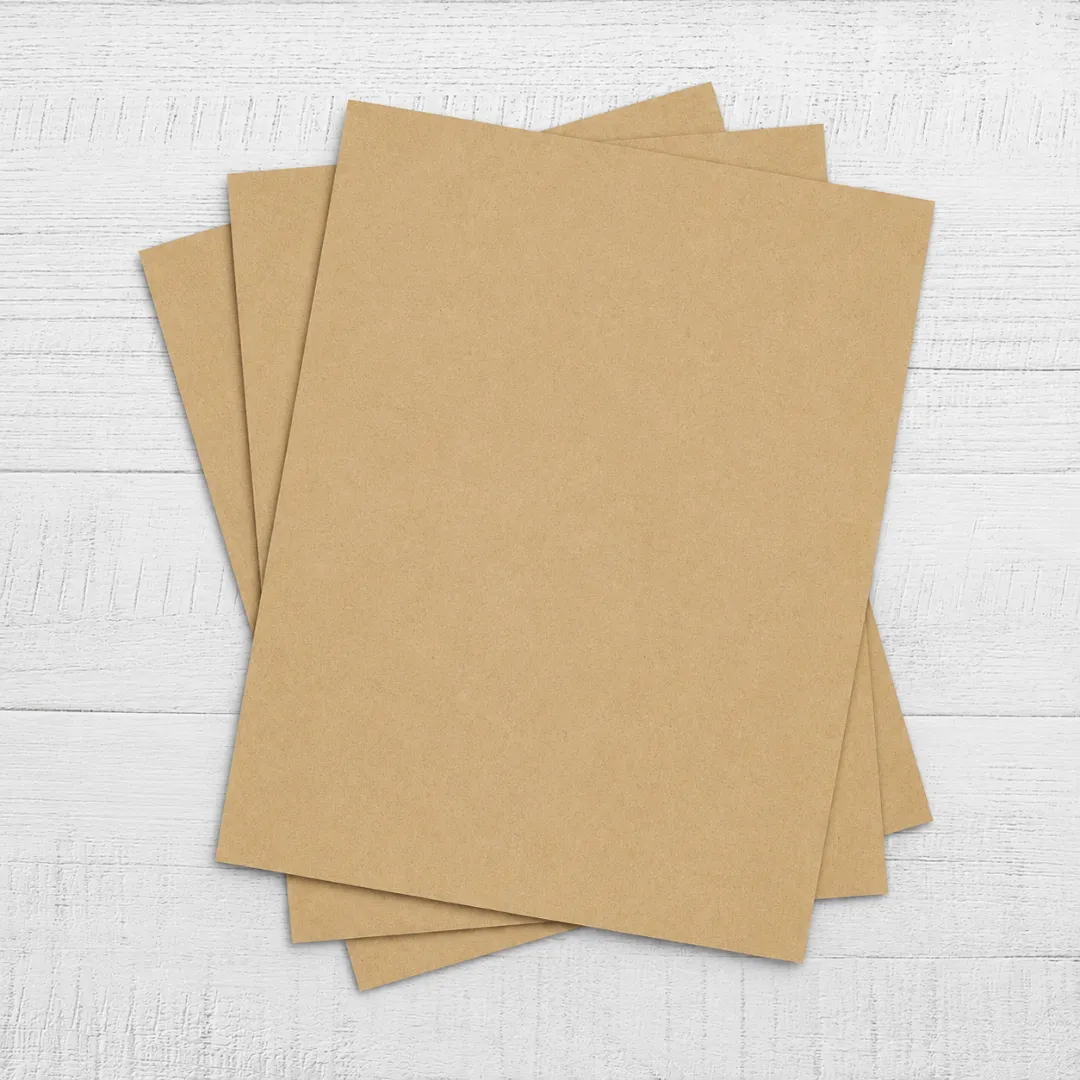
Kraft paper is a strong, durable and reliable material that is widely used across many different industries.
We use cardboard material with the least environmental impact and minimizes waste generation.
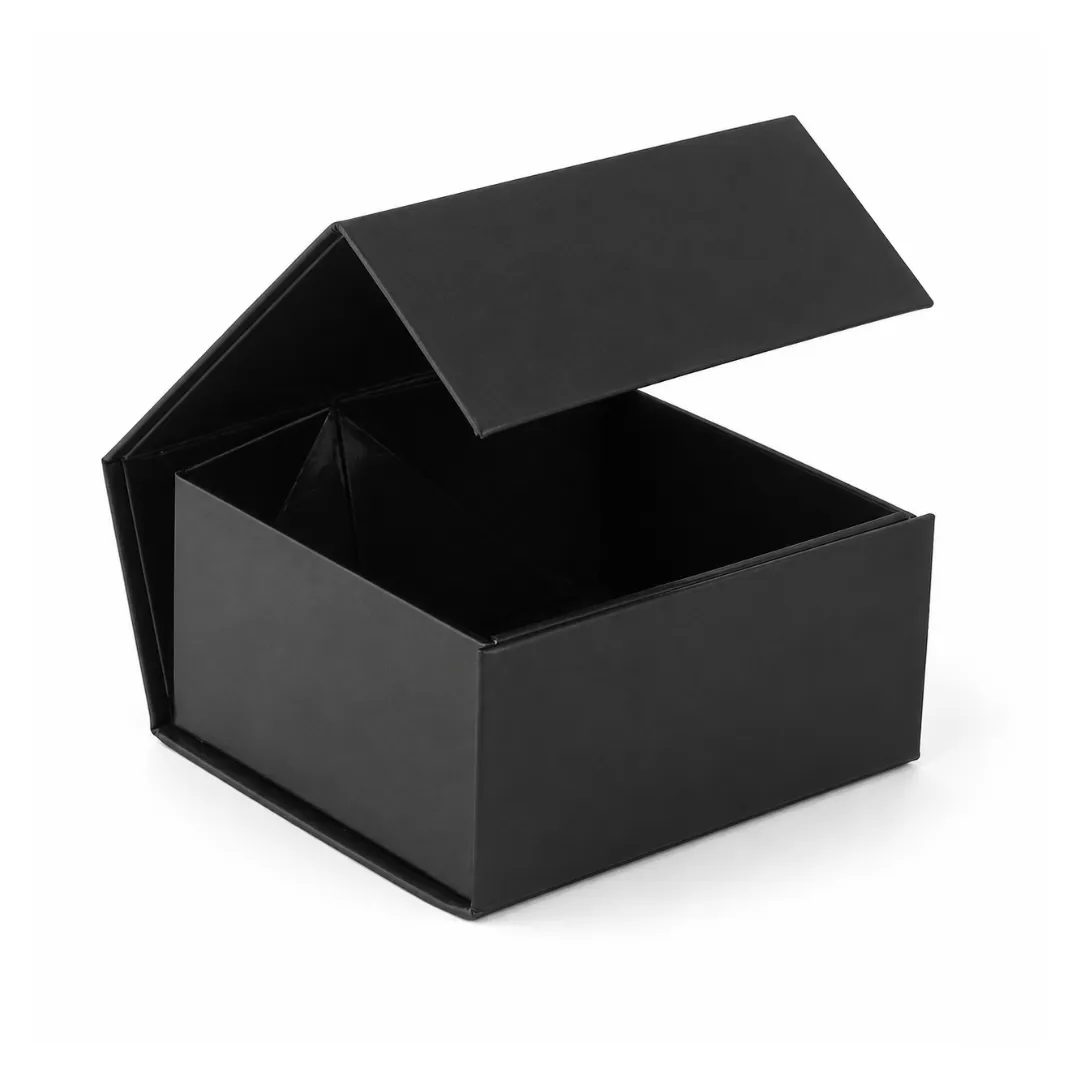
Rigid is highly protective, affordable and recyclable material. These boxes provide maximum protection.
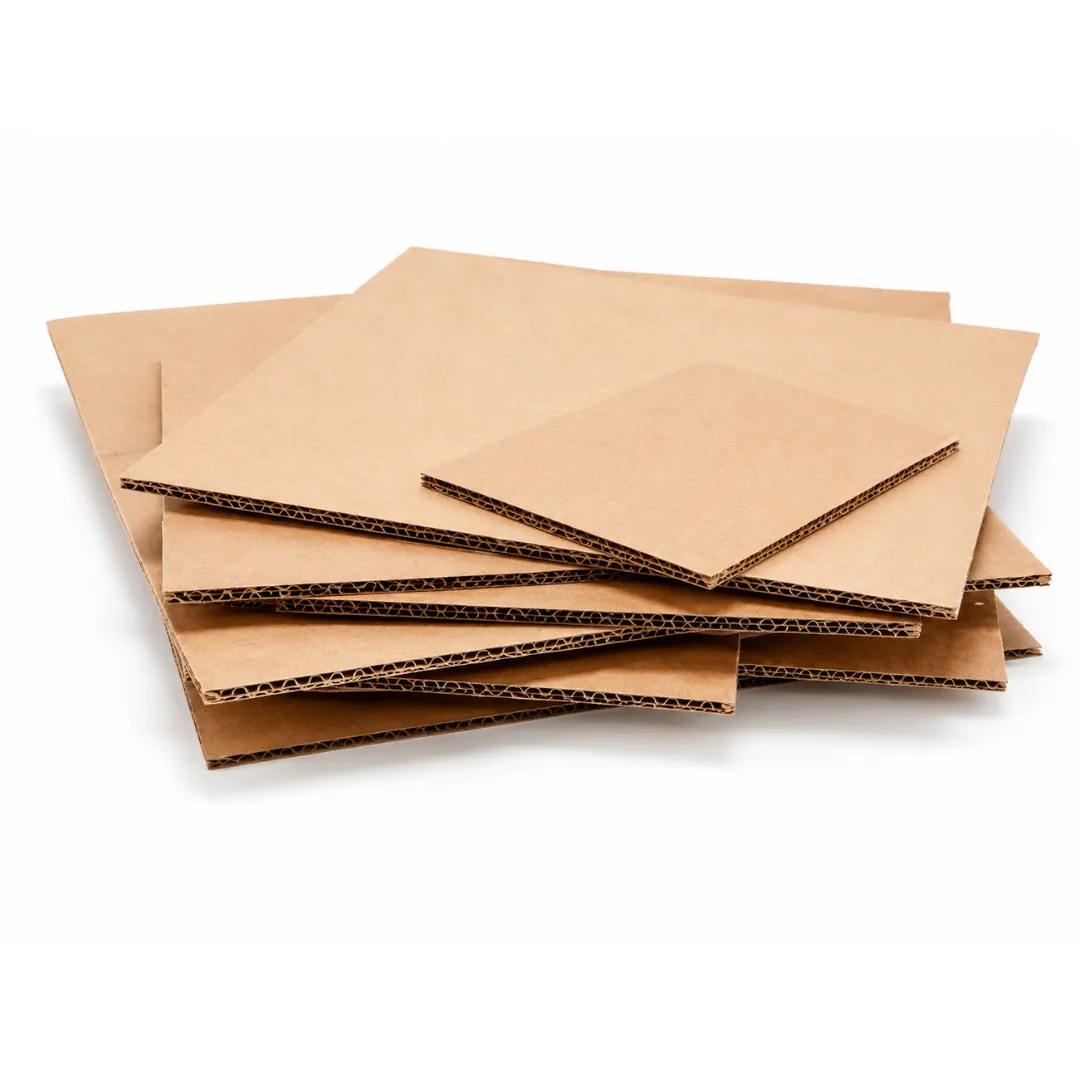
Corrugated material is easy to customize, cost effective and sustainable. It is also great for branding purposes.
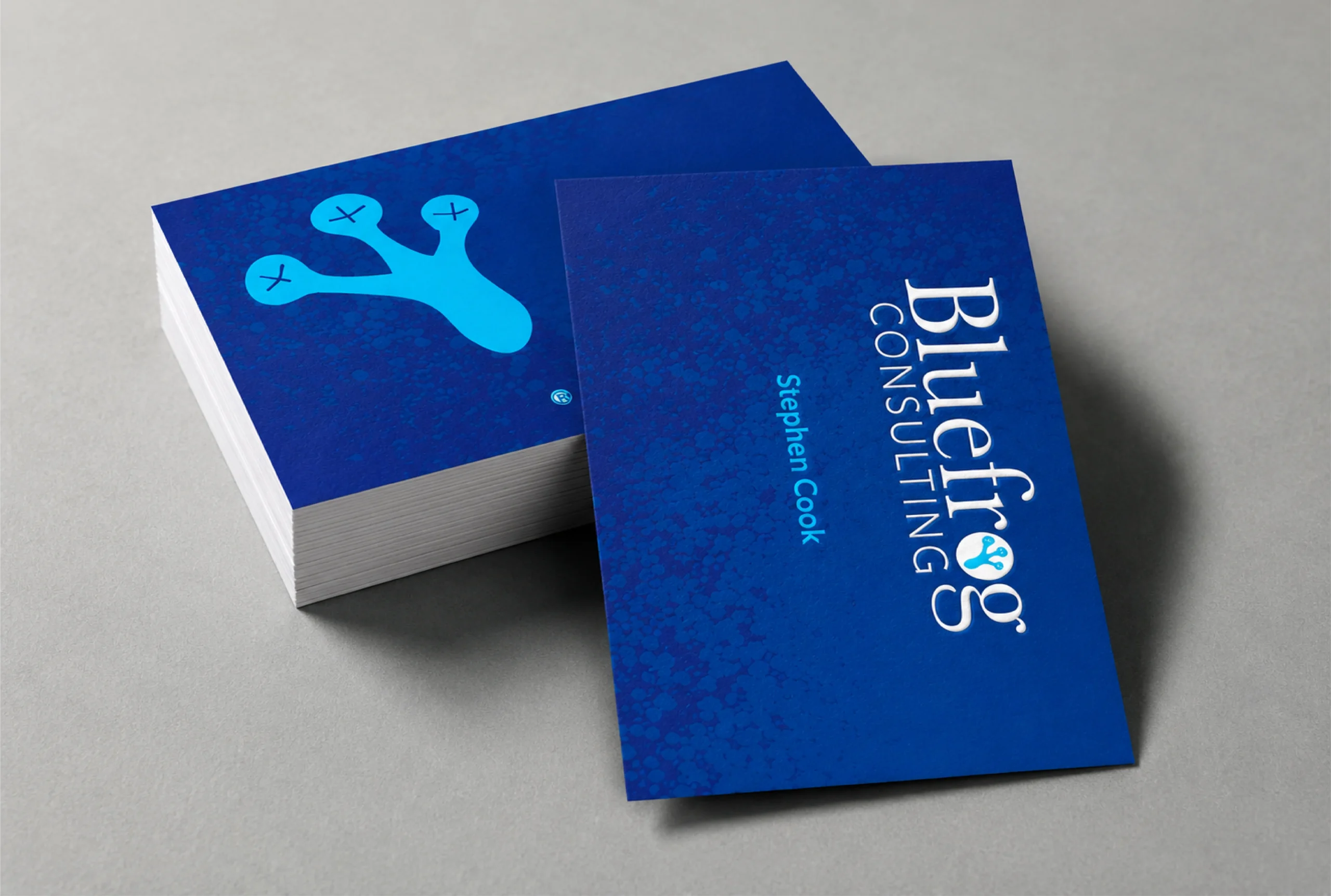
We add additional layer of protection with soft touch lamination from toner chipping.
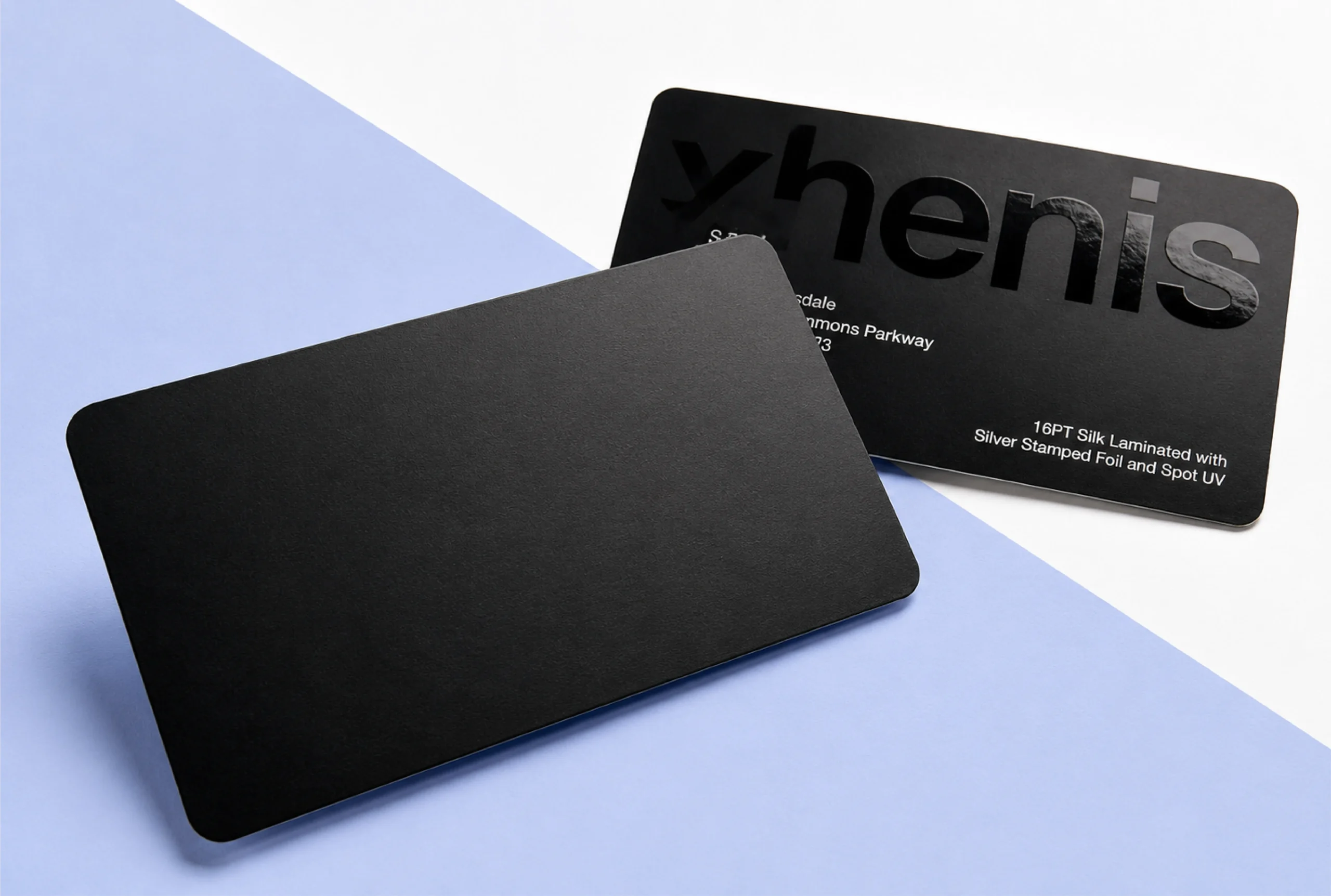
With our matte finish, fingerprints and smudges will now be less visible on the packaging.
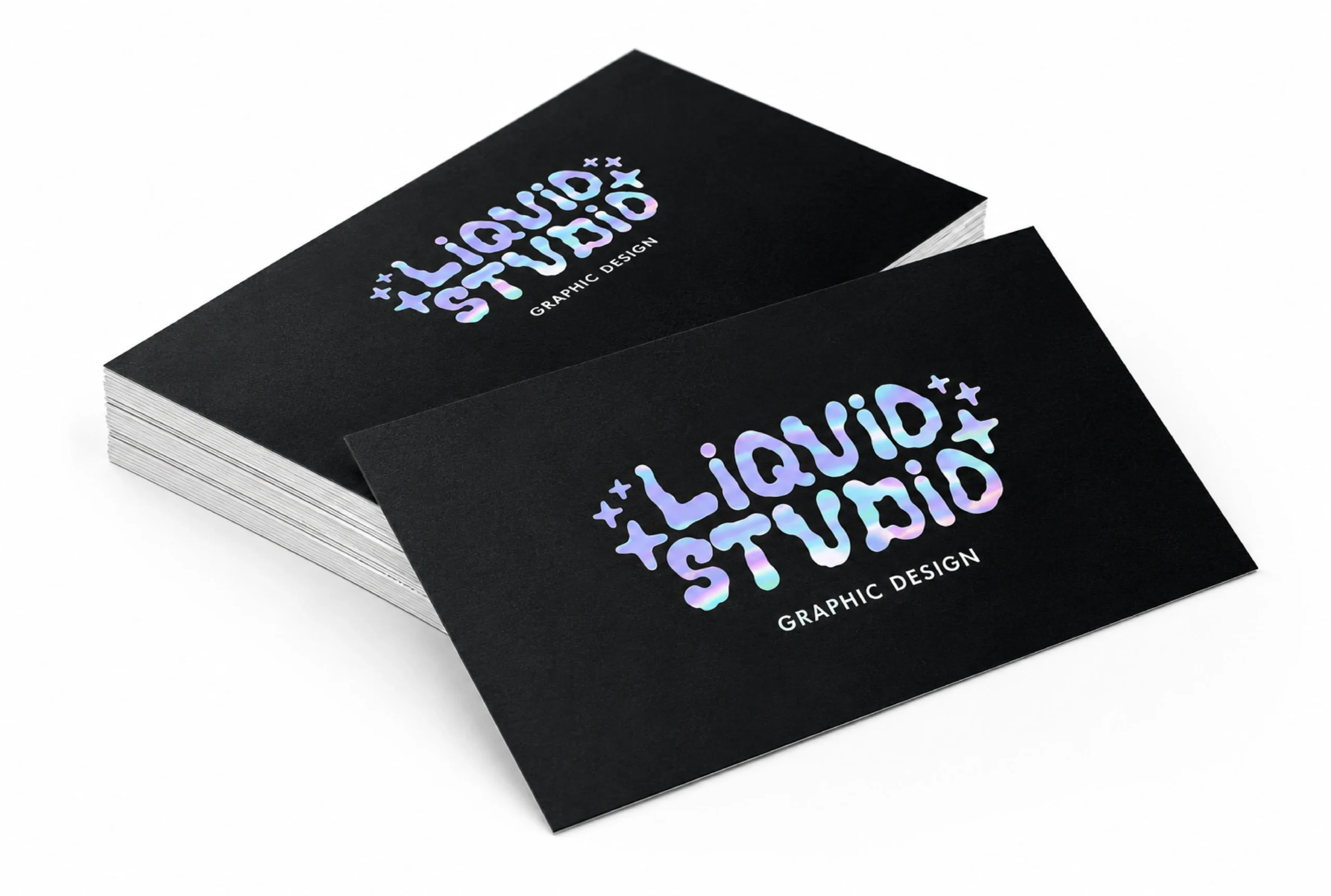
Holographic foil diffracts light and reveals the colors of the rainbow at various angles.
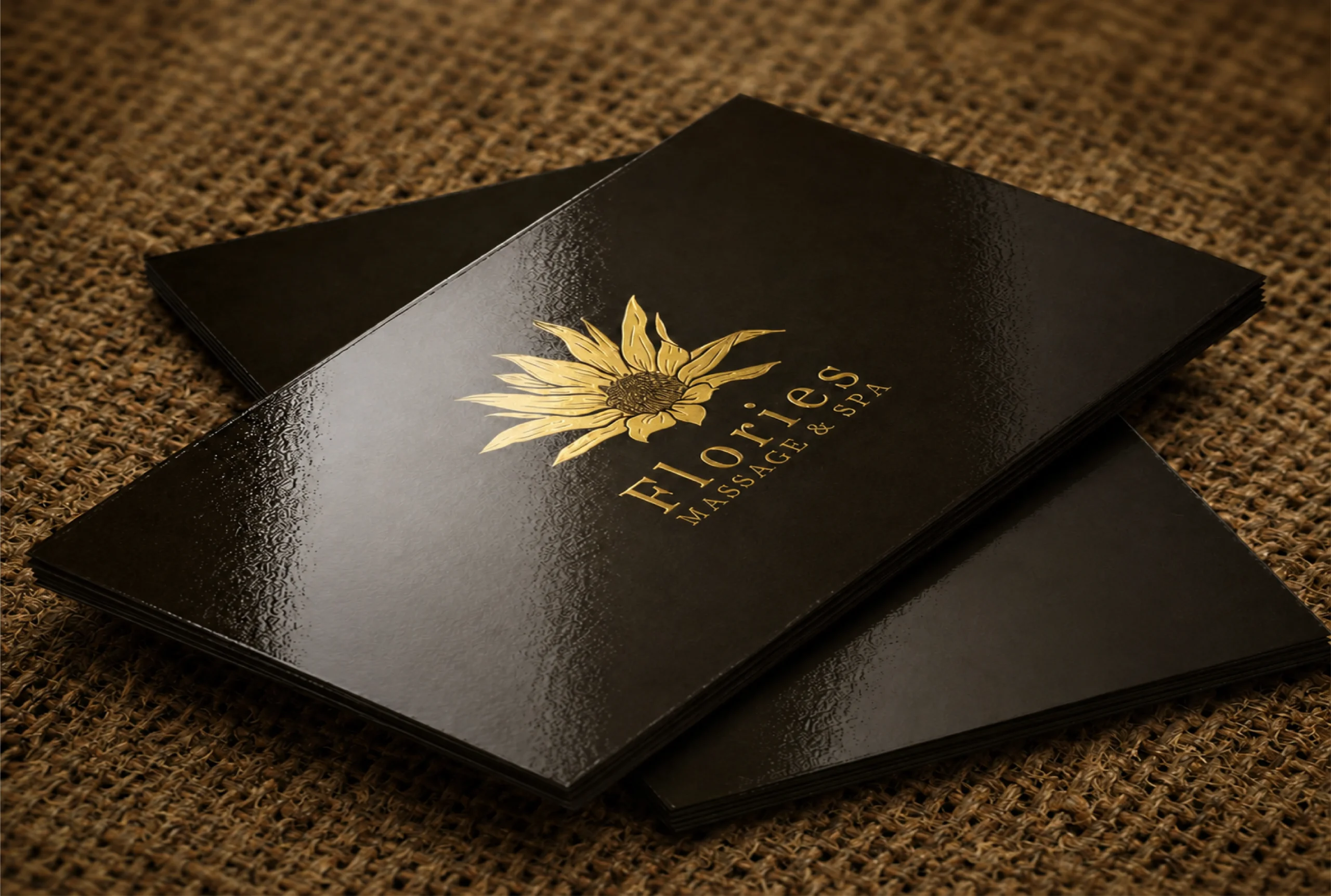
Our glossy finishing gives your packaging an extra layer of shine.
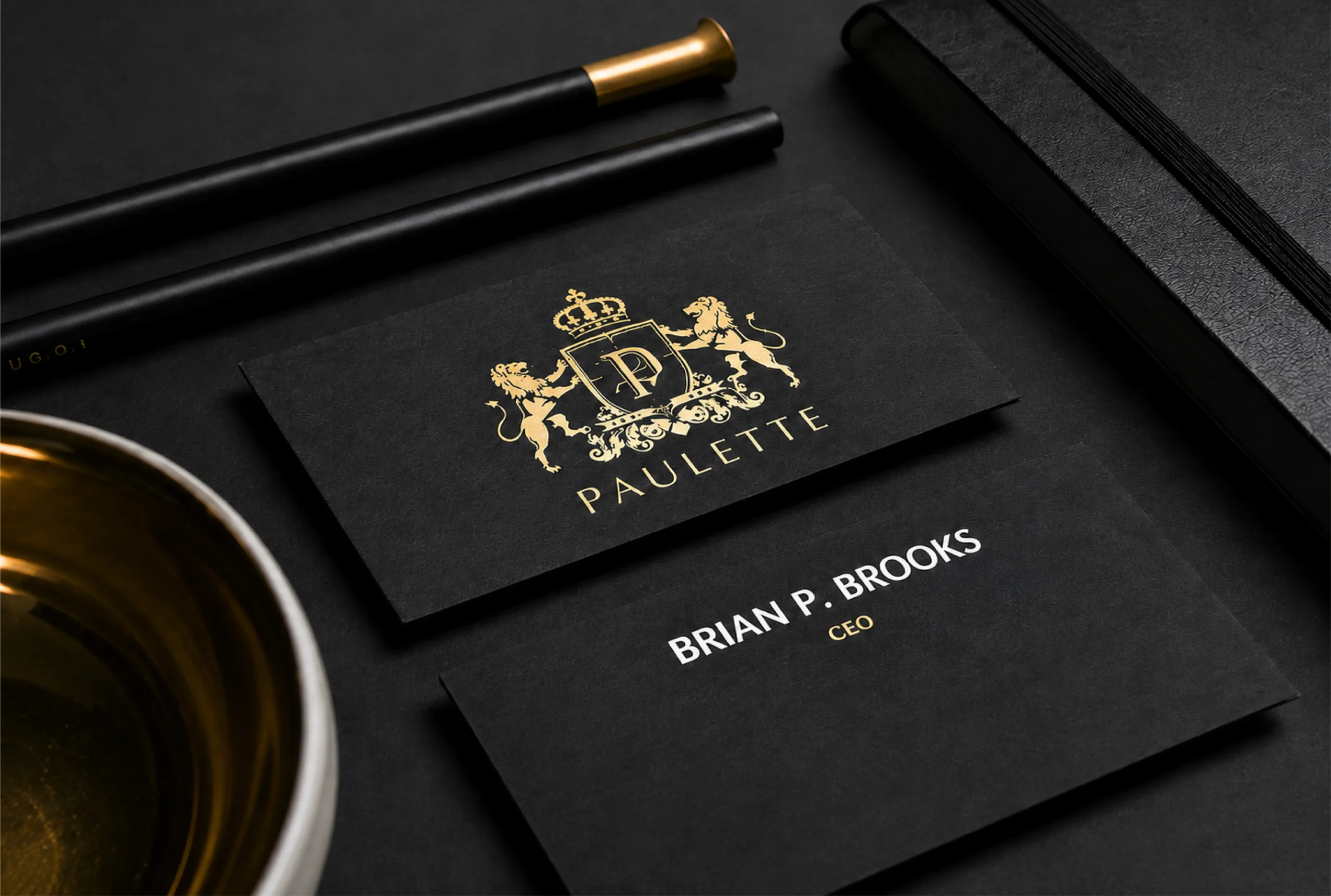
Decorate a wide range of your product packaging with our foil stamping.
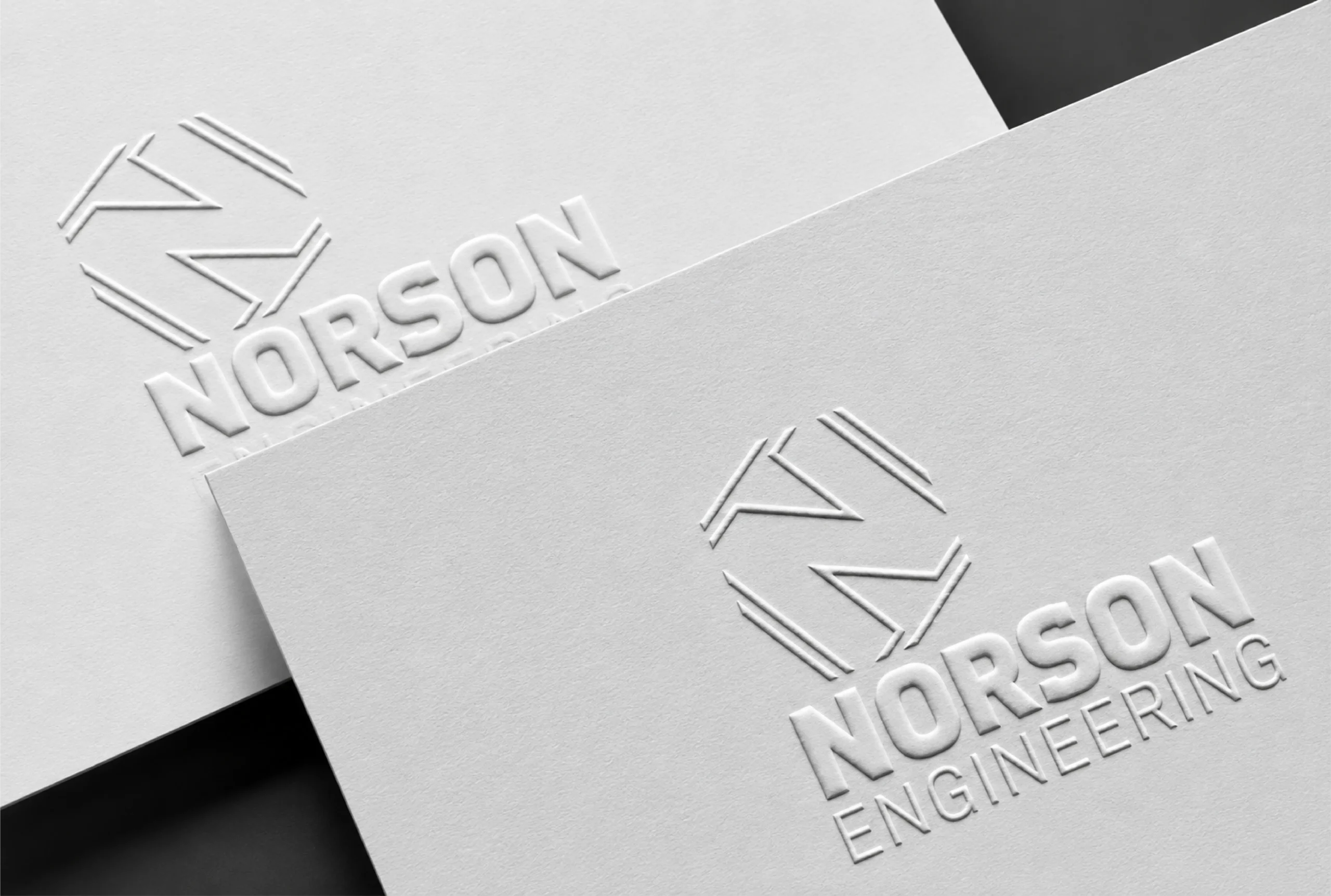
With our embossing technique, we transfer the finest details of your product on packaging.
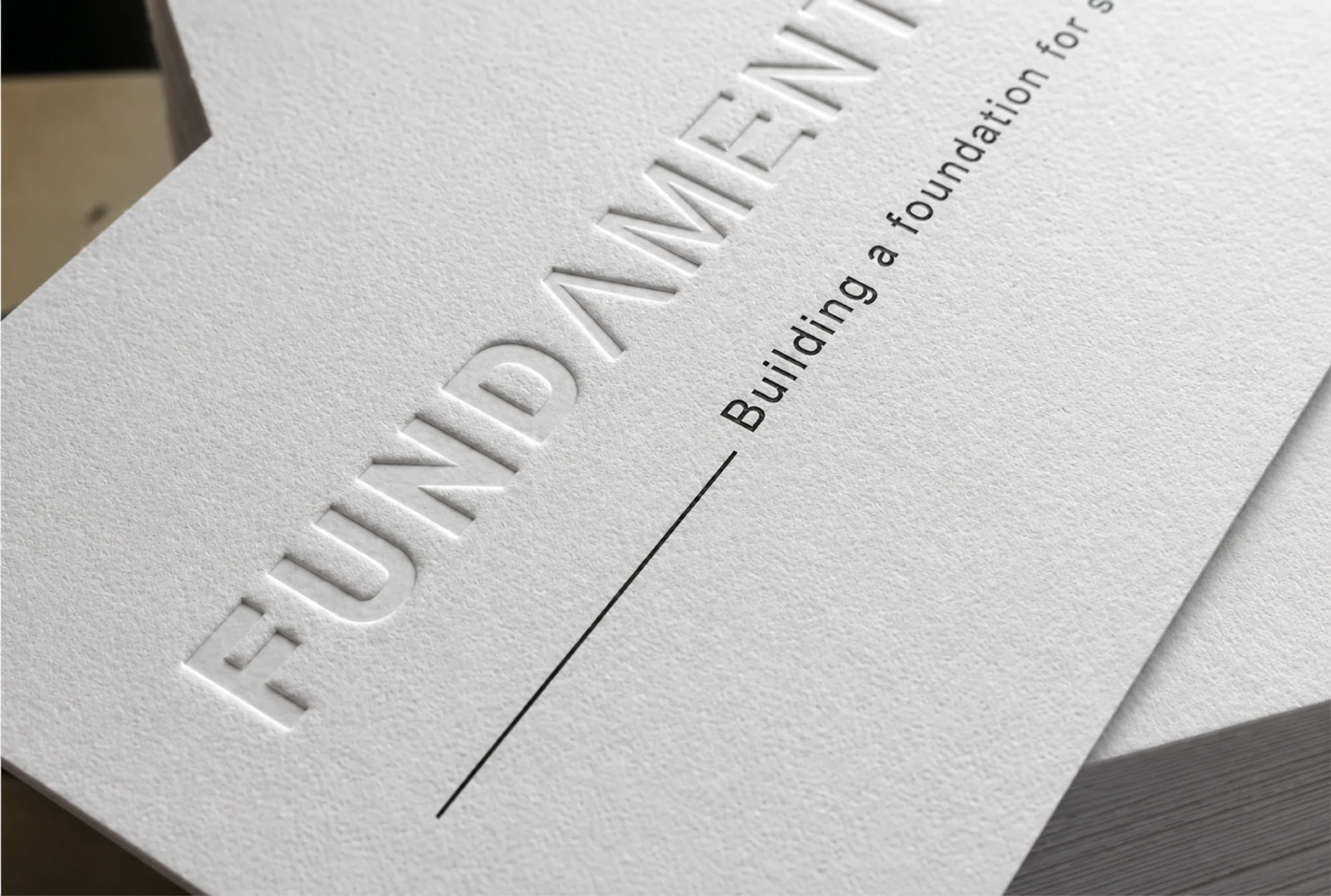
We use debossing technique to add unique graphics into your packaging.
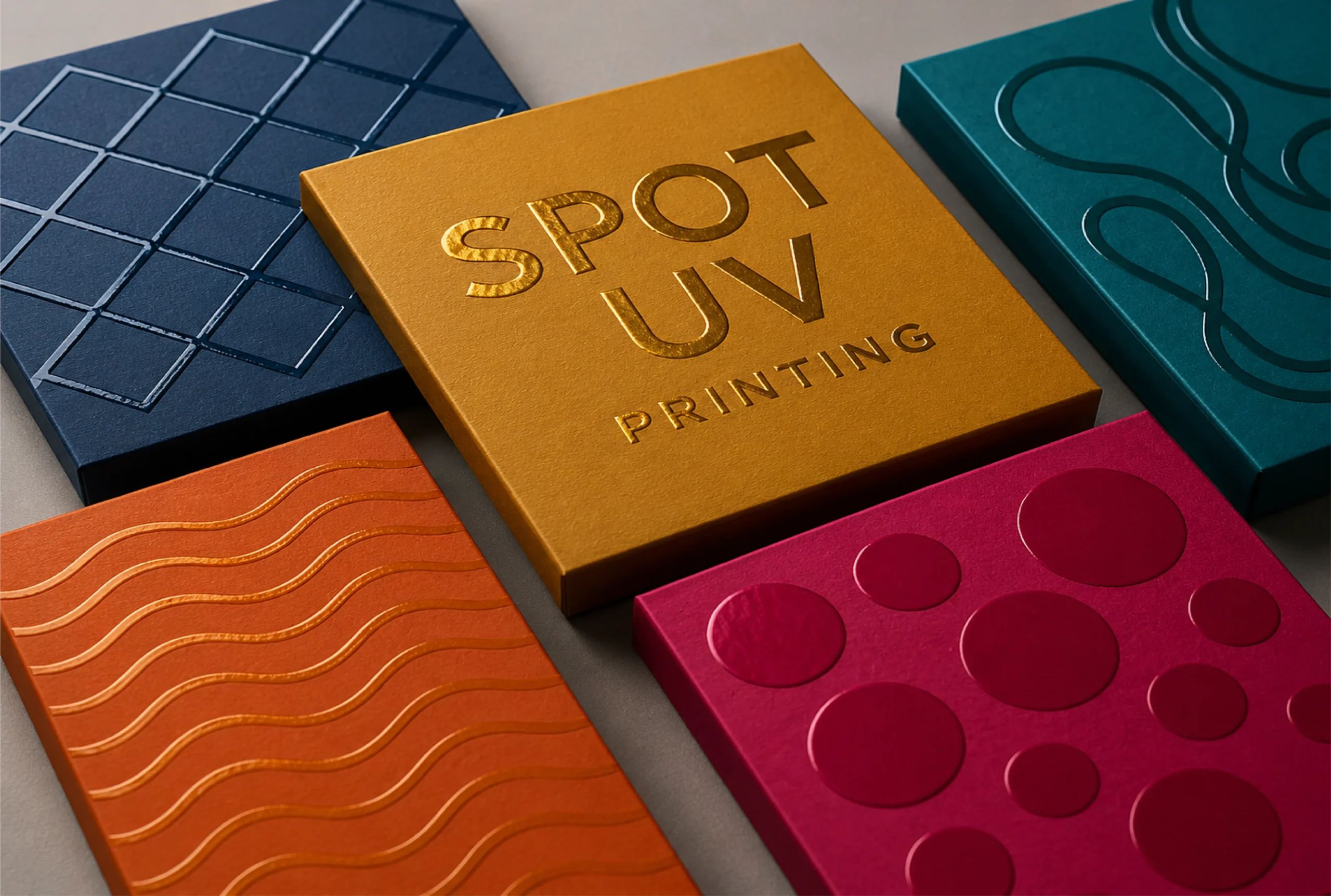
Our high-gloss UV coating gives light and shine to cure the printed material's varnish.
Still unsure? Email sales@packaginghubs.com and a packaging specialist will help.
Get your free quote today and see why Packaging Hubs is the most trusted name in U.S. custom packaging.