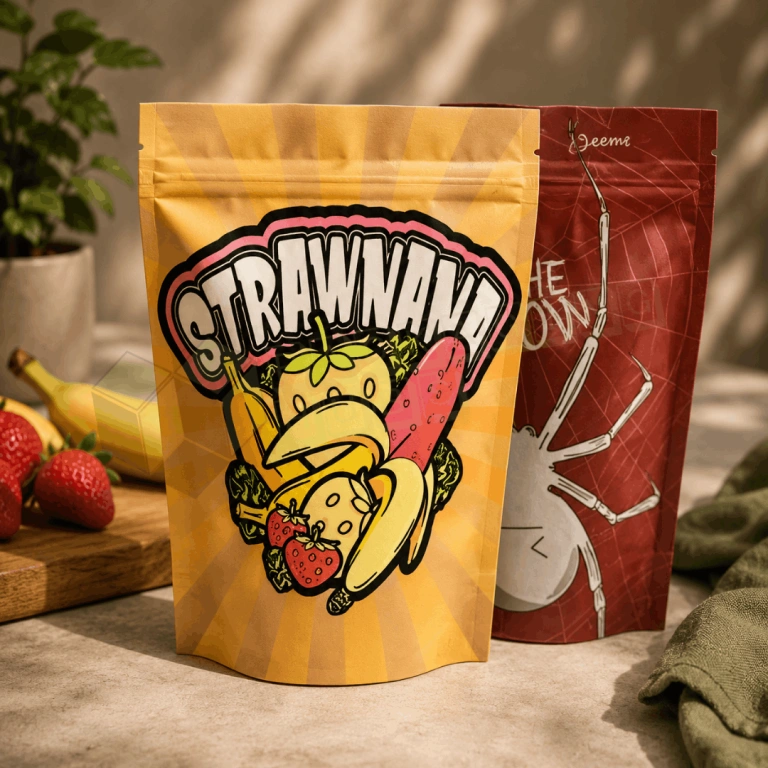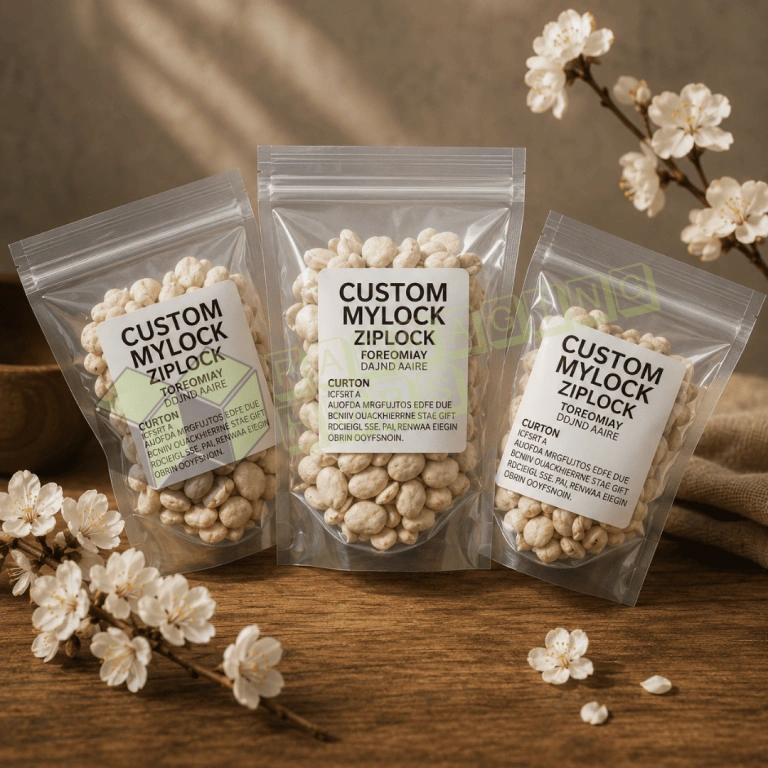
Free design support and free U.S. shipping. No minimum order.
These custom food storage pouches help dry-food brands, preparedness suppliers, freeze-drying businesses, meal-kit companies, and bulk retailers build packaging around the food, storage period, closure method, and customer use. Choose custom films, sizes, seals, printing, and finishes with zero MOQ, free design services, flexible lead-time options, and free shipping.
Custom Mylar Food Storage Bags give dry-food brands, freeze-drying companies, preparedness suppliers, retailers, and commercial kitchens more control over protection, portioning, branding, and inventory. Packaging Hubs develops each pouch around the actual food, its moisture level, storage objective, filling process, opening frequency, and distribution route. Therefore, buyers do not have to rely on generic mylar bags for food storage that may be too thin, too large, difficult to seal, or unsuitable for the intended contents.
A California freeze-dried snack company may need small retail pouches with strong moisture protection, while a Texas emergency-food supplier may require bulk formats for grains, beans, and meal components. Our zero MOQ policy supports controlled tests and larger B2B programs. In addition, free design services reduce artwork errors, flexible lead-time options support different schedules, and free shipping throughout the United States helps buyers understand their landed packaging cost.
The first decision should not be color, finish, or bag size. It should be the food and the storage goal. mylar food storage bags can support dry grains, rice, beans, pasta, powdered ingredients, dried fruit, dehydrated vegetables, freeze-dried meals, coffee, tea, spices, pet food, and other shelf-stable products. However, the correct structure changes with fat content, residual moisture, oxygen sensitivity, particle shape, expected storage period, and opening frequency.
The following planning table separates common commercial uses so buyers can identify the right starting direction before discussing artwork.
| Storage objective | Typical food examples | Recommended pouch direction | Main risk to control |
| Short-term retail sale | Snacks, coffee, tea, spices, dried fruit, and baking mixes | Printed stand-up pouch with zipper and top heat seal | Repeated opening, shelf presentation, and aroma loss |
| Medium-term pantry use | Rice, beans, pasta, cereal, flour, and dry blends | Opaque barrier pouch with strong seals and practical portions | Moisture entry, insects, punctures, and poor rotation |
| Long-term dry-food storage | Low-moisture staples and preparedness foods | High-barrier opaque pouch with validated oxygen-control plan | Oxygen, moisture, light, seal failure, and storage temperature |
| Freeze-dried food storage | Fruits, vegetables, cooked meals, and snack pieces | Thick moisture-resistant pouch sealed immediately after drying | Moisture reabsorption, crushing, and incomplete drying |
| Bulk or institutional supply | Ingredients, meal components, grains, and powders | Larger reinforced pouch placed in a protective outer container when needed | Handling stress, heavy fills, and contamination after opening |
This comparison shows why food storage mylar bags should follow a defined use case. A zipper-focused retail pouch may work well for weekly use but may not match a long-term unopened storage plan. Likewise, a large high-barrier liner can protect bulk dry goods, yet it may create waste when customers need small portions. We can divide a bulk requirement into practical pack sizes so businesses improve rotation and reduce exposure after opening.
Long-term storage packaging works best for foods that are already dry, stable, and suitable for the intended method. The bag cannot correct incomplete drying, unsafe processing, excessive fat, or poor sanitation. It also cannot guarantee a fixed shelf life because temperature, oxygen, moisture, food composition, seal quality, and handling all influence the result.
Utah State University Extension explains that Mylar-type bags can serve as long-term containers for several dry foods and that packaging should protect against moisture, insects, and other environmental threats. Its guidance also notes that many stored foods benefit from oxygen control, although the correct method depends on the food. Review USU Extension’s food-storage packaging guidance before creating product-specific storage claims.
For this reason, Packaging Hubs treats mylar bags for long term food storage as one part of a complete storage system. Buyers should validate the food, absorber or gas-flush plan, heat seal, storage environment, outer container, and rotation schedule before making shelf-life promises to customers.
Custom Mylar Food Storage Bags commonly use laminated structures because one film rarely provides printability, toughness, opacity, moisture resistance, oxygen resistance, puncture control, and heat sealing at the same time. The outer layer supports printing and handling, the middle layer supplies much of the barrier, and the inner layer creates the food-contact and sealing surface.
Before selecting a structure, buyers should compare the practical role and tradeoff of each material direction.
| Material direction | Main function | Strong commercial use | Important limitation |
| PET or BOPET outer film | Supports printing, stiffness, and abrasion resistance | Branded retail and warehouse pouches | Usually needs additional layers for sealing and barrier performance |
| Metallized PET | Improves opacity and resistance to light, moisture, and oxygen | Dry foods, coffee, powders, and aroma-sensitive products | Creases and metallic appearance can affect artwork |
| Aluminum foil laminate | Creates a stronger barrier for demanding storage programs | Freeze-dried foods and selected long-term dry-food applications | Higher cost, no product visibility, and more visible creasing |
| PE or CPP inner sealant | Creates the food-contact and heat-seal surface | Heat-sealed, zippered, and vacuum-compatible formats | Must match the sealing equipment and filling conditions |
| Clear barrier film | Shows the contents and supports product inspection | Attractive snacks, ingredients, and short-term retail foods | Clear areas generally reduce light protection |
| Kraft-laminate appearance | Supports natural or pantry-style branding | Organic-positioned foods and artisan dry goods | The complete laminate may not be recyclable or compostable |
The best mylar bags for food storage do not come from choosing the thickest or most expensive film automatically. They come from matching film composition, thickness, sealant, dimensions, and handling strength to the food. Packaging Hubs can recommend lightweight structures for small dry snacks and more robust laminates for sharp pasta, bulk grains, or fragile freeze-dried pieces.
For direct food contact, the inner materials, adhesives, inks, and other package components must suit the intended use. The FDA explains how food-contact substances and packaging components are regulated. Therefore, we avoid describing every finished bag as broadly “FDA approved” and instead specify suitable components for the buyer’s stated conditions.
Oxygen absorbers can reduce oxygen inside a properly sealed package, but they should not become an automatic add-on for every food. The food must be sufficiently dry and appropriate for oxygen-reduced storage. In addition, the absorber capacity, headspace, food density, package volume, and seal integrity must work together.
Packaging Hubs can design mylar bags and oxygen absorbers as a compatible packaging program by leaving a clean seal area, selecting an opaque high-barrier laminate, and sizing the pouch around the actual fill. However, the food business should choose and validate the absorber specification with a qualified food-storage protocol or supplier. This approach protects customers from unsupported “one packet fits every bag” instructions.
Once absorbers leave their protective packaging, they begin reacting with available oxygen. Therefore, filling teams need a prepared workflow that limits delays between inserting the packet and completing the final heat seal. The pouch should also provide enough headspace for a clean, flat seal without trapping crumbs, flour, powder, or food fragments.
mylar bags with oxygen absorbers work best when the storage system includes accurate labels, lot identification, pack dates, and an inspection plan. A tight-looking pouch alone does not prove that the absorber worked, the seal remained intact, or the food was suitable for the method. We can provide custom print areas for handling instructions and batch information so commercial teams maintain better control.
The phrase oxygen absorbers mylar bags often describes a complete storage kit, but the two products perform different jobs. The pouch limits outside transmission, while the absorber reduces oxygen already trapped in the sealed headspace. If the seal leaks or the film lacks the required barrier, the absorber cannot compensate indefinitely.
Moist foods, oily products, and incompletely dried foods require special caution. Businesses should not remove oxygen from a product merely because the bag supports heat sealing. Instead, they should validate water activity, processing, storage temperature, and food safety before approving the system.
A food desiccant targets moisture rather than oxygen. It may support certain dry products, yet it does not replace adequate drying, moisture-barrier film, or a dependable seal. Desiccants and oxygen absorbers are not interchangeable, and some products may use one, both, or neither according to a validated packaging plan.
Our team can reserve safe placement space and create printed warnings where the packet must not be consumed. However, the food business should choose a food-compatible packet, verify the required capacity, and confirm that the product will not create an unsafe storage condition.
Custom Mylar Food Storage Bags can use heat seals, zippers, vacuum processes, or combined closures. The right method depends on whether the package will remain unopened for months, enter retail distribution, support repeated home use, or move through a commercial vacuum system.
A zipper offers convenience, but it does not replace the initial heat seal for long-term or tamper-evident applications. Conversely, a permanent heat seal may protect an unopened pack but create frustration when customers need to use small amounts over several weeks.
Brands that need a dependable top closure can compare Custom Mylar Heat Seal Bags for dry foods, ingredients, emergency supplies, and tamper-evident retail packaging. A wide, clean seal zone gives operators space to create a continuous closure without folds or food particles crossing the sealing surface.
Packaging Hubs can adjust the inner sealant, header depth, tear-notch position, and zipper location to suit the sealer. Buyers should test time, temperature, pressure, and cooling conditions with the final film because an attractive seal line does not always indicate complete bond strength.
Some buyers want to remove air mechanically rather than rely only on an absorber or gas flush. Custom Mylar Vacuum Seal Bags can support compatible commercial systems when the film, texture, opening, and sealant match the equipment.
Not all smooth pouches work in every external-suction machine, and sharp or fragile foods can create different vacuum challenges. For example, aggressive vacuum can crush freeze-dried pieces or draw powder into the seal. Therefore, we review the machine type and food before recommending a structure.
Many food vacuum sealer bags focus on air removal and short-to-medium storage in refrigeration, freezing, sous vide, or pantry applications. By contrast, opaque foil-laminate pouches may prioritize light, moisture, and oxygen barrier performance. The categories can overlap, but they are not automatically interchangeable.
For commercial buyers, the key question is whether the bag runs reliably on existing equipment and protects the food under its final storage conditions. We can develop sample pouches for seal and vacuum testing before a larger order.
Some purchasing documents use the phrase food vaccum seal bags when requesting custom barrier packaging. Regardless of the spelling in the request, the technical specification should identify the sealer type, chamber dimensions, seal-bar width, vacuum target, bag opening, food shape, and storage environment.
Packaging Hubs uses those operating details to prevent a common mistake: ordering a printed pouch that looks correct but cannot run through the buyer’s equipment.
vacuum packaging bags for food may require embossed channels for external-suction machines, smooth films for chamber equipment, boilable structures, freezer resistance, or puncture control. Therefore, a standard printed stand-up pouch may not suit every vacuum process.
We can coordinate barrier films, flat formats, gussets, and print coverage around the machine and the food. However, buyers should validate the completed package under real processing, storage, and distribution conditions.
Retail products that customers open repeatedly can use Custom Mylar Ziplock Bags with an initial top heat seal and a zipper below it. This combination provides tamper evidence before purchase and convenient access afterward.
The zipper position should leave enough room for filling and sealing. Powdered foods need additional clearance because dust can interfere with zipper tracks. We can add tear notches and opening instructions so customers remove the sealed header without damaging the resealable feature.
Custom Mylar Food Storage Bags should fit the quantity customers will use after opening, not simply the largest volume a warehouse can fill. Smaller packs improve rotation and limit exposure after opening, while larger bags reduce package count and may suit institutional or emergency programs.
The following table shows how capacity, handling, and customer behavior should guide the size decision.
| Format | Typical commercial direction | Main benefit | Planning concern |
| Small retail pouch | Snacks, spices, drink powders, and trial portions | Convenient use and strong shelf presentation | Printing and zipper areas can consume a large share of the panel |
| One-gallon class pouch | Dried foods, freeze-dried meals, and household pantry quantities | Practical balance between capacity and rotation | Fragile foods may need more headspace |
| Multi-pound flat pouch | Rice, beans, pasta, flour, and dry ingredients | Efficient storage and carton packing | Heavy products require stronger seals and puncture control |
| Five-gallon liner | Bulk staples and emergency-food programs | High capacity within a protective bucket or tote | Difficult handling and greater exposure after opening |
| Custom institutional pouch | Meal components, food-service ingredients, and private-label programs | Fits specific equipment and case quantities | Requires fill, seal, pallet, and distribution testing |
The table confirms that size affects more than capacity. A five-gallon liner can serve bulk storage, yet a family may benefit from several smaller bags that allow rotation without exposing the full supply. Packaging Hubs can prepare coordinated sizes under one design system so brands sell sample, household, and bulk options without rebuilding the artwork each time.
5 gallon mylar storage bags commonly act as liners inside rigid food-grade buckets or other protective containers. The outer container can improve stacking and help protect the flexible liner from punctures, rodents, and rough handling. However, the bag still needs enough material at the opening for filling and heat sealing.
A New York preparedness supplier may choose several smaller internal packs within one bucket, while a Kansas grain business may prefer one large liner for institutional buyers. The correct arrangement depends on rotation, handling, and contamination risk after opening.
Businesses that need larger pouch dimensions can review Large Mylar Bags for grains, ingredients, refill quantities, pet food, and commercial dry goods. Larger fills may require wider seals, thicker laminates, reinforced handles, deeper gussets, and stronger secondary cartons.
We calculate the format from filled weight and distribution conditions rather than enlarging a small retail dieline. This reduces zipper stress, unstable bottoms, and weak corners during warehouse handling.
The phrase mylar bags for food covers many different requirements. Coffee may need aroma protection and a degassing valve. Sharp pasta may require puncture resistance. Powdered mixes need clean seal areas. Dried fruit can contain more residual moisture and oils than grains, while freeze-dried foods demand rapid protection from humidity after processing.
Therefore, our team asks about the food before quoting the film. This product-first process also helps businesses avoid unsupported shelf-life claims and unnecessary material costs.
mylar bags for freeze dried food should protect the product immediately after the drying cycle because properly dried pieces can reabsorb moisture from humid air. The pouch also needs enough strength and headspace to protect fragile textures during sealing and distribution.
Utah State University Extension advises packaging properly freeze-dried foods immediately in airtight, moisture-proof packaging and notes that thick opaque Mylar bags paired with an appropriate oxygen-control plan can support long-term protection. It also warns that freeze-drying does not kill all microorganisms and that food safety must remain controlled throughout processing and rehydration. Read USU Extension’s freeze-drying safety guidance.
mylar bags for freeze drying need more than a high-barrier film. The dimensions must prevent crushing, the seal area must remain free of crumbs, and the finished pack must fit the shipping carton without excessive movement.
We can create flat pouches for efficient storage or gusseted bags for products that need more internal volume. A Colorado freeze-drying company may use several portion sizes so customers open only what they need.
Commercial freeze dry bags should support fast loading after the product leaves the machine. A wide mouth can reduce breakage, while a broad top seal gives staff room to close the pack without contamination. Lot-code areas and rehydration instructions can also support traceability and customer use.
A physical sample helps buyers test fill speed, package shape, and seal consistency before approving production. This step often reveals issues that a flat digital dieline cannot show.
Commercial meal suppliers may use the term mre bags for compact shelf-stable meal components, ration-style kits, or preparedness packaging. However, a custom pouch does not automatically meet military performance standards or retort-processing requirements.
Brands should specify whether they need a dry-food pouch, retort pouch, secondary overwrap, or complete meal-kit component. We can manufacture the agreed structure, but the food processor must validate thermal processing, food safety, and final-package performance where those requirements apply.
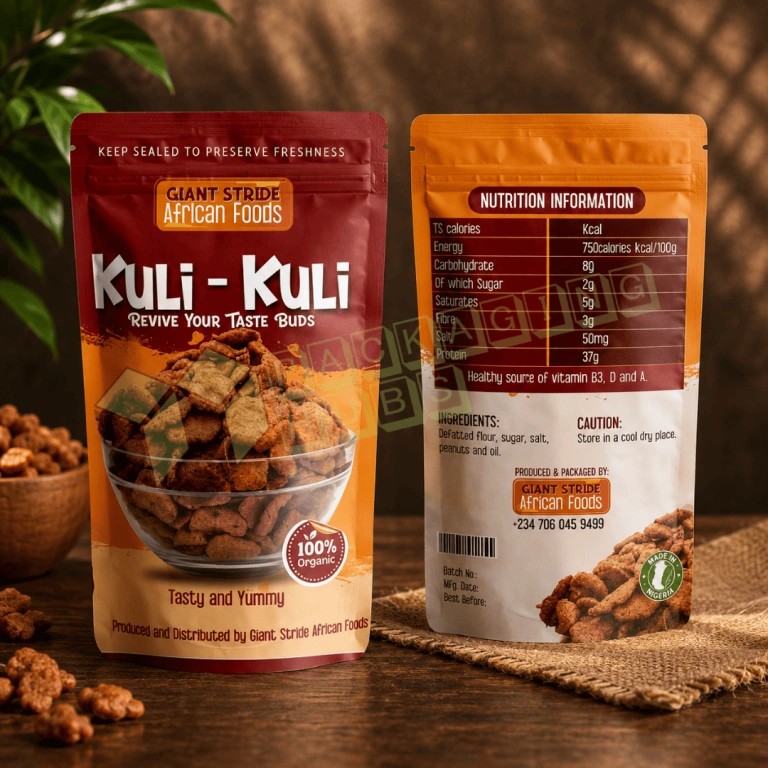
Custom Mylar Food Storage Bags can communicate food identity, preparation directions, storage instructions, lot information, and brand value while protecting the contents. Digital printing works well for small runs, several recipes, regional labels, and product testing. Flexographic or rotogravure printing can become more efficient for repeat high-volume programs.
CMYK supports photographs, gradients, and multi-color illustrations. PMS or Pantone spot colors help control critical brand shades. RGB remains a screen mode, so designers should convert artwork before production and review how colors change on white, silver, kraft-look, clear, or black film.
Packaging Hubs provides free design services for dielines, bleed, resolution, white ink, barcode contrast, seal-zone clearance, and text hierarchy. Order Now for a new product launch, or request a physical sample when film appearance and filling performance need closer review.
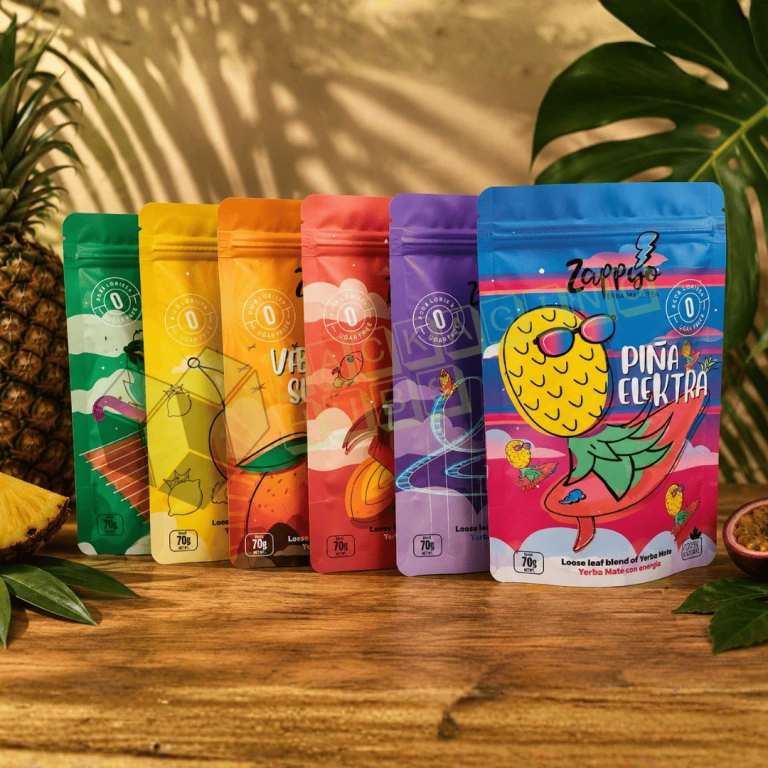
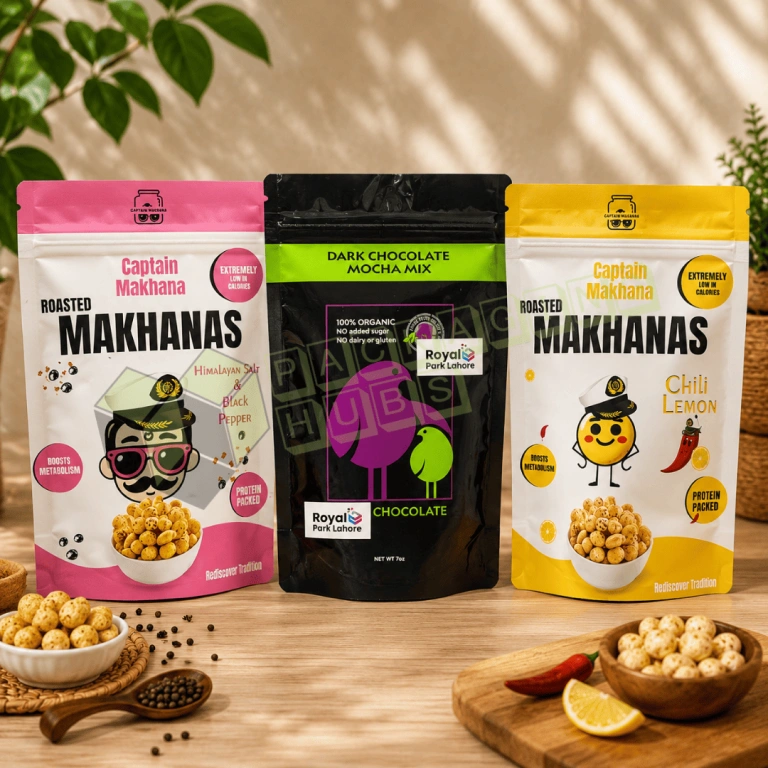
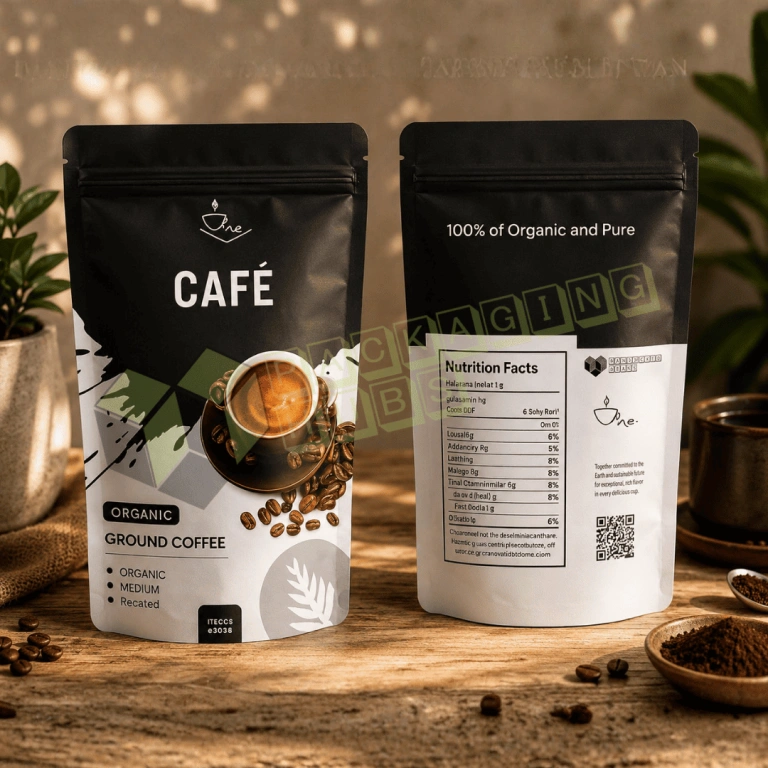
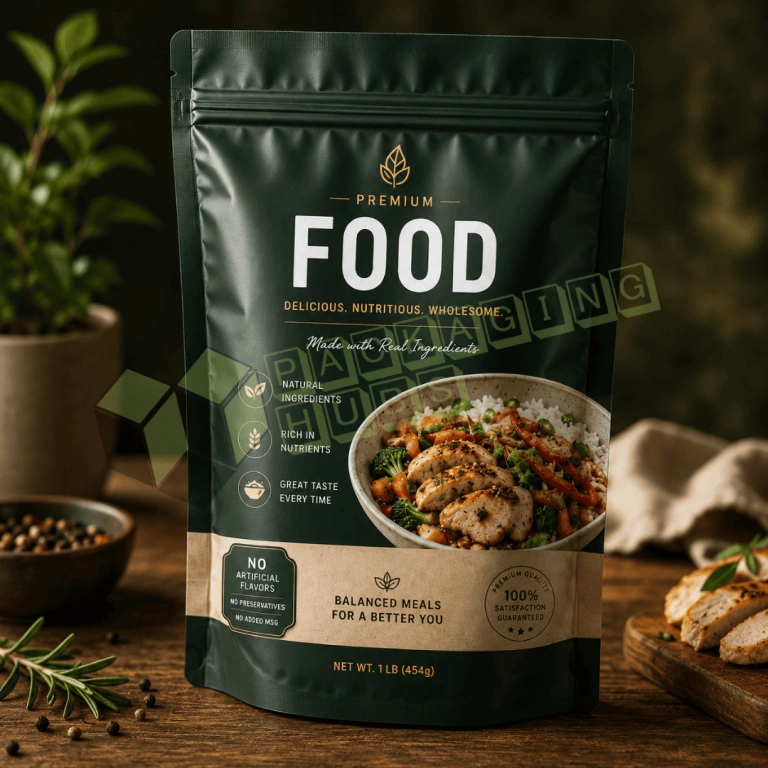
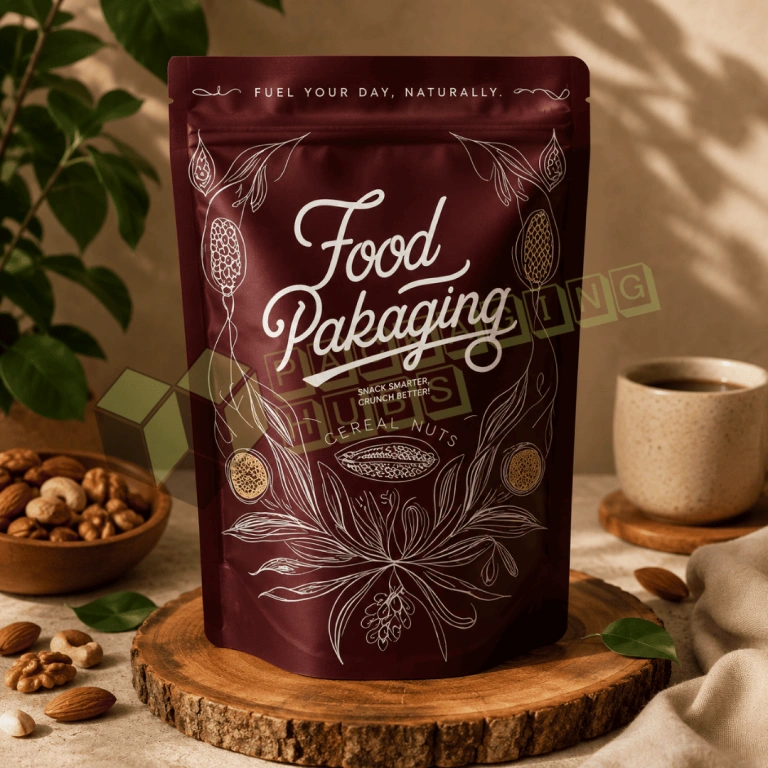
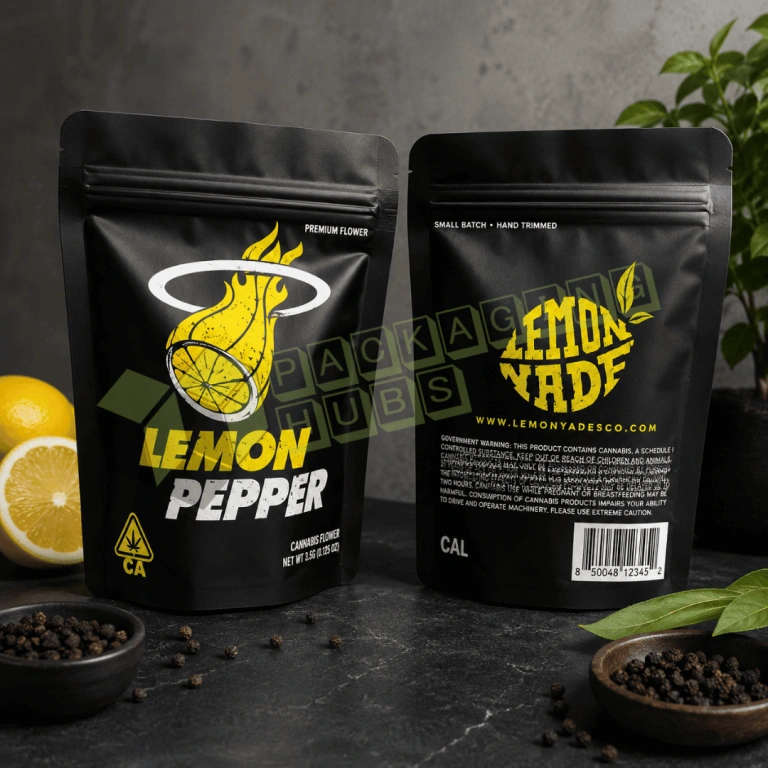
matte black stand up pouch food packaging can create a controlled premium appearance for coffee, tea, supplements, specialty rice, freeze-dried snacks, and gourmet ingredients. White typography, metallic accents, and spot gloss can contrast strongly against a dark matte surface.
However, large black areas require consistent ink coverage, and small storage instructions need enough contrast. A clear window may help customers view the food, yet it also reduces light protection in that area. We can balance privacy, visibility, branding, and barrier needs before finalizing the artwork.
Food-storage failures usually begin with a mismatch between the food, the pouch, and the process. The next table identifies common commercial pain points and connects each one to a practical packaging response.
| Buyer problem | Packaging response | Business benefit |
| Food absorbs moisture after packing | Confirm dryness, use a suitable moisture-barrier laminate, and create a dependable heat seal | Better texture protection and fewer damaged units |
| The bag punctures around sharp food | Increase puncture resistance and adjust fill density or secondary protection | Lower leakage and inventory loss |
| Powder or crumbs weaken the seal | Add headspace, widen the seal area, and improve filling control | More consistent closures and fewer rejected packs |
| Bulk bags become difficult after opening | Divide the quantity into practical portions or use a resealable secondary format | Better rotation and less exposure |
| The pouch does not run on the sealer | Match sealant, thickness, opening, and format to the equipment | Faster production and less downtime |
| Generic packaging weakens retail trust | Add clear product information, branded printing, and professional finishes | Stronger shelf presence and buyer confidence |
| Large minimums make testing risky | Use zero MOQ and digital printing for controlled launches | Less excess inventory and easier product validation |
| Artwork errors delay production | Use free design support, dielines, proofs, and prepress checks | Fewer corrections and clearer approval |
This problem-solving view prevents businesses from selecting a bag only by thickness or appearance. Our team reviews the food, process, equipment, pack size, customer use, and distribution route so each specification solves a defined risk. As a result, the package can support protection and sales rather than becoming another source of waste.
Packaging Hubs serves startups, food processors, preparedness suppliers, retailers, wholesalers, freeze-drying businesses, and established brands across the United States. We offer zero MOQ, free design services, free U.S. shipping, and different lead-time options for urgent, standard, and less time-sensitive projects. Worldwide custom packaging support remains available, while international shipping terms are confirmed during quotation.
To prepare an accurate quote, share the food type, moisture condition, fill weight, expected storage period, desired size, quantity, closure method, equipment, print files, finish, and delivery target. We will review the information and recommend a practical structure without inventing a guaranteed shelf life.
Get a Free Quote now to compare films, sizes, seals, printing methods, and finishing options. Custom Mylar Food Storage Bags can support a small product test or a scalable national program when the package and storage method match the food.
| Box Style | Custom Mylar Food Storage Bags |
| Dimension (L + W + H) | All Custom Sizes & Shapes |
| Quantities | No Minimum Order Required |
| Stock | Material, MOPP/VMPET/PE/BOPP/ALU, THICKNESS: 100/120/150 microns/sid |
| Printing | Digital/ Gravure |
| Finishing | Gloss/ Matt/ Spot uv |
| Included Options | Die Cutting, Gluing, Scored, Perforation |
| Additional Options | Eco-Friendly, Recycled Boxes, Biodegradable |
| Proof | Flat View, 3D Mock-up, Physical Sampling (On request) |
| Turnaround | 4 – 8 Business Days, RUSH |
| Shipping | FLAT |
Pick the stock and the finish that suit your product. We’ll confirm both on your proof before anything is printed.
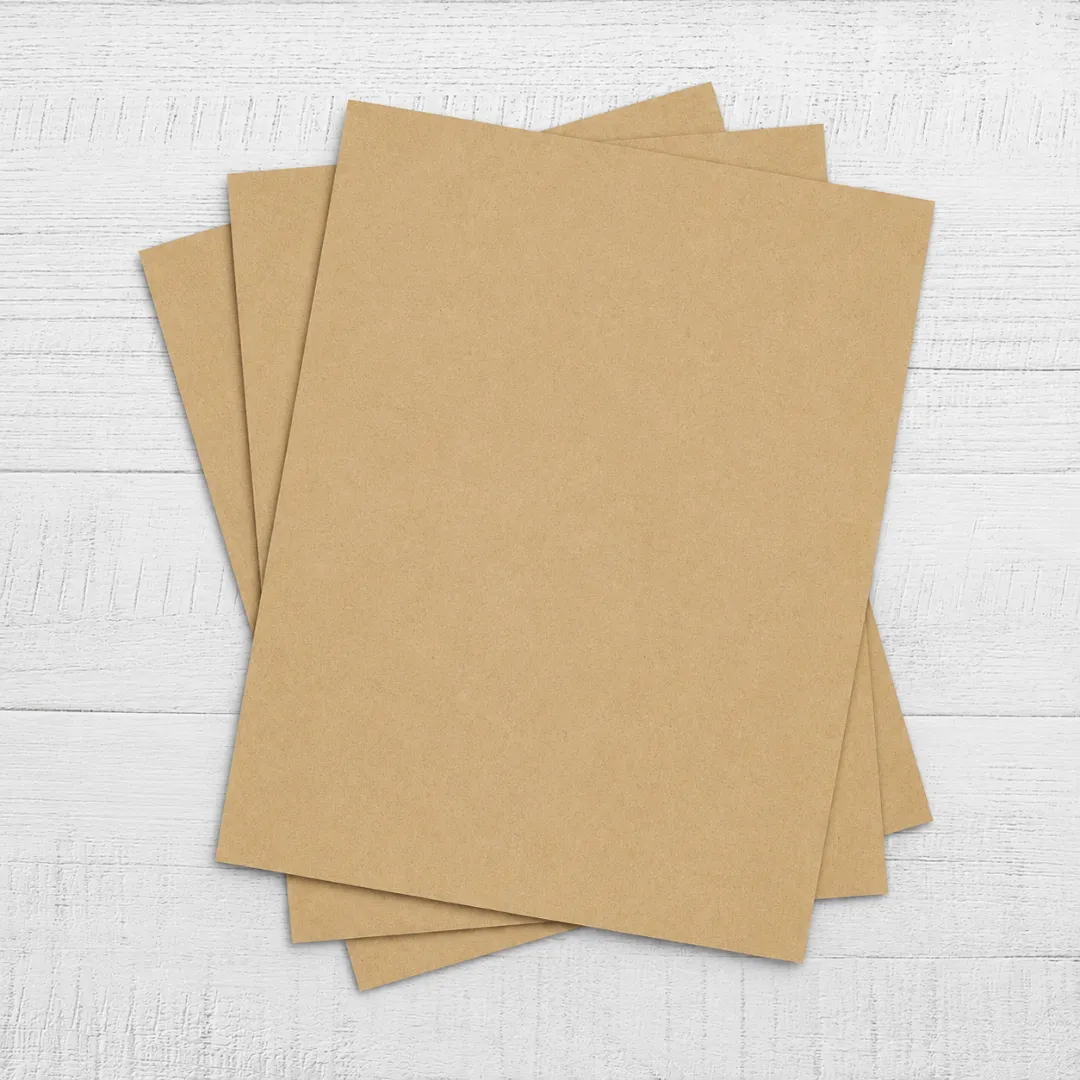
Kraft paper is a strong, durable and reliable material that is widely used across many different industries.
We use cardboard material with the least environmental impact and minimizes waste generation.
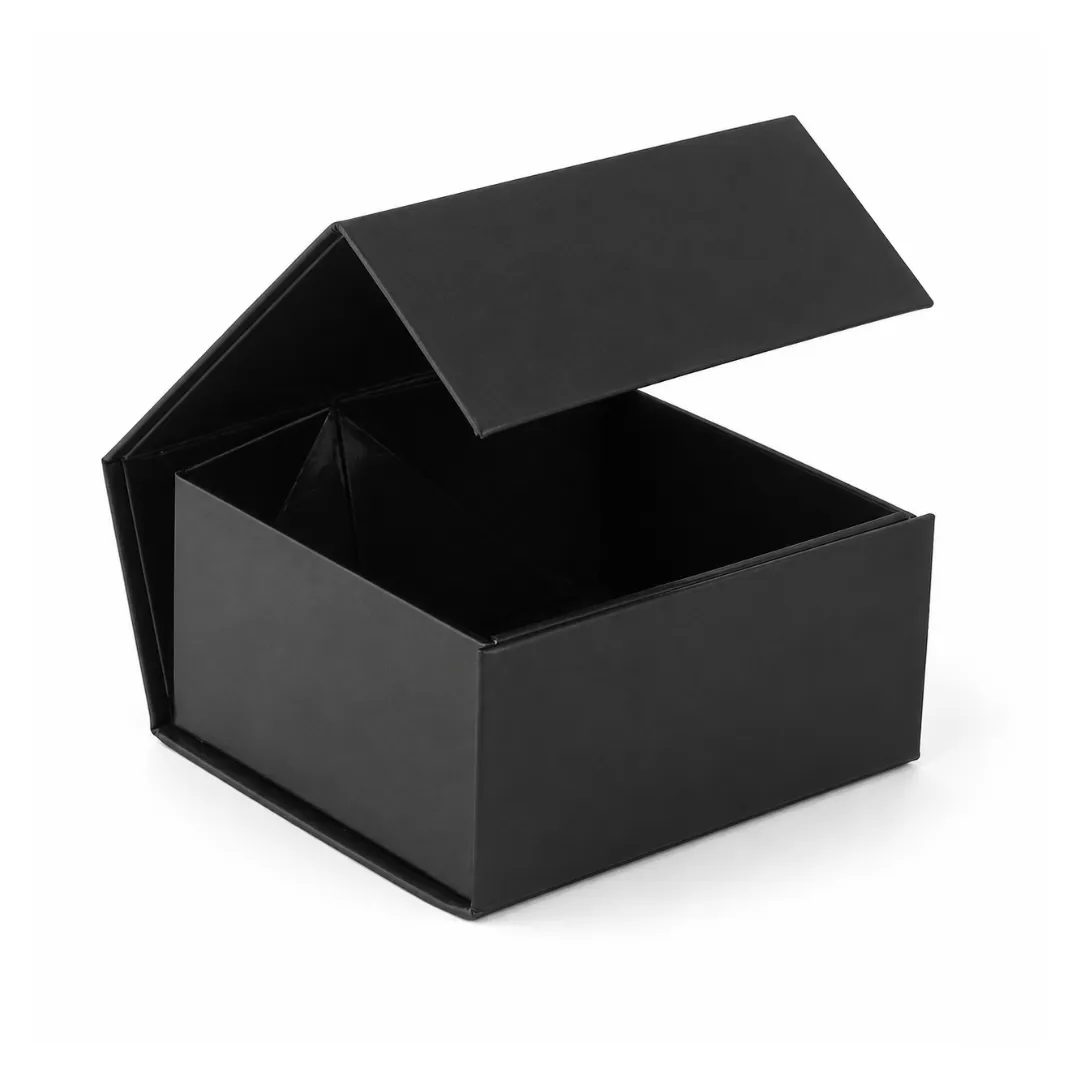
Rigid is highly protective, affordable and recyclable material. These boxes provide maximum protection.
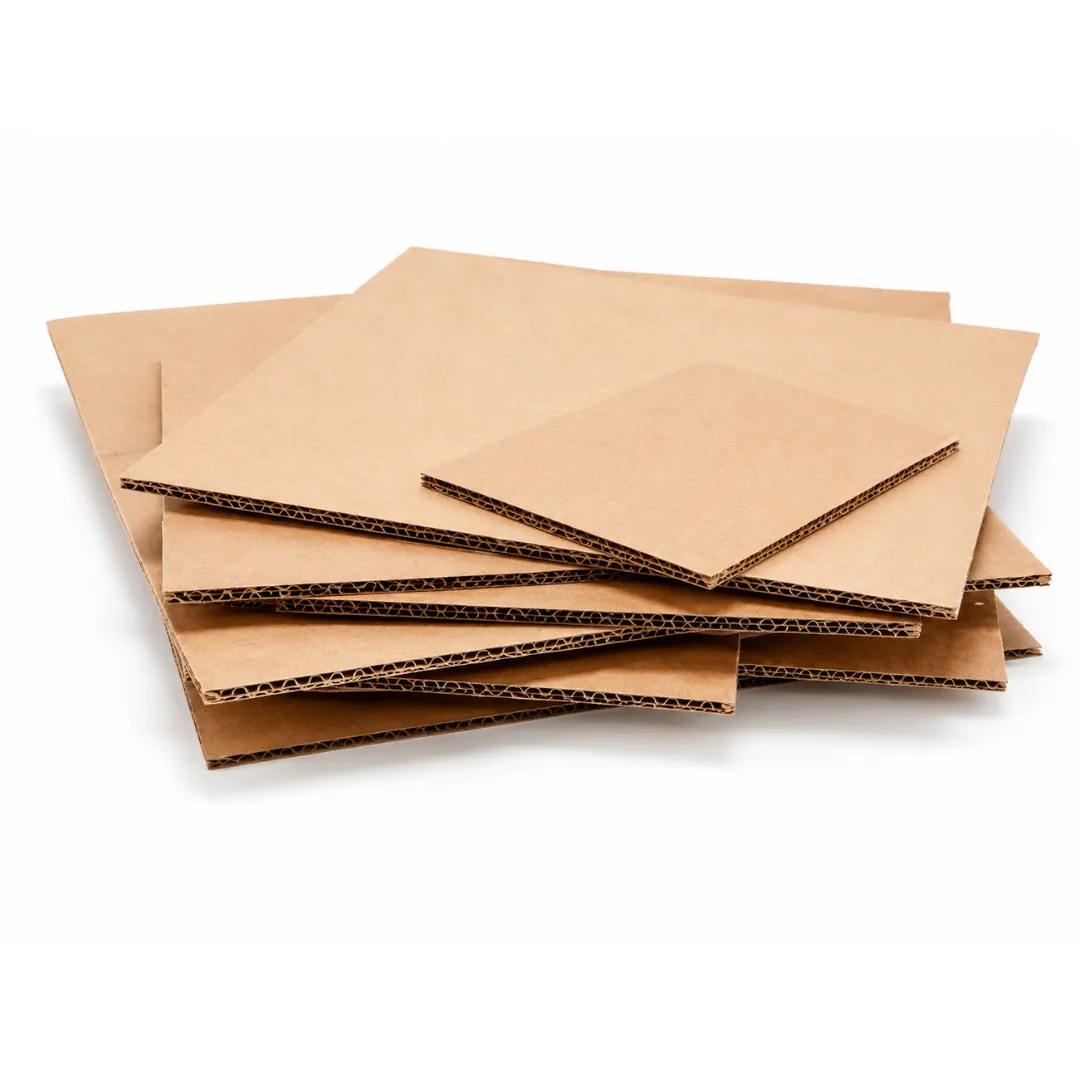
Corrugated material is easy to customize, cost effective and sustainable. It is also great for branding purposes.
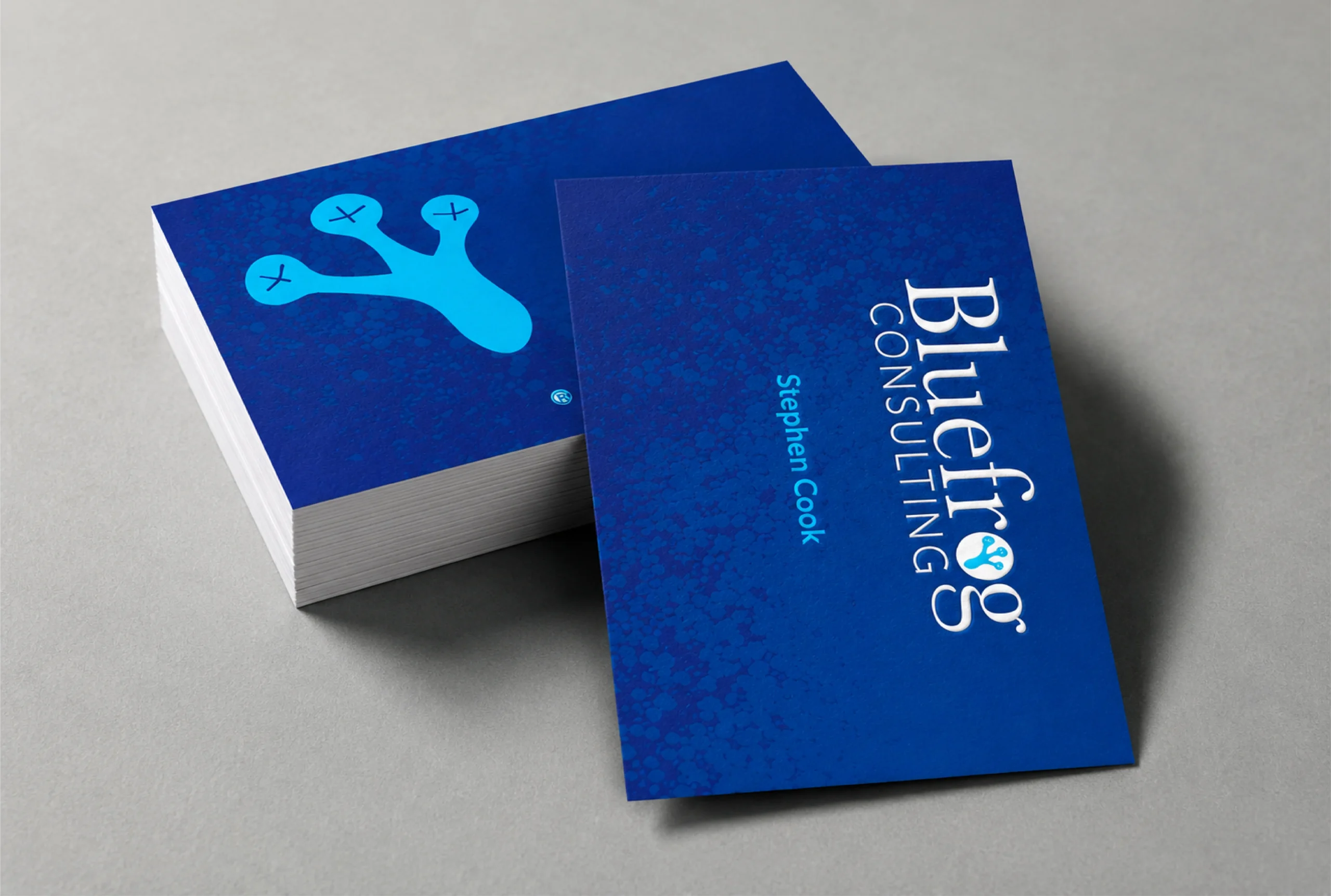
We add additional layer of protection with soft touch lamination from toner chipping.
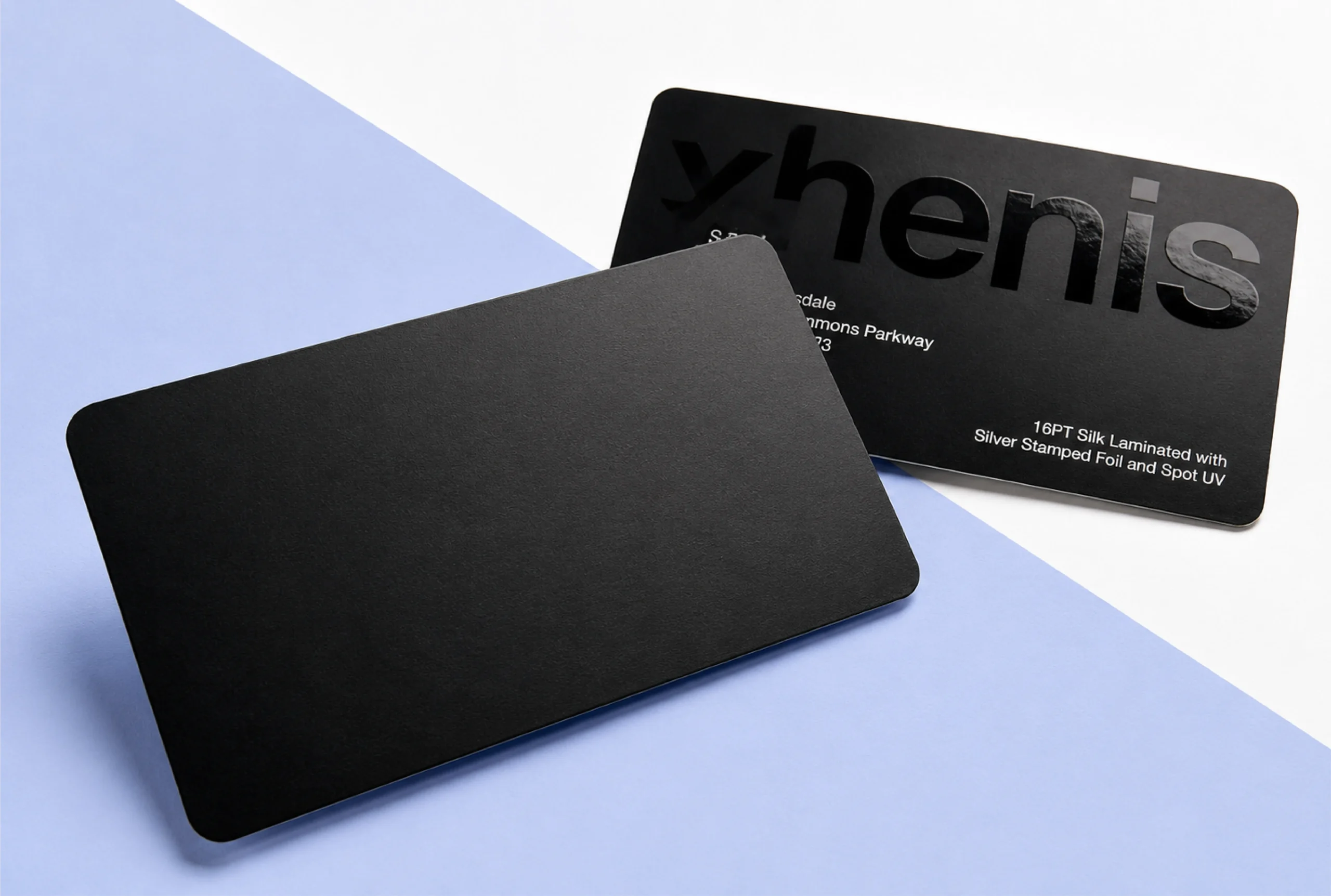
With our matte finish, fingerprints and smudges will now be less visible on the packaging.
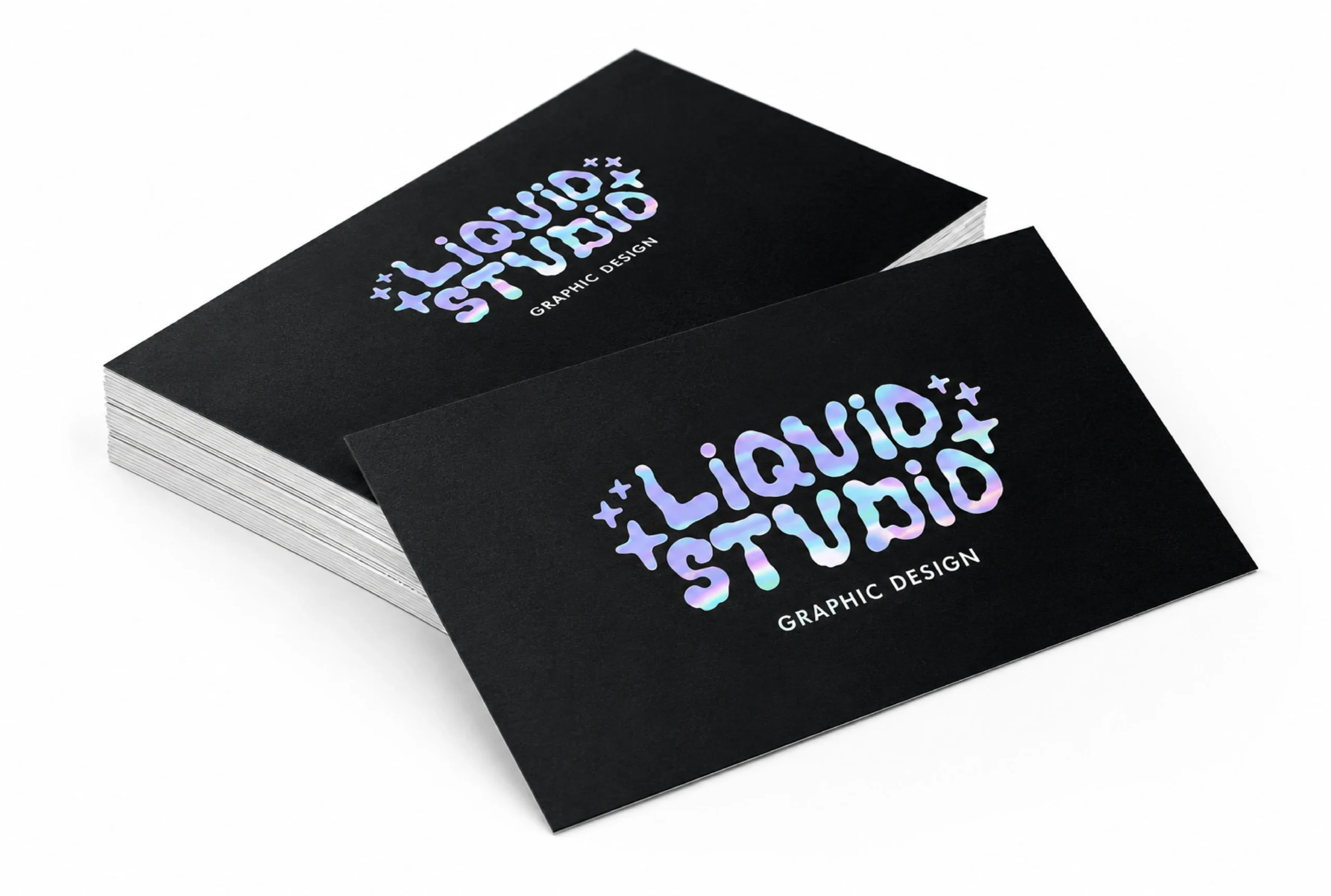
Holographic foil diffracts light and reveals the colors of the rainbow at various angles.
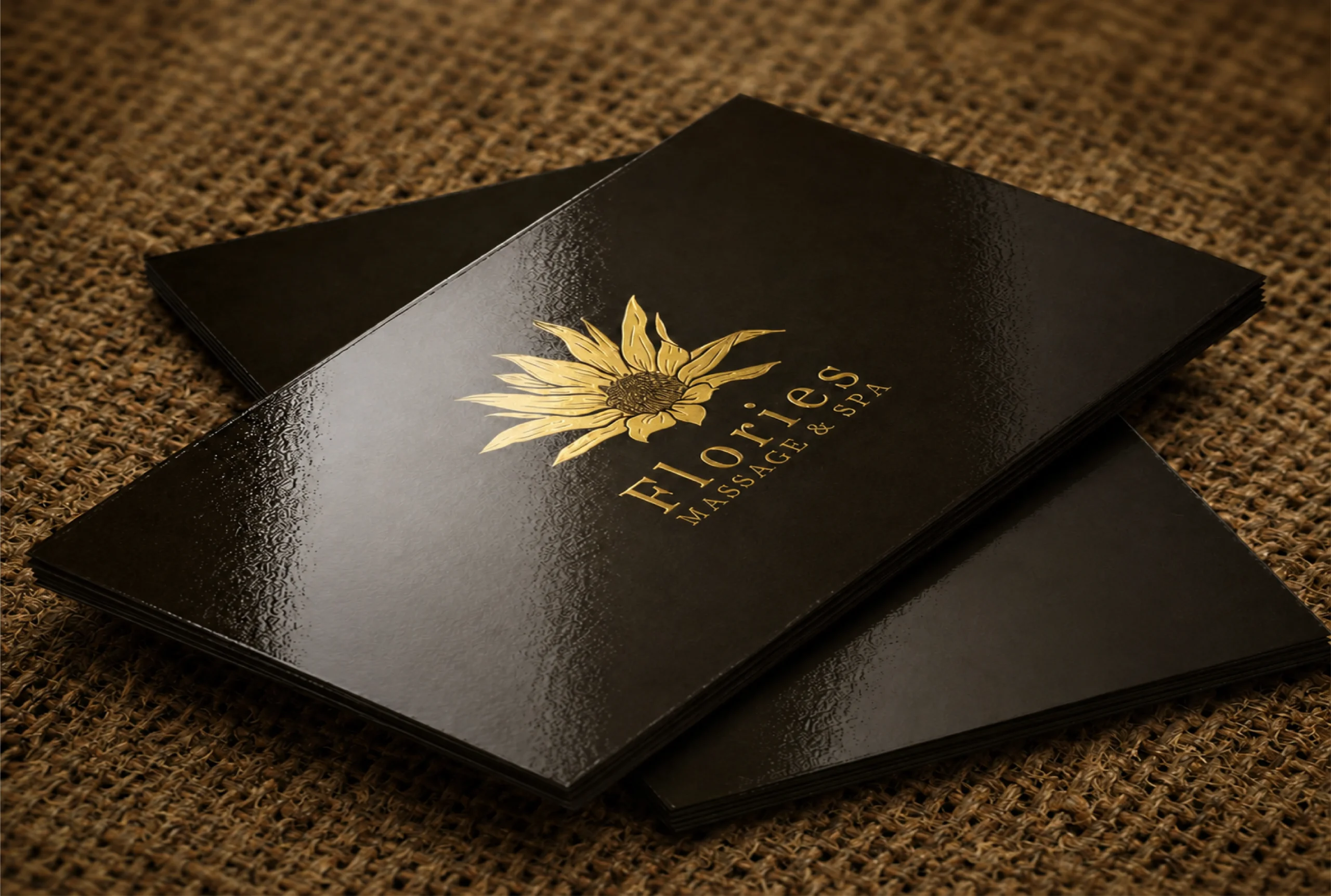
Our glossy finishing gives your packaging an extra layer of shine.
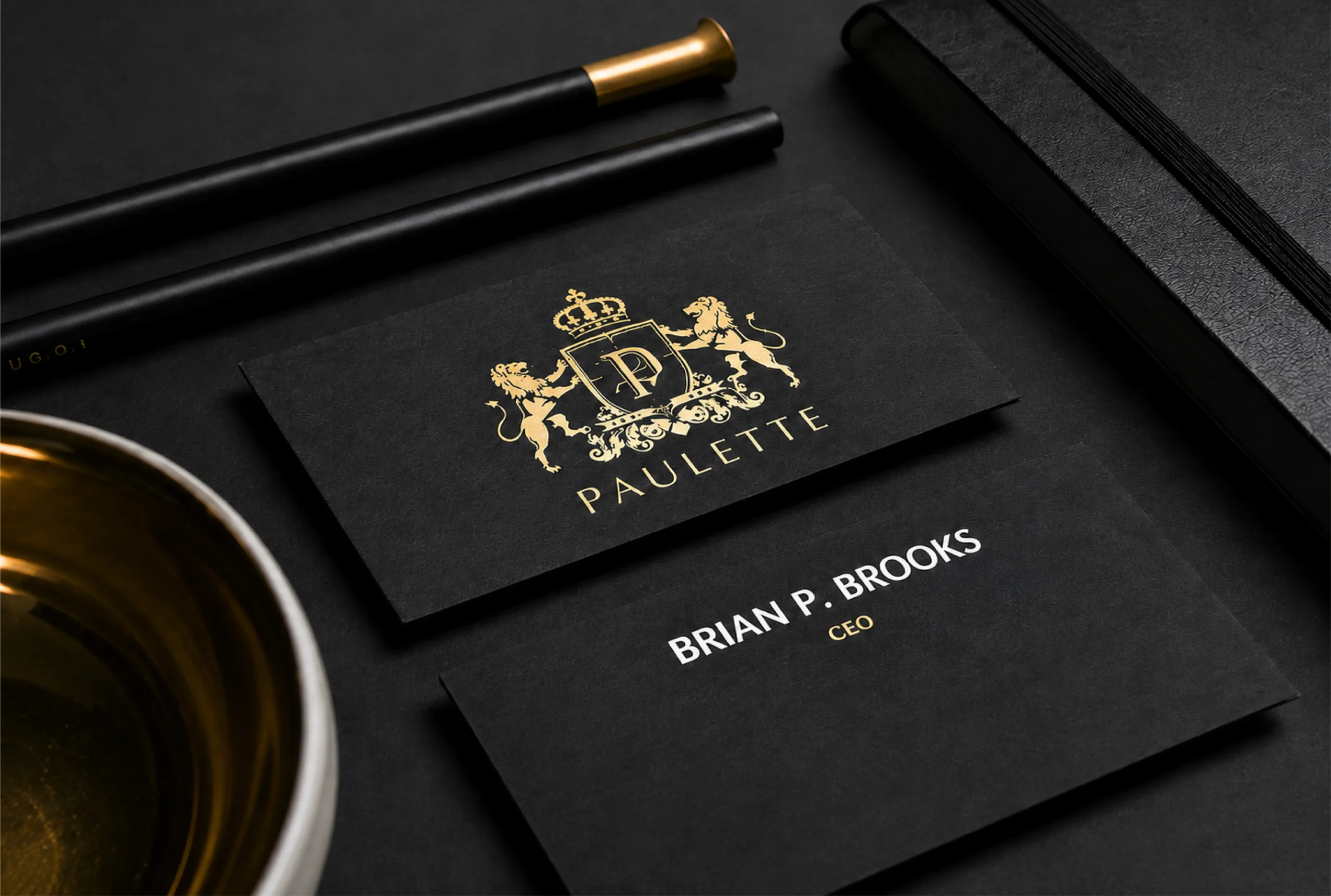
Decorate a wide range of your product packaging with our foil stamping.
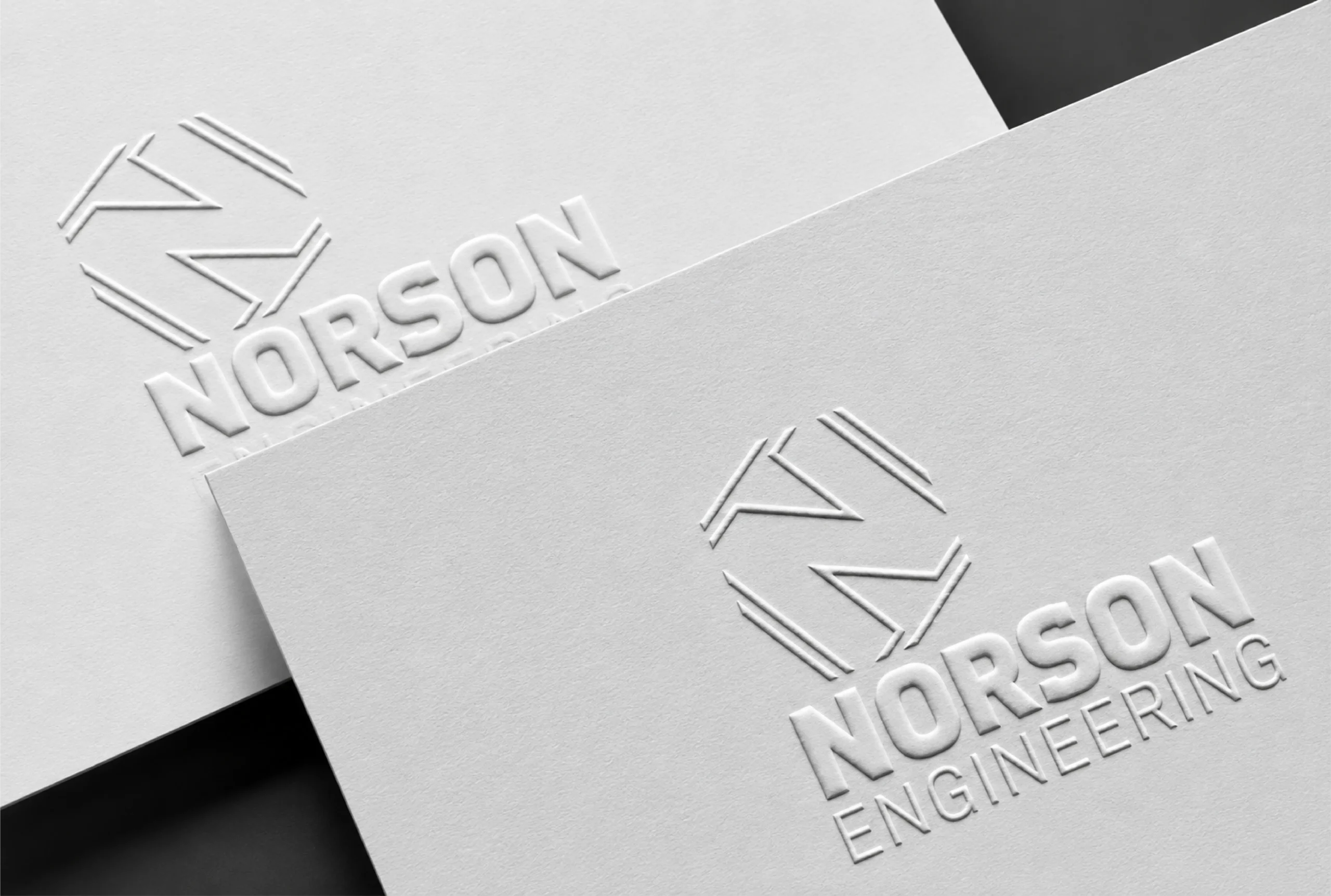
With our embossing technique, we transfer the finest details of your product on packaging.

We use debossing technique to add unique graphics into your packaging.
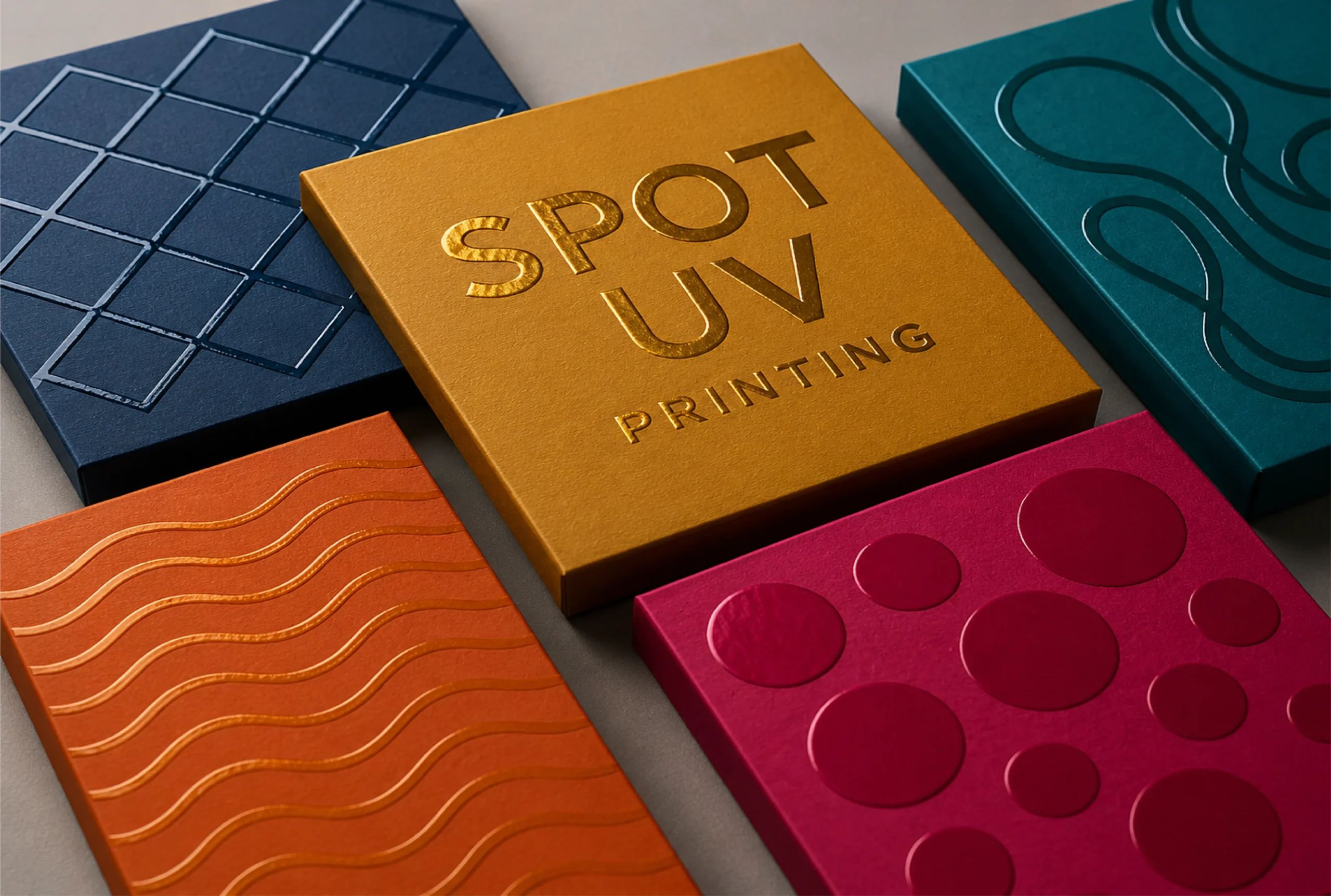
Our high-gloss UV coating gives light and shine to cure the printed material's varnish.
Still unsure? Email sales@packaginghubs.com and a packaging specialist will help.
Get your free quote today and see why Packaging Hubs is the most trusted name in U.S. custom packaging.