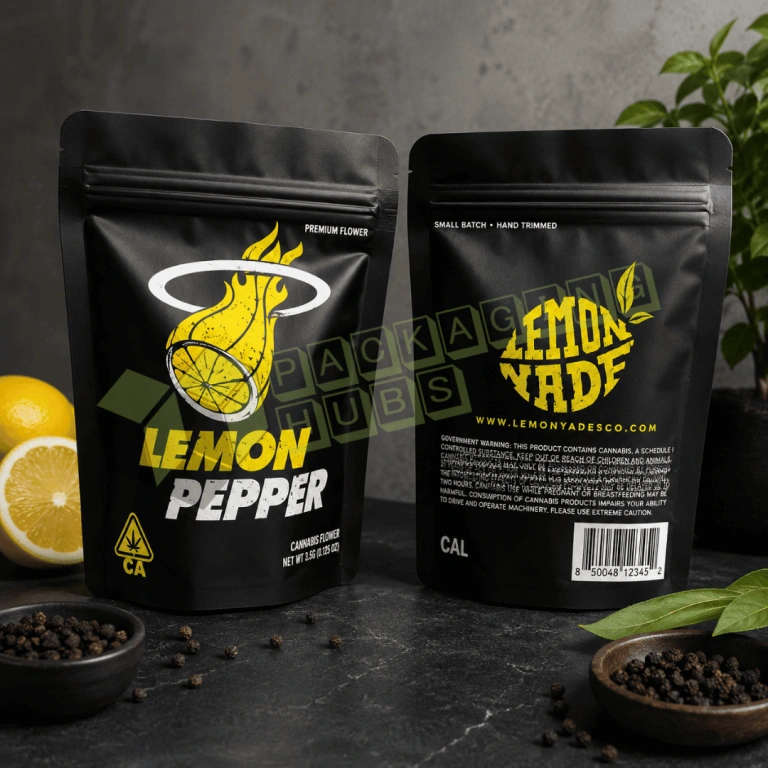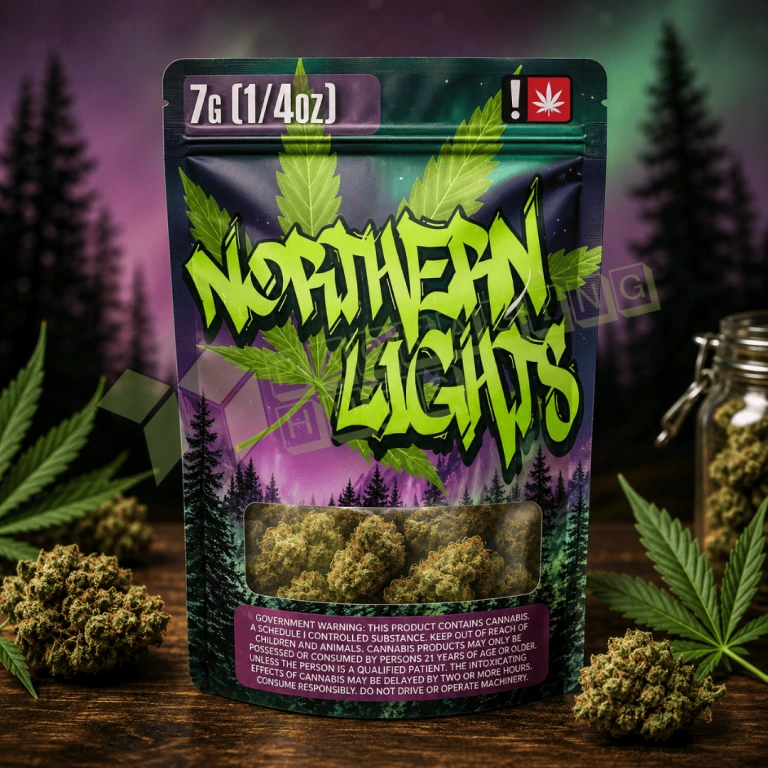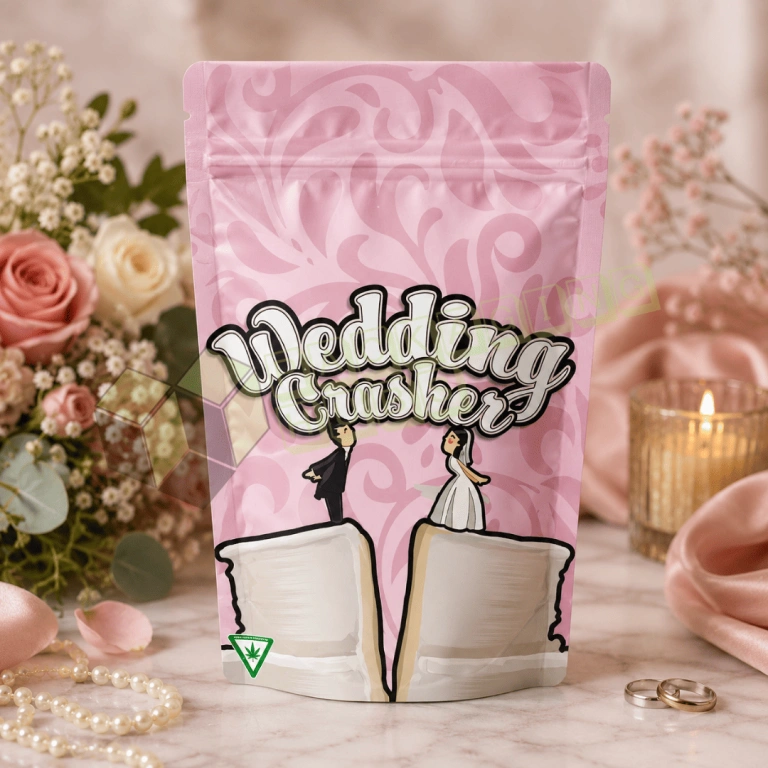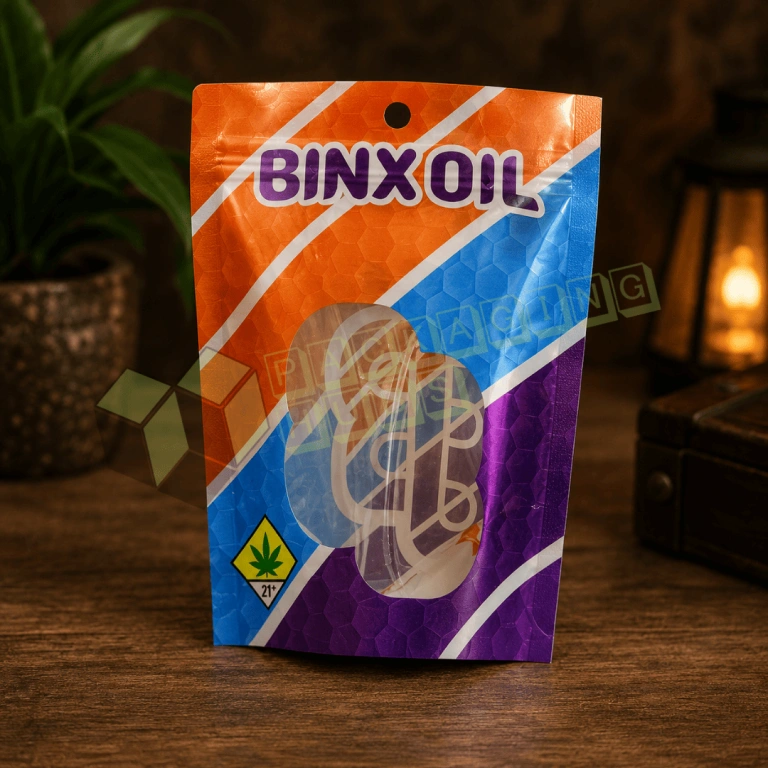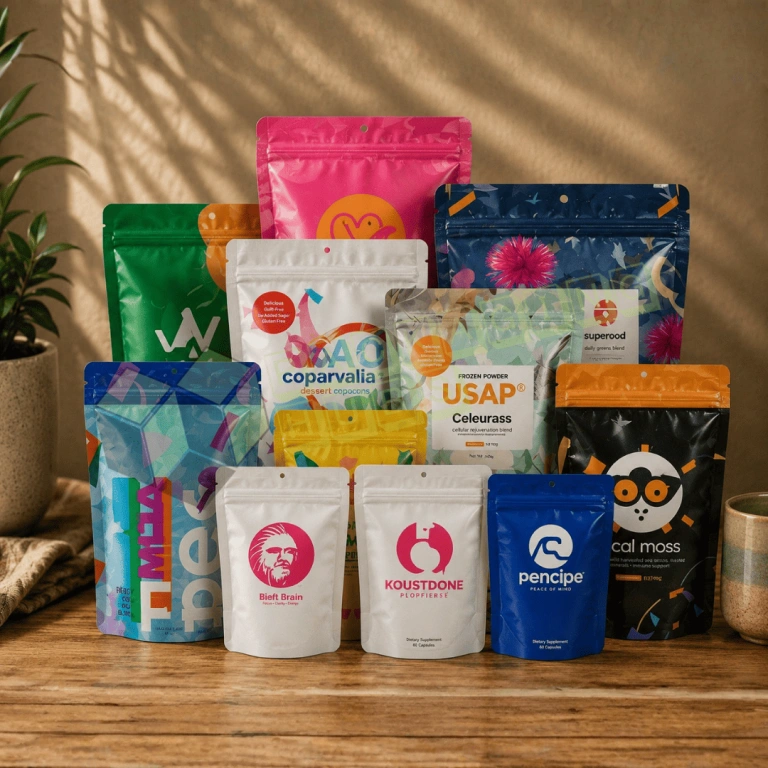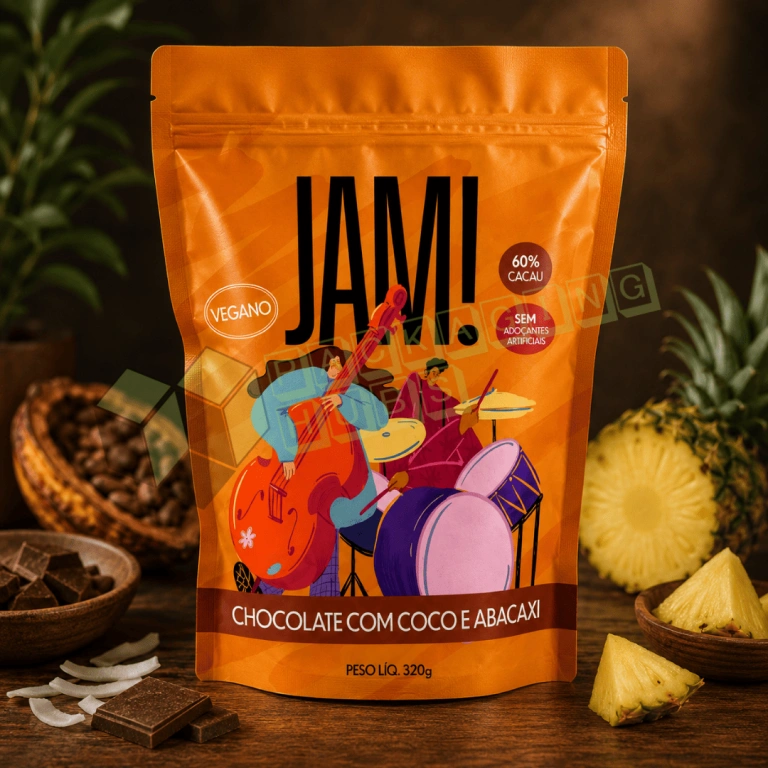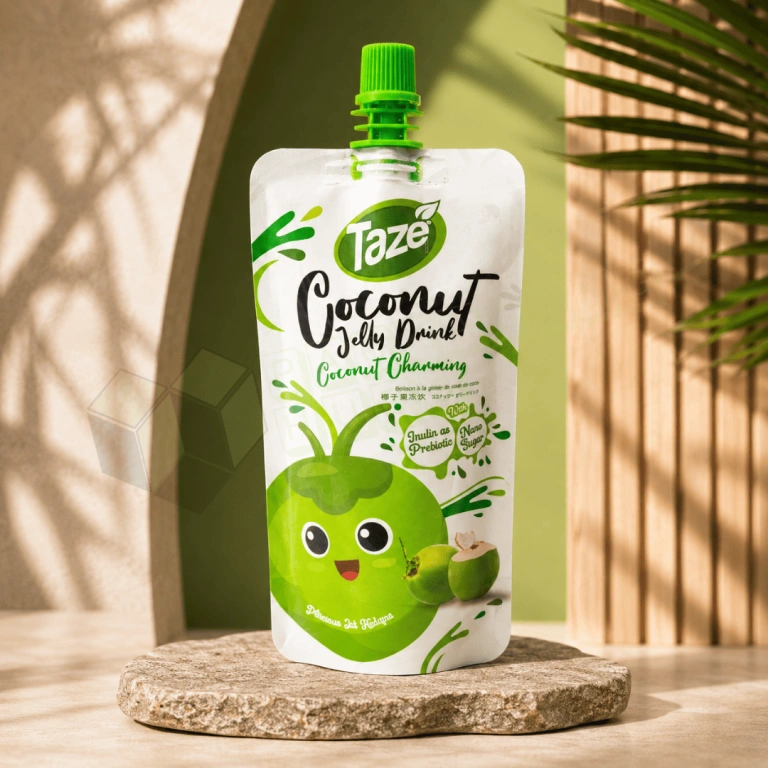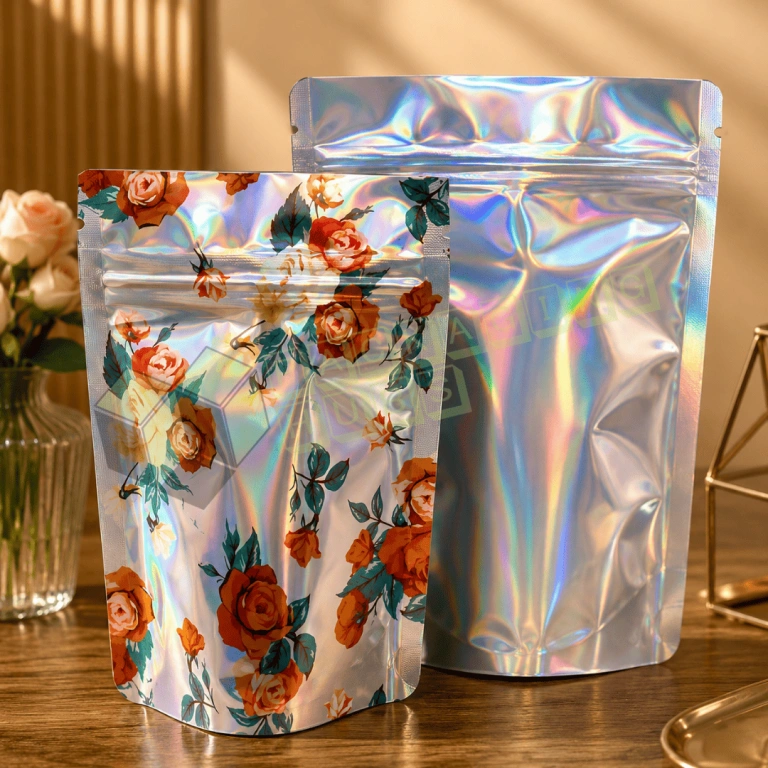
Free design support and free U.S. shipping. No minimum order.
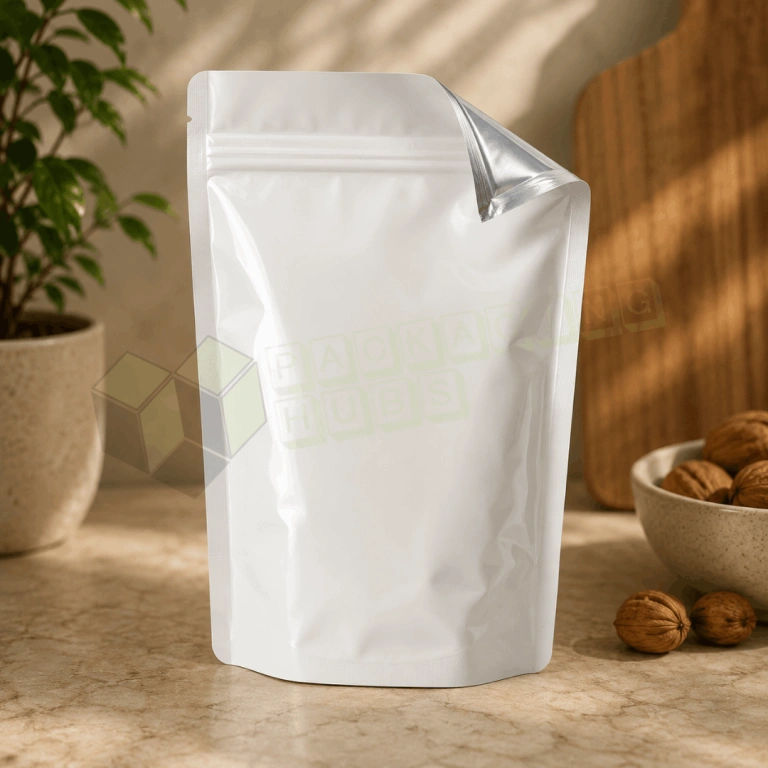
Custom Mylar Heat Seal Bags create a secure top closure for foods, supplements, pet treats, powders, aroma-sensitive goods, and retail products. Choose product-specific laminates, custom dimensions, professional printing, practical opening features, zero MOQ, free design services, flexible lead times, and free shipping.
Custom Mylar Heat Seal Bags give brands a controlled way to close flexible packaging after filling while protecting the product and presenting it professionally. Packaging Hubs develops the laminate, inner sealant, pouch size, seal width, opening method, and printed design around the product and the buyer’s equipment. Therefore, customers do not have to rely on a stock pouch that looks acceptable but seals inconsistently during production.
These pouches can package dried foods, coffee, tea, jerky, supplements, powders, pet treats, cosmetics, accessories, and aroma-sensitive products. A California snack startup may need a small digitally printed run, while a Texas contract packer may require a repeat specification that performs consistently on production equipment. Our zero MOQ policy supports both situations.
Free design services help prevent artwork and dieline errors. Meanwhile, flexible lead-time options support urgent, standard, and planned schedules. Free shipping throughout the United States also helps buyers calculate packaging costs more clearly. Worldwide custom packaging remains available, while international shipping terms are confirmed during quotation.
A heat seal forms when compatible thermoplastic surfaces receive the right combination of heat, pressure, and contact time. However, the correct settings vary according to the film structure, thickness, sealant chemistry, equipment, jaw design, line speed, and product conditions. As a result, a temperature that works on one pouch may scorch, wrinkle, or under-seal another.
The closure area must also remain clean and flat. Powder, crumbs, grease, moisture, folds, and zipper components can interrupt the bond. Therefore, buyers should test the pouch with the actual product and sealer rather than approving it only from a flat digital mockup.
The following table explains the major variables that affect seal formation and what may happen when the settings fall outside a suitable operating range.
| Seal variable | What it controls | When the setting is too low | When the setting is too high |
| Temperature | Softens or melts the inner sealing layers so they can bond | The seal may peel apart, contain channels, or appear incomplete | The film may distort, shrink, burn, or weaken beside the closure |
| Pressure | Brings the two sealing surfaces into consistent contact | Gaps, wrinkles, and uneven bonding may remain | Excessive pressure can thin the closure or damage the laminate |
| Dwell time | Controls how long heat and pressure act on the pouch | Fast contact may not transfer enough heat through the laminate | Excessive contact can overheat the material and reduce output |
| Cooling time | Allows the new bond to stabilize before handling | A hot closure may stretch or separate during movement | Unnecessary cooling can reduce production speed |
| Seal-area cleanliness | Allows uninterrupted contact across the closure | Food or product particles can create weak areas and leak paths | Poor process design may require excessive cleaning and slow filling |
This comparison shows why a dependable closure comes from a tested operating window rather than one universal setting. Packaging Hubs can provide material information and samples, while the buyer validates the final settings on the actual equipment.
The FDA’s inspection guidance for flexible food pouches identifies seal-bar temperature, pressure, and dwell time as important parameters that processors should validate when creating a fused seal. Review the FDA’s flexible-pouch sealing guidance.
Custom Mylar Heat Seal Bags normally use laminated films because the print surface, barrier layer, structural layer, and inner sealant perform different jobs. The outer film supports graphics and handling. A middle layer can improve resistance to oxygen, moisture, light, or odors. Finally, the inner layer touches the product and forms the heat seal.
Before selecting a laminate, buyers should consider the product’s oils, moisture, aroma, edges, storage target, filling temperature, and distribution environment. The following comparison explains common material directions without treating one structure as suitable for every product.
| Material or layer | Primary function | Suitable commercial direction | Important limitation |
| PET or BOPET outer film | Supports printing, stiffness, and abrasion resistance | Branded food, supplement, cosmetic, and retail pouches | It usually needs a separate inner layer for sealing |
| Metallized PET | Adds opacity and improves moisture, oxygen, and light resistance | Coffee, dried foods, powders, jerky, and aroma-sensitive goods | Metallic film can change the appearance of printed colors |
| Aluminum foil laminate | Provides a stronger barrier for demanding applications | Selected long-storage, freeze-dried, or highly sensitive products | It costs more, prevents visibility, and may show creasing |
| PE or LLDPE sealant | Creates a flexible inner bonding surface | General sealed pouches and many food applications | The grade must match the product and production process |
| CPP sealant | Supports heat sealing and can provide useful clarity or stiffness | Selected snack, confectionery, and retail structures | Performance varies according to the full laminate and equipment |
| Clear barrier film | Allows customers to inspect the contents | Attractive snacks, ingredients, and visual retail products | Transparent areas generally provide less light protection |
The term “Mylar” does not define the complete pouch. The bond depends primarily on the inner thermoplastic layer, while the outer layers influence heat transfer, stiffness, printing, and barrier performance. Packaging Hubs recommends a complete construction based on the stated application instead of promising that one film will protect every product.
When packaging will contact food, the inner layer, adhesives, colorants, and other components should suit the intended conditions of use. The FDA’s food-contact packaging information explains that regulatory status depends on the substance and its intended application. Therefore, buyers should avoid unsupported blanket claims that every finished pouch is “FDA approved.”
A mylar bag heat sealer may use impulse, constant-heat, band-sealing, chamber, or integrated form-fill-seal technology. Small businesses often use tabletop impulse sealers for controlled runs because the sealing element heats during each cycle. Higher-output operations may use continuous band sealers or automated equipment to increase throughput and maintain repeat settings.
Machine compatibility matters. Jaw width, maximum pouch opening, temperature range, available pressure, dwell control, conveyor speed, and cooling all influence performance. Packaging Hubs asks buyers about their equipment before finalizing the inner sealant and pouch format. This step can prevent the costly discovery that a printed production run is too wide for the machine or requires settings outside its practical range.
For a New York specialty-food producer, a tabletop unit may support short controlled batches. In contrast, an Ohio co-packer may need a pouch that runs consistently at a defined line speed. Both buyers need dependable sealing, although their equipment, output, and validation requirements differ.
Custom Mylar Heat Seal Bags should be sized from the filled product rather than from a flat empty sample. The width, height, gusset, headspace, closure margin, and opening method all affect filling speed and final appearance. A pouch that is too short can push the product into the seal area, while an oversized pouch can look underfilled and waste material.
The next table connects common formats with the closure-planning decisions buyers should make before approving the dimensions.
| Pouch format | Typical use | Seal-zone priority | Buyer consideration |
| Flat three-side-seal pouch | Samples, powders, small accessories, and single-use products | Leave a clean open edge for final closure | Confirm whether the customer needs a tear notch |
| stand pouch bag | Snacks, coffee, supplements, pet treats, and multi-use products | Keep the product below the zipper and top seal | Match the gusset depth to actual fill volume |
| Side-gusset pouch | Coffee, grains, ingredients, and larger fills | Maintain flat upper panels despite gusset expansion | Check whether the folded sides enter the jaws |
| Flat-bottom pouch | Premium products and heavier retail contents | Control the opening while maintaining filled stability | Balance added structure with machine loading |
| Large flexible liner | Bulk dry goods, ingredients, and storage applications | Provide a wide and accessible closure area | Use suitable secondary protection when puncture risk is high |
This comparison shows that closure reliability begins with dimensions. A properly developed stand pouch bag gives operators enough headspace to keep crumbs, powder, or products away from the sealing area. Packaging Hubs can prepare custom dimensions using a physical sample, fill data, or equipment information so the pouch works during production and on the shelf.
heat sealable mylar bags can use a permanent top closure alone or combine that closure with a zipper underneath. A permanent seal suits single-use products, bulk liners, samples, and tamper-evident retail packs. Meanwhile, a zipper supports repeated access after the customer removes the sealed header.
The final configuration should reflect customer behavior. A powder used every day may benefit from a zipper, while a single-serving product may only require a tear notch. If the contents are sensitive to repeated exposure, the brand may also need smaller portions so customers open less product at one time.
Businesses that require repeated access can compare Custom Mylar Ziplock Bags in a separate packaging discussion. The zipper and heat seal perform different roles. The top closure creates the initial sealed package, while the zipper supports later reuse. Correct positioning improves opening convenience without reducing the space needed for filling.
heat sealing mylar bags joins the inner surfaces at the pouch opening, but it does not automatically remove air from the headspace. Vacuum packaging adds a separate air-removal stage, and the pouch must match the machine. External-suction and chamber systems may require different surfaces, formats, and sealant structures.
Brands that need mechanical air removal can review Custom Mylar Vacuum Seal Bags rather than assuming every heat-sealed pouch will run on every vacuum system. Sharp products can puncture film, powders can enter the closure, and aggressive vacuum levels can crush fragile foods. Therefore, equipment and product testing should occur before full production.
A vacuum process also does not replace proper food processing, refrigeration, freezing, or validated shelf-life controls. The pouch must support the complete preservation method rather than act as the method by itself.
heavy duty mylar bags may be suitable for bulk foods, sharp-edged products, industrial components, large pet-treat quantities, or distribution routes with greater handling and puncture risk. However, “heavy duty” should describe a tested combination of laminate strength, thickness, closure width, gusset construction, and filled performance rather than thickness alone.
A thicker pouch can still fail when the inner layer does not match the equipment or when sharp contents concentrate force at one point. Conversely, an unnecessarily heavy laminate can increase costs and make opening more difficult. We review the filled weight, product shape, drop risk, cartons, pallets, and storage environment before recommending the material.
Larger pouches may also require stronger side seals, wider top closures, and reinforced carrying features. Therefore, the entire structure should scale with the filled load instead of simply enlarging a small retail dieline.
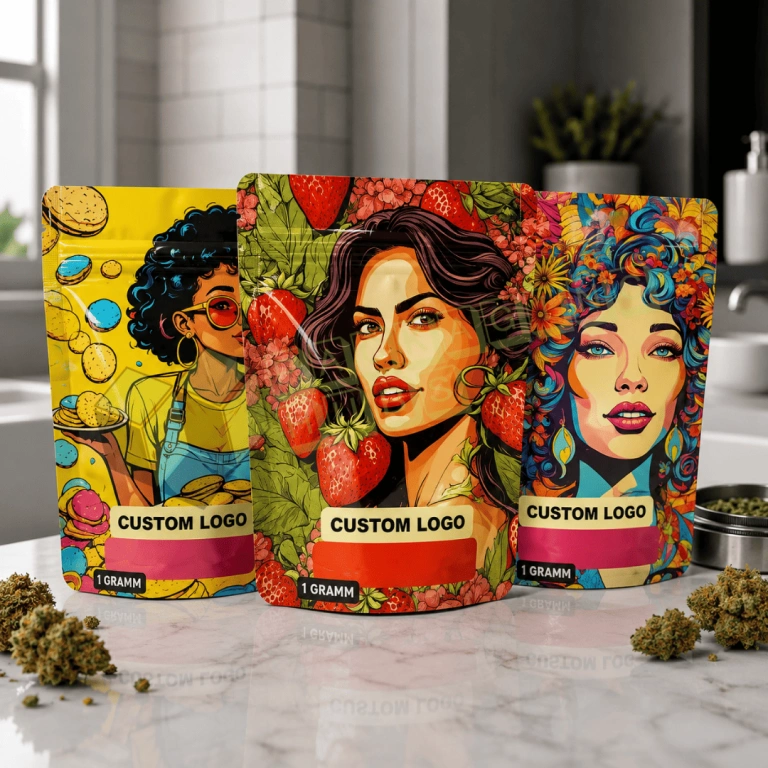
Custom Mylar Heat Seal Bags can carry product identity, usage directions, batch details, barcodes, warnings, and promotional information directly on the pouch. Digital printing suits short runs, multiple SKUs, regional tests, and frequent artwork changes. Flexographic printing can support efficient repeat production, while rotogravure may deliver highly consistent graphics across larger volumes.
CMYK works well for photographs, gradients, and full-color illustrations. PMS or Pantone spot colors can help control important brand shades across repeat orders. RGB remains a screen-based mode, so designers should convert and review files before printing. White ink may also be necessary on metallic or transparent film to keep colors, barcodes, and fine text legible.
Packaging Hubs provides free design services for dielines, bleed, image resolution, outlined fonts, color mode, zipper clearance, and seal-zone planning. For example, a Florida supplement brand may need several coordinated artwork versions, while a Colorado coffee roaster may prioritize consistent matte colors across repeat production.
Finishes can include matte, gloss, soft-touch, metallic effects, transparent windows, and selected spot treatments. However, the finish should never interfere with sealing, barcode performance, required information, or normal package handling.
A visually straight closure can still contain channels, folds, weak bonding, or product contamination. Therefore, commercial buyers should create an inspection plan that suits the product risk and production volume. Visual review, peel testing, leak detection, burst testing, and retained samples may support quality control depending on the application.
ASTM F88/F88M covers measurement of the force required to separate a seal in flexible barrier materials and also identifies the specimen’s failure mode. Review ASTM F88/F88M for seal-strength testing. The standard does not replace product-specific validation, although it gives packaging teams a recognized method for evaluating and comparing seal performance.
Packaging Hubs can discuss sampling and production expectations during quotation. However, food processors and regulated-product businesses remain responsible for validating the complete filled package and maintaining suitable production controls.
Dried foods, snacks, supplements, powders, coffee, tea, and pet treats can all use a fused closure, although each category creates different risks. Oil can interfere with sealing. Fine powder can contaminate the closure. Sharp pieces can puncture the film, while fragile products can break inside an undersized pouch.
For dried-meat brands, Beef Jerky Bags provide a product-specific direction that combines barrier planning, resealable access, and a sealed header. Jerky packaging should reflect the recipe, moisture level, oils, processing method, and intended distribution rather than relying on the closure alone.
The package should also leave enough space for ingredients, nutrition information, lot coding, storage directions, and any other required communication. As a result, sizing and artwork planning must support regulatory and commercial needs together.
A fused top closes the pouch opening, but odor control depends on the complete laminate, side seals, zipper, repeated opening, and storage environment. Strongly aromatic products may require a more carefully selected barrier structure than an ordinary retail pouch.
Buyers can compare Custom Smell Proof Mylar Bags when aroma containment forms a central purchasing requirement. Packaging Hubs can combine suitable barrier layers, zipper options, and a final top seal. However, the phrase “smell proof” should match documented or validated package performance instead of functioning as an unsupported absolute promise.
Aroma-sensitive brands should also test the filled package after storage and repeated opening. This gives the business more useful evidence than relying only on the name of the film or closure.
Custom Mylar Heat Seal Bags create the most value when they solve a specific filling, protection, merchandising, or purchasing problem. Buyers should identify the failure that would cause the greatest commercial cost before choosing films or decorative finishes.
The following table connects common customer pain points with the package and process decisions that can address them.
| Customer problem | Packaging response | Commercial outcome |
| Closures open during shipping or handling | Match the sealant to the machine and validate temperature, pressure, and dwell time | Fewer leaks, returns, rejected units, and damaged cartons |
| Powder, crumbs, or grease enter the seal | Increase headspace, widen the closure area, and improve filling control | More consistent sealing and faster inspection |
| The pouch wrinkles, melts, or burns | Adjust the material construction and operating window | Better appearance and less film damage |
| A stock size looks underfilled | Build dimensions around actual fill volume and gusset expansion | Stronger shelf presentation and reduced material use |
| Sharp or heavy products puncture the film | Increase puncture resistance and improve secondary protection | Lower shipping damage and inventory loss |
| Customers cannot close the pouch again | Add a zipper beneath the initial sealed header | Tamper evidence before sale and convenience after opening |
| High minimums make product testing risky | Use zero MOQ and short-run printing | Easier product launches, regional tests, and seasonal editions |
| Artwork interferes with production | Use an accurate dieline and free prepress review | Fewer approval delays and clearer brand presentation |
The table highlights why closure problems rarely come from temperature alone. Dimensions, filling control, material choice, equipment, artwork, storage, and handling all contribute to the result. Packaging Hubs coordinates these factors so the pouch supports efficient production and a dependable customer experience.
Custom Mylar Heat Seal Bags are available in flat, gusseted, stand-up, zippered, and bulk formats with product-specific films, custom dimensions, professional printing, and practical finishes. Packaging Hubs serves startups, small businesses, contract packers, wholesalers, distributors, and established B2B brands throughout the United States while also supporting worldwide packaging projects.
Our zero MOQ policy allows buyers to run controlled product tests and place larger repeat orders. Free design services help prepare artwork and production-ready dielines. Free U.S. shipping simplifies purchasing calculations, while flexible lead-time options support urgent, standard, and planned schedules.
Send the product type, fill weight, required dimensions, quantity, material goal, closure preference, sealing equipment, artwork, finish, and delivery target. Our team will review the requirements and recommend a practical production path without inventing unsupported shelf-life or performance claims.
Order Now to begin production planning, or Get a Free Quote to compare materials, dimensions, printing methods, sealing formats, and finishes.
| Box Style | Custom Mylar Heat Seal Bags |
| Dimension (L + W + H) | All Custom Sizes & Shapes |
| Quantities | No Minimum Order Required |
| Stock | Material, MOPP/VMPET/PE/BOPP/ALU, THICKNESS: 100/120/150 microns/sid |
| Printing | Digital/ Gravure |
| Finishing | Gloss/ Matt/ Spot uv |
| Included Options | Die Cutting, Gluing, Scored, Perforation |
| Additional Options | Eco-Friendly, Recycled Boxes, Biodegradable |
| Proof | Flat View, 3D Mock-up, Physical Sampling (On request) |
| Turnaround | 4 – 8 Business Days, RUSH |
| Shipping | FLAT |
Pick the stock and the finish that suit your product. We’ll confirm both on your proof before anything is printed.
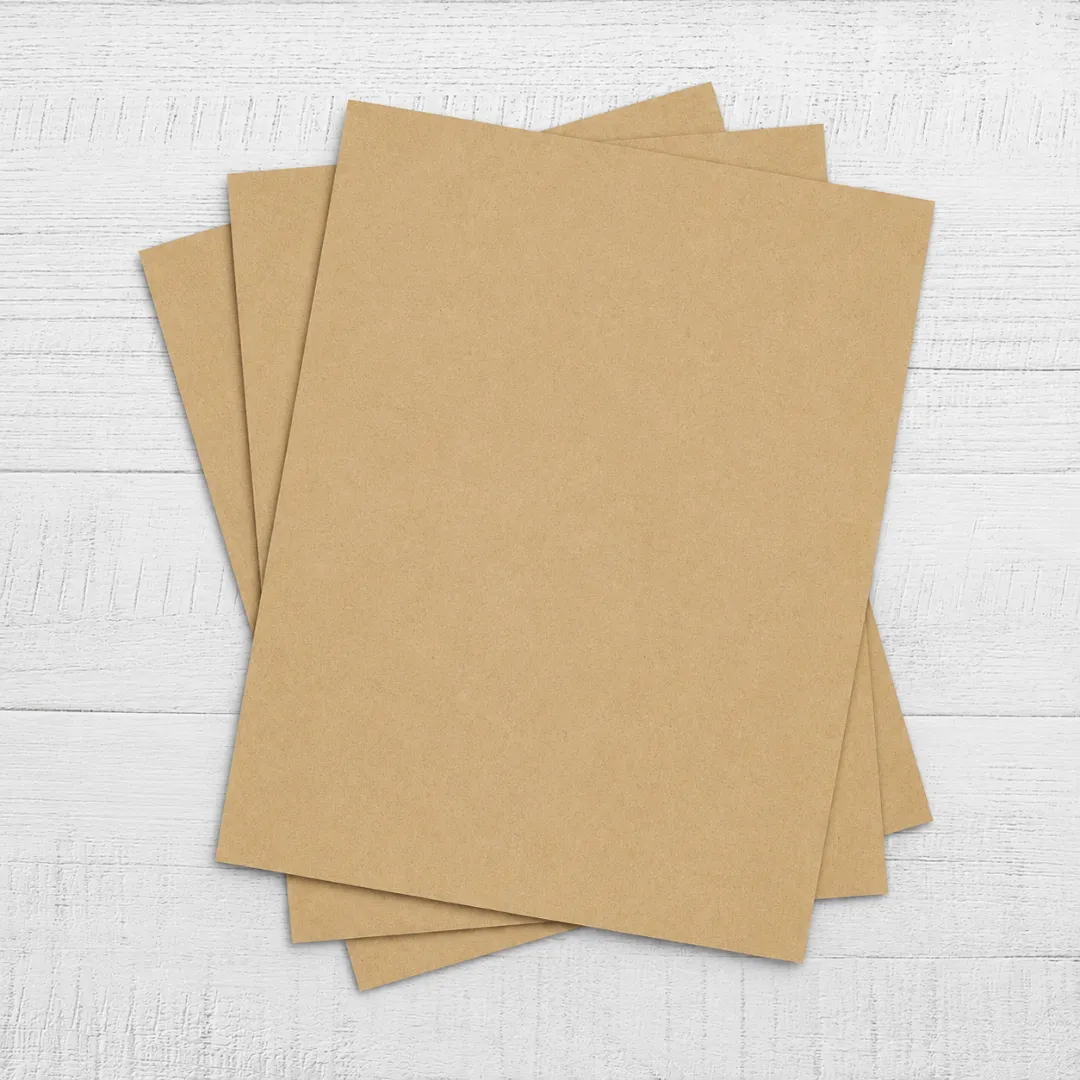
Kraft paper is a strong, durable and reliable material that is widely used across many different industries.
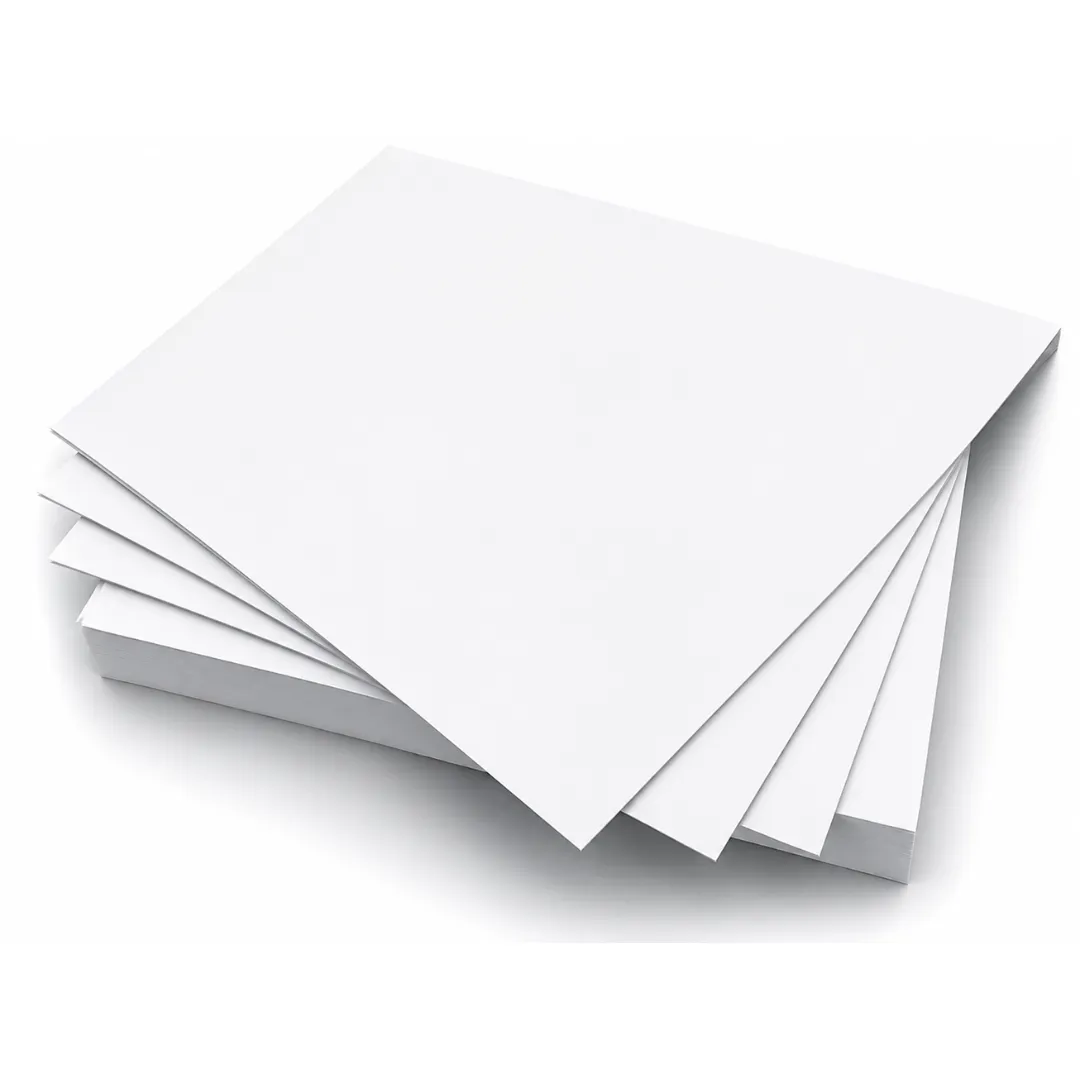
We use cardboard material with the least environmental impact and minimizes waste generation.
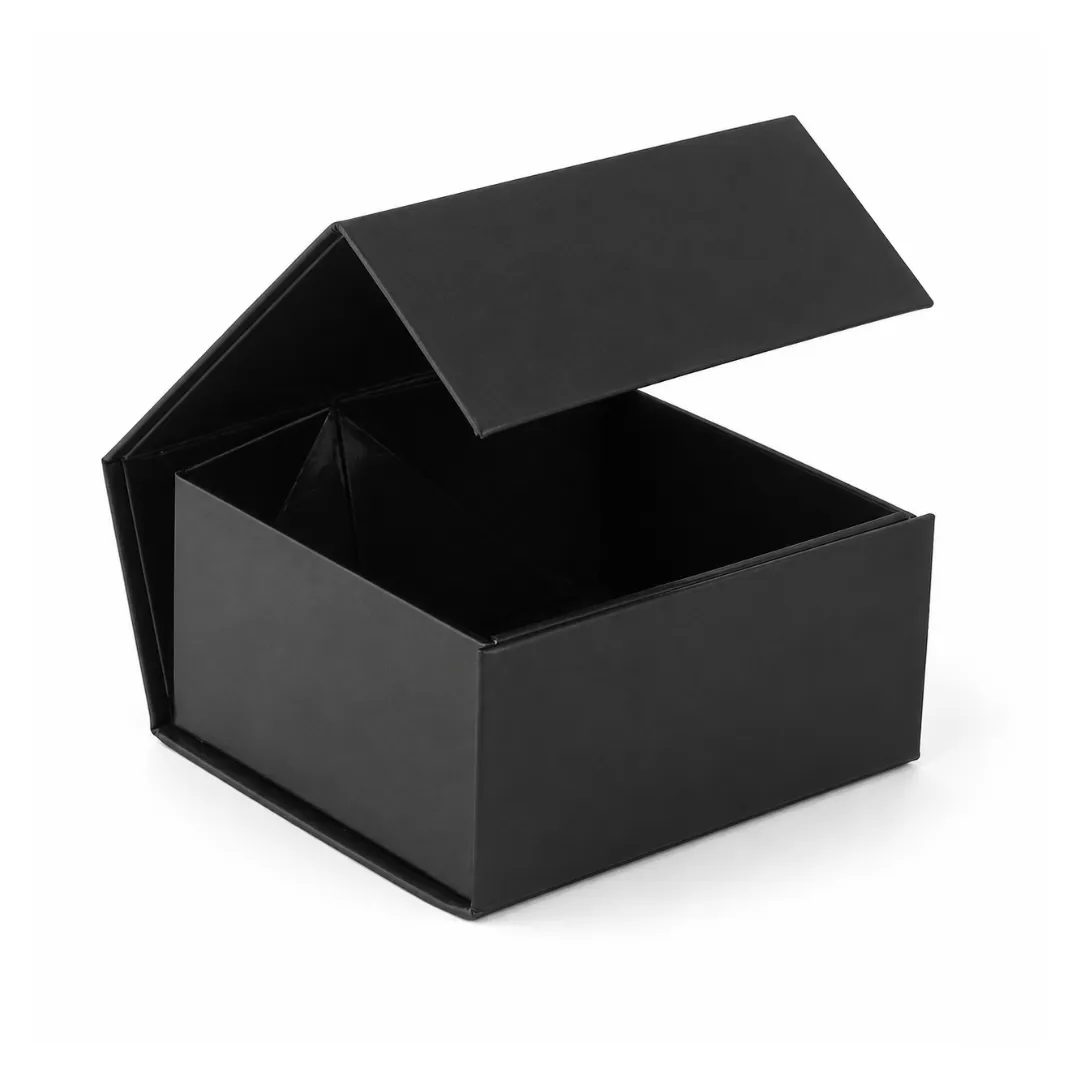
Rigid is highly protective, affordable and recyclable material. These boxes provide maximum protection.
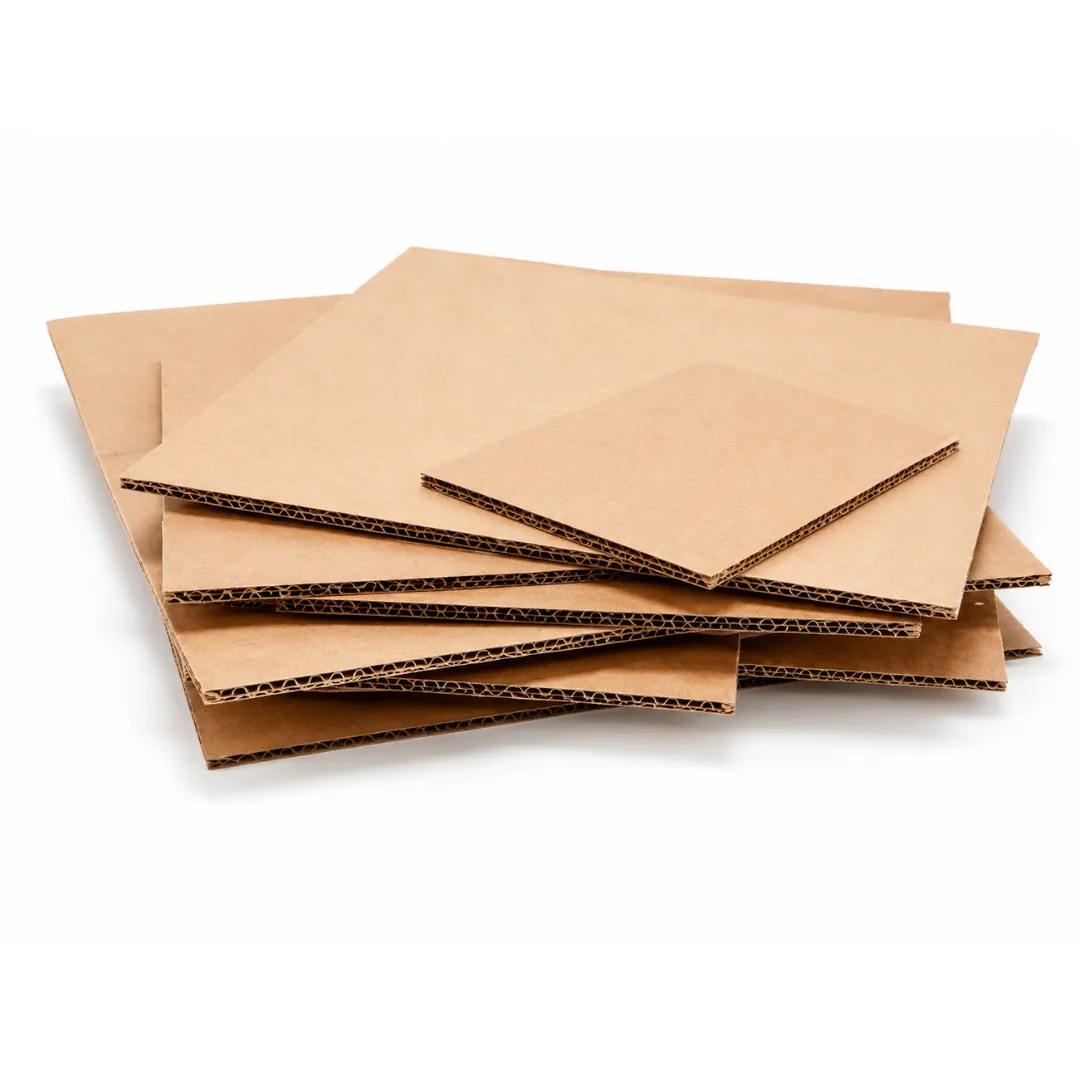
Corrugated material is easy to customize, cost effective and sustainable. It is also great for branding purposes.
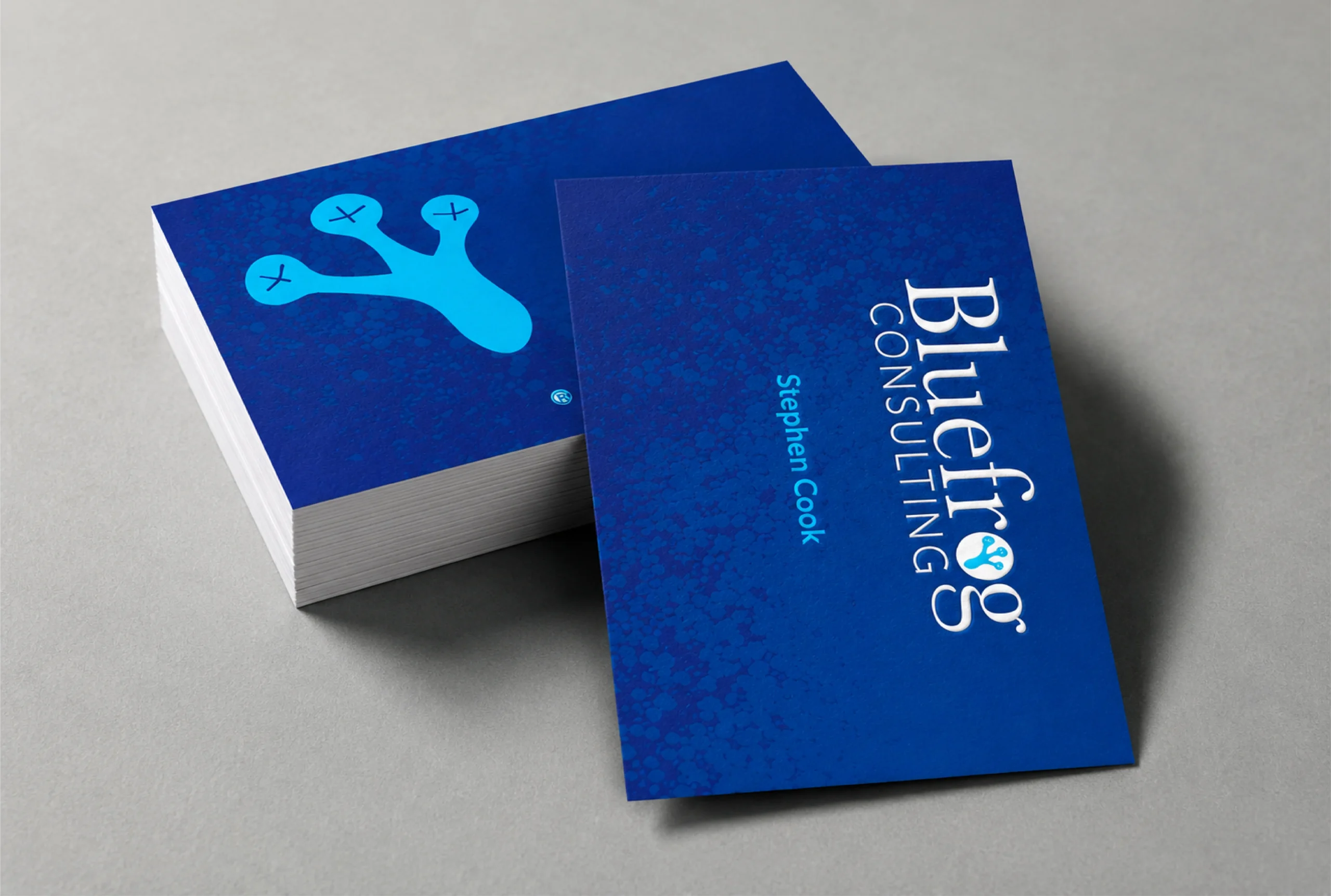
We add additional layer of protection with soft touch lamination from toner chipping.
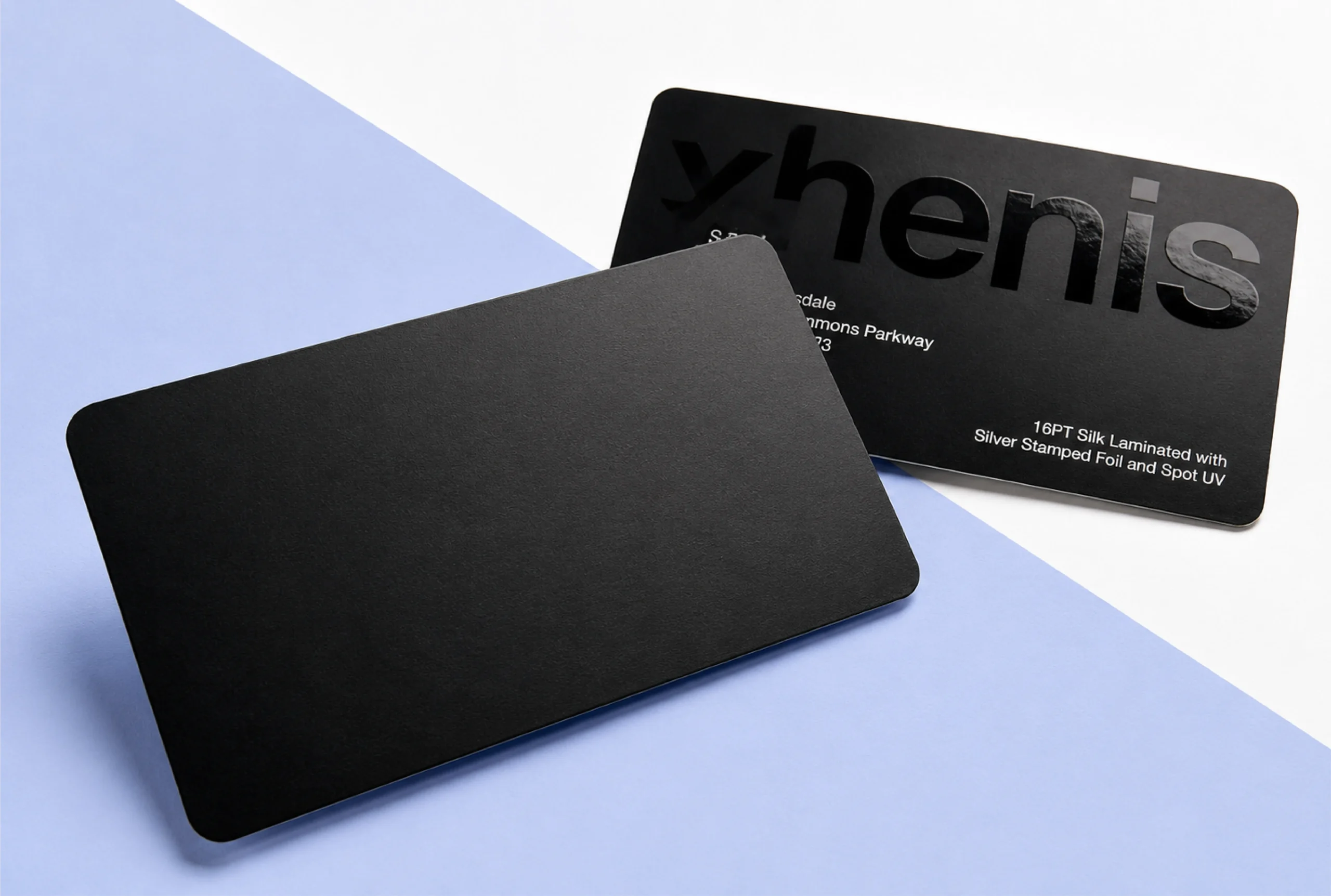
With our matte finish, fingerprints and smudges will now be less visible on the packaging.
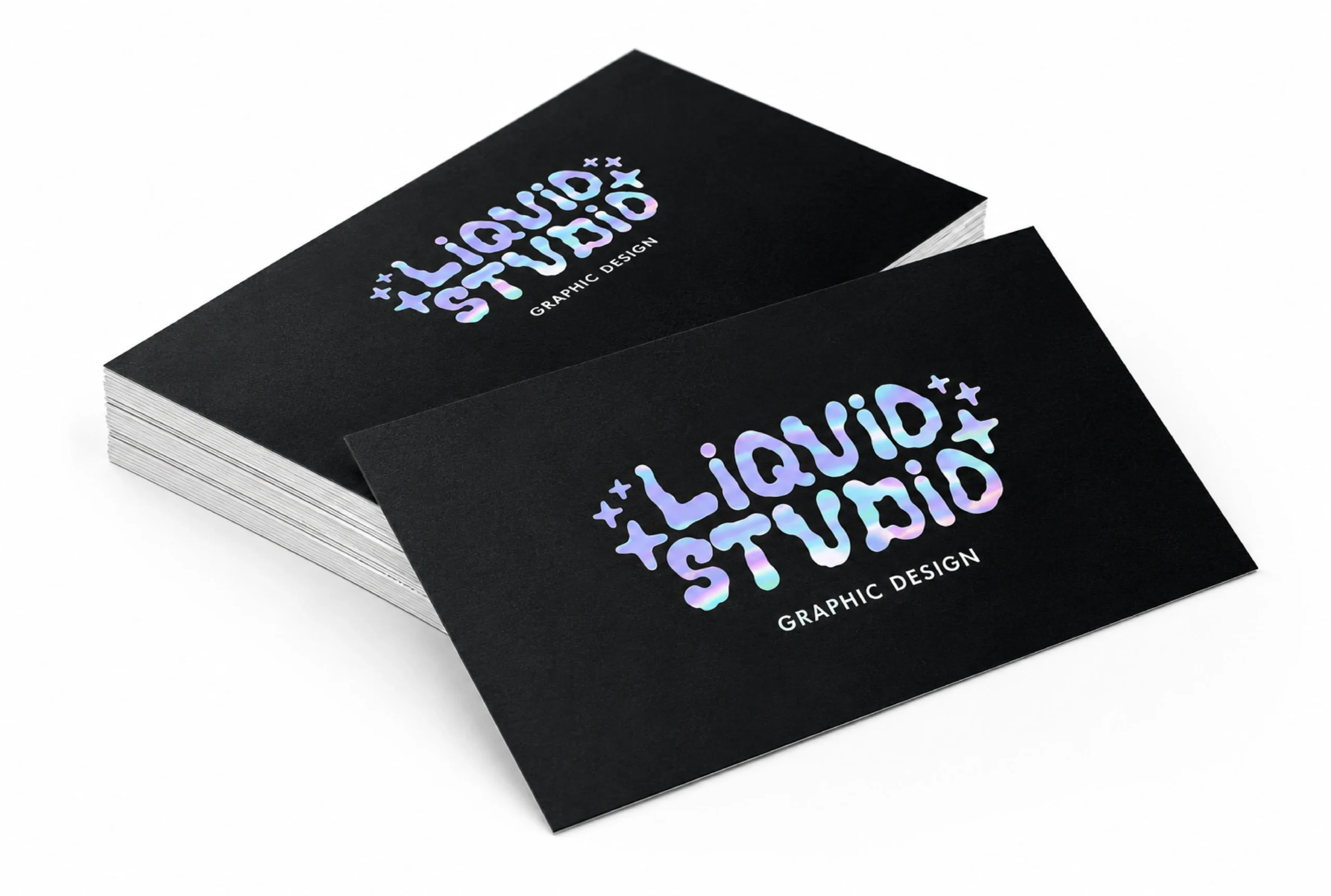
Holographic foil diffracts light and reveals the colors of the rainbow at various angles.
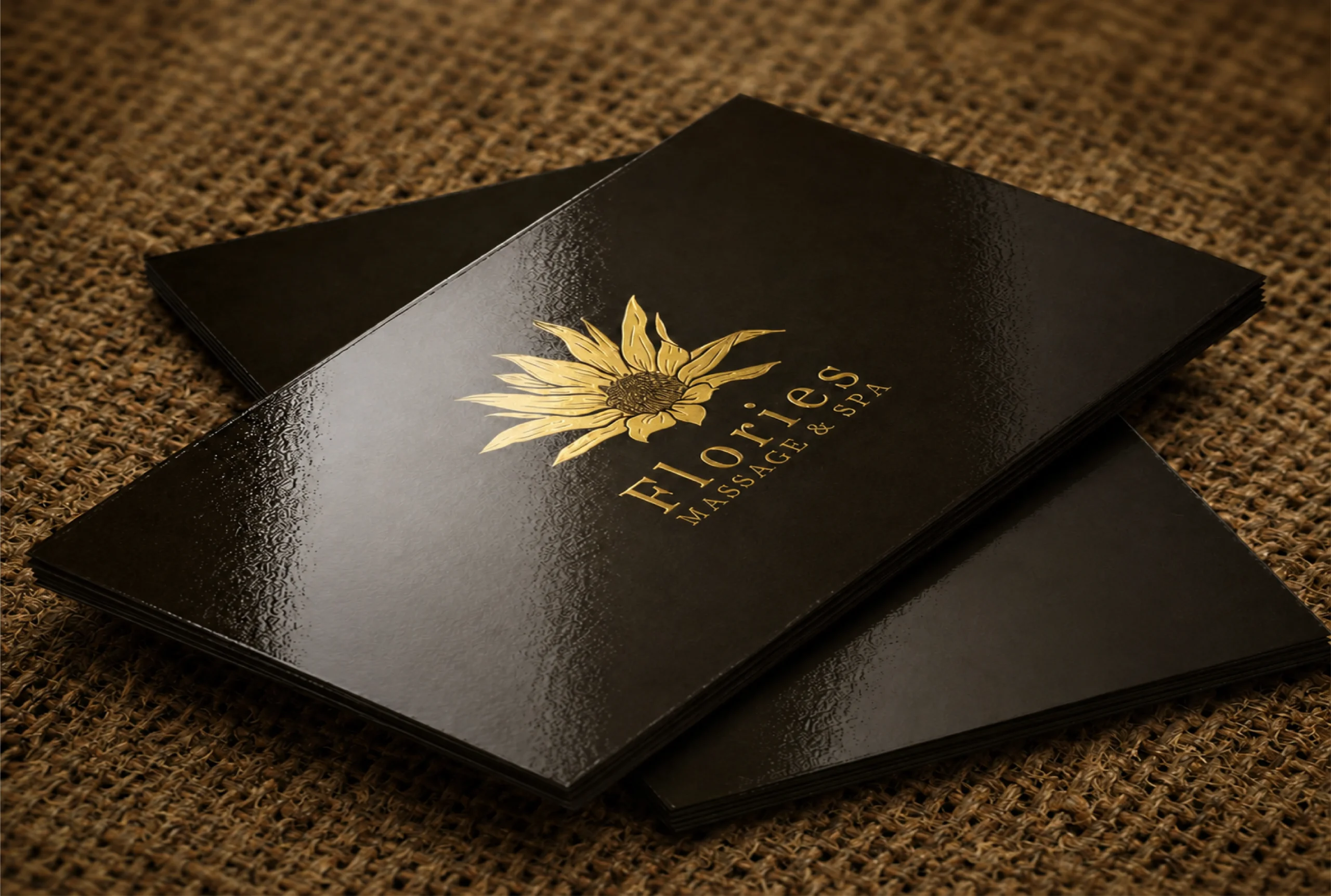
Our glossy finishing gives your packaging an extra layer of shine.
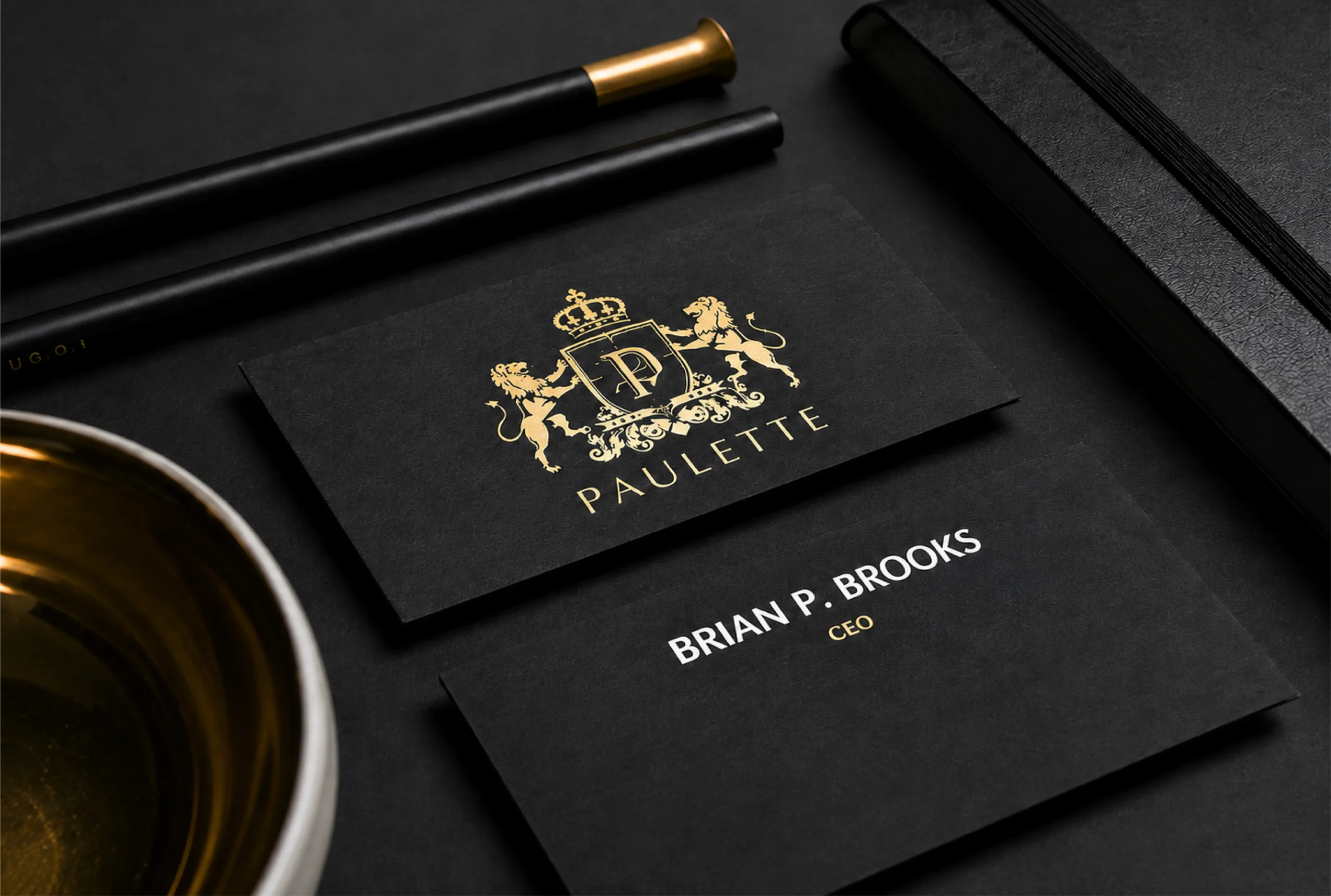
Decorate a wide range of your product packaging with our foil stamping.
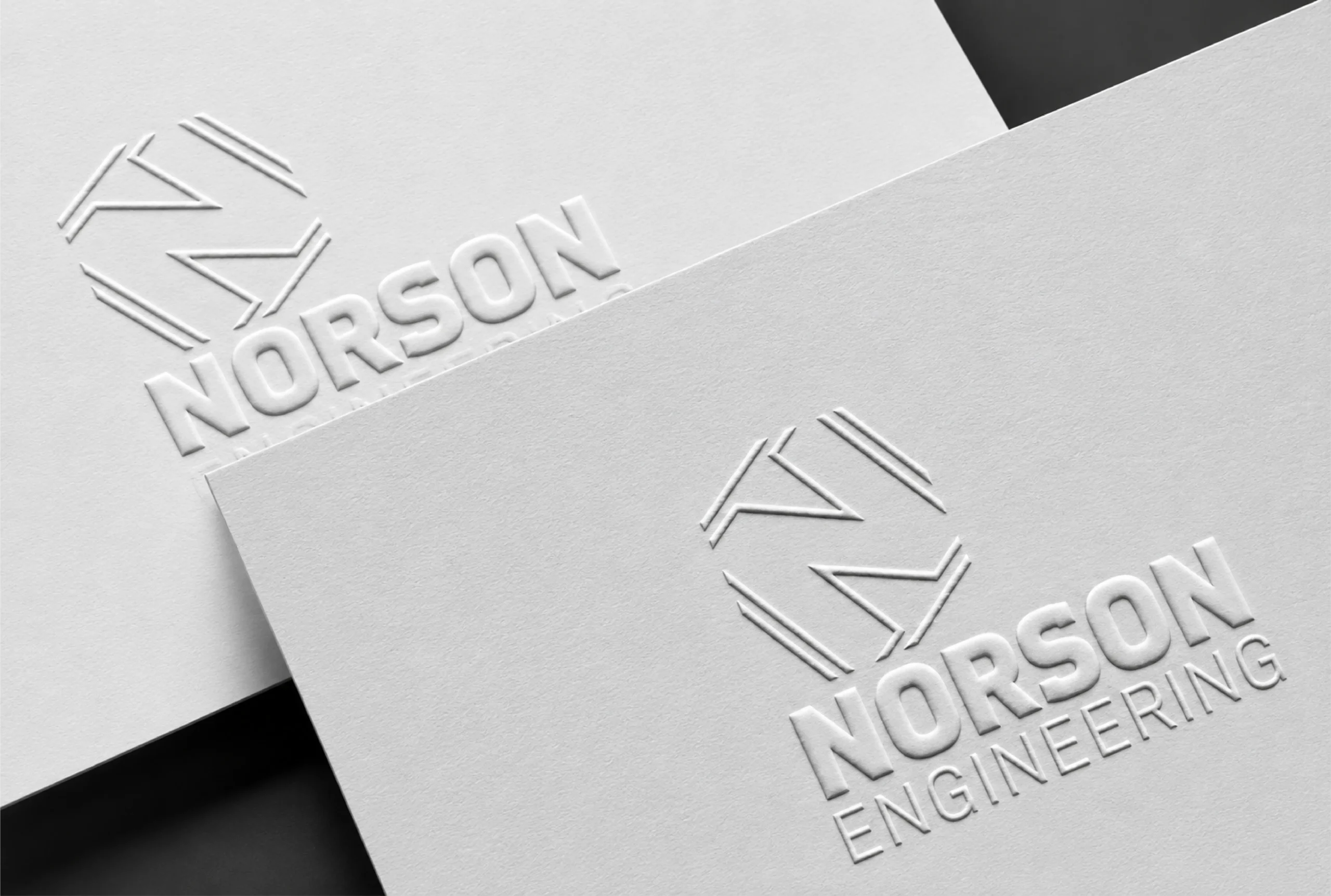
With our embossing technique, we transfer the finest details of your product on packaging.

We use debossing technique to add unique graphics into your packaging.
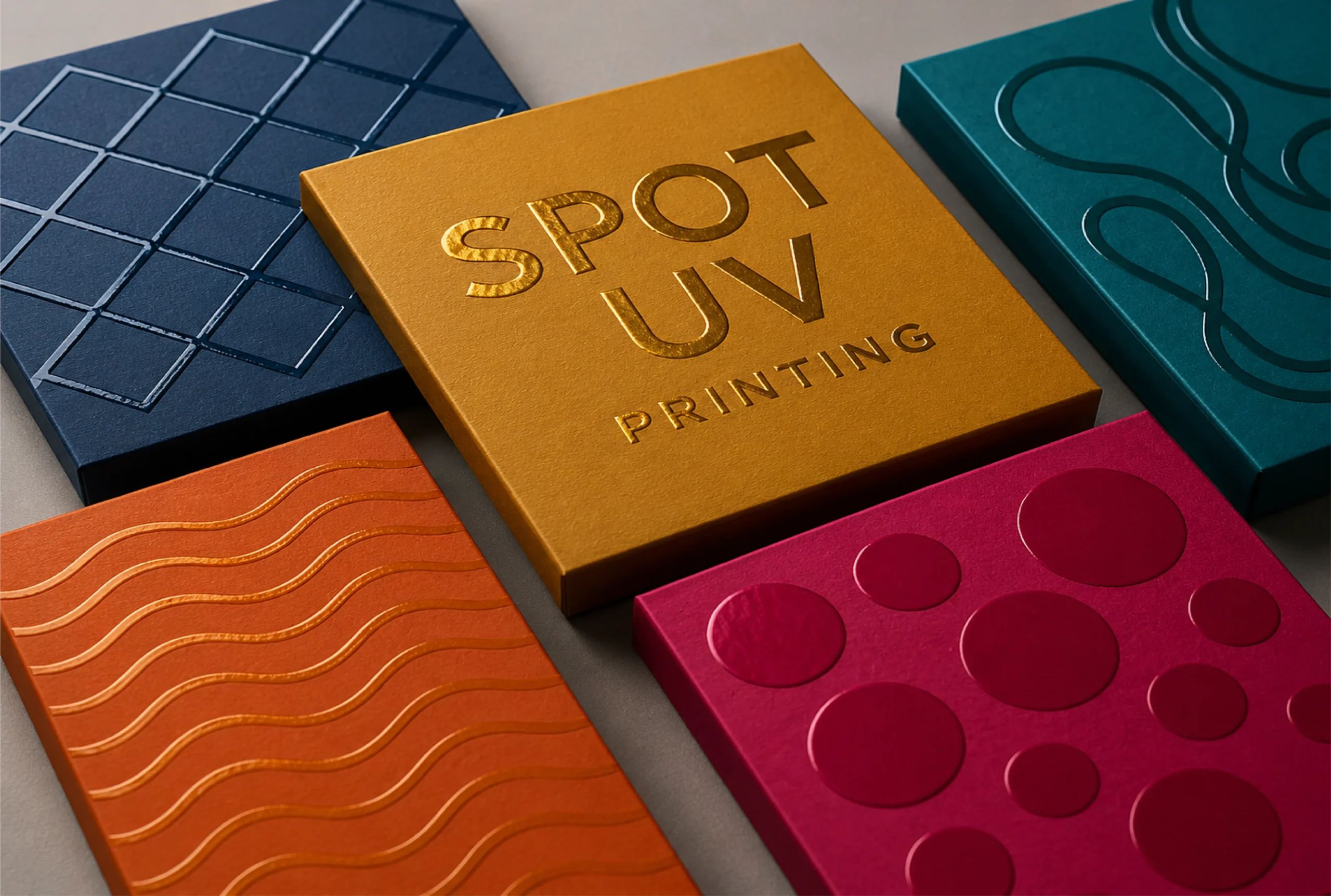
Our high-gloss UV coating gives light and shine to cure the printed material's varnish.
Still unsure? Email sales@packaginghubs.com and a packaging specialist will help.
Get your free quote today and see why Packaging Hubs is the most trusted name in U.S. custom packaging.