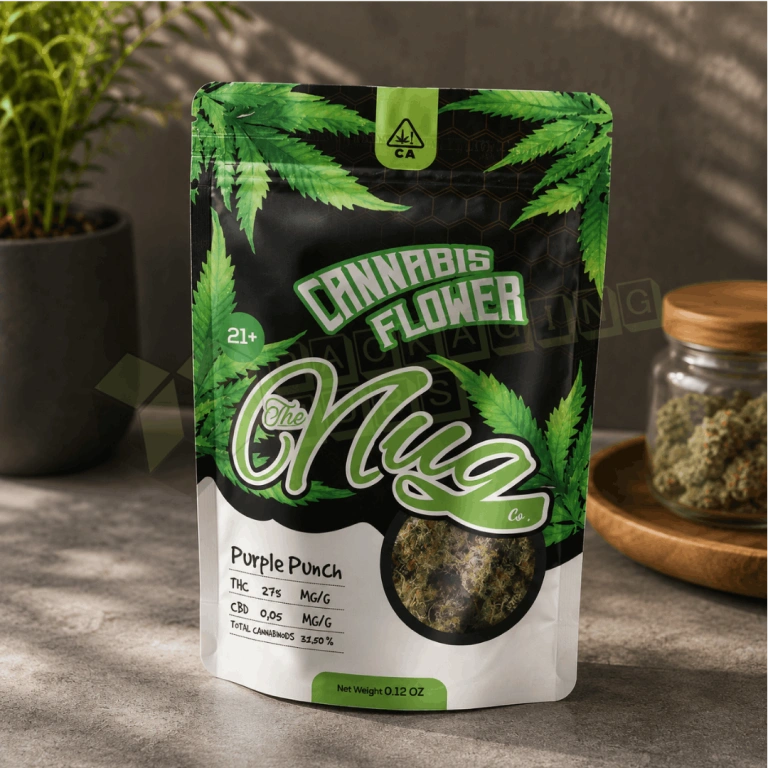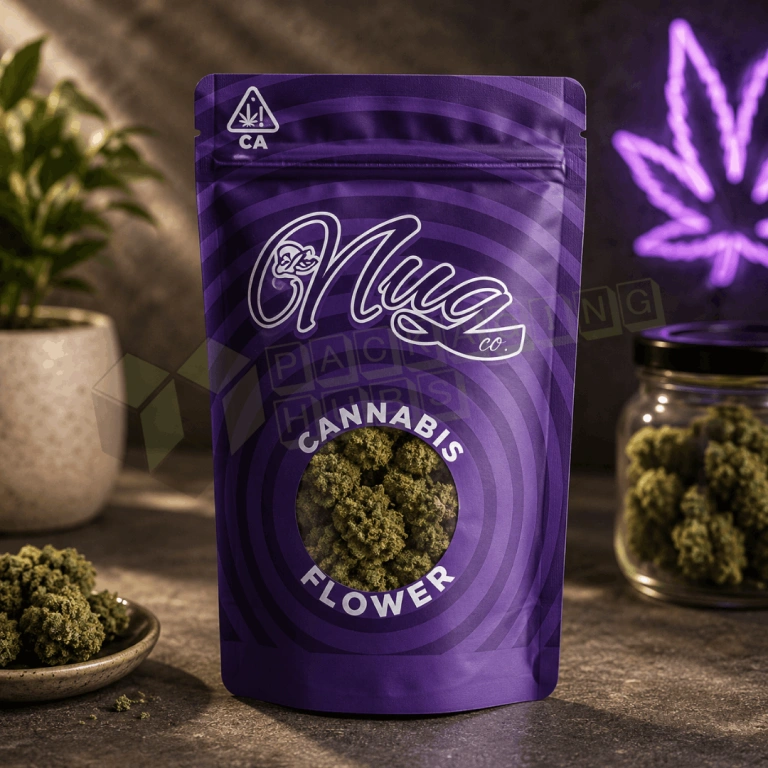
Free design support and free U.S. shipping. No minimum order.
Create product-specific mushroom packaging with custom dimensions, barrier-focused films, resealable closures, premium printing, and distinctive finishes. Packaging Hubs offers zero MOQ, free design services, flexible lead times, and free shipping.
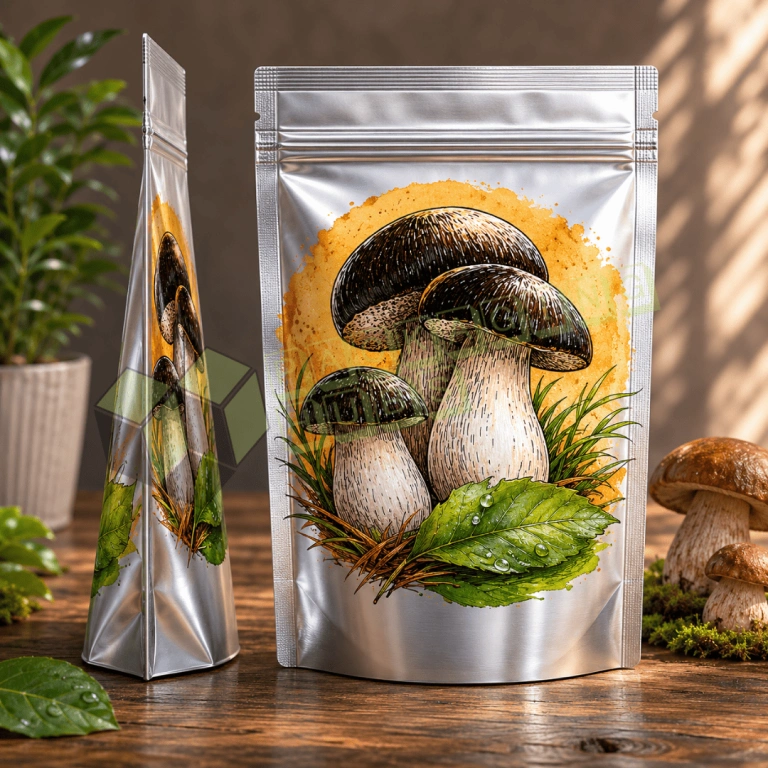
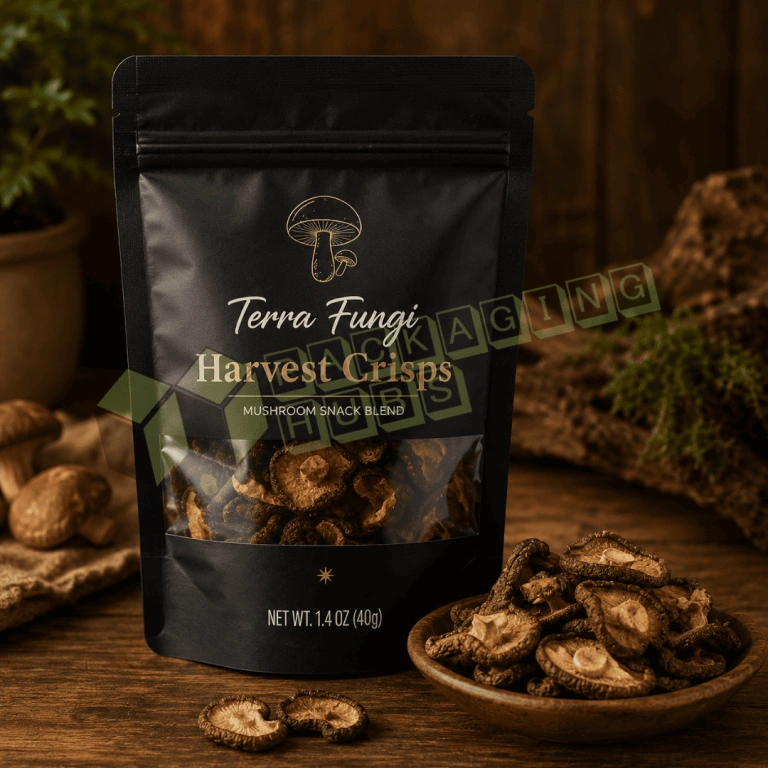
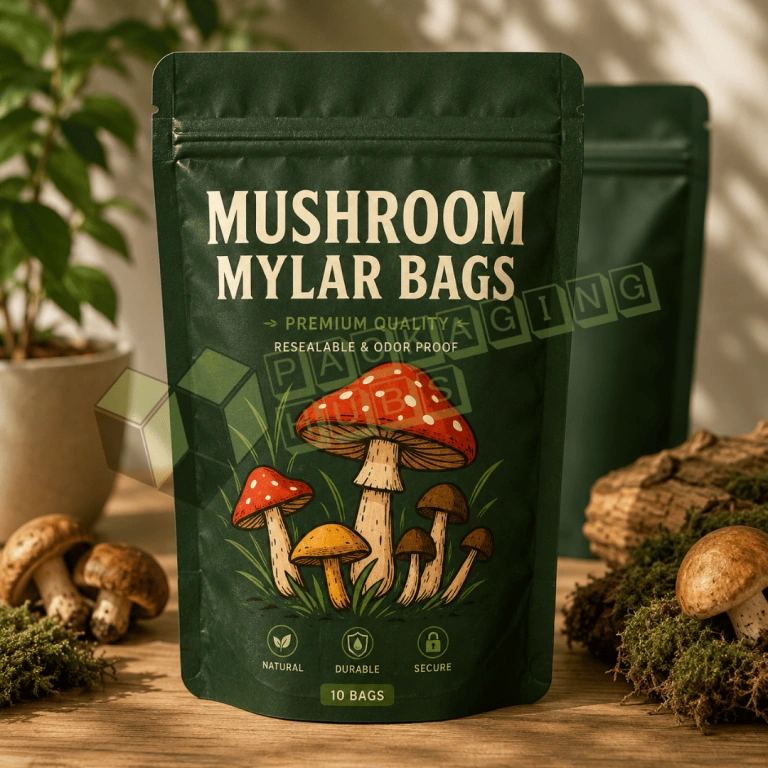
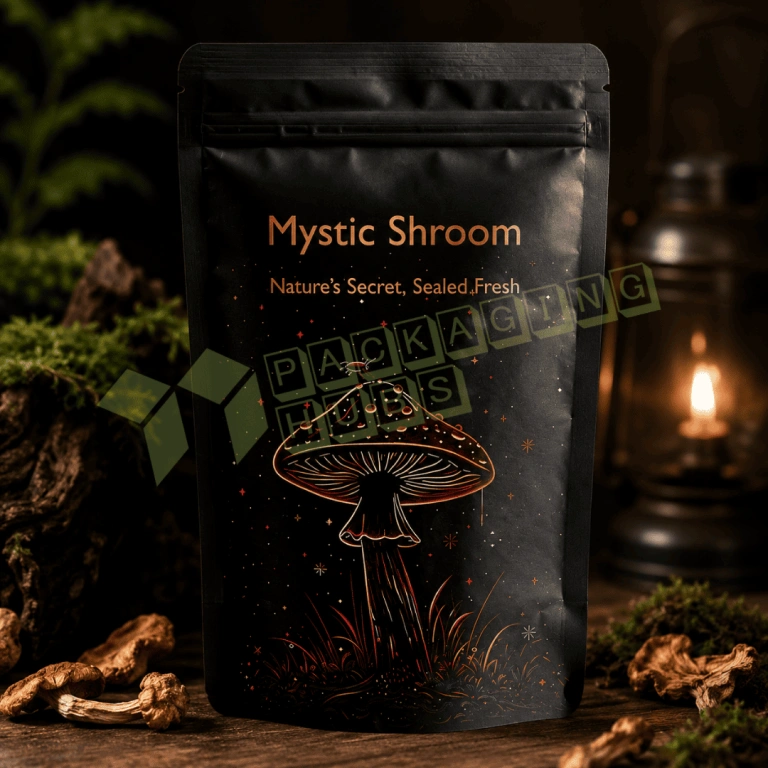
Custom Mushroom Mylar Bags give food, wellness, supplement, snack, and specialty retail brands a flexible way to protect dry products while presenting them professionally. Packaging Hubs develops the dimensions, film structure, closure, print coverage, and finish around the contents instead of forcing every mushroom product into the same stock pouch.
These custom printed mushroom mylar bags can package dried culinary mushrooms, freeze-dried pieces, mushroom powders, functional blends, mushroom coffee, seasoning mixes, supplements, confectionery, and other lawful shelf-stable products. However, fresh whole mushrooms have different respiration, refrigeration, and condensation-control needs. Therefore, buyers should not place fresh produce inside a standard sealed high-barrier pouch without a validated breathable or modified-atmosphere plan.
A California startup may need a short launch run for mushroom coffee, while a Pennsylvania food processor may need several sizes for dried varieties. Our zero MOQ policy supports both projects. In addition, buyers receive free design services, flexible lead-time options, and free shipping throughout the United States. Request a free quote to compare materials, sizes, printing methods, and closures for your exact product.
The product form determines almost every packaging decision. Dried mushroom slices need protection from moisture re-entry and physical breakage. Mushroom powder needs clean seal areas and enough headspace to keep fine particles away from the zipper. Meanwhile, supplements need organized panels for ingredients, instructions, lot information, and brand communication.
Before approving mushroom packaging bags, identify whether the contents are dried, freeze-dried, powdered, blended, individually wrapped, or fresh. The following comparison explains how product form changes the most suitable pouch direction.
| Product form | Suitable pouch direction | Main packaging concern | Practical features |
| Dried mushroom slices | Flat or stand-up barrier pouch | Moisture re-entry, breakage, and aroma loss | Resealable zipper, heat seal, tear notch, and protective gusset |
| Freeze-dried mushrooms | High-barrier pouch with controlled headspace | Fragility and rapid moisture pickup | Strong moisture barrier, careful sizing, and absorber compatibility when validated |
| Mushroom powder | Upright pouch with a dependable inner sealant | Powder entering the zipper or heat-seal area | Wider seal zone, clean-fill allowance, and suitable headspace |
| Mushroom coffee or drink blend | Retail stand-up pouch | Aroma retention, repeated use, and brand differentiation | Zipper, tear notch, matte or gloss finish, and high-quality print |
| Supplement products | Compact retail pouch | Information hierarchy, tamper evidence, and customer confidence | Controlled print panels, final heat seal, and suitable closure |
| Fresh mushrooms | Breathable or validated produce packaging | Respiration, condensation, and refrigeration | Product-specific permeability, ventilation, and cold-chain planning |
This table shows why one specification cannot suit every product. Dried and freeze-dried goods may benefit from moisture-barrier mushroom pouch packaging, while fresh produce may require ventilation and controlled refrigeration. Our team reviews the actual contents first so the final package supports product behavior instead of relying on a generic marketing claim.
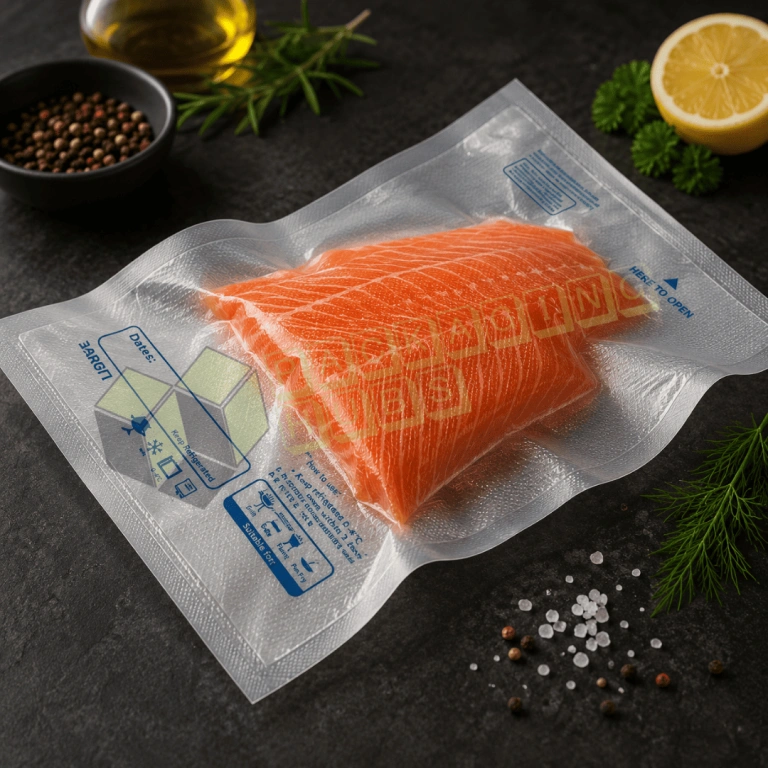
Fresh mushrooms continue to respire after harvest. A package that traps unsuitable moisture or gases can accelerate quality loss even when the pouch looks secure. Consequently, a standard sealed barrier bag should not be presented as a universal solution for fresh whole mushrooms.
Depending on the species, processing, distribution time, and cold chain, fresh products may require vented bags, microperforated film, breathable wraps, trays, absorbent components, or a professionally developed modified-atmosphere system. By contrast, Custom Mushroom Mylar Bags are generally better suited to dried, powdered, freeze-dried, processed, or otherwise shelf-stable products whose validated storage plan benefits from controlled moisture and oxygen transmission.
This distinction protects businesses from choosing attractive packaging that conflicts with their product. It also gives culinary brands, growers, and processors a clearer path: use breathable produce packaging for fresh mushrooms and barrier-focused custom mushroom pouches for approved dry products.
A commercial pouch commonly combines several films because no single layer provides every required property. The outer layer supports printing and surface durability, the middle layer contributes barrier performance, and the inner layer creates the product-contact and heat-sealing surface. The construction should match the product’s moisture sensitivity, aroma, oils, particle size, expected storage period, and filling process.
The material comparison below explains how common layers contribute to the complete package. It also shows why laminate selection should come before decorative finishing.
| Material direction | Primary function | Suitable application | Buyer consideration |
| PET or BOPET outer film | Supports sharp printing, stiffness, and abrasion resistance | Retail pouches with detailed branding | Usually requires a separate sealant and barrier layer |
| Metallized PET or VMPET | Improves opacity and resistance to moisture, oxygen, and light | Dried mushrooms, coffee blends, powders, and aroma-sensitive products | Metallic film can change printed color without controlled white ink |
| Aluminum foil laminate | Provides a stronger barrier for demanding storage goals | Freeze-dried or highly moisture-sensitive products | Higher cost, no product visibility, and more visible creasing |
| PE or CPP inner layer | Creates the product-contact and heat-seal surface | Zippered and non-zippered food pouches | Must suit the filling temperature and sealing process |
| Clear barrier structure | Allows customers to inspect the product | Attractive dried pieces and premium food displays | Clear areas provide less light protection than opaque structures |
| Kraft-film laminate | Creates a natural visual direction with a functional inner layer | Artisan foods, tea blends, and organic-positioned products | Environmental claims still depend on the complete laminate |
Packaging Hubs can configure lightweight retail laminates or heavy duty mylar bags for bulk fills and demanding handling. Common projects may begin around 100, 120, or 150 microns, but the total thickness, individual layers, and seal strength should be confirmed for the exact product. A thicker film does not automatically create a better package if the zipper, gusset, and seals remain poorly matched.
When the pouch will contact food, each component should suit the intended conditions of use. The FDA’s food-packaging guidance explains that food-contact materials may include polymers, adhesives, colorants, coatings, and other package components whose regulatory status depends on their intended use. Therefore, avoid broad claims that an entire finished bag is “FDA approved” without product-specific support.
A zipper provides convenience after opening, but the top heat seal creates the initial closed retail package. Powder, seasoning, fragments, oils, and dust must remain outside that seal area. Even a suitable laminate can develop a weak closure when product contamination crosses the sealing surface.
Brands that need dependable initial closure can compare Custom Mylar Heat Seal Bags for structures designed around heat-sealing, tamper evidence, and retail handling. Packaging Hubs can adjust the header depth, zipper position, tear notch, and clean-fill allowance so staff have enough room to form a consistent seal.
For mushroom powder and drink blends, a wider top area can reduce filling frustration and prevent fine particles from collecting in the zipper. For dried pieces, correct seal pressure and temperature help close the pouch without damaging the film. The filling team should validate equipment settings with the final laminate before full production.
Weight does not directly equal pouch size. A 5 oz bag filled with dense powder requires less space than a 5 oz bag filled with mushroom chips or fragile freeze-dried pieces. Therefore, copying dimensions from an unrelated product can create an underfilled appearance, a crowded zipper, or unnecessary material use.
The following dimensions provide useful starting points for mushroom packaging pouches. Final measurements should reflect fill density, settling, headspace, zipper clearance, gusset expansion, and the way employees or equipment load the product.
| Packaging direction | Common starting dimensions | Typical mushroom product | Sizing priority |
| Sample pouch | 3.5 x 5 to 4 x 6 inches | Powder samples, seasoning portions, or promotional servings | Preserve enough room for sealing and required information |
| Small retail pouch | 4 x 6 to 5 x 8 inches | Supplement servings, dried pieces, or compact blends | Prevent contents from crowding the zipper |
| Medium stand-up pouch | 6 x 9 to 7 x 10 inches | Mushroom coffee, snack pieces, or multi-serving powder | Balance shelf footprint with capacity and artwork space |
| Large refill pouch | 8 x 12 inches and above | Bulk powder, wholesale dried products, or refill quantities | Increase film strength and seal width with filled weight |
| Fully custom format | Developed from product samples or fill data | Fragile shapes, kits, or unusual product volumes | Match width, height, and gusset to the actual contents |
These measurements are not guaranteed capacities because products settle differently. A stand pouch bag must open evenly, sit securely, and look intentionally filled after packing. Our team can prepare a custom dieline from a physical sample, accurate product dimensions, or controlled fill information.
A Colorado supplement company may prioritize compact storage and large information panels, while a Texas snack brand may need more gusset depth for lightweight mushroom crisps. Correct sizing improves shelf presentation, shipping-carton efficiency, and customer confidence without adding unnecessary film.
Strong printing allows customers to understand the product before reading every detail. The front panel should identify the brand, mushroom variety or blend, product form, flavor, and net contents without hiding critical information inside decorative artwork. The back panel can organize ingredients, directions, warnings, barcodes, and business information according to the product’s requirements.
Digital printing often suits short runs, multiple versions, samples, and regional launches because it does not require conventional printing plates. Flexographic printing can become efficient for repeat medium and large quantities. Rotogravure provides detailed, consistent reproduction for substantial production programs. Screen printing may suit selected simple graphics or specialty ink applications. Offset printing generally serves matching cartons, sleeves, cards, and inserts rather than the flexible pouch film itself.
Businesses searching for printable mylar bags should also consider the substrate beneath the ink. White, clear, kraft, metallized, and black films change color appearance. CMYK supports photographs, gradients, and full-color illustrations. PMS or Pantone spot colors help control important brand shades, although the final appearance still depends on film, white ink, lamination, and production tolerances. RGB remains a screen-based mode, so bright monitor colors may shift when converted for printing.
Packaging Hubs provides free design services to check bleed, resolution, outlined fonts, barcode contrast, seal-zone clearance, white-ink layers, color mode, and information hierarchy before production. This review reduces avoidable prepress delays and gives brands a clearer approval process.
An effective mylar bag design should immediately communicate whether the pouch contains dried culinary mushrooms, powder, coffee, supplements, seasoning, or a snack. Mushroom illustrations alone may attract attention, but they cannot replace clear product identification.
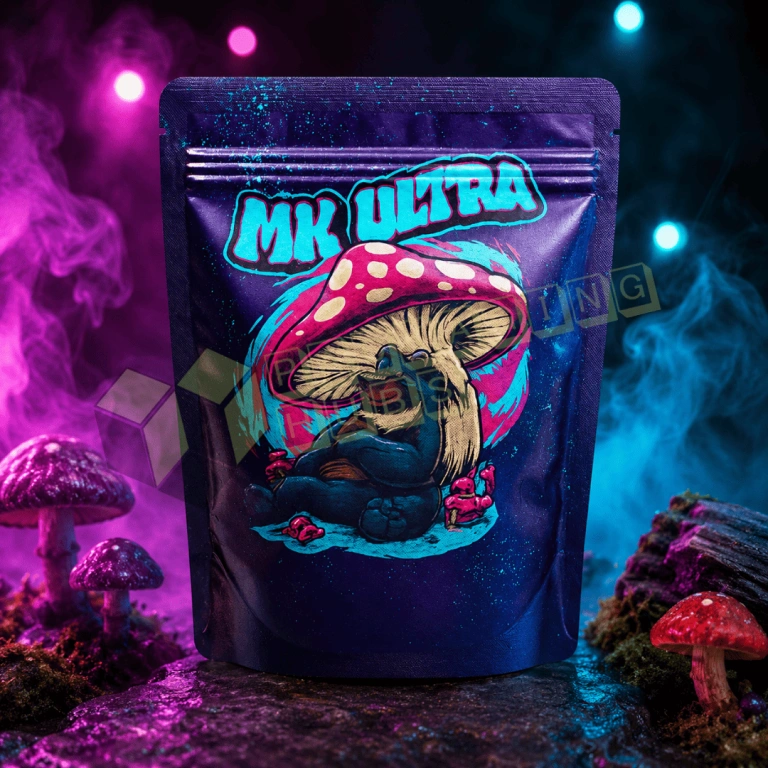
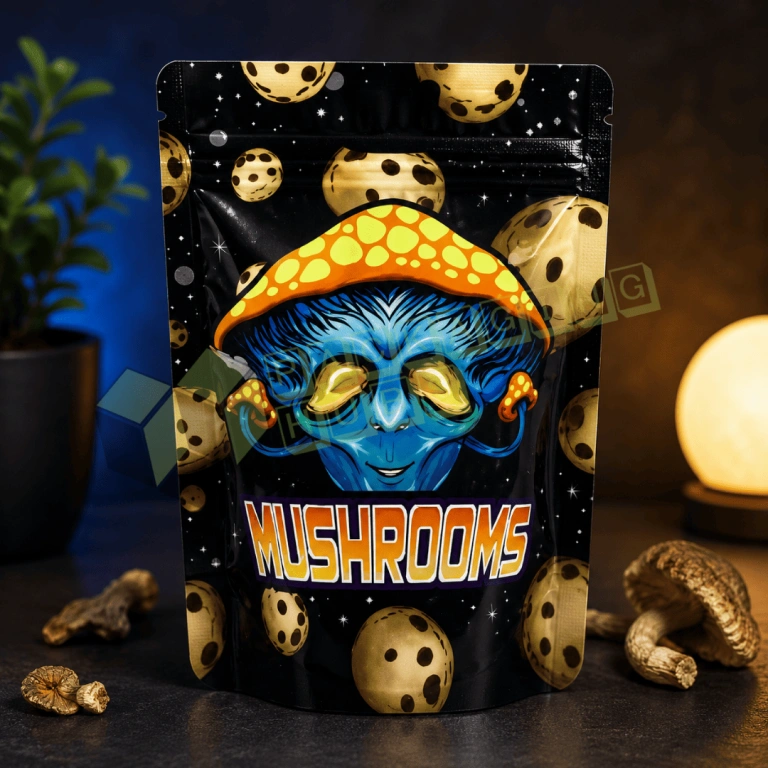
Artwork can use botanical drawings, ingredient photography, earthy patterns, bold characters, metallic details, or minimalist typography. However, the style should match the product’s price point and intended buyer. A premium mushroom coffee may use restrained typography and matte film, while a novelty snack can support brighter graphics and playful visual elements.
Businesses that need a coordinated visual system can explore Designer Mylar Bags for artwork-led packaging, specialty finishes, and scalable product families. This direction can help a New York wellness brand keep the same typography, logo position, and information layout across several mushroom blends while changing color or imagery for each SKU.
Free design support can begin with an existing logo, a rough concept, or completed artwork. The goal is not simply to decorate the pouch; it is to create mushroom bags with logo placement and product information that remain clear at retail size.
Surface finish changes how customers perceive the product before opening it. Matte lamination reduces glare and can support natural, premium, or wellness-focused branding. Gloss increases saturation and creates a brighter retail appearance. Soft-touch film adds a tactile quality, while spot UV can highlight a logo, mushroom illustration, or product name.
Brands may select mylar bags black for mushroom coffee, supplement blends, luxury snacks, and limited editions. White text, metallic accents, and vivid spot colors can create strong contrast against the dark background. However, black coverage must remain even, and small text must retain enough contrast for comfortable reading and barcode scanning.
Other useful add-ons include resealable zippers, tear notches, euro slots, round hang holes, clear windows, rounded corners, laser scoring, degassing valves for suitable products, and custom gussets. A clear window can build trust by showing dried pieces, but it reduces light protection and printable space. Packaging Hubs recommends each add-on according to the product, filling process, retail display, and customer behavior rather than adding features that increase cost without improving performance.
Freeze-dried mushrooms can absorb moisture after processing, so the package may require a strong moisture barrier, dependable seals, controlled headspace, and compatibility with the brand’s validated absorber system. Ordinary household bags may not provide the same transmission resistance as purpose-designed barrier packaging.
The University of Minnesota Extension’s freeze-drying guidance identifies Mylar bags, PETE resealable pouches, and vacuum-sealed moisture-barrier bags among possible packaging options for freeze-dried foods. It also emphasizes packaging and storage practices that limit exposure after drying.
Custom Mushroom Mylar Bags can support freeze-dried products when the laminate, sealing process, and storage plan match the product’s validated requirements. However, packaging does not replace correct processing, sanitation, absorber calculations, storage control, or shelf-life testing.
Dried mushrooms and jerky are different foods, yet both can face concerns involving moisture, oxygen, aroma, seal integrity, texture, and repeated opening. Brands developing mushroom chips or savory dried products can review Beef Jerky Bags to understand how barrier laminates, resealable zippers, and top heat seals support dry-food packaging.
The final film should still reflect the mushroom product. Oil content, dryness, seasoning, sharp edges, processing method, and expected storage period can change the required laminate. Packaging Hubs uses the comparison as a planning reference rather than applying one food-pouch formula to every product.
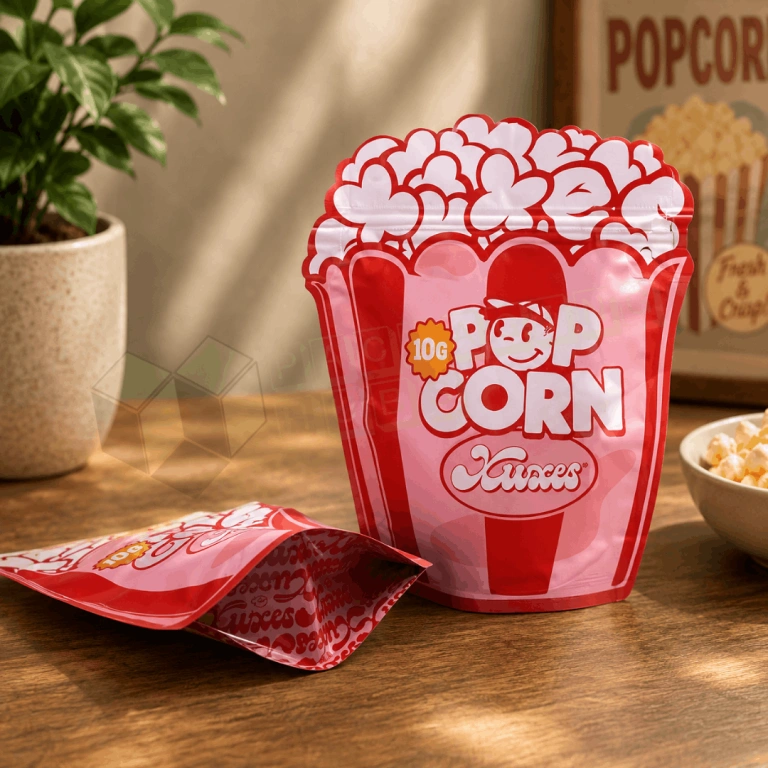
A rectangle usually provides efficient filling, sealing, shipping, and shelf placement. However, limited editions, giftable snacks, promotional products, and character-led brands may benefit from a custom silhouette. Die Cut Mylar Bags can shape the pouch around a mushroom-inspired outline or another distinctive brand element.
Complex shapes create practical tradeoffs. Narrow corners can reduce usable volume, small curves can limit artwork space, and an irregular top can complicate zipper placement. Therefore, the outline should support recognition without weakening the seal zone, gusset, or filling process.
A Georgia specialty-food brand may use a restrained shaped edge rather than a full novelty silhouette. That approach can create visual difference while keeping the pouch easier to produce, pack, and display.
Most buyers seek custom packaging because the current bag creates a measurable problem. The product may soften, break, appear underfilled, lose shelf impact, contaminate the zipper, or require a quantity that stock suppliers cannot support. The solution should connect each problem to a specific material, structure, design, or service decision.
The following table shows how common challenges can be addressed without relying on vague promises.
| Customer challenge | Recommended packaging response | Commercial outcome |
| Dried products soften after packaging | Review moisture barrier, seal settings, storage, and validated absorber use | Better protection against moisture re-entry |
| Fragile pieces break during distribution | Adjust dimensions, headspace, gusset, film strength, and secondary cartons | Better product presentation after delivery |
| Powder contaminates the zipper and seal | Add clean-fill clearance and a wider heat-seal area | More dependable closure and easier filling |
| The pouch looks generic | Use custom graphics, product-specific imagery, and a coordinated SKU system | Stronger recognition and clearer differentiation |
| A stock bag appears underfilled | Develop dimensions from actual fill volume | Better shelf appearance and lower material waste |
| Conventional minimums make testing expensive | Use zero MOQ and short-run digital printing | Lower risk for startups, seasonal products, and market tests |
| Artwork creates production delays | Use free design support, dielines, proofs, and prepress review | Fewer corrections before printing |
| One production schedule does not fit every order | Select a suitable flexible lead-time option | Better support for launches, reorders, and planned purchasing |
| Distribution handling causes punctures or weak seals | Specify stronger film, suitable seal width, and correct case packing | Fewer packaging failures and returns |
| Shipping costs make budgeting difficult | Use free U.S. shipping under the confirmed order terms | Clearer landed-cost planning |
The table demonstrates why custom mushroom packaging should solve more than one issue at a time. Stronger film may reduce puncture risk, but poor dimensions can still damage fragile pieces. Bold graphics may increase attention, but weak information hierarchy can confuse buyers. Packaging Hubs balances structure, materials, printing, closure, and ordering terms around the same commercial goal.
Flexible packaging can reduce package weight and shipping volume compared with some rigid containers. However, many high-barrier pouches combine different films, adhesives, coatings, and inks that local collection programs may not accept. Therefore, brands should not automatically describe a laminated pouch as recyclable, biodegradable, compostable, sustainable, or eco-friendly.
The Federal Trade Commission’s Green Guides summary advises marketers to avoid broad, unsupported environmental claims and to qualify specific statements when necessary. The final wording should match the documented package construction and realistic recovery options in the markets where the product is sold.
Packaging Hubs can discuss reduced-material or mono-material directions where they suit the product. Nevertheless, the package must still meet the required barrier, seal, printing, and handling needs. A truthful, specific claim builds more trust than a broad sustainability statement that the material cannot support.
Packaging Hubs manufactures custom sizes, flat and gusseted structures, product-specific laminates, resealable zippers, heat-sealed formats, windows, premium finishes, and custom printed mushroom packaging for U.S. brands. The zero MOQ policy supports startup launches and controlled tests, while scalable production serves wholesalers, distributors, food businesses, supplement companies, and established retailers.
Businesses looking for mushroom mylar bags wholesale can request one coordinated quote for dimensions, film construction, printing, closure, finishes, design support, and shipping. Price depends on size, structure, total thickness, number of artwork versions, printing method, finish, add-ons, quantity, proofing, and schedule. Therefore, a product-specific quote provides more useful information than a generic unit price.
We also provide free design services, free shipping throughout the United States, and flexible lead-time options for urgent, standard, or less time-sensitive projects. Worldwide custom packaging remains available, while international freight terms are confirmed separately.
Send the product form, fill weight, preferred size, quantity, artwork, material goal, closure, finish, compliance needs, and target delivery date. Our team will review the project and recommend a practical production direction. Order Now to begin, or Get a Free Quote to compare custom mushroom packaging options before production.
| Box Style | Custom Mushroom Mylar Bags |
| Dimension (L + W + H) | All Custom Sizes & Shapes |
| Quantities | No Minimum Order Required |
| Stock | Material, MOPP/VMPET/PE/BOPP/ALU, THICKNESS: 100/120/150 microns/sid |
| Printing | Digital/ Gravure |
| Finishing | Gloss/ Matt/ Spot uv |
| Included Options | Die Cutting, Gluing, Scored, Perforation |
| Additional Options | Eco-Friendly, Recycled Boxes, Biodegradable |
| Proof | Flat View, 3D Mock-up, Physical Sampling (On request) |
| Turnaround | 4 – 8 Business Days, RUSH |
| Shipping | FLAT |
Pick the stock and the finish that suit your product. We’ll confirm both on your proof before anything is printed.
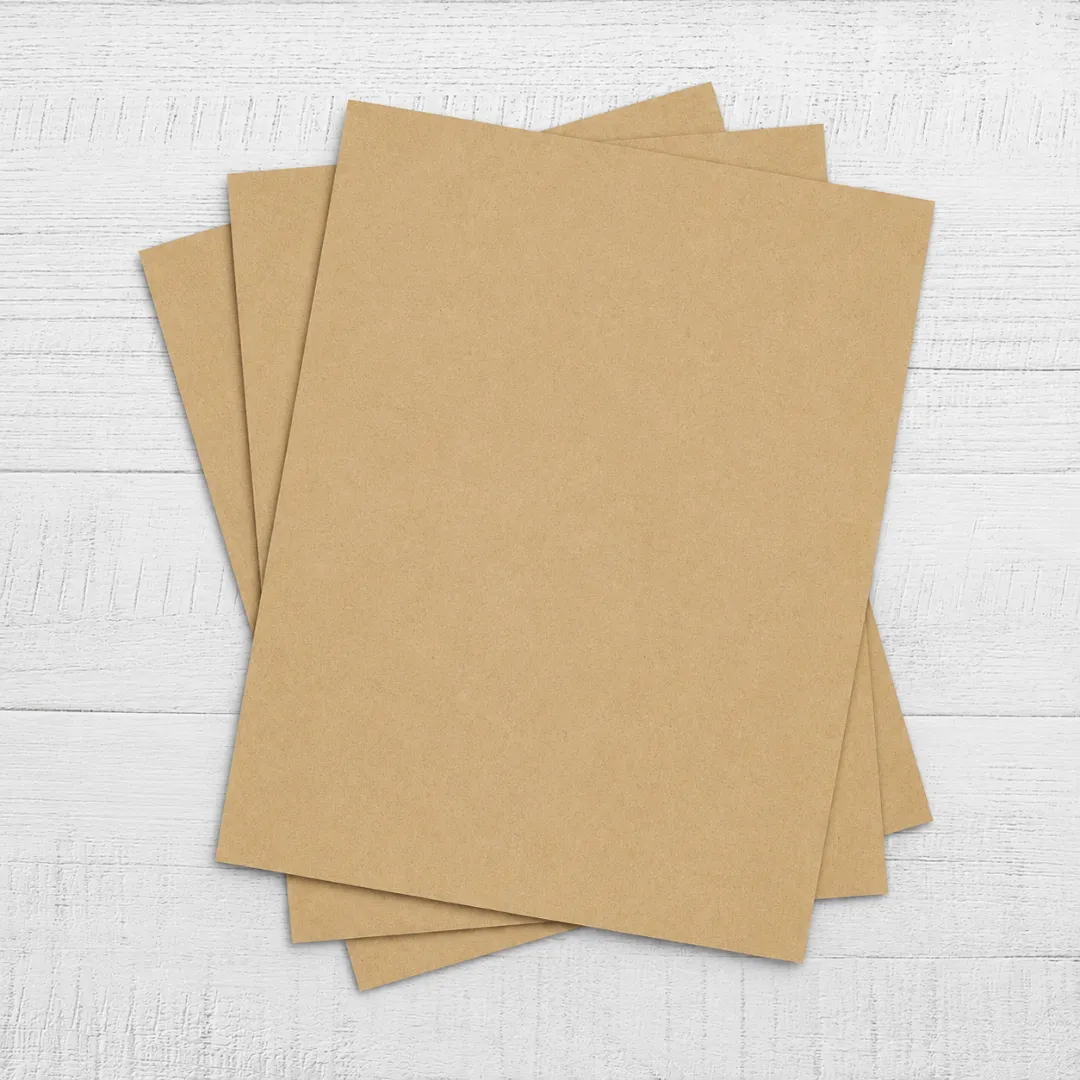
Kraft paper is a strong, durable and reliable material that is widely used across many different industries.
We use cardboard material with the least environmental impact and minimizes waste generation.
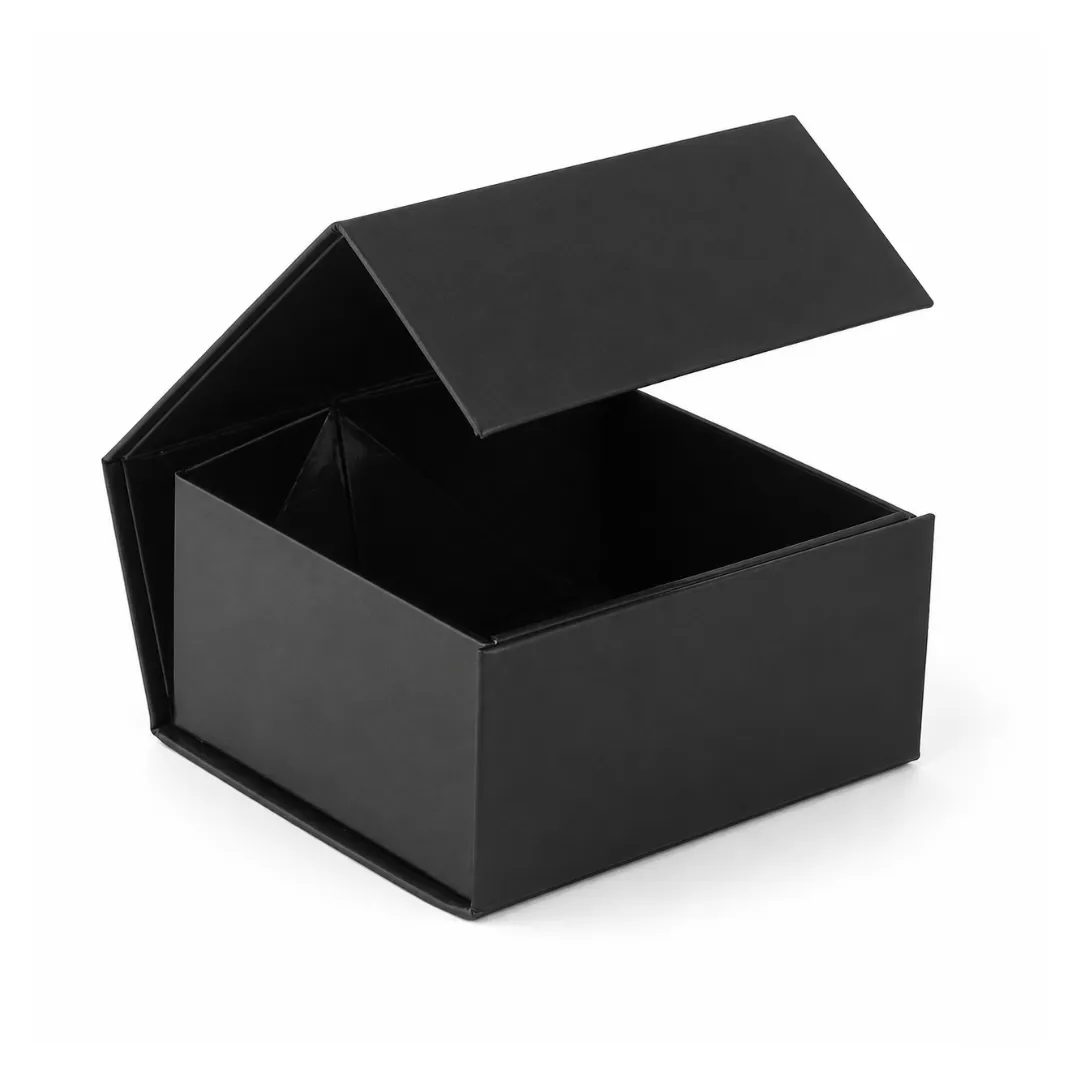
Rigid is highly protective, affordable and recyclable material. These boxes provide maximum protection.
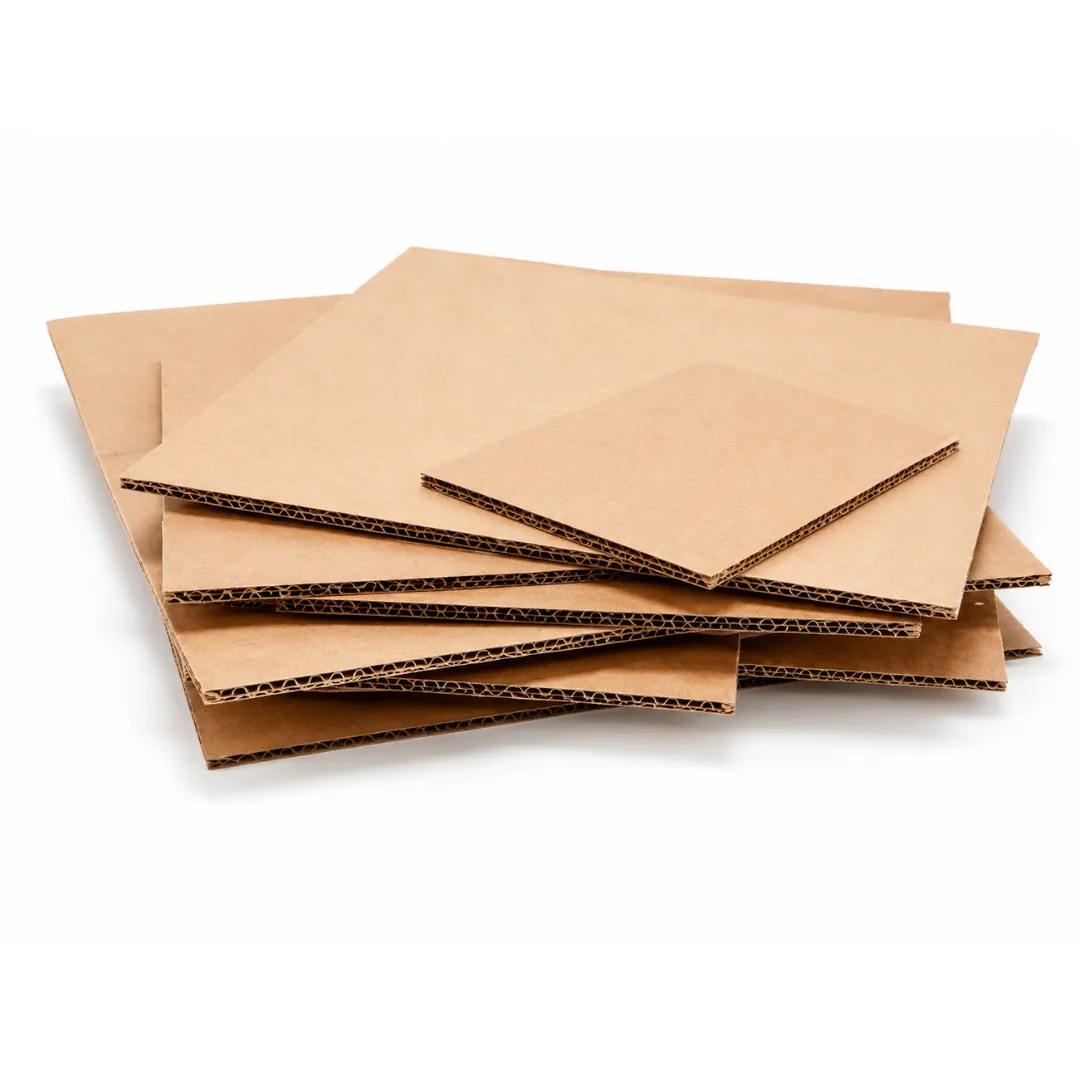
Corrugated material is easy to customize, cost effective and sustainable. It is also great for branding purposes.
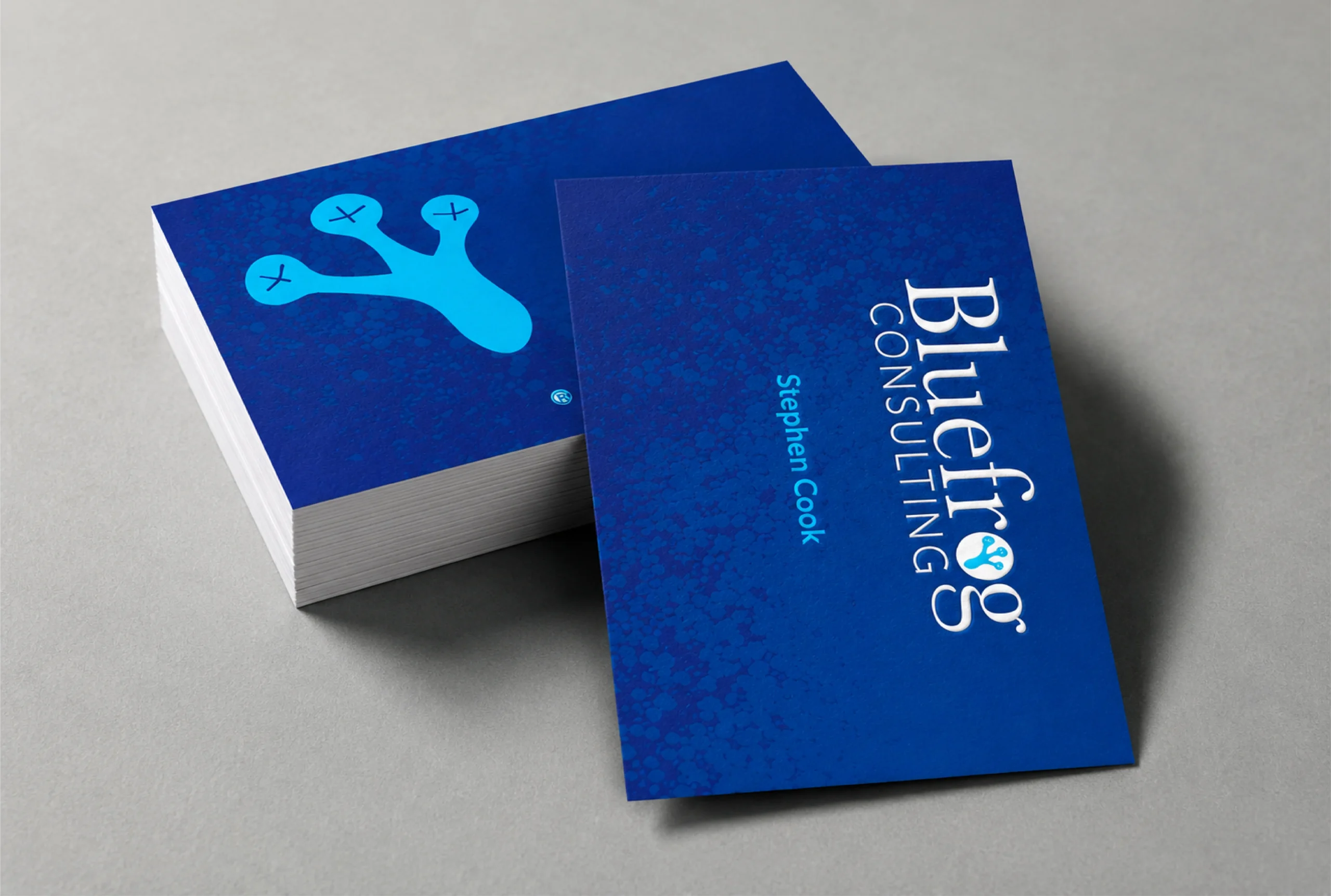
We add additional layer of protection with soft touch lamination from toner chipping.
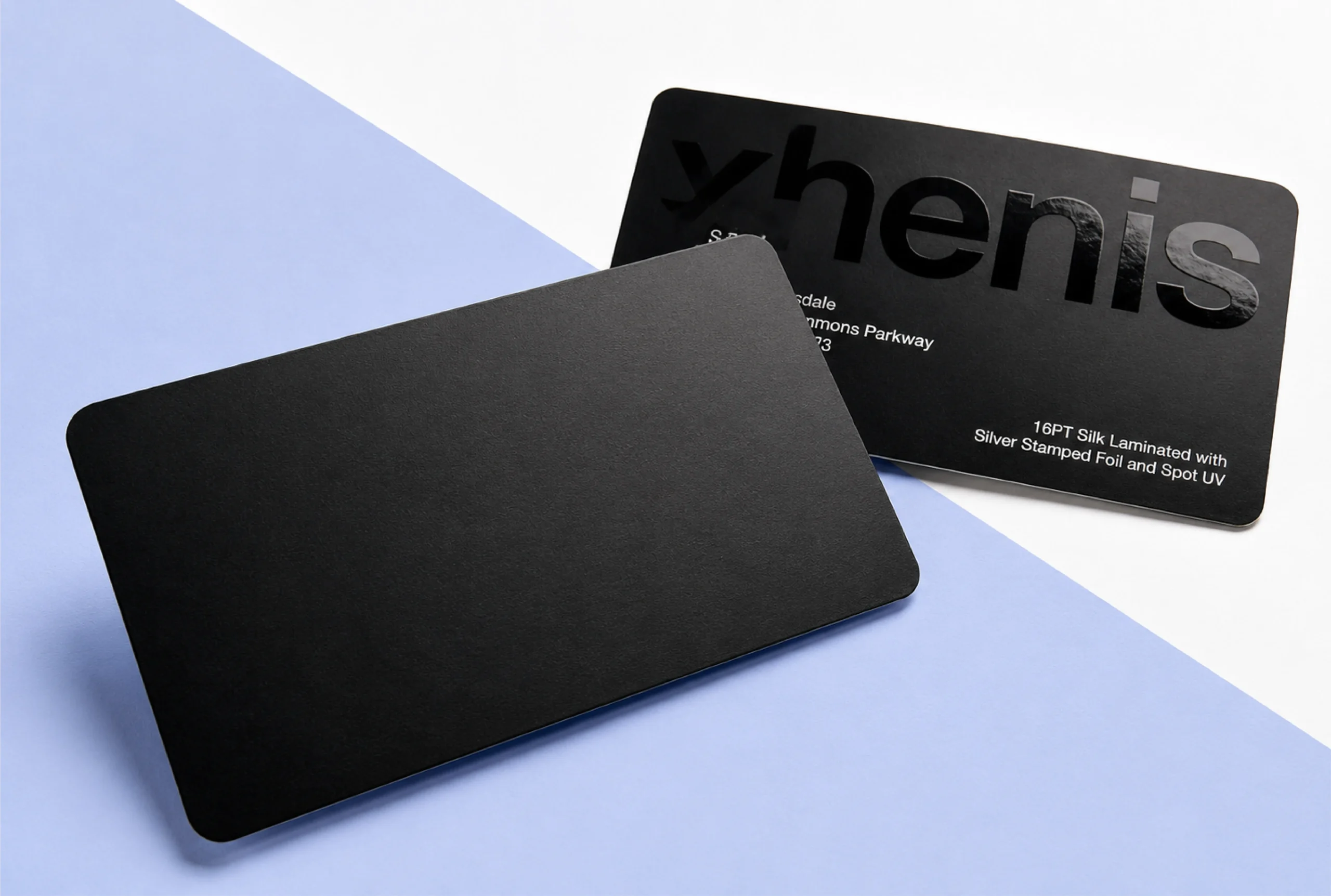
With our matte finish, fingerprints and smudges will now be less visible on the packaging.
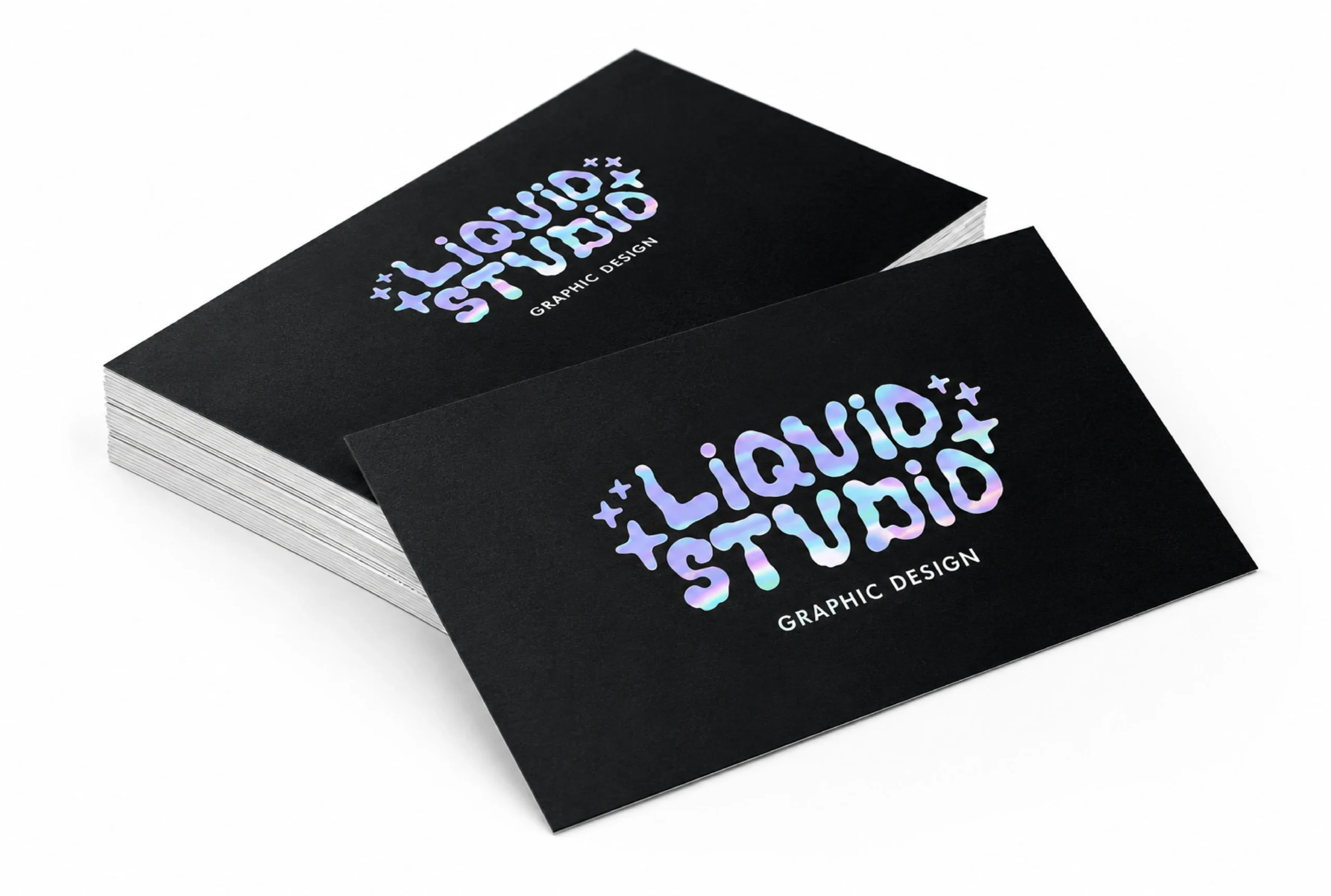
Holographic foil diffracts light and reveals the colors of the rainbow at various angles.
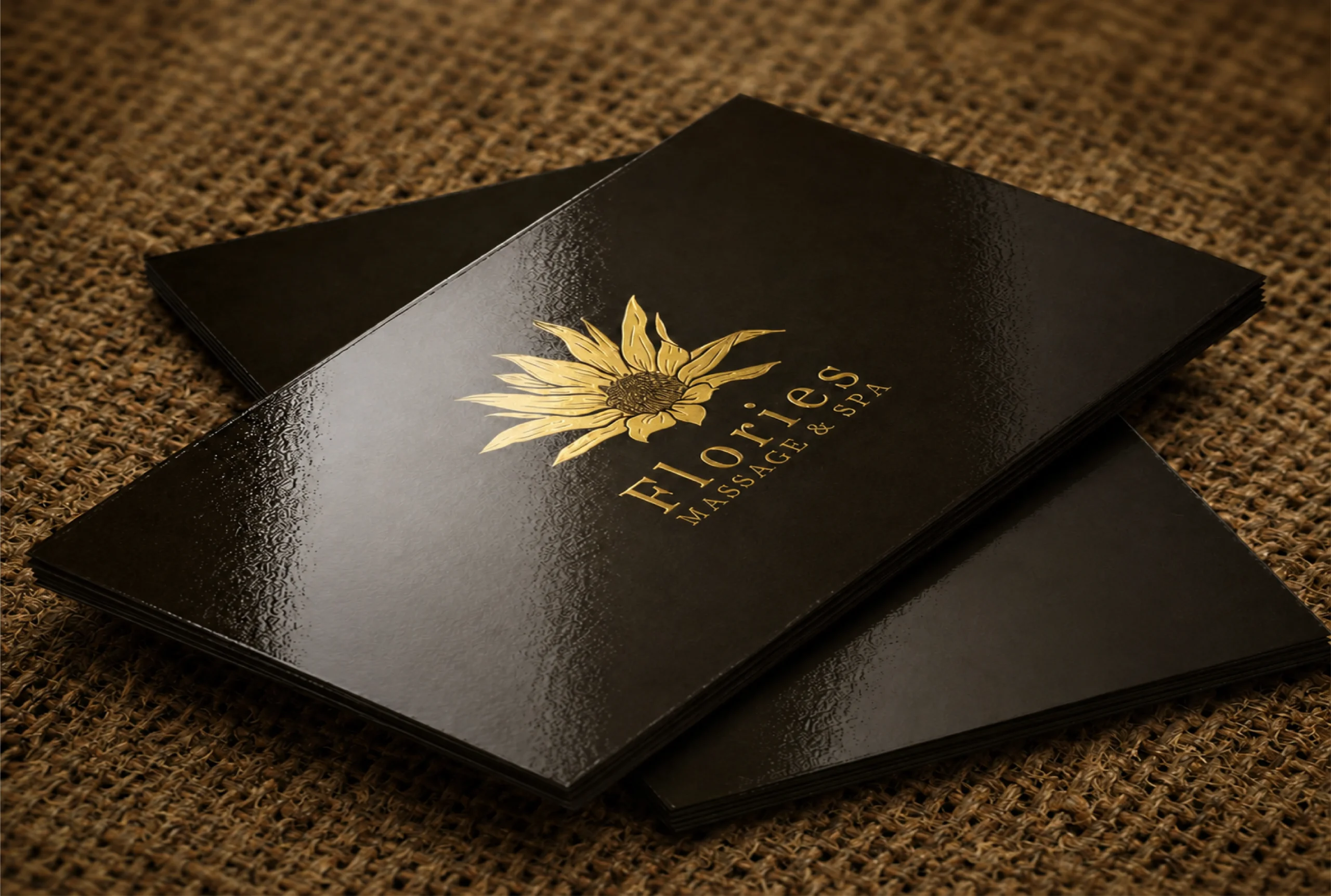
Our glossy finishing gives your packaging an extra layer of shine.
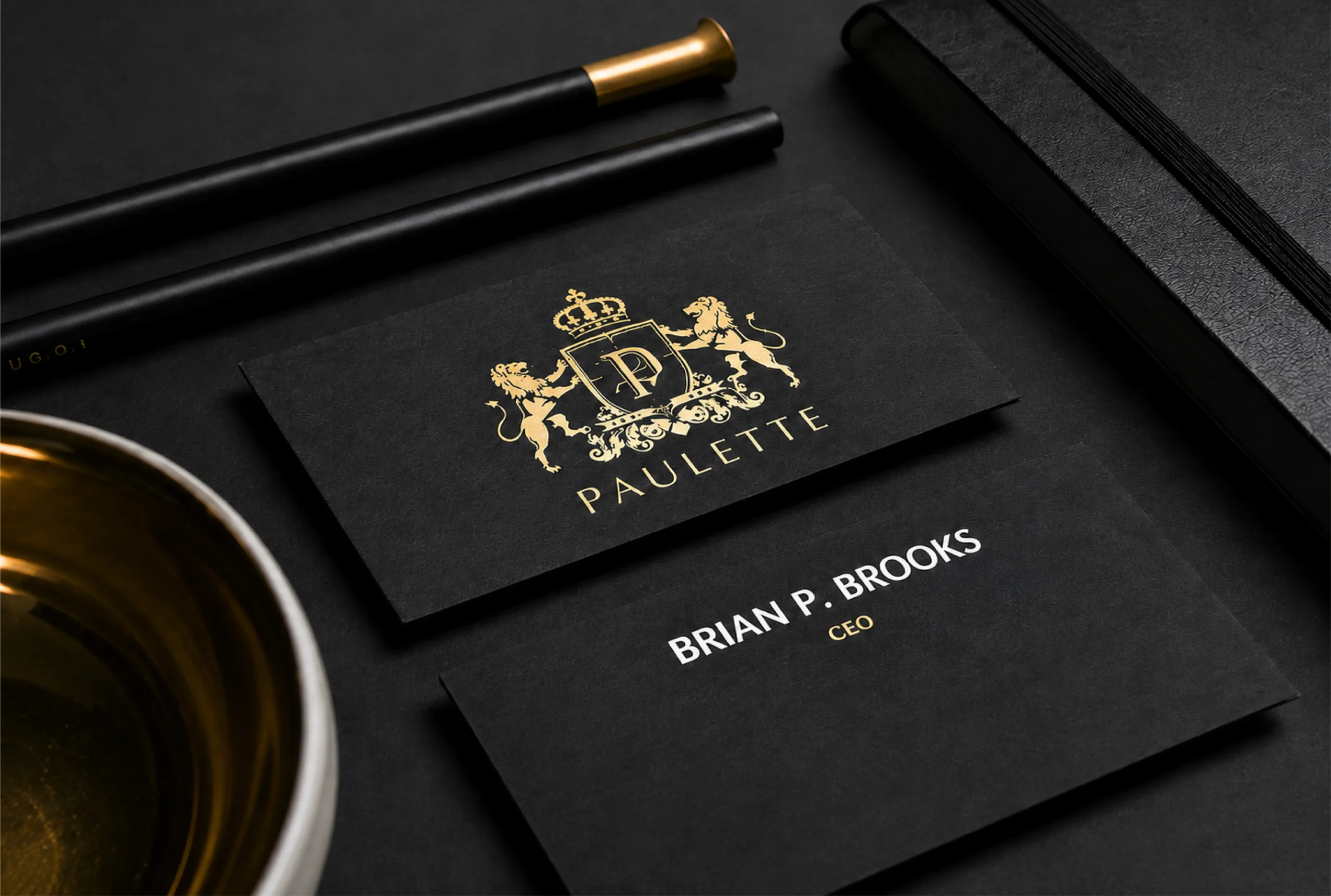
Decorate a wide range of your product packaging with our foil stamping.
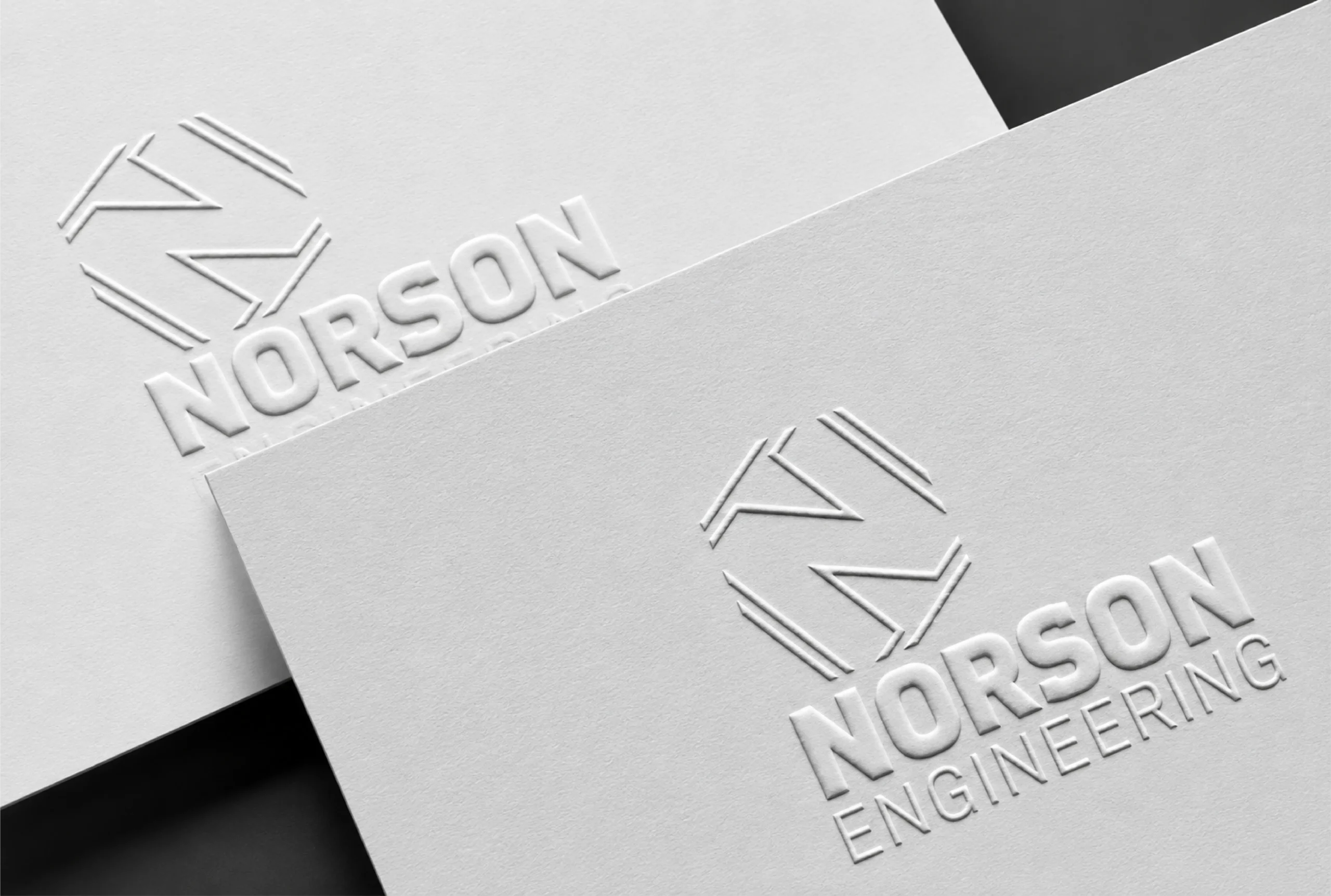
With our embossing technique, we transfer the finest details of your product on packaging.
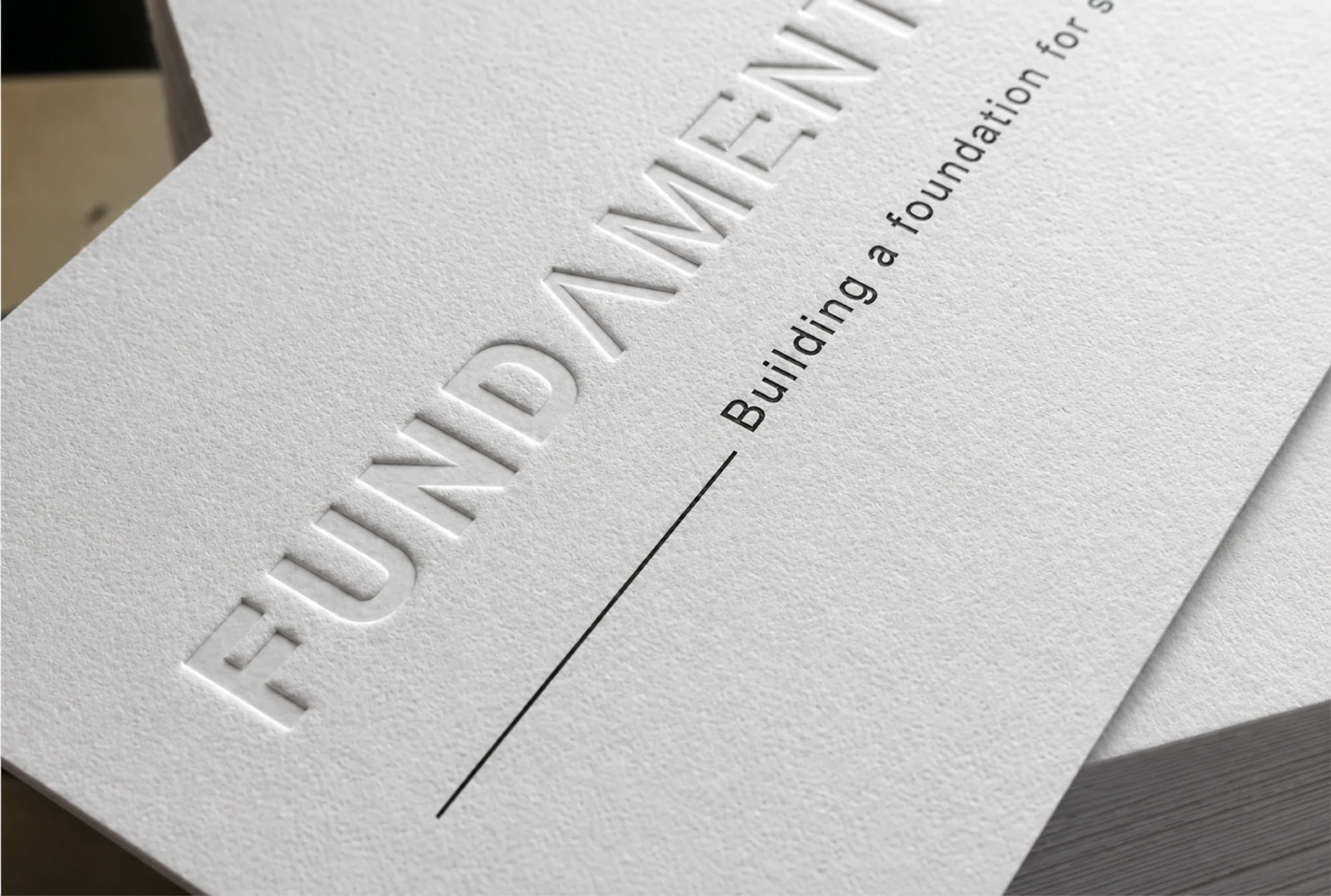
We use debossing technique to add unique graphics into your packaging.
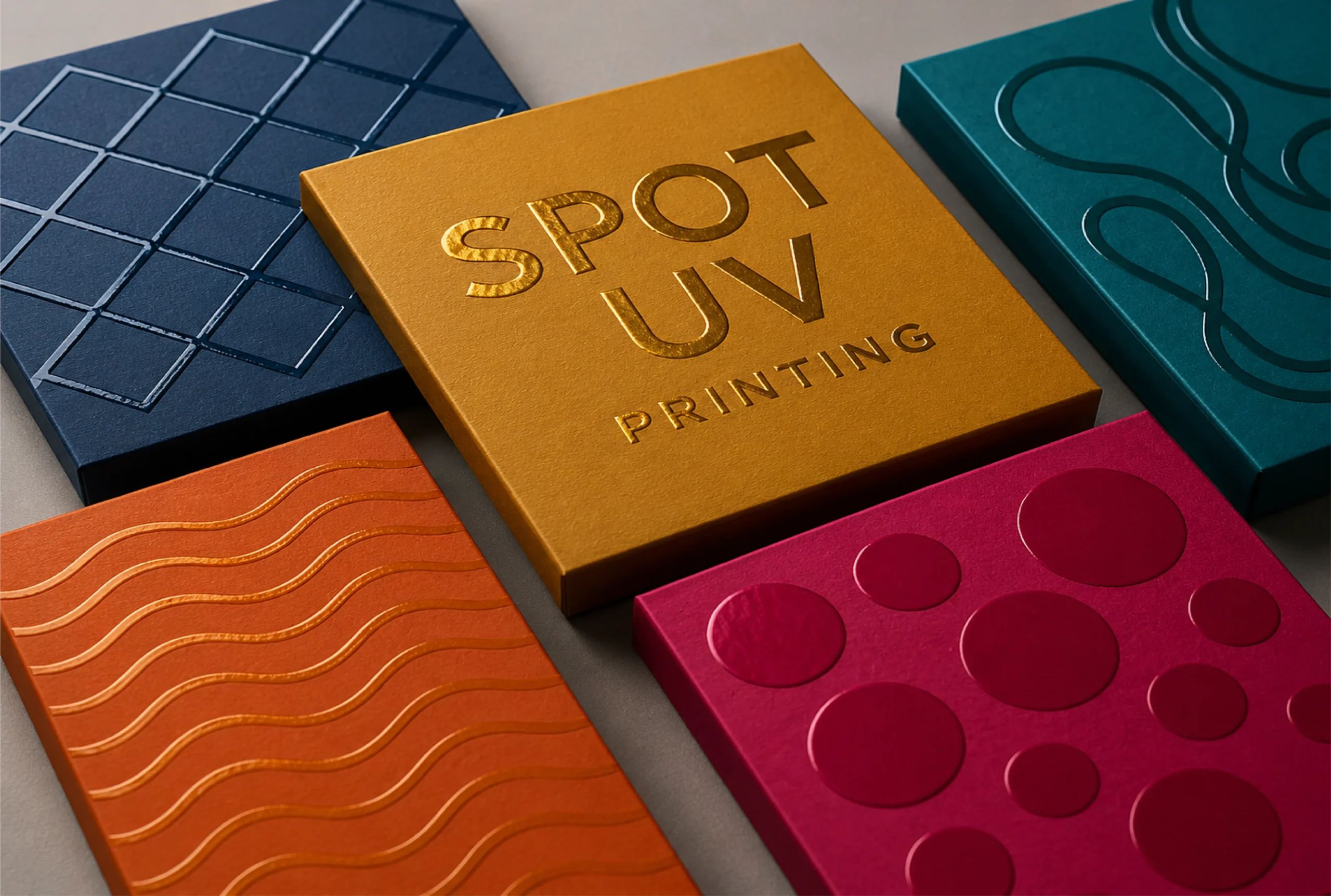
Our high-gloss UV coating gives light and shine to cure the printed material's varnish.
Still unsure? Email sales@packaginghubs.com and a packaging specialist will help.
Get your free quote today and see why Packaging Hubs is the most trusted name in U.S. custom packaging.