Free design support and free U.S. shipping. No minimum order.
Turn single pops, themed favors, bouquets, and retail assortments into organized candy presentations. Packaging Hubs creates made-to-measure cartons with stick slots, protective trays, windows, display structures, premium printing, and shipping support for brands, events, stores, and wholesale programs worldwide.
Custom Lollipop Boxes should do more than surround a wrapped candy. They should keep the candy head separated, support the stick, protect the wrapper, organize flavors, and create a presentation that looks intentional from the first glance.
That combination is harder to achieve than it appears. A lollipop has two very different physical sections: a relatively fragile candy head and a long, narrow stick. When the interior is too loose, products lean and collide. When the fit is too tight, wrappers wrinkle, decorative details receive pressure, and customers struggle to remove the candy.
Packaging Hubs manufactures custom structures for single pops, multipacks, bouquets, party favors, countertop displays, event collections, ecommerce assortments, and custom lollipop boxes wholesale programs across the USA. Each project can include zero MOQ, free design services, custom dimensions, fitted inserts, premium printing, flexible lead-time options, and free shipping across the USA.
Effective lollipop packaging begins with the finished wrapped product rather than an empty stock box. The candy head, exposed stick, wrapper seal, label, bow, tag, and decoration all influence the final dimensions.
The package should also reflect what the customer sees first. A single premium pop may need a narrow window that frames its shape. A six-flavor collection may need a tray that keeps every color in a planned position. A bouquet box may need stronger lower support while leaving enough space for the arrangement above.
Removal is part of the experience. Customers should not need to pull aggressively on the stick or tear the wrapper to lift the product. Finger access, open tray edges, tapered cavities, ribbon lifts, and carefully sized slots can make the presentation feel more refined.
By planning the product position, opening direction, and removal method together, brands gain cleaner retail displays, more repeatable product photography, and a more consistent unboxing experience.
The bare candy dimensions are not enough. Packaging Hubs recommends measuring a finished production sample because the final wrapper and decoration may add meaningful width, height, or pressure points.
| Measurement | What to Include | Why It Matters |
| Candy head | Maximum width, height, thickness, and raised decoration | Controls cavity size, spacing, depth, and window position |
| Stick | Full exposed length, diameter, and material | Determines carton height, holding-slot width, and lower support |
| Wrapper | Sealed edges, twist area, folded film, and labels | Prevents crushing, snagging, and an overly tight fit |
| Additional details | Bows, ribbons, tags, cards, or promotional attachments | Creates enough clearance for delicate or irregular elements |
| Complete arrangement | Piece count, flavor order, packed weight, and removal direction | Guides the overall footprint, insert, closure, and board choice |
These measurements must work together. A slot may fit the stick but still press against the wrapper around it. Likewise, a cavity may match the candy head but leave no room for a twist seal or decorative bow.
A physical sample becomes especially valuable when the candy has an irregular molded shape, chocolate coating, sprinkles, raised lettering, or handmade size variation.
Strong lollipop packaging solves product-specific failures before adding decorative finishes. The following table identifies the problems most likely to affect packing, presentation, and delivery.
| Packaging Problem | Likely Cause | Recommended Solution | Buyer Benefit |
| Pops lean inside the box | The stick has no lower restraint | Add measured slots, channels, or a raised holding platform | Creates a straighter, more organized presentation |
| Candy heads strike each other | Spacing is too narrow or products move in transit | Use individual cavities, dividers, or a fixed tray layout | Reduces direct contact between fragile surfaces |
| Wrappers wrinkle or tear | The cavity follows the bare candy instead of the finished wrapper | Add clearance around seals, folds, labels, and twist areas | Preserves a cleaner retail appearance |
| Sticks bend during handling | The box is shallow or unsupported at the base | Increase depth and protect the lower stick section | Improves stability during packing and shipping |
| Products are difficult to remove | Cavities grip tightly and offer no finger access | Add tapered walls, finger notches, open edges, or ribbons | Makes unpacking easier without pulling on the candy |
| Display boxes arrive damaged | The presentation carton is used as the shipping box | Place it inside a fitted corrugated outer package | Protects corners, printing, windows, and finishes |
The table shows why stronger board alone is not enough. Dimensions, product spacing, insert pressure, wrapper clearance, and shipping protection must work as one system.
The final specification should match the wrapped product, piece count, selling channel, and required presentation rather than copying a generic candy-box configuration.
| Specification | Available Options | Effect on the Finished Package |
| Dimensions | Fully custom length, width, and depth | Controls product fit, shelf footprint, insert layout, and shipping volume |
| Structures | Tuck carton, sleeve, tray and sleeve, lid and base, drawer, display box, handled box, or rigid gift box | Changes opening, packing speed, presentation, and storage |
| Paper materials | SBS, white cardstock, kraft paperboard, corrugated board, or rigid board | Affects stiffness, print quality, surface feel, weight, and cost |
| Inserts | Die-cut paperboard, corrugated dividers, molded pulp, or another suitable structure | Controls candy spacing, stick support, and removal |
| Printing | Digital, offset, flexographic, screen, exterior, interior, or both | Influences detail, quantity economics, personalization, and repeat production |
| Color systems | CMYK, PMS spot colors, monochrome, or unprinted stock | Supports photography, flavor coding, and brand-color consistency |
| Finishes | Matte, gloss, soft touch, aqueous coating, spot UV, foil, embossing, or debossing | Changes appearance, handling, tactile quality, and price |
| Proofing | Flat proof, 3D mockup, and physical sample when appropriate | Helps review artwork, fit, closure, insert, and removal |
A single-pop folding carton may only need a light paperboard structure and one stick slot. A premium twelve-piece collection may require stronger walls, a layered tray, interior printing, and a protective shipping carton.
A box style should reflect how the customer buys, carries, opens, and stores the product.
| Selling Format | Suitable Structure | Main Packaging Priority |
| Single retail pop | Slim tuck carton, sleeve, or window box | Create a clear focal point while keeping the stick straight |
| Party favor | Small personalized carton or locking sleeve | Support fast packing and space for names, dates, or event artwork |
| Multipack assortment | Folding carton with fitted tray or divider grid | Separate candy heads and maintain a consistent flavor arrangement |
| Candy bouquet | Tall reinforced box with controlled lower support | Stabilize the sticks without compressing the visible arrangement |
| Countertop display | Display carton with an upright holding grid | Keep products visible, organized, and easy to replenish |
| Premium gift collection | Rigid, drawer, lid-and-base, or tray-and-sleeve box | Create a more controlled reveal and space for cards or accessories |
| Ecommerce order | Presentation carton inside a corrugated mailer | Protect the decorative package from labels, abrasion, and crushing |
The right format may change as the brand grows. A startup may begin with a digitally printed single-pop carton and later add multipacks, counter displays, and seasonal gift collections using the same visual identity.
An insert should support both the packing team and the customer. It must keep each product in place while allowing employees to fill the box efficiently and customers to remove the candy without damaging it.
Fixed cavities work well for planned flavor collections because each pop has a designated position. This arrangement can coordinate with printed flavor names, color coding, or an interior map. Flexible divider grids offer more freedom when the assortment changes frequently.
Stick slots require careful pressure control. A slot that is too narrow can grip the wrapper, bend a paper stick, or make the candy hard to lift. A slot that is too wide will not keep the pop upright. The correct width depends on the stick diameter, wrapper position, board thickness, and direction of removal.
The insert height also affects the lid. A raised tray can present the products beautifully but may press against the inside cover when the complete packed height is not measured correctly. Packaging Hubs develops the insert and outer structure together to prevent this conflict.
Custom lollipop wrappers and printed outer boxes perform different functions. The wrapper usually forms the closest layer around the candy, while the carton organizes the wrapped products, provides branding space, and protects the presentation from ordinary handling.
The food producer should approve the direct-contact wrapper around the candy formulation, sealing system, storage conditions, and intended shelf life. Packaging components that contact food can include films, coatings, adhesives, colorants, and other substances, so their intended use should be reviewed appropriately. Businesses can consult the FDA’s official Food Ingredients and Packaging guidance when planning direct-contact components.
Packaging Hubs can size the secondary carton around the approved wrapper, including folded film, twisted ends, labels, ribbons, and sealed edges. However, the outer paperboard box should not be treated as a substitute for the direct-contact package.
SBS paperboard works well for colorful retail cartons because its smooth white surface supports detailed illustrations, small text, gradients, and premium finishes. It is often suitable for single-pop packages, multipacks, and window cartons.
White cardstock can provide an efficient option for lightweight favors, events, samples, and short-run products. Large panels or heavy inserts may require a stronger grade or reinforced structure.
Kraft paperboard creates a warmer, more natural visual character. It can support handmade candy, artisan branding, farmers market products, and restrained designs. Since brown stock changes how pale and bright colors reproduce, artwork may require stronger contrast or a white underprint.
Corrugated board adds edge and stacking strength for ecommerce mailers, retail displays, larger assortments, and wholesale cases. Wrapped rigid board is better suited to premium gifts and high-value collections where a heavier presentation justifies the extra material, storage, and assembly.
Strong candy artwork should make the brand, flavor, product format, and piece count easy to identify without covering every panel with competing graphics.
Digital printing supports prototypes, personalized favors, limited campaigns, and several low-volume flavor designs. Offset printing often becomes more suitable for larger repeat programs that require detailed artwork and controlled production. Flexographic printing can support corrugated displays and outer shipping cases, while screen printing may suit bold spot-color designs on specialty surfaces.
CMYK works well for fruit illustrations, characters, patterns, photography, and multicolor backgrounds. PMS spot colors help control an important logo color or signature flavor shade across boxes, labels, cards, and displays. RGB artwork is intended for screens and normally needs conversion before physical printing.
A repeatable flavor system can use one fixed logo position and typography structure while changing a controlled band, icon, fruit illustration, or background color for each SKU.
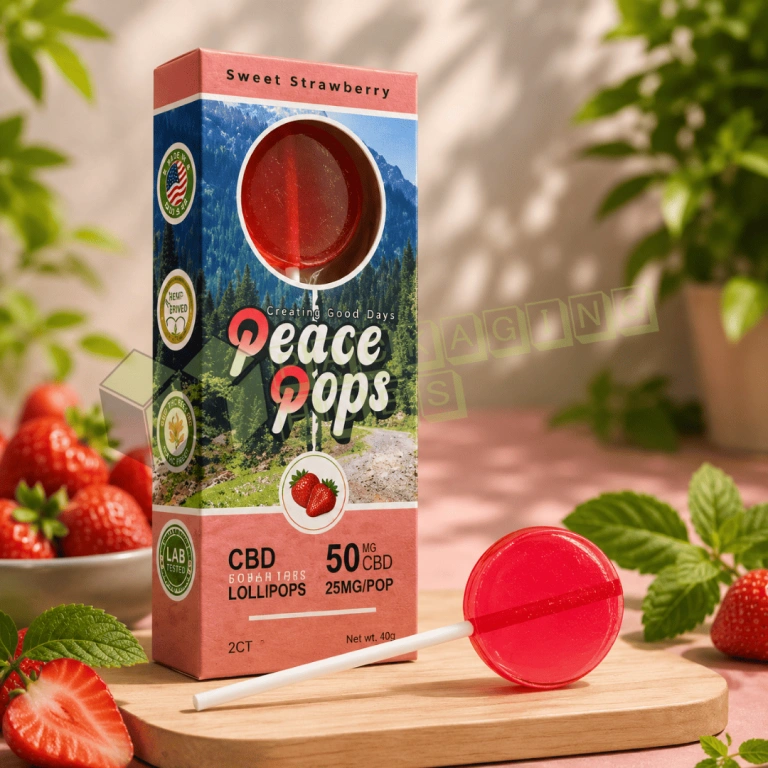
A die-cut window can reveal the color, shape, swirl, molded design, or decoration of the candy. The opening should be planned after the insert because the product’s real position determines what the customer will see.
Large windows may weaken narrow panels or folds. Smaller framed openings can preserve more board while focusing attention on the candy head. Brands should also consider whether a clear film window or uncovered opening better suits the retail environment and handling conditions.
Matte lamination creates a restrained, low-glare surface. Gloss increases shine and color intensity, while soft touch adds a velvety feel for premium collections. Foil stamping can emphasize a logo, event date, flavor name, or border. Spot UV, embossing, and debossing add contrast or texture.
The most effective designs usually select one main finish and one supporting detail. A matte carton with a foil logo may communicate more clearly than several effects competing across a small package.
Accurate custom sizing keeps products from looking lost inside oversized stock packaging. It also reduces uncontrolled movement and allows the insert to support the actual candy rather than an approximate shape.
Custom structures improve presentation by keeping the pops upright, separating candy heads, and arranging flavors consistently. This creates stronger retail displays, cleaner gift sets, and more repeatable ecommerce photography.
The printed carton also provides more communication space than the individual wrapper. Brands can add flavor names, piece counts, product information, campaign artwork, QR codes, event messages, or an interior flavor map without crowding the direct wrapper.
Operationally, fixed insert positions can simplify packing and quality checks. Employees know where each product belongs, and visible flavor coding reduces assortment mistakes.
Finally, the same visual system can scale across single pops, multipacks, displays, gift boxes, and wholesale cases. The structures may change, but consistent typography, colors, and logo placement can keep the collection recognizable.
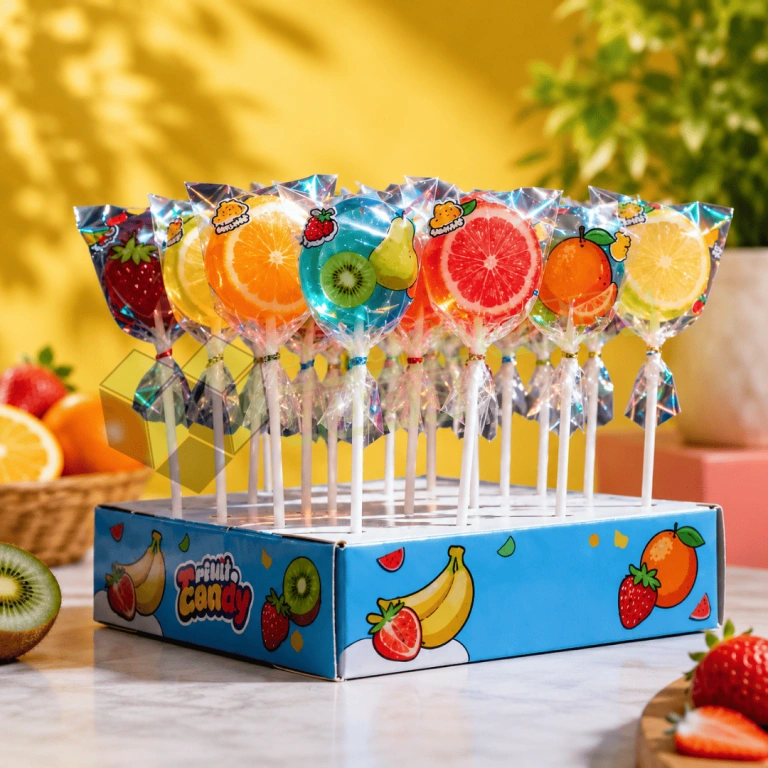
Lollipops are often purchased quickly at checkout counters, candy stores, gift shops, event tables, and convenience locations. The display should therefore make the candy visible and the flavor system easy to understand within seconds.
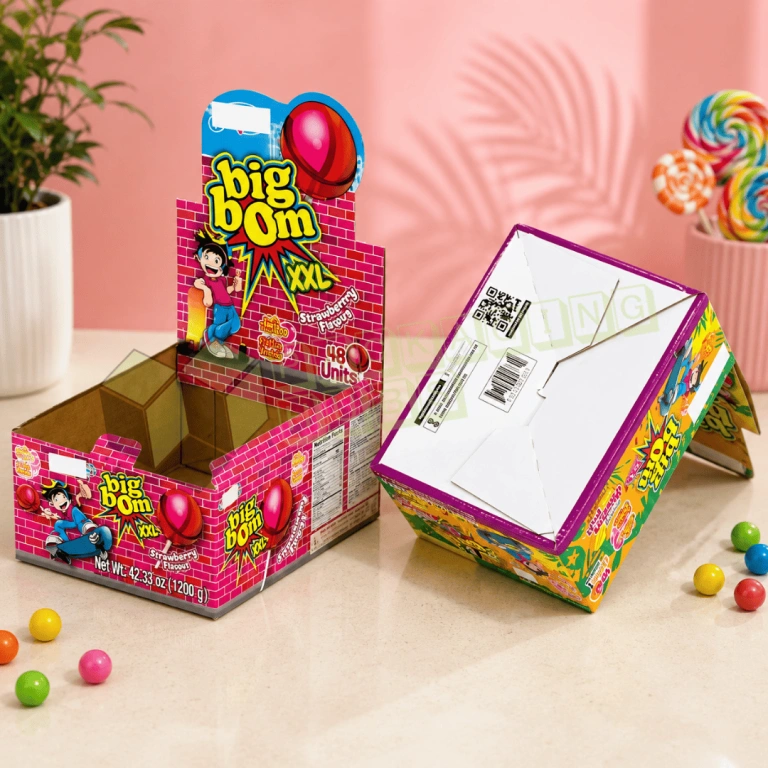
An upright display grid helps prevent leaning and keeps the branded candy heads above the carton edge. A raised header can carry the main logo or promotional message, while printed dividers can separate flavors.
The display footprint should match the available counter space and planned refill quantity. A large display may hold more inventory, but it can become difficult for retailers to place. A compact design may gain better counter acceptance while requiring more frequent replenishment.
Packaging Hubs can coordinate the individual carton or wrapper with the countertop display so the same flavor colors, typography, and artwork remain visible at both levels. This creates a more unified shelf presence than placing unrelated packs inside a generic display tray.
Candy brands frequently expand into chewing gum, bubble gum, mints, or other checkout products. These packages can share a visual identity, although their structures should remain product-specific.
A lollipop box manages long sticks and delicate candy heads, while gum packaging may organize wrapped pieces, sticks, tablets, or compact containers. The two formats can still use matching logo positions, typography, flavor colors, illustrations, and campaign artwork.
This approach creates a recognizable family across retail counters, gift assortments, and ecommerce photography. Customers can identify the brand even when each candy product uses a different packaging format.
Gummy candy creates different packaging requirements because the product is usually packed by count or weight rather than supported by a stick.
Brands expanding into fruit chews, sour pieces, or gummy assortments can use gummy bags while maintaining the same brand and flavor architecture used on the lollipop range.
For example, strawberry lollipops and strawberry gummies can share a color, icon, mascot, or fruit illustration. However, the pouch should still be planned around fill weight, closure, barrier requirements, and shelf display, while the lollipop carton remains focused on product spacing and stick control.
This product-specific approach keeps the full confectionery range visually connected without forcing different candies into the same structure.
Lollipop brands often serve fairs, festivals, birthday companies, wedding planners, school events, amusement venues, and concession businesses. These customers may also require flexible packaging for spun sugar.
Cotton Candy Bags can coordinate with personalized lollipop cartons through matching event colors, sponsor logos, characters, names, dates, or seasonal artwork.
A party supplier may place single-pop favors at each table setting and use matching cotton candy packaging at a dessert station. Both products support the same event identity, but each package remains designed for the physical needs of the candy inside.
Retail lollipop cartons may need space for the statement of identity, net quantity, ingredients, Nutrition Facts, allergen declarations where applicable, manufacturer or distributor information, barcode, flavor name, piece count, and date or lot coding.
These areas should be mapped before large illustrations, windows, or finishing effects consume the available panels. Text should remain away from folds, locks, heavy texture, foil coverage, and glare that can reduce readability.
The FDA’s current Food Labeling Guide summarizes required statements that may apply to packaged foods sold in the United States. The candy company and its compliance professionals should review the final product and artwork before distribution.
Packaging Hubs can organize customer-approved information on the dieline, but the product owner remains responsible for the accuracy and legal sufficiency of its labeling.
A printed folding or rigid carton may organize the candy beautifully but still need an outer shipping layer. Parcel handling can place pressure on corners, windows, closures, and decorative surfaces even when the candy remains wrapped.
A fitted corrugated mailer keeps labels, tape, and abrasion away from the presentation box. The inner carton should not slide freely inside the shipper, and the candy heads may require additional support when their weight creates leverage against long sticks.
Subscription assortments and influencer kits can use inside printing on the mailer while the inner tray handles product organization. Larger multipacks may also need dividers or pads in the master case so cartons remain aligned during distribution.
Planning the presentation carton and shipping package together avoids two common extremes: expecting a delicate gift box to handle parcel distribution alone or surrounding a small candy package with excessive shipping material.
Custom lollipop boxes wholesale programs need consistent structures, flavor systems, packing instructions, and master-case layouts. A low unit price means little when employees struggle to assemble the tray or place products correctly.
Brands can retain one approved dieline while changing flavor colors, event artwork, seasonal graphics, or promotional panels. Shared structures reduce variation and make repeat packing easier.
The master case should follow the orientation, count, and weight of the retail units. Excess room allows cartons to move and crush at the corners, while a very tight case can rub printed surfaces or distort windows.
Zero MOQ allows startups and limited campaigns to test a structure before scaling. Larger stable quantities may improve unit economics when the board, print method, insert, and artwork family remain consistent.
Packaging Hubs can quote single designs, several artwork versions, or a coordinated family of single-pop, multipack, display, and gift formats.
Brands may want to reduce unused space, choose paperboard inserts, limit mixed materials, request documented recycled-content stock, or simplify finishes.
Custom Sustainable Boxes can support right-sized paper-based structures and more deliberate material selection when those choices still protect the wrapped candy and presentation.
A paper appearance alone does not establish that the complete package is recyclable, compostable, biodegradable, or environmentally preferable. Windows, laminates, foil, adhesives, ribbons, labels, and inserts may change the recovery pathway.
The practical goal should be to remove unnecessary material and complexity without increasing broken products, returns, or replacement shipments.
Terms such as recyclable, recycled, compostable, biodegradable, sustainable, and eco-friendly do not mean the same thing. The final claim should reflect the full structure rather than only the paperboard shell.
The FTC’s Green Guides are intended to help marketers avoid environmental claims that could mislead consumers. They emphasize that claims should remain truthful, appropriately qualified, and supported.
A carton with a removable window and paperboard insert may have a different recovery path from a laminated rigid box containing magnets, ribbon, and foam. Packaging Hubs can discuss material options and right-sizing, but brands should approve environmental language using documented specifications and relevant recovery conditions.
Pricing reflects the complete packaging system rather than the box dimensions alone.
| Pricing Factor | Why It Changes Cost | Practical Cost-Control Approach |
| Dimensions | Larger panels and deeper trays use more material | Measure the wrapped products and remove unnecessary space |
| Structure | Folding, corrugated, and rigid boxes require different materials and labor | Match construction to product value and sales channel |
| Insert complexity | Multiple cavities, layers, and tight tolerances add tooling and assembly | Use only the control points needed to protect and organize the candy |
| Quantity | Setup costs spread differently across short and long runs | Test digitally before moving to larger repeat production |
| Artwork versions | Each flavor or event design requires file and production control | Build one master layout with planned variant areas |
| Windows and finishes | Film, foil, spot UV, embossing, and lamination add processes | Choose features with a clear merchandising or brand purpose |
| Shipping system | Presentation cartons and corrugated mailers are separate components | Plan retail and transit packaging together |
Right-sizing often provides the strongest starting point because it affects board usage, insert size, case count, storage, and shipping volume. Packaging Hubs prepares project-specific quotes after reviewing the product, quantity, structure, artwork, finishes, and delivery needs.
A complete review should examine the wrapped candy dimensions, exposed stick length, cavity spacing, slot pressure, insert height, lid clearance, window position, closure, board strength, artwork safe zones, barcode area, and outer shipping fit.
A 3D mockup helps review general appearance and panel flow. A physical sample becomes more valuable when the candy is irregular, the insert is tightly fitted, the bouquet must remain upright, or the gift presentation depends on precise alignment.
The packing team should test the sample with the real products. A structure may look attractive but still require too much assembly time or repeated adjustment. The customer should also be able to remove every pop without tearing the wrapper or bending the stick.
After approval, retained dielines, material specifications, color references, finish locations, and packing instructions help future production remain more consistent.
Packaging Hubs manufactures custom boxes for single pops, multipacks, bouquets, party favors, counter displays, corporate promotions, seasonal collections, ecommerce orders, and wholesale candy programs across the USA.
Share the finished wrapped candy dimensions, complete stick length, piece count, desired arrangement, quantity, box style, material, insert needs, artwork, printing, finishes, shipping method, and delivery destination.
Available options include tuck cartons, sleeves, tray-and-sleeve boxes, lid-and-base structures, drawers, display cartons, rigid gift boxes, paperboard inserts, corrugated dividers, windows, hanging tabs, ribbon lifts, digital printing, offset printing, CMYK, PMS matching, matte and gloss surfaces, soft touch, foil stamping, spot UV, embossing, debossing, and corrugated outer mailers.
Every project can include zero MOQ, free design services, flexible lead-time options, and free shipping across the USA. Call (855) 611-8876 or email sales@packaginghubs.com to request custom pricing.
| Box Style | Custom Lollipop Boxes |
| Dimension (L + W + H) | All Custom Sizes & Shapes |
| Quantities | No Minimum Order Required |
| Paper Stock | 10pt to 28pt (60lb to 400lb) Eco-Friendly Kraft, E-flute Corrugated, Bux Board, Cardstock |
| Printing | No Printing, CMYK, CMYK + 1 PMS color, CMYK + 2 PMS colors |
| Finishing | Gloss Lamination, Matte Lamination, Gloss AQ, Gloss UV, Matte UV, Spot UV, Embossing, Foiling |
| Included Options | Die Cutting, Gluing, Scored, Perforation |
| Additional Options | Eco-Friendly, Recycled Boxes, Biodegradable |
| Proof | Flat View, 3D Mock-up, Physical Sampling (On request) |
| Turnaround | 4 – 8 Business Days, RUSH |
| Shipping | FLAT |
Pick the stock and the finish that suit your product. We’ll confirm both on your proof before anything is printed.
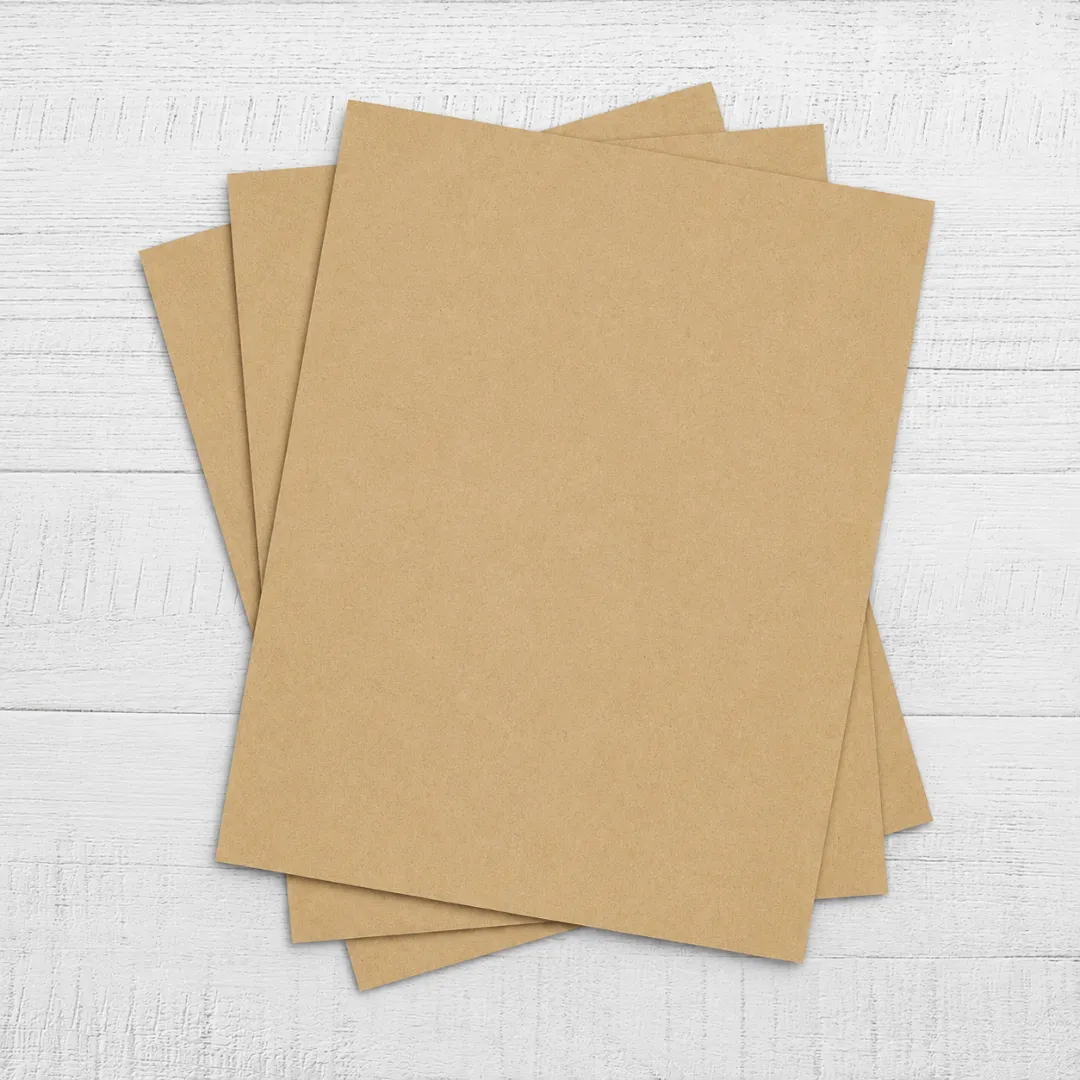
Kraft paper is a strong, durable and reliable material that is widely used across many different industries.
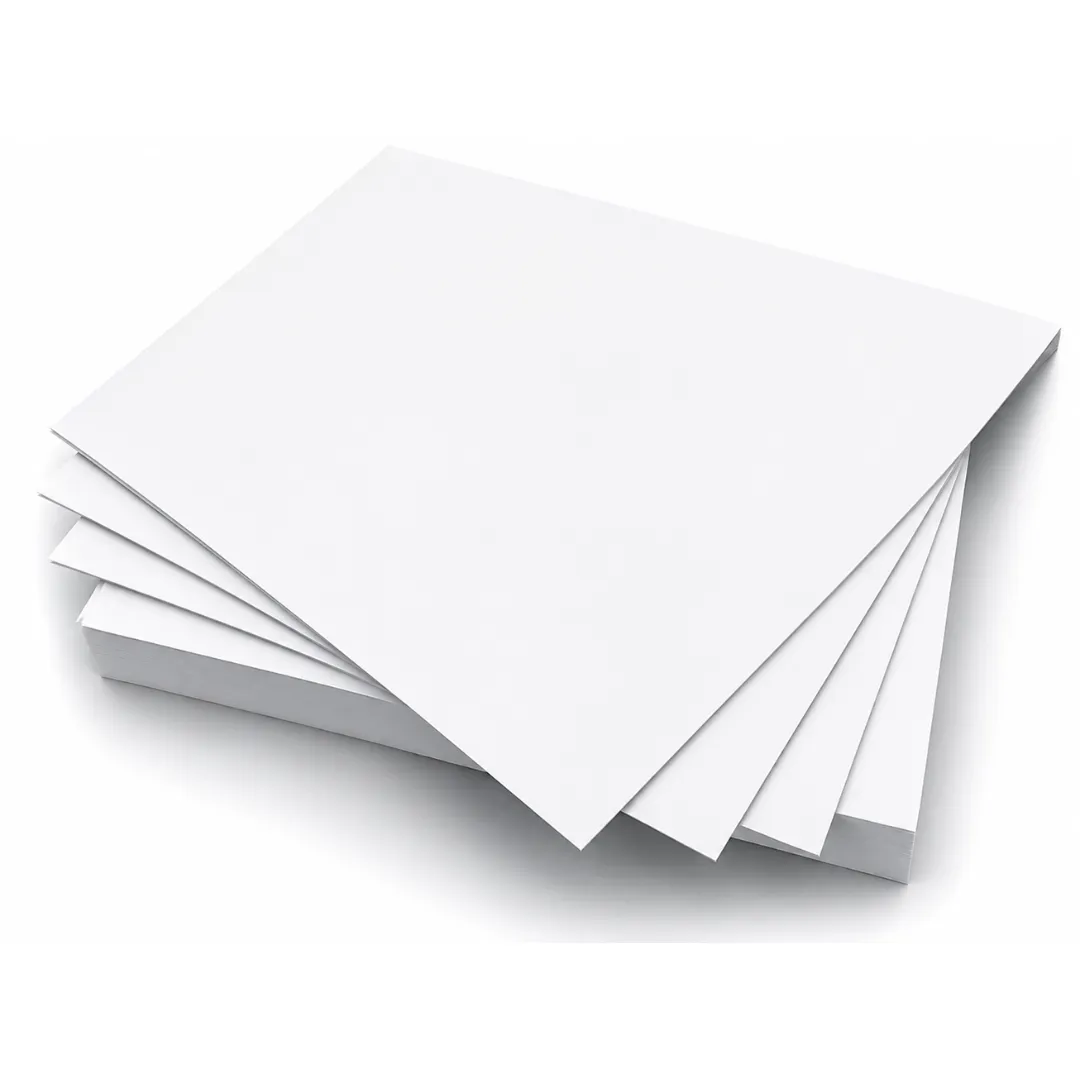
We use cardboard material with the least environmental impact and minimizes waste generation.
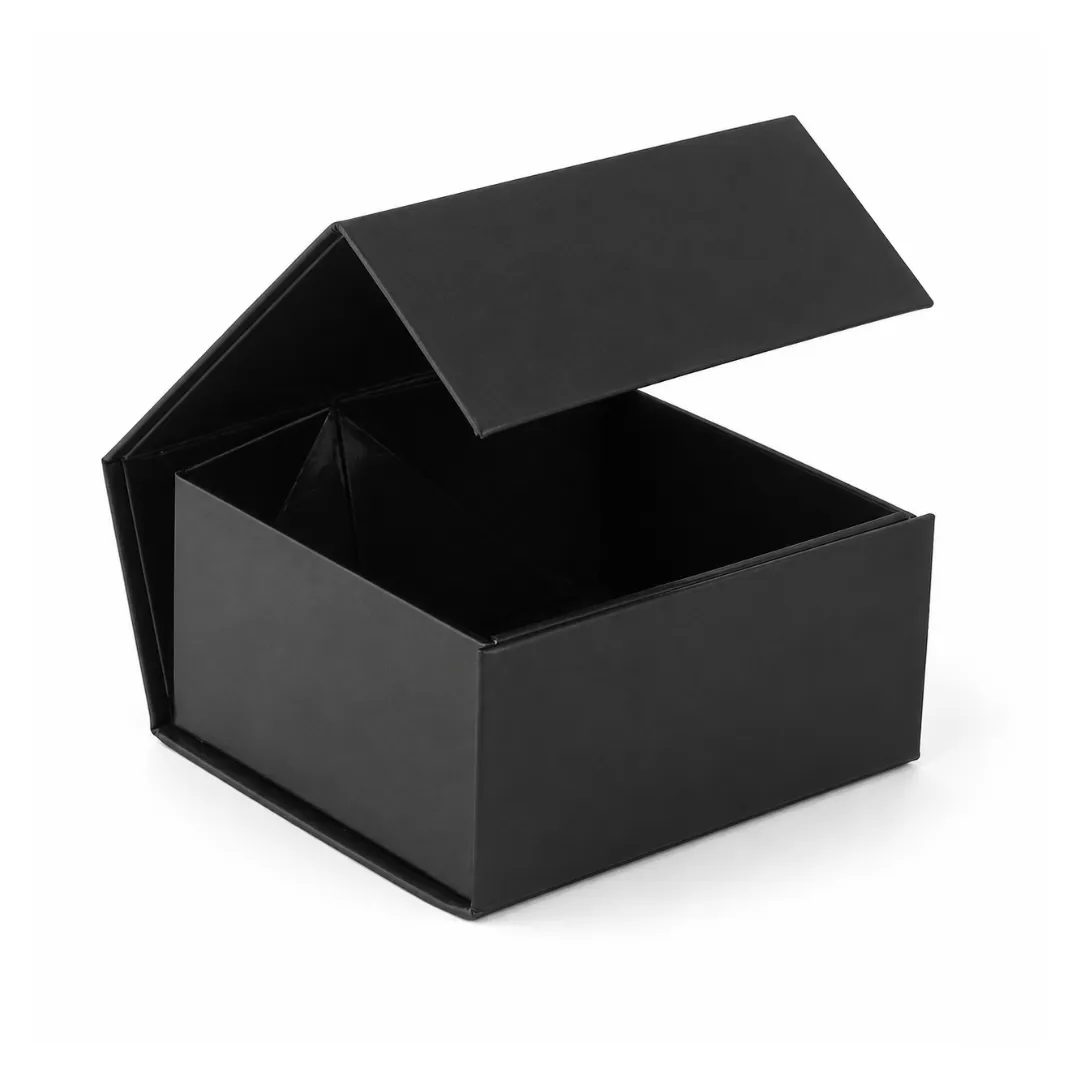
Rigid is highly protective, affordable and recyclable material. These boxes provide maximum protection.
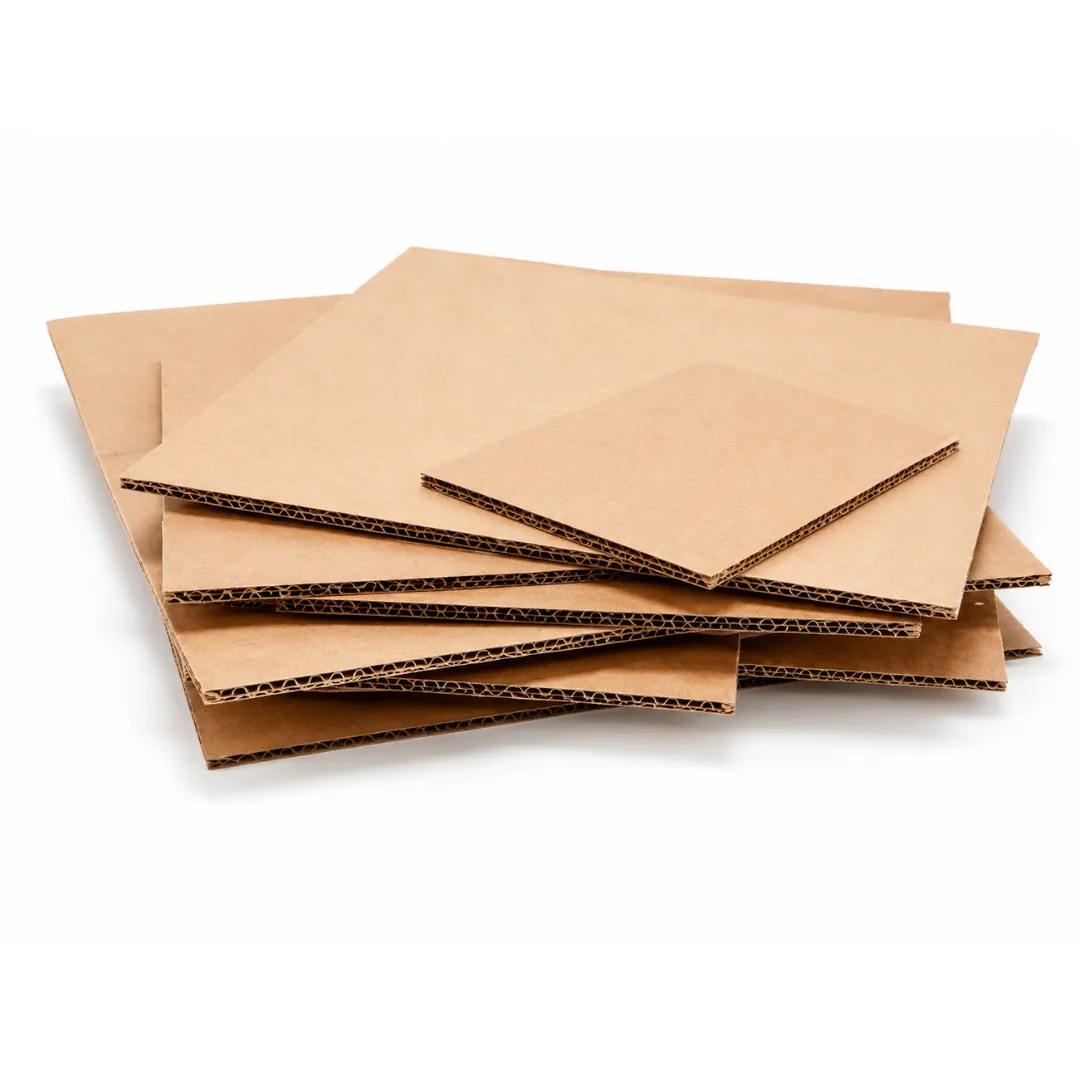
Corrugated material is easy to customize, cost effective and sustainable. It is also great for branding purposes.
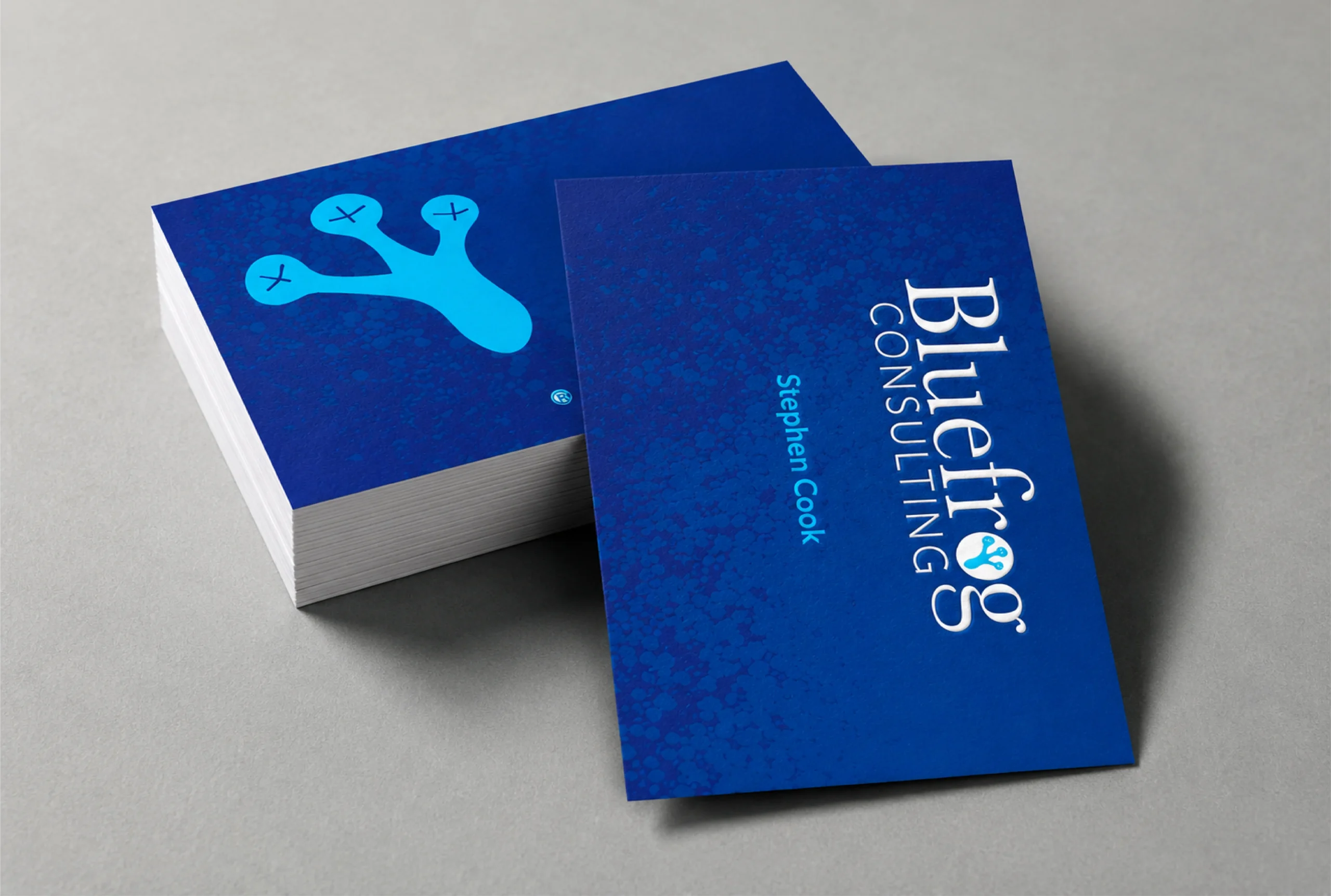
We add additional layer of protection with soft touch lamination from toner chipping.
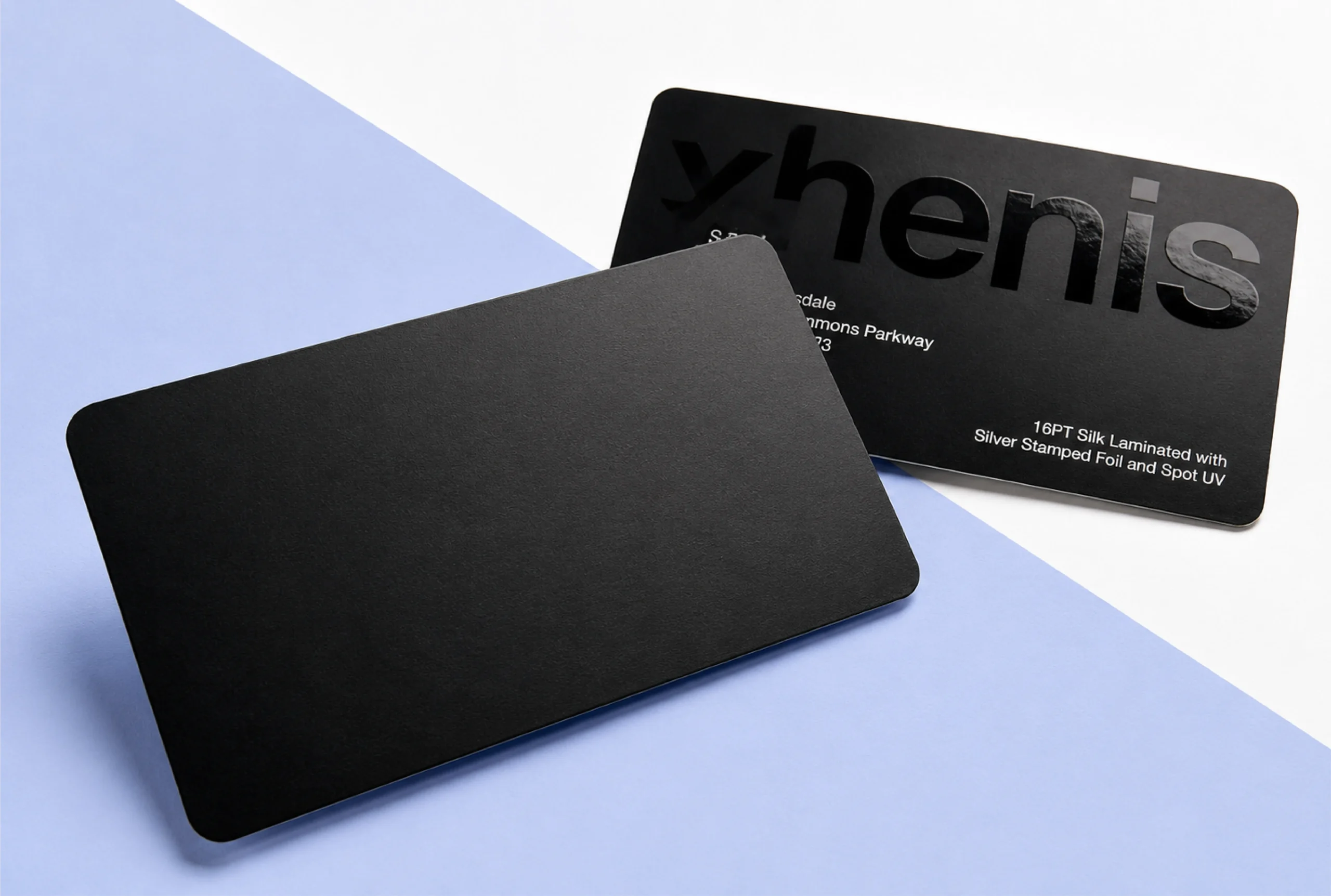
With our matte finish, fingerprints and smudges will now be less visible on the packaging.
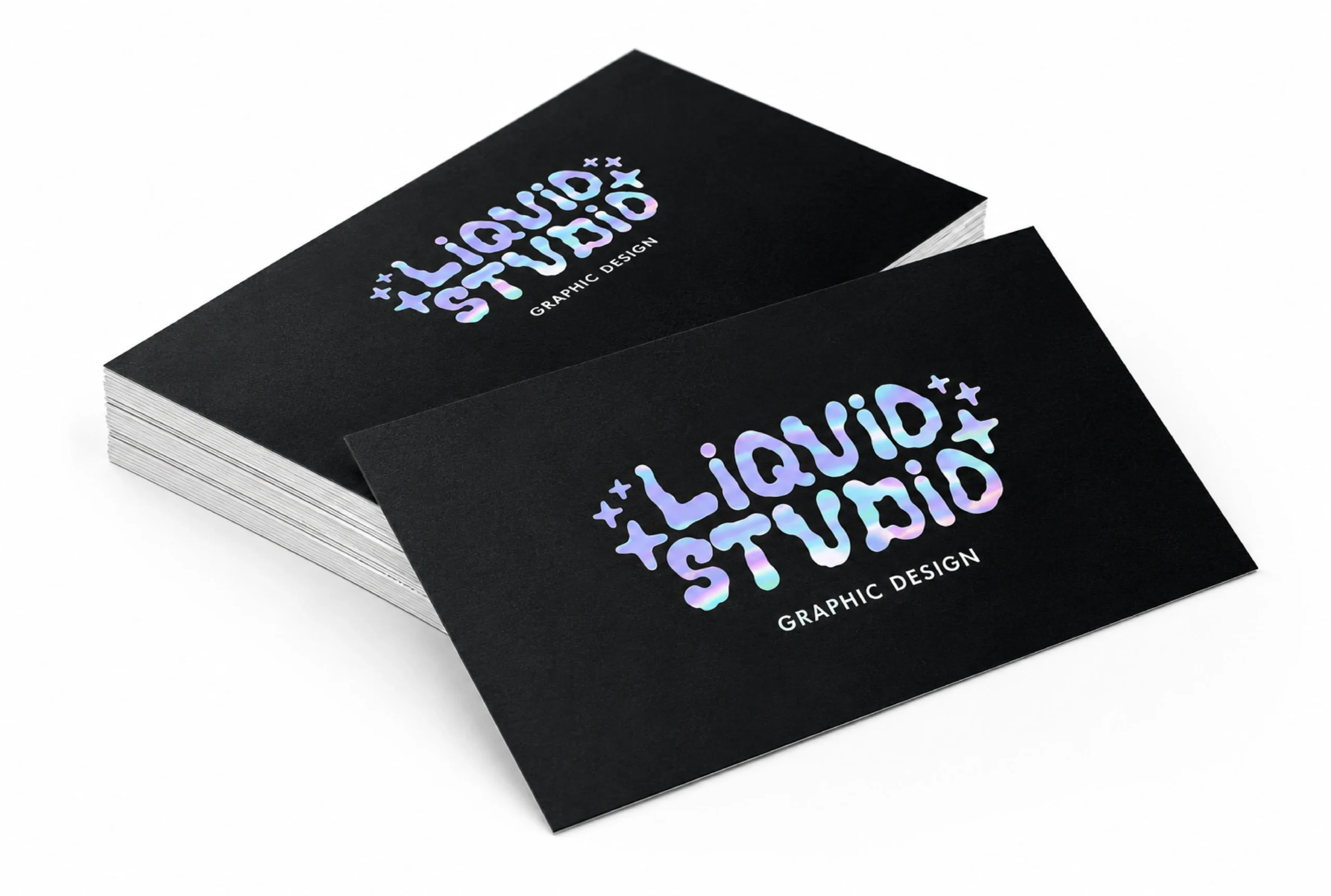
Holographic foil diffracts light and reveals the colors of the rainbow at various angles.
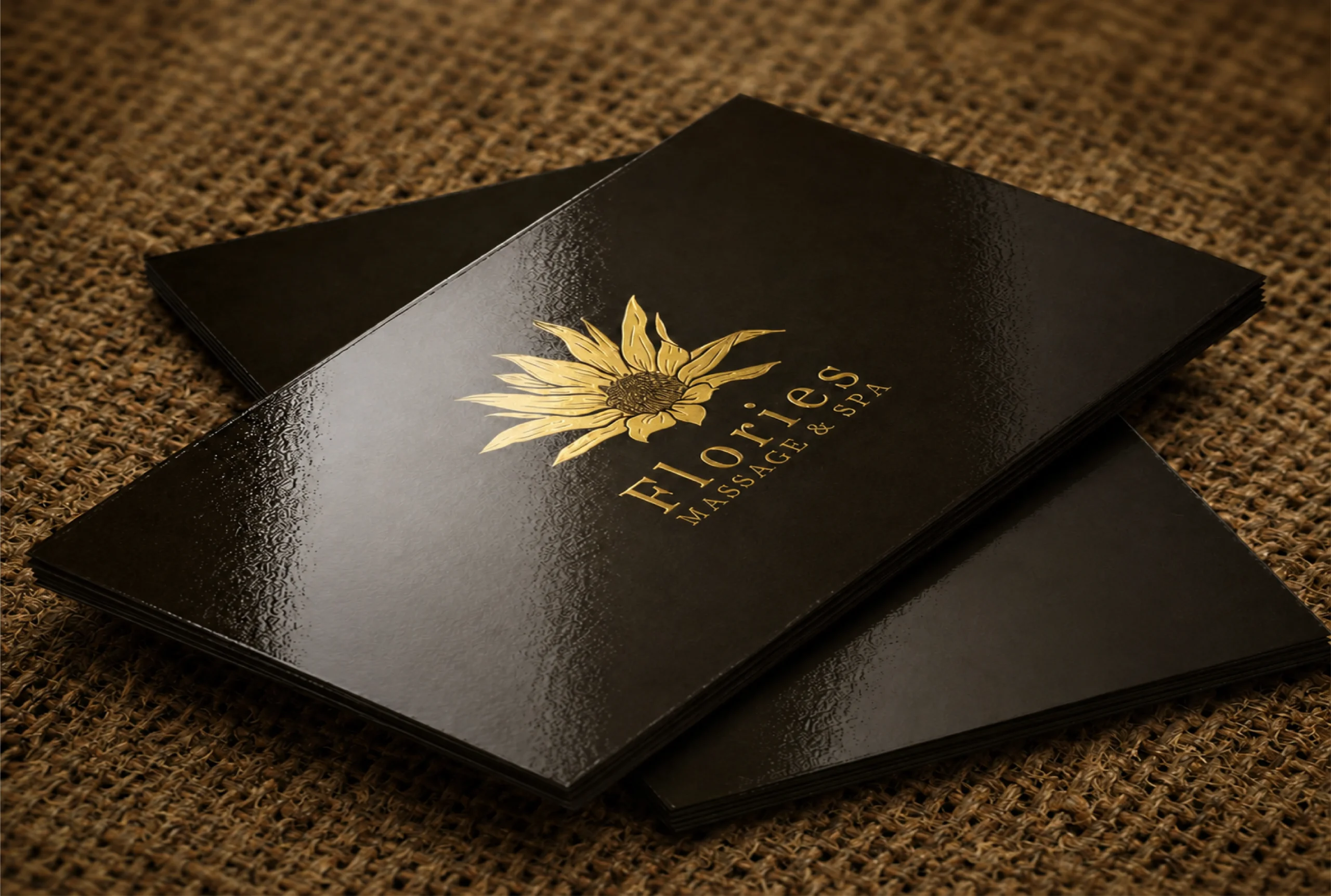
Our glossy finishing gives your packaging an extra layer of shine.
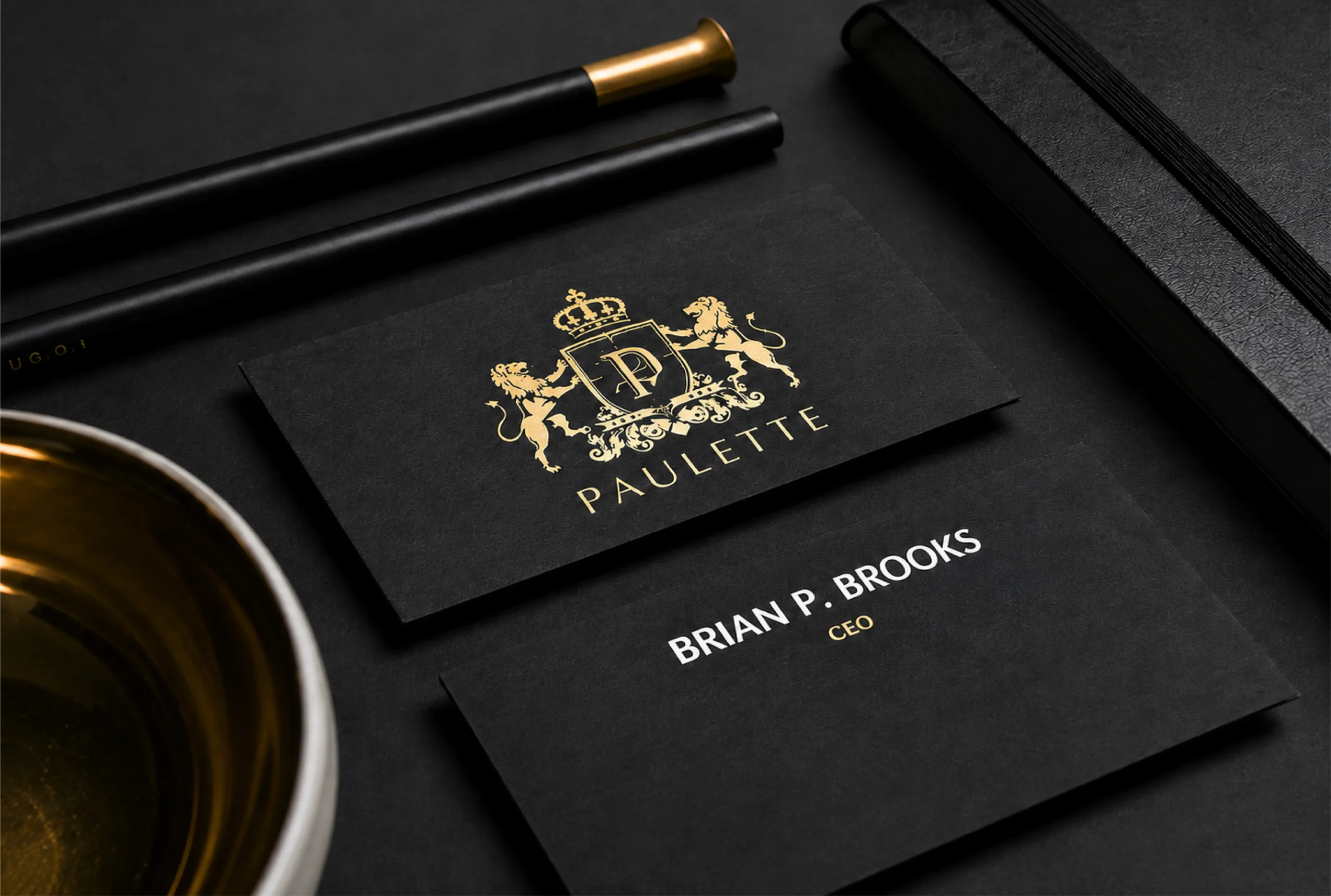
Decorate a wide range of your product packaging with our foil stamping.
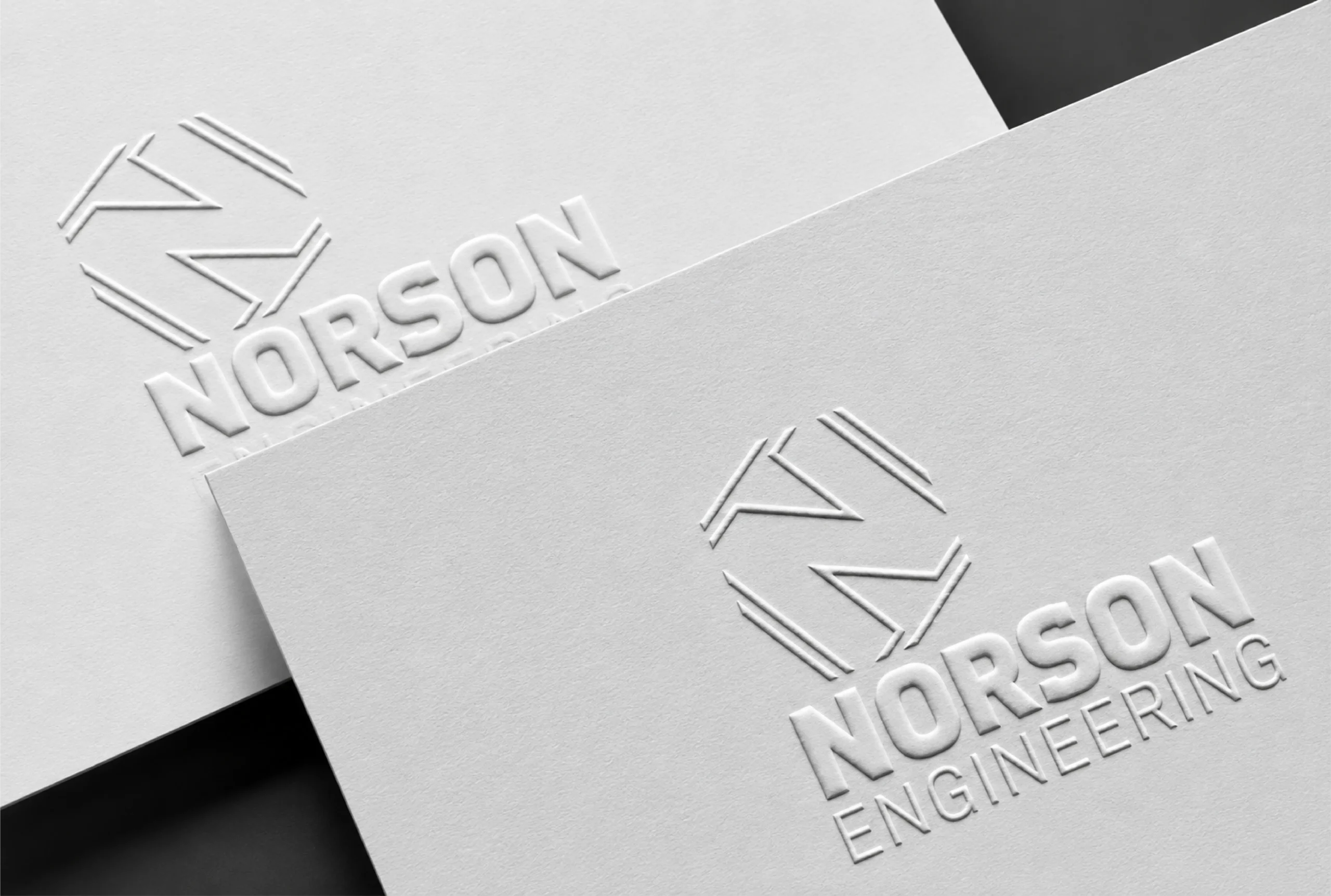
With our embossing technique, we transfer the finest details of your product on packaging.
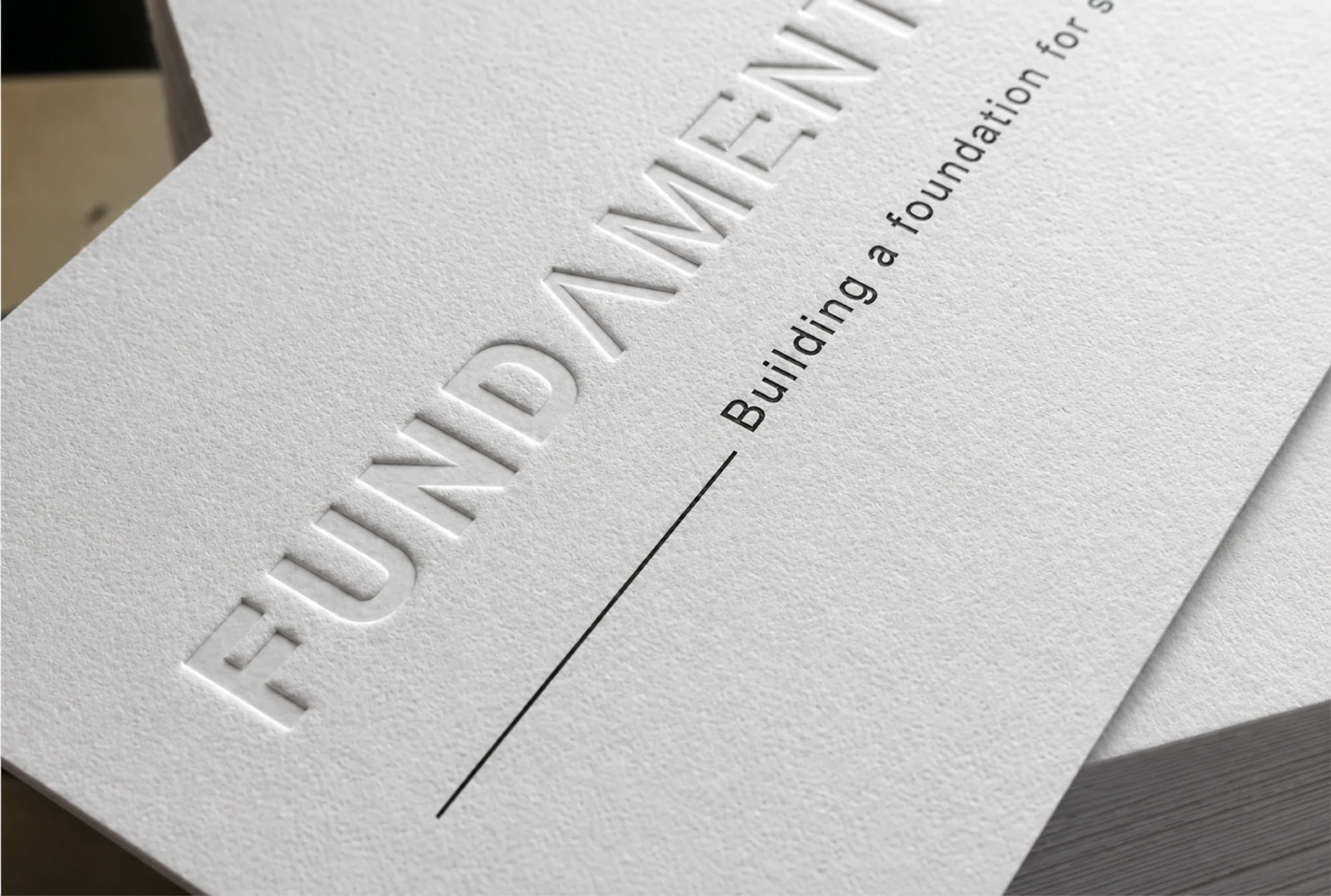
We use debossing technique to add unique graphics into your packaging.
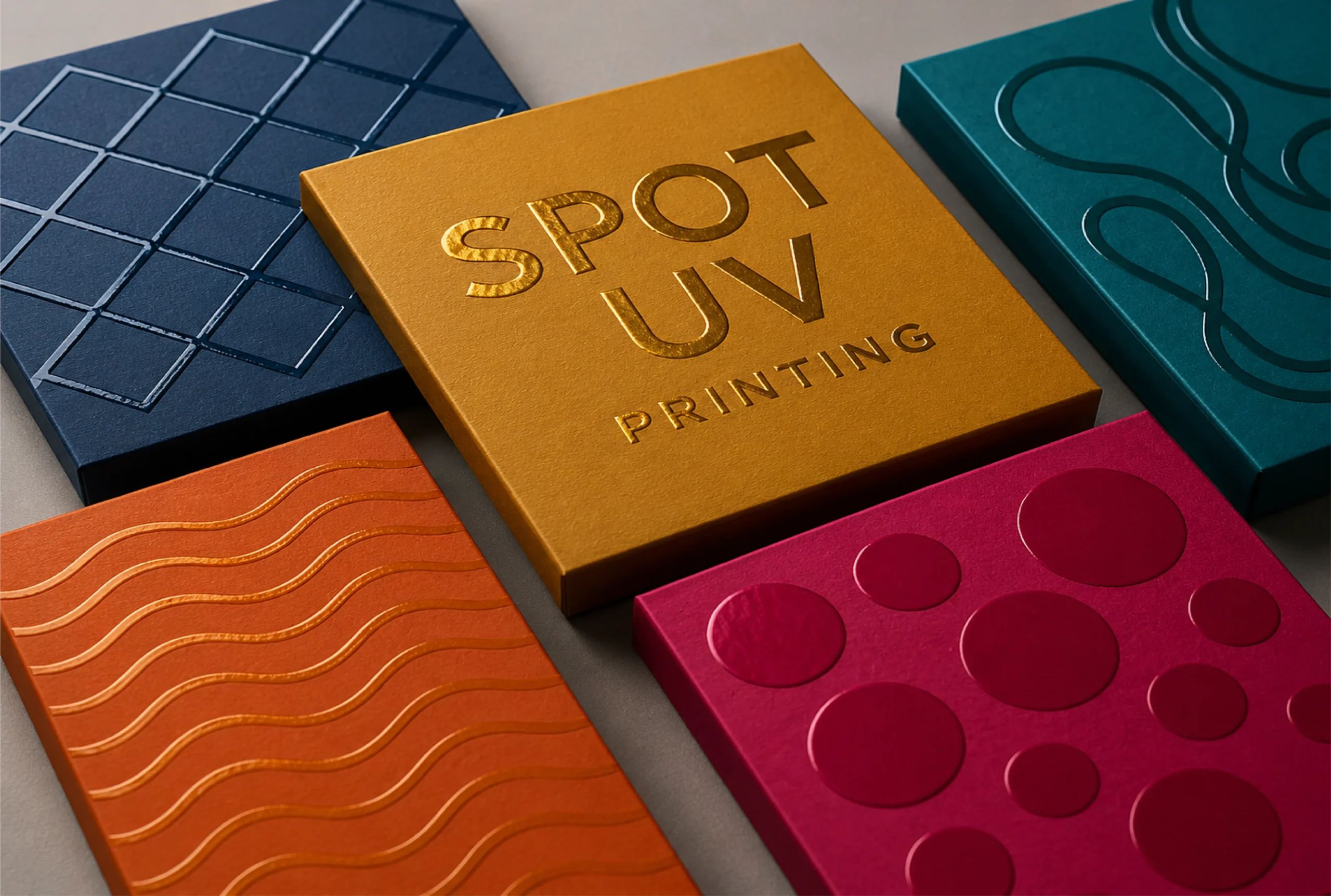
Our high-gloss UV coating gives light and shine to cure the printed material's varnish.
Still unsure? Email sales@packaginghubs.com and a packaging specialist will help.
Get your free quote today and see why Packaging Hubs is the most trusted name in U.S. custom packaging.