Free design support and free U.S. shipping. No minimum order.
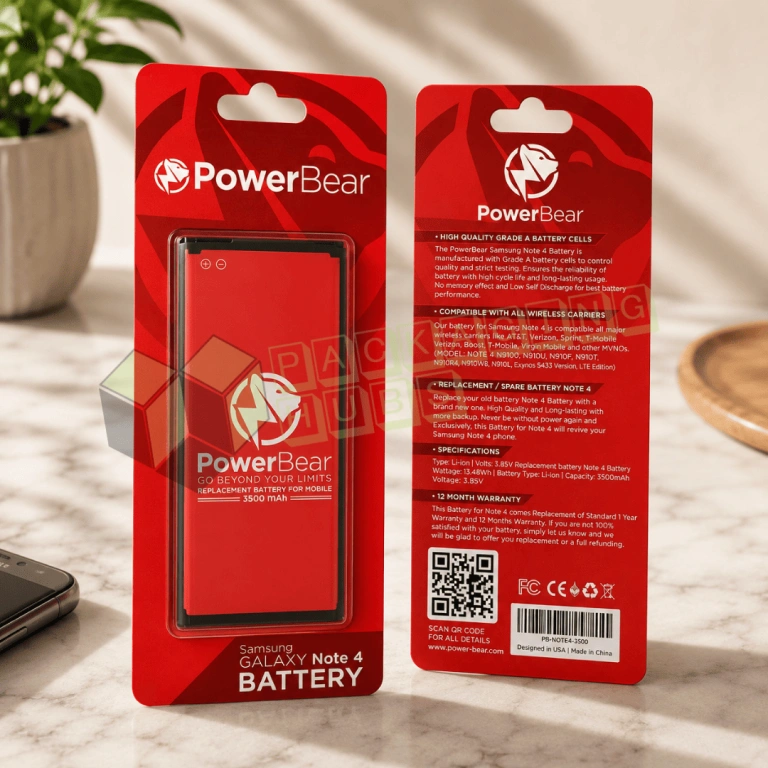
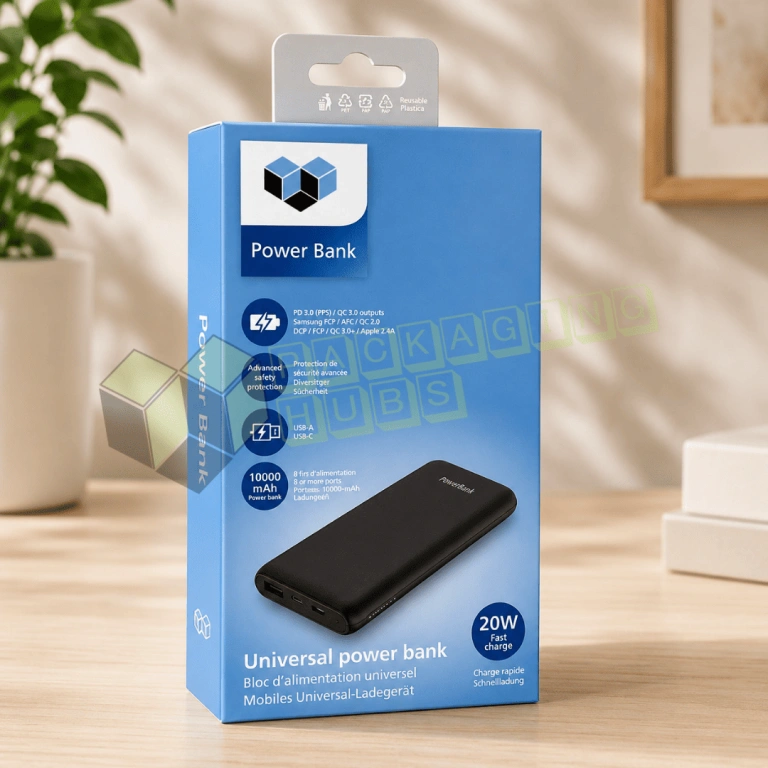
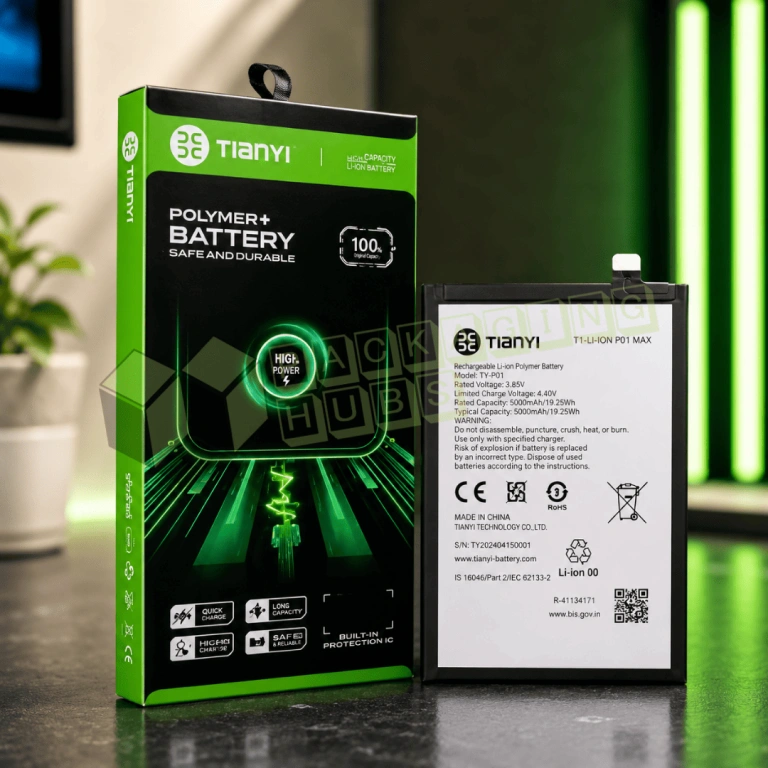
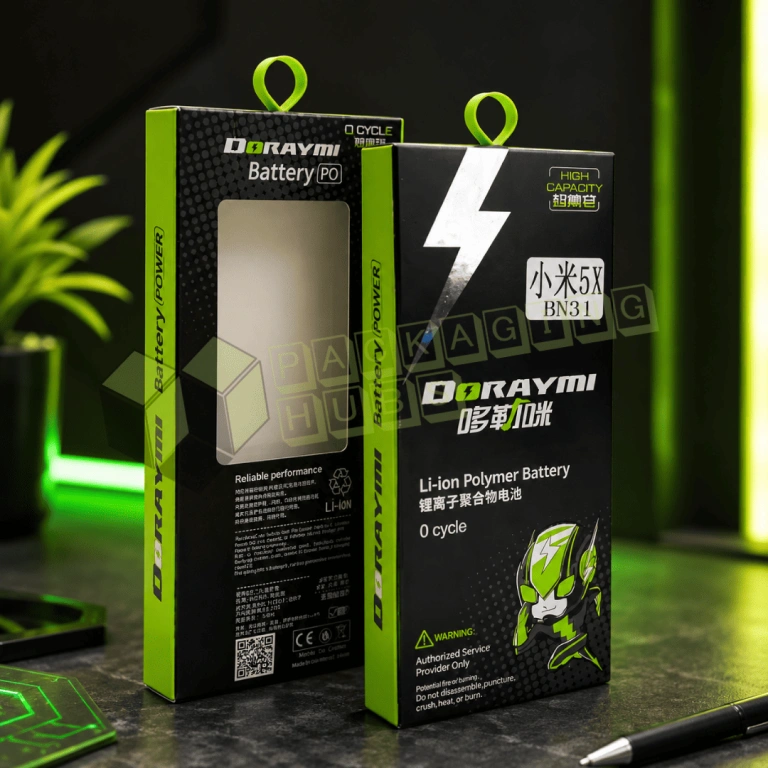
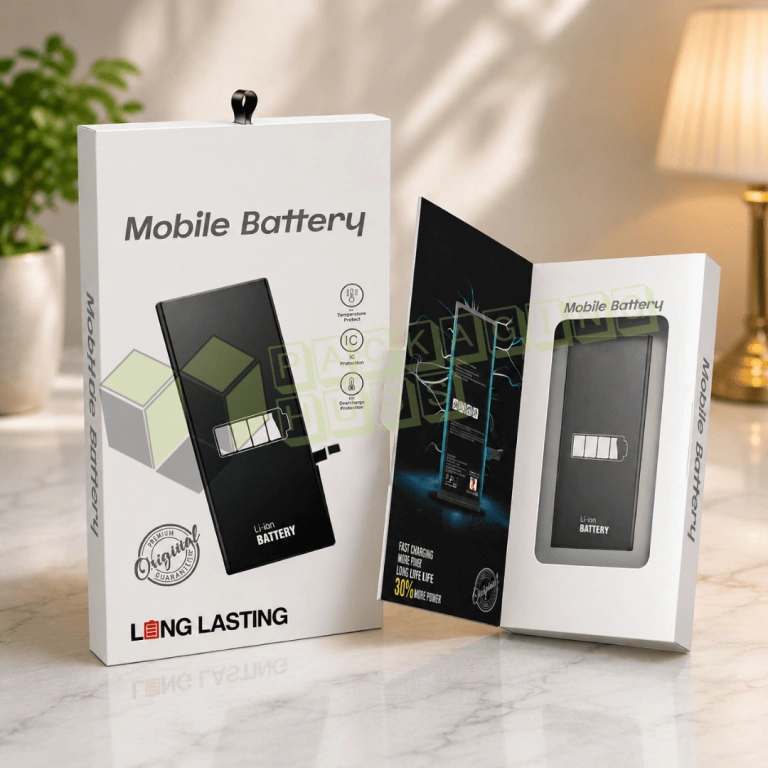
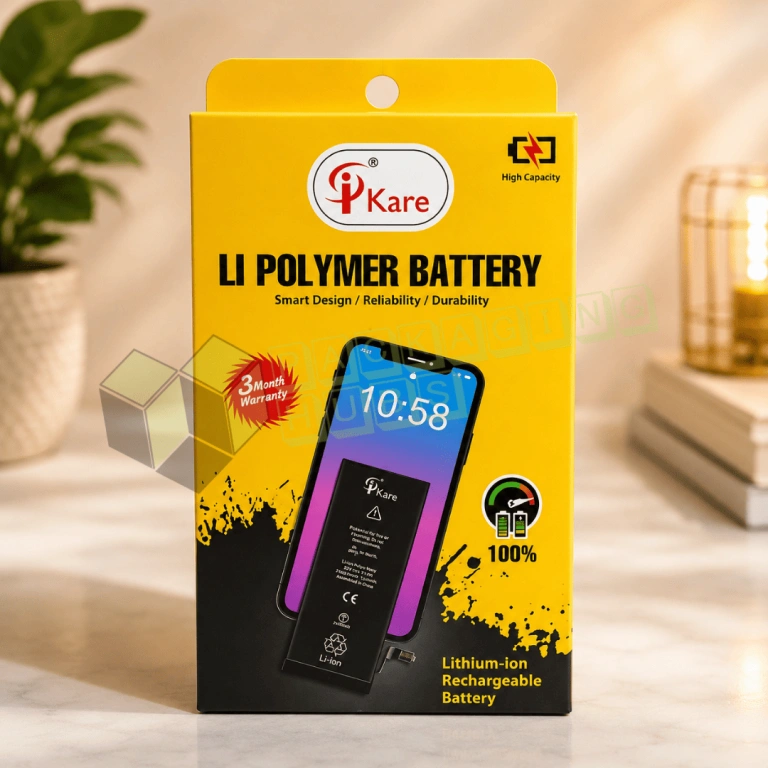
Secure replacement phone batteries, repair kits, warranty units, and private-label products with precisely sized cartons, protected connector zones, organized accessories, visible model codes, and transit-ready outer packaging. Choose custom materials, inserts, printing, finishes, and scalable quantities for retail, ecommerce, repair networks, and wholesale distribution.
Replacement phone batteries are compact, technically detailed, and easy to confuse with similar models. Their packaging must hold a thin battery without pressing against flexible edges, protect the connector, separate conductive tools, display compatibility information, and support the way the product moves through retail, repair, ecommerce, and wholesale channels.
Packaging Hubs develops custom mobile battery packaging around the complete commercial product rather than a generic stock size. We account for the battery body, pouch seams, connector tab, terminal protection, sleeve, adhesive strips, repair tools, instruction card, barcode, QR code, and outer shipping arrangement before the dieline is approved.
This product-led approach helps replacement-parts suppliers, electronics brands, repair chains, warranty programs, refurbishers, online sellers, and international distributors create packaging that looks organized and functions consistently. Every project can include zero MOQ, free design support, flexible lead-time options, and free worldwide shipping on custom packaging orders.
Request a free quote today to develop a battery box that supports precise fit, faster identification, and a more professional customer experience.
A useful custom mobile battery packaging plan considers every stage rather than concentrating only on shelf appearance. The box must be practical for the person packing it, readable for warehouse staff, clear for the buyer, and compatible with the wider distribution system selected by the shipper.
| Stage | Packaging Responsibility | Commercial Outcome |
| Product packing | Hold the battery and accessories in defined positions | Faster, more consistent assembly |
| Inventory storage | Display model, SKU, barcode, and quantity clearly | Fewer picking errors |
| Retail presentation | Communicate compatibility and product value | Greater buyer confidence |
| Ecommerce fulfillment | Separate the branded carton from transit protection | Cleaner arrival condition |
| Customer opening | Provide easy access without bending connectors | Better unboxing and product handling |
| Repeat ordering | Preserve approved dimensions, print, and materials | More consistent future production |
This journey-based method is different from simply choosing a box style first. The product profile and handling workflow determine the structure, while printing and finishes strengthen the final presentation.
Many battery-packaging failures begin during measurement and layout planning. A carton can use premium board and high-quality printing yet still perform poorly when the cavity is too tight, the connector has no clearance, or the model information is difficult to find.
| Common Packaging Problem | Why It Happens | Packaging Hubs Solution | Business Benefit |
| Battery rotates inside the box | Oversized carton or no internal restraint | Precisely sized insert or folded holding platform | More stable presentation |
| Pouch edges receive pressure | Cavity follows only the face dimensions | Controlled clearance around seams and flexible areas | Less avoidable compression |
| Connector bends or folds | No dedicated connector channel | Recessed extension or protected clearance zone | Better connector protection |
| Metal tools move beside terminals | All components share one open space | Separate accessory pocket or divided tray | Improved component control |
| Similar batteries become mixed | Model codes and SKUs lack hierarchy | Color-coded families and visible identification panels | Faster stock selection |
| Retail carton opens during handling | Closure is too light for the packed weight | Locking tuck, sealed end, sleeve, or stronger structure | More reliable handling |
| Branded box arrives crushed | Presentation carton is used as the only shipping layer | Corrugated outer protection with controlled void space | Cleaner customer delivery |
| Barcode or QR code crosses a fold | Artwork was completed before structural planning | Flat scan zones built into the dieline | Better scanning performance |
| Package looks generic | Stock dimensions create empty space | Product-specific sizing and branded interior details | Stronger perceived value |
| Repeat orders vary | Specifications are not retained clearly | Approved dieline, stock, color, and finish records | Greater reorder consistency |
Effective custom mobile battery packaging solves the cause of each problem instead of adding decoration over a weak structure. Packaging Hubs reviews the battery, components, closure, information panels, and distribution route as one connected system.
The main length, width, and thickness do not describe the complete packed battery. Flexible seams, tabs, labels, connectors, terminal covers, protective sleeves, and adhesive components can extend beyond the core body.
| Detail to Measure | Information Required | Effect on the Structure |
| Battery body | Maximum length, width, and thickness | Establishes the principal cavity |
| Flexible perimeter | Pouch seams and sensitive edge areas | Determines safe clearance |
| Connector | Direction, length, width, and bend sensitivity | Creates a protected channel |
| Terminals | Position and existing insulation | Guides isolation planning |
| Primary sleeve | Finished size after battery protection | Prevents an undersized retail carton |
| Accessories | Tools, strips, cards, and cables | Defines separate holding areas |
| Packed weight | Battery plus all included components | Influences board and closure strength |
| Removal direction | How the product should be lifted | Determines finger access or pull features |
Because custom mobile battery packaging depends on small dimensional differences, a finished commercial sample is more reliable than an early component sketch. The sample should include the approved sleeve, label, connector position, and any accessories that will ship in the final kit.
The finished cavity should hold stable areas of the battery without creating a forceful press fit. Planned clearance protects sensitive features, while a properly positioned insert prevents uncontrolled movement.
The interior can be planned as three connected zones. The first supports the main battery body across broad, stable surfaces. The second creates clearance for terminals and the connector. The third separates accessories, documents, and tools from the battery itself.
In well-planned custom mobile battery packaging, these zones work together without wasting space. A paperboard platform may support the battery body, a recessed channel may protect the connector, and a covered side pocket may hold adhesive strips or installation tools.
The insert material must suit the exact product and contact conditions. Paperboard, corrugated board, molded pulp, and selected foam structures can all be considered, but conductive or static-control materials should not be placed directly around battery terminals without an appropriate technical review.
Finger notches, pull tabs, and open tray edges can make the battery easier to remove. Customers should not need to pull on the connector or flex the pouch simply to lift the product from its box.
Mobile batteries may be sold beside devices, chargers, circuit components, cables, or installation tools. Each hard or conductive component needs a defined position so it cannot move freely against the battery.
Brands developing packaging for broader electronics systems can review Custom Drone Packaging Boxes for compartment-led packaging used around devices, controllers, batteries, charging accessories, propellers, and technical documentation.
The same planning principle applies to phone battery kits: the product, tools, printed guide, and accessories should remain organized through packing, storage, transit, and opening.
The structure selected for custom mobile battery packaging should follow the sales channel, packed weight, opening method, and required information space. A small retail replacement battery may need a compact folding carton, while a premium repair kit or warranty program may benefit from a sleeve, tray, or protective mailer.
| Sales Channel | Suitable Structure | Main Advantage |
| Repair-shop counter | Compact labeled tuck carton | Fast model identification |
| Retail shelf | Straight or reverse tuck box | Efficient stacking and printing |
| Peg display | Carton with reinforced hanger tab | Greater vertical visibility |
| Premium replacement kit | Sleeve-and-tray or rigid presentation box | More controlled reveal |
| Ecommerce order | Retail carton inside a corrugated mailer | Separates branding from shipping protection |
| Warranty replacement | Secure mailer with document pocket | Supports organized after-sales service |
| Wholesale distribution | Individual cartons inside divided cases | Better quantity and SKU control |
The structure must remain easy for the packing team to assemble and close. It should also open cleanly for the customer without weakening after normal retail handling.
Straight tuck, reverse tuck, and locking-tab cartons can provide efficient structures for lightweight batteries and small repair kits. They offer flat printable panels for compatibility details, barcodes, QR codes, warnings, and customer support information.
Brands comparing compact folding formats can explore Tuck Boxes for retail structures that can be customized with inserts, hanger tabs, tamper-evident label areas, and different opening directions.
Heavier kits may require an auto-lock bottom, sealed end, reinforced sleeve, or separate outer shipper. The closure should be selected by packed weight and handling needs rather than appearance alone.
Mobile batteries are small but relatively dense, so thin stock may bow around a concentrated insert. At the same time, an unnecessarily thick structure can increase material use without improving fit.
| Material Direction | Best Application | Main Value |
| SBS paperboard | Printed retail battery cartons | Smooth surface for fine technical text |
| White cardstock | Lightweight replacement units | Clean folding and economical branding |
| Kraft paperboard | Minimal electronics presentation | Natural, restrained appearance |
| E-flute corrugated board | Ecommerce mailers and protective inner packs | Better edge and compression support |
| B-flute corrugated board | Wholesale cases and heavier kits | Greater stacking strength |
| Wrapped rigid board | Premium service and presentation kits | Strong shape and elevated presentation |
| Folded paperboard insert | Lightweight battery restraint | Space-efficient and printable |
| Molded pulp insert | Broad product support | Paper-based formed structure |
| Properly specified foam | Premium or delicate multi-item kits | Precise cavity control |
Board, insert, and closure decisions should follow the total packed weight, battery profile, storage method, case count, and shipping route. Surface finish alone should never determine the structural specification.
Replacement battery programs may include many SKUs with nearly identical shapes. Clear information hierarchy helps repair staff, warehouse teams, retailers, and customers find the correct item quickly.
Consistent custom mobile battery packaging can keep the logo, panel order, barcode position, warning zone, and typography stable while changing the model number, compatible-device list, accent color, capacity, or product image.
| Identification Element | Recommended Position | Operational Purpose |
| Short model code | Front and top panels | Fast shelf and bin recognition |
| Compatible devices | Front or first side panel | Customer fit confirmation |
| Color-coded product family | Spine or top flap | Visual separation between SKUs |
| Barcode | Flat side or back panel | Retail and warehouse scanning |
| QR code | Back panel | Installation, warranty, or support access |
| Capacity and voltage | Side information panel | Technical comparison |
| Lot or batch area | Bottom panel | Internal product tracking |
| Master-case label | Corrugated outer carton | Wholesale inventory control |
Small technical text must remain away from cut edges, folds, glued seams, and closure panels. Barcode and QR areas should remain flat and high contrast according to the scanning system used by the customer.
Mobile batteries and CBD products follow entirely different technical and regulatory requirements, but both often use compact cartons with limited room for branding, barcodes, QR codes, batch details, warnings, and product identification.
Brands studying small-format panel organization can review Custom CBD Boxes for another example of compact retail packaging with structured information zones.
Only the layout principle carries across categories. Battery specifications, handling statements, compatibility information, and transport marks must remain specific to the exact battery product.
Electronics packaging should help customers find important information quickly. Excessive badges, busy backgrounds, and decorative finishes can compete with model codes, capacity details, and compatibility information.
Digital printing works well for prototypes, older phone models, warranty packs, and multiple low-volume SKUs. Offset printing supports larger production programs that need consistent color and detailed text. Flexographic printing can be used for simpler corrugated shipping cases.
| Printing or Finish | Best Use | Visual Result |
| CMYK printing | Product images, diagrams, and full-color branding | Broad color reproduction |
| PMS matching | Controlled logos and SKU families | Greater repeat consistency |
| Matte lamination | Professional electronics ranges | Restrained, low-glare surface |
| Gloss lamination | Bright consumer-accessory lines | Stronger color reflection |
| Anti-scratch lamination | Dark premium cartons | Helps reduce visible handling marks |
| Soft-touch coating | High-value repair kits | Refined tactile presentation |
| Spot UV | Product-series names or logos | Selective gloss contrast |
| Foil stamping | Limited premium accents | Metallic emphasis |
| Embossing or debossing | Simple marks and symbols | Tactile brand detail |
| Hanger tab | Peg-based retail | Greater merchandising flexibility |
Finishes should not cover required text or interfere with barcode and QR performance. A clear information system usually creates more authority than a crowded surface.
Lithium battery transport requirements change according to chemistry, watt-hour rating, condition, quantity, mode, and whether the battery travels alone, packed with equipment, or contained in equipment. PHMSA’s current Lithium Battery Guide for Shippers separates shipping scenarios by battery type, configuration, and size rather than applying one rule to every shipment.
Standalone rechargeable lithium-ion batteries are generally associated with UN3480, while batteries packed with or contained in equipment are associated with UN3481. The correct classification and packaging instruction must be confirmed for the actual shipment.
Custom mobile battery packaging can reserve flat exterior space for customer-supplied marks, shipment labels, and handling information. However, Packaging Hubs does not represent an ordinary printed retail carton as universally certified for every battery, carrier, destination, or transport mode.
The shipper, battery manufacturer, dangerous-goods specialist, and carrier remain responsible for determining classification, testing status, documentation, marks, service eligibility, and final packed-package compliance.
The FAA states that spare lithium batteries for personal electronics must travel in carry-on baggage, remain protected from damage, and have terminals protected against short circuits. The agency identifies retail packaging, terminal tape, battery cases, sleeves, and individual protective pouches as possible methods. It also states that damaged or recalled batteries likely to spark or generate dangerous heat must not be carried aboard an aircraft unless made safe.
Businesses and travelers can review the official FAA PackSafe lithium battery guidance for the current passenger-baggage requirements.
Passenger baggage guidance is not a substitute for commercial cargo rules. Products intended for resale or distribution require a shipping program appropriate to their classification, quantity, route, and carrier.
USPS Packaging Instruction 9D states that mailable lithium battery packages generally need rigid, sealed outer packaging that can resist crushing and provide sufficient flat space for applicable battery marks. The instruction also distinguishes batteries shipped without equipment from those installed in or packed with the equipment they operate.
A branded retail carton may therefore need an additional corrugated outer package, internal movement control, and fulfillment-applied marks before entering a postal network. The mail owner should confirm the current service, route, product condition, watt-hour rating, quantity, and documentation requirements before launch.
A new replacement battery and a swollen, punctured, overheated, defective, or recalled battery do not belong in the same packaging workflow. Ordinary retail cartons should not be presented as a solution for unsafe returns or damaged cells.
Businesses handling defective products, recycling, recalls, or customer returns should use qualified dangerous-goods and waste-management professionals. The collection package, carrier approval, storage method, and disposal route may differ substantially from the packaging used for new merchandise.
For international brands, custom mobile battery packaging can support consistent retail dimensions, model-code systems, printed information zones, insert layouts, and master-case identification across the USA, Canada, Australia, the UK, UAE, Germany, France, New Zealand, Singapore, and other strong electronics markets.
A U.S. ecommerce seller may prioritize postal mark space and corrugated outer cartons. A Canadian distributor may provide approved bilingual content. An Australian repair network may need several color-coded battery families, while a UK supplier may prioritize compact cartons and efficient case counts.
UAE electronics retailers may select premium finishes for higher-value replacement products. European distributors may prefer restrained printing and paper-based inserts. Packaging Hubs provides free worldwide shipping on custom packaging orders, while customers remain responsible for local transport, customs, import, language, labeling, and dangerous-goods requirements.
Before custom mobile battery packaging enters production, Packaging Hubs can review the physical details that control fit, print accuracy, assembly, retail use, and repeat ordering.
| Approval Gate | What We Review | Why It Matters |
| Product profile | Battery body, seams, connector, sleeve, and weight | Establishes accurate clearance |
| Interior arrangement | Battery, tools, strips, cards, and accessories | Prevents uncontrolled movement |
| Removal method | Finger notch, pull tab, or open edge | Protects connectors during access |
| Board and closure | Stock, scores, locks, and glued areas | Supports structural reliability |
| Information panels | Model, barcode, QR code, and supplied specifications | Improves product identification |
| Artwork | Bleed, folds, safe zones, and text size | Reduces printing errors |
| Distribution system | Retail carton, inner pack, outer case, and label zones | Coordinates packaging levels |
| Repeat-order record | Dimensions, stock, color, and finish direction | Supports future consistency |
This review addresses the manufactured packaging and commercial workflow. It does not replace battery testing, transport classification, carrier approval, or dangerous-goods certification.
Once the structure is approved, related battery models can use the same visual and operational system while changing dimensions, compatible-device information, barcodes, colors, or capacity details.
Custom mobile battery boxes can support one launch or a long-term multi-SKU program. A growing supplier may start with a small quantity for several battery models and later consolidate the strongest sellers into larger repeat orders.
Custom battery packaging becomes easier to manage when each SKU follows a controlled naming system, panel order, carton family, and master-case count. Packaging Hubs can retain approved dielines and print directions to make reordering more efficient.
Wholesale programs can also group batteries by practical carton dimensions instead of creating a completely different outer size for every model. This reduces packaging inventory while preserving a secure internal fit through product-specific inserts or platforms.
Share the battery length, width, thickness, connector position, terminal protection, sleeve dimensions, packed weight, accessories, quantity, preferred structure, material, printing, finishing, and delivery country.
Packaging Hubs can manufacture custom mobile battery boxes for replacement units, repair kits, warranty programs, private-label electronics, retail shelves, ecommerce fulfillment, and wholesale distribution. Available options include fitted inserts, divided trays, hanger tabs, tamper-evident label areas, barcode zones, QR panels, digital and offset printing, CMYK, PMS matching, matte or gloss lamination, anti-scratch finishes, foil, spot UV, embossing, and debossing.
Every project can include zero MOQ, free design assistance, flexible lead-time options, and free worldwide shipping. Submit your product dimensions and artwork through Contact US to receive a tailored quotation.
| Box Style | Custom Mobile Battery Packaging |
| Dimension (L + W + H) | All Custom Sizes & Shapes |
| Quantities | No Minimum Order Required |
| Paper Stock | 10pt to 28pt (60lb to 400lb) Eco-Friendly Kraft, E-flute Corrugated, Bux Board, Cardstock |
| Printing | No Printing, CMYK, CMYK + 1 PMS color, CMYK + 2 PMS colors |
| Finishing | Gloss Lamination, Matte Lamination, Gloss AQ, Gloss UV, Matte UV, Spot UV, Embossing, Foiling |
| Included Options | Die Cutting, Gluing, Scored, Perforation |
| Additional Options | Eco-Friendly, Recycled Boxes, Biodegradable |
| Proof | Flat View, 3D Mock-up, Physical Sampling (On request) |
| Turnaround | 4 – 8 Business Days, RUSH |
| Shipping | FLAT |
Pick the stock and the finish that suit your product. We’ll confirm both on your proof before anything is printed.

Kraft paper is a strong, durable and reliable material that is widely used across many different industries.

We use cardboard material with the least environmental impact and minimizes waste generation.
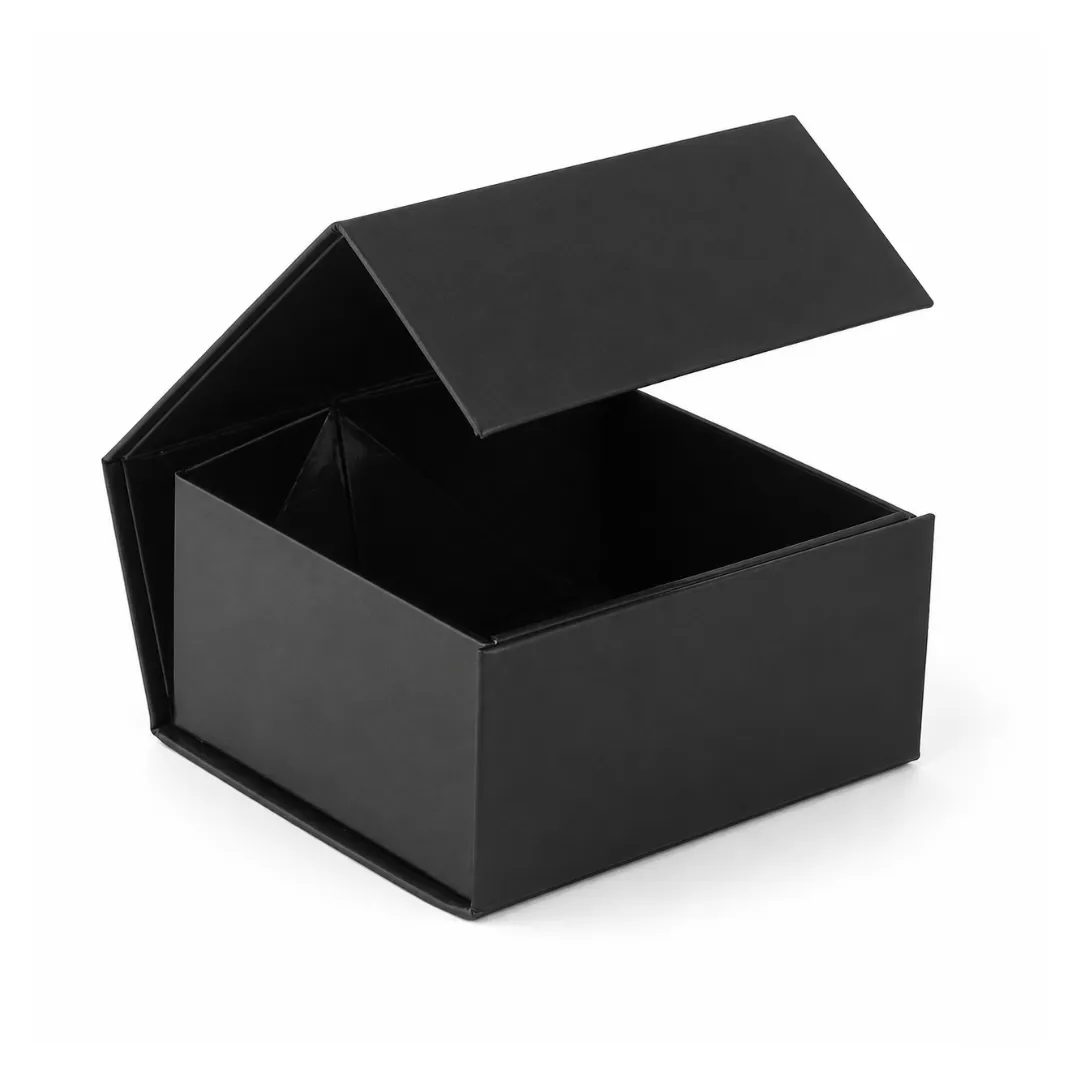
Rigid is highly protective, affordable and recyclable material. These boxes provide maximum protection.

Corrugated material is easy to customize, cost effective and sustainable. It is also great for branding purposes.

We add additional layer of protection with soft touch lamination from toner chipping.
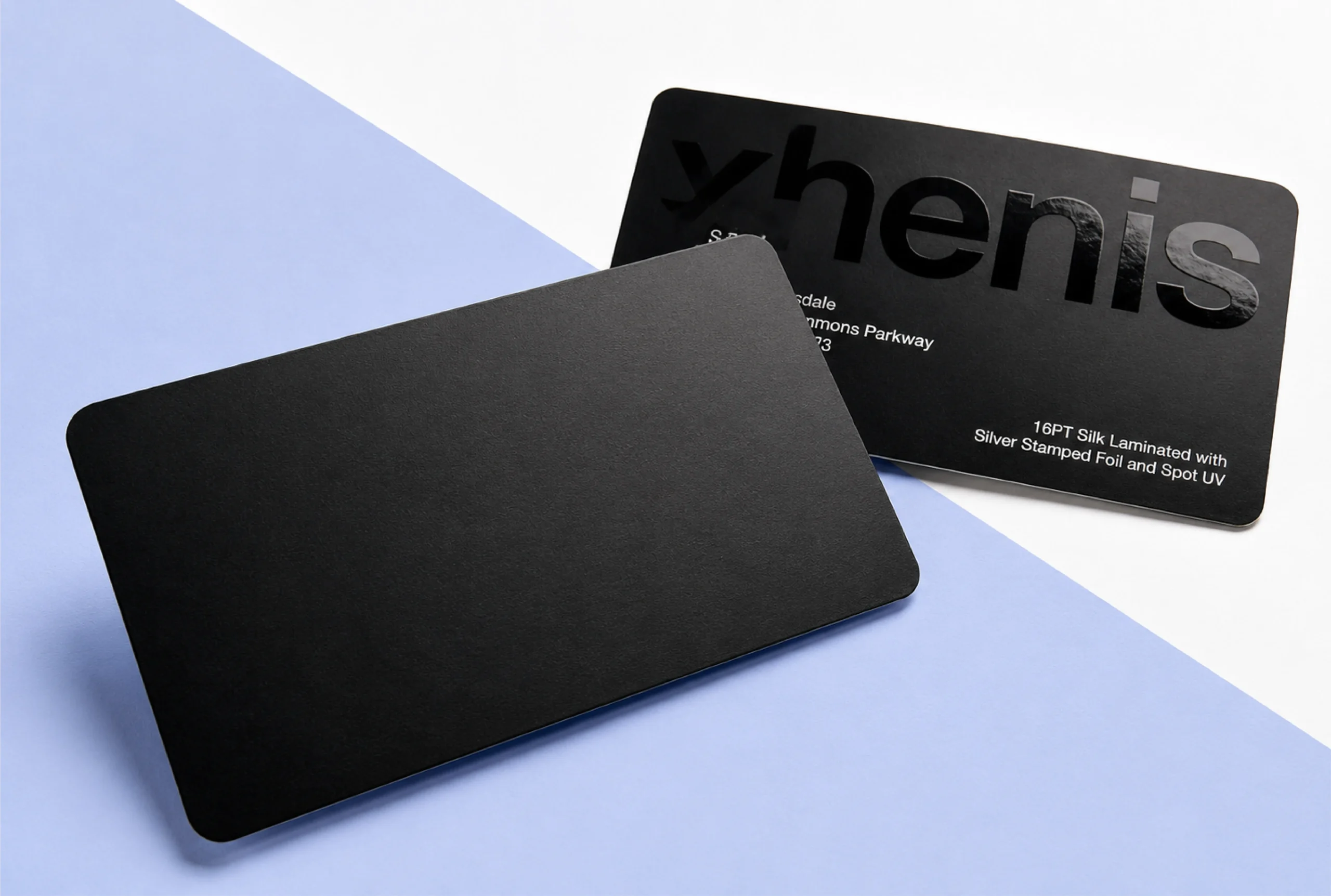
With our matte finish, fingerprints and smudges will now be less visible on the packaging.
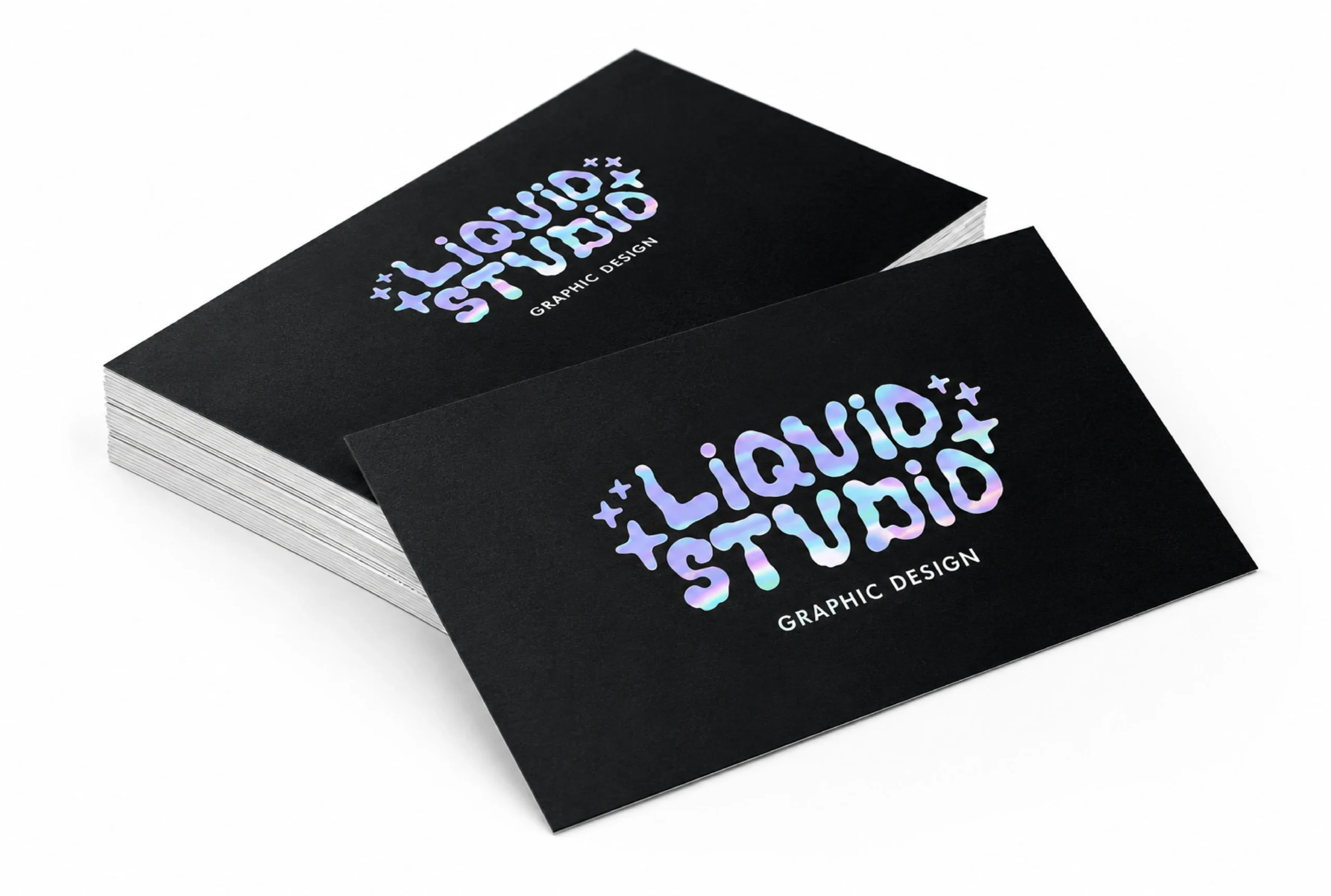
Holographic foil diffracts light and reveals the colors of the rainbow at various angles.

Our glossy finishing gives your packaging an extra layer of shine.

Decorate a wide range of your product packaging with our foil stamping.
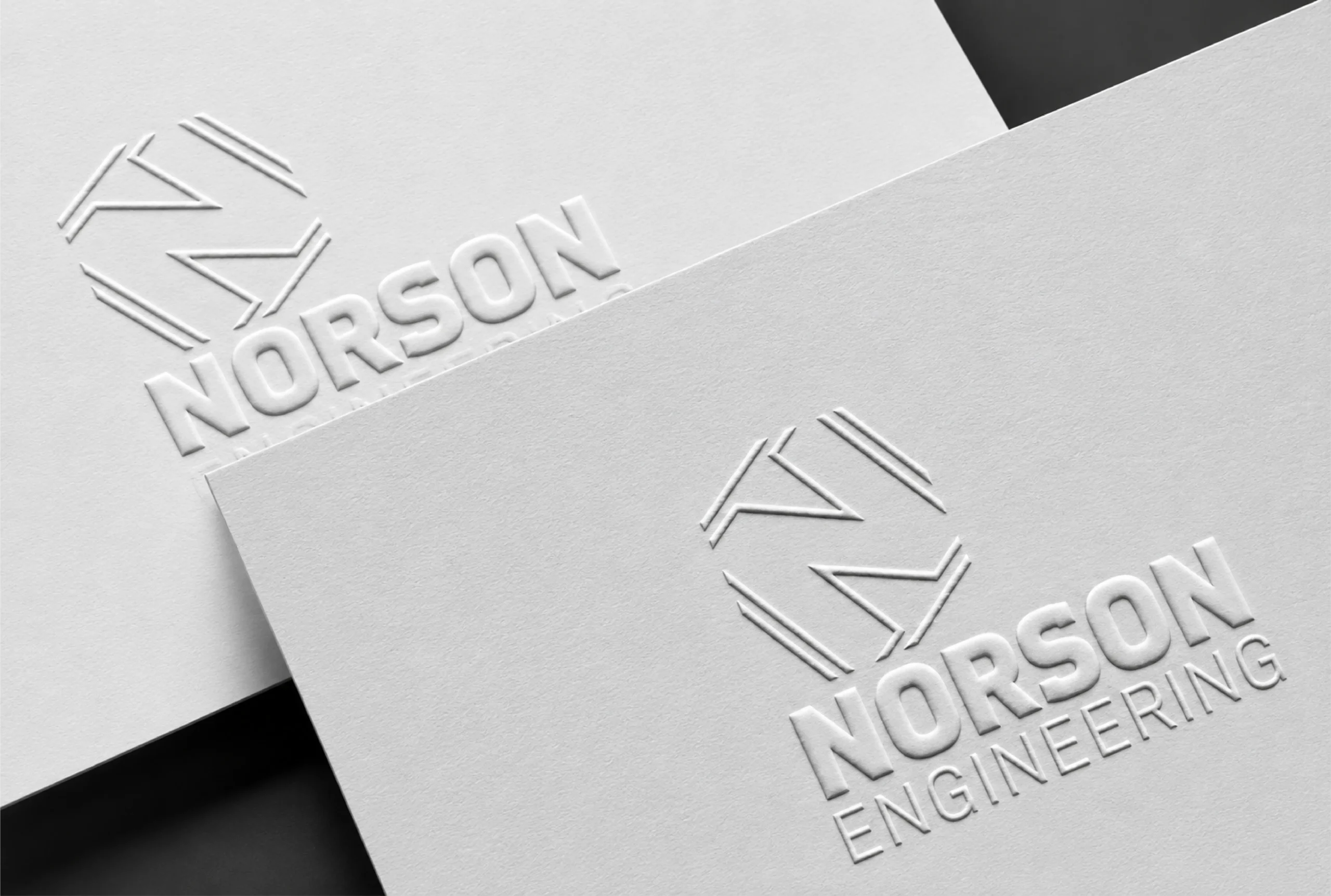
With our embossing technique, we transfer the finest details of your product on packaging.

We use debossing technique to add unique graphics into your packaging.

Our high-gloss UV coating gives light and shine to cure the printed material's varnish.
Still unsure? Email sales@packaginghubs.com and a packaging specialist will help.
Get your free quote today and see why Packaging Hubs is the most trusted name in U.S. custom packaging.