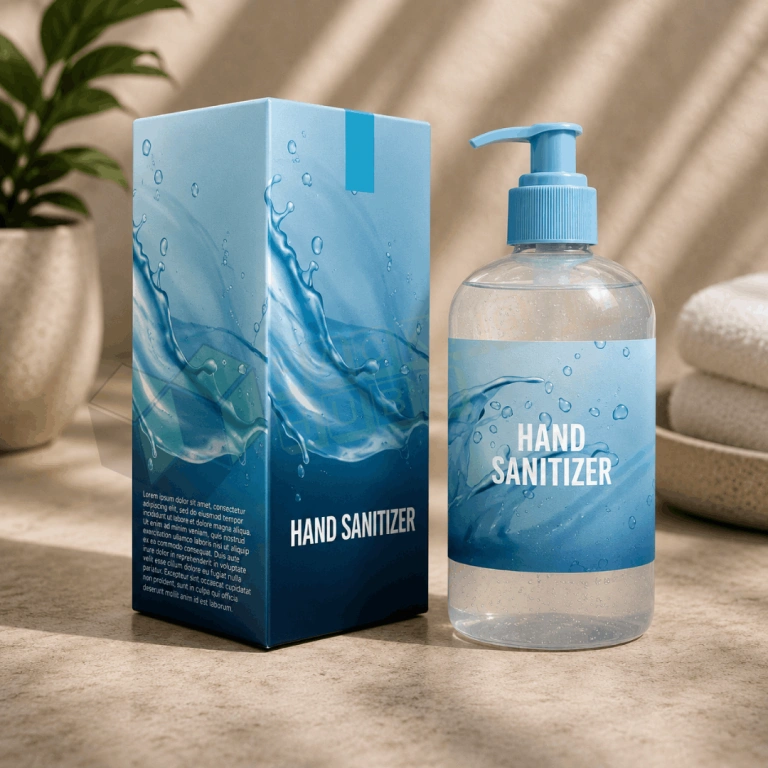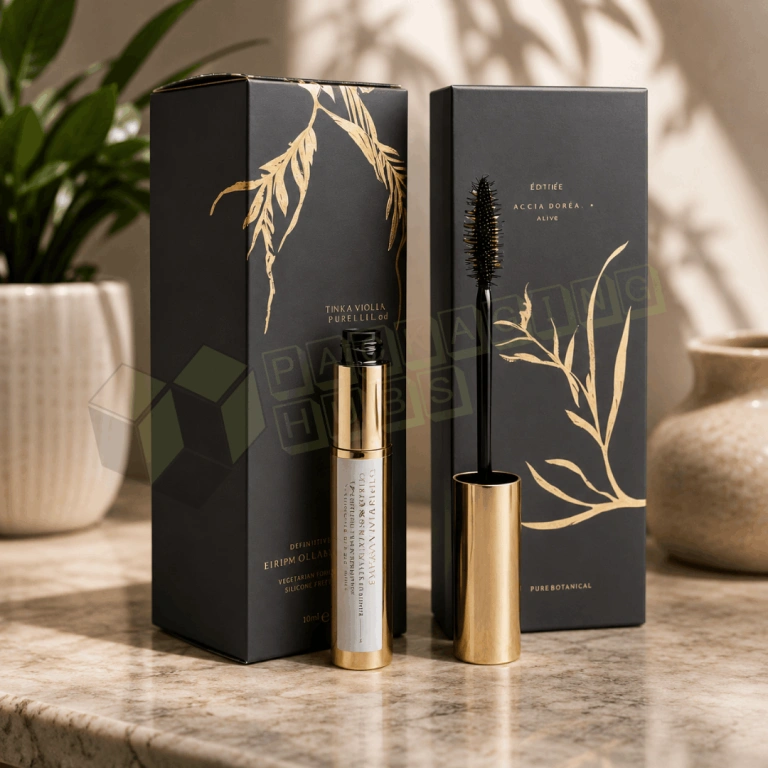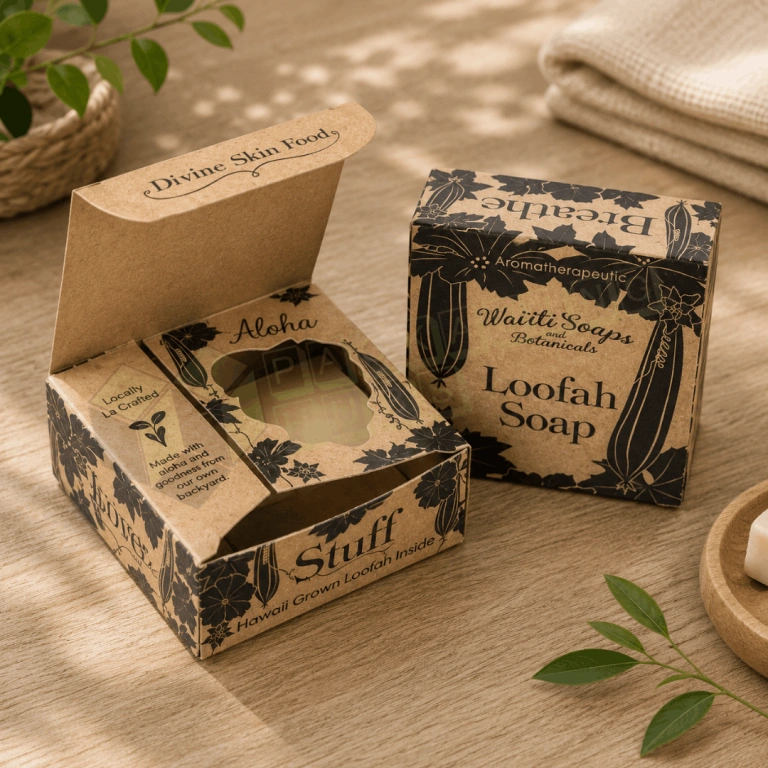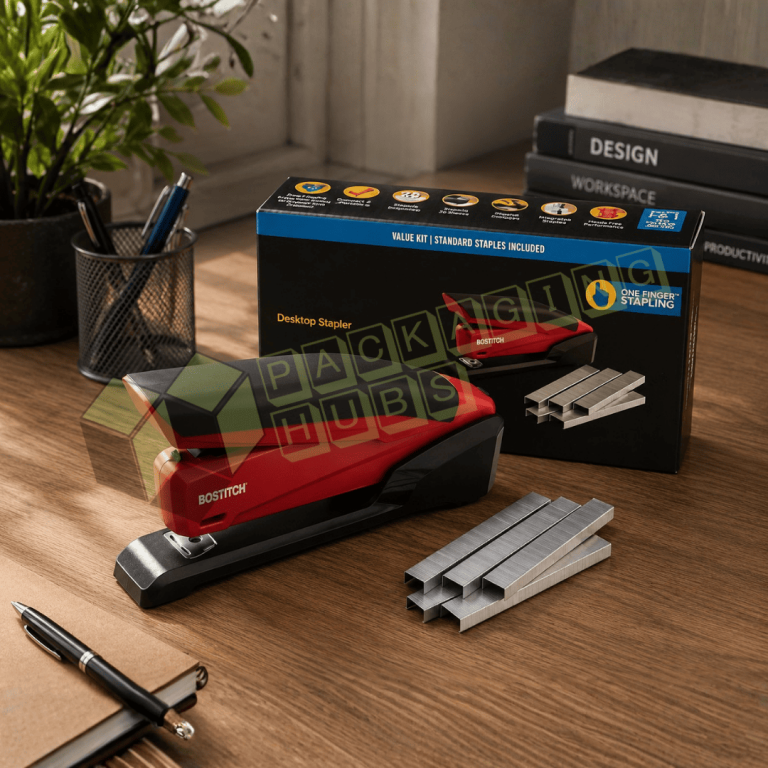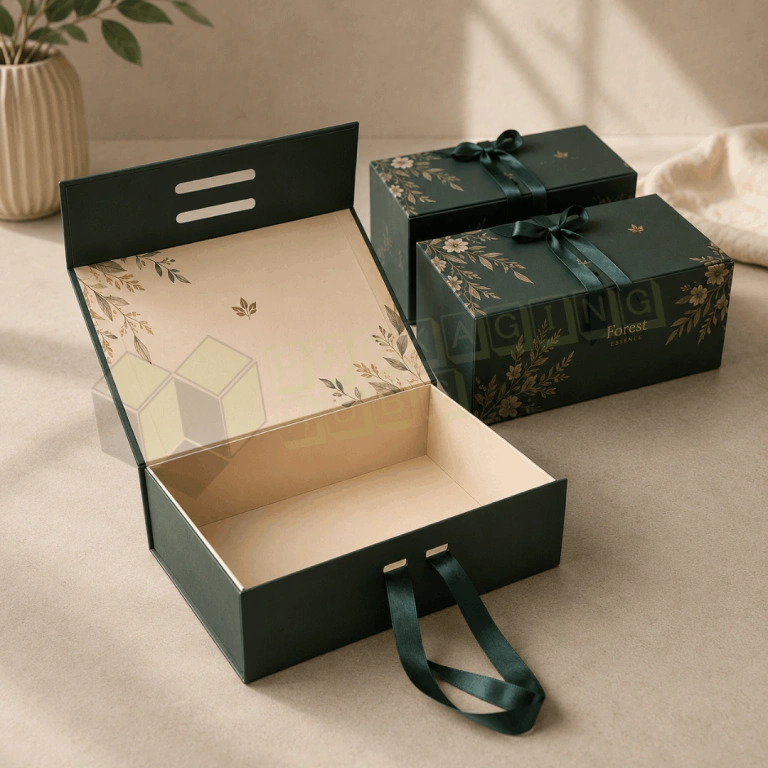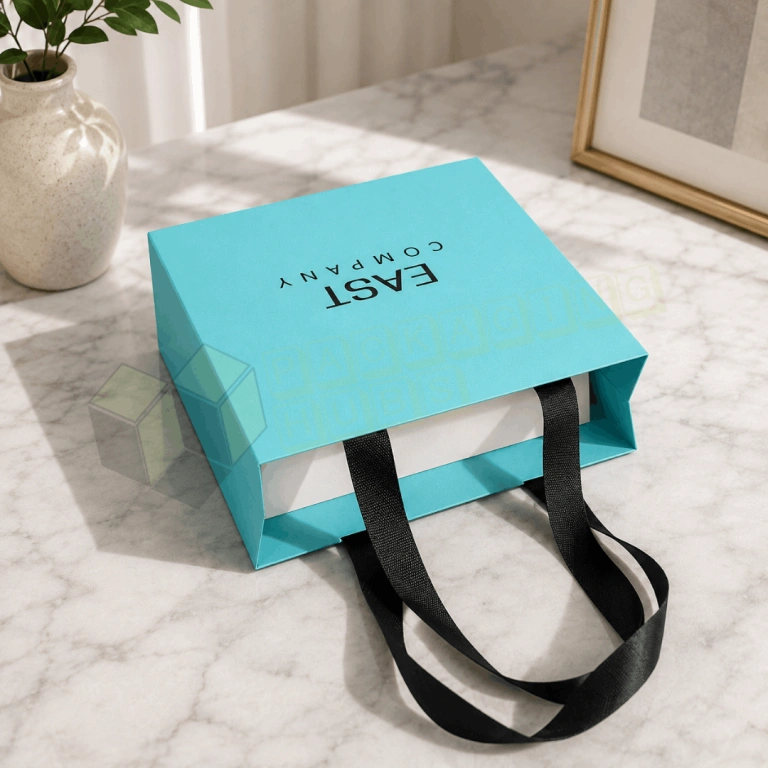
Custom product boxes allow businesses to control how their products fit, display, ship, open, and reach customers. Instead of adapting a product to the nearest available stock carton, brands can select dimensions, materials, closures, inserts, printing, and finishes according to the actual item.
Packaging Hubs manufactures custom product boxes for U.S. startups, ecommerce sellers, retailers, manufacturers, subscription businesses, corporate programs, and wholesale distributors. Packaging can be developed for cosmetics, apparel, electronics, jewelry, toys, food products, stationery, flowers, smoking products, photography, gifts, and multi-component kits.
The most effective custom product boxes are not simply decorated containers. They solve practical problems such as product movement, weak base panels, confusing SKU identification, inefficient packing, surface abrasion, excessive shipping space, and inconsistent repeat orders.
Every project can include zero MOQ, free design support, flexible lead-time options, and free worldwide shipping. The primary specifications, terminology, buying guidance, and sales-channel examples on this page are written for customers operating in the United States.
Different products react differently inside packaging. Weight, shape, fragility, surface finish, moisture sensitivity, and the number of included components should influence the structure before artwork is developed.
| Product Behavior | Typical Products | Packaging Requirement | Suitable Direction |
| Lightweight and compact | Cosmetics, cards, accessories, and samples | Accurate fit and clear information panels | Tuck carton, sleeve, or folding wallet |
| Heavy and concentrated | Glass jars, hardware, and devices | Strong base and panel stiffness | Heavy paperboard or corrugated structure |
| Fragile or breakable | Glassware, candles, electronics, and ceramics | Movement control and impact separation | Insert carton or divided corrugated box |
| Soft and flexible | Clothing, fabric accessories, and hosiery | Fold control and snag-conscious surfaces | Two-piece box, mailer, or folding carton |
| Long or narrow | Umbrellas, tools, posters, and bottles | Extended support and resistance to bending | Long tuck carton or corrugated box |
| Multi-component | Toys, technical kits, and corporate gifts | Defined position for every item | Divided tray or presentation structure |
| Premium and reusable | Jewelry, photography, and luxury gifts | Strong form and refined opening | Rigid, drawer, or magnetic box |
| Direct-to-consumer | Subscriptions, clothing, and ecommerce goods | Compression and abrasion resistance | E-flute or B-flute mailer |
This table shows why appearance should not be the first packaging decision. A rigid gift box may create an impressive reveal, but it can be unnecessarily expensive for a low-cost refill. A standard folding carton may be economical, but it may not provide enough support for a heavy device.
Packaging Hubs studies the finished product rather than relying only on its industry category. Two products with identical dimensions may still need different custom product boxes when one is made from glass and the other is made from folded fabric.
The same item may need different packaging depending on whether it is sold on a shelf, shipped through ecommerce, included in a subscription, or presented as a corporate gift.
| Sales Channel | Packaging Priority | Suitable Structure | Operational Consideration |
| Retail shelf | Product identity and stable stacking | Folding carton or sleeve | Front-facing design and barcode placement |
| Peg display | Vertical visibility | Hanger carton | Hanger strength and balanced weight |
| Ecommerce | Transit protection | Corrugated mailer | Cushioning, labels, and return handling |
| Subscription | Organized assortment | Printed mailer with dividers | Changing product sizes and packing speed |
| Wholesale | Case efficiency and SKU control | Retail units inside master cartons | Case counts and warehouse labels |
| Corporate gifting | Presentation and personalization | Rigid or magnetic box | Inserts, messages, and repeated opening |
| Product launch | Education and reveal | Presentation kit | Printed cards and removal sequence |
| Storage and distribution | Load and stacking performance | Reinforced corrugated box | Board grade and handling conditions |
A retail carton and a shipping carton do not always need to be the same package. A highly finished paperboard box may require a protective outer mailer, while a branded corrugated box can sometimes combine the shipping and unboxing functions.
Custom product boxes should therefore be planned as part of the complete supply chain. Packaging Hubs can coordinate the product box, insert, inner case, display tray, delivery mailer, and wholesale master carton where the program requires several packaging levels.
Packaging problems often become visible only after the product has entered packing, shipping, or retail. A package may look attractive in a digital mockup but still fail because it is too loose, difficult to assemble, or unsuitable for the packed weight.
An oversized box allows products to strike the interior walls. This can scratch finishes, damage labels, bend components, and make the product feel smaller or less valuable.
A box that is too tight creates a different problem. Packing teams may need to force the product inside, while inserts can press against labels, hinges, caps, corners, or fragile surfaces.
Packaging Hubs measures the finished product, including caps, handles, labels, accessories, protective sleeves, and any components included in the final pack. Custom product boxes are then developed with controlled clearance and product-specific restraint rather than excessive empty space.
Folded platforms, dividers, end stops, shoulder supports, and fitted inserts can reduce movement without creating an aggressive press fit.
A box may bow, bulge, or open from the bottom when the material and closure do not match the packed weight.
The correct response is not always to select the thickest available board. Packaging Hubs evaluates panel dimensions, grain direction, base style, insert support, and distribution conditions before recommending a material.
A lightweight product may perform well in 16pt SBS. A heavy jar may need 24pt board and an auto-lock base. A larger technical kit may require E-flute or B-flute corrugated construction with internal partitions.
This approach helps customers avoid paying for material that does not improve performance while ensuring heavier products receive sufficient structural support.
Complex boxes can increase labor when employees must complete too many folds, locks, and insert steps. The finished package may also frustrate customers when the product is difficult to remove.
Simplified folds, pre-glued structures, auto-lock bottoms, ribbon lifts, open tray edges, and thumb notches can improve both packing and opening.
Custom thumb cut boxes are particularly useful for drawer trays, sleeves, documents, small accessories, and compact products. The thumb opening provides access without requiring customers to shake, tear, or invert the package.
Packaging Hubs considers whether packing will be manual or automated and how frequently the package will be opened before recommending the closure.
Brands with several colors, models, flavors, fragrances, or sizes can experience picking errors when every package looks nearly identical.
Custom product boxes can use consistent end-panel codes, variation names, color bands, icons, barcodes, and product numbers. Operational information should remain in predictable positions across the full range.
Crowded panels are usually caused by adding required information after the visual design is already complete. Packaging Hubs maps product identity, instructions, barcodes, QR codes, warnings, and business information before decorative artwork fills the available space.
This creates a clearer package for both customers and warehouse teams.
A retail carton with matte lamination, foil, dark printing, or soft-touch coating can become scratched when it travels directly through a parcel network.
Packaging Hubs can coordinate the decorative carton with an E-flute or B-flute outer mailer. Tissue, sleeves, dividers, and controlled cushioning space may also help protect corners and surfaces.
The shipping label and carrier tape remain on the delivery box rather than covering the customer-facing design. This gives every packaging layer a specific role instead of expecting one carton to handle retail display, branding, and shipping conditions alone.
Differences in dimensions, material, color, insert fit, or finishing can weaken the presentation of a growing product range.
Packaging Hubs can retain approved dielines, board thicknesses, color references, insert layouts, finishing positions, and packing instructions. Future custom product boxes can then follow the established standard while changing product-specific artwork, barcodes, or sizes.
A controlled box family can also reduce inventory. Two or three outer dimensions may serve several products through adjusted inserts and artwork rather than requiring a completely different carton for every SKU.
Some products need a more distinctive opening than a traditional tuck carton without requiring a fully rigid structure.
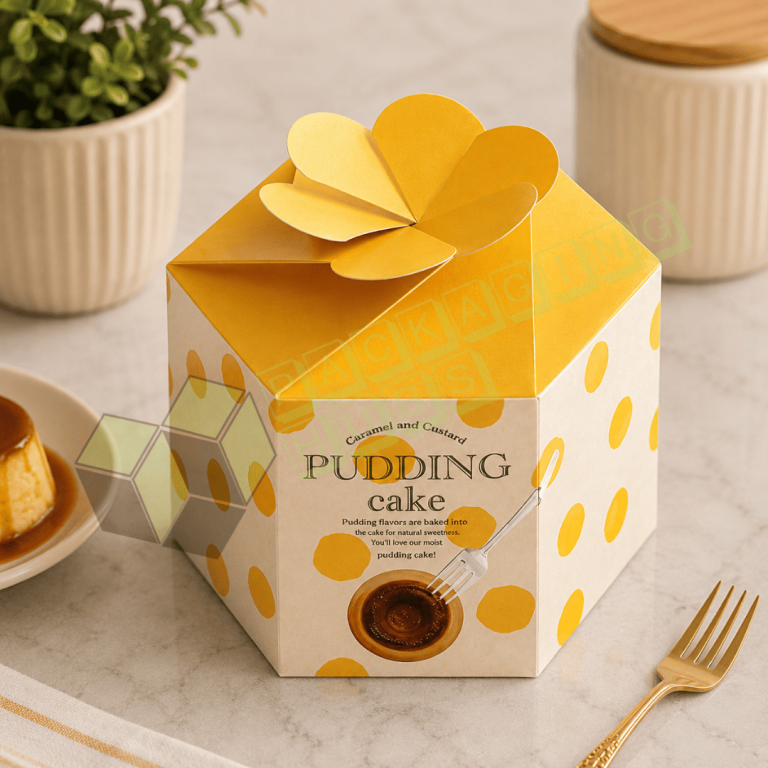
Custom Twist Top Boxes can support cosmetics, favors, accessories, promotional products, and specialty gifts that benefit from a recognizable closing shape.
A twist-top format should still be evaluated for product weight, assembly time, shipping efficiency, and customer access. It creates the most value when the opening shape contributes to the product experience rather than serving only as decoration.
Drones, cameras, diagnostic tools, grooming devices, and electronic kits can contain several components with different weights and fragile points.
Custom Drone Packaging Boxes demonstrate how a product, controller, charger, cables, batteries, propellers, and instructions can be assigned separate positions.
The same component-mapping method can be used for other technical products. Planning the removal sequence before approving the outer dimensions helps prevent accessories from colliding and makes the customer experience easier to understand.
Some products require dependable warehouse handling and stacking rather than a decorative opening.
Custom Staple Boxes can support industrial parts, hardware, office supplies, components, and heavier wholesale packs where reinforced joining is more practical than a standard glued or tucked closure.
The board grade, staple placement, load, box depth, and handling method should be evaluated together. Stapled construction is not necessary for every product, but it can be useful where repeated movement and heavier contents place greater stress on the package.
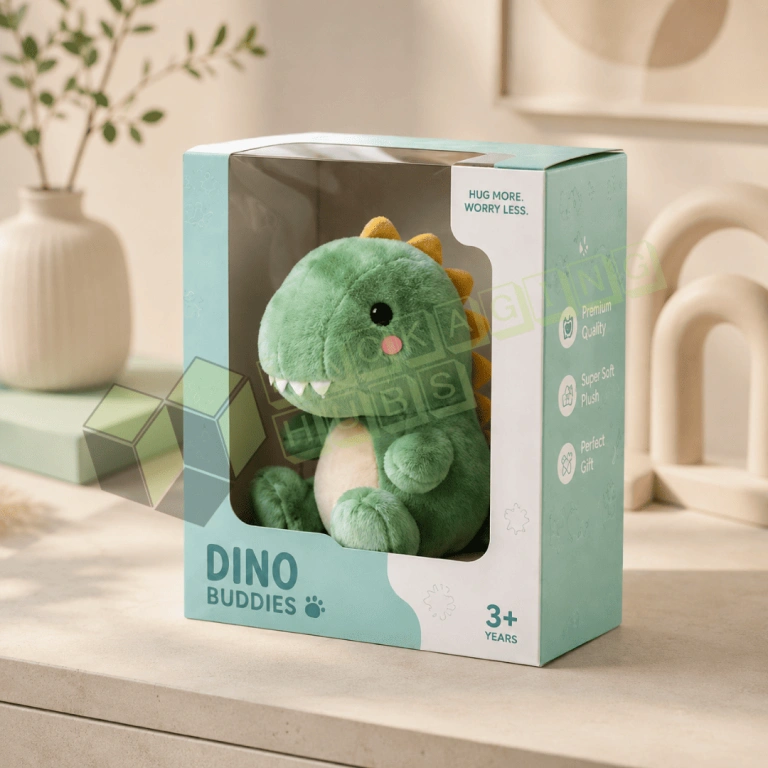
Toy packaging may need windows, trays, hanger tabs, age information, instructions, battery details, and clearly separated accessories.
Custom Toy Boxes can be designed for dolls, games, puzzles, vehicles, learning products, figures, pet toys, and multi-component play sets.
The structure should prevent small parts from moving freely while keeping the product visible where retail presentation requires it. Packaging Hubs can organize customer-supplied instructions and warning areas, while the responsible manufacturer or importer remains responsible for testing and legal compliance.
Certain toys and children’s products may require small-parts restrictions, age grading, testing, certification, or choking-hazard statements.
Businesses should review current CPSC guidance for small parts in toys and children’s products before approving package warnings.
The packaging manufacturer can reserve clear warning areas, but the product company must determine which requirements apply to the specific product and intended age group.
Corporate gifts, beauty launches, apparel sets, electronics, and luxury products often need packaging that remains attractive after the first opening.
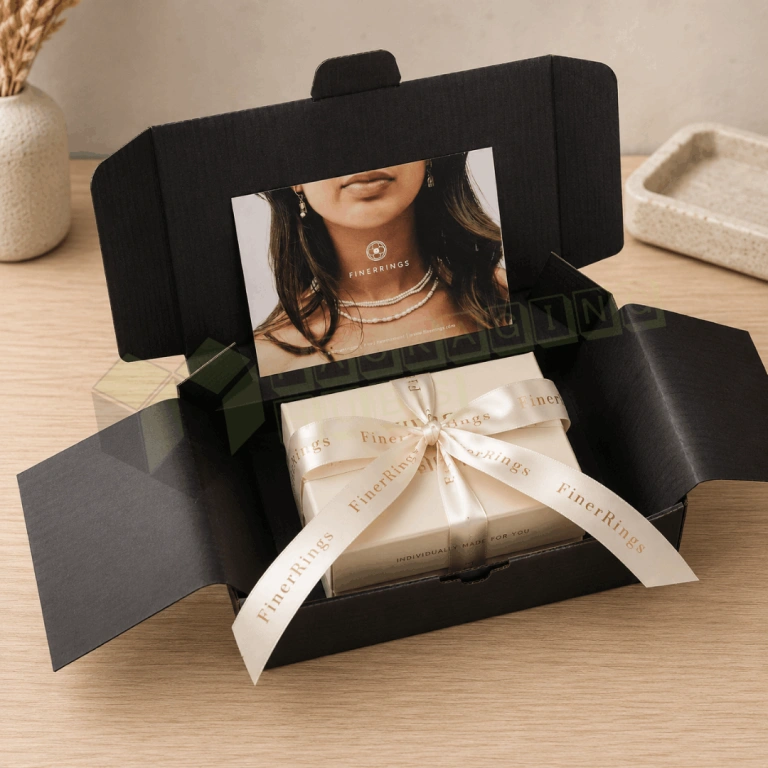
Magnetic Closure Gift Boxes can use rigid board, concealed closures, printed interiors, ribbon lifts, and fitted inserts.
Magnetic structures provide the greatest value when presentation and repeated opening matter. A folding carton or corrugated mailer may remain more practical for routine, lower-cost, or high-volume products.
CBD products may use bottles, jars, tubes, pouches, and small retail cartons with limited information space.
Custom CBD Boxes can support customer-approved identity, quantity, ingredient, warning, QR code, barcode, and batch-information areas.
Packaging Hubs can manufacture the physical carton and insert to the supplied specifications. The responsible CBD business must confirm formula eligibility, claims, warnings, and federal or state requirements.
CBD rules and enforcement priorities can change, and product claims can affect how an item is regulated.
Brands should review current FDA information about cannabis-derived products before approving packaging language.
Registration, testing, formula decisions, therapeutic claims, and market eligibility remain the responsibility of the product owner and qualified regulatory professionals.
Tobacco packaging often requires prominent warning areas and controlled information placement.
Cigarette Boxes can be manufactured around customer-supplied dimensions, warning zones, structural specifications, and legally approved artwork.
The box should not use decorative elements that interfere with required content. Packaging Hubs provides manufacturing and printing services rather than legal approval for tobacco products.
Federal requirements for tobacco labels and warnings vary according to product category and current legal status.
Businesses should review the latest FDA tobacco-product labeling and warning information before finalizing any artwork.
The manufacturer, importer, or responsible tobacco company must approve every warning, claim, disclosure, and market requirement before production begins.
Jewelry packaging must protect delicate chains, clasps, stones, polished surfaces, and presentation cards without leaving the product lost inside an oversized cavity.
Custom Jewelry Boxes can support rings, necklaces, bracelets, watches, earrings, charms, and gift collections using rigid board, drawers, sleeves, cushions, and fitted inserts.
The interior should follow the way the item will be displayed. A ring requires a different holding method from a necklace, even when both boxes use similar exterior branding.
Custom product boxes can use cardstock, SBS paperboard, kraft board, corrugated flutes, rigid board, or combinations of these materials.
| Material | Common Starting Range | Suitable Use | Main Consideration |
| White cardstock | 12pt to 18pt | Samples, sleeves, light accessories, and compact cartons | Limited support for heavy products |
| SBS paperboard | 16pt to 24pt | Cosmetics, stationery, food cartons, wellness, and retail goods | Smooth surface for fine printing |
| Heavy folding board | 24pt to 28pt | Larger cartons and heavier consumer products | Requires suitable scoring |
| Kraft paperboard | 16pt to 24pt | Handmade, natural, and minimalist products | Brown stock changes printed colors |
| E-flute corrugated | About 1.5 to 1.8 mm | Mailers, displays, and subscription boxes | Compact profile with crush support |
| B-flute corrugated | About 2.5 to 3.2 mm | Heavy sets, wholesale cases, and delivery cartons | Greater compression strength |
| C-flute corrugated | About 3.5 to 4 mm | Larger shipping and distribution boxes | Bulkier than retail paperboard |
| Rigid board | About 1 to 2.5 mm | Jewelry, launches, gifts, and premium kits | Higher storage and assembly requirements |
| Folded paperboard insert | Product-specific | Lightweight restraint and presentation | Efficient and printable |
| Molded pulp or foam | Product-specific | Fragile, technical, or multi-part products | Must suit the product and brand priorities |
The table provides starting points rather than fixed rules. Cardstock boxes can work well for compact products, but large panels may bow when the contents are too heavy. An 18pt right-sized carton can also outperform a loose 24pt box because it reduces product movement.
Custom corrugated structures are generally more suitable when shipping, stacking, or compression is central to the project. E-flute offers a cleaner retail profile, while B-flute and C-flute provide more support for heavier products and distribution cases.
Paper box packaging remains a broad category. The correct specification should come from the filled product and its sales journey rather than the preferred appearance alone.
Buyers often search for packaging using the product name rather than a technical box style.
| Buyer Keyword | Likely Packaging Need | Practical Direction |
| branded custom beauty product box | Branded packaging for cosmetics or personal care | Printed SBS carton with insert |
| custom journal boxes | Protection for notebooks, journals, or planners | Sleeve, mailer, rigid case, or two-piece box |
| custom bloom box | Flowers, plants, beauty sets, or themed gifts | Tall carton, tray, or handled box |
| custom umbrella boxes | Long packaging for folded umbrellas | Extended tuck or corrugated structure |
| custom chocolate corporate box | Branded business gifting | Divided presentation box |
| custom cigar boxes | Cigar or smoking-product presentation | Rigid or folding carton with information space |
| custom lunch boxes | Food service, promotional, or retail packaging | Gable, handled, folding, or corrugated format |
| custom sub boxes | Sandwich packaging or subscription packaging | Structure confirmed from intended use |
| custom boxes for clothing | Folded apparel and fashion sets | Mailer, two-piece, folding, or rigid box |
| custom boxes for baked goods | Cakes, cookies, pastries, and bakery products | Food-suitable carton with product-specific planning |
| custom photography boxes | Albums, prints, drives, and client sets | Drawer, rigid, portfolio, or presentation box |
This table helps translate buyer language into structural requirements. A custom bloom box may describe floral packaging, a beauty concept, or a gift assortment. The product and intended use must be confirmed before choosing dimensions or materials.
The phrase custom sub boxes can refer to sandwich cartons or subscription boxes. A clear product description, measurements, packed weight, and reference image prevent the wrong structure from being quoted.
Custom star shaped boxes require die-cut planning because the corners, closing method, insert shape, and assembly process differ from a standard rectangular carton.
The phrase black box custom gift usually describes a color and presentation preference rather than one specific structure. It may be produced as a rigid box, magnetic box, folding carton, or corrugated gift mailer. Dark surfaces should also be reviewed for scuff visibility and fold cracking.
Some customers search a box packaging while they are still trying to define the structure. Others use the term fol box, which may be shorthand or a spelling variation. Packaging Hubs asks for the product type, dimensions, images, opening direction, and intended use before converting an unclear phrase into a manufacturing specification.
Unusual forms can be effective, but shaped packaging should remain practical to assemble, pack, ship, and store.
Custom boxes for baked goods, custom lunch boxes, and a custom chocolate corporate box may require grease resistance, moisture planning, ventilation, or direct-contact materials.
Food businesses should review current FDA information on food packaging and food-contact substances when approving materials that will contact food.
Packaging Hubs can manufacture boxes, inserts, and sleeves around customer-approved requirements. The food business remains responsible for verifying suitability for the recipe, temperature, grease level, storage period, and conditions of use.
The printing method should follow the quantity, board type, artwork complexity, number of SKUs, and repeat-color requirements.
| Printing Method | Suitable Application | Main Advantage | Main Tradeoff |
| Digital printing | Prototypes, short runs, and multiple designs | Flexible setup and artwork changes | Cost structure may change at high volume |
| Offset printing | Larger folding-carton programs | Fine detail and consistent reproduction | Greater setup requirements |
| Flexographic printing | Corrugated mailers and cases | Efficient for larger corrugated runs | Different detail and color behavior |
| CMYK printing | Photography, gradients, and full-color artwork | Broad color reproduction | Screen colors do not reproduce exactly |
| PMS matching | Signature brand colors | Better spot-color control | Additional colors can increase cost |
Digital box printing is useful for product testing, regional versions, personalized campaigns, and short-run launches. Digital printed cardboard boxes also allow brands to produce several artwork versions without committing to one large design.
Corrugated box printing may use digital or flexographic methods depending on the quantity, flute, artwork, and finishing requirements. Carton printing packaging for folding paperboard may use digital or offset printing based on the production volume and desired color control.
Packaging Hubs can help determine which process supports the commercial goal rather than selecting a method only because it sounds more advanced.
A cardboard box design must account for cuts, scores, glue areas, bleed, closures, windows, and safe zones. Artwork that looks correct on a flat rectangle may become misaligned when the structure is folded.
Printable packaging begins with an accurate dieline. Logos should not disappear around corners, instructions should not cross seams, and barcodes should remain on stable panels.
Box branding can extend beyond the front logo. Interior printing, repeated patterns, QR codes, product stories, variation systems, and consistent typography can connect a complete product family.
Packaging Hubs can provide structural templates, digital mockups, and print proofs. Customers should supply high-resolution artwork, vector logos where available, approved text, and final barcodes.
Custom embossed boxes can create tactile emphasis around a logo, monogram, or simple graphic element. Debossing presses the design inward, while embossing raises it from the surface.
Foil stamping, spot UV, soft-touch coating, anti-scratch lamination, matte lamination, and gloss lamination can strengthen presentation when they are selected for a specific reason.
A black box custom gift may benefit from anti-scratch lamination because marks are often more visible on dark solid colors. A branded custom beauty product box may use one restrained foil element rather than several competing finishes.
Finishes should not cover barcodes, small regulatory text, glue areas, or folds where the effect may crack or interfere with scanning.
U.S. retailers and marketplaces may require consistent UPC or other product-identification systems.
Brands should review GS1 US barcode guidance when obtaining and preparing codes for retail use.
Packaging Hubs can reserve a flat, high-contrast barcode area away from folds, windows, foil, embossing, and reflective coatings. The customer remains responsible for supplying and approving the correct code for each product.
Kraft stock, recycled-content paperboard, smaller dimensions, and paper inserts may contribute to a specific environmental packaging direction. They do not automatically make the complete package recyclable, compostable, biodegradable, or sustainable.
Businesses should review the FTC Green Guides before placing broad environmental claims on their packaging.
Plastic windows, laminations, magnets, foam, foil, and mixed-material inserts can affect disposal and recovery. Environmental language should describe the documented package rather than rely on vague claims.
Small companies often need custom packaging without purchasing more units than they can realistically use. Searches for custom packaging suppliers no minimum order quantity usually come from startups, seasonal businesses, and brands testing several SKUs.
Packaging Hubs offers zero MOQ so companies can develop prototypes, launch limited products, compare designs, or order low-volume packaging before moving into larger production.
Corrugated boxes for small business can support subscriptions, ecommerce orders, product kits, and wholesale delivery. Folding cartons remain more suitable for compact retail products, while rigid structures can be reserved for high-value presentation.
Custom product boxes can scale with the business. A brand may begin with digital printing and later move into offset, flexographic, or larger custom corrugated production while retaining the approved structure and visual system.
Businesses searching custom boxes los angeles may need packaging for beauty, apparel, entertainment, food, photography, ecommerce, retail launches, or corporate gifting.
Packaging Hubs serves businesses throughout the United States using inch-based dimensions, PT paperboard options, corrugated flute specifications, U.S.-focused barcode planning, and packaging systems designed for domestic retail and fulfillment.
The content does not rely on repeated city names or suggest that every product has a different packaging need simply because the buyer is located in Los Angeles. Product behavior and sales channel remain the main structural considerations.
Worldwide service is also available for customers in Canada, the UK, Australia, UAE, Germany, France, New Zealand, Singapore, and other international markets.
A production review should follow the physical product journey rather than focusing only on the printed front panel.
| Approval Stage | What Is Reviewed | Why It Matters |
| Product profile | Dimensions, weight, components, and fragile areas | Establishes structural requirements |
| Sales channel | Retail, ecommerce, subscription, gifting, or wholesale | Defines handling conditions |
| Structure | Opening, closure, base, and assembly | Controls usability |
| Material | PT board, kraft, flute, or rigid stock | Matches weight and distribution |
| Interior | Insert, divider, platform, or cushioning | Reduces movement |
| Panel plan | Branding, instructions, codes, and product details | Protects readability |
| Print proof | Artwork, color, text, and alignment | Reduces printing errors |
| Physical sample | Fit, assembly, stacking, and removal | Tests the real package |
| Shipping system | Product box, mailer, inner case, and master carton | Coordinates all layers |
| Reorder standard | Dieline, material, finish, and packing method | Supports consistency |
The product should be measured before the insert is finalized, and the structure should be approved before the artwork is locked. Testing only the printed appearance can miss tight closures, weak base panels, awkward inserts, and unnecessary shipping space.
Packaging Hubs can support flat proofs, three-dimensional mockups, and physical samples when requested and available. Regulatory claims, legal warnings, food-contact approval, intellectual-property rights, and product testing remain the responsibility of the product owner.
Packaging Hubs manufactures custom product boxes for beauty items, journals, flowers, umbrellas, clothing, baked goods, chocolates, lunch products, toys, drones, jewelry, photography, stationery, electronics, smoking products, subscription programs, gifts, retail launches, and wholesale distribution.
Available specifications include cardstock boxes, SBS paperboard, kraft board, E-flute, B-flute, C-flute, rigid board, custom corrugated structures, windows, specialty shapes, folded inserts, corrugated dividers, molded pulp, selected foam, digital printing, offset printing, flexographic printing, CMYK, PMS matching, lamination, foil, spot UV, custom embossed boxes, and custom thumb cut boxes.
Share the finished product dimensions, packed weight, quantity, sales channel, structure, material preference, insert requirements, artwork, barcode needs, finishes, and U.S. delivery location.
Every project can include zero MOQ, free design support, flexible lead-time options, and free worldwide shipping.
Request a free quote today to create packaging that solves the physical requirements of the product while supporting a consistent, scalable brand system.