Free design support and free U.S. shipping. No minimum order.
Packaging Hubs manufactures custom toy boxes for toy brands, dog toy companies, plush makers, educational kits, collectibles, baby toys, board games, subscription toy sets, and retail toy lines that need accurate sizing, protective inserts, window panels, hang tabs, warning-label space, colorful printing, shelf-ready structure, and free USA shipping.
Custom toy boxes are printed packaging boxes made to hold, protect, display, and explain toy products. Toy brands, pet toy companies, retailers, subscription sellers, collectible makers, educational kit suppliers, and gift product brands use them for shelf presentation, product protection, brand storytelling, and retail information.
Toy packaging matters because the U.S. toy category is large, fast-moving, and visually competitive. According to The Toy Association, U.S. retail toy sales generated $30.3 billion in 2025. The same source projects the total U.S. toy industry at about $45.6 billion when broader market channels are included.
Packaging Hubs manufactures custom toy packaging boxes for brands that need more than a plain carton. Our team reviews toy size, product weight, insert needs, window placement, retail display method, barcode area, warning-label space, artwork, and material strength before production. This helps toy brands move from stock packaging to custom-fit toy boxes built around the product, shelf, and customer experience.
Packaging Hubs supports toy startups, pet toy sellers, collectible brands, subscription companies, retail suppliers, and small businesses across the USA with packaging built for launches, retail shelves, ecommerce orders, and recurring programs.
You get zero MOQ, free design support, free shipping across the USA, custom dielines, 3D mockups, material guidance, and full production support.
Call (855) 611-8876 or email sales@packaginghubs.com to request a free quote.
A strong custom toy box shows the play value before the buyer opens it. The box should make the product type, age range, use, theme, pieces, safety space, and gift appeal clear within seconds.
Toy packaging design starts with the product’s display face. A plush toy needs softness and character visibility. A dog toy needs pet-use clarity. A STEM kit needs learning value. A collectible needs display protection. A sports toy needs movement and energy. A gift toy needs presentation that feels intentional.
This is why branded toy packaging should not rely on bright colors alone. The structure, window, insert, front panel, and unboxing experience all need to work together.
Different toys create different packaging problems. Instead of forcing every toy into the same box style, Packaging Hubs builds around the way the toy sells, ships, and gets opened.
| Toy Category | Packaging Decision | Best Fit |
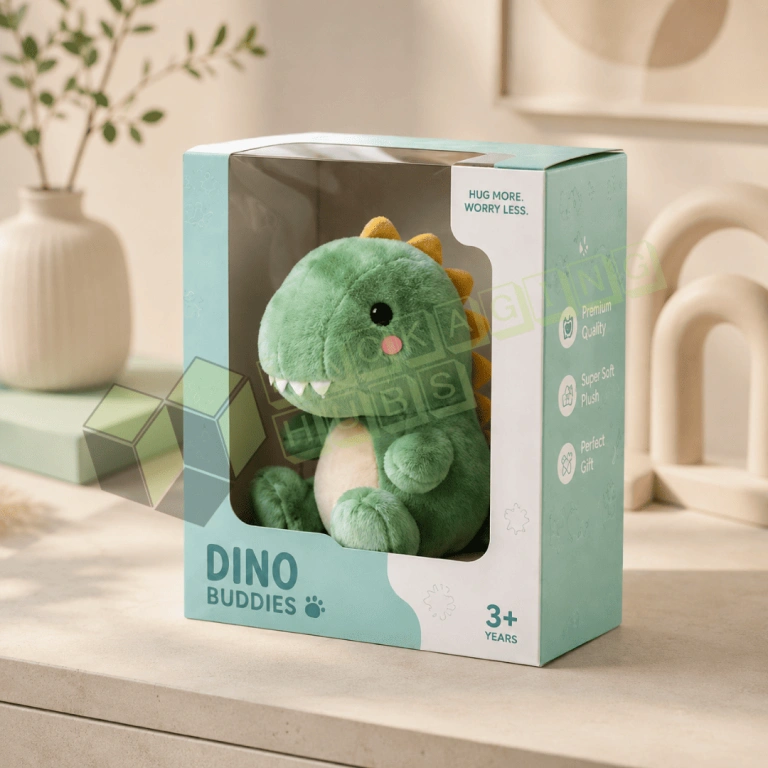
| Plush toys | Show character, texture, and softness without crushing the product | Window carton, tray box, or open-face display box |
| Dog toys | Make pet use clear and support heavier rubber, rope, or plush materials | Custom dog toy box, hang-tab carton, or cardboard display pack |
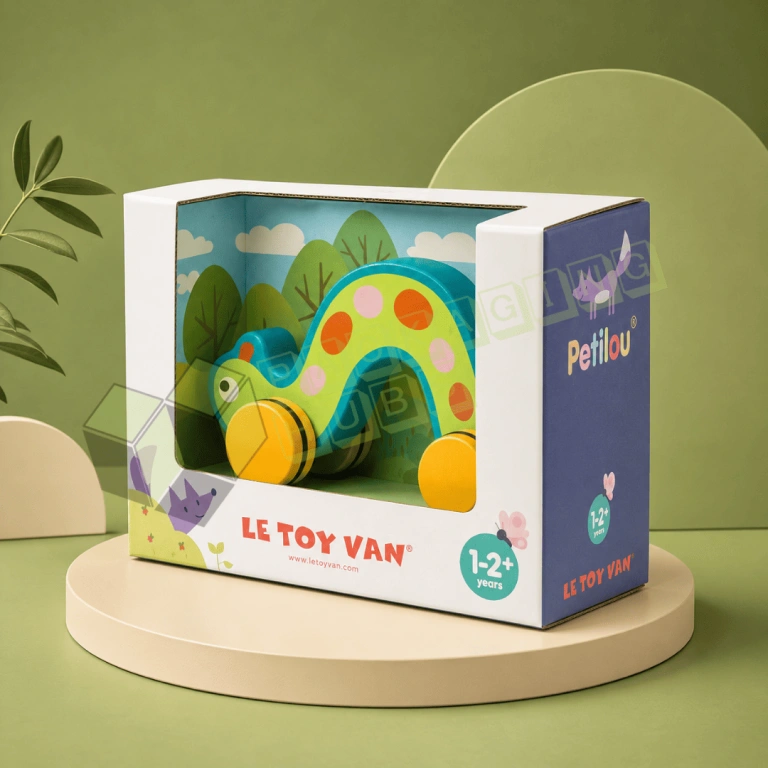
| Baby toys | Reserve clean age, warning, and caregiver information space | Paperboard box with simple panels and soft visual style |
| Educational kits | Keep parts organized and explain the learning outcome | Compartment box, tuck carton, or tray insert |
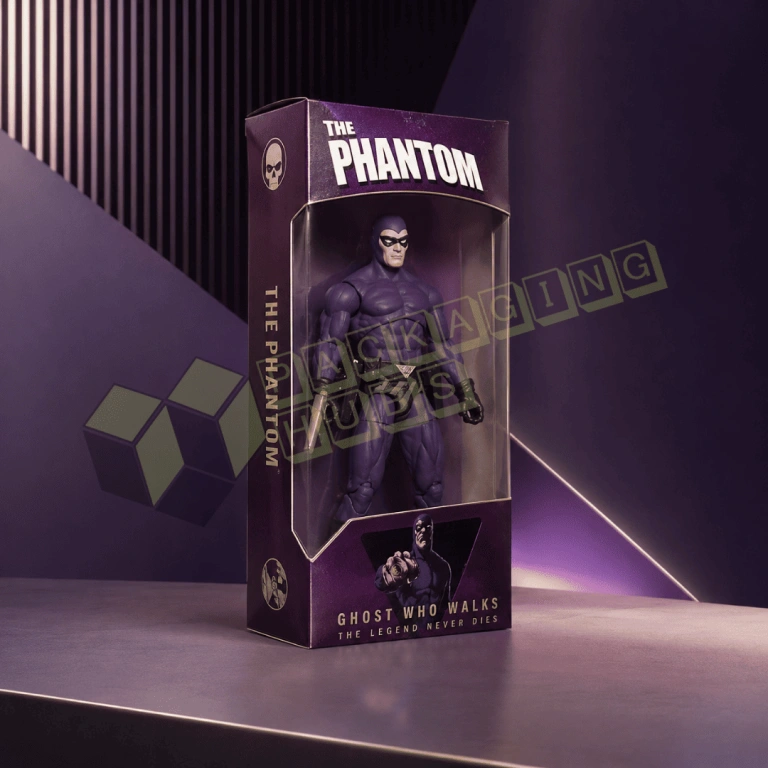
| Collectibles | Protect display value and keep the product visible | Window box, insert tray, or collector-friendly carton |
| Sports toys | Show motion, included pieces, and use setting fast | Printed retail carton with action visuals |
| Subscription toys | Protect the order and make the reveal feel planned | Corrugated mailer or themed subscription box |
| Gift toy sets | Create a stronger reveal for seasonal or premium purchases | Rigid-style box, magnetic closure format, or decorated carton |
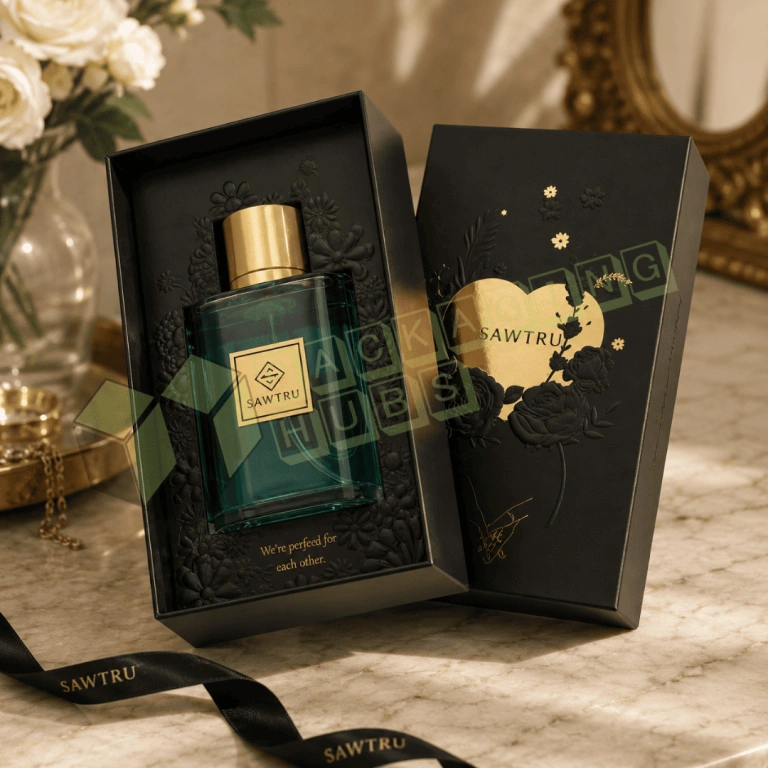
For premium toy sets, holiday releases, collector gifts, and high-value play kits, Magnetic Closure Gift Boxes can support stronger presentation, cleaner opening, and a more giftable experience.
Searches around personalized toy box, personalised toy box, personalized toy boxes, personal toy box, modern toy box, toy boxes for boys, toy boxes for girls, and baby’s toy box can point to different buyer intents. Some buyers want printed toy packaging. Others want bedroom storage furniture.
Packaging Hubs focuses on packaging. We do not manufacture children’s storage furniture, toy chests, toy baskets, or wooden toy boxes intended for bedroom use.
This distinction matters because a brand searching for custom toy packaging boxes needs printed cartons, inserts, windows, hang tabs, warning-label areas, and shipping-ready structure. A parent searching for a toy chest or storage box needs a different product.
Licensed themes also need care. A Toy Story toy box or similar character-inspired toy-box design should use licensed artwork only when the brand has permission. Packaging Hubs can print approved customer artwork, but we do not copy protected characters or trademarks.
A custom toy box should fit the toy after the tray, ties, cards, inserts, instructions, and accessories are included. A box sized around only the toy can become too tight once the retail display system is added.
Brands that want to customize toy box structure should confirm the toy, insert, and display method before artwork starts. The goal is to hold the product securely while keeping the strongest selling feature visible. A good insert improves protection and helps the unboxing experience feel planned.
| Planning Area | What to Confirm Before the Dieline | Why It Matters |
| Product footprint | Final toy length, width, height, and packed shape | Prevents oversized or tight boxes |
| Product weight | Toy, accessories, inserts, and manuals | Guides paperboard or corrugated strength |
| Loose parts | Figures, tools, cards, stickers, balls, or small pieces | Determines tray and divider needs |
| Display face | Window, open face, printed product image, or full-cover design | Controls shelf impact |
| Age and warning space | Age range, caution text, choking-hazard area, tracking marks | Protects label readability |
| Retail method | Shelf, peg hook, counter, club pack, or gift display | Changes hang-tab and panel planning |
| Shipping path | Retail carton, ecommerce mailer, or subscription shipment | Guides crush resistance |
| Opening style | Tuck end, lift lid, slide tray, magnetic flap, or tear-open mailer | Shapes the customer experience |
For custom cardboard toy boxes for kids, Cardboard Boxes can support stronger retail cartons, dog toy boxes, educational kit boxes, and ecommerce toy packaging that needs more handling strength.
Material choice should follow product weight, shelf exposure, shipping method, and brand position. A lightweight plush toy may need a wide window. A puzzle may need a tight paperboard carton. A dog toy may need stronger board. A premium collectible may need a more structured insert and a cleaner finish.
| Packaging Need | Material Direction | Best Use |
| Bright retail artwork | SBS paperboard with CMYK or PMS printing | Plush toys, baby toys, small retail toys |
| Stronger everyday handling | Cardboard stock with reinforced folds | Dog toys, kits, and multi-piece products |
| Natural brand look | Kraft paperboard with simple contrast printing | Wooden toy products and eco-positioned toys |
| Ecommerce protection | Corrugated board or mailer structure | Subscription toys and direct-to-consumer orders |
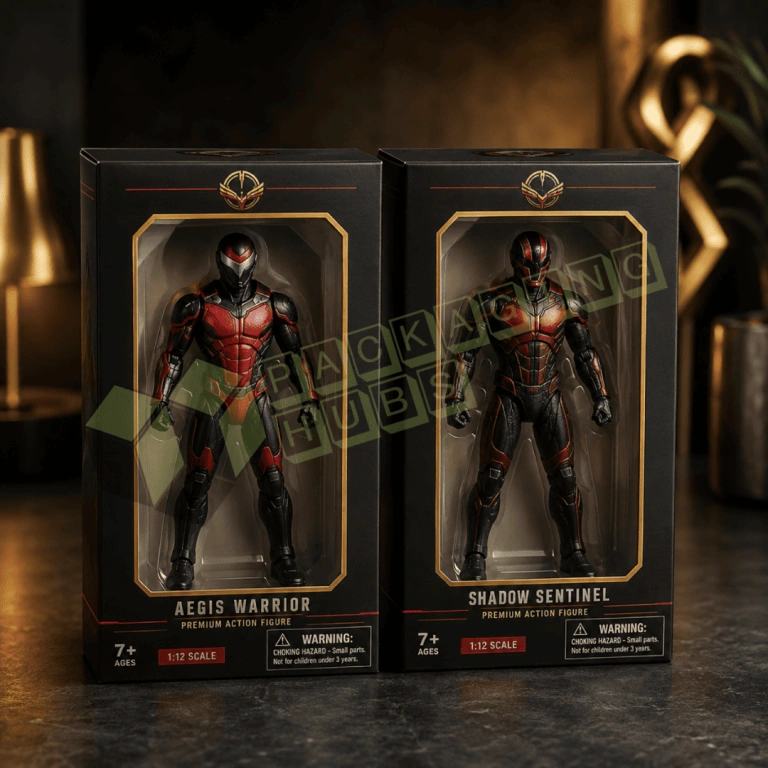
| Product visibility | Die-cut window or clear display panel | Plush toys, figures, vehicles, and collectibles |
| Part organization | Tray insert, divider, or paperboard platform | STEM kits, art sets, and toy bundles |
| Premium gift feel | Rigid-style board or magnetic format | Gift toy packaging and collector sets |
| Peg display | Hang-tab carton or tuck box with reinforced hang area | Lightweight retail toys and accessories |
Need help choosing the right toy box material? Call (855) 611-8876 or email sales@packaginghubs.com. Share your toy size, product weight, display goal, and sales channel, and our team will suggest the best structure before you order.
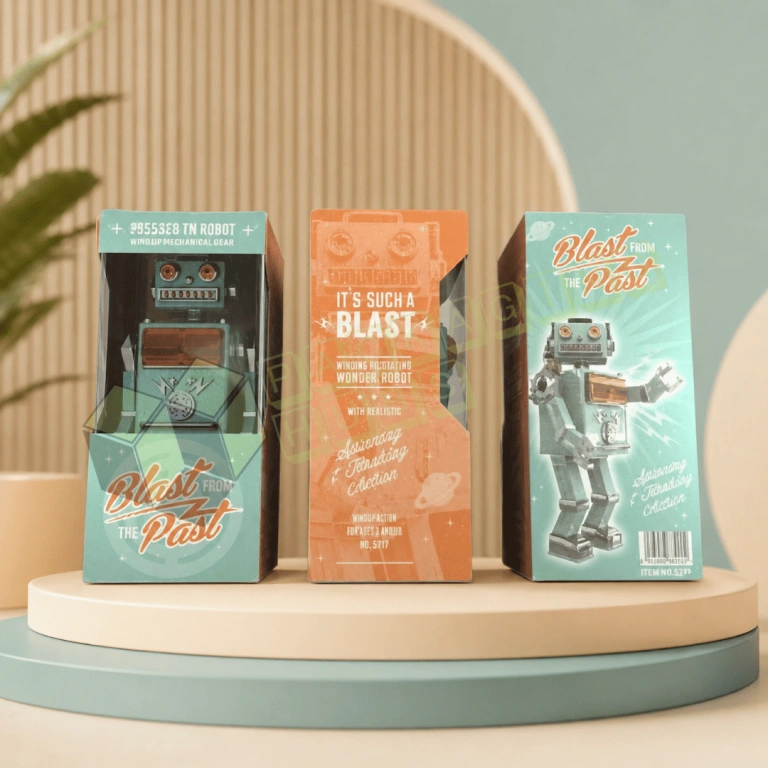
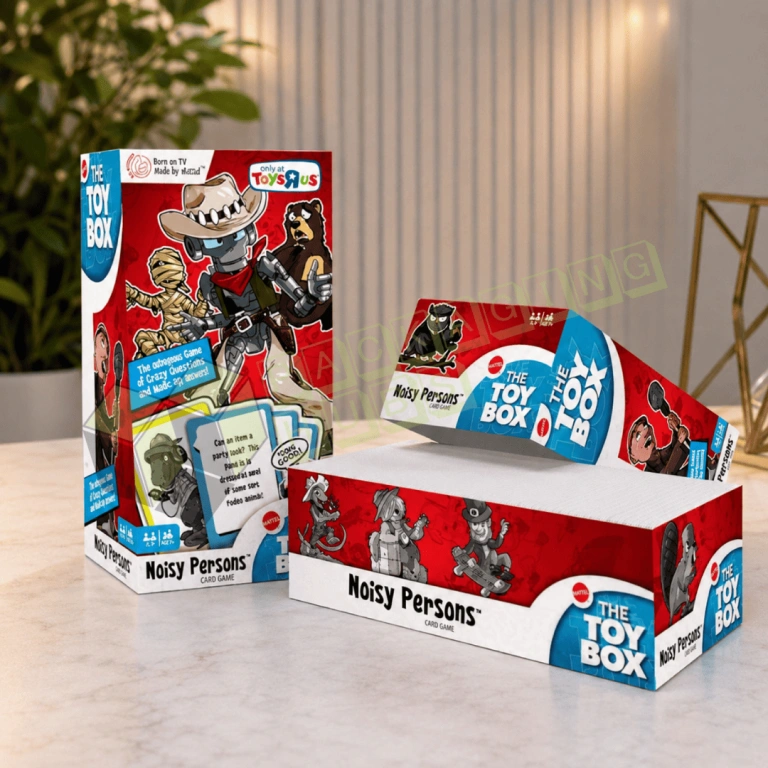
Custom toy boxes with logo need print that sells the product fast without hiding required information. The front panel should show the toy name, age range, play benefit, and hero visual. The side panel can hold SKU, barcode, collection name, and color code. The back panel can explain what the toy does, what comes inside, and how it supports play.
Toy packaging with window features should keep enough board around the cutout. A window can help sell plush toys, dolls, vehicles, figures, and collectibles, but it should not remove room for warnings, age marks, barcodes, or tracking information.
| Print Zone | Best Content | Production Note |
| Front panel | Toy name, age range, hero visual, play benefit | Keep the message fast |
| Side panel | SKU, collection name, barcode, color code | Helps stores sort products |
| Back panel | Features, included pieces, instructions, story | Supports parent and gift-buyer decisions |
| Window edge | Product view with stable board around the cutout | Protects box strength |
| Warning area | Age range, caution text, choking-hazard space, tracking information | Keeps compliance copy readable |
| QR panel | Demo video, assembly guide, game page, brand story | Keep flat and high contrast |
| Insert card | Collectible story, personalization note, instructions | Adds value inside the pack |
| Finish area | Matte, gloss, spot UV, foil, embossing | Keep away from small warning text |
Children’s toy packaging often needs more careful panel planning than general retail packaging. The U.S. Consumer Product Safety Commission explains that children’s products require certification through a Children’s Product Certificate. CPSC also explains that children’s product certification depends on testing from a third-party, CPSC-accepted laboratory for applicable rules.
CPSC tracking-label guidance explains that children’s products need visible and legible identifying marks. These marks help connect the product to the manufacturer, production date, batch, run, or other source details where applicable.
Packaging Hubs does not provide toy safety certification or legal approval. We help reserve clear packaging space for your required warnings, tracking details, age labels, barcode zones, and retail information.
For toy brands building a wider shelf program, retail boxes can support product families, launch displays, branded cartons, and shelf-ready toy packaging across multiple SKUs.
Some toy products need a clean, efficient carton rather than a complex display box. Small puzzles, collectible cards, mini figures, toy accessories, small plush items, art pieces, and learning cards can work well in tuck-style packaging.
Tuck Boxes can support compact toy packaging with simple opening, strong front-panel branding, barcode space, and clean side panels for collection names or age marks.
A tuck box works best when the product is light, the structure needs fast assembly, and the brand wants a neat retail footprint. For heavier toys, multi-part sets, or fragile items, Packaging Hubs may recommend stronger board, an insert, or a corrugated outer pack.
A custom dog toy box needs a different message than children’s toy packaging. The packaging should make pet use obvious. It should not create confusion with baby toys, plush toys, or children’s play items.
Dog toy boxes for pet boutiques can include chew level, pet size, material type, supervision note, washing direction, scent-free messaging, barcode, and retail display panel. A dog toy box may also need stronger board because pet toys can be dense, rubbery, or heavy compared with small children’s toys.
Custom dog toy box packaging works well for rope toys, plush squeaker toys, rubber toys, fetch toys, treat-dispensing toys, training toys, and seasonal pet gifts. The structure can include hang holes, window cuts, banded sleeves, straight tuck cartons, or shipper-ready boxes.
Beyond pet retail, many toy brands sell recurring kits, limited editions, and seasonal toy drops. Those programs need packaging that feels planned from the first look.
A subscription toy box may hold several toys, a theme card, stickers, instructions, activities, coupons, or promotional inserts. The inside layout should guide the reveal. A printed welcome card, divider, or fitted tray can make a simple assortment feel curated.
Collectible toys need a different rhythm. A collector may keep the box sealed, so panel alignment, window clarity, corner strength, and insert hold matter. Packaging Hubs can plan the printed surface and inner support around both display and storage value.
Toy brands in different U.S. markets often sell through different channels. A Los Angeles toy startup may need custom toy boxes wholesale California retailers can place on shelves. A Dallas pet brand may need custom dog toy box packaging for boutique pet stores. A New York collectible brand may need window toy boxes for launch drops and comic shops.
Orlando, toy and gift brands often need custom toy packaging boxes Florida tourist stores can sell quickly. In Seattle, STEM brands may need educational toy boxes Seattle parents and specialty retailers can understand at a glance. In Chicago, distributors may need wholesale toy packaging that stacks, scans, and ships consistently.
Packaging Hubs supports toy brands across California, Texas, New York, Florida, Washington, Illinois, and every U.S. state. Local selling style should guide the box. Boutique shelves need strong front panels. Ecommerce toys need stronger corrugated support. Subscription toys need a better unboxing path. Pet stores need instant dog toy clarity.
Toy buyers often include parents, caregivers, teachers, and gift shoppers. These buyers read packaging with extra caution. They want the toy to feel safe, clear, age-appropriate, and honestly presented.
Many toy brands want kraft toy packaging, recyclable-looking cartons, paper-based inserts, or plastic-reduced structures. Those choices can support a cleaner packaging direction, but environmental wording must stay accurate.
The FTC Green Guides help marketers avoid misleading environmental claims. Avoid broad claims such as eco-friendly, recyclable, compostable, biodegradable, or sustainable unless the material, coating, ink, adhesive, window film, insert, and local recovery conditions support the claim.
For child-focused packaging, honest wording builds trust. A phrase like kraft paperboard toy packaging can be safer than a broad environmental claim that the full structure cannot prove.
Before any custom toy box goes into production, the toy itself sets every measurement. Send the product size, product weight, age range, toy type, number of parts, insert need, window preference, retail method, shipping method, barcode needs, warning-label needs, artwork status, material preference, finish preference, and quantity.
Photos or samples help, especially for plush toys, dog toys, action figures, odd shapes, wooden toys, and multi-piece sets. Packaging Hubs can use those details to recommend dimensions, board strength, window position, insert type, print method, finish, and case-packing direction.
This step matters for custom toy packaging boxes because one wrong measurement can affect the whole production run. It also matters for smaller toy brands because the box must protect the toy without making the product look overpacked.
| Box Style | Custom Toy Boxes |
| Dimension (L + W + H) | All Custom Sizes & Shapes |
| Quantities | No Minimum Order Required |
| Paper Stock | 10pt to 28pt (60lb to 400lb) Eco-Friendly Kraft, E-flute Corrugated, Bux Board, Cardstock |
| Printing | No Printing, CMYK, CMYK + 1 PMS color, CMYK + 2 PMS colors |
| Finishing | Gloss Lamination, Matte Lamination, Gloss AQ, Gloss UV, Matte UV, Spot UV, Embossing, Foiling |
| Included Options | Die Cutting, Gluing, Scored, Perforation |
| Additional Options | Eco-Friendly, Recycled Boxes, Biodegradable |
| Proof | Flat View, 3D Mock-up, Physical Sampling (On request) |
| Turnaround | 4 – 8 Business Days, RUSH |
| Shipping | FLAT |
Pick the stock and the finish that suit your product. We’ll confirm both on your proof before anything is printed.
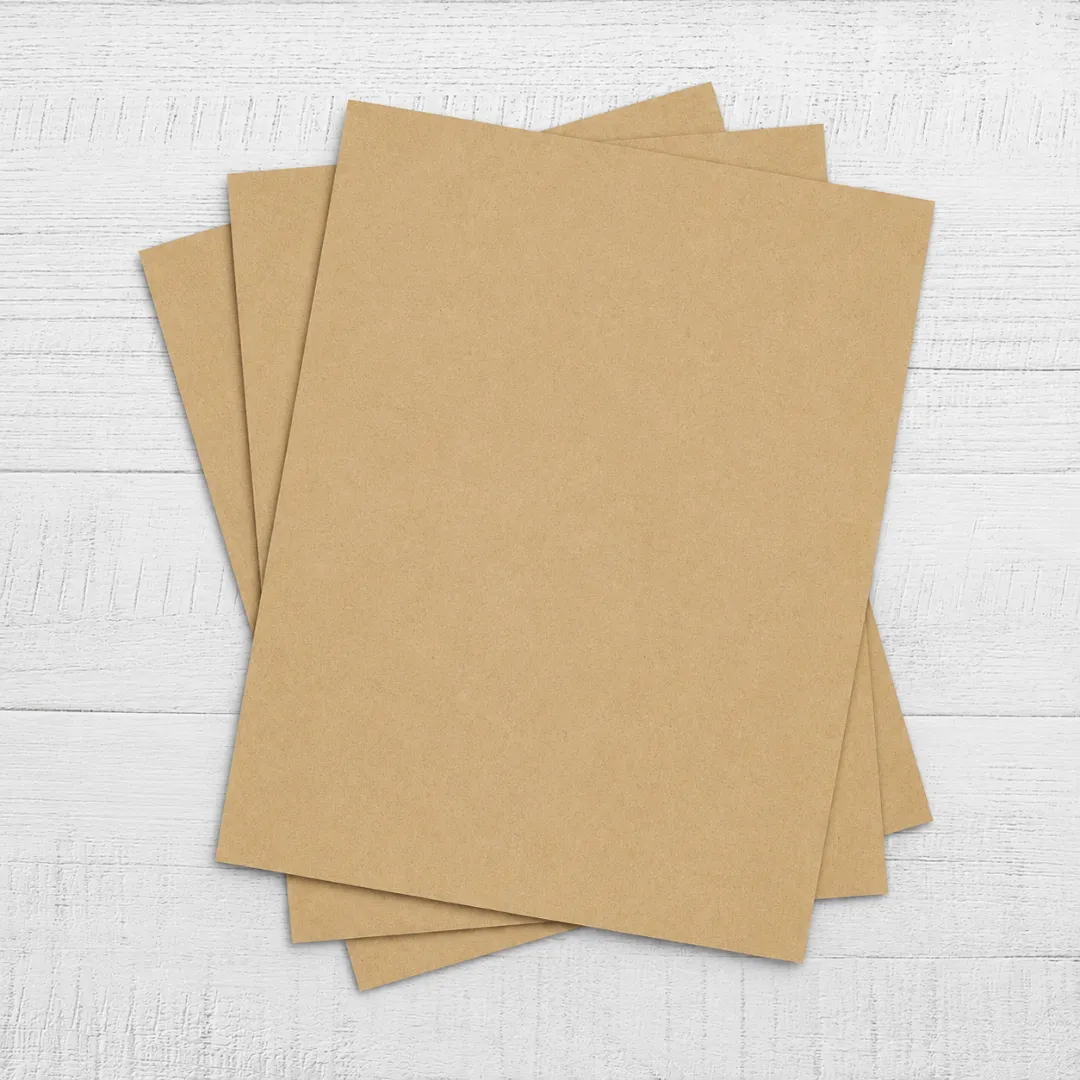
Kraft paper is a strong, durable and reliable material that is widely used across many different industries.
We use cardboard material with the least environmental impact and minimizes waste generation.
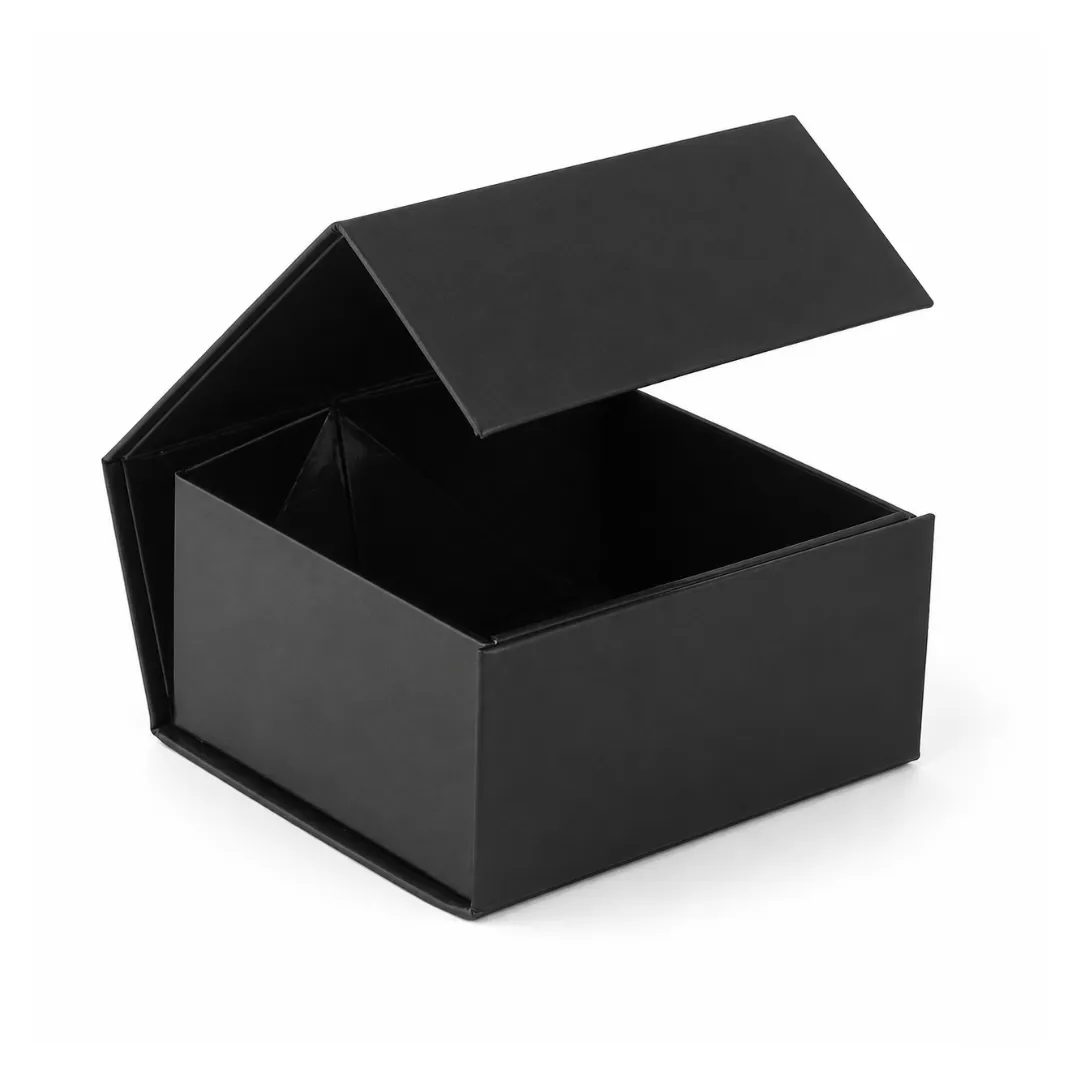
Rigid is highly protective, affordable and recyclable material. These boxes provide maximum protection.
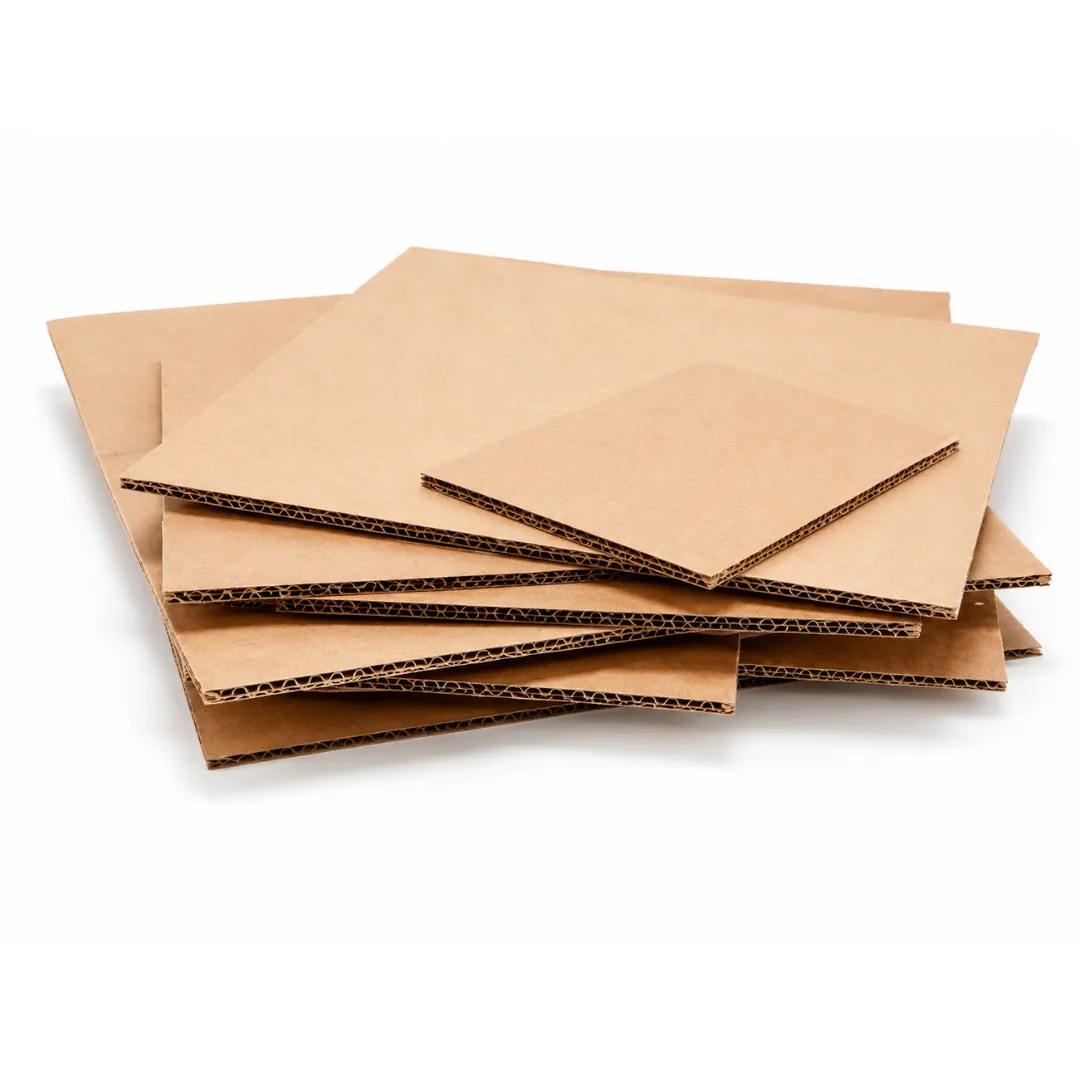
Corrugated material is easy to customize, cost effective and sustainable. It is also great for branding purposes.
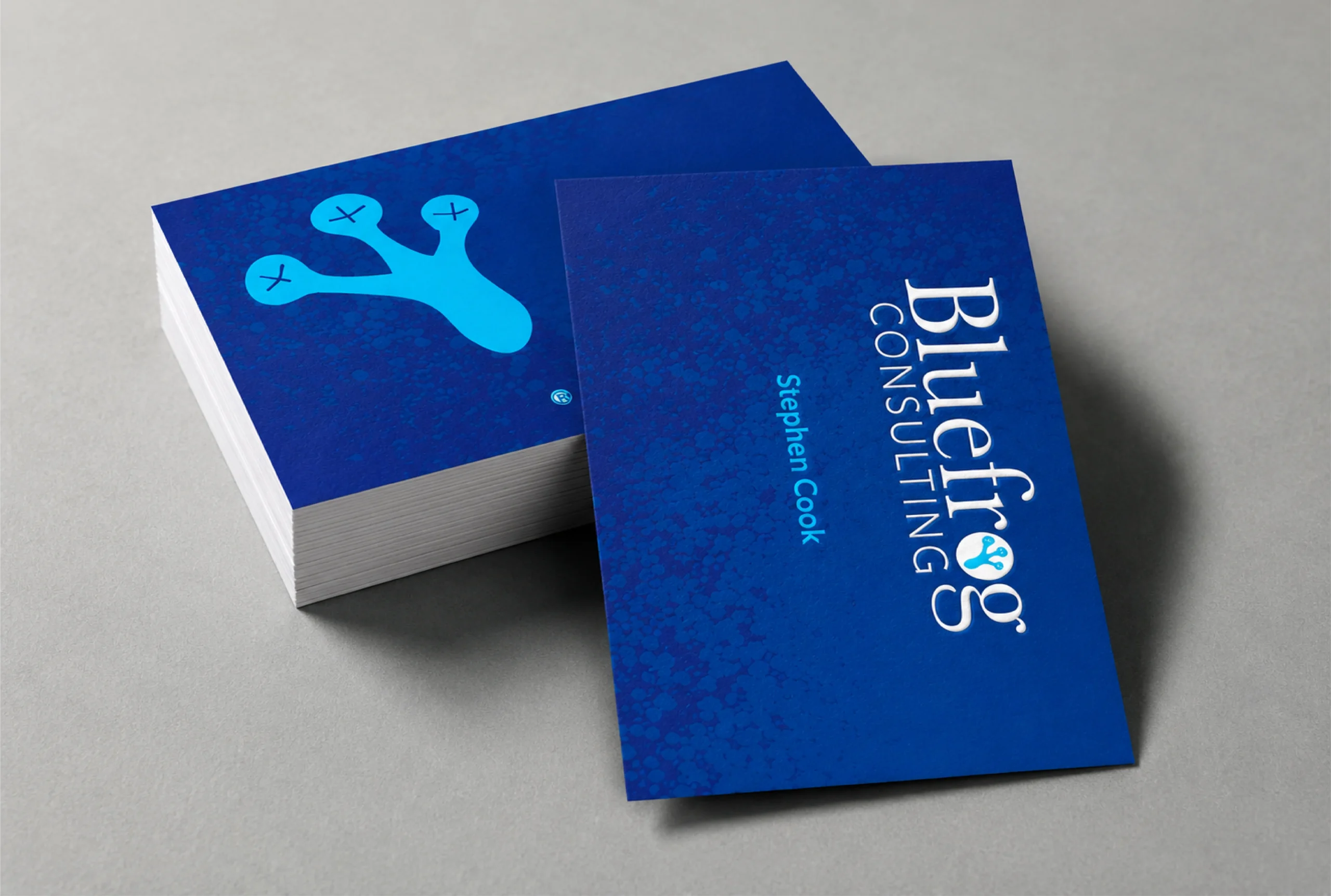
We add additional layer of protection with soft touch lamination from toner chipping.
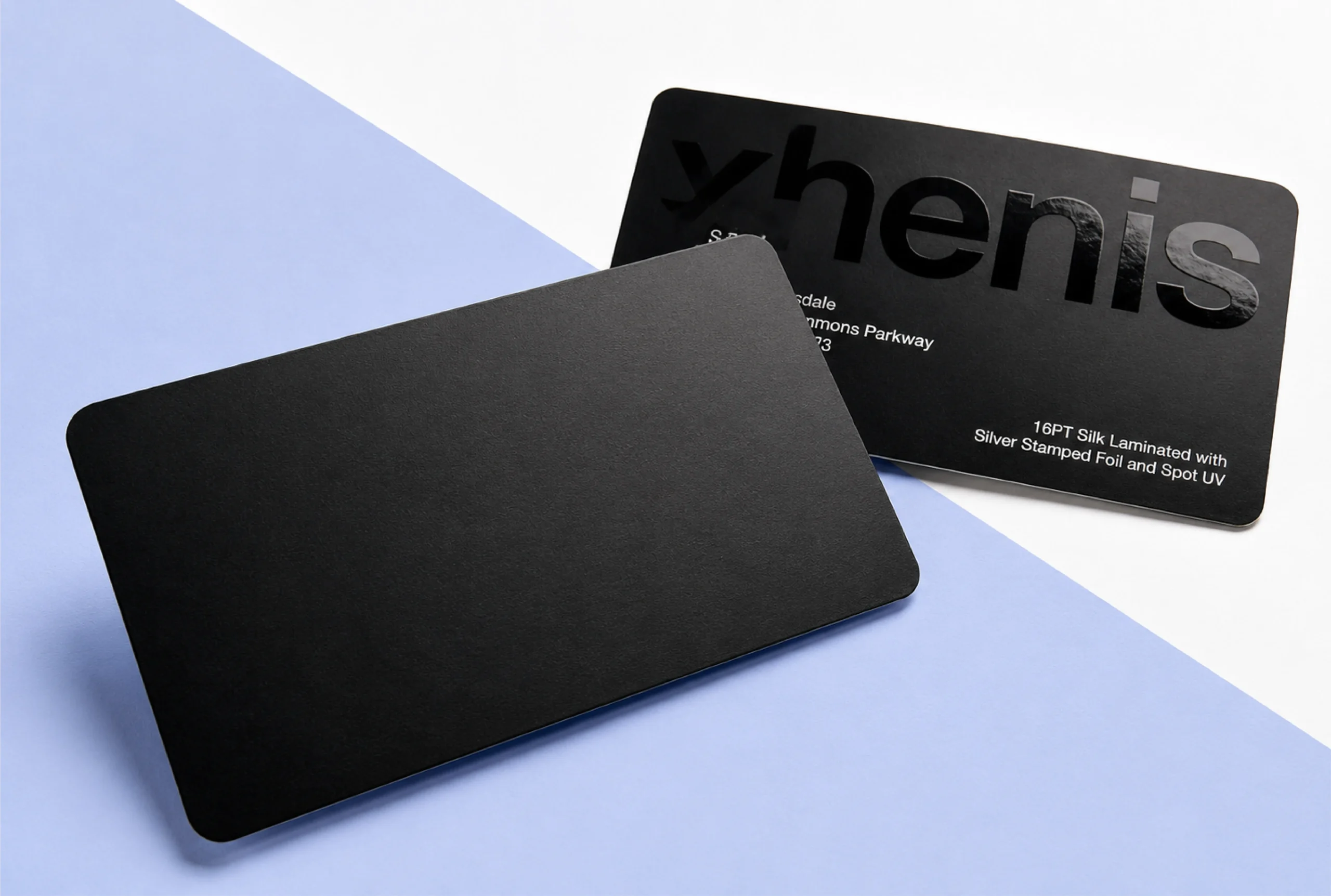
With our matte finish, fingerprints and smudges will now be less visible on the packaging.
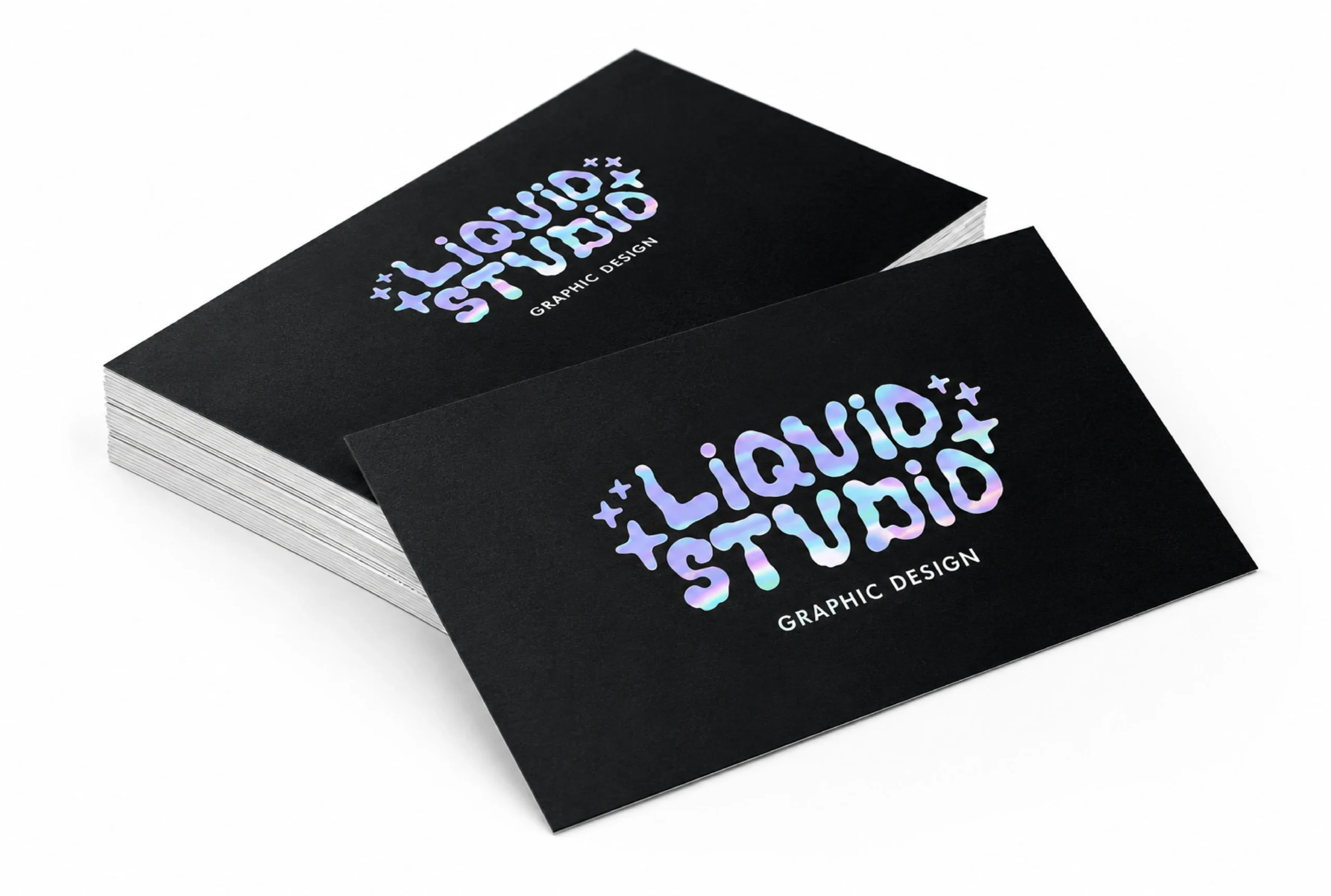
Holographic foil diffracts light and reveals the colors of the rainbow at various angles.
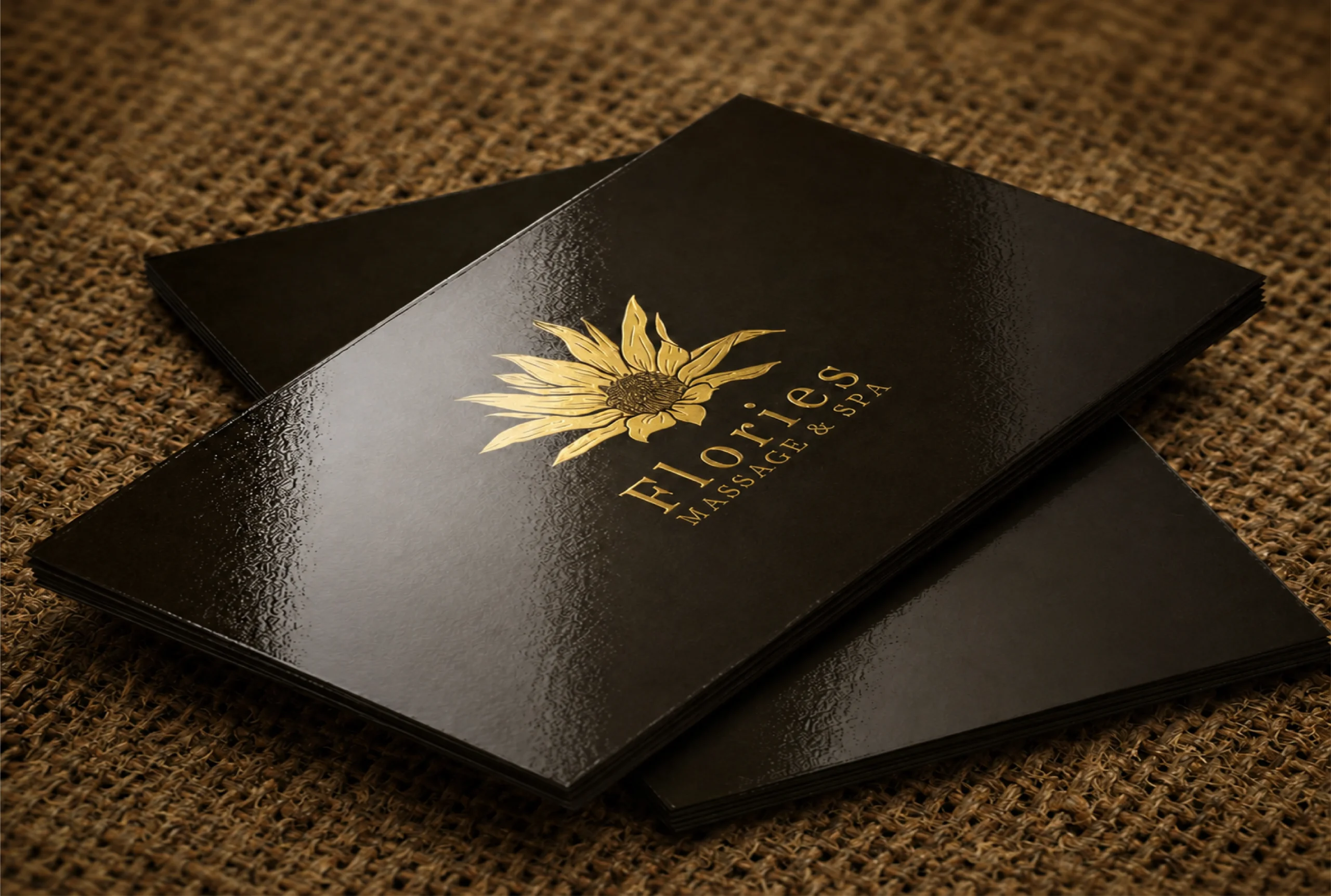
Our glossy finishing gives your packaging an extra layer of shine.
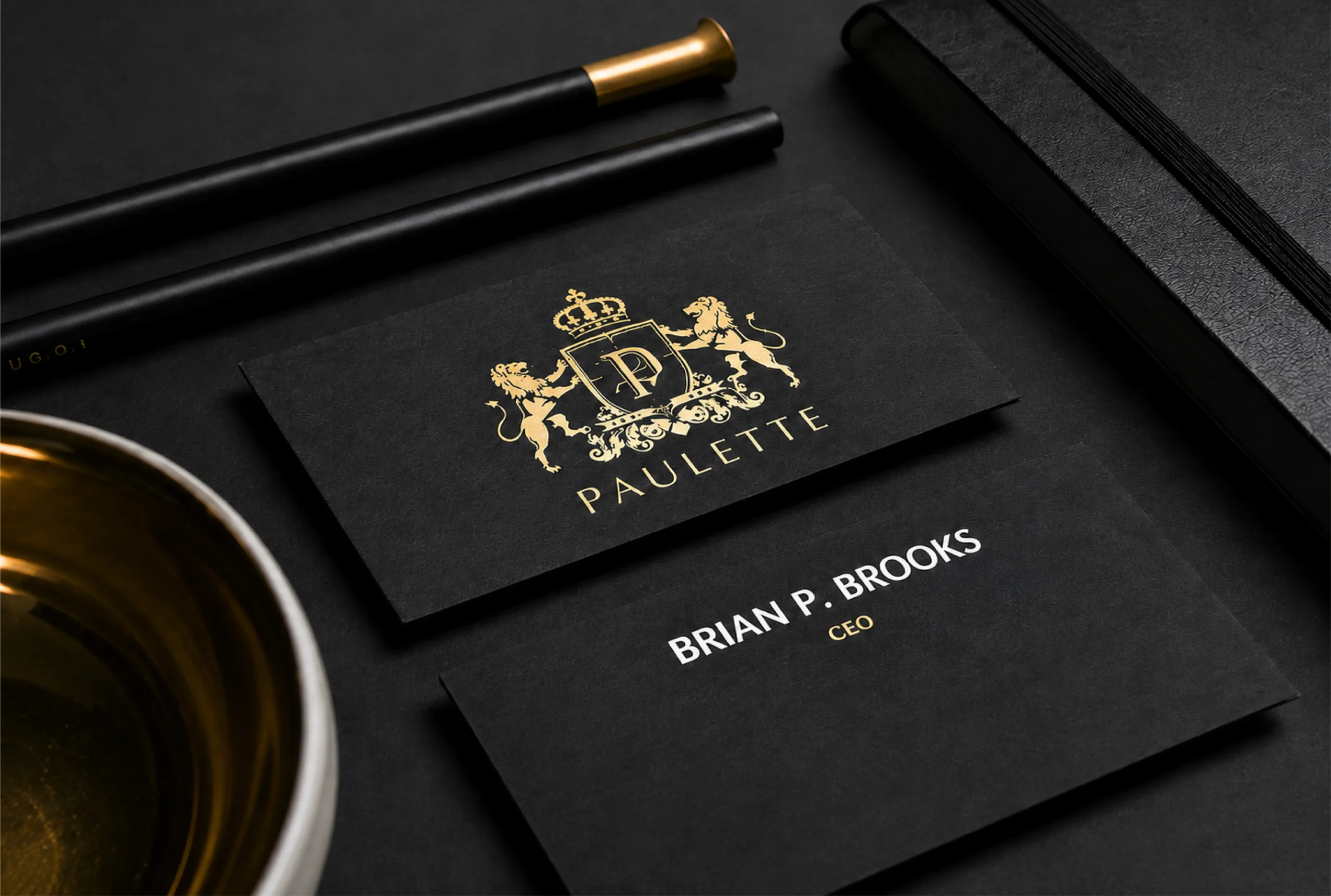
Decorate a wide range of your product packaging with our foil stamping.
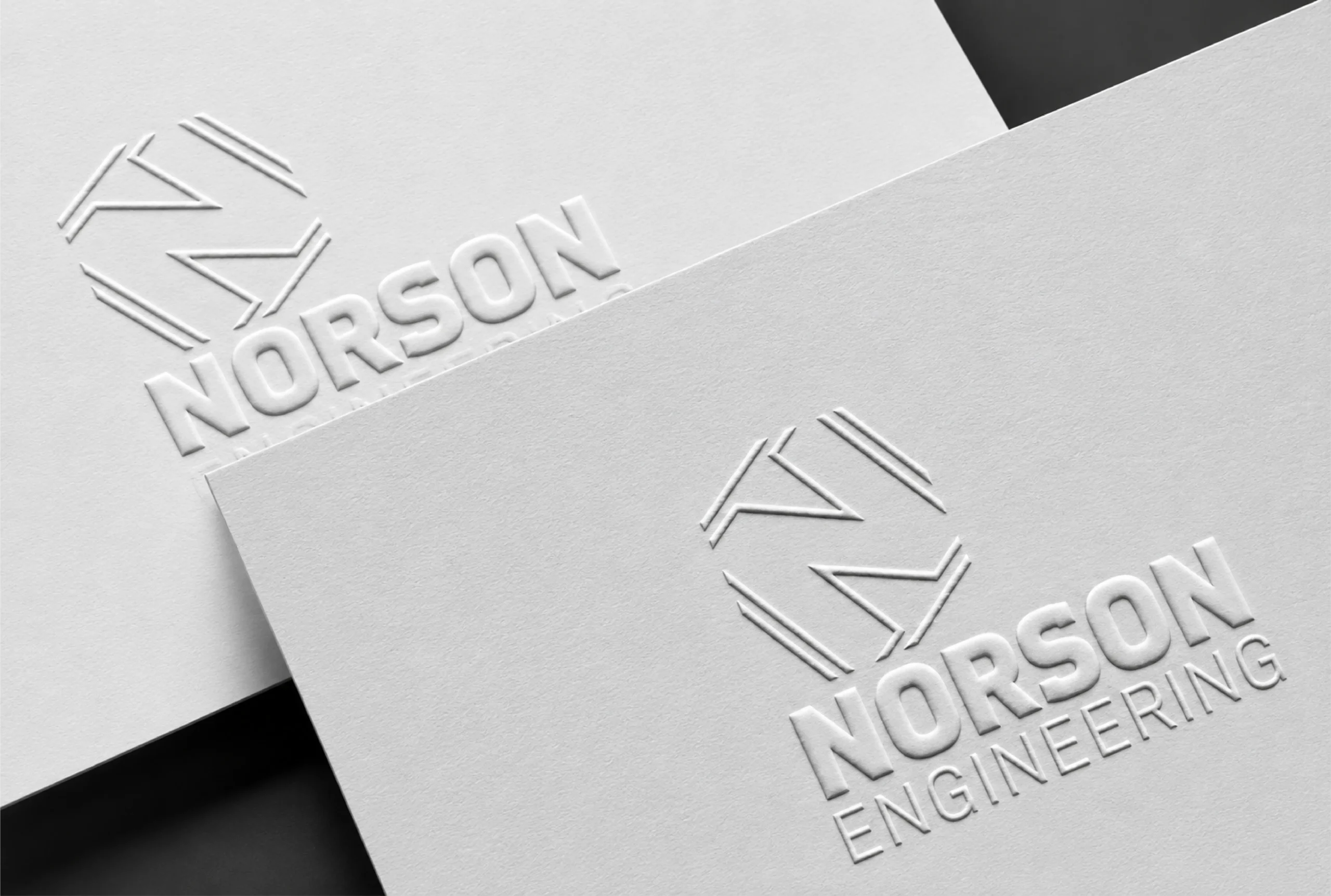
With our embossing technique, we transfer the finest details of your product on packaging.
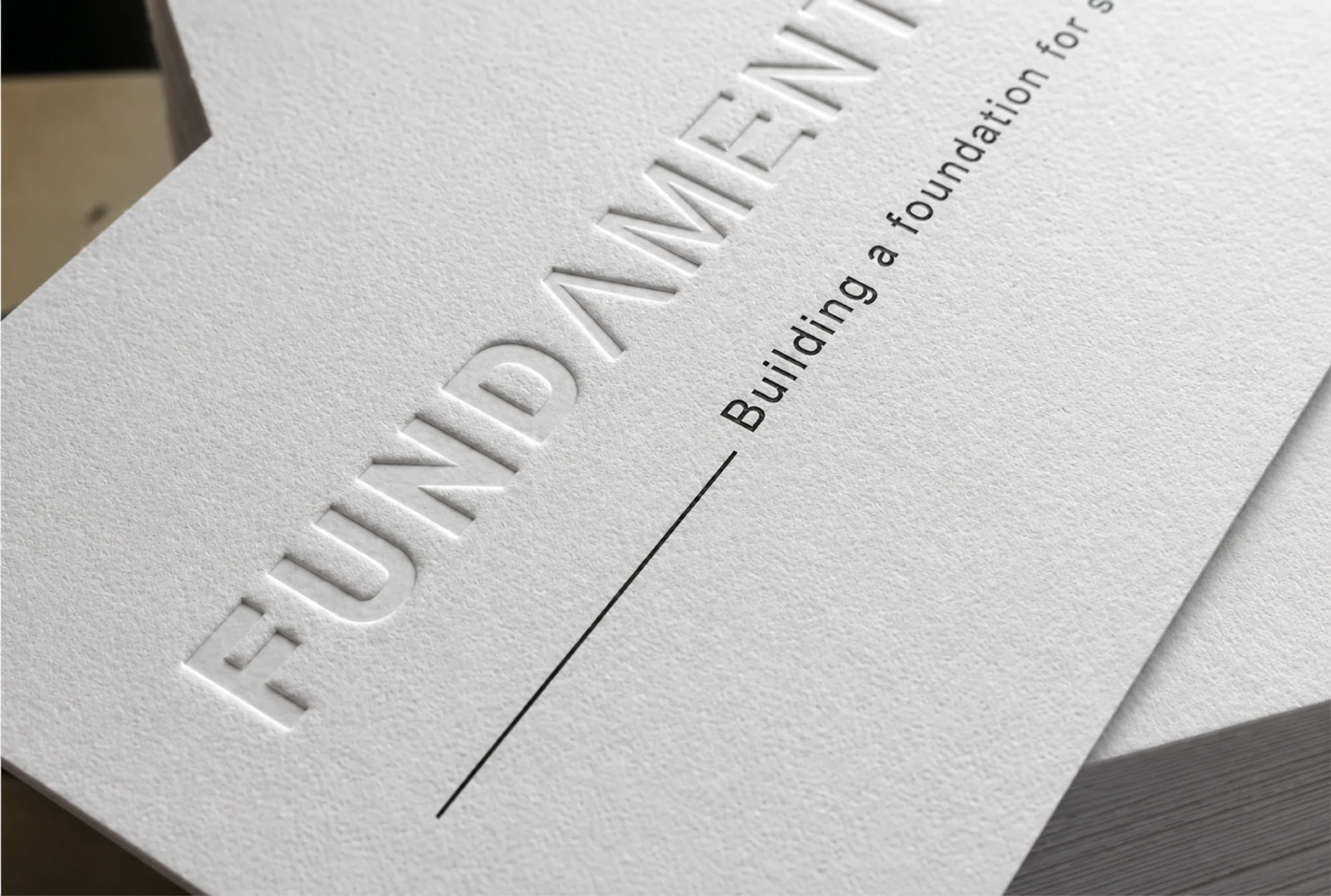
We use debossing technique to add unique graphics into your packaging.
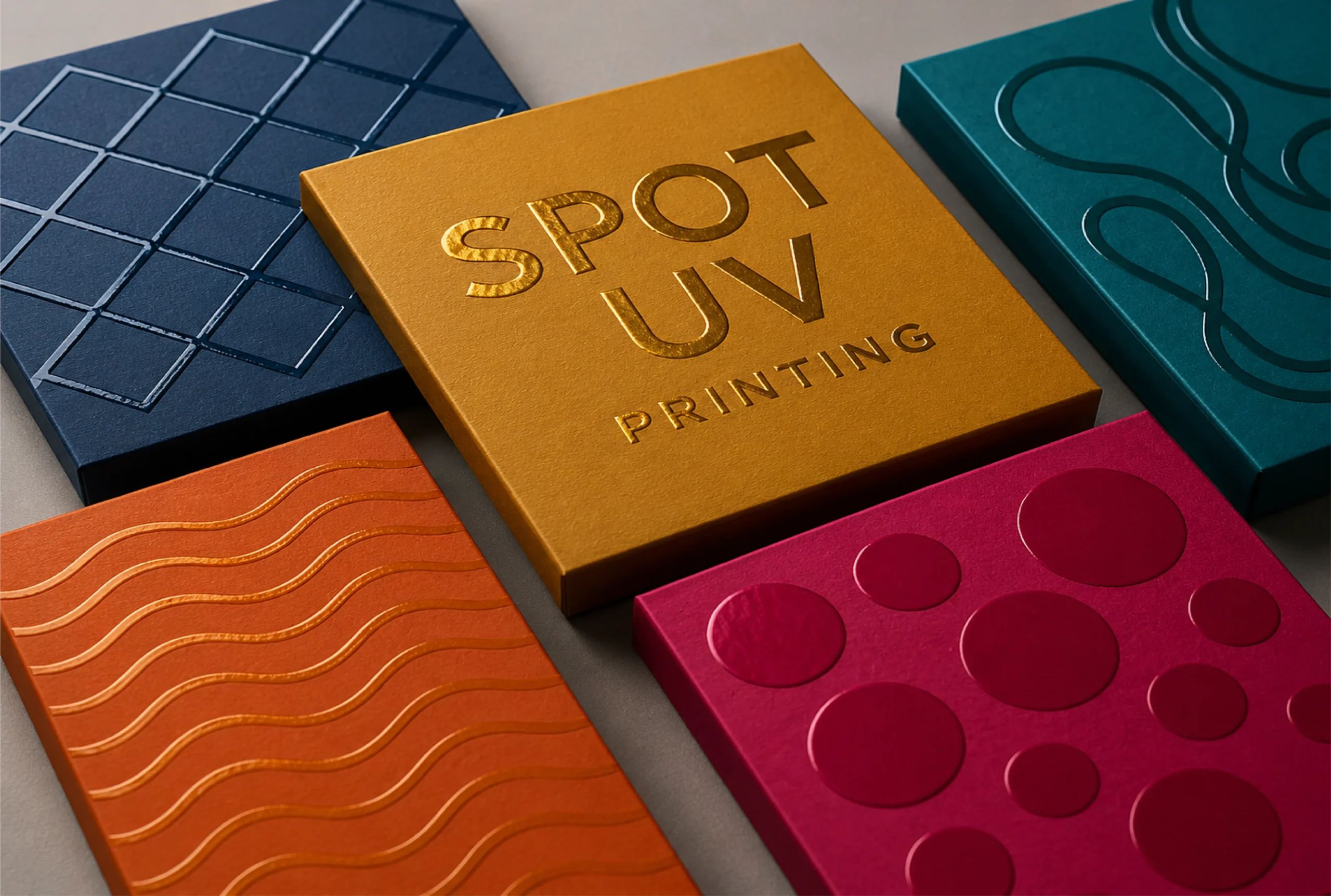
Our high-gloss UV coating gives light and shine to cure the printed material's varnish.
Still unsure? Email sales@packaginghubs.com and a packaging specialist will help.
Get your free quote today and see why Packaging Hubs is the most trusted name in U.S. custom packaging.