Free design support and free U.S. shipping. No minimum order.
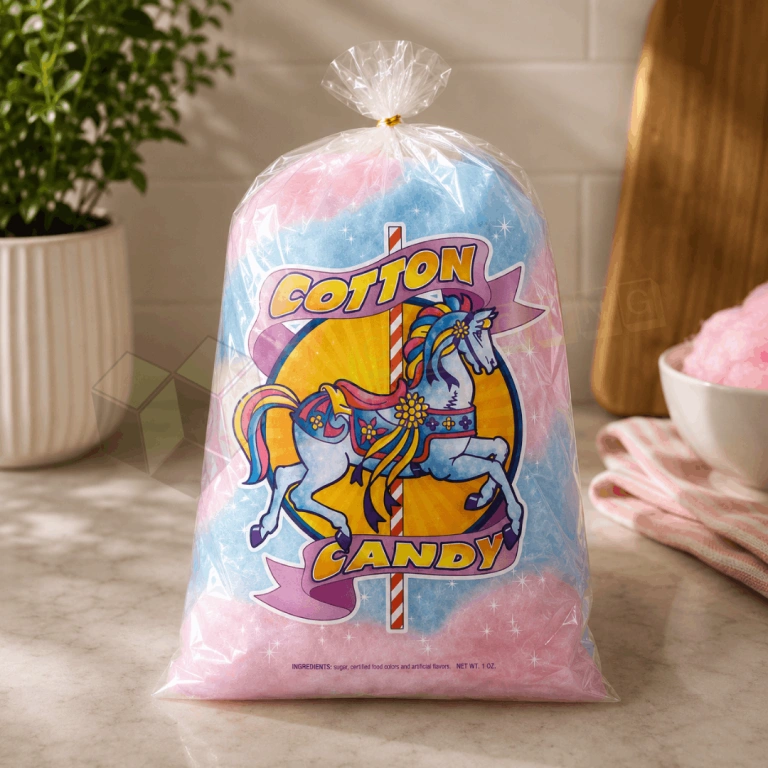
Cotton Candy Bags protect delicate spun sugar while giving candy brands, fairs, concession vendors, retailers, and event businesses room for custom printing, transparent product display, practical closures, and flexible sizing. Packaging Hubs offers zero MOQ, free design services, flexible lead-time options, and free shipping throughout the United States.
Cotton Candy Bags need to solve a packaging problem that is very different from packaging dense candy. Cotton candy has high volume but very little weight, compresses easily, and can lose its familiar fluffy texture when exposed to unfavorable storage conditions. Therefore, the pouch needs enough internal space to protect the product without forcing the brand to purchase an unnecessarily oversized package.
Packaging Hubs manufactures custom flexible packaging for candy makers, carnival vendors, concession operators, amusement businesses, event planners, grocery suppliers, wholesalers, and private-label confectionery brands. We can adjust the dimensions, film, transparency, closure, graphics, gusset, and seal area around the actual serving size instead of treating every cotton candy portion as the same.
Our zero MOQ policy supports new candy businesses and seasonal tests, while scalable production supports repeat commercial programs. Free design services help prepare the artwork and dieline, flexible lead-time options support different event schedules, and free shipping across the United States makes purchasing easier to plan.
Cotton candy is a useful example of why packaging should not be sized from ounces alone. A small amount of spun sugar can occupy a surprisingly large volume because the product contains substantial open space between the sugar strands. Compressing that volume into a narrow pouch can change the visual presentation and make the product appear dense or damaged.
The bag therefore needs enough width, height, and depth for the spun product to enter without excessive handling. At the same time, too much unused space can make the package appear underfilled. Packaging Hubs develops Cotton Candy Bags from the actual serving dimensions, filling method, and intended display rather than assigning a generic pouch to every order.
A concession vendor filling products by hand may need a wide opening for faster loading. In contrast, a retail candy producer may accept a narrower opening when the finished package needs to fit efficiently inside shelf trays and shipping cartons.
Cotton candy may be packaged at a carnival immediately before sale, prepared ahead of a festival, displayed in a convenience store, shipped to a grocery account, or included in party favors. Each situation changes what matters most.
At a busy fair, filling speed and easy sealing may matter more than elaborate structural features. For a grocery product, consistent dimensions, labeling space, barcode placement, and shelf presentation become more important. Meanwhile, eCommerce sellers need a pouch and outer carton that limit compression during parcel shipping.
The following table explains how the selling environment can change the packaging specification.
| Sales environment | Primary packaging priority | Useful bag direction | Main risk to manage |
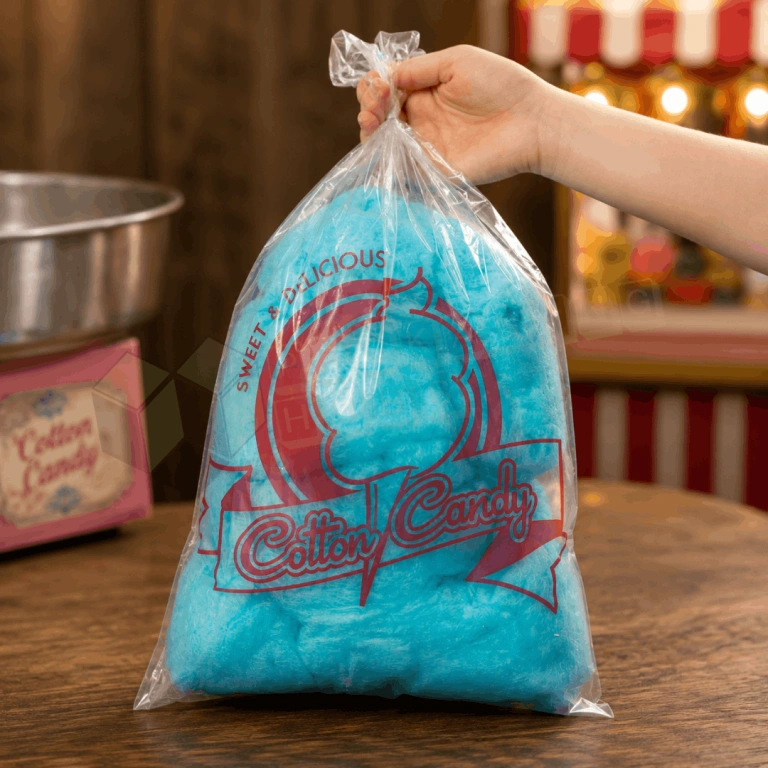
| Carnival or fair booth | Fast filling and simple handling | Wide-mouth clear or printed flat pouch | Slow packing during peak customer traffic |
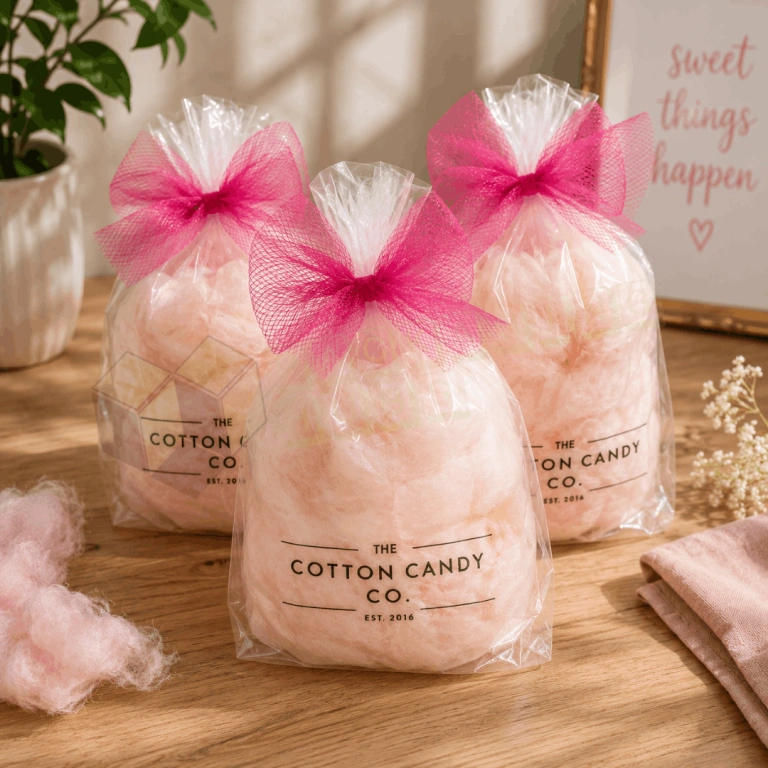
| Candy shop | Product visibility and strong branding | Printed clear-front pouch | Excessive headspace or weak shelf presentation |
| Grocery or convenience retail | Consistent size, labeling area, and display | Stand-up or gusseted retail pouch | Poor carton fit and unclear product information |
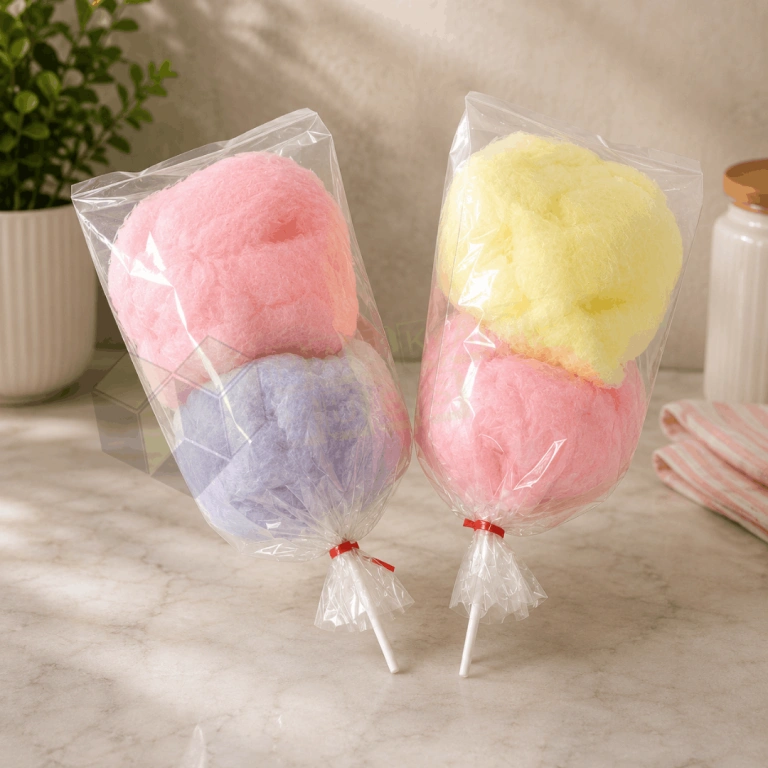
| Party and event favors | Small portions and themed artwork | Compact custom printed pouch | Paying for excessive material around a small serving |
| eCommerce | Compression protection and shipping efficiency | Pouch sized with a suitable secondary carton | Crushing during parcel transportation |
| Wholesale distribution | Repeatability and packing efficiency | Coordinated bulk pouch program | Inconsistent sizes across reorder cycles |
This comparison shows why a bag designed for one market should not automatically be copied into another. Packaging Hubs can maintain the same branding while adapting the pouch dimensions and structure for events, retail stores, and shipping programs.
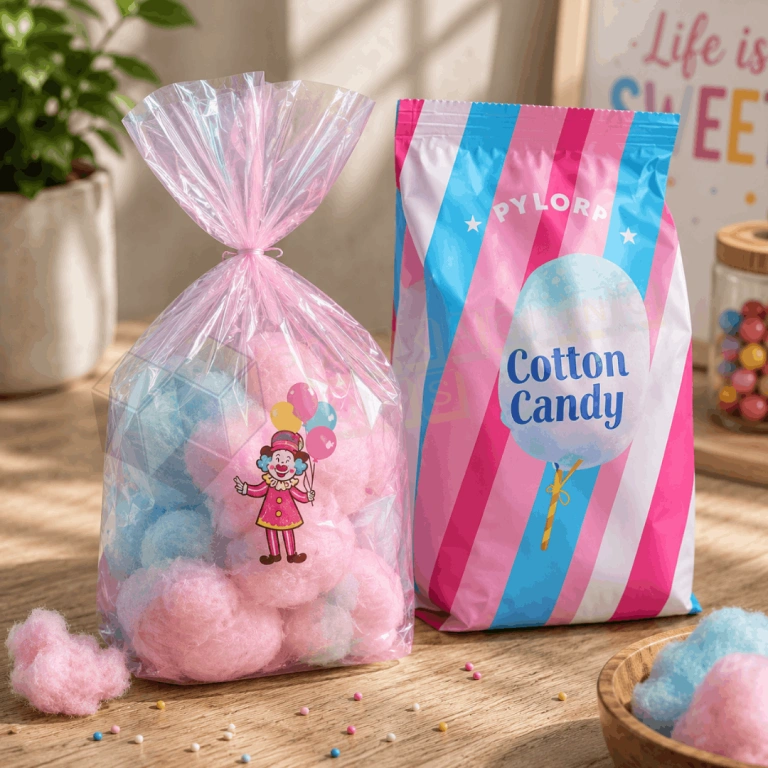
Cotton candy is highly visual. Pink, blue, purple, multicolor, layered, and themed products can often sell themselves when customers see the contents. For that reason, clear front panels or fully transparent film may support strong impulse presentation.
However, a brand does not have to choose between full transparency and full printing. A pouch can use a clear center with printed borders, an opaque back panel, or carefully positioned graphics around the visible product.
Reflective packaging can also work for party products, novelty sweets, gift ranges, and limited editions. Brands looking for a brighter visual treatment can explore Custom Holographic Mylar Bags as a related option when the finish suits the product and sales environment. Packaging Hubs can combine strong graphics with controlled transparent or reflective areas so the candy remains the focal point rather than disappearing behind the design.
Small favors, standard concession servings, retail packs, and family-size products can all require different dimensions. Cotton candy volume also changes according to how tightly workers form and pack the spun sugar.
The following size framework gives buyers a practical starting point. Final dimensions should come from the actual product, not the table alone.
| Packaging format | Typical application | Structural priority | Buyer consideration |
| Mini favor pouch | Birthdays, weddings, samples, and promotional giveaways | Compact footprint with enough opening width | Prevent decorative packaging from costing more than the serving |
| Standard concession bag | Fairs, festivals, amusement venues, and pop-ups | Quick loading and simple sealing | Keep the opening easy to handle during busy periods |
| Retail pouch | Candy stores, gift shops, grocery, and convenience stores | Front-facing artwork and consistent dimensions | Reserve space for food labeling and barcode placement |
| Large sharing bag | Events, parties, family packs, and specialty candy shops | Greater internal volume with controlled compression | Match the bag size to product fluffiness rather than weight alone |
| Wholesale or food-service format | Multi-pack programs and distribution | Efficient case packing and repeat dimensions | Confirm carton count and pallet efficiency before scaling |
The table illustrates why a “small,” “medium,” or “large” description is not enough for production. A physical sample or realistic fill measurement allows us to control headspace and reduce unnecessary film while keeping the cotton candy presentable.
Businesses purchasing cotton candy bags wholesale usually need dependable reorders, consistent dimensions, reliable artwork placement, and predictable carton packing. A small sizing difference across production runs can change how much product fits inside the pouch or how many finished packs fit into a master carton.
Packaging Hubs can lock the approved dieline, material direction, print layout, seal area, and closure specification for repeat orders. This helps multi-location candy vendors and distributors maintain a consistent presentation across different events and retail accounts.
Wholesale planning should also consider seasonality. Carnivals, fairs, school events, holiday promotions, weddings, and summer tourist destinations can create demand spikes. Flexible purchasing allows buyers to plan inventory around real sales cycles instead of committing to an unnecessarily large quantity during slower periods.
cotton candy bags bulk purchasing can create unexpected shipping costs if the finished packages are developed without considering cartons. Because cotton candy occupies a large volume relative to its weight, a small change in bag dimensions can materially affect case count and warehouse space.
Before scaling an order, Packaging Hubs can review the pouch dimensions alongside the expected filled shape and secondary packaging. The goal is to create enough room for the candy while avoiding excessive air space inside the shipping carton.
A Nevada event supplier may favor larger quantities packed for fast booth replenishment, while an Ohio grocery supplier may want smaller case counts that store teams can handle more easily.
Companies buying cotton candy bags in bulk for several stores, venues, or franchise locations may benefit from one shared structural specification with different artwork versions. For example, the pouch dimensions and film can remain consistent while colors, event names, or flavor graphics change.
Digital printing can support shorter artwork runs and several versions, while larger repeat programs may become more suitable for flexographic or rotogravure printing. The correct method depends on quantity, design complexity, film, and future reorder patterns.
This approach gives a growing brand flexibility without requiring every location to manage a completely different pouch specification.
A cotton candy package may use an open top with a manual closure, an adhesive system, a heat seal, or a zipper plus a top seal. Each choice affects labor, customer convenience, and how long the package remains open to the surrounding environment during production.
Heat sealing can create a continuous initial closure when the film and equipment are compatible. A resealable zipper may help larger multi-use packages, although many single-serving cotton candy products are consumed immediately and do not need the additional cost of a zipper.
The closure zone should remain free of spun sugar. A package that is too full can push product fibers into the sealing surface and interfere with a clean closure. Therefore, sufficient headspace remains important even when the bag itself is intentionally compact.
Cotton candy is primarily a sugar product, so packaging needs to limit unnecessary exposure to moisture during storage and distribution. The exact film direction depends on how long the product will remain packaged, whether customers need to see it, where it will be sold, and how aggressively it will be handled.
Different films provide different combinations of clarity, printability, stiffness, sealing, and barrier performance.
| Material direction | Primary advantage | Suitable use | Main tradeoff |
| Clear BOPP or polypropylene-based film | High product visibility and lightweight handling | Fairs, concession sales, party favors, and short retail cycles | Barrier performance depends on the selected grade and construction |
| Clear PET laminate | Strong clarity with additional stiffness and print support | Branded retail cotton candy | Requires an appropriate inner sealing layer |
| PET/PE laminate | Combines printability with flexible heat sealing | General custom printed retail applications | Exact performance varies by grade and thickness |
| Metallized laminate | Improves opacity and barrier performance | Products needing stronger protection and less light exposure | Customers cannot see the full product |
| Clear high-barrier laminate | Balances product visibility and improved barrier needs | Premium retail products where visibility remains important | Costs more than basic clear film |
| Printed clear-to-opaque structure | Combines visible product areas with controlled branding zones | Grocery, gift, and specialty candy programs | Requires more detailed artwork and white-ink planning |
The best film is not simply the thickest one. A lightweight pouch may work for fast-turn concession sales, while a retail product traveling through warehouses and distribution may need greater toughness and barrier control.
Packaging Hubs selects the material around the actual use rather than promising that one generic “food-grade film” performs identically in every environment.
When packaging directly touches cotton candy, the film, coatings, adhesives, colorants, and other relevant components need to suit their intended food-contact use. The U.S. Food and Drug Administration explains that packaging components that come into contact with food can qualify as food-contact substances and that authorization depends on the intended application. Buyers can review the FDA’s food-packaging guidance.
Therefore, Packaging Hubs avoids treating “FDA approved” as a blanket description for every finished bag. We can instead develop the structure around the buyer’s candy, filling process, storage conditions, and required documentation.
Retail brands should plan the graphics and package dimensions around the information the finished food needs to carry. The FDA states that food labeling is required for most prepared foods and maintains guidance covering required statements under federal food laws. Brands selling packaged cotton candy should review the FDA Food Labeling Guide when preparing commercial labels.
A very small pouch may appear economical until the brand tries to fit its product name, net quantity, ingredient information, nutrition information where applicable, manufacturer or distributor information, barcode, and marketing copy into one readable layout.
Packaging Hubs provides free design support so artwork can reserve appropriate areas before printing. However, the food business remains responsible for confirming the final legal label requirements for its product.
Color is especially important for cotton candy packaging because the product itself may already be pink, blue, white, purple, or multicolored. Transparent film allows the food color to interact visually with the printed artwork. Consequently, a logo that looks one way over a white digital background may look different when printed over bright candy.
White ink can create opaque areas beneath logos, barcodes, photographs, and fine text. Other sections can remain clear so shoppers can see the product.
Digital printing supports smaller launches and several flavor designs. Flexographic printing can work well for larger repeat programs, while rotogravure may support high-volume production where consistent reproduction becomes a priority. CMYK supports full-color graphics and illustrations, while PMS or Pantone shades can help maintain important brand colors. RGB remains a screen mode and should be converted before commercial printing.
Cotton candy, chewing gum, and gummies are all confectionery products, but their packaging needs are not identical. Gum is dense and compact, which means carton dimensions and individual wrapping may matter more than large pouch volume.
Brands developing a broader confectionery range can review our Gum Packaging for chewing gum boxes and branded retail structures. Separating the formats allows a candy company to maintain one visual identity while selecting packaging that actually suits each product.
Standard cotton candy does not normally create the same odor-containment demands as coffee, botanicals, heavily flavored products, or aroma-sensitive goods. However, candy brands may sell strongly flavored products alongside other scented items or create specialty products that need stronger barrier control.
In those situations, Custom Smell Proof Mylar Bags provide a related direction when aroma containment becomes more important than simple transparency.
Packaging Hubs can coordinate those pouch families while keeping the cotton candy format focused on its more immediate risks: moisture exposure, compression, filling speed, and visual presentation.
Gummies are denser, can contain oils or surface treatments, and normally occupy much less volume for the same package weight. As a result, the dimensions and film developed for spun sugar should not simply be reused for a chewy candy line.
Businesses building multi-product confectionery programs can use Gummy Bags for a product-specific packaging direction.
This creates a cleaner product architecture for SEO as well as purchasing. Cotton candy pages can focus on lightweight, high-volume spun sugar, while gummy packaging can address resealability, dense fills, product texture, and other issues that matter more to chewy confectionery.
Packaging can reduce exposure to ambient moisture, but it cannot correct a poor production or storage environment. If freshly spun cotton candy remains exposed while workers prepare large batches, moisture can begin affecting the product before the bag is sealed.
Therefore, filling workflow matters alongside film performance. Fast transfer from production to the package, clean seal areas, suitable storage, and limiting unnecessary reopening can all support more consistent quality.
Packaging Hubs can design the pouch to make loading easier, but the candy producer should validate the complete production and shelf-life process with the actual recipe and environmental conditions rather than relying on the bag alone.
Candy brands increasingly want environmentally responsible packaging, but terms such as “eco-friendly,” “recyclable,” “biodegradable,” and “compostable” need evidence tied to the exact material. Flexible laminates may contain several polymers, coatings, inks, or adhesives that affect recyclability.
The Federal Trade Commission’s Green Guides are intended to help businesses avoid misleading environmental marketing claims.
Packaging Hubs can discuss reduced-material or alternative structures where they suit the food and production requirements. However, barrier performance, sealing reliability, local recovery systems, and documented material composition should guide the final claim.
A scalable packaging program starts with a dependable base specification. Dimensions should remain consistent enough for filling and cartons. Artwork should allow flavor changes without rebuilding every panel. Materials should be commercially available for repeat supply, and the closure should fit the production team’s equipment and speed.
This becomes especially important for businesses operating several concession stands or supplying multiple retail accounts. A shared pouch structure simplifies purchasing, while controlled artwork variations maintain excitement across flavors and events.
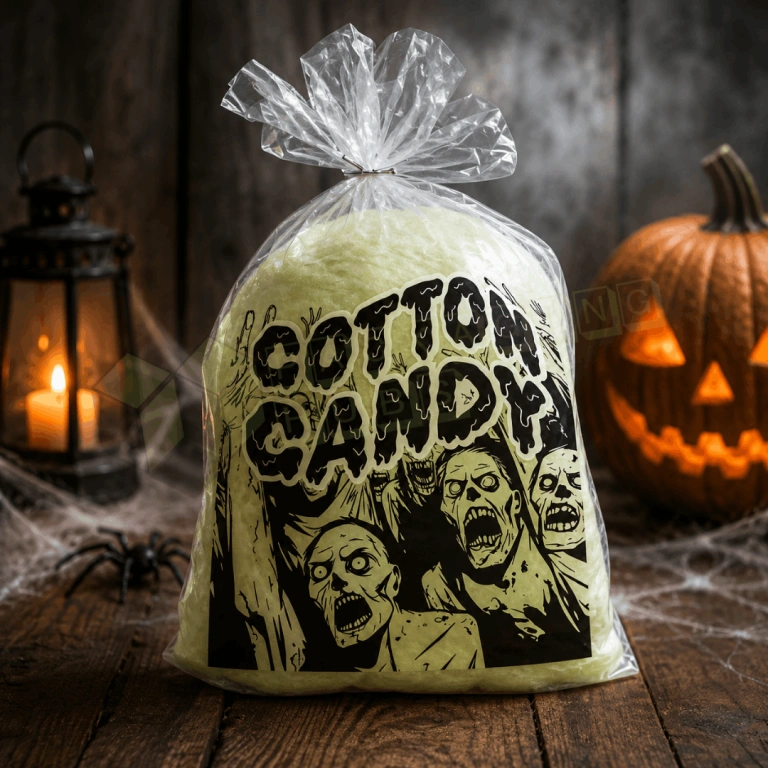
Packaging Hubs can also coordinate seasonal versions for fairs, Halloween, birthdays, weddings, Christmas programs, school events, and branded promotions without changing the underlying package every time.
Cotton Candy Bags can be produced in transparent, printed, stand-up, flat, gusseted, heat-sealed, resealable, and custom-sized configurations. Packaging Hubs serves confectionery manufacturers, carnival businesses, candy stores, event companies, wholesalers, retailers, and startups throughout the United States while also supporting worldwide custom packaging projects.
Our zero MOQ policy makes it possible to test new graphics, portion sizes, or market concepts before scaling. Free design services help prepare the dieline and production artwork. Free shipping across the United States supports clearer purchasing costs, while flexible lead-time options allow businesses to plan around events, launches, and repeat inventory requirements.
Send the serving size, approximate filled dimensions, quantity, desired transparency, artwork, closure preference, storage conditions, and target delivery schedule. Packaging Hubs can then recommend the dimensions, film, print direction, and packaging structure around the real product.
Order Now to begin a custom cotton candy packaging project, or Get a Free Quote to compare sizes, films, printing methods, closures, and wholesale production options.
| Box Style | Cotton Candy Bags |
| Dimension (L + W + H) | All Custom Sizes & Shapes |
| Quantities | No Minimum Order Required |
| Stock | Material, MOPP/VMPET/PE/BOPP/ALU, THICKNESS: 100/120/150 microns/sid |
| Printing | Digital/ Gravure |
| Finishing | Gloss/ Matt/ Spot uv |
| Included Options | Die Cutting, Gluing, Scored, Perforation |
| Additional Options | Eco-Friendly, Recycled Boxes, Biodegradable |
| Proof | Flat View, 3D Mock-up, Physical Sampling (On request) |
| Turnaround | 4 – 8 Business Days, RUSH |
| Shipping | FLAT |
Pick the stock and the finish that suit your product. We’ll confirm both on your proof before anything is printed.
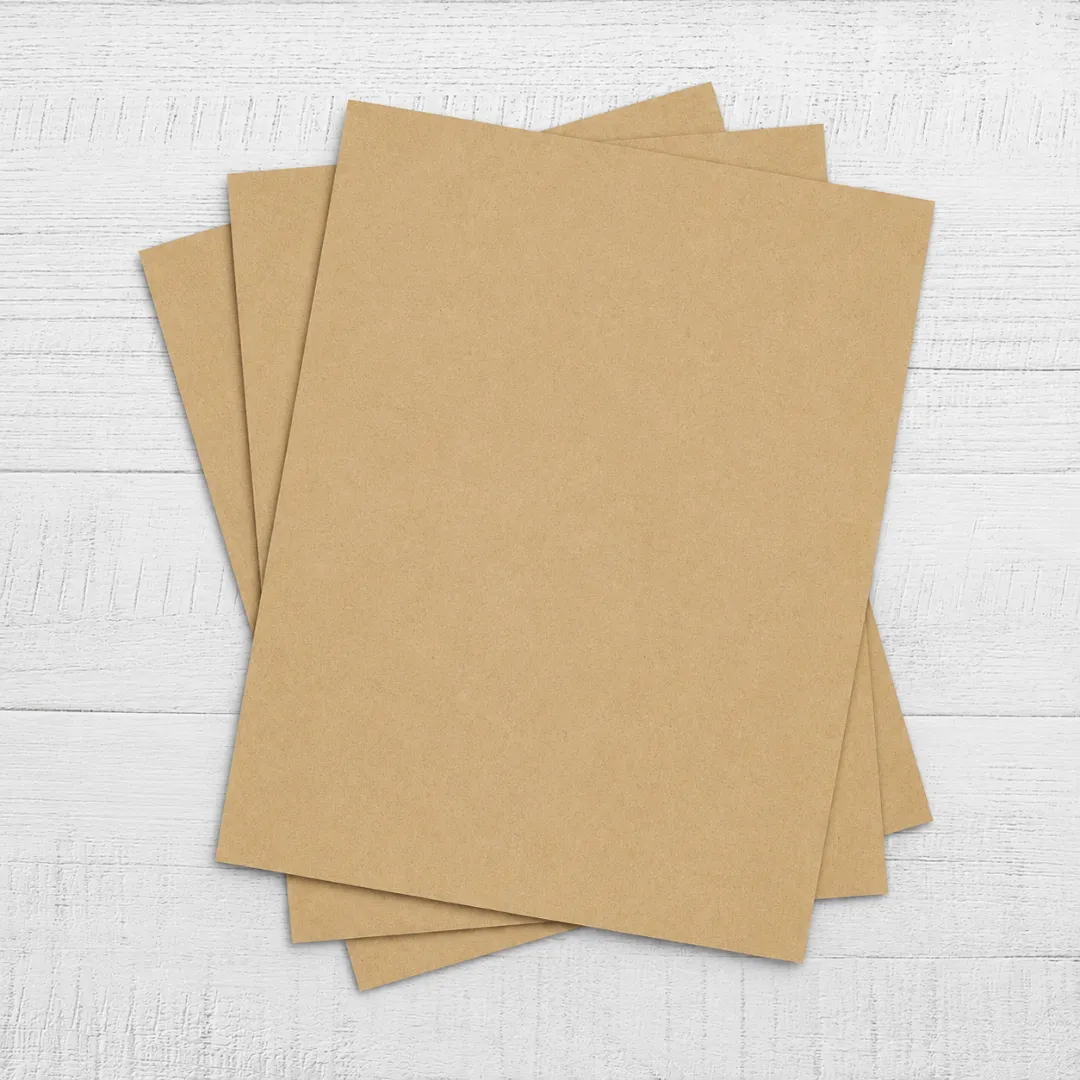
Kraft paper is a strong, durable and reliable material that is widely used across many different industries.
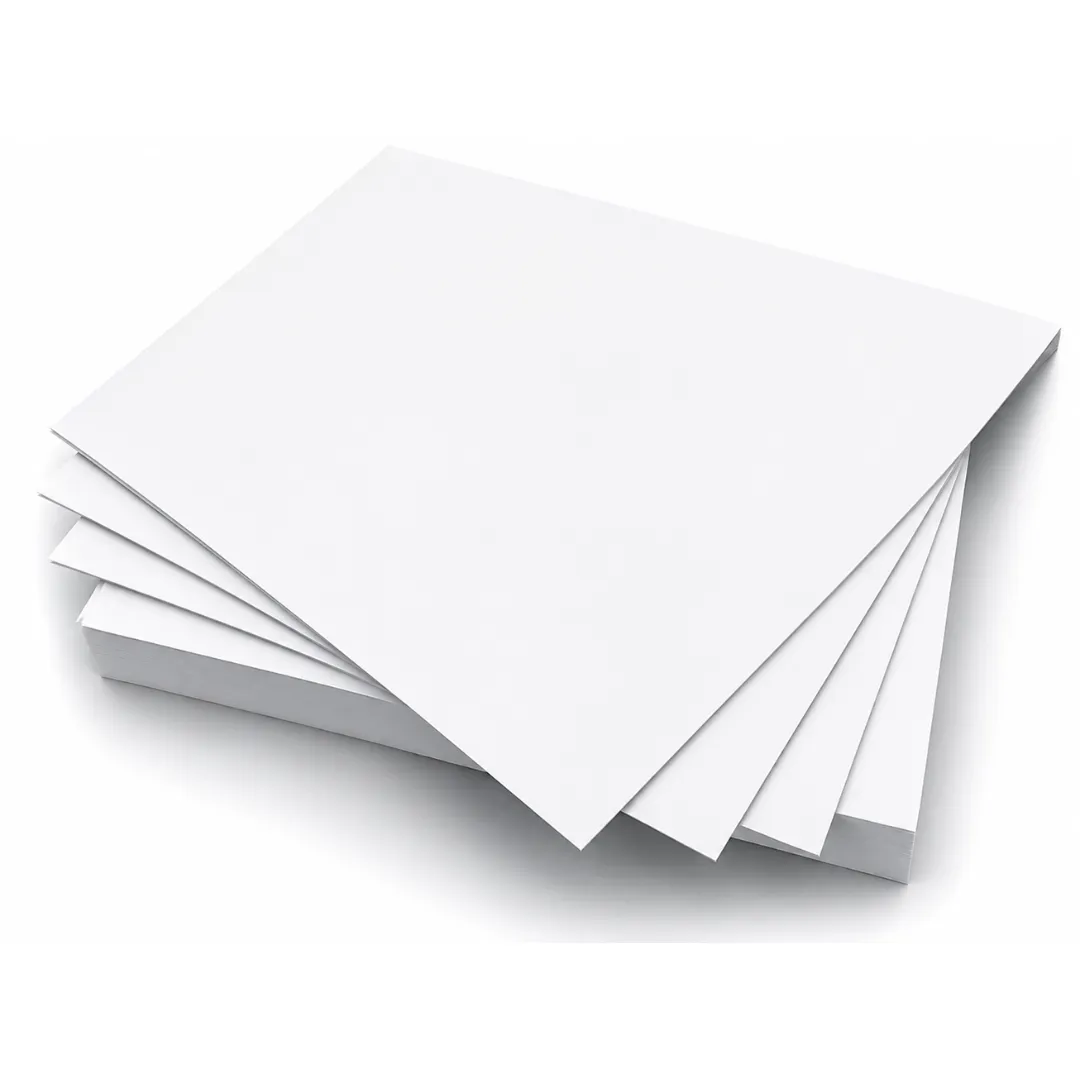
We use cardboard material with the least environmental impact and minimizes waste generation.
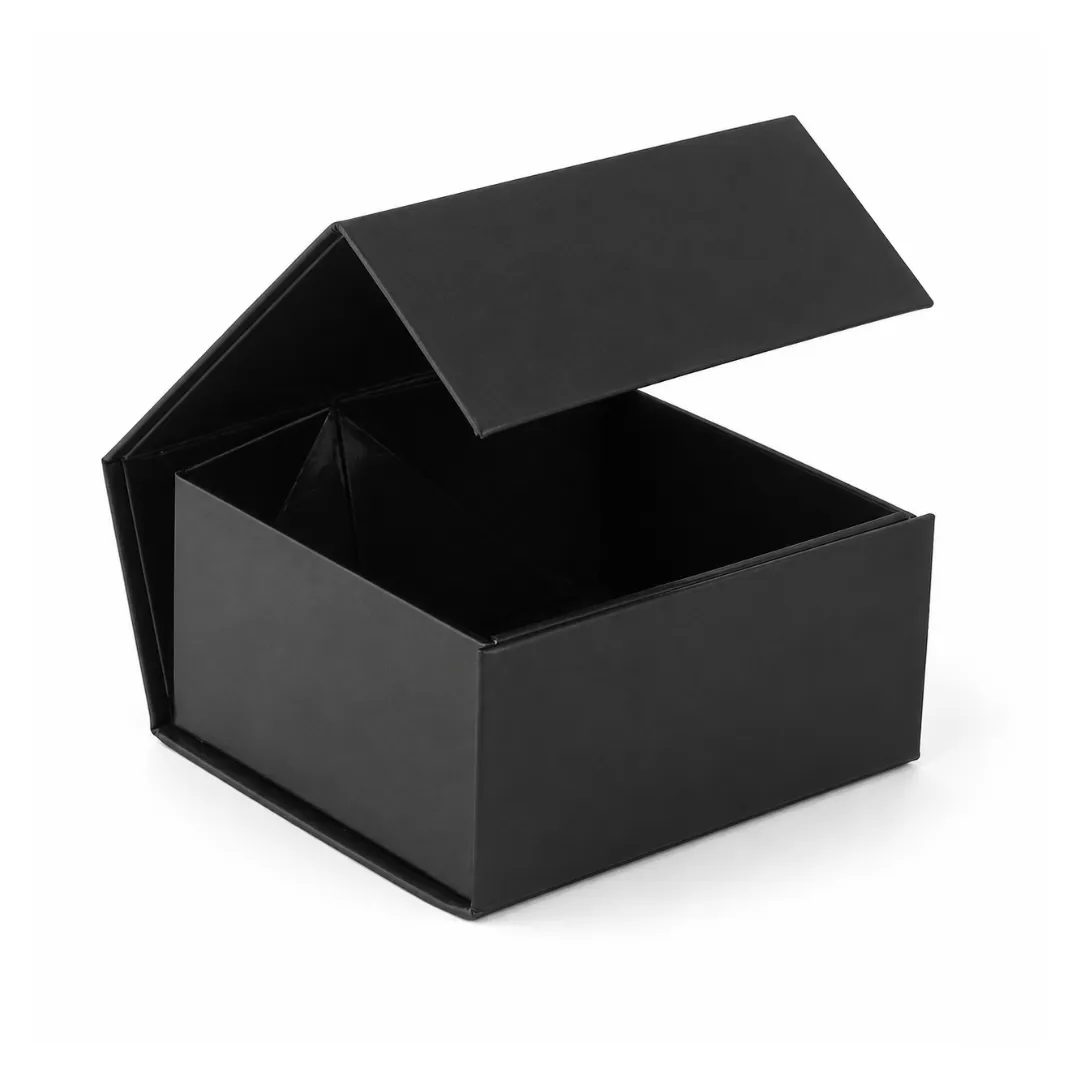
Rigid is highly protective, affordable and recyclable material. These boxes provide maximum protection.
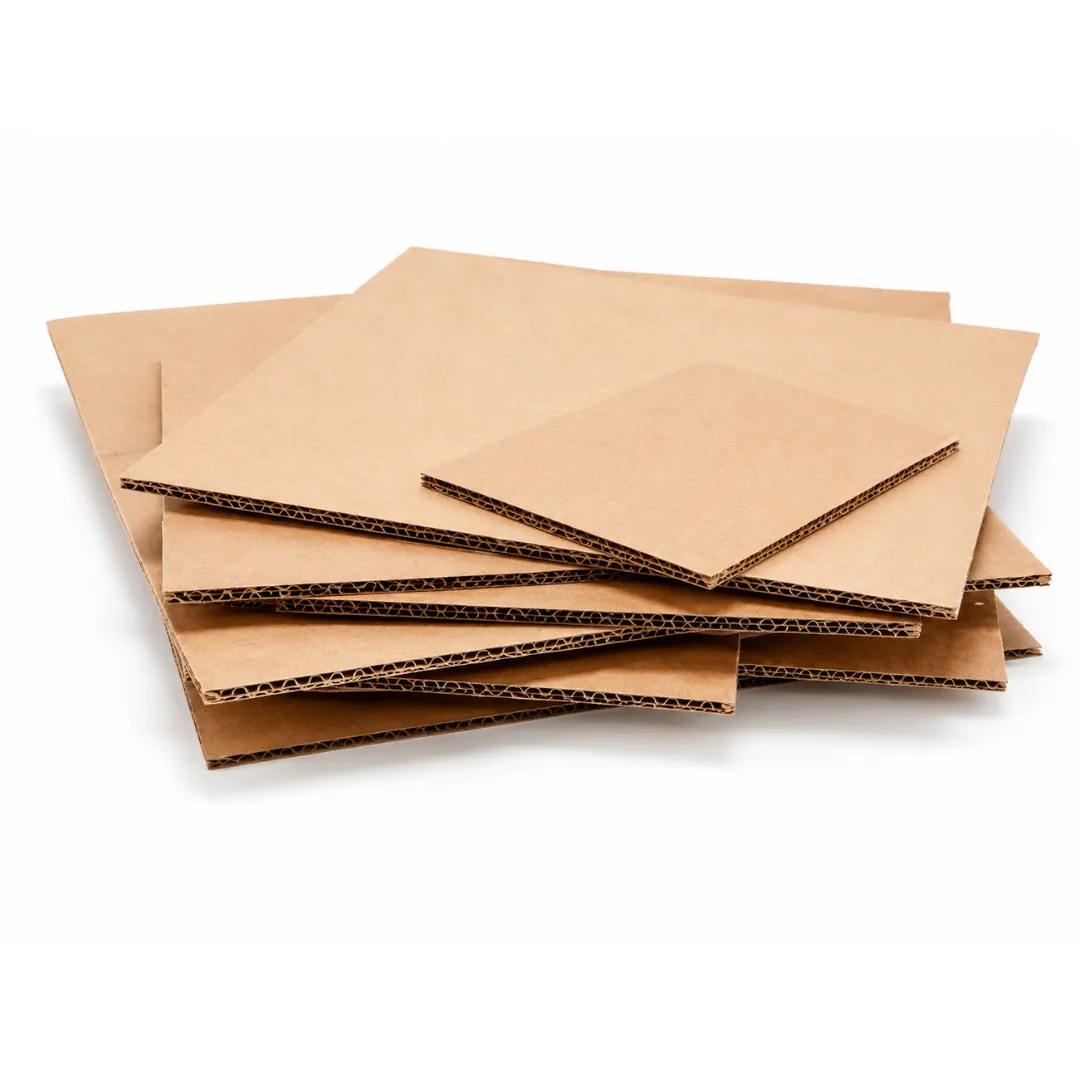
Corrugated material is easy to customize, cost effective and sustainable. It is also great for branding purposes.
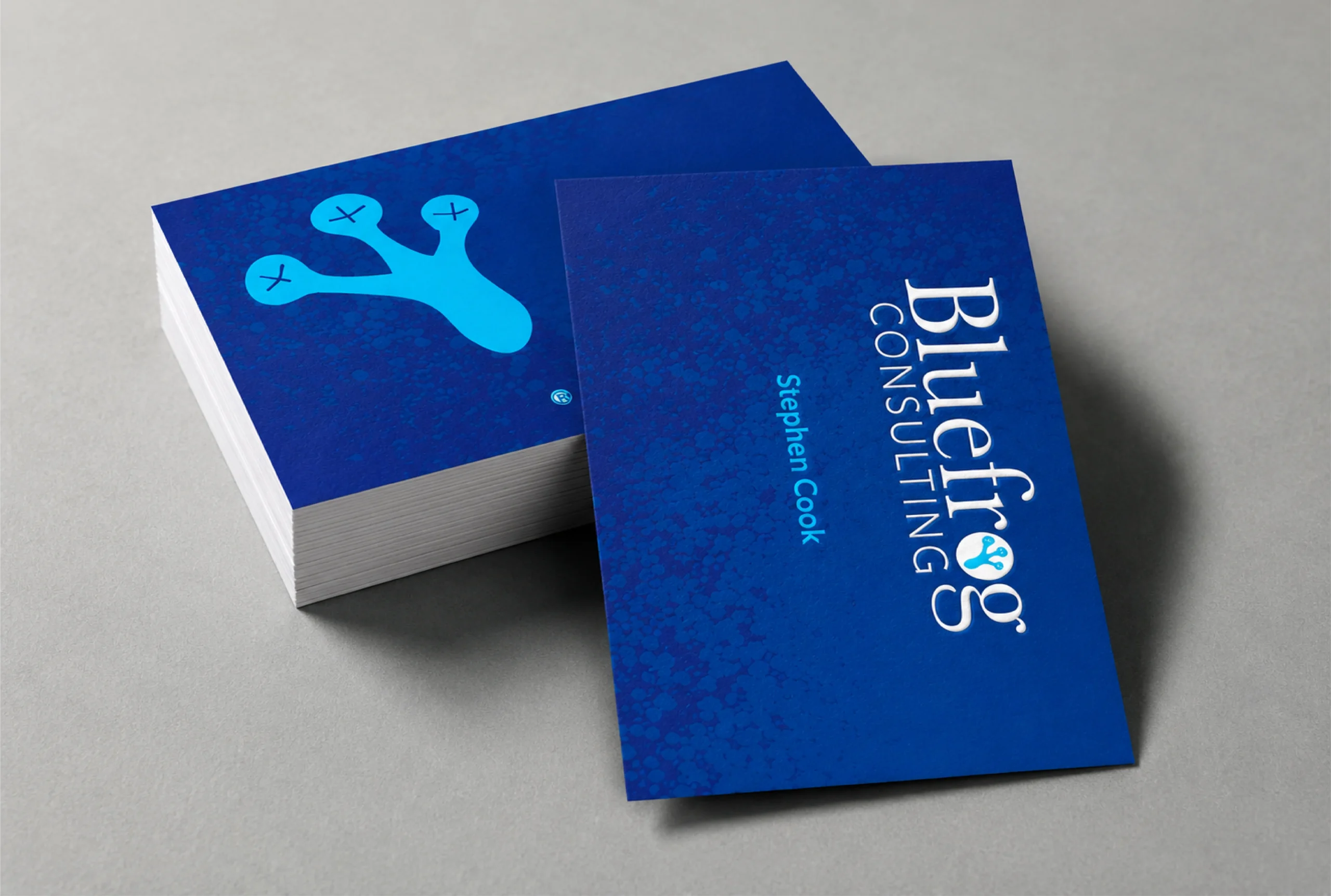
We add additional layer of protection with soft touch lamination from toner chipping.
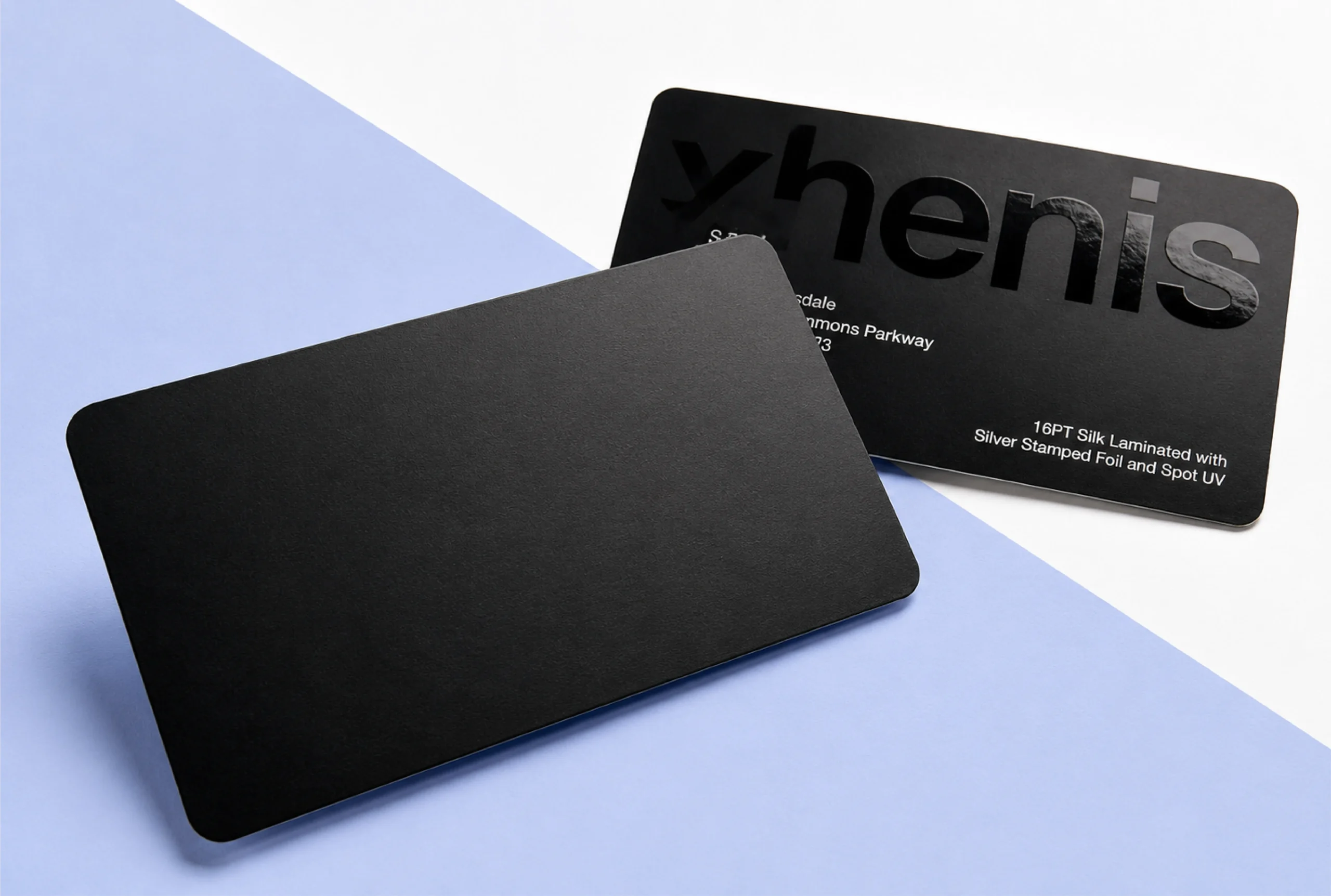
With our matte finish, fingerprints and smudges will now be less visible on the packaging.
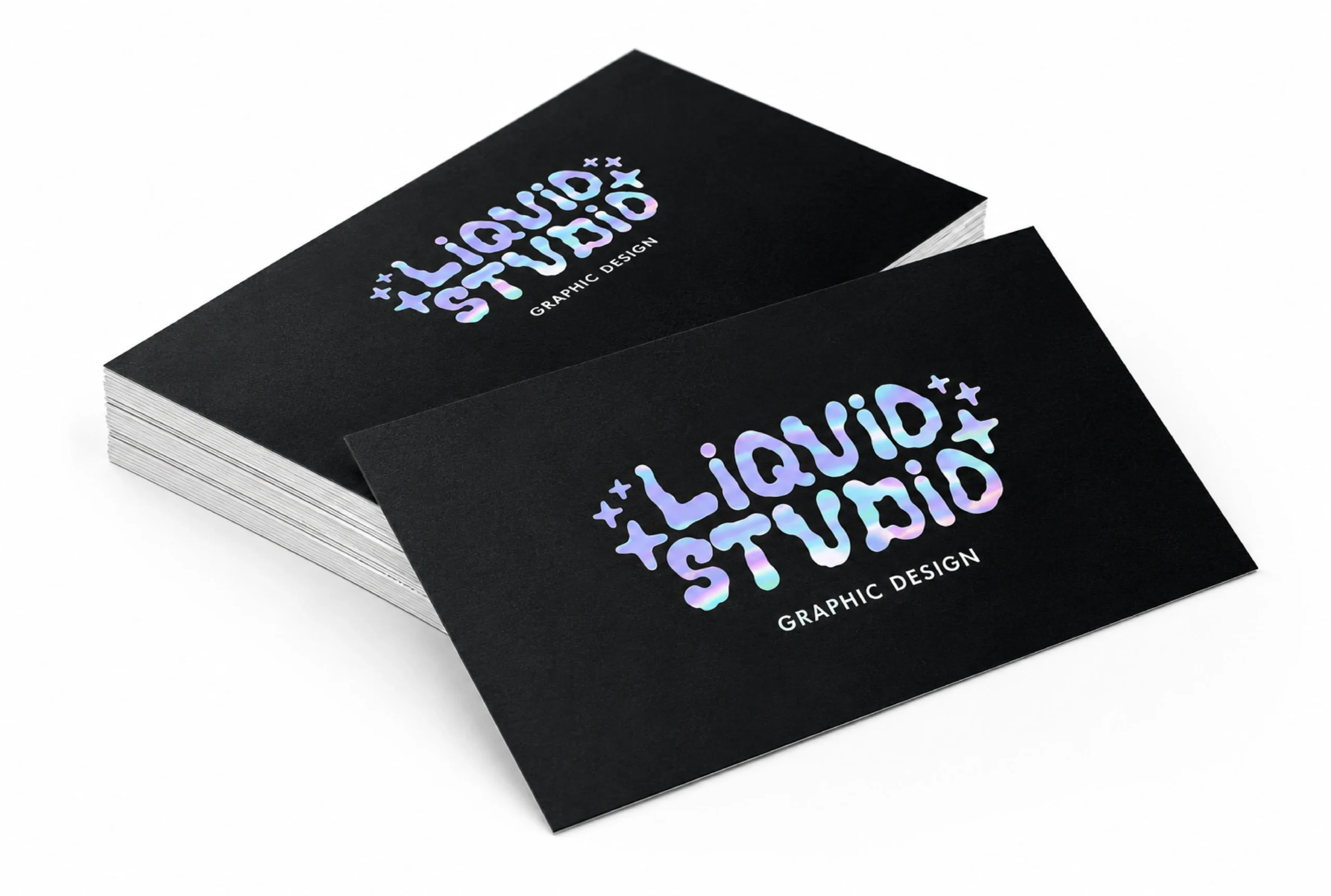
Holographic foil diffracts light and reveals the colors of the rainbow at various angles.
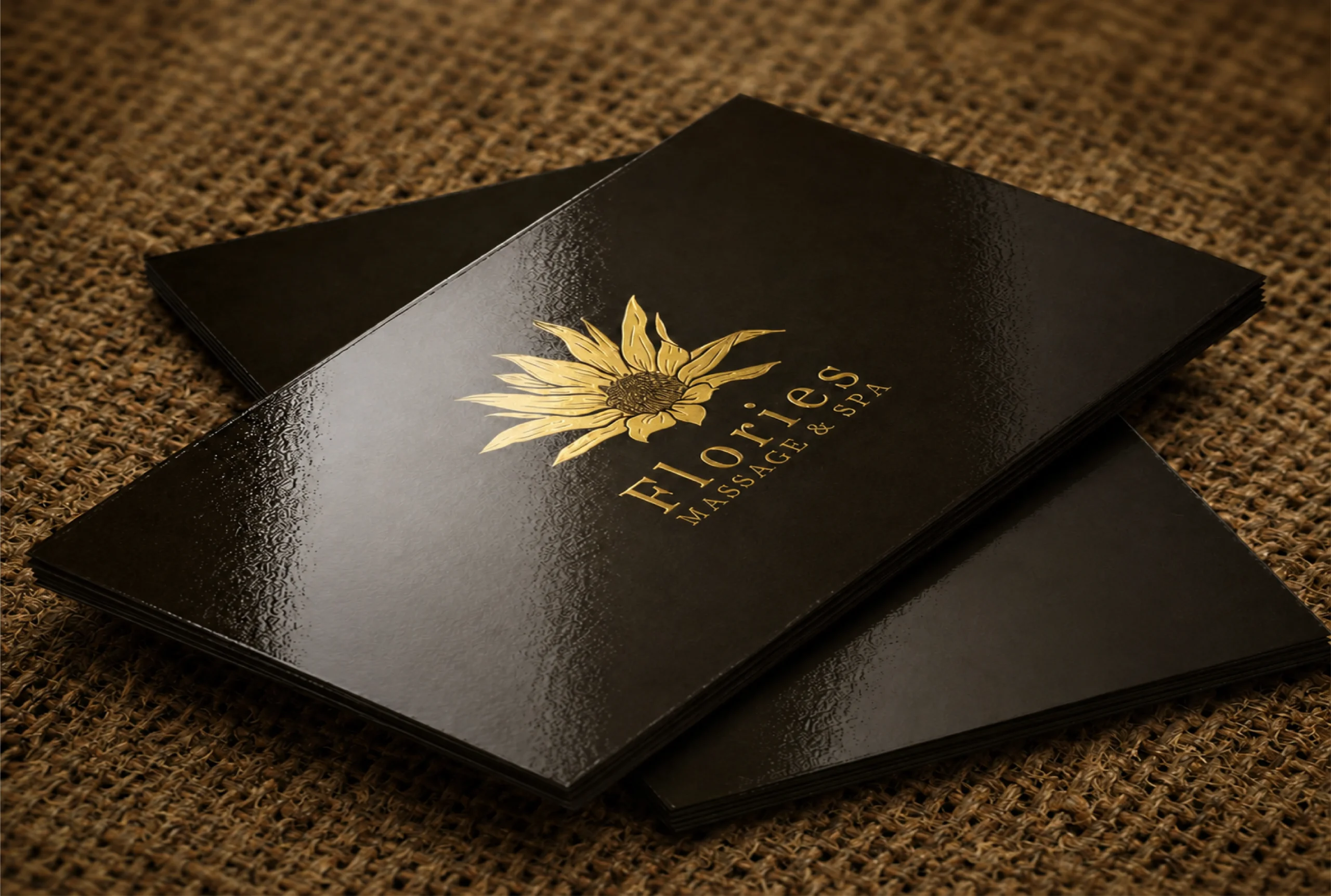
Our glossy finishing gives your packaging an extra layer of shine.
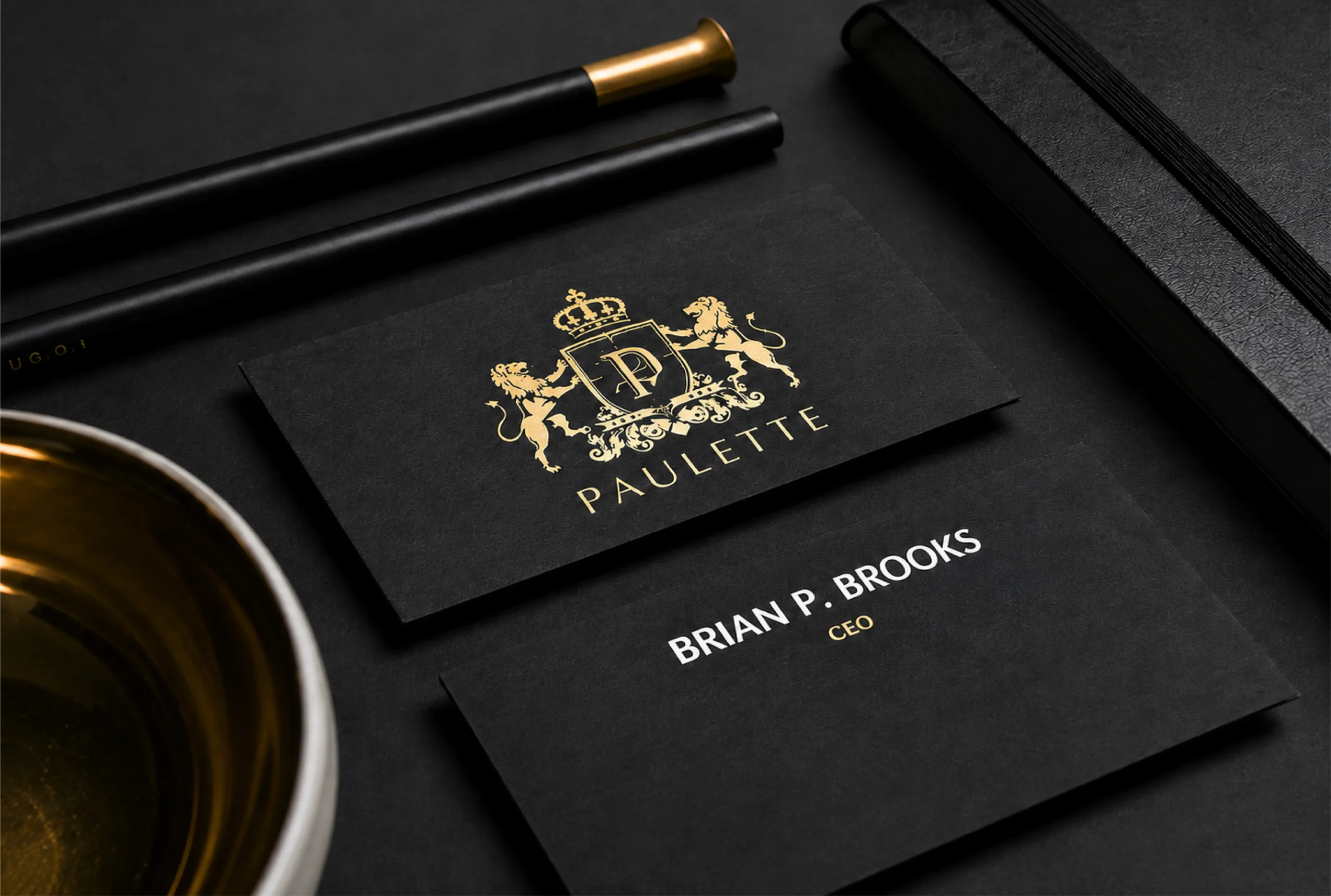
Decorate a wide range of your product packaging with our foil stamping.
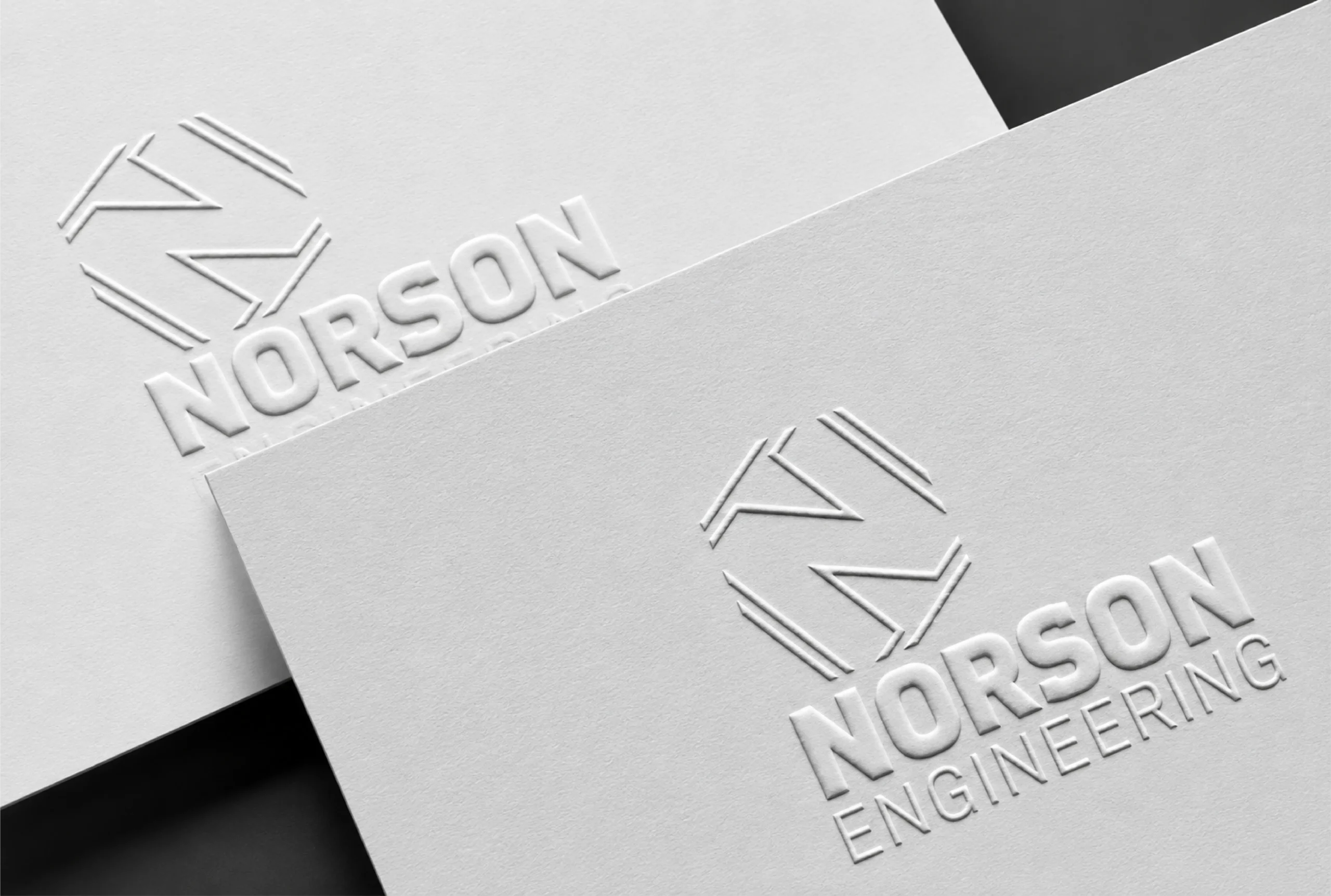
With our embossing technique, we transfer the finest details of your product on packaging.

We use debossing technique to add unique graphics into your packaging.
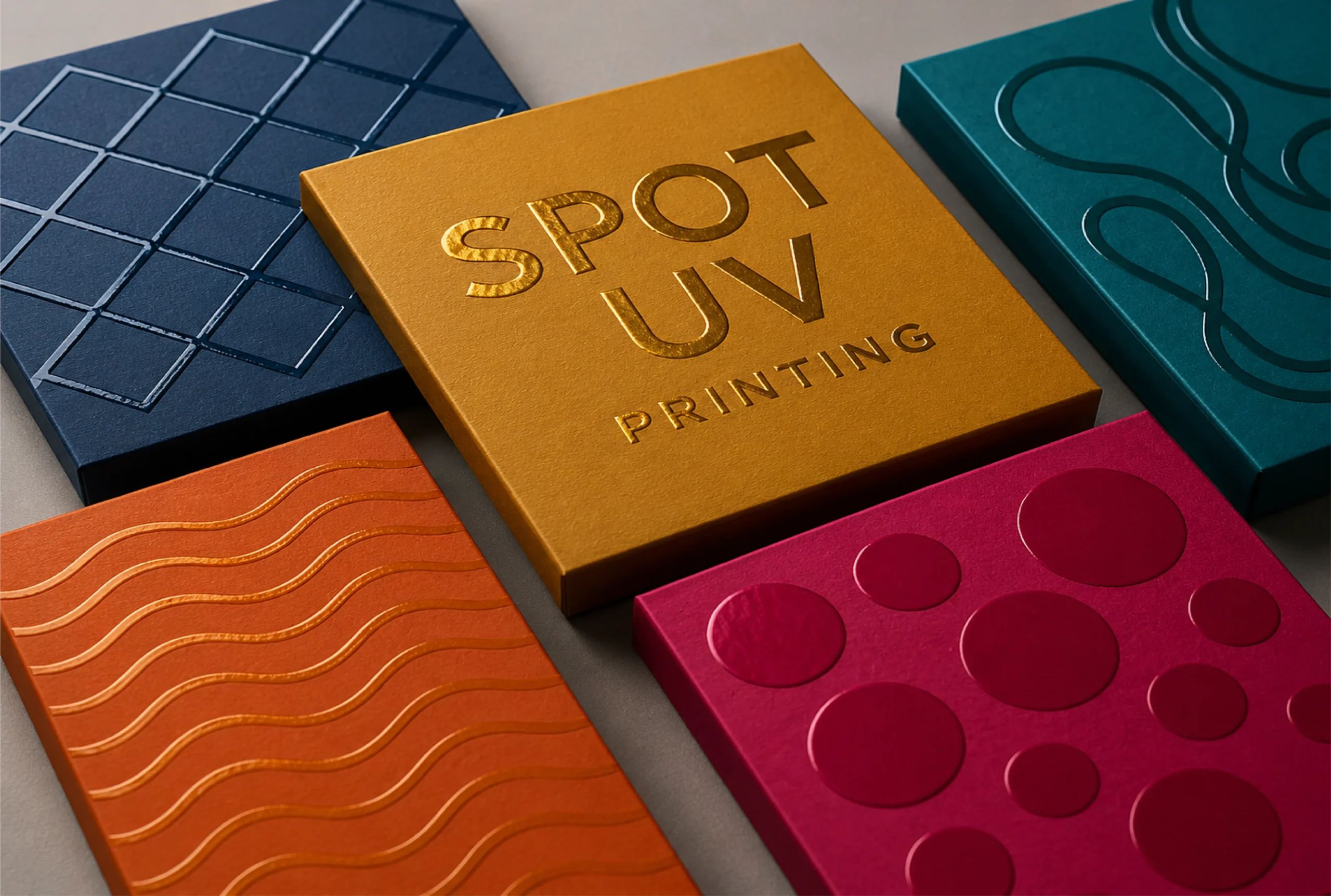
Our high-gloss UV coating gives light and shine to cure the printed material's varnish.
Still unsure? Email sales@packaginghubs.com and a packaging specialist will help.
Get your free quote today and see why Packaging Hubs is the most trusted name in U.S. custom packaging.