Free design support and free U.S. shipping. No minimum order.
Custom juice pouch packaging for fruit juices, smoothies, wellness shots, and kids’ drinks, with your choice of pouch size, spout placement, and barrier film. Add die-cut shapes, clear windows, and matte, gloss, or holographic printing with flavor and nutrition panels. Zero MOQ, free design, and free US shipping.
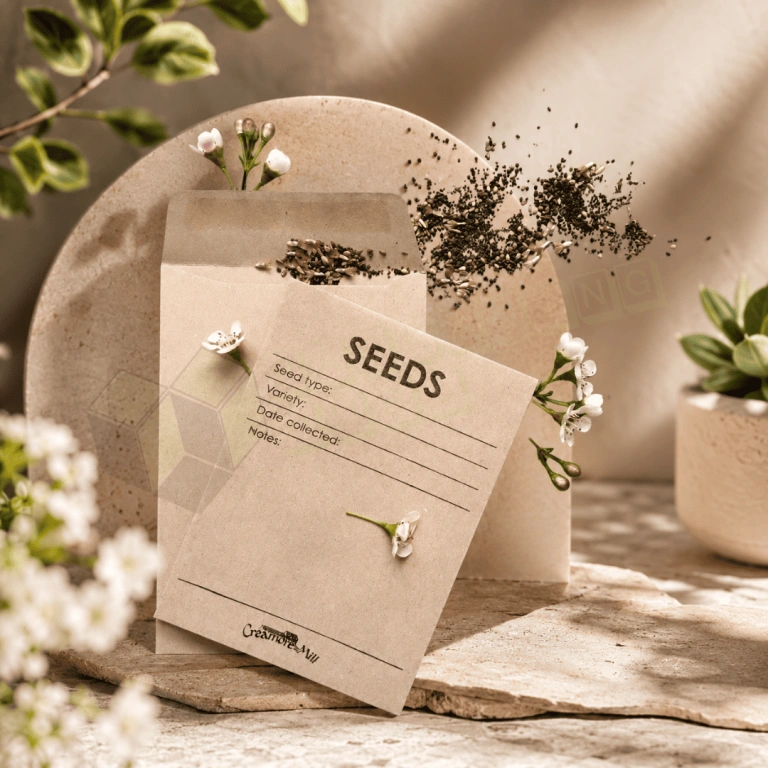
Seed packaging should make small products feel organized, protected, and trustworthy. Seeds may be lightweight, but their packaging has a serious job. It must protect the contents from handling, keep varieties clearly identified, provide enough space for planting instructions, support retail display, and help customers choose the right seed quickly.
Packaging Hubs creates seed packaging for garden brands, nurseries, farms, seed suppliers, plant shops, agricultural sellers, garden centers, ecommerce seed stores, retail seed brands, subscription garden kits, promotional seed campaigns, vegetable seed suppliers, flower seed sellers, sunflower seed packaging programs, and specialty seed brands. We help with custom printed seed packets, seed packet printing, kraft envelopes, retail boxes, flat tuck displays, paper bags, plant kit packaging, label panels, barcode space, moisture-aware material direction, and wholesale seed packaging.
Seed packaging is not only a packet. A garden center may need shelf displays. A nursery may need plant packaging with seed starter kits. An ecommerce brand may need retail boxes for seed collections. A promotional buyer may need lightweight seed packets in kraft bags. A specialty brand may need cannabis seed packaging direction with compliance review. A wholesale supplier may need stronger cartons and SKU separation for large seed runs.
Request a free quote today and create custom seed packaging that protects the product, organizes information, and improves retail presentation.
The customer often buys seeds by variety, season, planting use, and expected result. That means packaging must make the seed type easy to understand. A tomato seed packet, sunflower seed packet, herb seed packet, wildflower packet, vegetable seed pack, and cannabis seed package cannot all use the same information layout.
Seed packaging should leave space for the brand name, variety, seed count or weight, planting direction, sunlight needs, spacing, lot area, barcode, QR code, storage note, and customer support information. For products sold through retail or interstate channels, labeling requirements may also apply depending on seed type and market.
The USDA’s Federal Seed Act overview explains that the Federal Seed Act is a truth-in-labeling law for seed shipped in interstate commerce. Packaging Hubs can help plan the layout and print structure, while the seed brand should confirm final required wording for its product and market.
The right packaging depends on how the seed will be sold. A promotional packet needs a different structure from a retail garden packet, nursery kit, countertop display, or wholesale carton.
| Sales Channel | Common Seed Product | Better Packaging Direction |
| Garden center shelf | Vegetable, herb, flower, and sunflower seeds | Printed seed packets with hang or display support |
| Retail counter | Seasonal seed packets and small garden products | Flat tuck display or counter-ready carton |
| Nursery kit | Seeds with starter pots, plant markers, or soil pods | Plant kit box with packet organization |
| Ecommerce store | Single seed packets or seed bundles | Protective mailer or retail box set |
| Subscription box | Monthly or seasonal seed selections | Branded seed packets inside a printed box |
| Promotional campaign | Wildflower, herb, or eco giveaway seeds | Lightweight custom printed seed packets |
| Wholesale supplier | Large seed runs and multiple SKUs | Cartons, case labels, and SKU separation |
| Specialty seed market | Cannabis seed packaging where legally permitted | Label-ready pouch or box with compliance review |
| Food seed product | Chia, sunflower, pumpkin, or edible seeds | Food-style pouch, carton, or retail box direction |
| Retail gift set | Garden starter kit or seed collection | Printed retail box with several packets inside |
This structure helps brands choose packaging by sales channel instead of using one format for every seed product.
Retail seed packaging often needs display support. Individual seed packets may look good, but they can become messy if they are placed loosely on counters or shelves. A display structure can organize varieties, improve visibility, and make the product easier for customers to browse.
For counter and shelf-ready presentation, Flat Tuck Display packaging can support seed packets, garden products, small retail items, promotional packs, and seasonal displays.
This internal link fits because seed packets often need a display format to sell properly in garden centers, nurseries, gift shops, hardware stores, and farmers market setups.
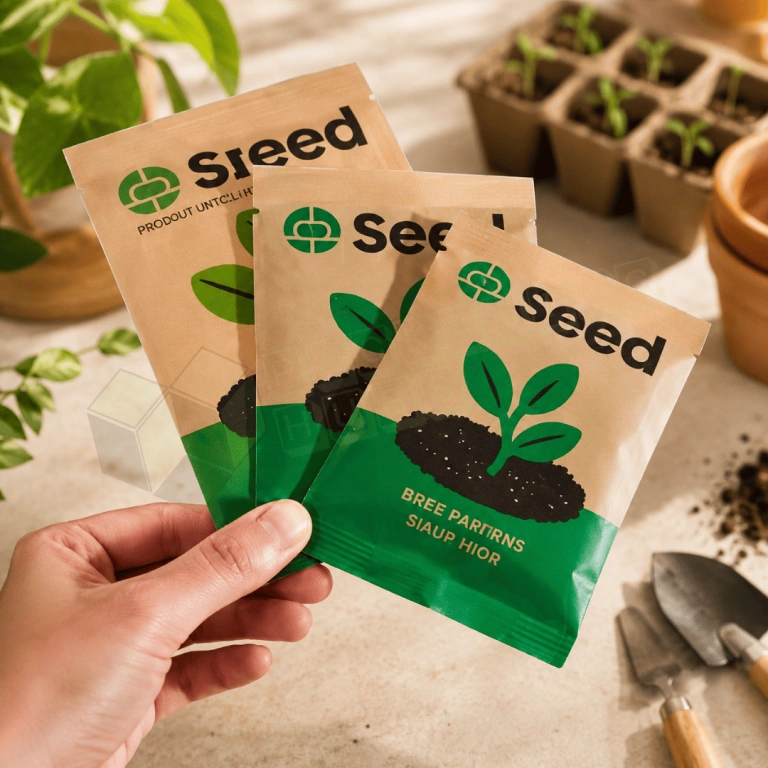
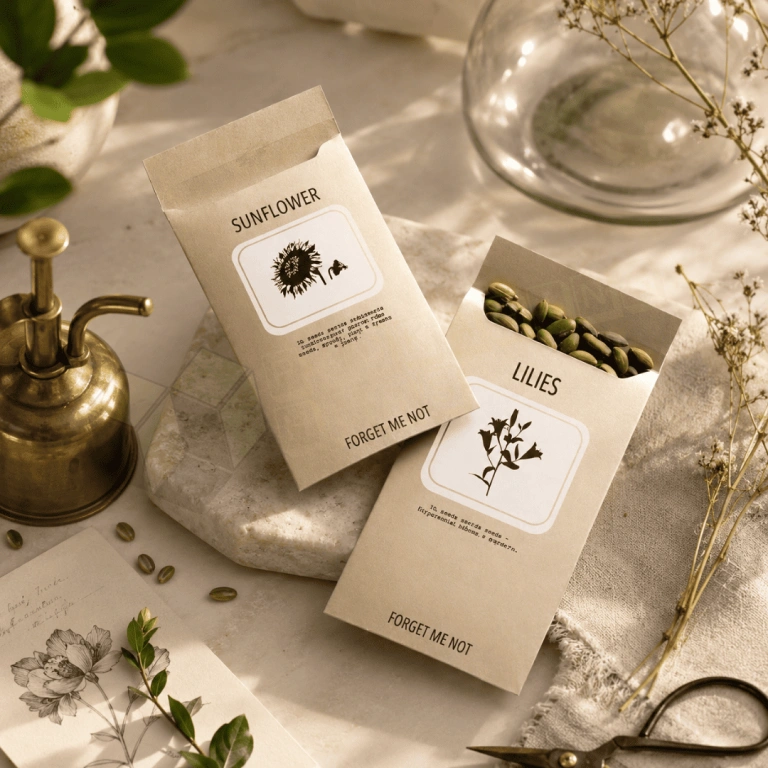
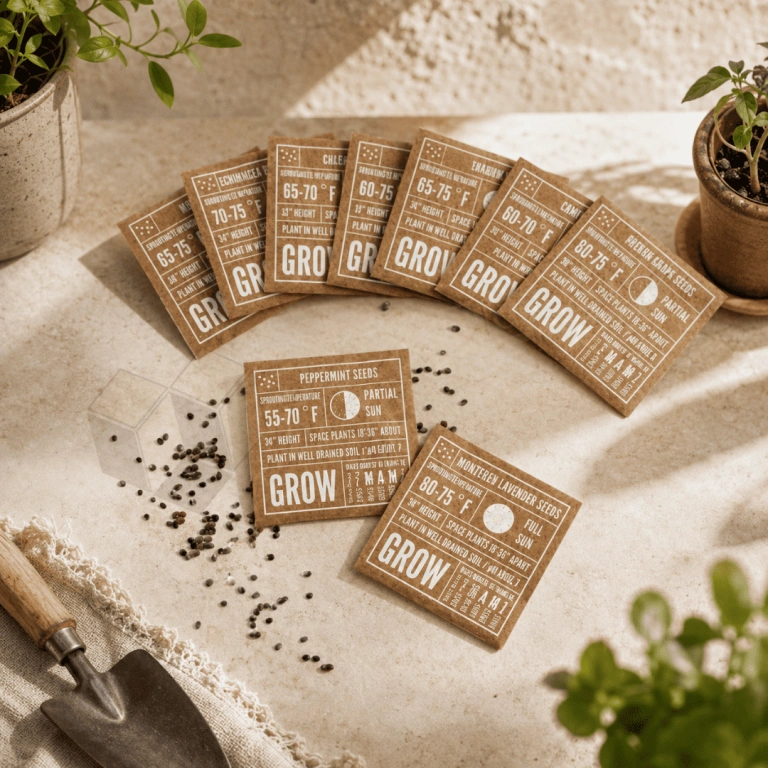
Custom printed seed packets are one of the most practical packaging choices for garden and promotional seeds. They are compact, lightweight, printable, and easy to organize. They can work for vegetable seed packing, herb seeds, flower seeds, sunflower seed packaging, pollinator mixes, school gardening programs, and promotional campaigns.
The front panel should identify the product quickly. The back panel can carry planting information, lot space, barcode, QR code, storage direction, and customer notes. A seed packet is small, so the design should stay readable. Too much artwork can make the important information hard to find.
| Packet Element | What It Should Do | Packaging Benefit |
| Variety name | Identify the exact seed type | Helps customers choose quickly |
| Front artwork | Show plant, flower, vegetable, or brand style | Improves shelf appeal |
| Planting instructions | Explain season, depth, spacing, sunlight, or care | Builds customer confidence |
| Barcode panel | Support retail checkout and inventory | Helps stores manage SKUs |
| Lot or batch area | Leave space for operational tracking | Supports organized seed sales |
| QR code | Link to planting guides or brand content | Extends education beyond the packet |
| Storage note | Explain how to keep seeds protected | Helps reduce misuse |
| Brand panel | Keep the logo clear and consistent | Builds recognition across varieties |
Strong seed packet printing should make the product easy to understand before the customer turns the packet over.
Some seed products are sold as kits, bundles, or promotional sets. A kraft paper bag can hold several seed packets, plant markers, small cards, starter guides, or light garden accessories. This works well for farmers markets, nurseries, school garden programs, eco campaigns, and boutique garden shops.
For kraft-style retail and carry packaging, Kraft Landscape Paper Bag options can support garden kits, seed bundles, plant products, retail sets, and lightweight branded packaging.
This link fits because seeds packaging often extends beyond the packet. A kraft bag can turn several small packets into one sellable or giftable package.
Seeds need packaging that supports storage, information, and handling. The right material depends on seed type, moisture sensitivity, display method, and order size.
| Specification | Available Direction | Why It Matters for Seed Packaging |
| Packet material | Kraft paper, white paper, coated paper direction, paperboard, mylar-style pouch direction | Matches brand look, storage need, and product type |
| Packaging style | Seed packet, kraft envelope, retail box, flat tuck display, mylar bag, kit box | Fits garden, retail, ecommerce, and wholesale use |
| Closure option | Fold-over flap, adhesive seal, heat seal, zipper direction, tuck closure | Helps protect contents and control access |
| Print method | CMYK, PMS matching, one-color print, full-color print, inside print direction | Supports brand identity and variety recognition |
| Information panels | Variety name, seed count, net weight, lot space, barcode, planting notes | Improves customer trust and retail readiness |
| Finish direction | Matte, gloss, uncoated kraft, soft-touch direction, spot UV, foil direction where suitable | Supports premium or natural brand positioning |
| Moisture direction | Inner liner, sealed pouch, barrier bag, secondary carton | Helps protect seeds during storage and shipping |
| Display option | Hang hole, flat tuck display, retail box, countertop carton | Makes small packets easier to sell |
| Wholesale support | Case cartons, SKU dividers, master labels, bulk packing | Helps organize larger seed orders |
| Add-on direction | Planting cards, inserts, QR codes, garden guides, branded sleeves | Improves customer education and brand value |
The best structure depends on seed variety, quantity, shelf life direction, retail channel, and whether the product is sold as one packet, a bundle, or a wholesale program.
Many seed brands sell more than packets. They may offer starter pots, plant markers, seedling kits, grow kits, nursery products, soil pods, or seasonal planting boxes. These products need packaging that connects the seed stage with the plant-growing experience.
For nursery and plant-related packaging, plant packaging can support seed kits, starter plant products, nursery items, grow kits, retail plant boxes, and garden product packaging.
This internal link fits because seed packaging often belongs inside a larger plant product system. The seed packet protects and identifies the seed, while plant packaging supports the full starter kit or nursery offer.
Vegetable seed packing should be clear, practical, and easy to compare. Gardeners often choose based on variety, planting season, maturity time, spacing, sunlight needs, and expected use. A packet with weak information can make the brand look less reliable.
Vegetable seed packaging may be used for tomatoes, peppers, cucumbers, lettuce, carrots, beans, herbs, squash, radish, onions, and seasonal seed mixes. If a brand sells many varieties, the packaging should use a consistent layout that makes comparison easy.
Color systems can help. One color family can represent vegetables, another herbs, another flowers, and another pollinator mixes. This keeps the brand organized without repeating the same packet design for every seed.
Seed brands often sell packets in groups. A vegetable garden kit, herb starter set, sunflower collection, wildflower mix box, pollinator kit, school garden program, or seasonal gift set needs more than single packets. It needs an outer box that organizes the packets and improves presentation.
For boxed seed sets and retail-ready packaging, Retail Boxes can support seed collections, garden starter kits, plant products, small retail goods, and branded product packaging.
This link fits because seed packets become more valuable when they are arranged into a kit. Retail boxes can protect multiple packets, create a stronger shelf presence, and help the product sell as a gift or seasonal program.
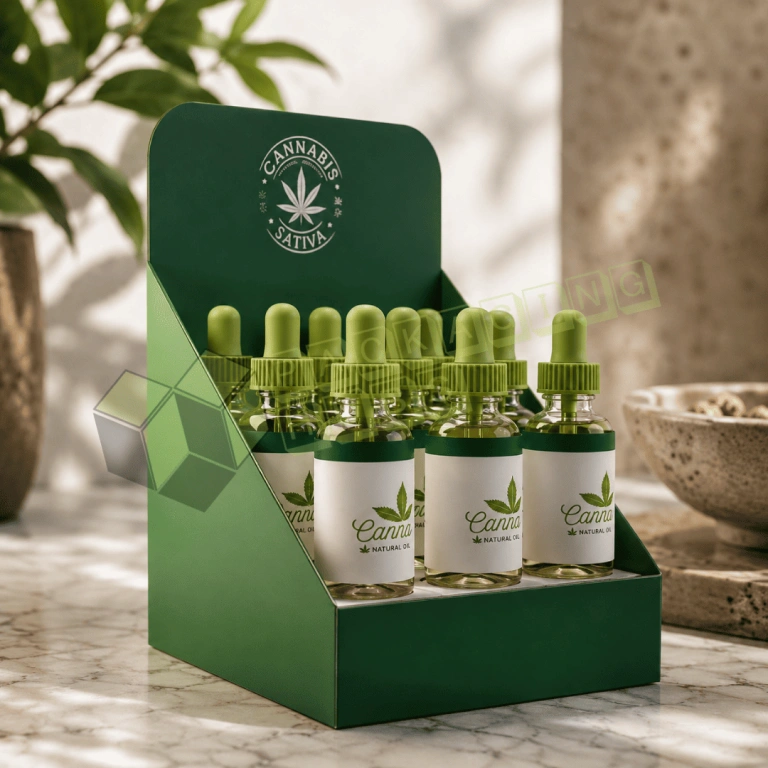
Cannabis seed packaging requires careful planning because rules can vary by location, product type, sales channel, and business model. Packaging may need secure closures, discreet presentation, label-ready panels, lot or batch areas, tamper-evident direction, or child-resistant direction where applicable.
Packaging Hubs can help with the physical packaging structure, print layout, pouch direction, retail box design, insert space, and label areas. However, cannabis seed businesses should confirm legal and compliance requirements with qualified professionals before finalizing packaging language, claims, symbols, or sales details.
This keeps the packaging professional while avoiding assumptions about regulations that may differ by market.
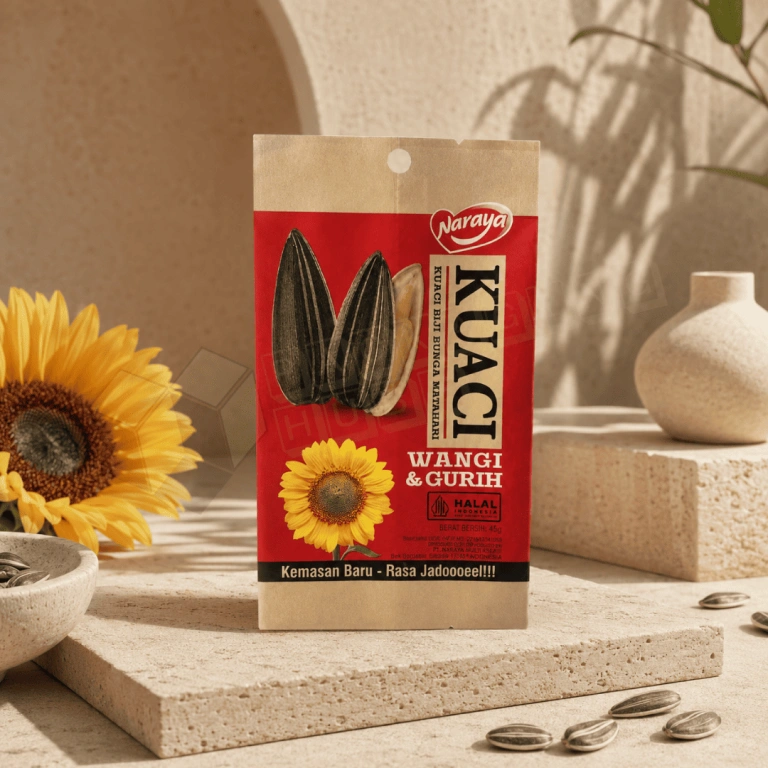
Sunflower seed packaging can serve different audiences. Garden sunflower seed packets need planting instructions, bloom details, variety names, and growing information. Edible sunflower seed packaging may need nutrition-style panels, food packaging direction, flavor labels, and stronger barrier materials.
The package should make the product use clear. Customers should know whether the sunflower seeds are for planting, snacking, bird feed, or another use. The wrong visual style can confuse buyers and weaken trust.
A retail garden packet can use bright flower imagery and planting details. A food-style sunflower seed package may need a pouch, carton, or food retail box with ingredient and nutrition space.
Wholesale seed packaging needs organization more than decoration. A supplier may manage dozens or hundreds of varieties. Packets must be counted, separated, labeled, packed into cartons, shipped, received, and restocked without confusion.
Wholesale packaging should plan SKU separation, case labels, master cartons, packet counts, display cartons, and reorder information. A good wholesale system helps nurseries, garden centers, ecommerce teams, and distributors move seed products faster.
For larger seed brands, consistency across packet size and information placement also helps reduce design confusion. Customers and staff can recognize the brand while still identifying each variety.
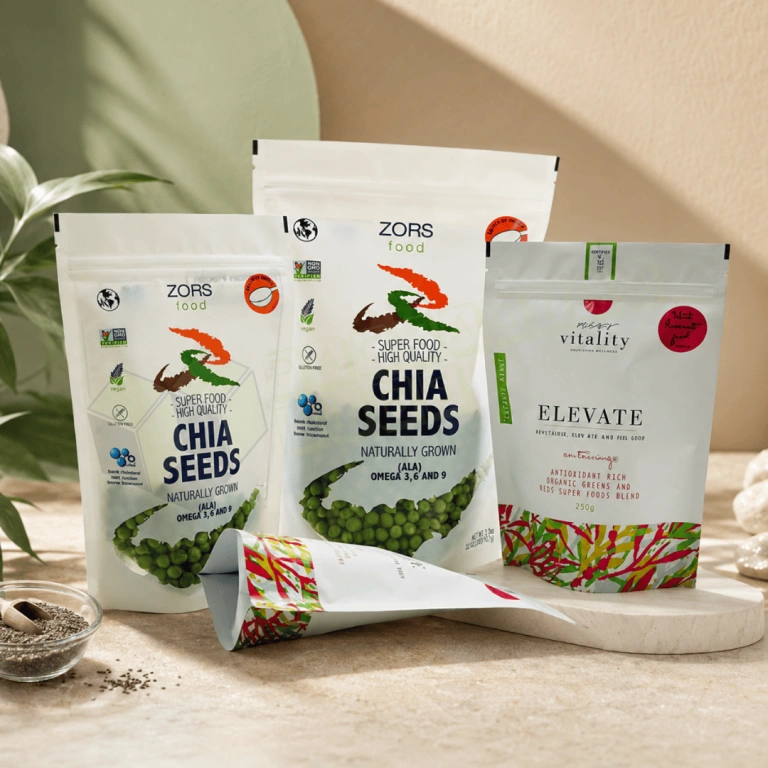
Paper seed packets are practical for many garden seeds, but some seed products may need stronger barrier direction. Mylar-style bags can support moisture-aware packaging, resealable storage direction, and premium retail display for certain seed categories.
This can be useful for specialty seeds, edible seed products, bulk seed programs, cannabis seed packaging direction where legally permitted, or products that need more protection than standard paper. The right material depends on the seed, storage conditions, shelf-life goals, and selling channel.
Brands should avoid assuming that every seed needs mylar. A simple packet may be enough for one product, while another may need a sealed pouch or secondary carton.
Packing seeds for ecommerce requires protection against bending, tearing, crushing, and order mix-ups. Seed packets are lightweight, but they can still arrive damaged if they are packed loosely inside weak mailers. Multi-packet seed sets can also shift during transit if they are not organized.
The USPS package preparation guidance recommends using packaging that is strong enough to protect what is being sent. For seed ecommerce orders, that means the packet, sleeve, retail box, mailer, and outer carton should match the number of packets and handling route.
A boxed seed set usually feels more premium than loose packets. It can also help prevent bending and make the order easier to present as a gift.
Seed brands often want kraft, recyclable, compostable, recycled, natural, or eco-friendly packaging because the product itself is connected to gardening and growth. That direction can make sense, but the claim should match the actual material.
The FTC Green Guides help businesses avoid misleading environmental claims around recyclable, recycled, compostable, sustainable, and eco-friendly packaging language.
Packaging Hubs can discuss kraft packets, recycled paper direction, recyclable-direction materials where available, reduced-material packaging, paperboard retail boxes, and right-sized cartons. Final environmental claims should match supplier documentation and local recovery access.
Seed packaging can be used for more than retail shelves. Schools may use seed packets for environmental programs. Companies may use wildflower packets for promotional campaigns. Nurseries may create spring seed kits. Garden brands may build seasonal collections. Retail stores may sell seed gift boxes for holidays and Mother’s Day.
Packaging ideas can include custom printed seed packets, kraft bag kits, boxed seed collections, counter displays, QR-coded planting guides, seed starter packs, pollinator garden kits, and educational seed cards.
The best idea is the one that makes the seed easy to understand and easy to use. Packaging should not become so decorative that planting information gets lost.
Packaging Hubs supports garden brands, nurseries, farms, seed suppliers, plant shops, garden centers, ecommerce sellers, retail stores, subscription garden kits, promotional brands, cannabis seed businesses where legally permitted, and wholesale seed distributors.
You can order seed packaging, custom seed packaging, custom printed seed packets, seed packet printing, vegetable seed packing, sunflower seed packaging, cannabis seed packaging direction, seeds packaging, seeds packing, seeding packaging, wholesale seed packaging, and packaging for seeds. Options can include paper packets, kraft envelopes, flat tuck displays, retail boxes, kraft bags, plant kit boxes, mylar-style pouch direction, barcode panels, planting instruction space, variety labels, and case cartons.
Share your seed type, packet size, quantity, artwork, material preference, retail or wholesale use, label needs, moisture protection needs, and deadline. Packaging Hubs can recommend a practical direction for packet, box, display, bag, print, and production.
Packaging Hubs creates custom seed packaging for brands that need clearer information, better display, stronger presentation, and packaging that fits real sales channels. We help with custom printed seed packets, seed packet printing, retail seed boxes, flat tuck displays, kraft seed kit bags, plant packaging, wholesale cartons, vegetable seed packing, sunflower seed packaging, cannabis seed packaging direction, and packaging for seeds.
Whether you need seed packaging for garden centers, nurseries, ecommerce, retail shelves, promotional campaigns, subscription kits, or wholesale distribution, Packaging Hubs can help you build a packaging system that looks professional and works properly.
Request a free quote today and create seed packaging that protects the product, organizes varieties, and supports your brand from packet to display.
| Box Style | Seed Packaging |
| Dimension (L + W + H) | All Custom Sizes & Shapes |
| Quantities | No Minimum Order Required |
| Paper Stock | 10pt to 28pt (60lb to 400lb) Eco-Friendly Kraft, E-flute Corrugated, Bux Board, Cardstock |
| Printing | No Printing, CMYK, CMYK + 1 PMS color, CMYK + 2 PMS colors |
| Finishing | Gloss Lamination, Matte Lamination, Gloss AQ, Gloss UV, Matte UV, Spot UV, Embossing, Foiling |
| Included Options | Die Cutting, Gluing, Scored, Perforation |
| Additional Options | Eco-Friendly, Recycled Boxes, Biodegradable |
| Proof | Flat View, 3D Mock-up, Physical Sampling (On request) |
| Turnaround | 4 – 8 Business Days, RUSH |
| Shipping | FLAT |
Pick the stock and the finish that suit your product. We’ll confirm both on your proof before anything is printed.
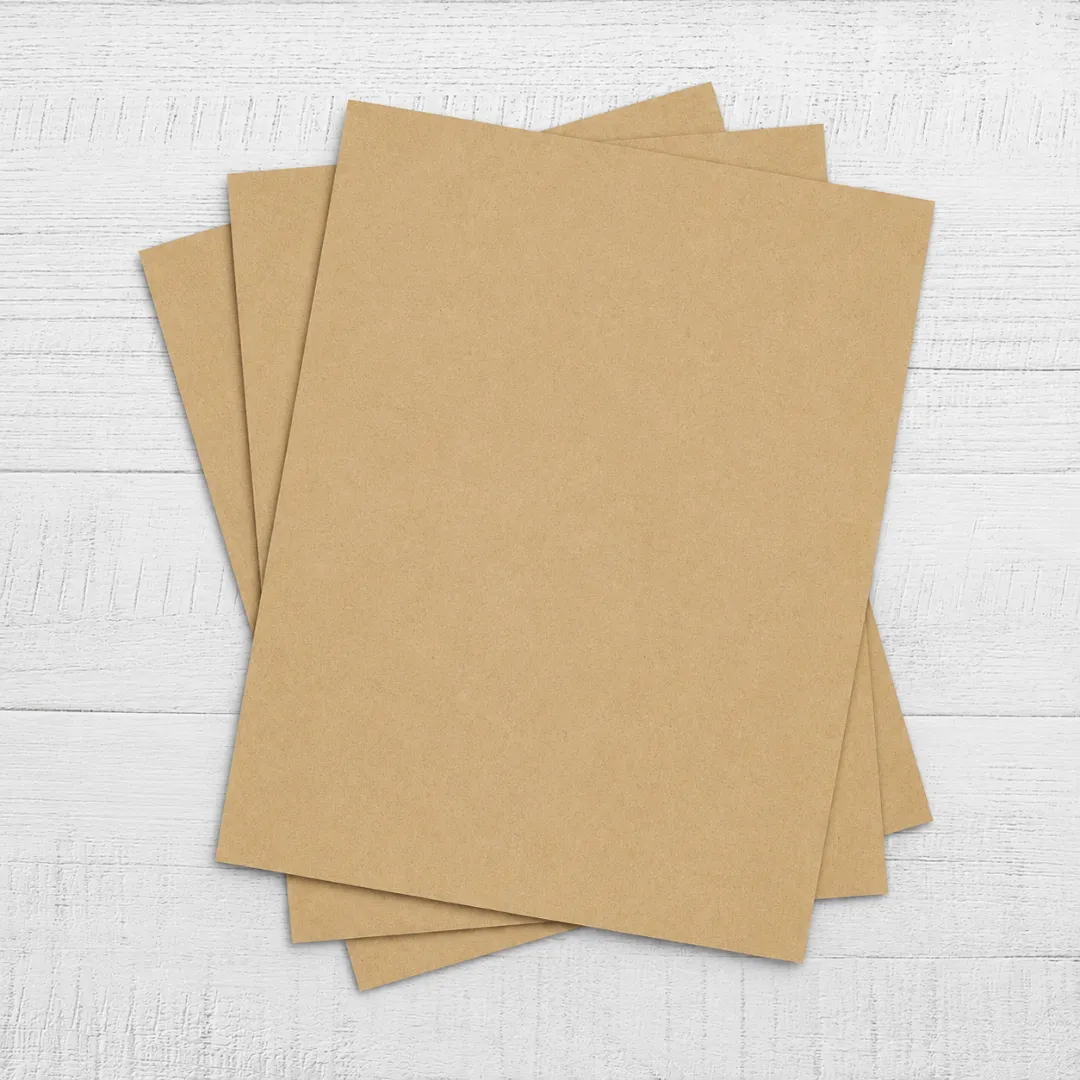
Kraft paper is a strong, durable and reliable material that is widely used across many different industries.
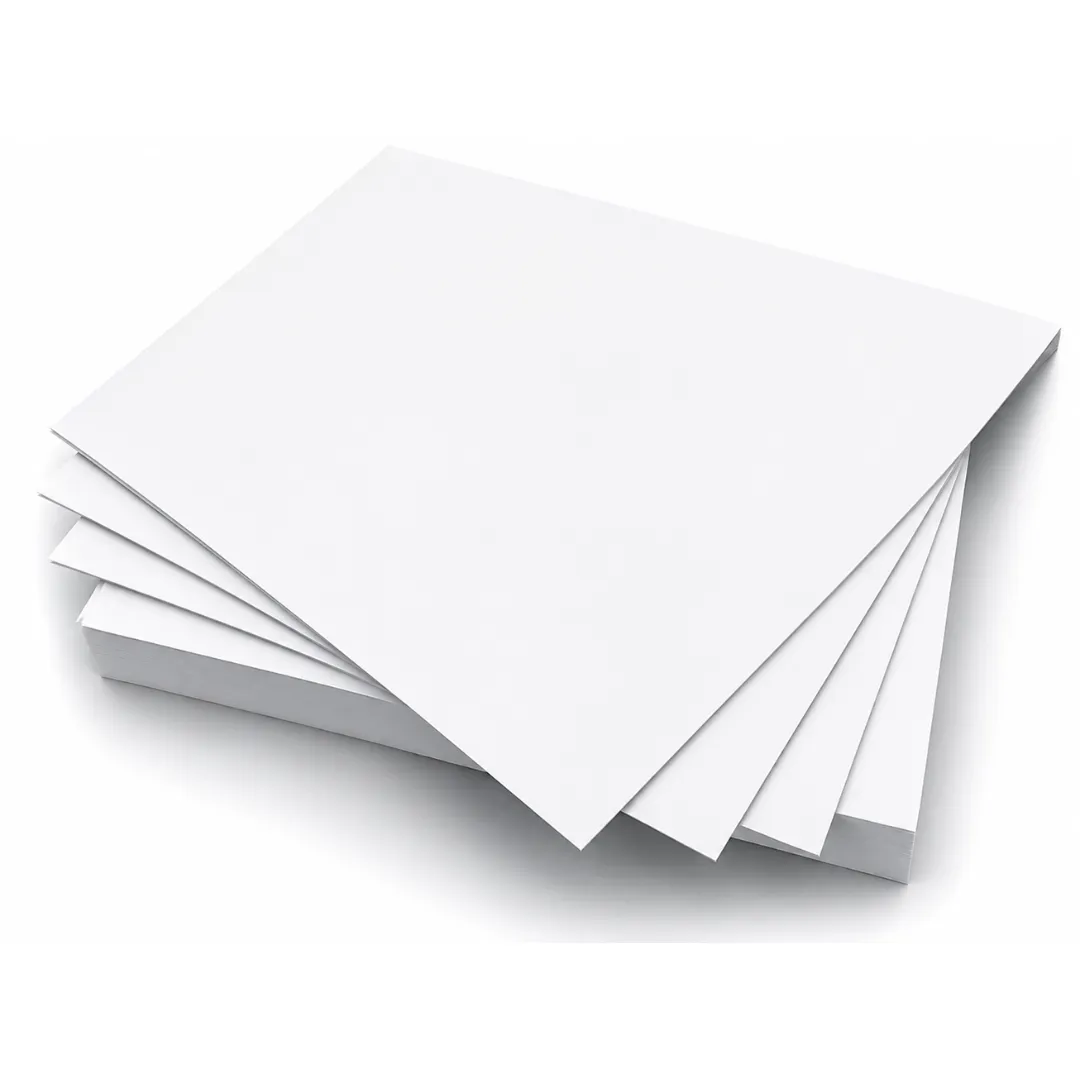
We use cardboard material with the least environmental impact and minimizes waste generation.
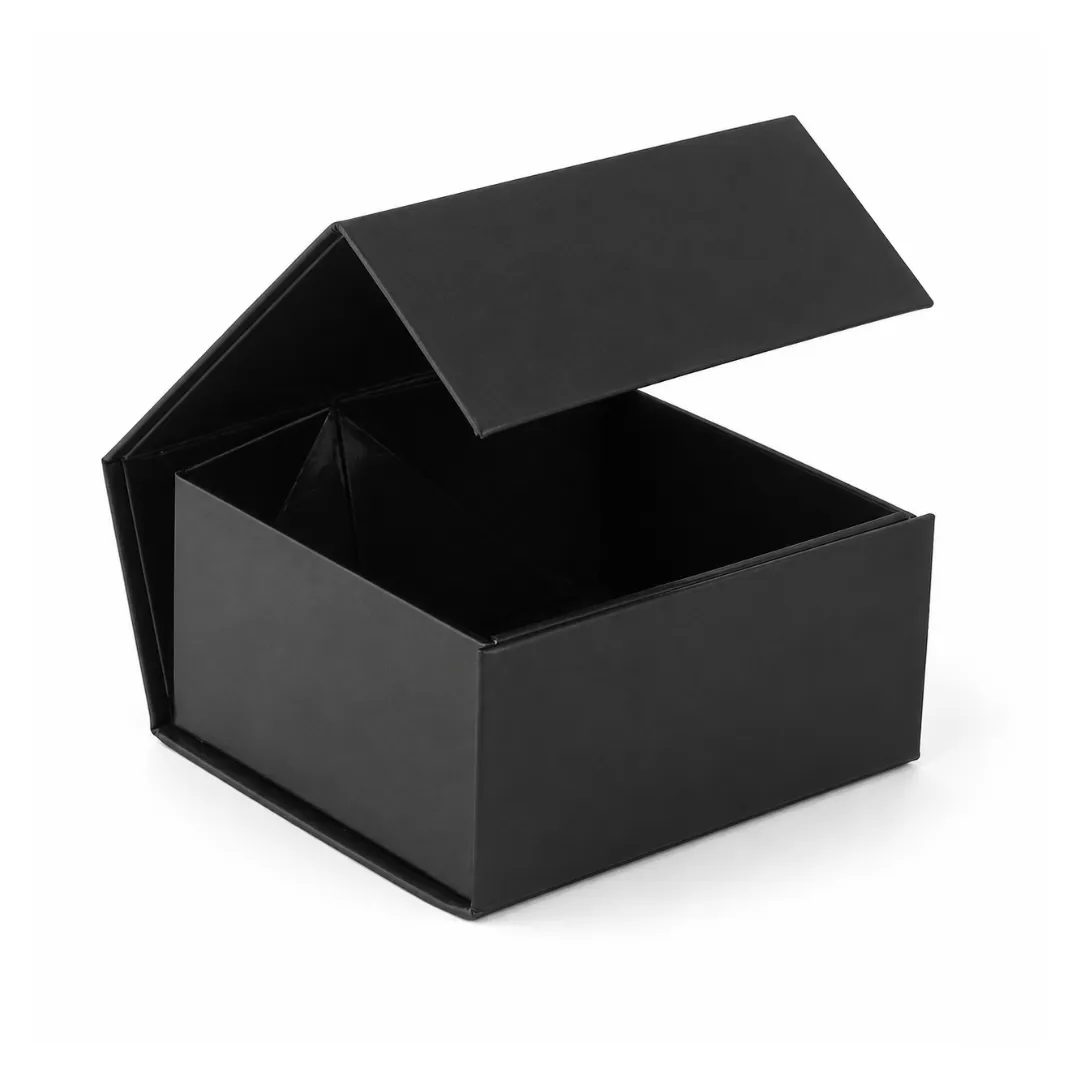
Rigid is highly protective, affordable and recyclable material. These boxes provide maximum protection.
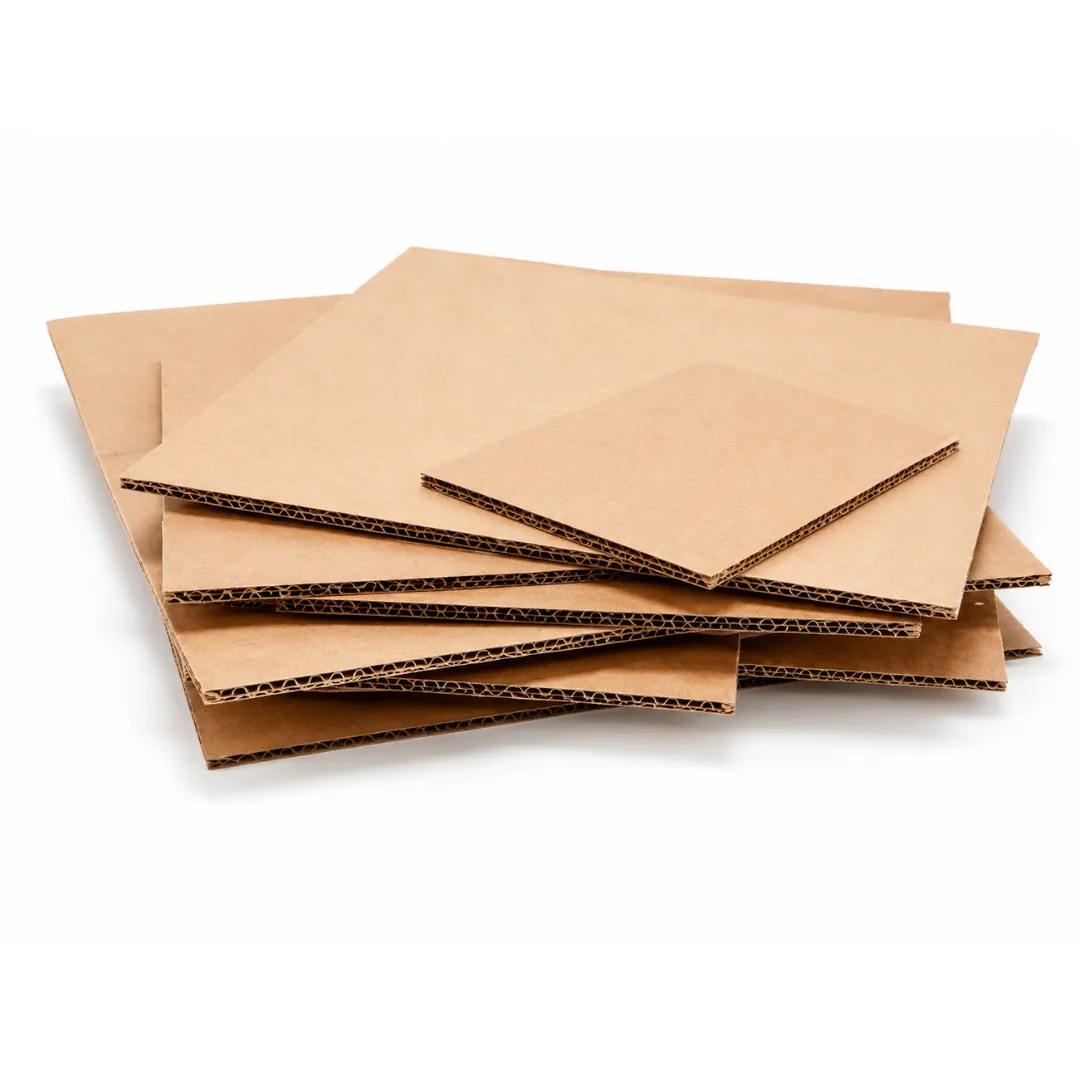
Corrugated material is easy to customize, cost effective and sustainable. It is also great for branding purposes.
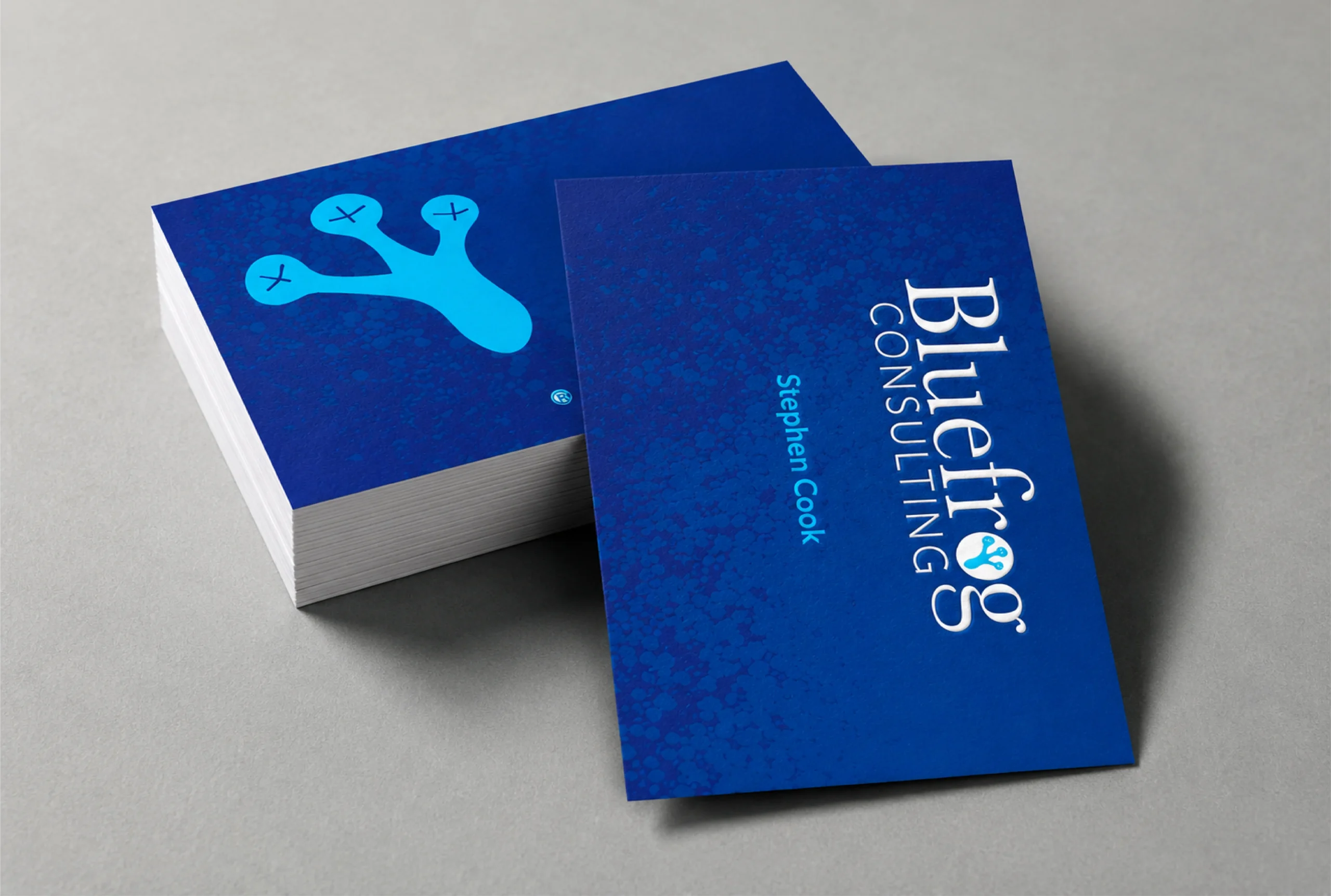
We add additional layer of protection with soft touch lamination from toner chipping.
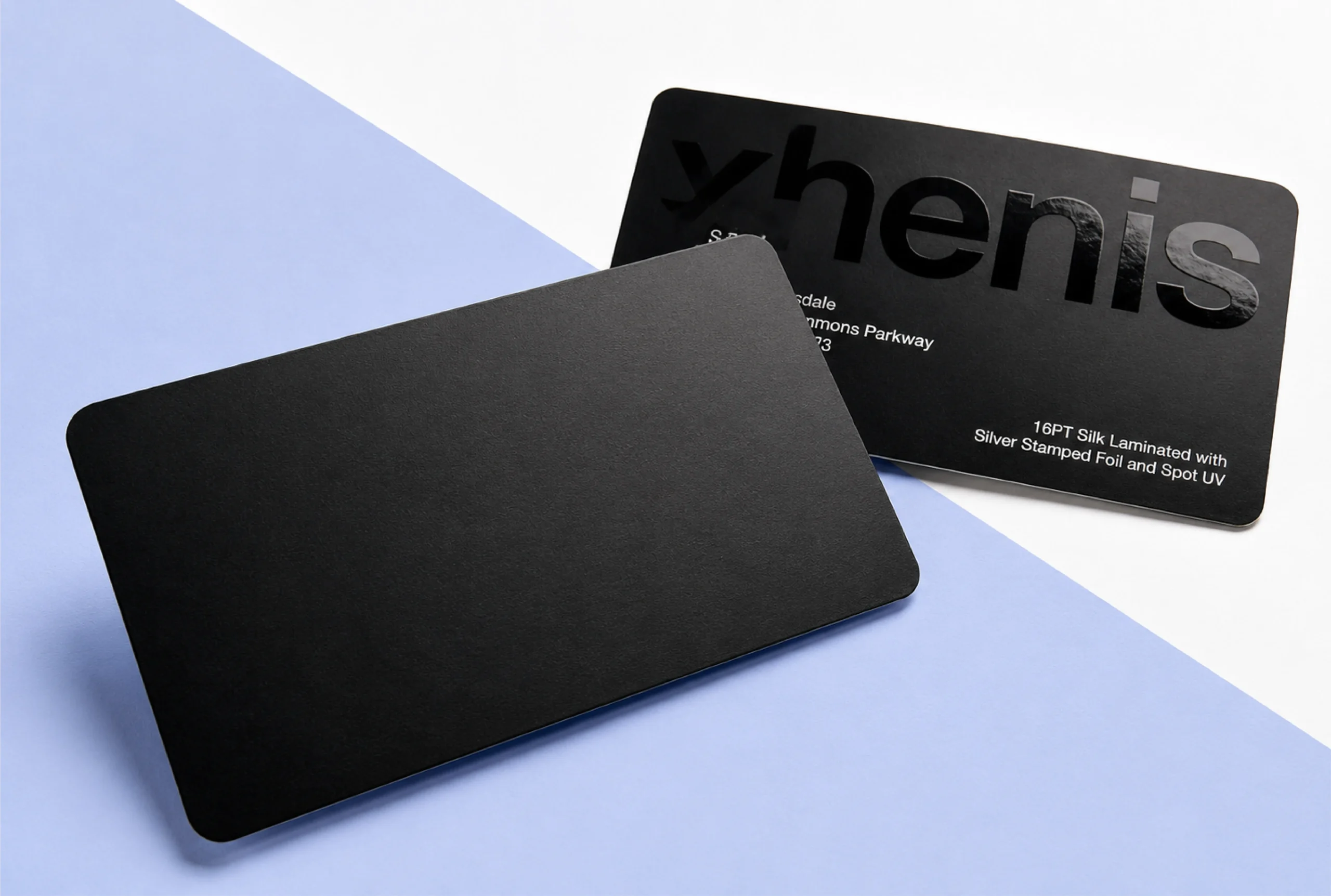
With our matte finish, fingerprints and smudges will now be less visible on the packaging.
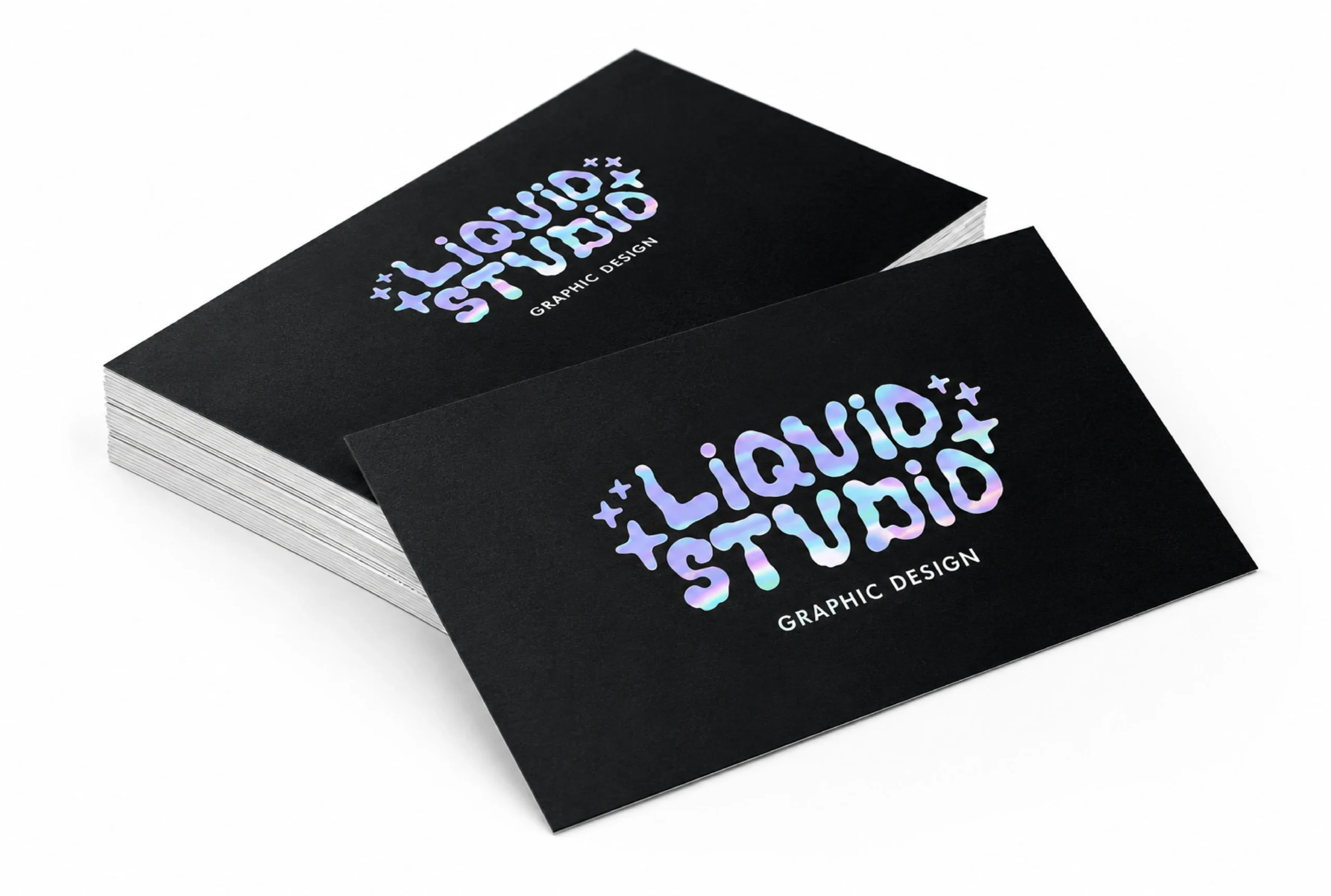
Holographic foil diffracts light and reveals the colors of the rainbow at various angles.
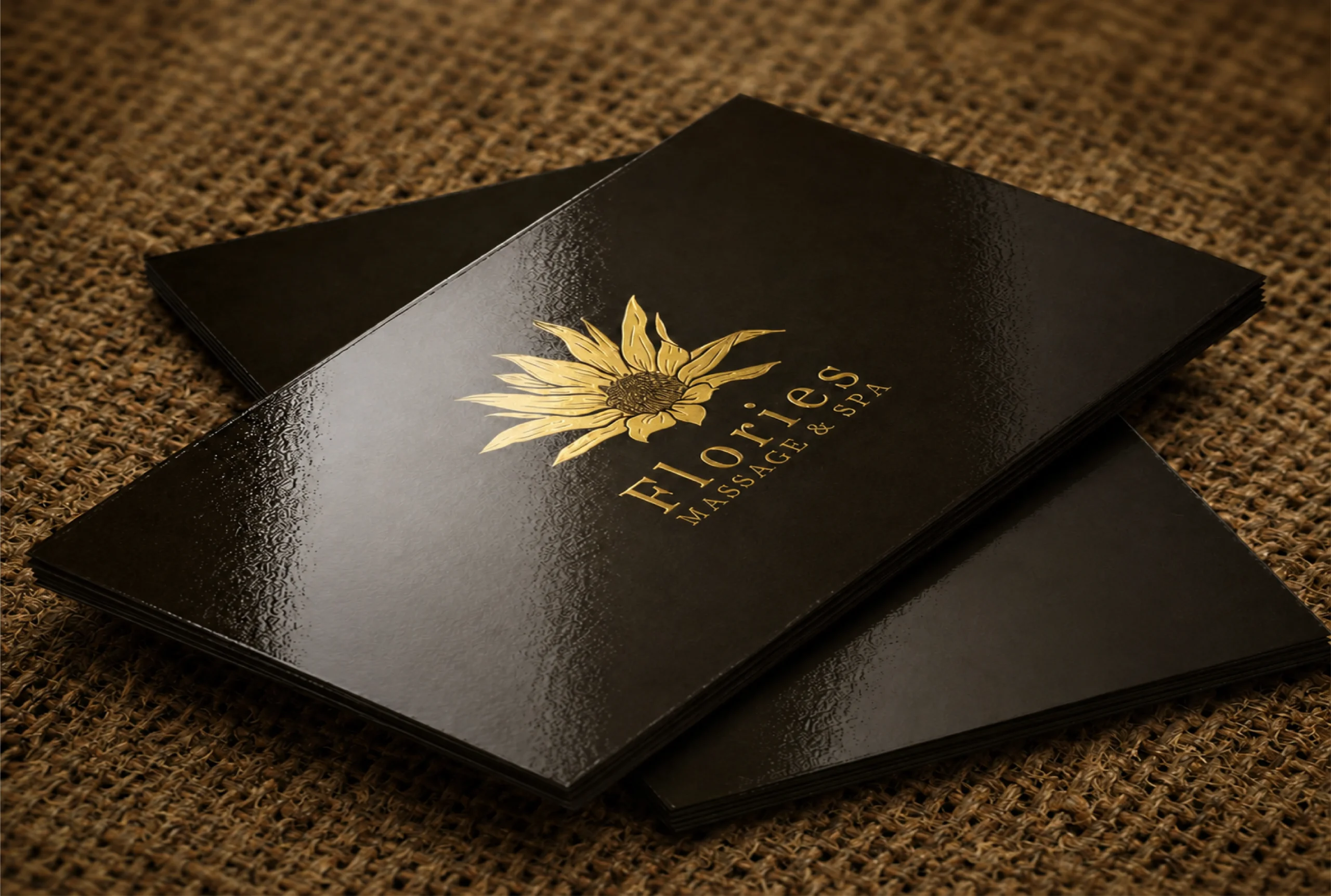
Our glossy finishing gives your packaging an extra layer of shine.
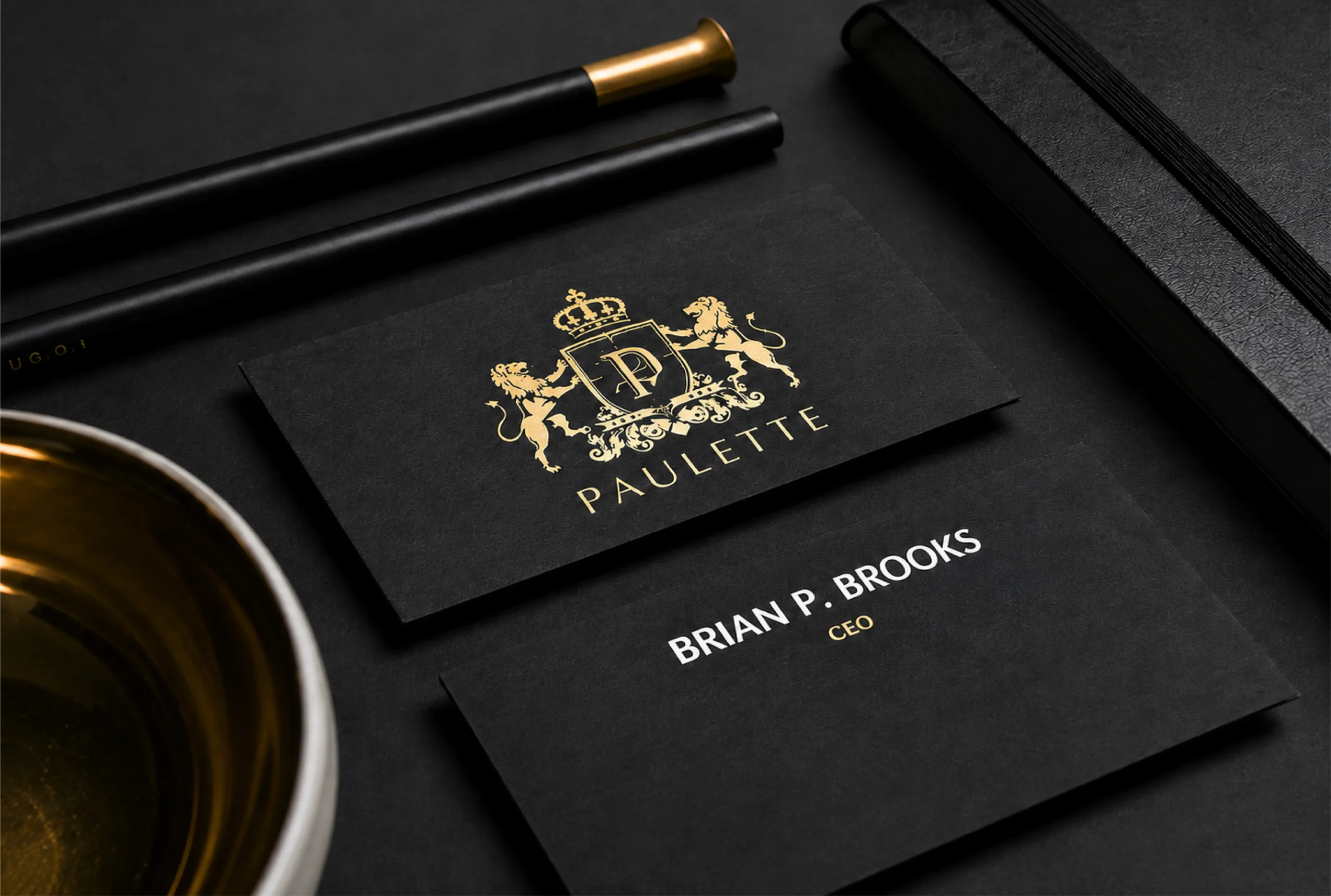
Decorate a wide range of your product packaging with our foil stamping.
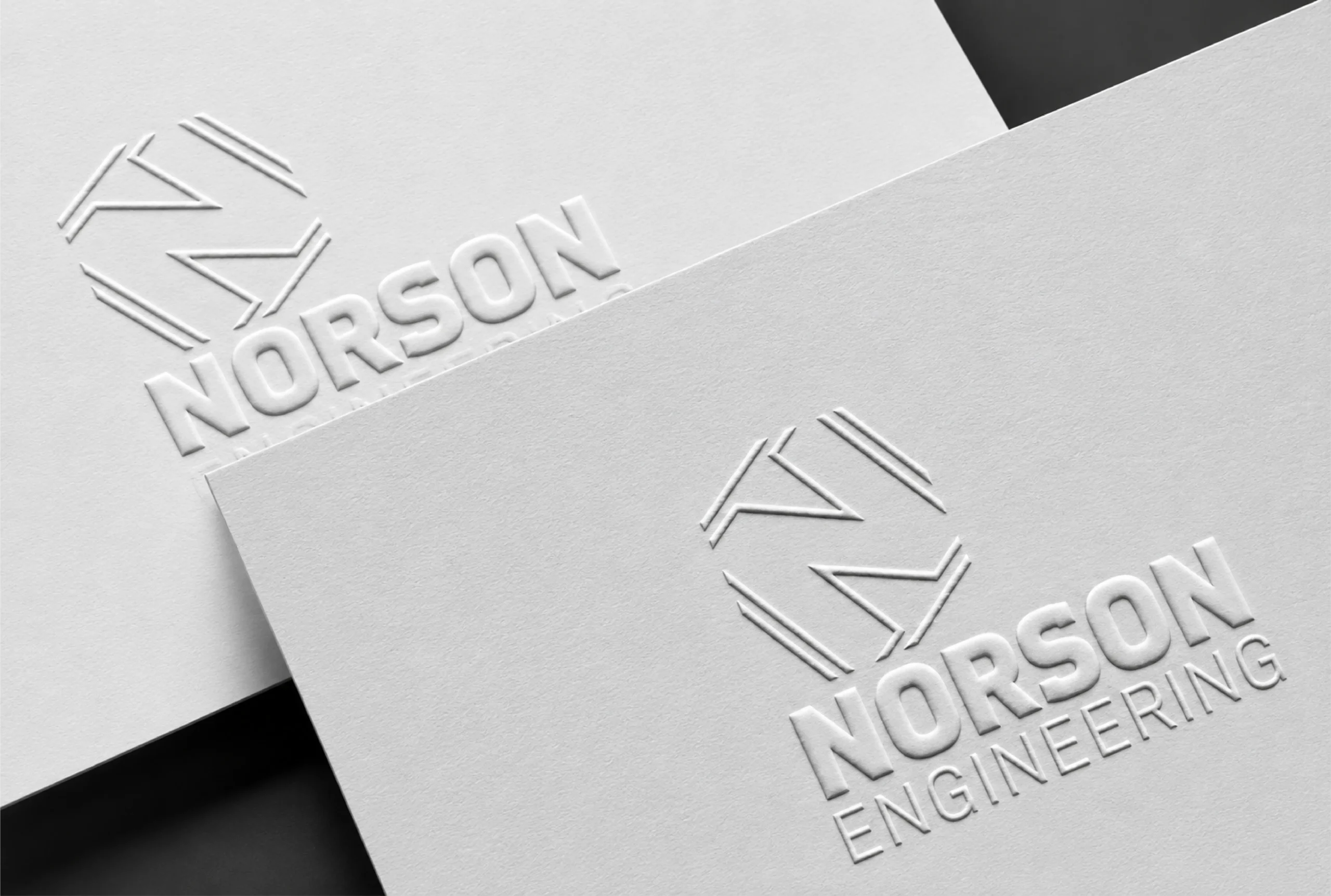
With our embossing technique, we transfer the finest details of your product on packaging.

We use debossing technique to add unique graphics into your packaging.
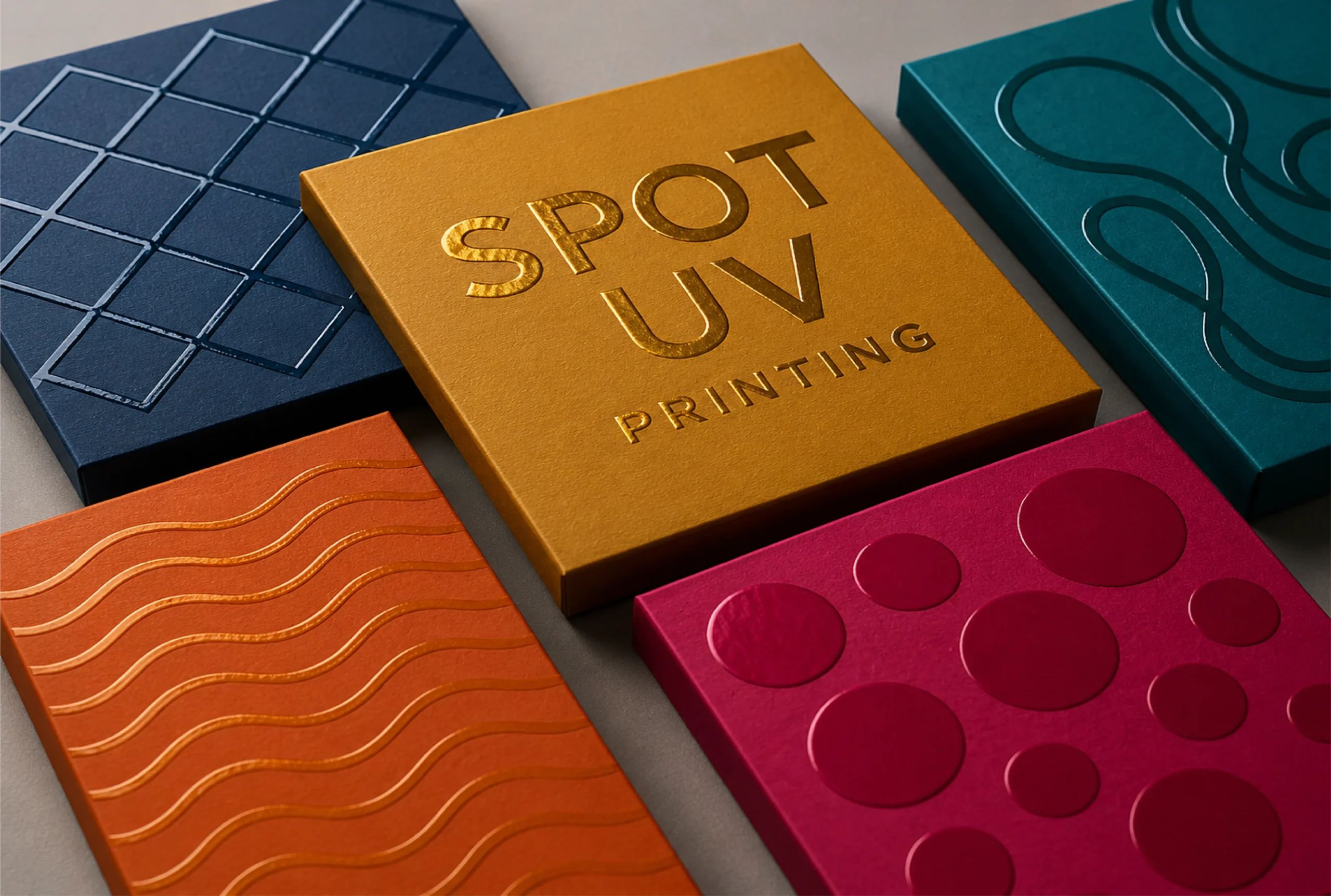
Our high-gloss UV coating gives light and shine to cure the printed material's varnish.
Still unsure? Email sales@packaginghubs.com and a packaging specialist will help.
Get your free quote today and see why Packaging Hubs is the most trusted name in U.S. custom packaging.