
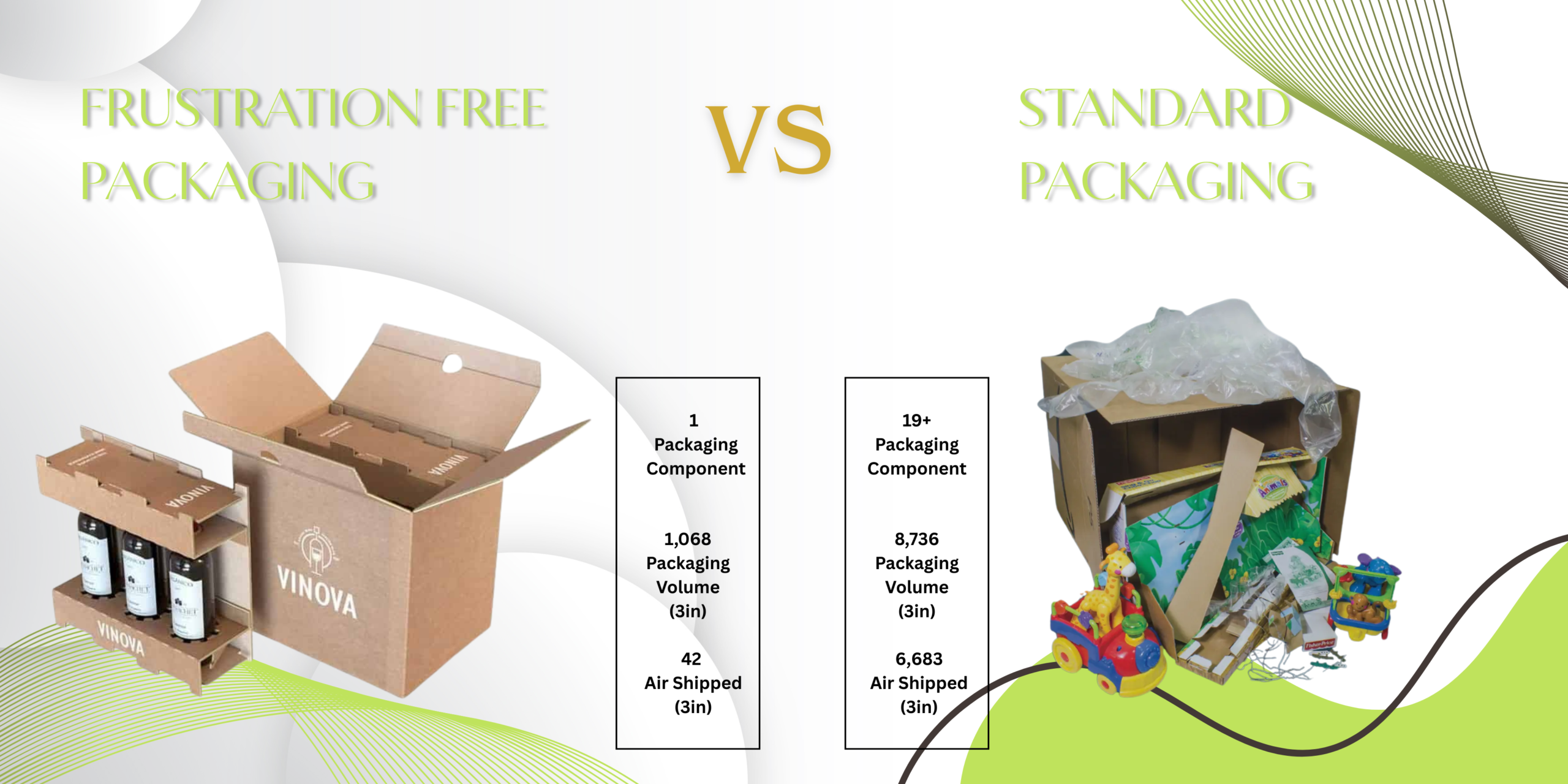
What is frustration free packaging is a common question among many online sellers and packaging professionals in the United States. In simple terms, frustration free packaging is designed to be easy to open, environmentally friendly, and efficient for shipping. Unlike traditional packaging, it removes unnecessary plastic, wires, and excessive layers that often make packages difficult for customers to open.
Today, many businesses prefer frustration free packaging because it improves customer experience and reduces packaging waste. As e-commerce continues to grow across the USA, brands are focusing more on practical and sustainable packaging solutions. Therefore, companies like Packaging Hubs help businesses adopt smarter packaging designs that meet modern customer expectations.
Frustration Free Packaging Definition
The frustration free packaging definition refers to a packaging style that is simple, recyclable, and easy for customers to open without tools. The concept was introduced to eliminate difficult materials such as plastic clamshells, twist ties, and excess wrapping.
When people ask what does frustration free packaging mean, the answer usually focuses on three key goals: convenience, protection, and sustainability. Products packaged using this method are typically shipped in cardboard boxes or corrugated boxes, which are easier to recycle and safer for the environment.
In addition, this type of packaging helps businesses simplify their supply chain. Because fewer materials are used, packaging costs can be reduced. As a result, both companies and customers benefit from a cleaner and more efficient packaging experience.
Why Frustration-Free Packaging Matters in Modern E-commerce

Online shopping has grown rapidly in the United States. Consequently, packaging has become an important part of the customer experience. When packages are difficult to open, customers often become frustrated. Therefore, brands are moving toward frustration-free packaging to improve convenience.
Another reason businesses adopt this packaging style is sustainability. Consumers are now more aware of environmental issues, so they prefer products packed in recyclable materials. For example, many companies now use custom sustainable boxes to reduce waste while maintaining product safety.
Moreover, simplified packaging also reduces shipping weight. Because less material is used, delivery becomes more efficient and cost-effective for businesses.
Key Features of Frustration-Free Packaging
Frustration-free packaging has several characteristics that make it different from traditional packaging.
Easy to open
First of all, packages are designed to open without scissors, knives, or special tools. Customers can access their products quickly without damaging the package.
Eco-friendly materials
Most packages are made using recyclable materials such as cardboard boxes and corrugated boxes. These materials are widely accepted in recycling systems across the USA.
Minimal packaging waste
Unnecessary plastic layers and excessive wrapping are avoided. Therefore, packaging waste is significantly reduced.
Shipping-ready design
Products are packaged in a way that allows them to be shipped safely without additional outer boxes. As a result, transportation becomes more efficient.
Frustration Free Packaging vs Standard Packaging
Understanding frustration free packaging vs standard packaging helps businesses choose the right packaging strategy. Traditional packaging often focuses on heavy protection and retail presentation, while frustration-free packaging focuses on simplicity and sustainability.
When comparing standard packaging vs frustration free packaging, several differences become clear. Traditional packaging frequently includes plastic molds, ties, and multiple layers of wrapping. However, frustration-free packaging eliminates these materials and replaces them with recyclable alternatives.
In many cases, companies also compare standard vs frustration free packaging to evaluate cost and efficiency. Frustration-free designs usually reduce material usage, which lowers shipping weight and storage requirements.
Another comparison often discussed is standard packaging vs frustration free packaging in terms of customer experience. Customers usually prefer packaging that opens easily and does not require tools. Therefore, frustration-free packaging often leads to better product reviews and customer satisfaction.
Frustration Free Packaging by FBA
Amazon introduced the frustration-free packaging program to improve sustainability and customer convenience. Through Fulfillment by Amazon (FBA), sellers can certify their products for frustration-free packaging standards.
Under this program, packaging must meet specific requirements. For example, the package must protect the product during shipping while remaining easy to open. Additionally, recyclable materials such as corrugated boxes are commonly used.
Once packaging passes Amazon’s testing process, it can qualify for the frustration-free certification. As a result, products can be shipped directly without additional packaging layers.
For many sellers, this program offers several benefits. Shipping costs can be reduced, customer satisfaction can improve, and environmental impact becomes lower. Because of these advantages, many brands across the USA now adopt frustration-free packaging for their products.
How Different Industries Use Frustration-Free Packaging
Many industries are now adopting simplified packaging designs. For example, toy brands often design custom toy boxes that are easy to open while still protecting the product during shipping.
Similarly, beauty brands sometimes use simplified packaging solutions such as custom perfume boxes made from recyclable materials. These designs reduce unnecessary packaging while maintaining product presentation.
In addition, packaging companies frequently use recyclable cardboard boxes to create shipping-friendly designs. These boxes provide strong protection while remaining environmentally responsible.
What if you don’t qualify for Frustration Free Packaging?
Some businesses may not qualify for Amazon’s frustration-free packaging program. However, this does not mean companies cannot improve their packaging.
First, brands can reduce unnecessary materials in their packaging design. Second, they can switch to recyclable options such as corrugated boxes or eco-friendly materials. Third, businesses can redesign their packaging to make it easier for customers to open.
Working with professional packaging providers can also help. Companies like Packaging Hubs support brands by designing efficient packaging solutions that balance protection, sustainability, and customer convenience. In addition, many businesses ask what does collate mean when printing because printed materials such as inserts or manuals must be arranged in the correct order before they are placed inside product packaging.
Conclusion
Understanding what is frustration free packaging is important for modern businesses, especially those selling products online. This packaging approach focuses on simplicity, sustainability, and better customer experience. By removing unnecessary materials and using recyclable packaging options, companies can improve both efficiency and environmental impact.
As packaging standards continue to evolve in the United States, many businesses are moving toward smarter packaging designs. Therefore, working with experienced packaging providers like Packaging Hubs can help brands develop packaging solutions that meet modern market demands while maintaining product protection and sustainability.
Frequently Asked Questions
What does frustration free packaging mean?
It refers to packaging that is easy to open, recyclable, and designed to reduce excess materials while protecting products during shipping.
Why do companies use frustration-free packaging?
Businesses adopt this packaging style because it improves customer experience, reduces waste, and lowers shipping costs.
Can small businesses use frustration-free packaging?
Yes. Many small businesses use simplified packaging solutions such as recyclable cardboard boxes or eco-friendly shipping designs.
what does collate mean when printing
In printing, what does collate mean when printing refers to arranging printed pages in the correct order before binding or packaging. This process helps maintain consistency when printed materials are placed inside product packaging.