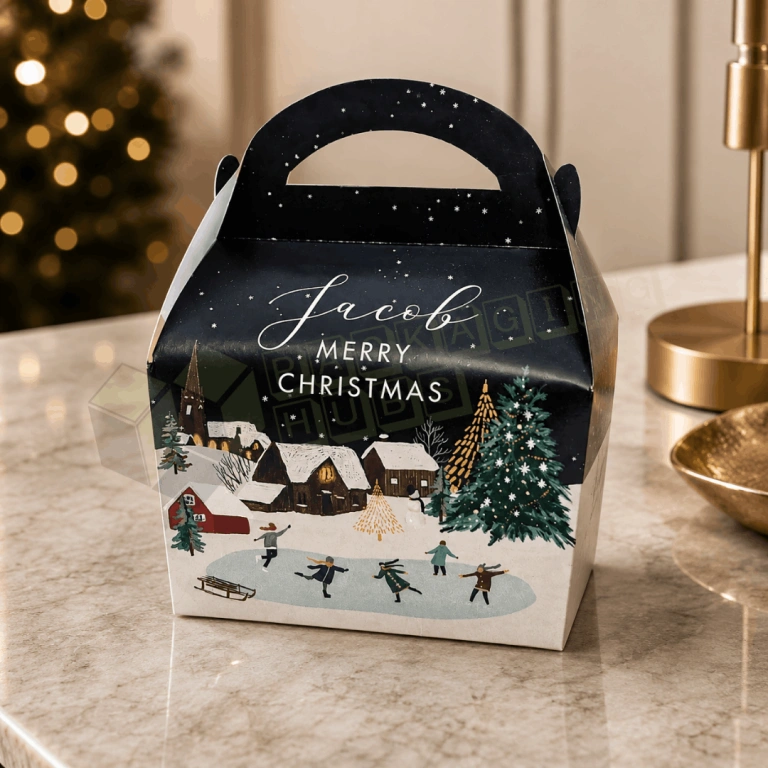
Free design support and free U.S. shipping. No minimum order.
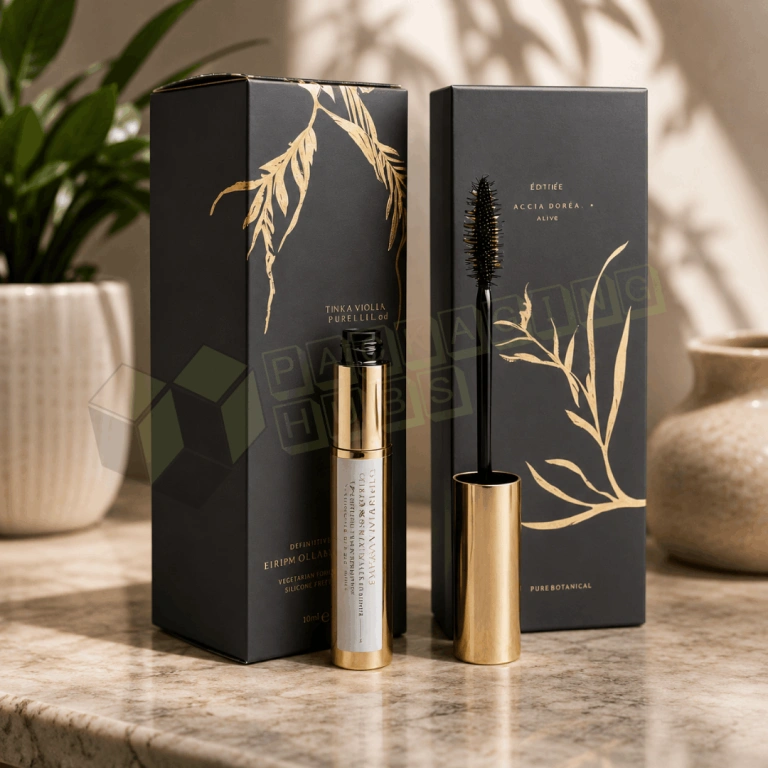
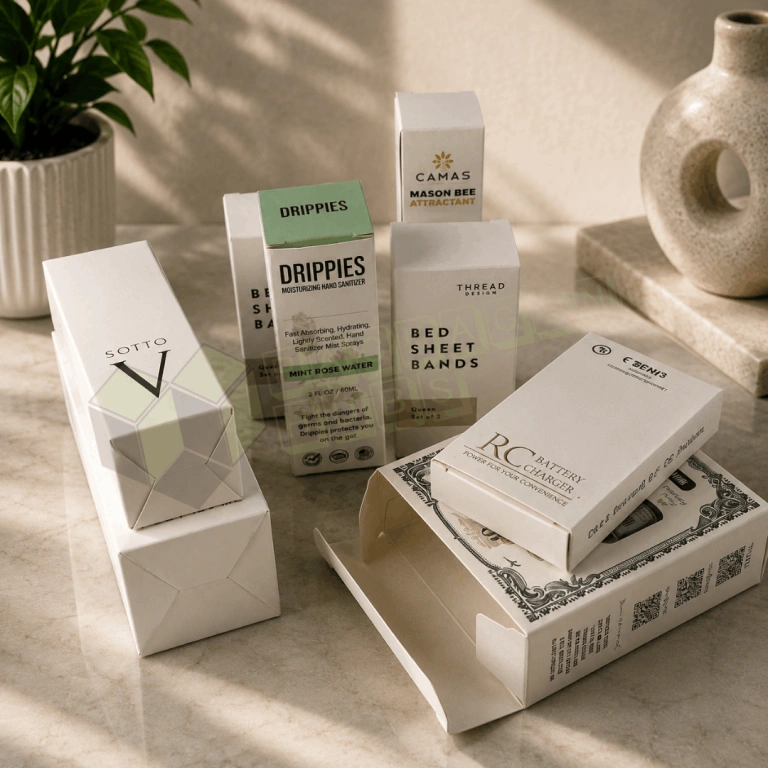
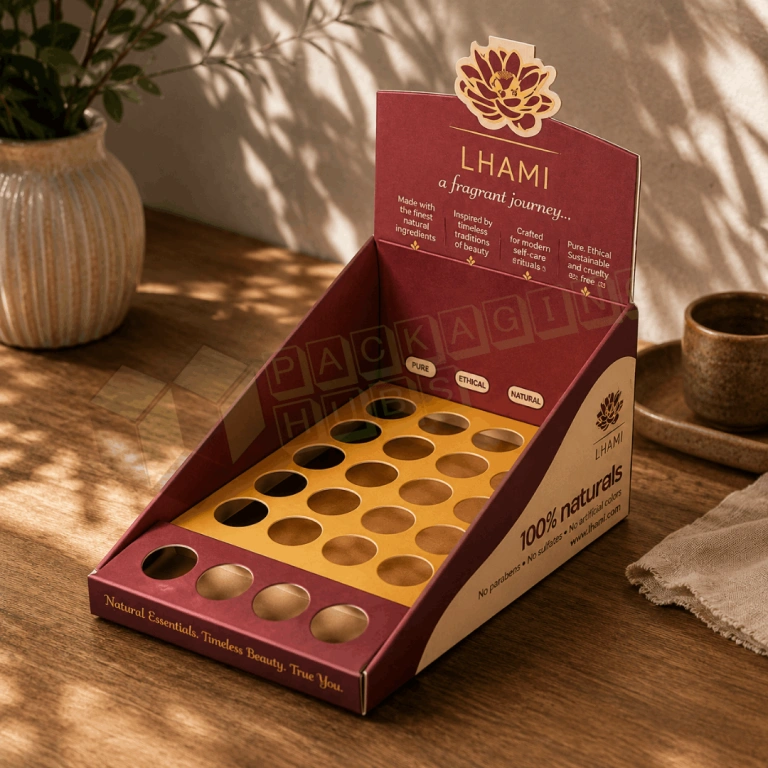
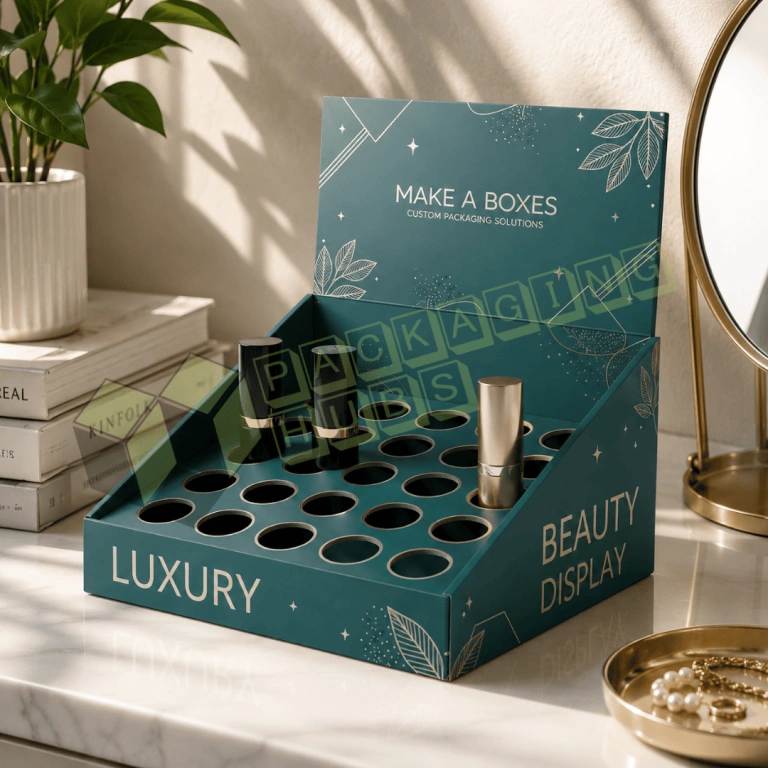
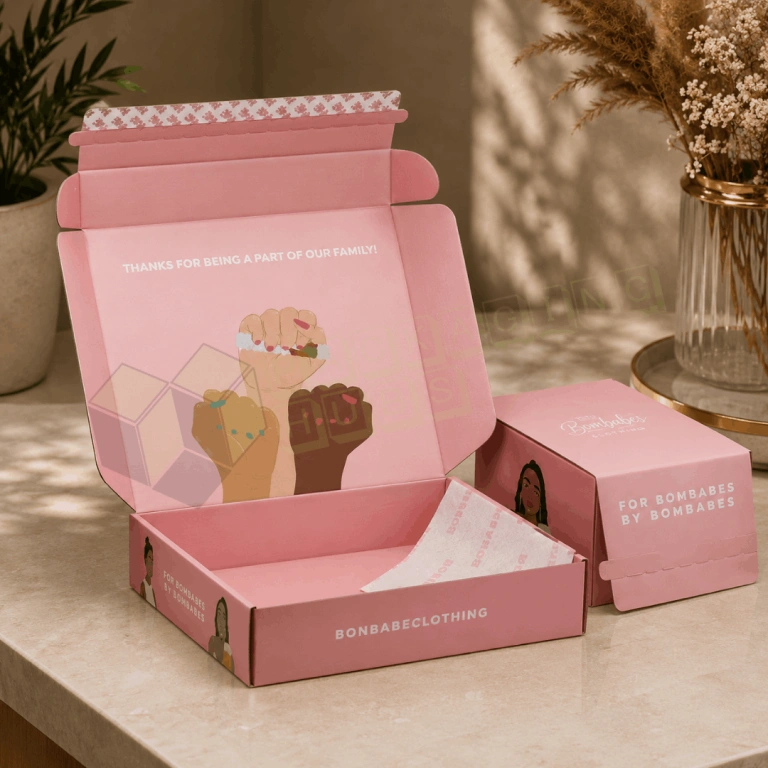
Custom skincare boxes protect serums, creams, oils, and beauty sets while creating a polished retail presence. Personalize the size, structure, inserts, printing, and finishes to suit your products. Create packaging that turns daily skincare into a memorable brand experience.
Custom skincare boxes must accommodate the container before they can communicate the brand. A glass serum bottle, airless pump, squeeze tube, cream jar, treatment sachet, and multi-product routine all create different requirements for clearance, board strength, inserts, opening direction, and printed information.
Packaging Hubs manufactures custom skincare boxes around the finished commercial product, including its cap, pump, dropper, label, seal, leaflet, applicator, and accessories. This prevents brands from approving attractive artwork for a carton that later presses against a pump, scratches a label, or leaves a premium jar moving inside excess space.
The packaging can support independent skincare startups, private-label companies, clinics, spas, salons, subscription programs, ecommerce sellers, beauty distributors, and established international brands. Zero MOQ, free design assistance, flexible lead-time options, and free worldwide shipping allow businesses to test a launch and scale the approved structure as demand grows.
Request a free quote today to create packaging that protects the container, explains the product clearly, and strengthens its value on shelves and screens.
The best structure begins with the way the formula is dispensed. Pumps need top clearance, droppers need protection around the bulb and pipette, jars need stronger bottom support, and tubes need enough side space to avoid denting.
| Skincare Format | Typical Container | Recommended Structure | Main Design Priority |
| Facial serum | Glass dropper bottle | Tuck carton with base and shoulder restraint | Protect the glass and dropper |
| Moisturizer | Glass or plastic jar | Reinforced carton, sleeve, or rigid tray | Support weight and keep the jar centered |
| Cleanser | Pump bottle or squeeze tube | Straight tuck, reverse tuck, or sealed-end box | Preserve cap and actuator clearance |
| Toner | Tall bottle | Extended-height carton with a stable base | Reduce leaning and panel bowing |
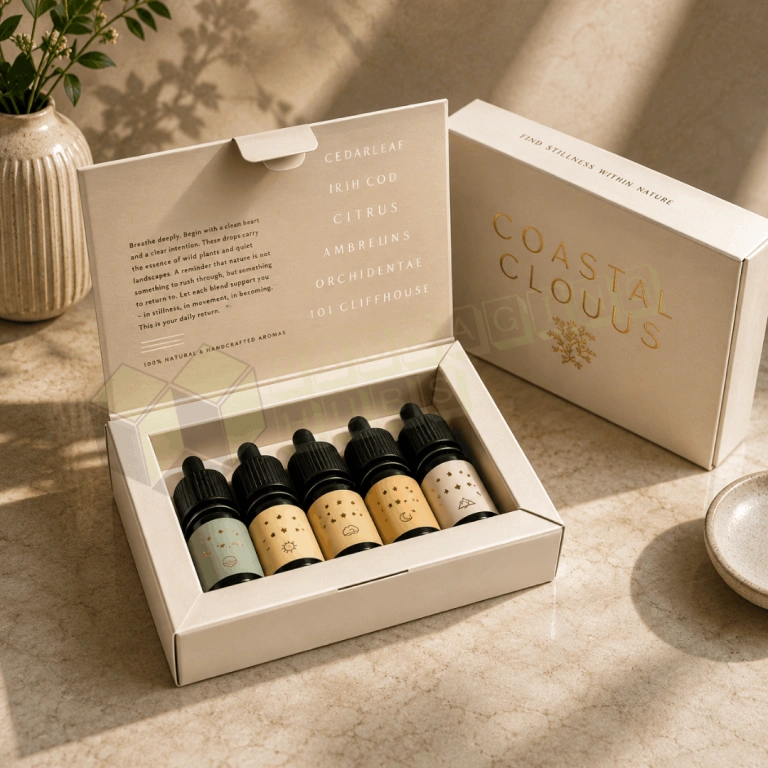
| Face oil | Small dropper bottle | Slim insert carton | Limit movement around the label |
| Sheet mask | Flat sachet | Sleeve, dispenser carton, or folding wallet | Keep packs flat and organized |
| Lip treatment | Tube, jar, or stick | Compact tuck or display box | Create clear product identification |
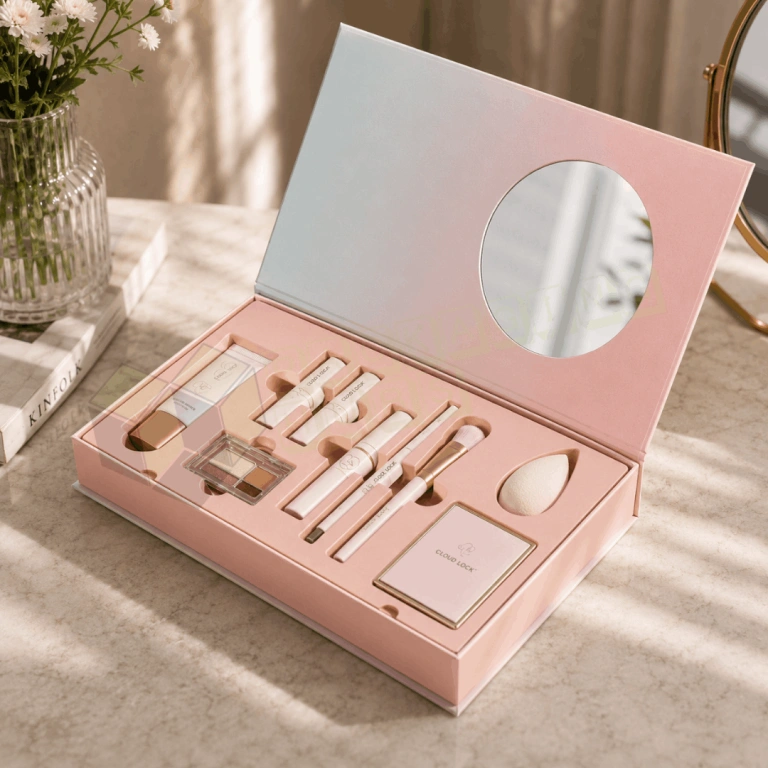
| Routine set | Mixed bottles, tubes, and jars | Divided rigid box or corrugated presentation mailer | Separate products by size and weight |
This comparison shows why one cosmetic packaging box cannot serve every skincare format. A lightweight tube may perform well in an 18pt folding carton, while a heavy glass jar may need 24pt board, a reinforced base, or a rigid tray. Packaging Hubs reviews the product weight and center of gravity as well as its external dimensions.
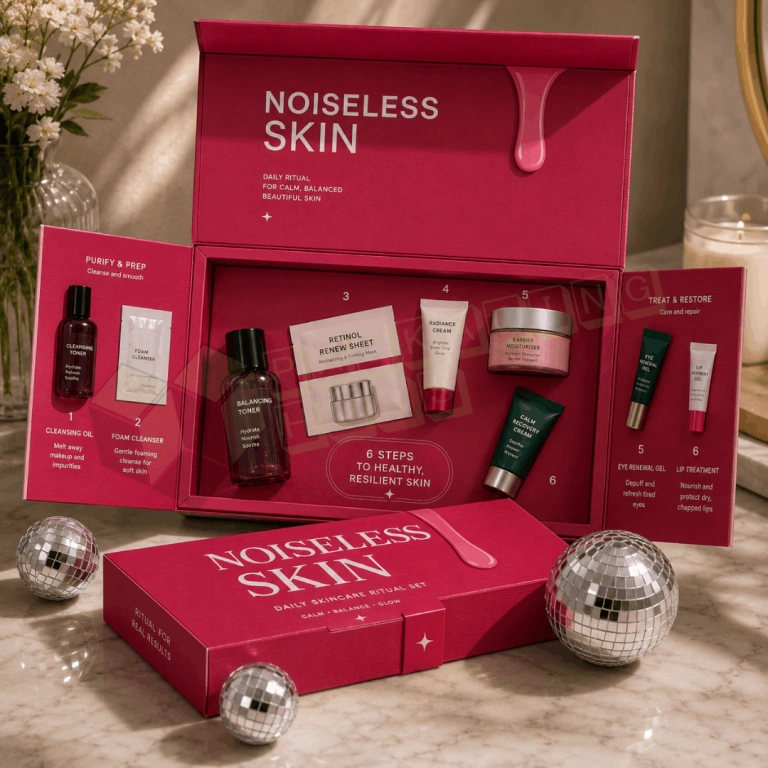
For custom skincare boxes holding several products, the arrangement should also follow the customer’s routine. Cleansers, serums, creams, and treatments can be positioned in the order of use, with a printed guide or QR code placed where customers see it before removing the products.
A skincare brand may expand into eye treatments, palettes, and color cosmetics while keeping the same typography, color system, and finish direction. The structures should still change according to the product.
Custom Eyeshadow Boxes can support single pans, palettes, mirrors, applicators, and pressed powders that need broad protection against movement and breakage. Skincare cartons, by comparison, usually require more attention to bottle restraint, jar weight, pump clearance, and label-safe contact areas.
Board thickness should follow the container weight, carton dimensions, sales channel, and insert design. PT measures folding paperboard thickness in points, while E-flute and B-flute describe corrugated profiles used for mailers, gift sets, inner packs, and master cartons.
| Material | Practical Thickness Range | Suitable Use | Main Advantage |
| White cardstock | 12pt to 18pt | Sachets, mini tubes, samples, and lightweight bottles | Efficient folding and crisp printing |
| SBS paperboard | 16pt to 24pt | Serums, creams, cleansers, toners, and retail cartons | Smooth white surface for detailed artwork |
| Heavy folding board | 24pt to 28pt | Larger jars and premium folding cartons | Increased panel stiffness |
| Kraft paperboard | 16pt to 24pt | Natural, botanical, and minimalist ranges | Warm uncoated appearance |
| E-flute corrugated | About 1.5 to 1.8 mm | Ecommerce mailers, subscription kits, and compact sets | Low-profile crush protection |
| B-flute corrugated | About 2.5 to 3.2 mm | Heavy sets, wholesale cases, and longer distribution routes | Greater compression and stacking support |
| Rigid board | About 1 to 2.5 mm | PR kits, gift sets, flagship launches, and luxury collections | Strong form and premium presentation |
These ranges are starting points rather than automatic specifications. A right-sized 18pt carton with a well-designed paperboard insert can protect a small serum more effectively than a loose 24pt box. Conversely, a large glass jar may bow a lightweight folding carton even when the exterior dimensions appear correct.
Packaging Hubs selects material for custom skincare boxes after considering the filled weight, product shape, bottom construction, insert contact points, retail stacking, and shipping environment. E-flute is often useful when a brand wants a compact branded mailer, while B-flute suits heavier assortments and wholesale cases that face greater compression.
Lipstick packaging is usually narrow, lightweight, and shade-focused, while skincare packaging may need wider panels and stronger structural support. The visual language can remain connected without forcing both products into the same box format.
Brands expanding into color cosmetics can use Custom Lipstick Boxes to maintain consistent logos, typography, foil details, and shade systems across the collection. This is a practical form of cosmetic customization because it preserves recognition while allowing each product to receive the structure it actually needs.
Packaging problems can begin with inaccurate measurements, insufficient board strength, poor insert pressure, or an artwork layout that ignores folds and closures.
| Common Problem | Typical Cause | Packaging Hubs Solution | Commercial Effect |
| Bottle rattles inside the carton | Stock dimensions or no restraint | Product-specific insert and controlled clearance | More stable presentation |
| Pump touches the top panel | Actuator height was not included | Protected headspace and taller closing panel | Cleaner closure |
| Glass jar makes the box bottom-heavy | Weak board or unsupported base | Heavier PT stock, auto-lock bottom, or rigid tray | Better shelf stability |
| Tube arrives dented | Carton is too shallow or tightly packed | Broader support and correct side clearance | Improved product appearance |
| Label becomes scuffed | Insert contacts printed surfaces | Smooth support zones away from key branding | Cleaner retail condition |
| Several formulas look identical | Weak SKU hierarchy | Product-family color bands, icons, and visible codes | Faster picking and buying |
| Foil or soft-touch finish arrives scratched | Retail carton ships without protection | Corrugated outer mailer or master case | Better ecommerce arrival |
| Important text crosses a score | Artwork was completed before the dieline | Content zones planned around folds and seams | Improved readability |
| Gift set components collide | Mixed items share open space | Dividers and product-specific cavities | More organized unboxing |
| Repeat orders vary | Production standards were not retained | Approved dielines, materials, colors, and finish records | Greater consistency |
The table separates structural failures from design failures. Movement, denting, and bottom weakness require changes to dimensions, inserts, and board. Confusing formulas or unreadable text require a stronger panel hierarchy. Applying one generic solution to every issue increases cost without necessarily improving performance.
Well-planned custom skincare boxes address these causes before decoration begins. Packaging Hubs can add finger notches, ribbon lifts, dividers, folded platforms, or molded supports where they improve stability and product removal rather than including inserts only for appearance.
The principal display panel and information panels need enough room for the brand’s approved identity, net quantity, ingredients, warnings, directions, company information, barcode, and supporting details.
The FDA’s Summary of Cosmetics Labeling Requirements explains that cosmetics distributed in the United States must meet FDA labeling requirements, and it describes information expected on the principal display and information panels.
Packaging Hubs can create flat, readable zones within custom skincare boxes, but the brand and its compliance professionals remain responsible for approving every ingredient declaration, warning, claim, net quantity statement, and required business detail. Planning the content before adding illustration and finishing helps prevent small text from being forced into leftover spaces.
Lip masks may come in jars, tubes, sachets, or single-use treatment packs. Their cartons need different depths and holding systems from serum and moisturizer packaging.
custom lip mask boxes can connect overnight treatments, lip-care routines, spa products, and gift sets with the broader skincare line. A shared visual system can keep the collection recognizable while each dieline follows the exact container and pack count.
The print system should help customers recognize the formula, product step, and brand before specialty finishes compete for attention. Digital printing supports prototypes, limited launches, personalized campaigns, and several short-run SKUs. Offset printing supports larger quantities that require consistent colors and detailed artwork.
| Printing or Finish | Strongest Application | Practical Result |
| CMYK printing | Photography, gradients, botanical illustrations, and full-color branding | Broad color reproduction |
| PMS matching | Signature brand colors and product-family systems | Better consistency across reorders |
| Matte lamination | Clinical, minimalist, and premium skincare | Controlled low-glare surface |
| Gloss lamination | Bright consumer and youth-oriented collections | Greater color intensity |
| Soft-touch coating | Luxury formulas, PR kits, and gift sets | Refined tactile feel |
| Anti-scratch lamination | Dark or solid-color cartons | Reduced visibility of handling marks |
| Foil stamping | Logos, formula names, and limited-edition details | Metallic emphasis |
| Spot UV | Ingredient motifs, patterns, and titles | Selective gloss contrast |
| Embossing or debossing | Simple logos and restrained typography | Tactile brand recognition |
| Interior printing | Routine steps, education, or brand storytelling | Extended opening experience |
The table helps buyers match finishes to commercial goals instead of selecting every available option. Matte lamination and soft touch can suit a premium clinical line, while gloss and full-color CMYK may suit a brighter mass-market range. Dark cartons benefit from anti-scratch protection because scuffs appear more readily on solid surfaces.
For custom skincare boxes, cosmetic customization should remain consistent with the price point and information requirements. A single foil logo or embossed mark can create more authority than several effects that reduce legibility or compete with the product name.
Cosmetic packaging claims must be truthful and not misleading. FDA explains that claims to treat or prevent disease, or to affect the structure or function of the body, can cause a product to be regulated as a drug even when it is marketed as a cosmetic. Brands can review the agency’s Cosmetics Labeling Claims resource before approving package language.
Packaging Hubs prints the customer-approved artwork but does not determine whether a formula or claim is legally classified as cosmetic, drug, or both. Statements concerning acne treatment, sun protection, structural skin changes, disease prevention, or therapeutic effects require appropriate regulatory review.
Gloss tubes may use shade-focused cartons, windows, and slim inserts, while skincare products often need larger information areas and stronger bottle or jar support.
Custom Lip Gloss Tubes can help a beauty business coordinate tube packaging, shade labels, retail cartons, and gift sets with its skincare collection. The logo and finish system can remain consistent even when the gloss and skincare structures are completely different.
Ecommerce exposes printed cartons to abrasion, compression, labels, and repeated handling. A retail package with foil, matte lamination, or soft-touch coating may require a separate corrugated layer to reach the customer cleanly.
Custom skincare boxes for online orders can sit inside an E-flute mailer with dividers or paper cushioning. Larger routines and glass-heavy sets may require B-flute outer cases, stronger partitions, or a presentation box placed inside a plain protective shipper.
The outer package should hold the retail units without squeezing pumps, jar lids, or carton corners. It should also keep shipping labels and tape away from the customer-facing design. For subscription programs, a repeatable divider layout can reduce packing errors when formulas or product sizes change from month to month.
Under MoCRA, certain cosmetic facilities must register with FDA and renew registrations every two years, while responsible persons must list marketed cosmetic products and update product information as required. FDA also states that facility registration and product listing are not cosmetic approval programs and should not be presented as certificates of approval.
Brands can review the FDA’s Registration and Listing of Cosmetic Product Facilities and Products page for current information. Packaging Hubs can reserve panel space for customer-supplied business details or codes, but custom skincare boxes should never imply “FDA approved” status merely because a facility or product has been registered or listed.
Lip balms and treatment sticks often appear beside moisturizers, masks, and travel skincare products. Their packaging needs narrow, compact structures and clear flavor or formula identification.
Chapstick Packaging can support balm tubes, treatment sticks, multipacks, countertop displays, and wellness sets. Coordinated branding can connect daily lip care to the broader range while the slim carton remains engineered around the tube.
Packaging Hubs supports beauty businesses in the USA, Canada, Australia, the UK, UAE, Germany, France, New Zealand, Singapore, and other countries with strong skincare, spa, pharmacy, ecommerce, and cosmetics demand.
International custom skincare boxes can retain the same approved structure, color standards, and insert system while changing customer-supplied language, net quantity presentation, ingredient panels, barcodes, or destination-specific information. A Canadian brand may supply bilingual artwork, while a UAE luxury line may prioritize rigid presentation and metallic finishes. Australian and European programs may emphasize compact case sizing and efficient distribution.
Free worldwide shipping supports international packaging programs, while the product owner remains responsible for customs, import, language, cosmetics, recycling, and retail requirements in every destination.
Before production, Packaging Hubs can review the finished container, insert contact points, material thickness, artwork, closure, shipping configuration, and repeat-order standards.
| Review Point | What We Confirm | Why It Matters |
| Finished container | Bottle, jar, tube, cap, pump, dropper, seal, and label | Establishes accurate internal dimensions |
| Insert contact | Support zones, clearance, and removal access | Limits movement without scuffing the container |
| Material | PT board, kraft, E-flute, B-flute, or rigid board | Matches the product weight and channel |
| Information layout | Identity, quantity, ingredients, warnings, barcode, and QR zones | Protects readability |
| Artwork | Bleed, folds, seams, safe areas, and small type | Reduces production errors |
| Finishing | Lamination, foil, UV, embossing, and windows | Prevents decoration from interfering with function |
| Distribution | Retail carton, inner pack, mailer, and master case | Coordinates presentation and shipping |
| Reorder record | Dieline, board, color, finishes, and packing method | Supports future consistency |
This table turns quality review into a sequence rather than a final visual inspection. A correct container fit must be confirmed before print placement, and the retail carton must be evaluated before the master case is finalized. Packaging Hubs uses the approved details to reduce avoidable variation in later runs.
The review of custom skincare boxes covers physical packaging and print preparation. Formula compatibility, leakage testing, shelf life, claim approval, and legal compliance remain with the product owner and qualified specialists.
A beauty company may begin with one serum and later add cleansers, creams, oils, masks, and eye treatments. The packaging should create a recognizable family without making every SKU identical.
A repeatable system can retain logo position, typography, finish rules, panel order, barcode zones, and proofing standards. The dimensions, inserts, formula color, and information panels can then change according to the product.
Custom makeup packaging can use the same architecture across skincare and color cosmetics. This approach gives cosmetic customization an operational purpose: it improves recognition, simplifies artwork preparation, and supports consistent reordering across a growing range.
Packaging Hubs manufactures custom skincare boxes for serums, creams, moisturizers, cleansers, toners, oils, masks, eye treatments, lip care, PR kits, gift sets, subscriptions, retail shelves, ecommerce orders, and wholesale programs.
Share the finished container measurements, packed weight, order quantity, material preference, insert requirements, artwork, information panels, finishing choices, and delivery country. Available directions include 12pt to 28pt folding board, kraft stock, E-flute, B-flute, rigid board, folded inserts, molded pulp, properly specified foam, windows, digital and offset printing, CMYK, PMS matching, matte or gloss lamination, soft touch, anti-scratch lamination, foil, spot UV, embossing, and debossing.
Every project can include zero MOQ, free design support, flexible lead-time options, and free worldwide shipping. Request a free quote today to build packaging that fits the product, strengthens the brand, and remains practical as the skincare range expands.
| Box Style | Custom Skincare Boxes |
| Dimension (L + W + H) | All Custom Sizes & Shapes |
| Quantities | No Minimum Order Required |
| Paper Stock | 10pt to 28pt (60lb to 400lb) Eco-Friendly Kraft, E-flute Corrugated, Bux Board, Cardstock |
| Printing | No Printing, CMYK, CMYK + 1 PMS color, CMYK + 2 PMS colors |
| Finishing | Gloss Lamination, Matte Lamination, Gloss AQ, Gloss UV, Matte UV, Spot UV, Embossing, Foiling |
| Included Options | Die Cutting, Gluing, Scored, Perforation |
| Additional Options | Eco-Friendly, Recycled Boxes, Biodegradable |
| Proof | Flat View, 3D Mock-up, Physical Sampling (On request) |
| Turnaround | 4 – 8 Business Days, RUSH |
| Shipping | FLAT |
Pick the stock and the finish that suit your product. We’ll confirm both on your proof before anything is printed.
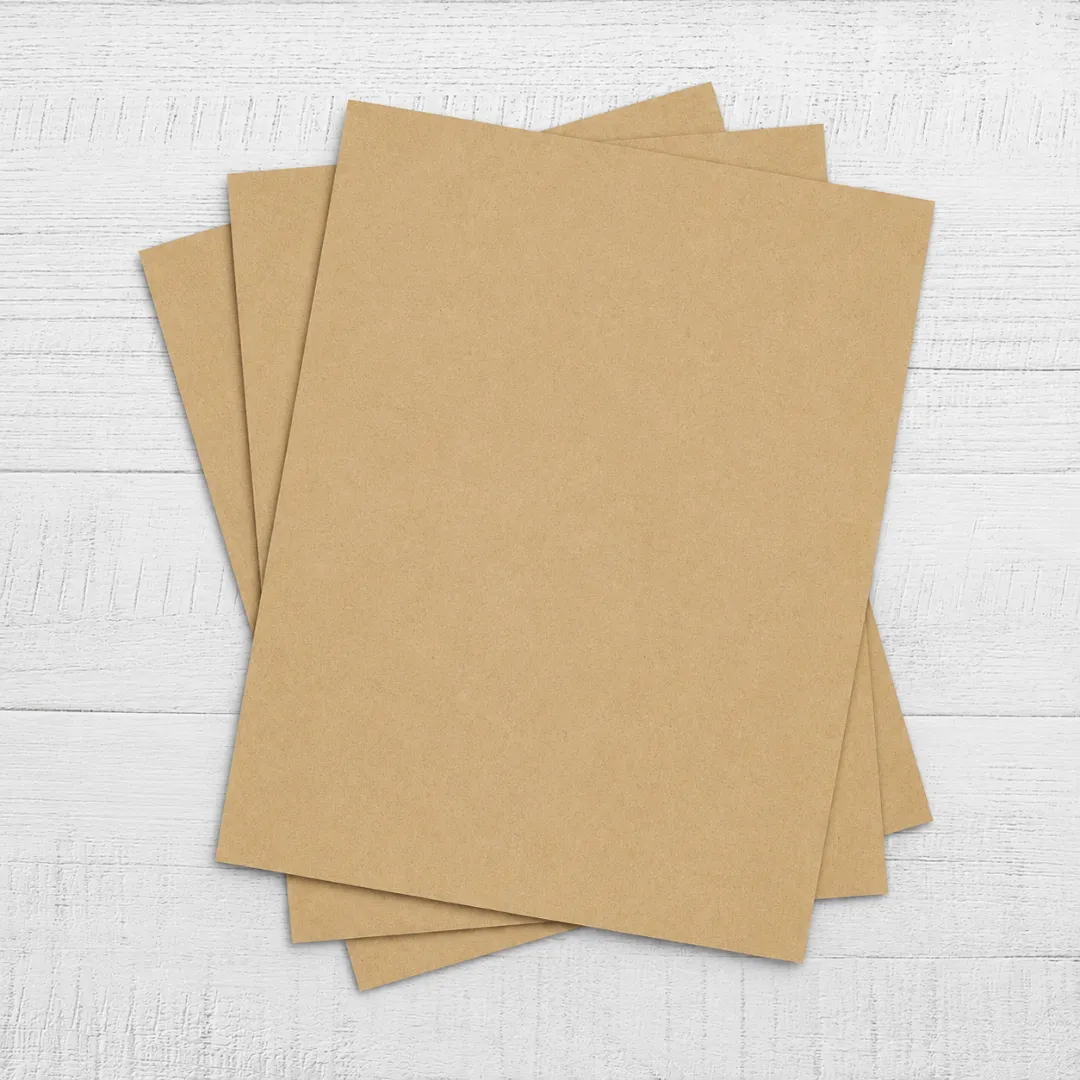
Kraft paper is a strong, durable and reliable material that is widely used across many different industries.
We use cardboard material with the least environmental impact and minimizes waste generation.
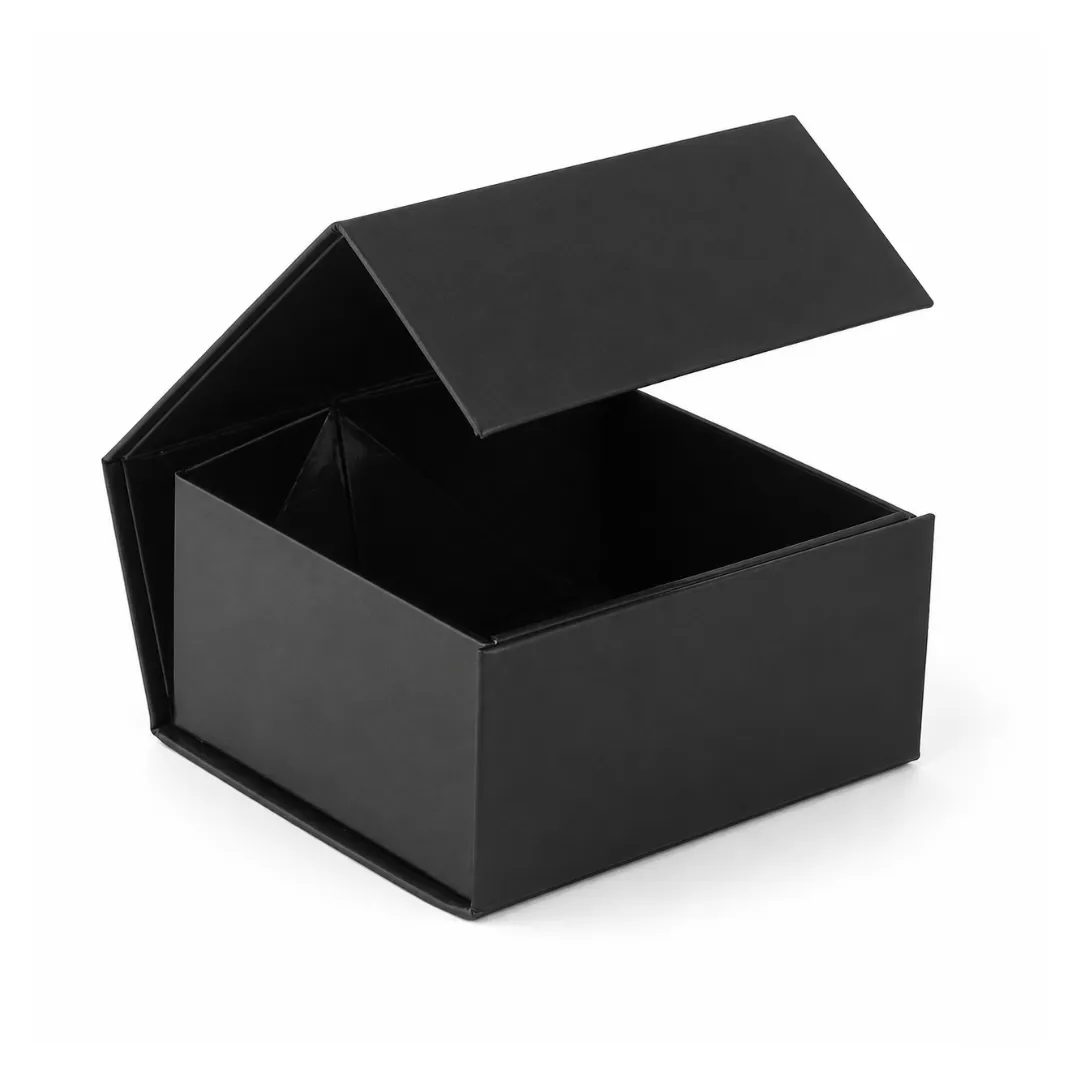
Rigid is highly protective, affordable and recyclable material. These boxes provide maximum protection.
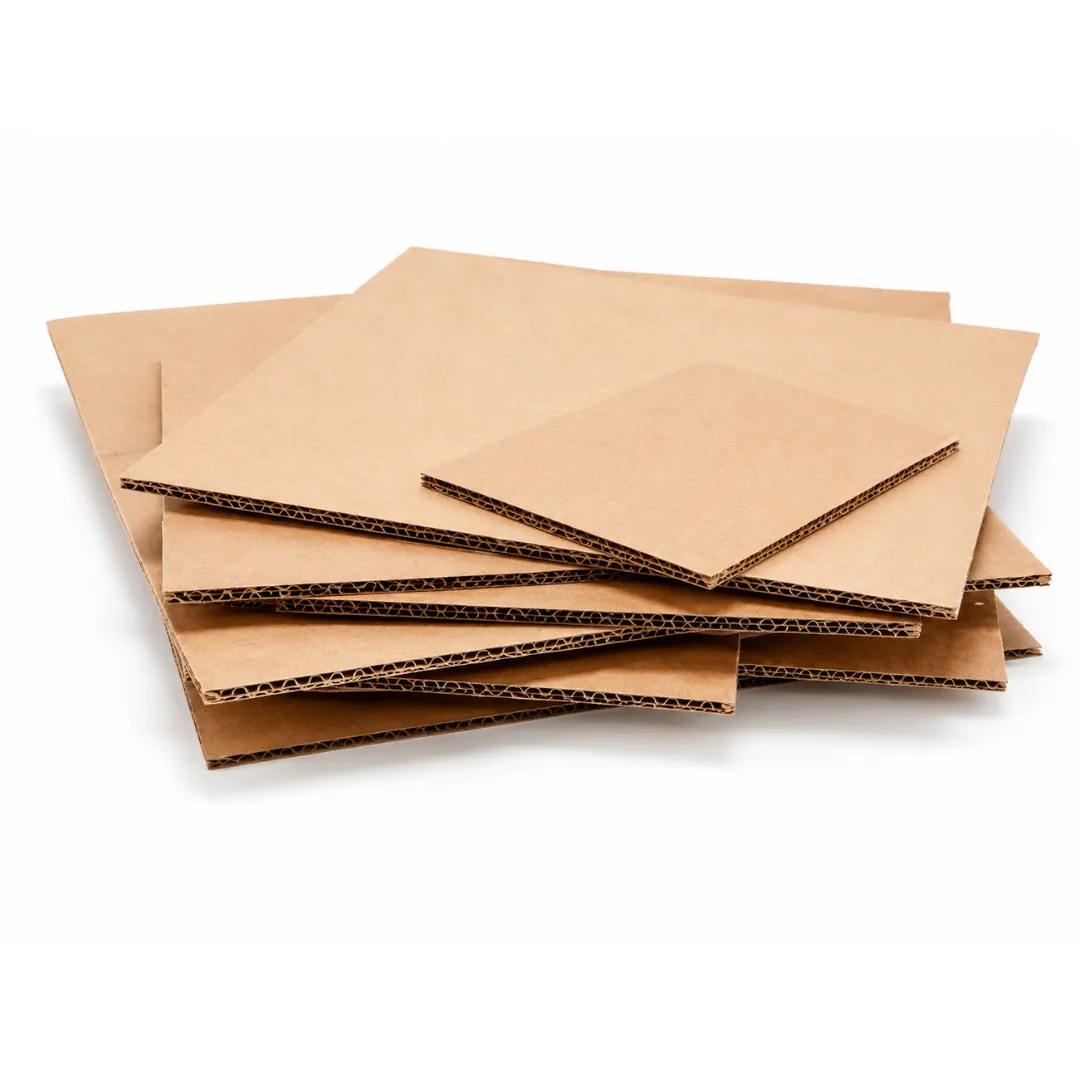
Corrugated material is easy to customize, cost effective and sustainable. It is also great for branding purposes.
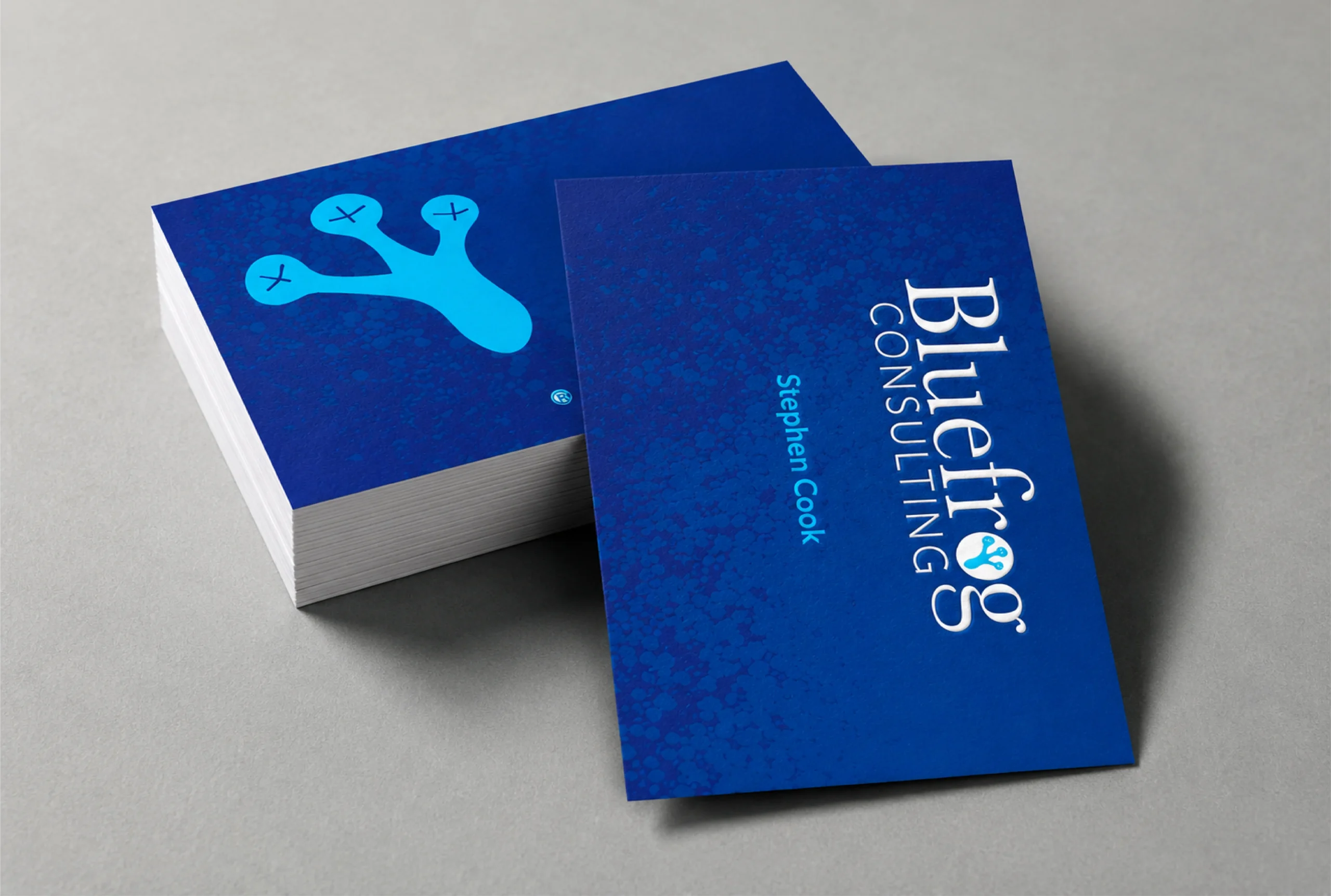
We add additional layer of protection with soft touch lamination from toner chipping.
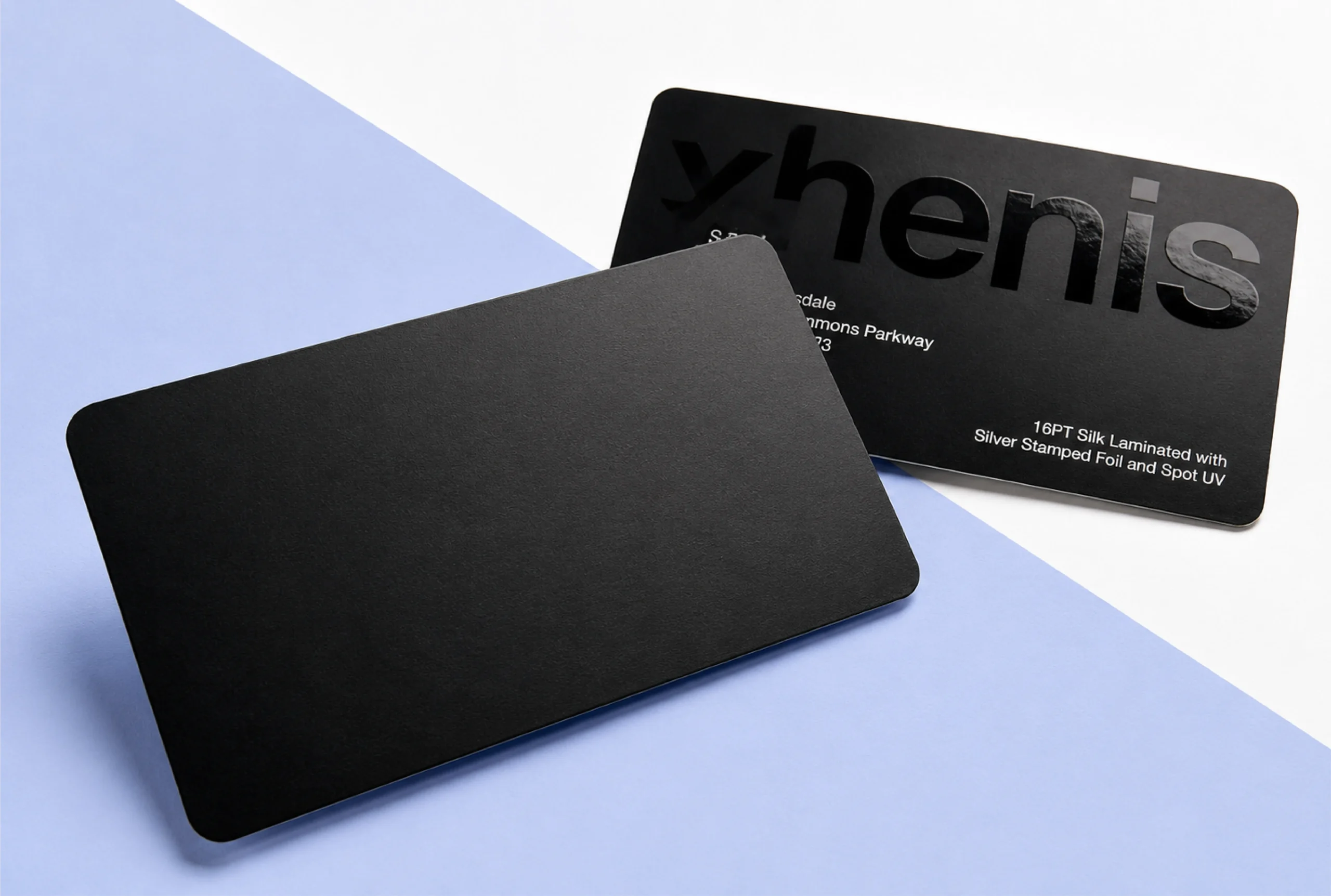
With our matte finish, fingerprints and smudges will now be less visible on the packaging.
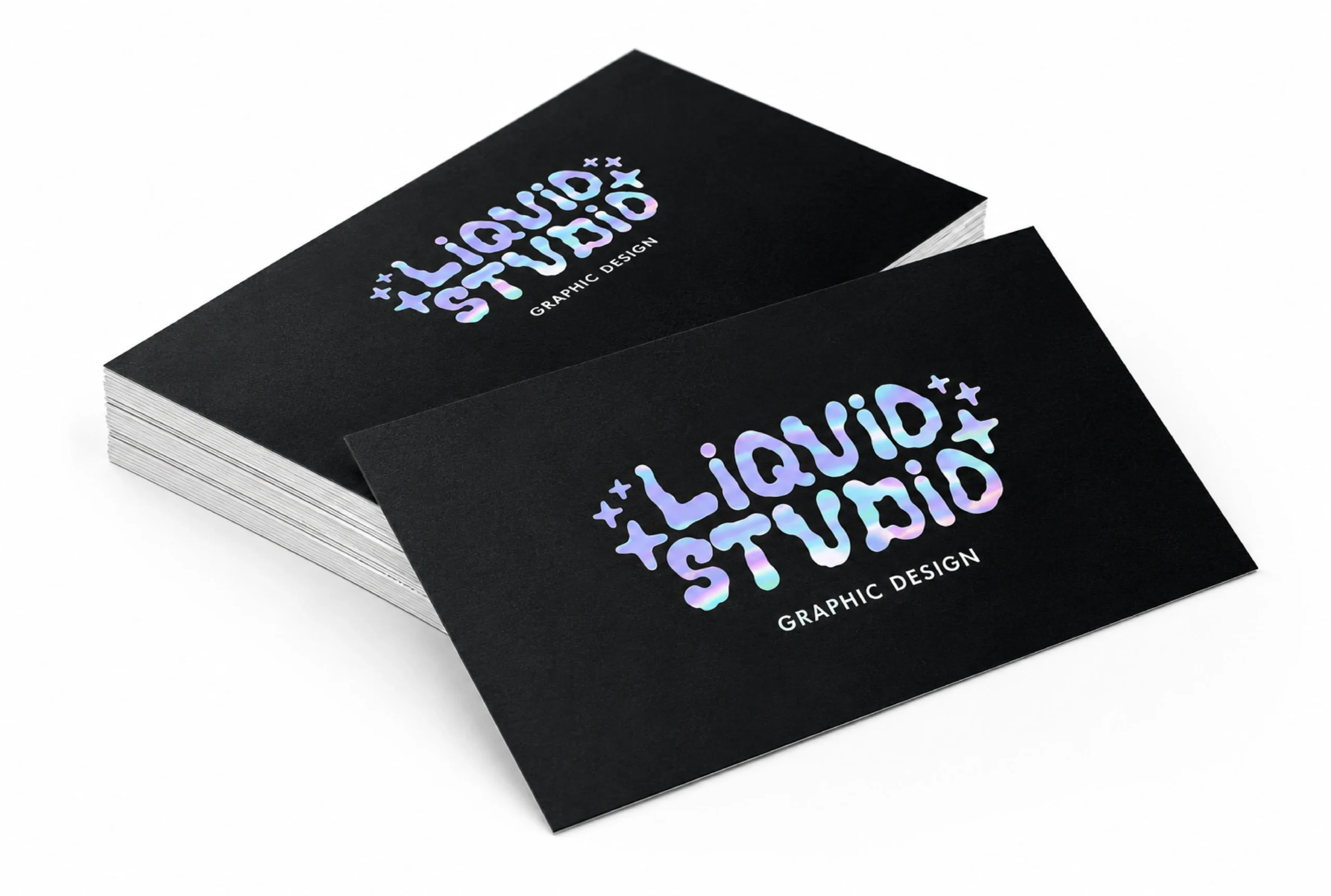
Holographic foil diffracts light and reveals the colors of the rainbow at various angles.
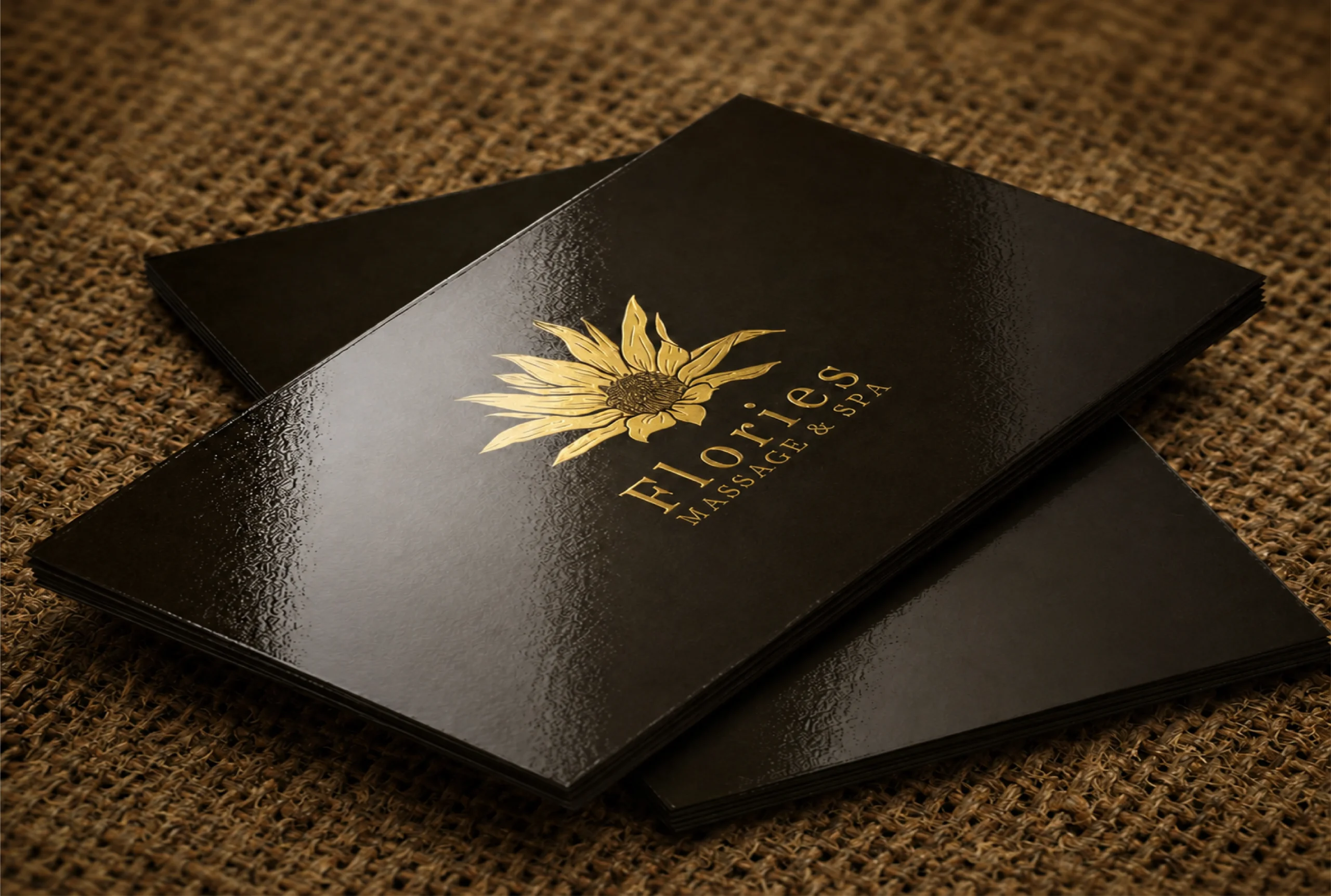
Our glossy finishing gives your packaging an extra layer of shine.
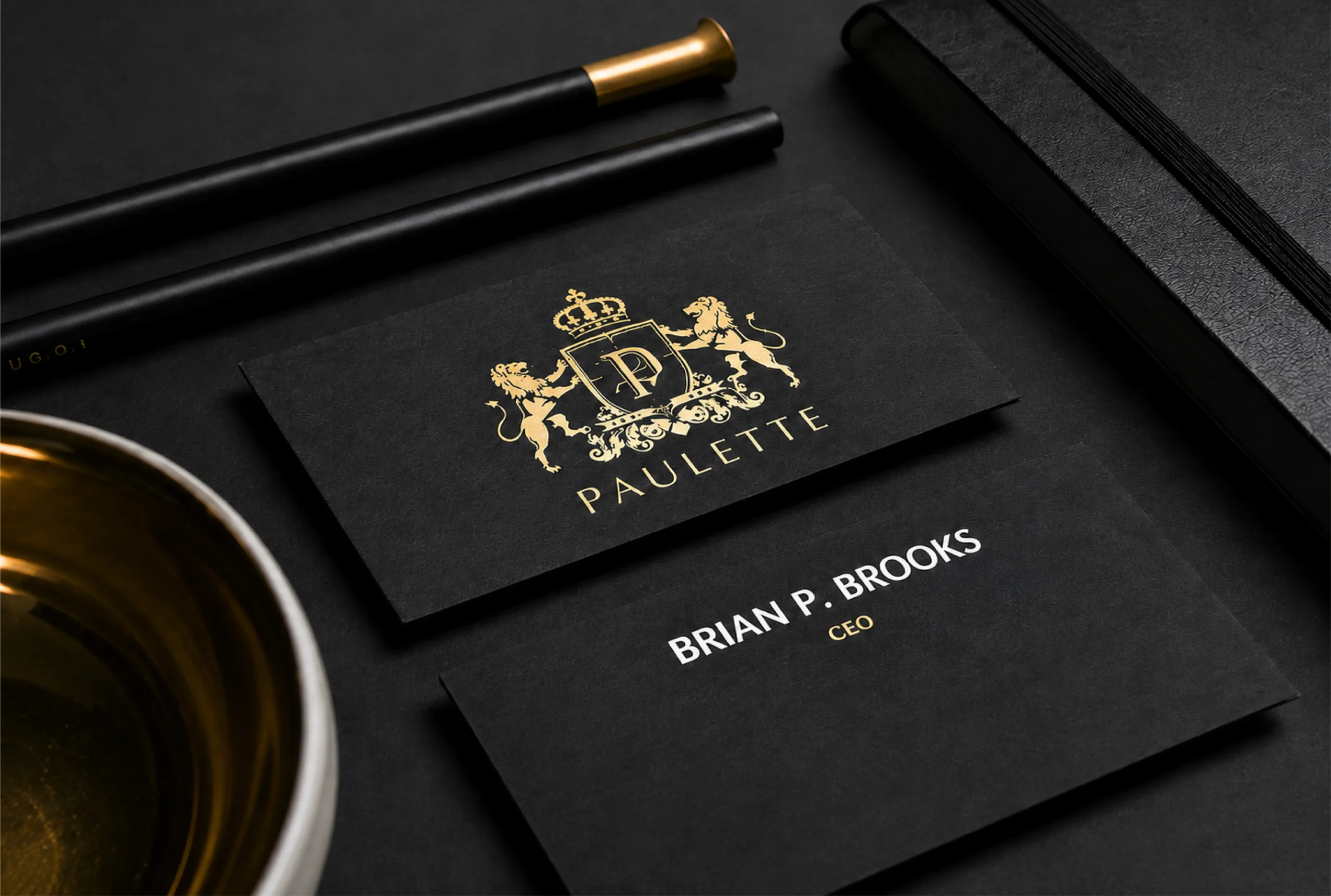
Decorate a wide range of your product packaging with our foil stamping.
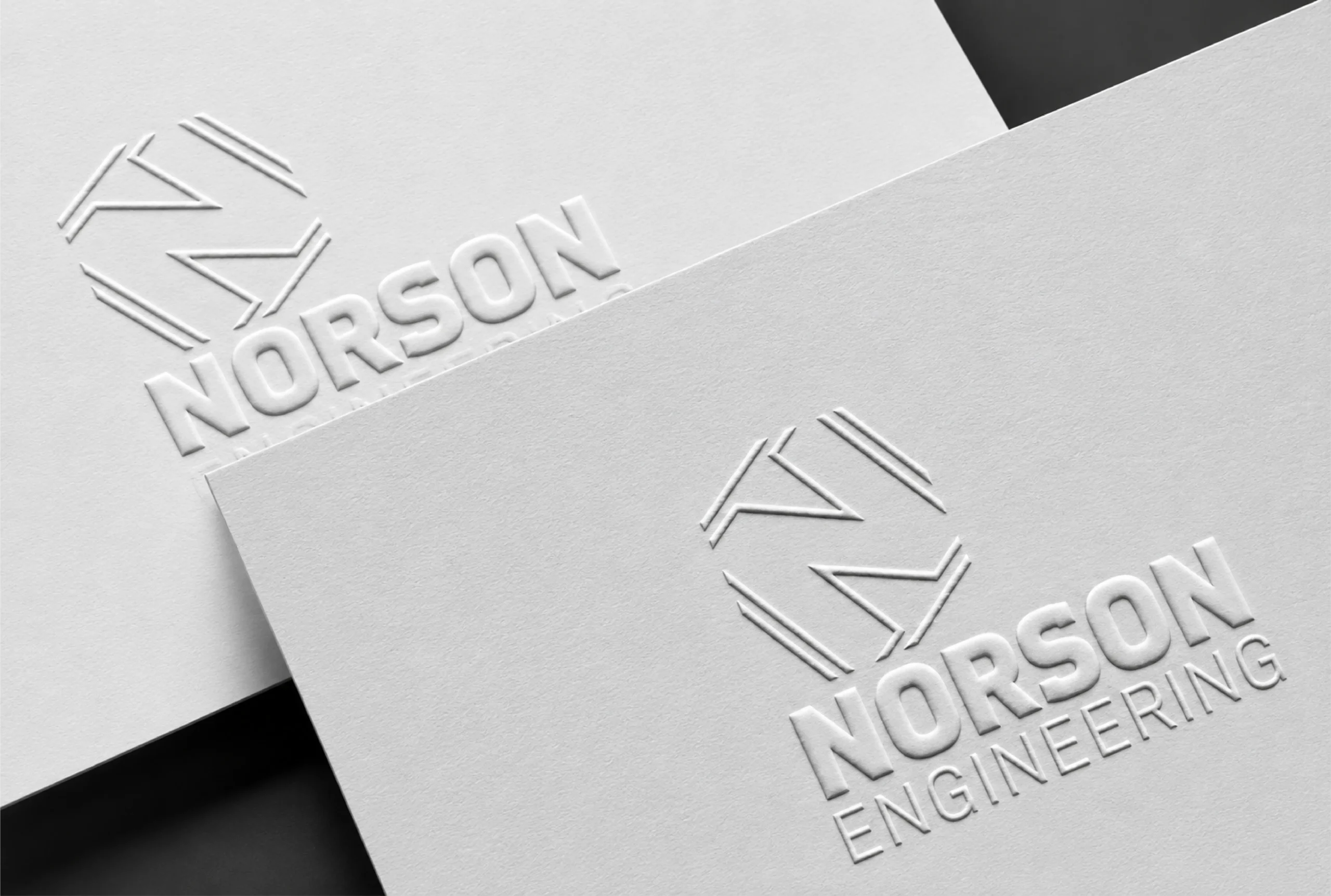
With our embossing technique, we transfer the finest details of your product on packaging.

We use debossing technique to add unique graphics into your packaging.
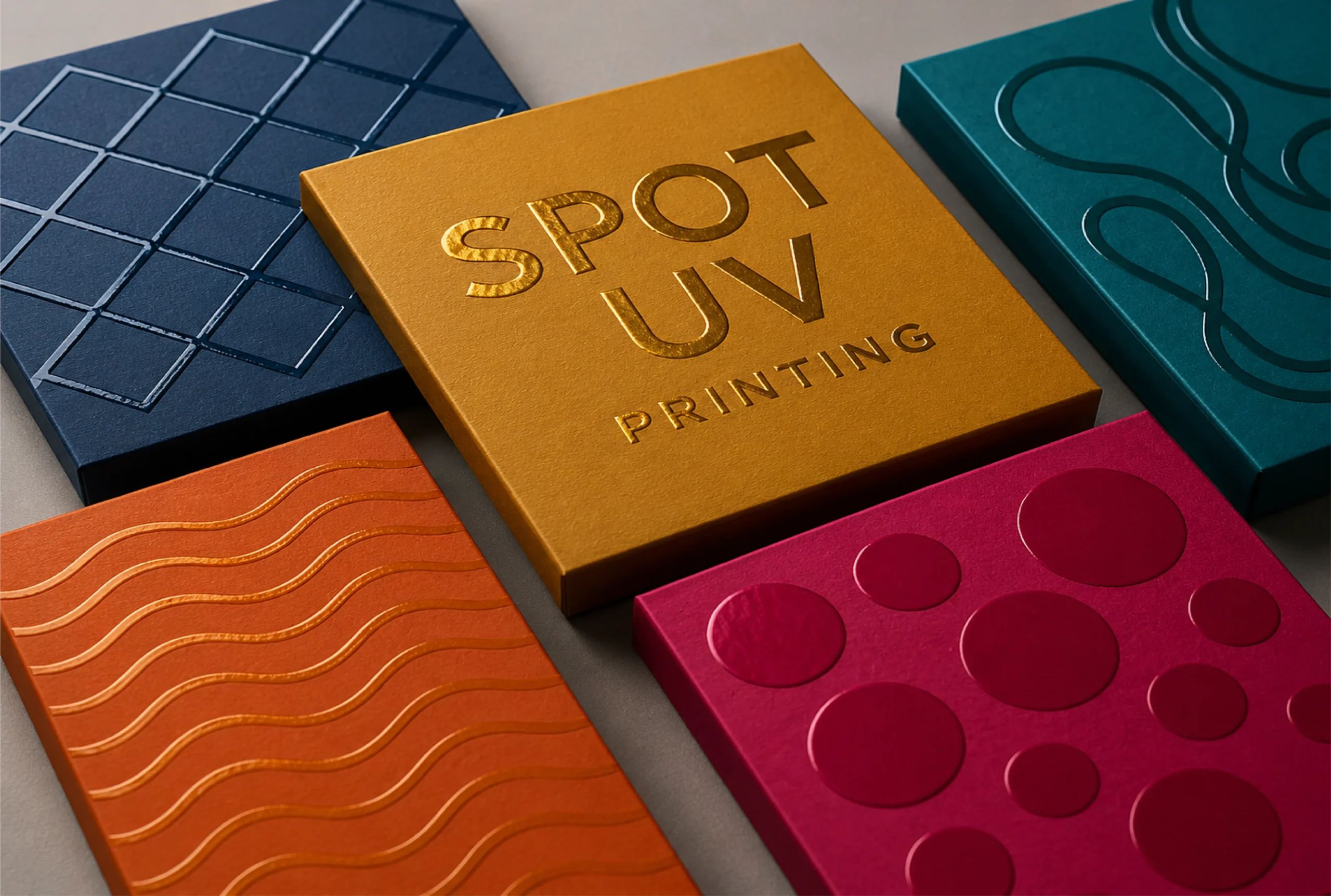
Our high-gloss UV coating gives light and shine to cure the printed material's varnish.
Still unsure? Email sales@packaginghubs.com and a packaging specialist will help.
Get your free quote today and see why Packaging Hubs is the most trusted name in U.S. custom packaging.