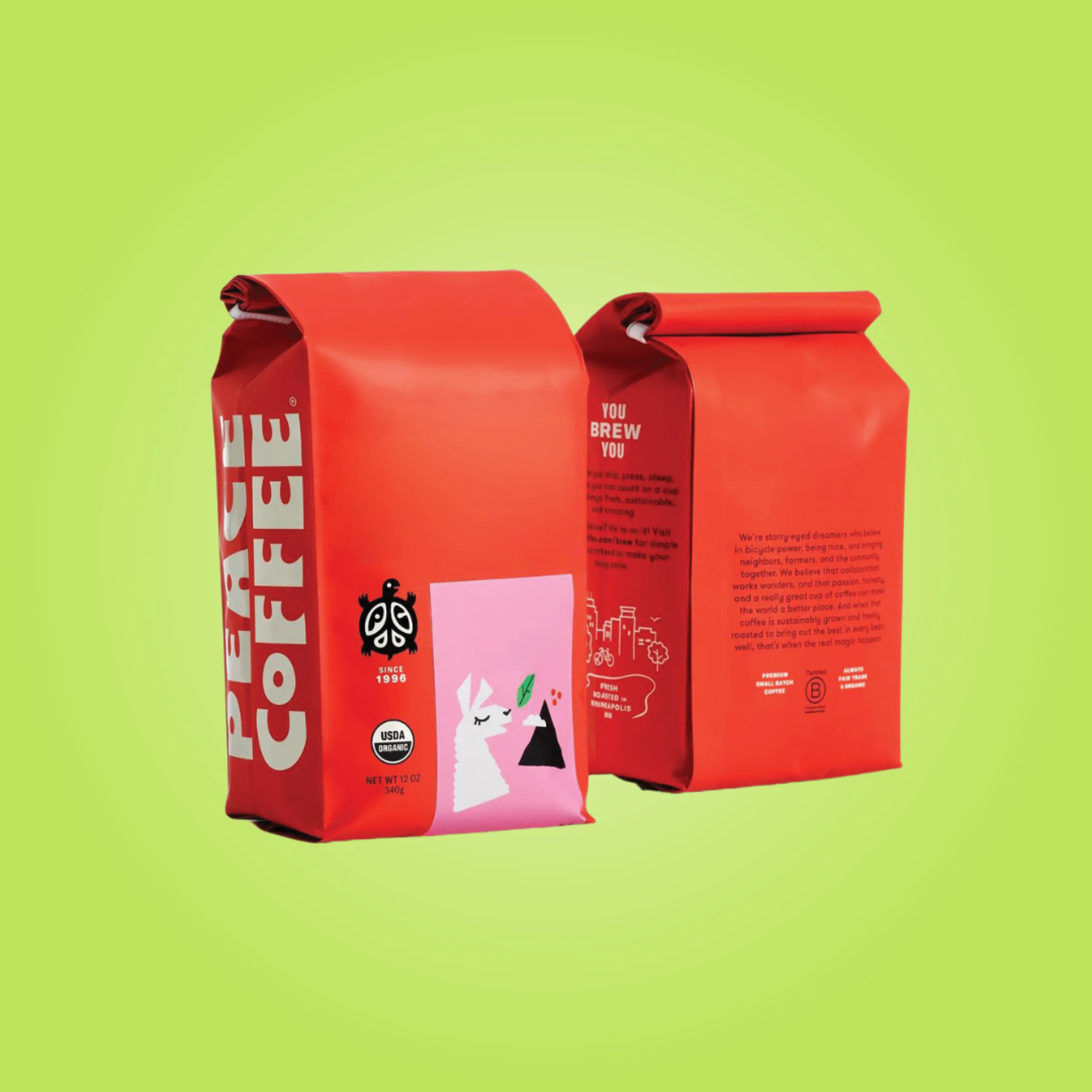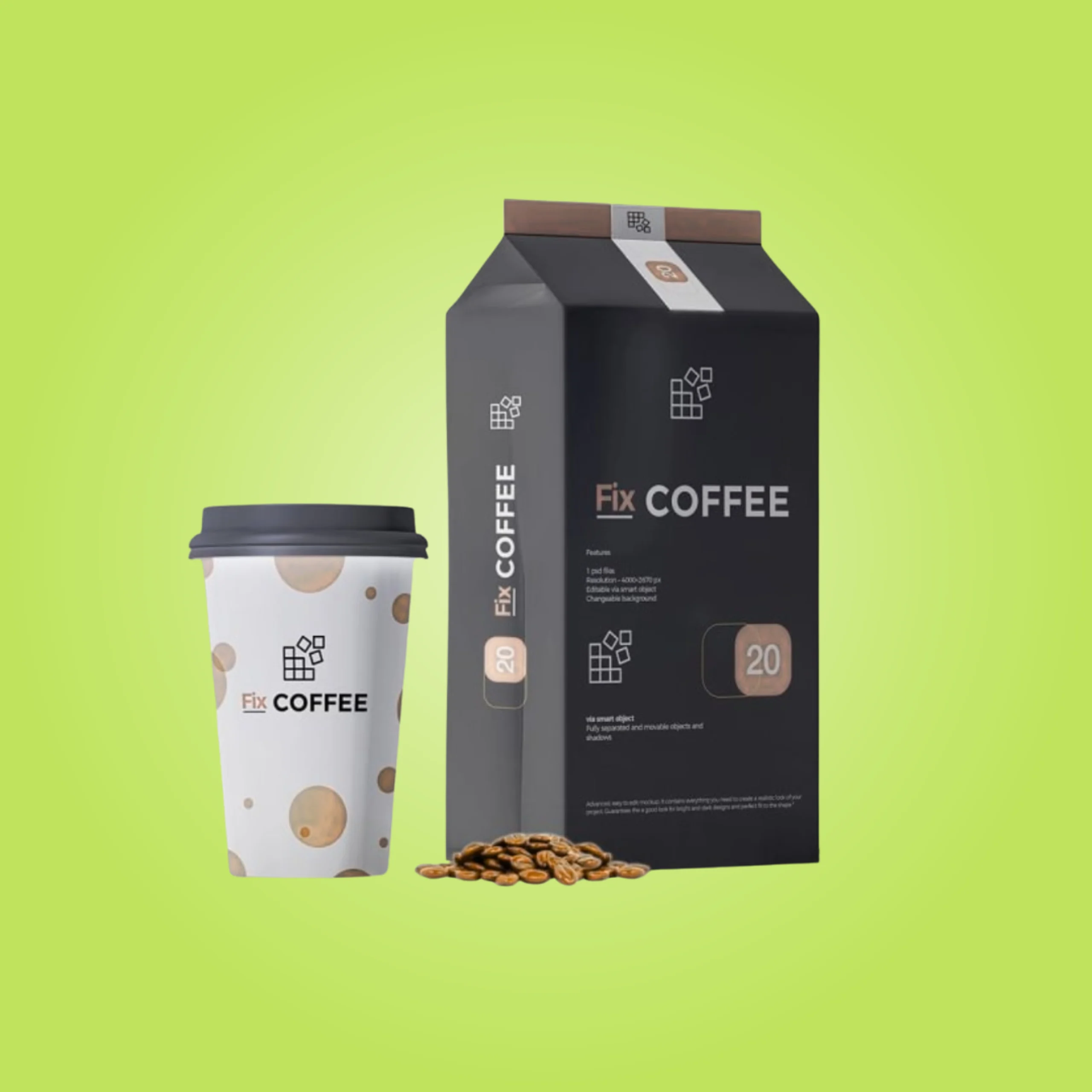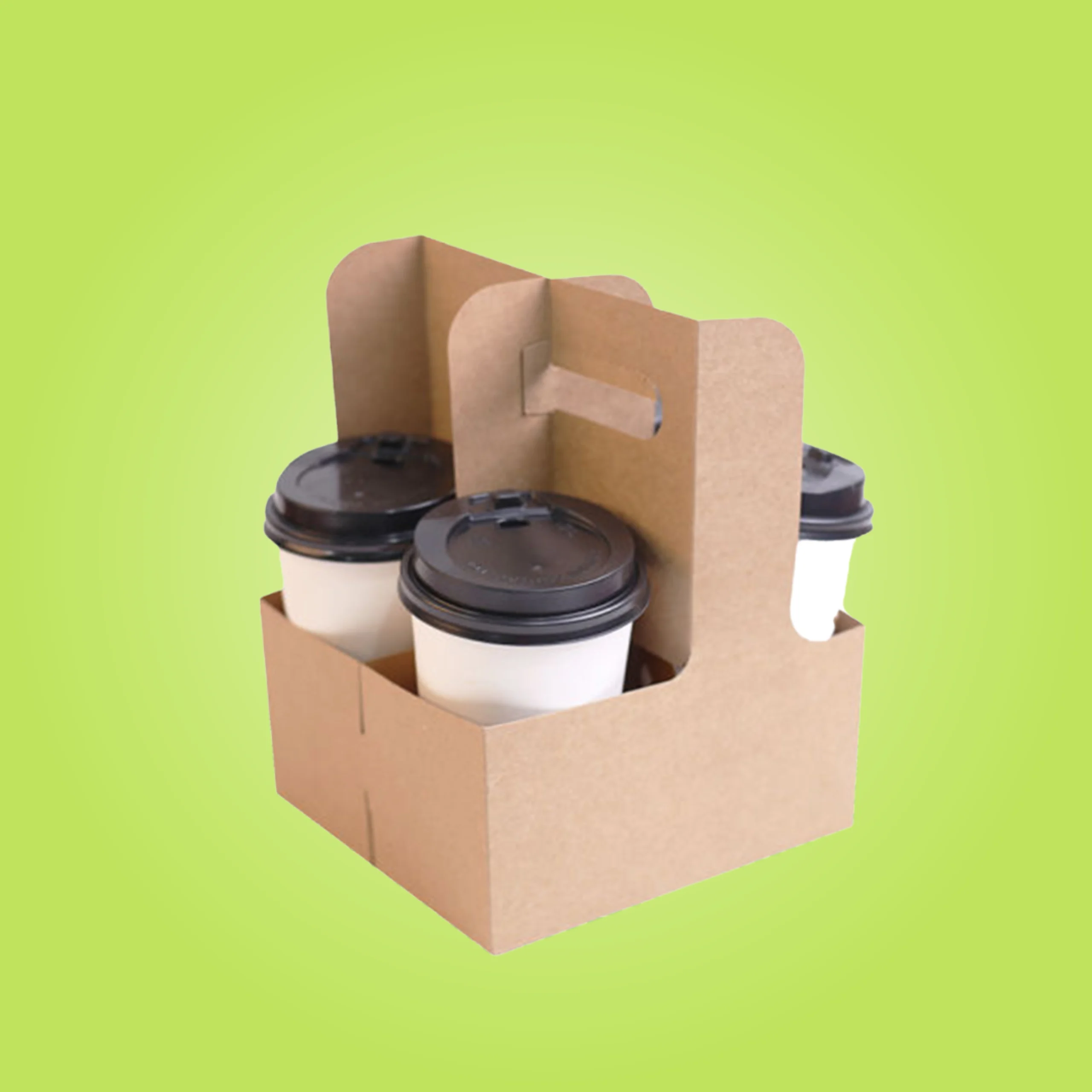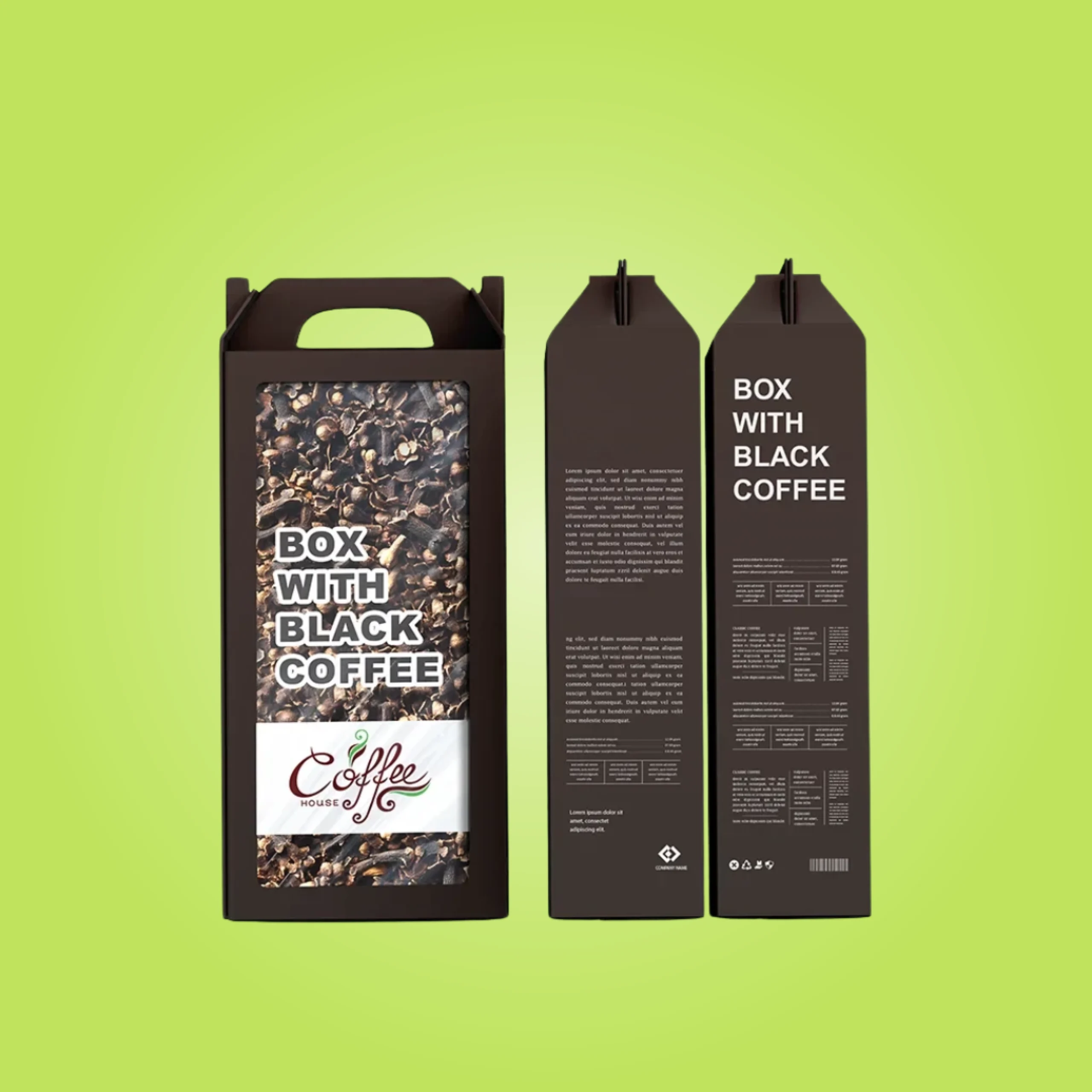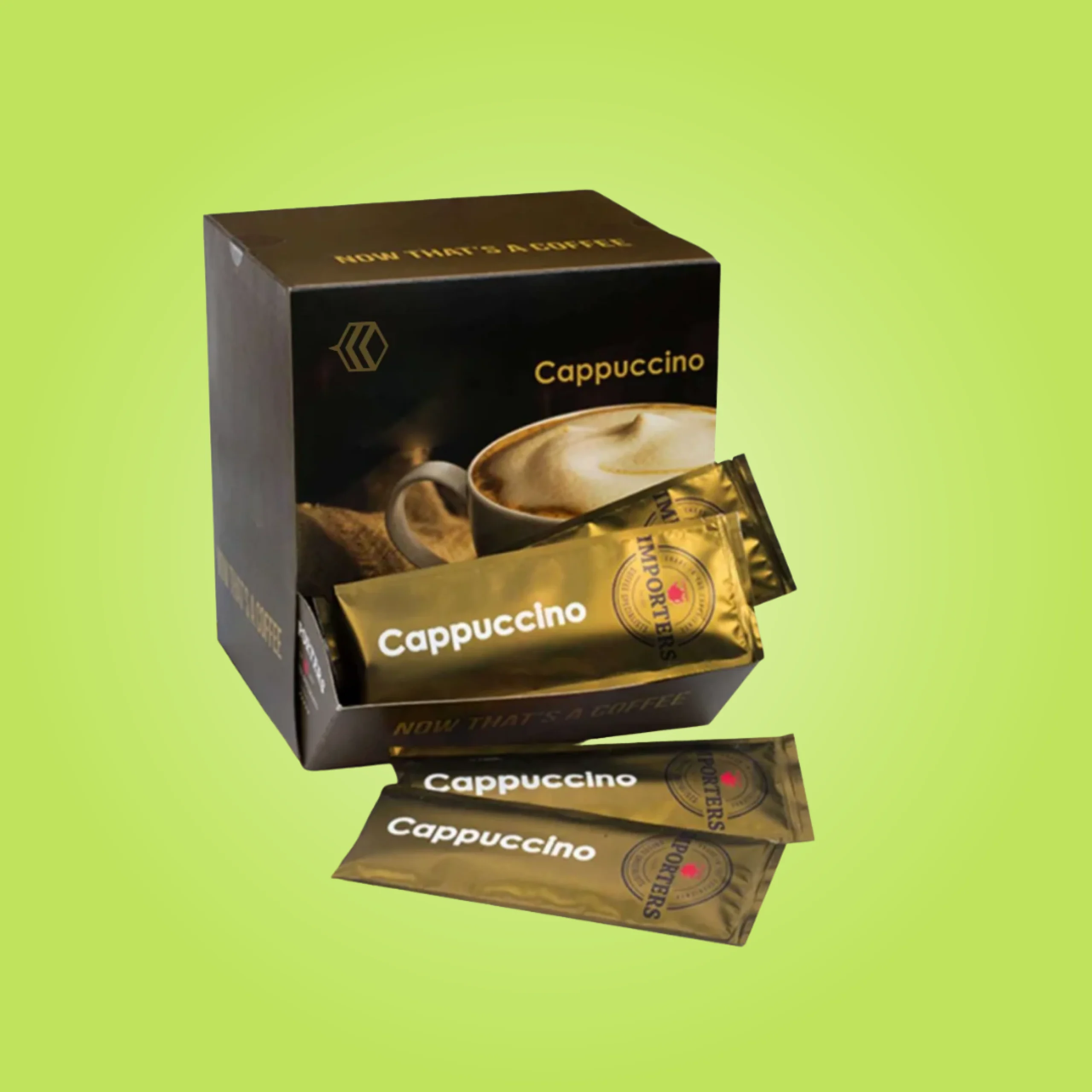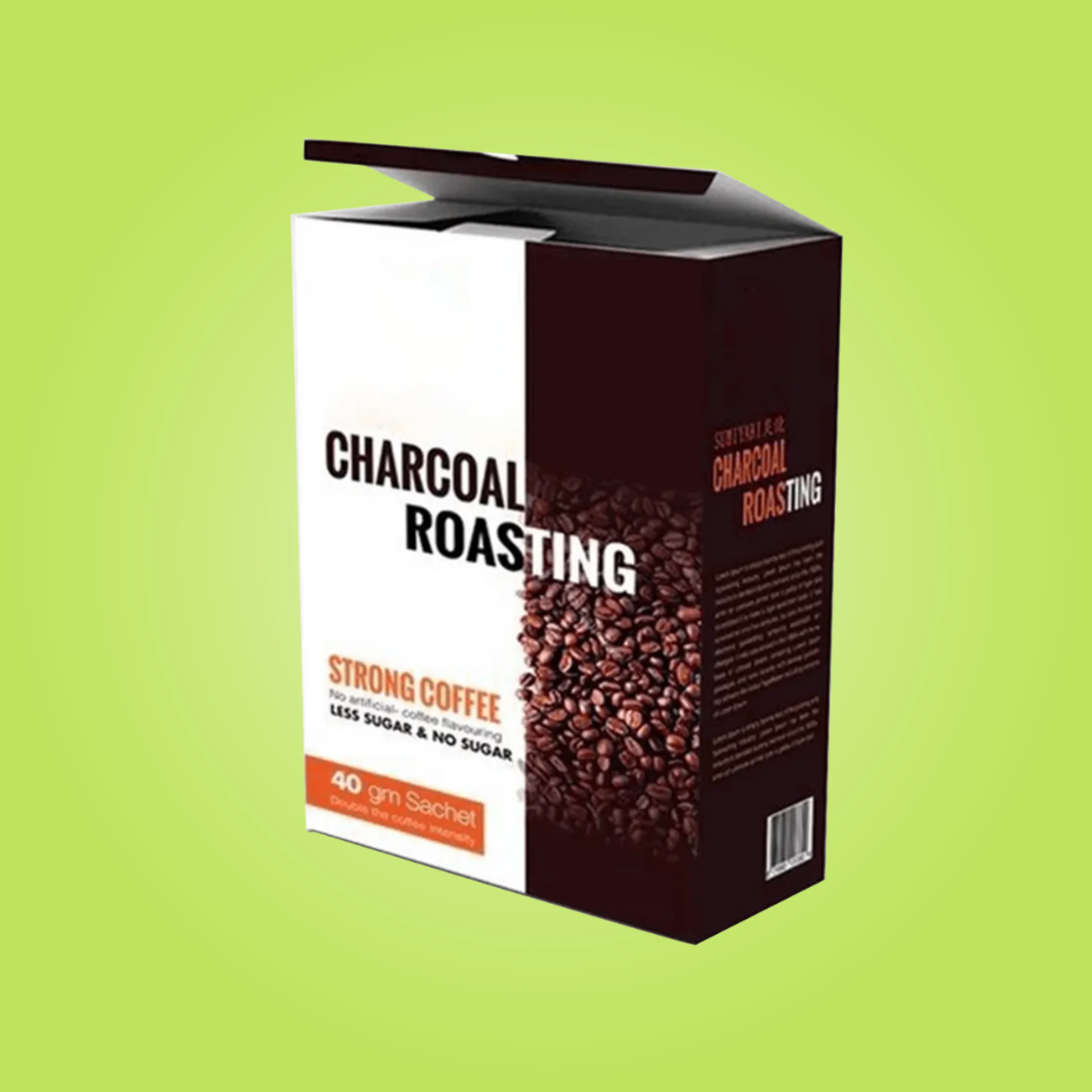
Coffee Boxes are designed to package coffee products with structure and care, supporting freshness, organization, and shelf appeal. Suitable for ground coffee, capsules, and small coffee accessories, they offer reliable protection for retail and shipping. With customizable sizes, materials, and printing, these boxes help coffee brands present their products professionally and consistently.
Coffee Boxes are an essential part of how coffee products are presented, protected, and trusted in the USA market. At Packaging Hubs, we focus on quality, clarity, and reliability, so customers feel confident from the very first interaction. With Free Shipping and No MOQ, our approach is built on trust, transparency, and professional packaging standards that meet modern expectations.
When people search online, they often use phrases like box of coffee or boxes of coffee because they want simple and complete information. That is why this page explains every detail clearly, covering materials, printing, colors, finishing, sizes, and more, all in one place.
High-quality packaging creates a strong first impression and supports long-term trust. Well-structured packaging protects the product, keeps its shape, and maintains a professional appearance. In addition, clear information about packaging quality helps customers understand value without confusion. Whether someone is comparing boxed coffee options or exploring different packaging suppliers, completeness and clarity matter.
Printing defines how branding, text, and design appear on the packaging surface. Clear printing improves readability and consistency, which directly affects how professional the packaging feels.
Digital printing applies the design directly onto the box surface. It produces sharp details and clean text, making it suitable for packaging that needs clarity and precision. Many brands rely on this method to ensure packaging looks consistent and readable.
Offset printing uses plates and a transfer process to deliver smooth and balanced ink coverage. As a result, it creates uniform designs with stable color output. Customers researching competitive pricing often search phrases such as dunkin coffee box cost or dunkin donuts coffee box price, and printing quality plays a role in how that value is perceived.
Flexographic printing uses flexible plates and fast-drying inks. It works well on different materials, including kraft and some corrugated surfaces. Because of this, it supports repeatable and durable print results for structured packaging.
Material selection directly affects strength, durability, print quality, and overall packaging performance. Choosing the right material helps the box maintain its shape, protect the product, and present a professional appearance. Thickness and PT (points) are key factors in understanding material strength.
PT (Points) measure thickness.
1 PT = 0.001 inches.
For example, 16PT equals 0.016 inches.
SBS (Solid Bleached Sulfate) board is a premium paperboard material with a smooth, white surface. It supports high-quality printing and clean finishing.
SBS board is often used when packaging needs a refined look with excellent print clarity.
Art board combines durability with a coated surface that enhances color accuracy. It supports detailed printing while maintaining reliable strength.
An art board is suitable when packaging needs visual consistency and dependable structure.
Cardstock is lighter than rigid materials but still holds shape well. It is commonly used when packaging needs to remain lightweight without appearing weak.
Many customers searching boxes for coffee prefer cardstock for its balance of strength and practicality.
Rigid board is a thick, solid material that offers maximum strength. It does not bend easily and keeps its shape over time.
Rigid board is often associated with premium packaging such as a coffee gift box or coffee gift boxes, where durability and presentation matter most.
Kraft cards have a natural brown surface with strong fiber content. It is known for durability and a simple, organic appearance.
Customers comparing packaging types like vegetable boxes often recognize kraft for its strength and practical appeal.
Corrugated materials use layered construction with flutes between liner boards. These flutes add strength and cushioning, making the packaging more resistant to pressure.
Some customers describe these sturdy structures using terms like coffee carton, referring to packaging that holds its shape and protects contents reliably.
Color systems help maintain consistency between design and final print.
CMYK uses cyan, magenta, yellow, and black inks to produce printed colors. It is widely used for packaging because it delivers reliable and repeatable results.
RGB is primarily used for digital designs and screen previews. Understanding RGB helps explain why colors may appear different on screens compared to printed packaging.
PMS ensures precise color matching. It helps brands maintain consistent color identity across different print runs and packaging formats.
Finishing improves appearance, texture, and surface protection. It also adds visual depth and enhances the overall presentation.
Gloss finish creates a shiny and reflective surface. It enhances color vibrancy and gives packaging a clean, polished look.
Matte finish offers a smooth, non-reflective surface. It reduces glare and creates a soft, modern appearance that feels premium to the touch.
Embossing raises specific design elements above the surface. It adds texture and dimension, making the packaging feel more refined.
Debossing presses elements into the surface. This creates a subtle, professional effect without overpowering the design.
Other finishes include Spot UV, foiling, and soft-touch coatings. These finishes add contrast, visual interest, and a premium feel while maintaining clarity.
Size selection affects fit, structure, and overall presentation. Clear dimensions help customers understand proportions and avoid unnecessary space.
Common small dimensions are approximately 4” × 4” × 6”, offering compact and efficient packaging.
Medium boxes often measure around 6” × 6” × 8”, providing balanced internal space and stability.
Large boxes typically measure 8” × 8” × 10” or more, allowing extra room while maintaining structure.
Customization allows logos, text, and layouts to align with brand identity. Clear branding improves recognition and consistency. Many businesses also explore specialized formats such as custom coffee pod boxes, which require careful attention to layout and structure without complicating the design.
Budget transparency helps customers understand value. Costs depend on material choice, thickness (measured in PT), printing method, size, and finishing. Because of No MOQ, businesses can maintain flexibility without overcommitting. Clear explanations help customers comparing coffee box options or even searching misspelled terms like coffe box feel confident in their decision.
Turnaround time reflects production efficiency and planning. In the USA, customers expect realistic timelines that align with professional standards. Clear expectations help build trust without focusing on shipping processes.
At Packaging Hubs, quality control, material consistency, and reliable production standards are priorities. Every packaging element is explained clearly so customers understand what they receive. This focus on transparency supports long-term trust and credibility.
Demand for coffee packaging remains strong across cities such as New York, Los Angeles, Chicago, Seattle, and Miami. Customers often reference familiar brands using phrases like coffee box starbucks or wawa box of coffee, which shows how packaging perception influences buying confidence.
Responsible sourcing and eco-friendly materials play an important role in modern packaging. Sustainable choices help reduce waste while maintaining strength and quality. Customers comparing categories like Pasta Boxes alongside coffee packaging often look for similar responsibility standards.
Coffee Boxes should deliver clarity, strength, and professional presentation. At Packaging Hubs, we focus on complete information, reliable quality, and transparent standards, so customers searching for coffee to go box, caterer’s coffee dispenser, caterers coffee dispenser, caterer’s coffee containers, or even catering container containing coffee can find everything they need in one trusted place.
| Box Style | Coffee Boxes |
| Dimension (L + W + H) | All Custom Sizes & Shapes |
| Quantities | No Minimum Order Required |
| Paper Stock | 10pt to 28pt (60lb to 400lb) Eco-Friendly Kraft, E-flute Corrugated, Bux Board, Cardstock |
| Printing | No Printing, CMYK, CMYK + 1 PMS color, CMYK + 2 PMS colors |
| Finishing | Gloss Lamination, Matte Lamination, Gloss AQ, Gloss UV, Matte UV, Spot UV, Embossing, Foiling |
| Included Options | Die Cutting, Gluing, Scored, Perforation |
| Additional Options | Eco-Friendly, Recycled Boxes, Biodegradable |
| Proof | Flat View, 3D Mock-up, Physical Sampling (On request) |
| Turnaround | 4 – 8 Business Days, RUSH |
| Shipping | FLAT |