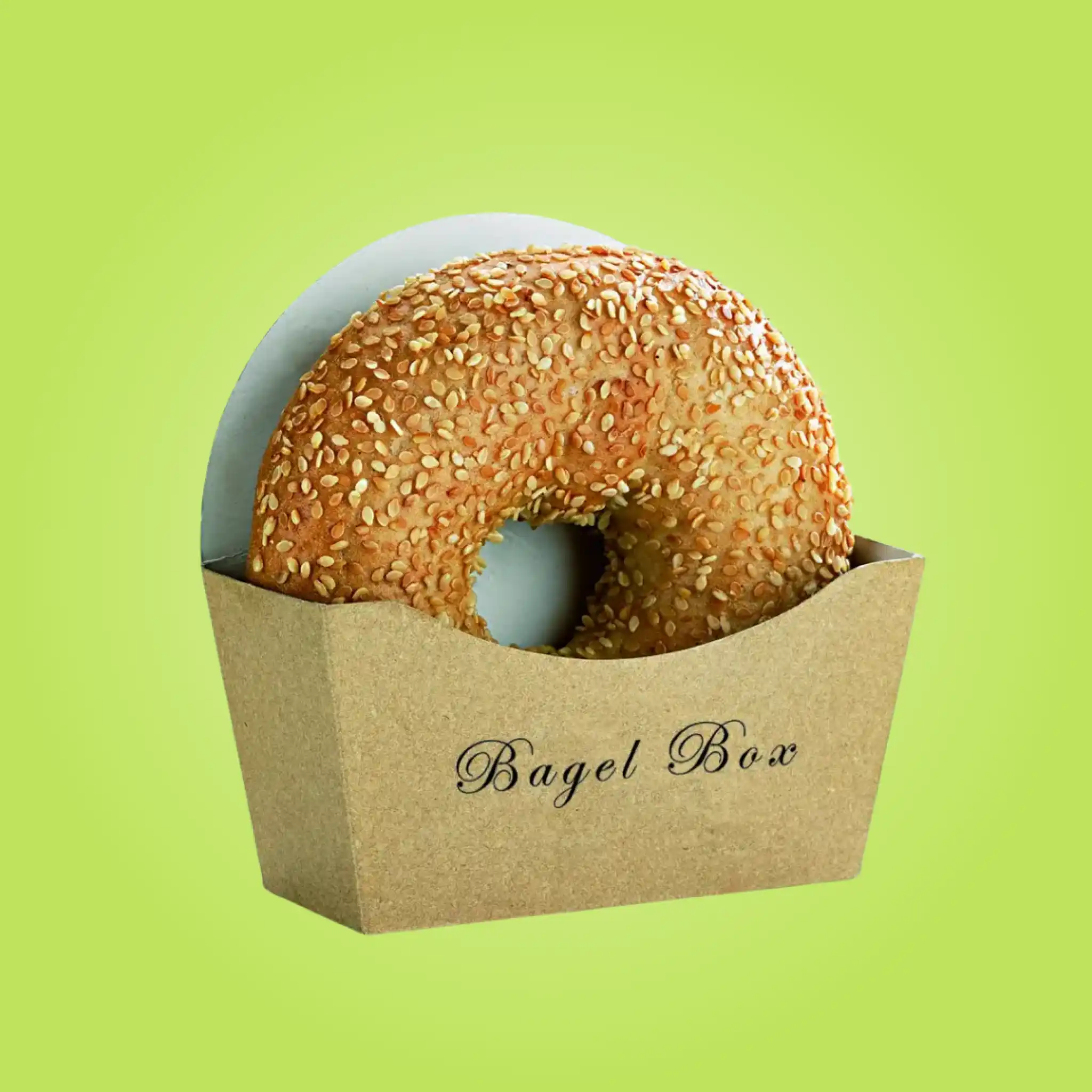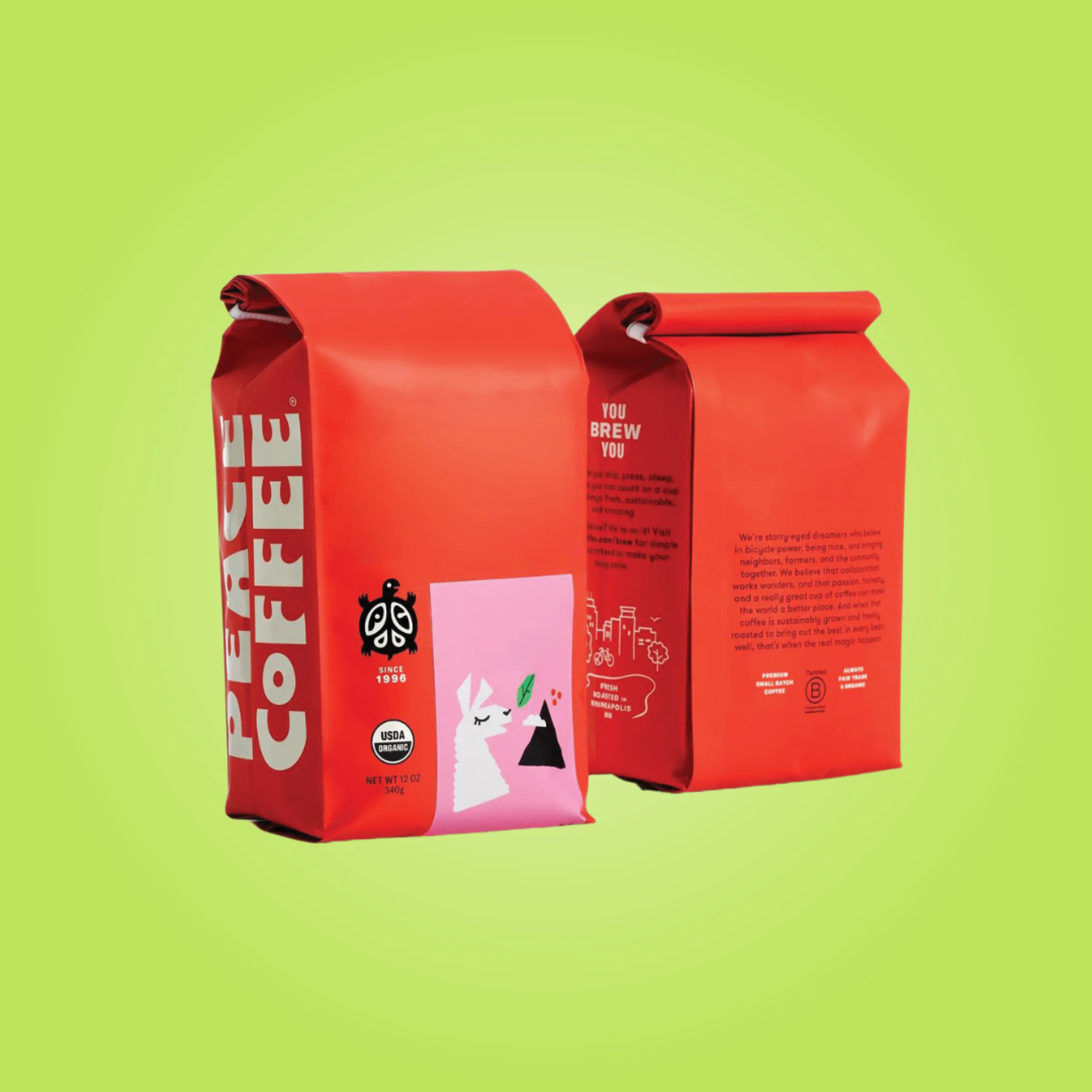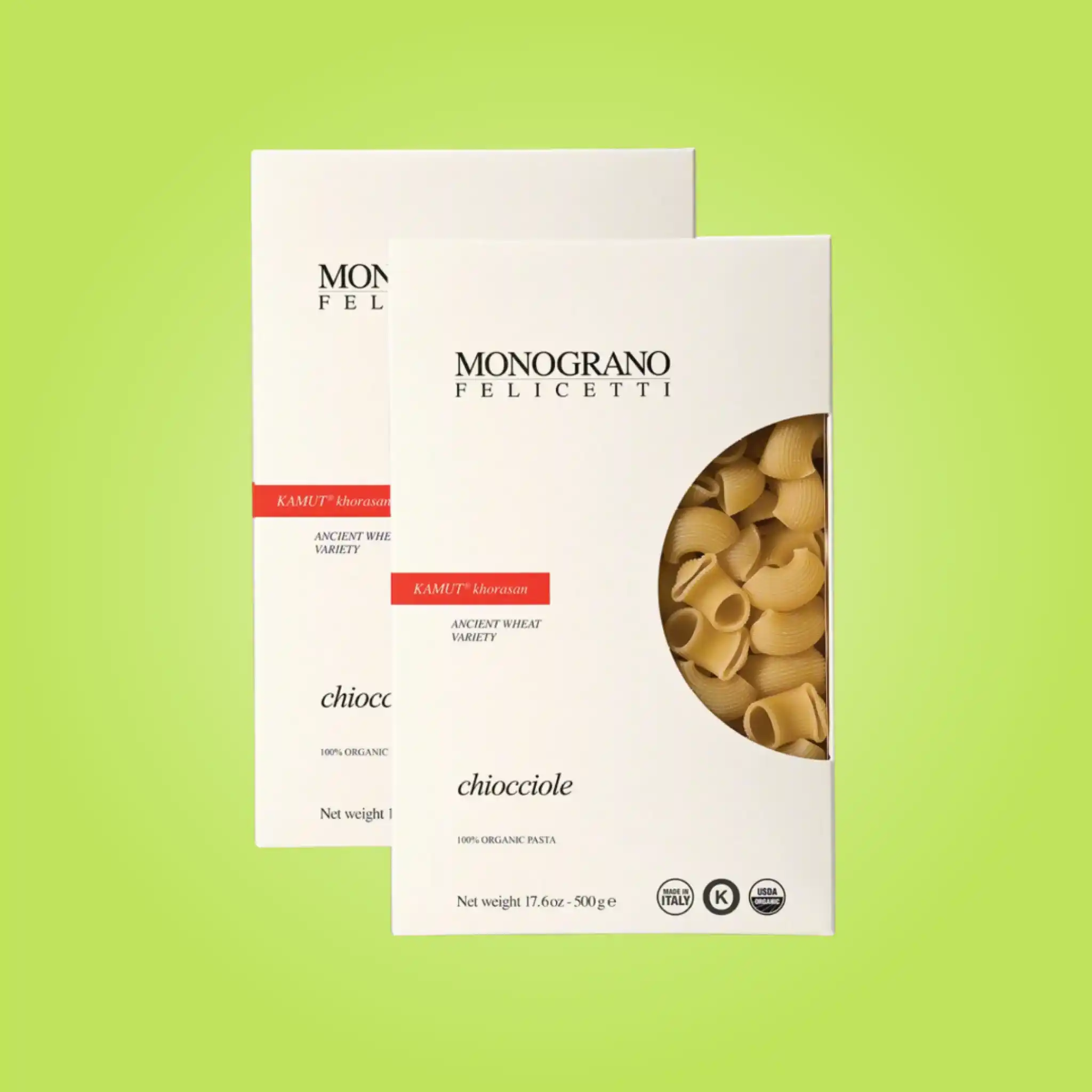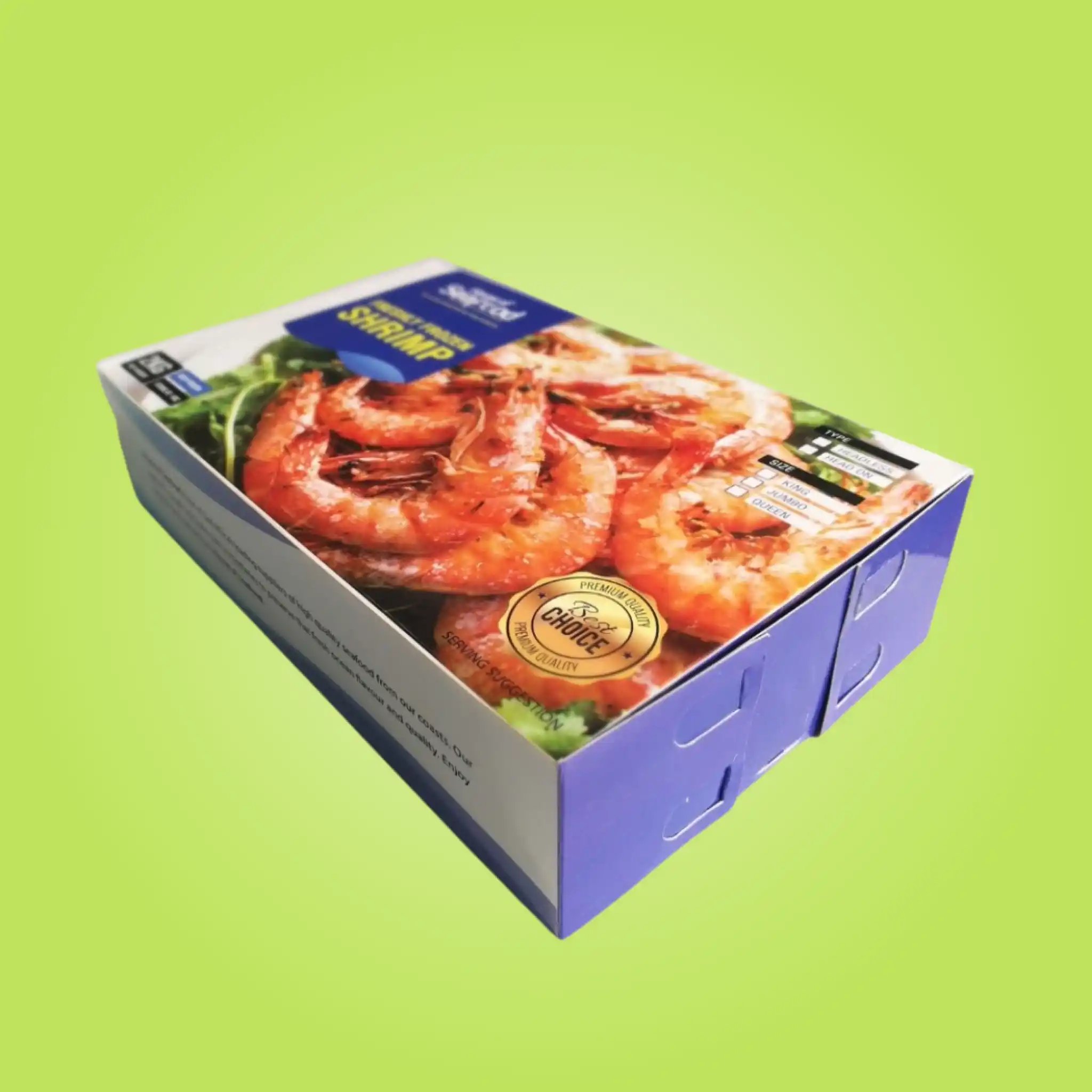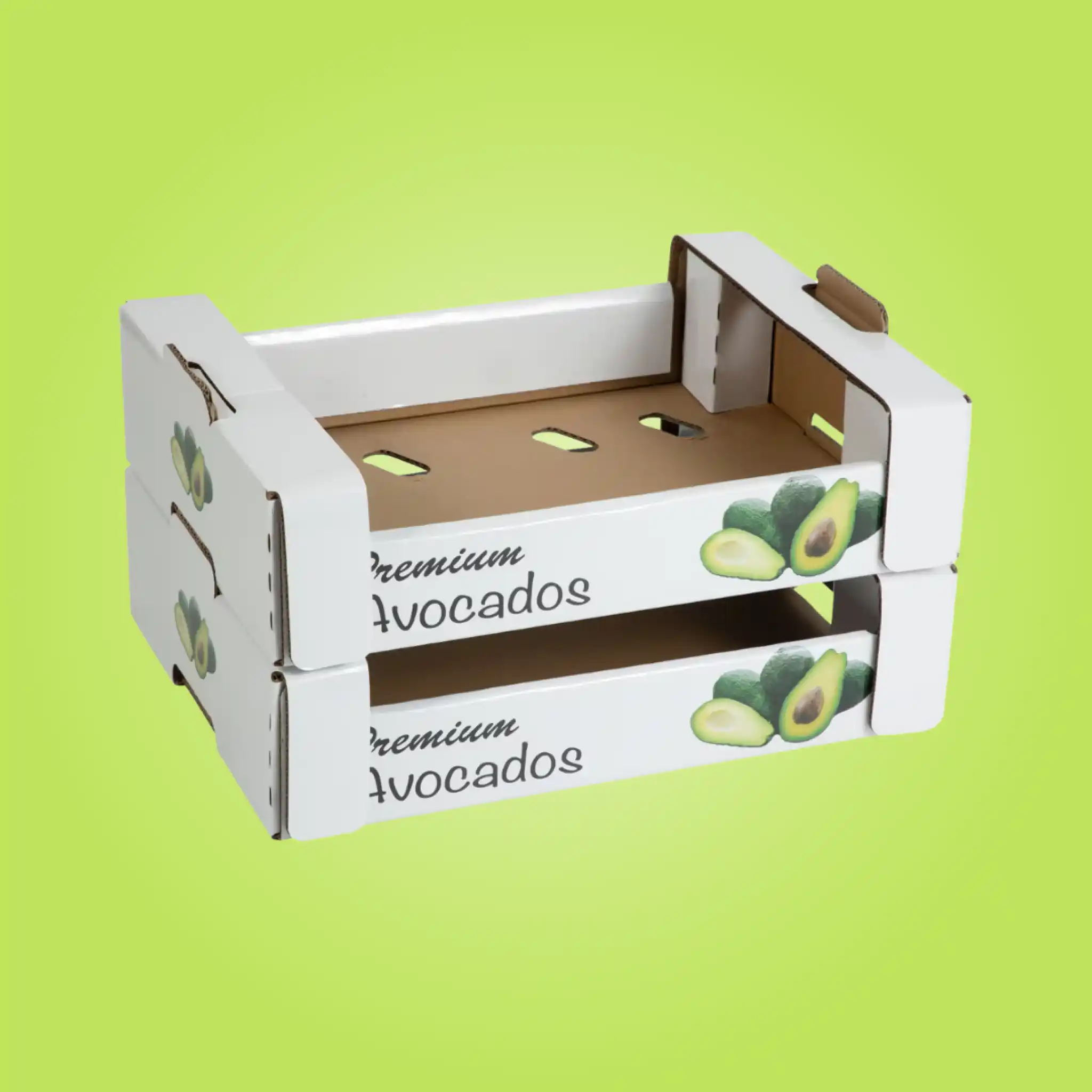
Custom Food Boxes are not just packaging; they represent your brand’s quality, cleanliness, and professionalism. At Packaging Hubs, we create category-level packaging that supports trust, strong presentation, and consistent results for businesses across the USA. Therefore, when customers see well-made packaging, they feel more confident about the product inside, and that trust supports long-term growth.
Moreover, food custom packaging needs to stay clear, strong, and reliable. That is why this category includes custom food packaging solutions that support different packaging needs while keeping quality consistent. In the same way, personalized food boxes help brands maintain a clean identity, while personalized food packaging helps keep a professional look that customers recognize quickly.
Customization means you control the packaging details that customers notice first. For example, personalized food boxes allow your brand name, design, and product information to look consistent. Additionally, custom food packaging can be adjusted through printing methods, colors, materials, finishing, and sizing without losing the basic purpose of protection and presentation.
At the same time, customization does not mean confusing changes. Instead, it simply means packaging looks and feels like it belongs to your brand. Because of that, many brands choose personalized food packaging and personalized food boxes so customers instantly recognize them.
Consistency matters because customers expect the same quality every time. If packaging looks different across batches, it can lower trust. Therefore, Packaging Hubs focuses on stable quality across printing, color, and materials so that packaging stays uniform. In addition, consistent packaging supports clean presentation for items like Coffee Boxes, Pasta Boxes, and Vegetable Boxes, which customers often associate with freshness and reliability.
Digital printing is a modern printing method that applies designs directly from digital files. It helps keep details clean and text readable, especially when a brand wants a sharp, professional look. Additionally, digital printing supports smooth design accuracy for custom food containers and custom food container packaging where clarity matters.
Moreover, digital printing can maintain consistent printing quality across designs that include branding, product details, and important packaging text, which helps build trust and professionalism.
Offset printing is known for stable and uniform print output. It supports clean color coverage and balanced design appearance, which is important when packaging must look consistent across many units. Therefore, offset printing is often used across category packaging where a polished look is required.
In addition, offset printing helps keep the packaging’s design aligned with a brand’s identity, which supports trust when customers see the same design quality repeatedly.
Flexographic printing uses flexible printing plates and fast-drying inks. It supports production where packaging needs clear printing while staying strong and stable. Because the printing process can stay consistent, it is widely used for packaging styles such as cardboard take out boxes and cardboard to go boxes where quality still needs to remain professional.
Furthermore, flexographic printing supports readability and clean design placement, which makes packaging look organized and more trustworthy.
Print clarity matters because customers judge packaging quickly. If text looks unclear or designs look messy, packaging may seem low quality. Therefore, clean printing supports trust. In the same way, clear print improves the visual presentation of packaging such as take out food boxes, carryout boxes, coffee boxes and food to go boxes.
SBS Board is a clean, smooth paperboard material. It supports high-quality printing because the surface stays even. Therefore, it is often chosen when packaging needs a premium appearance. In addition, SBS Board helps keep packaging neat, which improves customer confidence when opening the box.
Art Board supports good printing and provides a stable structure. It often balances presentation and strength, which keeps packaging looking professional during handling. Moreover, it supports clean design printing so branding looks consistent across packaging.
Cardstock is thicker than standard paper and provides a sturdy feel without becoming too heavy. It supports packaging structure while maintaining clean printing quality. Therefore, it is commonly selected where packaging needs firmness but still needs a flexible production approach.
Rigid Board is a strong and durable material used for packaging that needs high stability. Because it holds shape well, it supports premium packaging presentation. Moreover, rigid board helps packaging stay firm during handling, which adds confidence and trust for customers.
Kraft Card is known for its natural look and strong fiber structure. It supports durability while keeping an earthy, clean appearance. Therefore, kraft is often used when brands want a more natural packaging feel without losing strength.
Corrugated material uses layered construction that improves strength and protection. Inside, flutes create structure and cushioning. Therefore, flutes matter because they influence thickness, stability, and stacking performance.
E-flute offers a thinner profile with a smooth surface, which helps maintain neat printing while still improving strength. On the other hand, B-flute is thicker and adds more cushioning and stacking support. Additionally, other common flute types exist, and they help balance thickness and strength depending on packaging requirements.
Material strength impacts how well packaging holds its shape. Thicker or stronger materials reduce bending, crushing, and deformation. Therefore, stronger materials support cleaner presentation and better customer trust. In addition, stable materials support packaging forms like food carton designs and box packaging for food where structure matters.
For example, Cardstock often starts around 12PT-14PT, making it suitable for lightweight food packaging. Art Board and SBS Board commonly range from 16PT-18PT, offering added rigidity and a smooth print surface. Kraft Card typically falls between 18PT-24PT, providing strength with a natural finish. Rigid Board uses much higher thickness levels, often 24PT and above, to deliver maximum structural support for heavy-duty or premium packaging.
CMYK is the most common printing color method used for packaging. It mixes four inks to create a wide range of colors. Therefore, it supports full-color packaging designs and detailed artwork while keeping output consistent.
RGB is mainly a digital color method used on screens. It helps show how designs look on digital devices before printing. However, packaging is typically printed using CMYK or PMS. Still, RGB remains important because it supports digital design consistency before final production.
PMS is a color-matching system used when brands need very specific shades. It supports strong brand consistency because the colors remain controlled and repeatable. Therefore, PMS helps branding look consistent across packaging, which builds trust and professionalism.
Color accuracy matters because customers connect colors with brand identity. If colors change across packaging, it can look unprofessional. Therefore, consistent colors help customers recognize the brand quickly and build trust over time.
Gloss gives packaging a shiny, reflective surface. It increases brightness and makes colors look more vivid. Therefore, gloss can make packaging look more eye-catching while still appearing clean and professional. In addition, gloss can add a protective layer that supports surface durability.
Matte creates a smooth, non-shiny surface. It reduces glare and delivers a modern, refined look. Therefore, matte helps packaging look premium in a subtle way. Moreover, matte provides a softer visual style that many brands prefer when they want a calm, clean presentation.
Embossing raises specific design areas above the surface. It adds texture and depth, which helps packaging feel more premium. Therefore, embossing supports strong branding because customers can feel the design, not just see it. In addition, embossing makes logos and important design elements stand out in a natural way.
Debossing presses design areas inward instead of raising them. It creates a clean, elegant impression that feels subtle and premium. Therefore, debossing supports branding while keeping packaging professional and minimal. Moreover, it adds a tactile element that improves customer perception.
Soft-touch coating creates a smooth, velvety feel. It makes packaging feel premium when customers hold it. Therefore, it improves perceived value without needing complex design changes. In addition, soft-touch can help reduce visible fingerprints on certain surfaces, which keeps packaging looking cleaner.
Spot UV applies a glossy coating to specific areas of the packaging, such as a logo or title. Because it highlights one area, it adds contrast and visual focus. Therefore, spot UV helps branding look sharper and more intentional. Additionally, it can improve design clarity by separating key design elements from the background.
Foil stamping adds metallic or colored foil to specific parts of a design. It creates a bright, reflective highlight that feels premium. Therefore, foil stamping supports strong shelf appeal and brand recognition. In addition, it makes packaging appear more detailed and high-end.
Aqueous coating is a water-based coating that adds light protection and improves surface smoothness. It helps protect against minor scuffs and improves print durability. Therefore, it supports packaging that needs both clean appearance and basic protection.
Varnish is a finishing layer applied to packaging surfaces. It can be applied overall or in selected areas. Therefore, varnish can improve visual richness while supporting surface protection. In addition, it can help printed designs stay cleaner during handling.
Lamination adds a thin protective film to the surface of the packaging. It improves durability and helps reduce damage from friction. Therefore, lamination supports packaging quality when boxes get handled frequently. Additionally, lamination can be gloss or matte, which gives brands flexibility while keeping packaging protected.
Small packaging typically measures around 6 x 4 x 2 inches. It supports compact packaging needs while keeping the structure neat and manageable. Therefore, small packaging works well when space efficiency matters and presentation still needs to look clean.
Medium packaging commonly measures around 9 x 6 x 3 inches. It provides more internal space while still being easy to stack and store. Therefore, medium sizes often fit brands that want balance between capacity and packaging efficiency.
Large packaging often measures around 12 x 9 x 4 inches. It offers more room and supports packaging that needs extra space. Therefore, large vegetable boxes packaging can help prevent compression and support better product protection.
Size consistency is important because packaging must remain reliable across every order. If sizing changes, it can affect product fit, stacking, and overall presentation. Therefore, stable sizing supports trust and professional packaging performance.
Packaging strength helps products stay secure. When a box holds shape, customers feel more confident about product hygiene and quality. Therefore, structural stability supports trust and a clean brand image.
Packaging also needs to stay stable during storage and handling. Strong structure supports stacking, prevents crushing, and keeps packaging neat. As a result, packaging looks better when customers receive it.
Food packaging should follow food-safe standards so materials do not harm the food inside. Therefore, food-grade clarity supports customer confidence. In addition, clean materials and controlled printing processes improve trust and protect brand reputation.
Clean packaging presentation matters because customers often judge food quality by packaging appearance. Therefore, neat printing, accurate colors, and strong materials help customers feel safer and more confident.
The budget depends on material type, printing method, size, and finishing. For example, rigid materials may cost more than lighter materials, and premium finishes add extra cost. Therefore, understanding these factors helps customers make informed decisions without confusion.
Value means packaging should look professional, stay strong, and represent the brand properly while still staying within budget. Therefore, balanced packaging options help brands maintain quality and trust without unnecessary cost.
Turnaround time matters because food businesses often need packaging on schedule. Packaging Hubs focuses on reliable timelines across the USA so brands can plan confidently. Therefore, dependable production timing supports operations and reduces stress.
Reliable scheduling supports trust. When packaging arrives on time, brands maintain consistency, avoid shortages, and stay prepared. As a result, operational planning improves and customer experience stays smooth.
Free Shipping supports budget planning because customers can manage costs more clearly. Therefore, it helps remove uncertainty and makes pricing easier to understand.
No MOQ means customers are not forced into large minimum orders. Therefore, this flexibility supports brands that want more control over ordering sizes without unnecessary pressure.
Quality checks matter because mistakes reduce trust. Packaging Hubs focuses on accuracy so printing, sizing, and finishing match expectations. Therefore, the final packaging looks consistent and professional.
Packaging Hubs supports packaging needs across New York City, Los Angeles, Chicago, Houston, Phoenix, Philadelphia, San Antonio, San Diego, Dallas, and Miami. Therefore, brands in high-demand areas can still access consistent packaging quality while staying aligned with customer expectations in the USA.
Nationwide availability means Packaging Hubs supports businesses across the USA with consistent standards, stable quality, and dependable service. As a result, brands in different locations can maintain the same packaging identity.
Packaging Hubs focuses on trust through clean presentation and stable quality, supports budget clarity through transparent factors, and maintains dependable turnaround time across the USA. Therefore, customers can get complete information in one place and feel confident about packaging decisions.