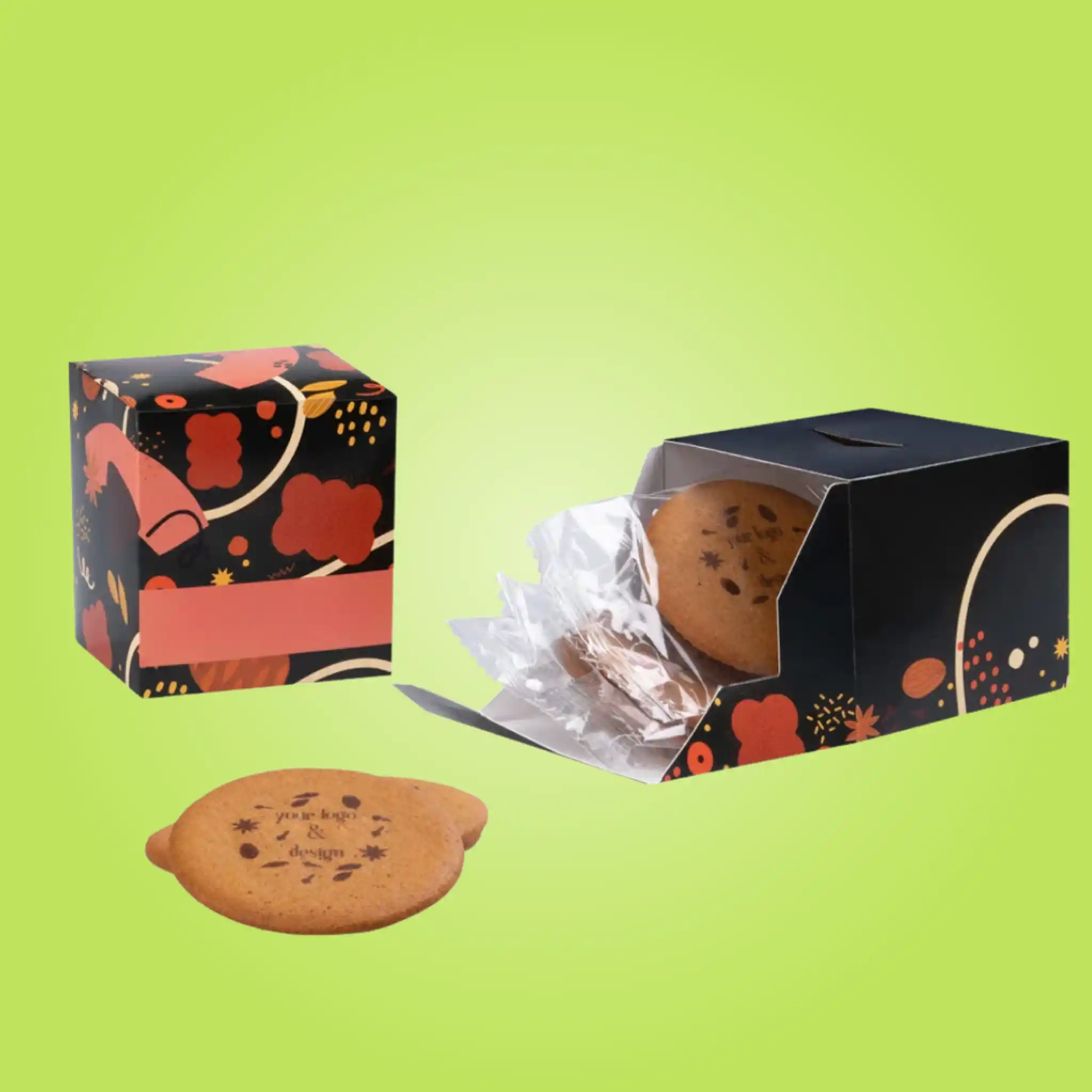
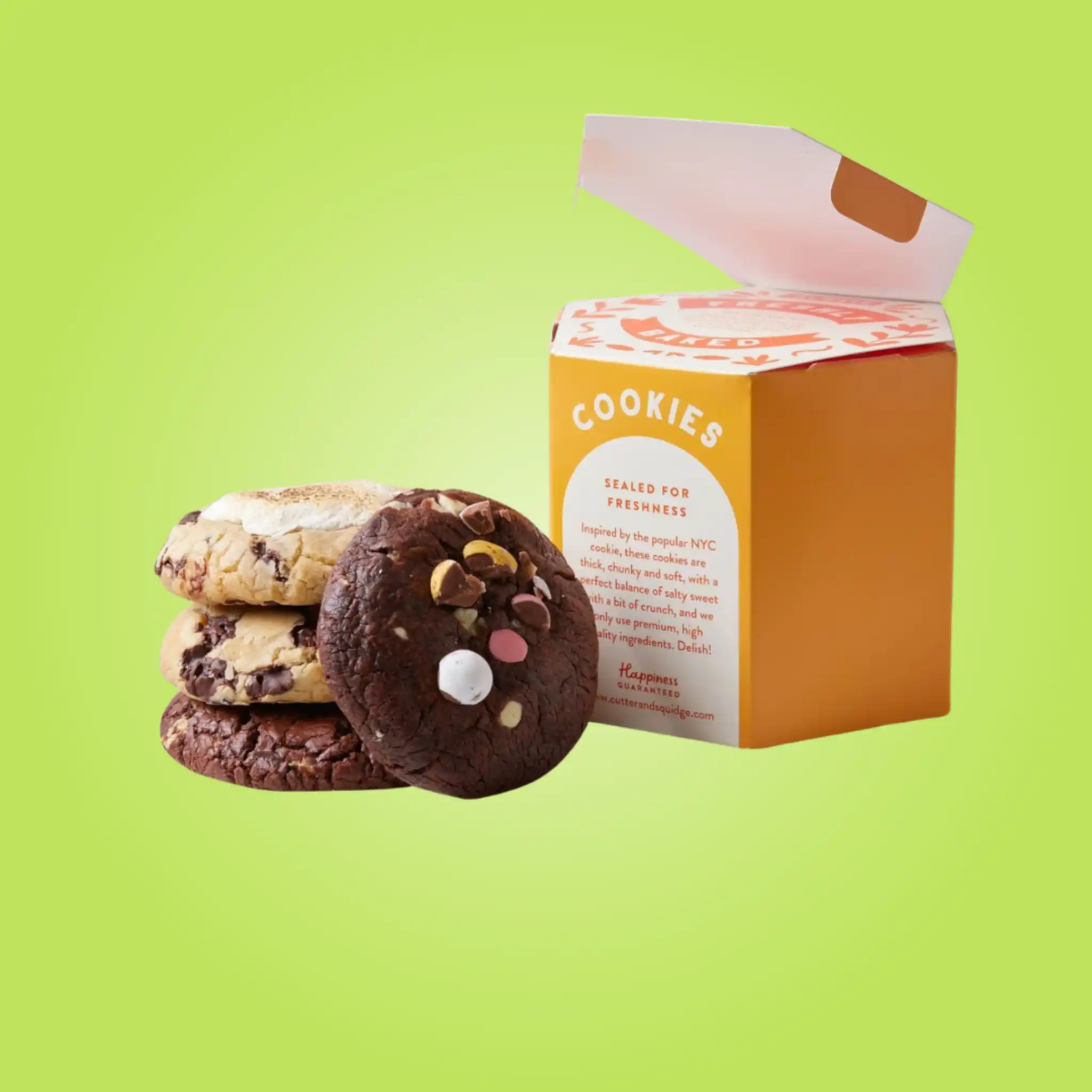
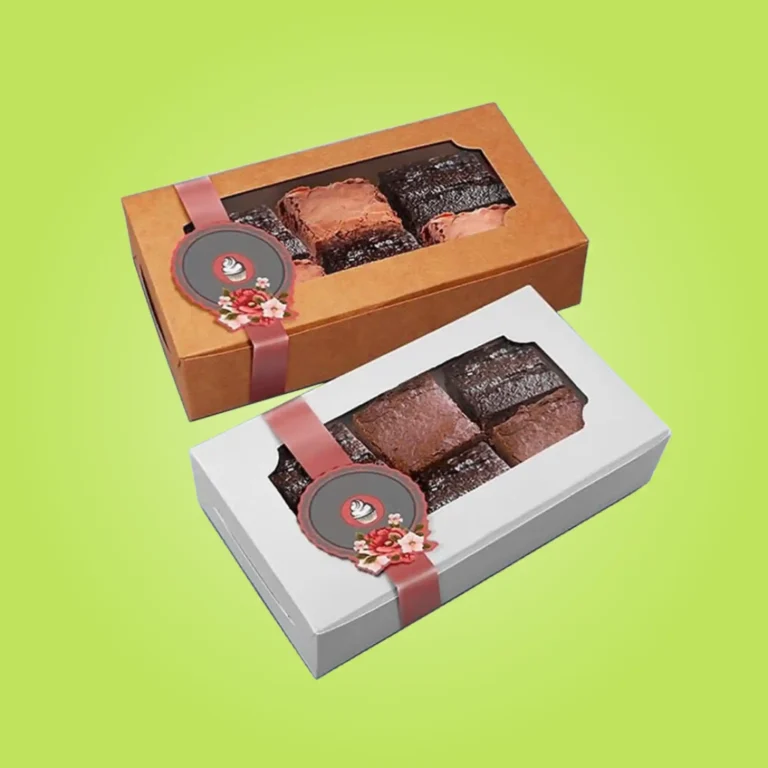
Custom Cookie Boxes by Packaging Hubs in the USA
Cookie Boxes play a major role in how baked products are stored, presented, and trusted by customers. At Packaging Hubs, the focus is on providing clear, complete, and reliable packaging information for businesses across the USA. Every packaging element explained below helps customers understand how structure, materials, and finishes affect quality, durability, and consistency.
When customers look for the cookie box, they usually want packaging that feels strong, looks professional, and stays consistent across orders. That is why clear explanations are important, not only for customers but also for building trust with Google.
Complete Overview of Cookie Box Packaging
Packaging works as a complete system rather than a single feature. For example, a cookie gift box may look appealing, but without proper material thickness or structure, it may lose its shape. Similarly, cake and cookie boxes require balanced construction so the box remains stable during handling.
Many buyers use simple terms such as cookies box, donut boxes or box of cookies, but these phrases can refer to very different packaging styles. Some packaging focuses on presentation, while others prioritize strength and protection. Understanding these differences helps customers choose packaging that meets their expectations.
Materials Used in Cookie Box Manufacturing
SBS Board and PT Thickness Options
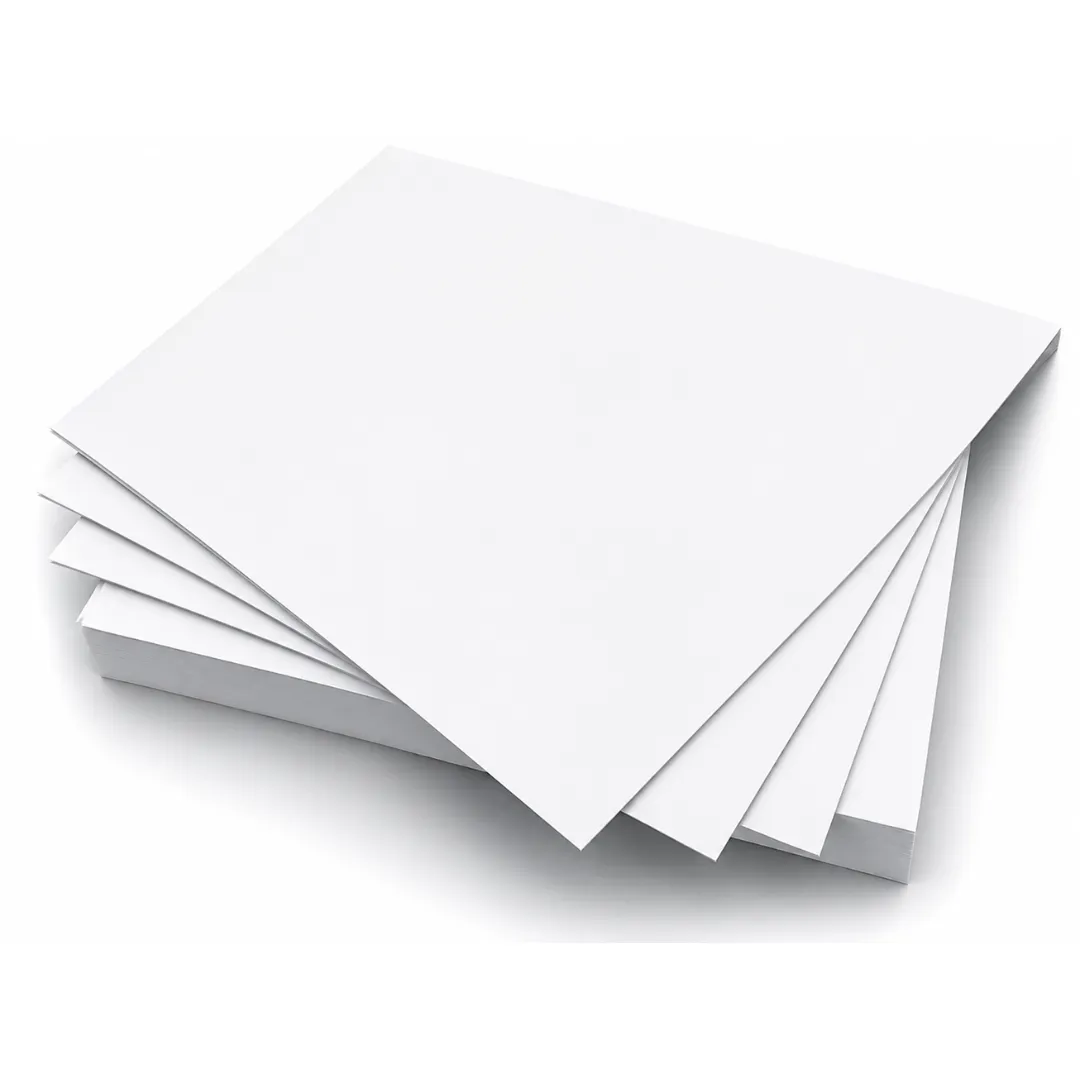
SBS board has a smooth white surface that supports clean printing. Common thickness options include 14 PT, 16 PT, and 18 PT. As thickness increases, the board becomes stiffer, which improves overall box strength. This matters when customers search for cookie christmas boxes, where appearance and structure must work together.
Art Board / Art Card Material Details
Art board, sometimes referred to as art card, has a coated surface that enhances printed visuals. Thickness typically ranges from 12 PT to 18 PT, providing a balance between flexibility and durability. This material is often associated with holiday cookie boxes, where visual clarity is important.
Cardstock and Thickness Explanation
Cardstock is widely used because it balances firmness and flexibility. Thickness usually ranges from 12 PT to 16 PT, and thicker options improve resistance to bending. This is important for packaging such as small cookie boxes, where clean folds and stable panels are required.
Rigid Board Structure and Thickness Range
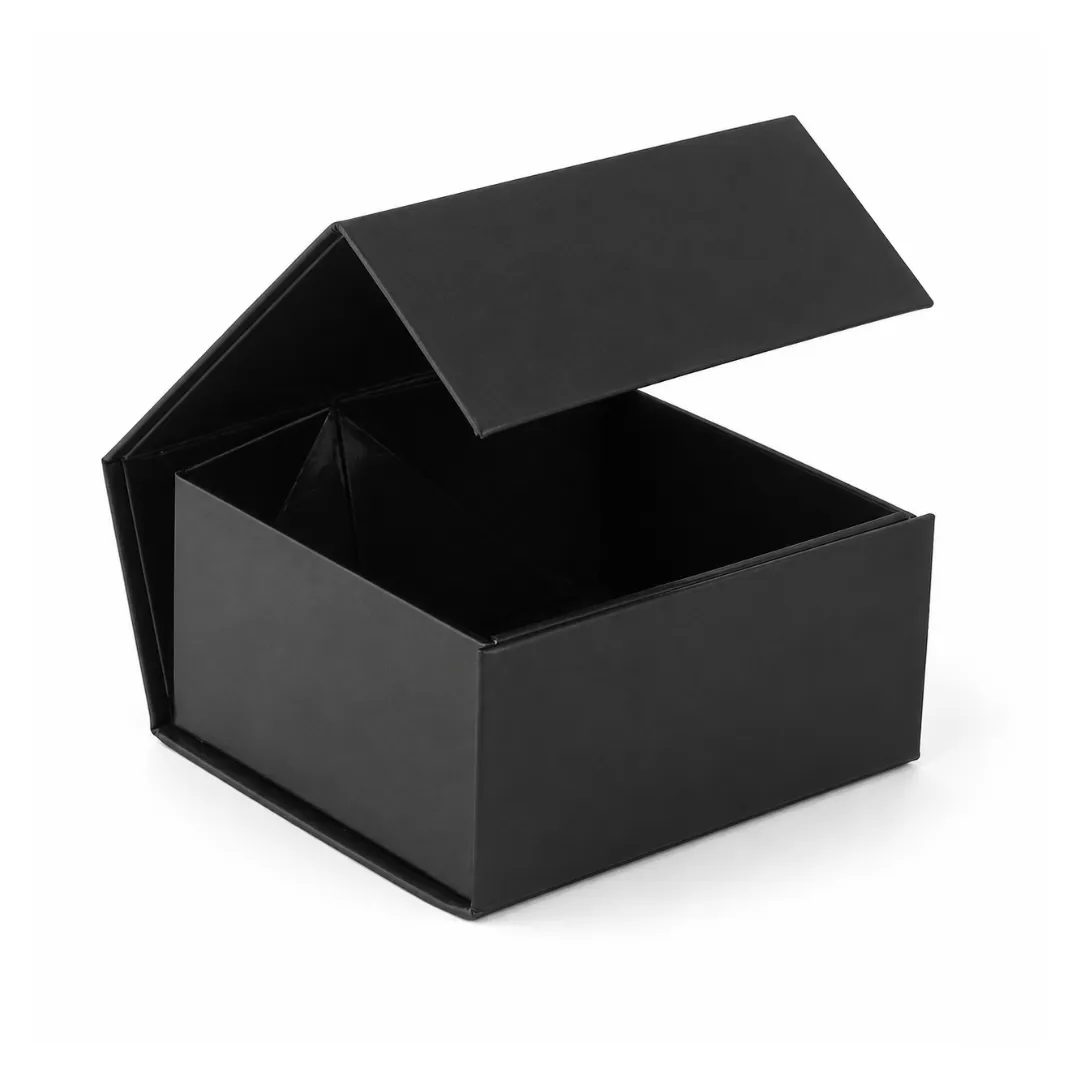
Rigid board uses a much thicker construction, often exceeding 30 PT. Because of this thickness, the box maintains its shape without relying on folds. Rigid setups are often considered for premium packaging, including personalized cookie boxes, where structure adds perceived value.
Kraft Card Material and Natural Strength
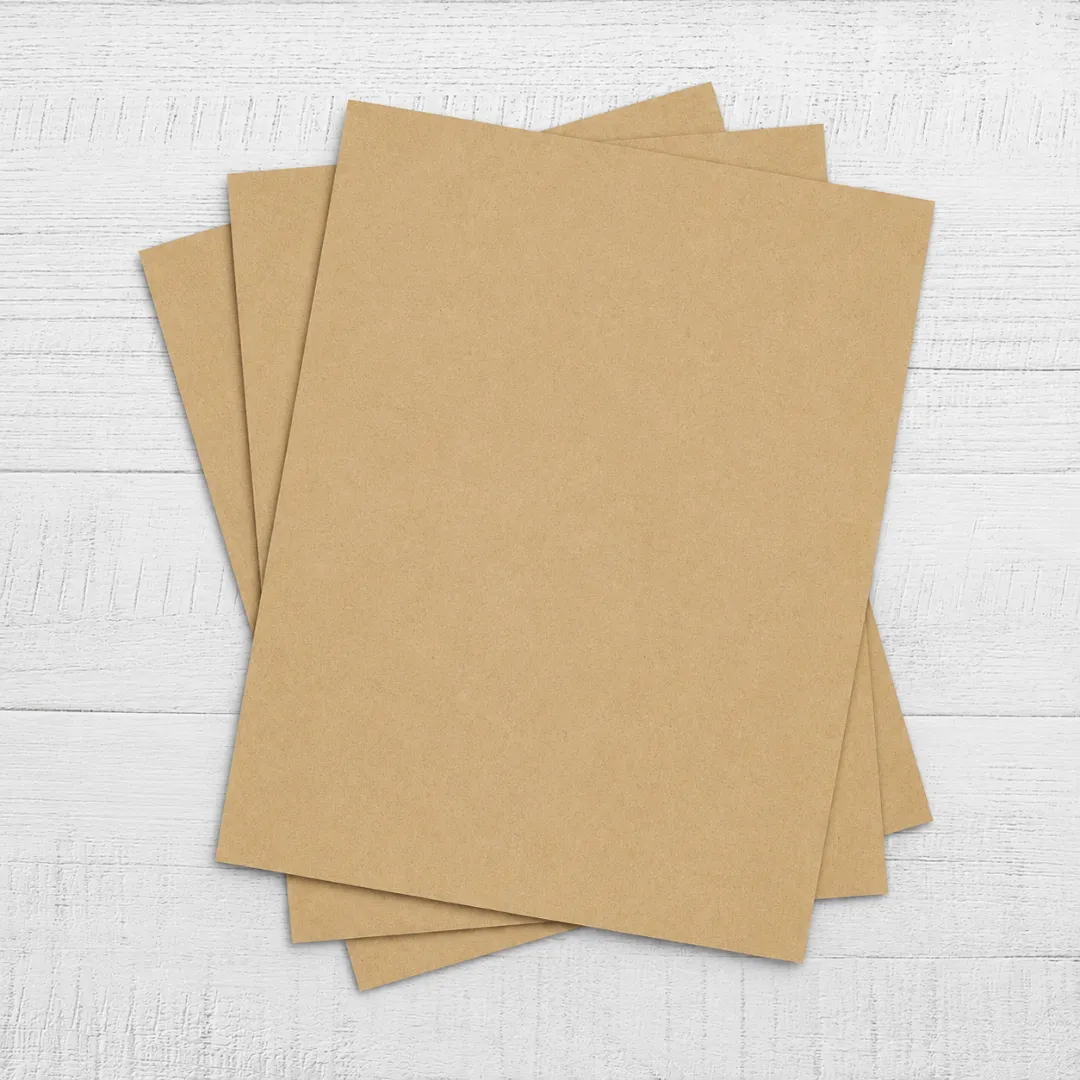
Kraft card has a natural brown tone and strong fiber structure. Thickness commonly ranges from 14 PT to 18 PT, which improves stiffness and durability. Customers searching for sugar cookie box packaging often associate kraft materials with strength and simplicity.
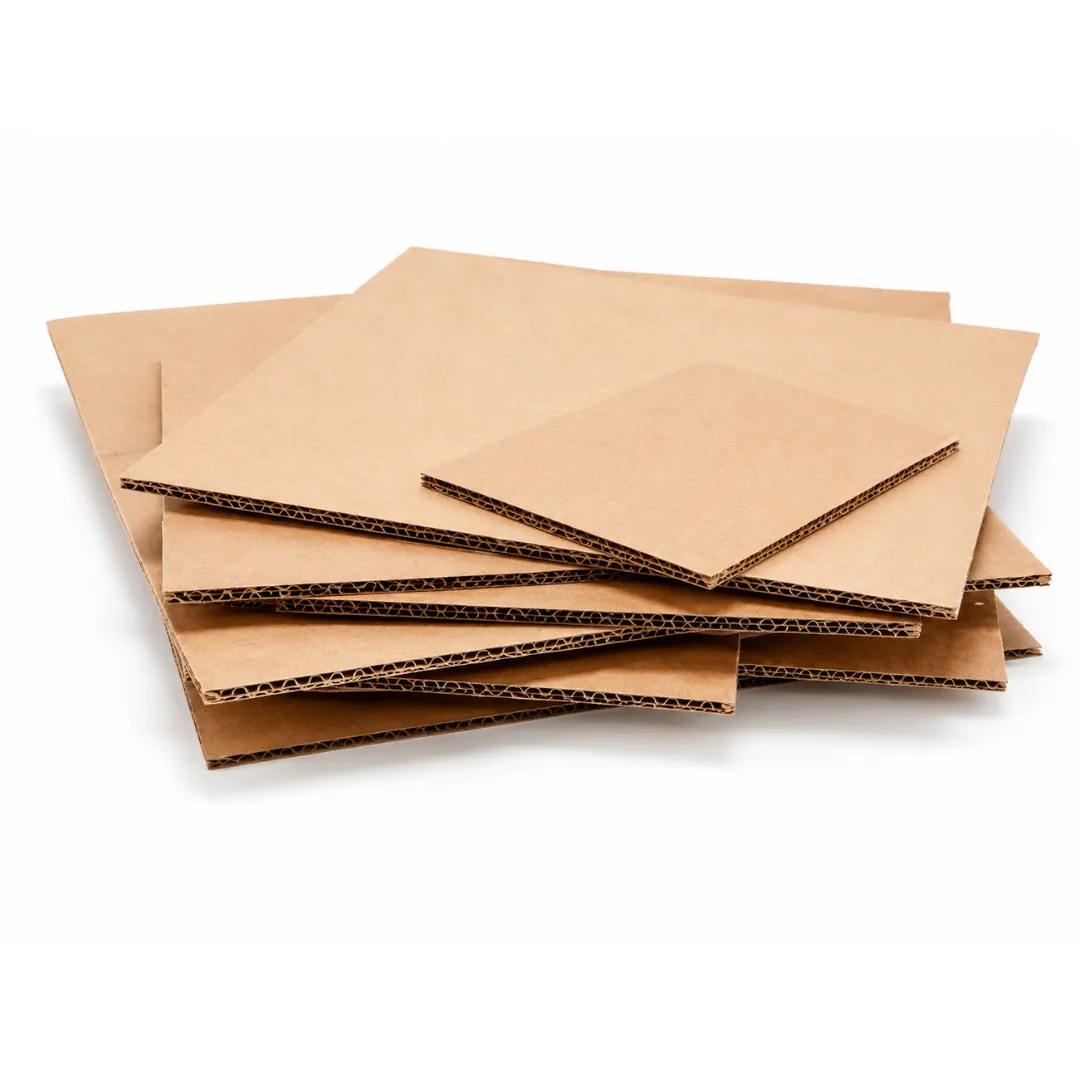
Corrugated Packaging Construction and Flute Options
E-Flute Explained
E-flute is thin and provides a smoother surface for printing. Therefore, it supports better print quality while adding light cushioning.
B-Flute Explained
B-flute is thicker and offers greater strength. As a result, it improves stacking resistance and overall box stability.
Other Corrugated Flute Options
Other flute types vary in thickness and strength. Each option affects how the box handles pressure, stacking, and handling. Corrugated structures are often compared when customers search cookie cake boxes, because strength and support are essential.
Available Color Systems for Cookie Packaging
CMYK
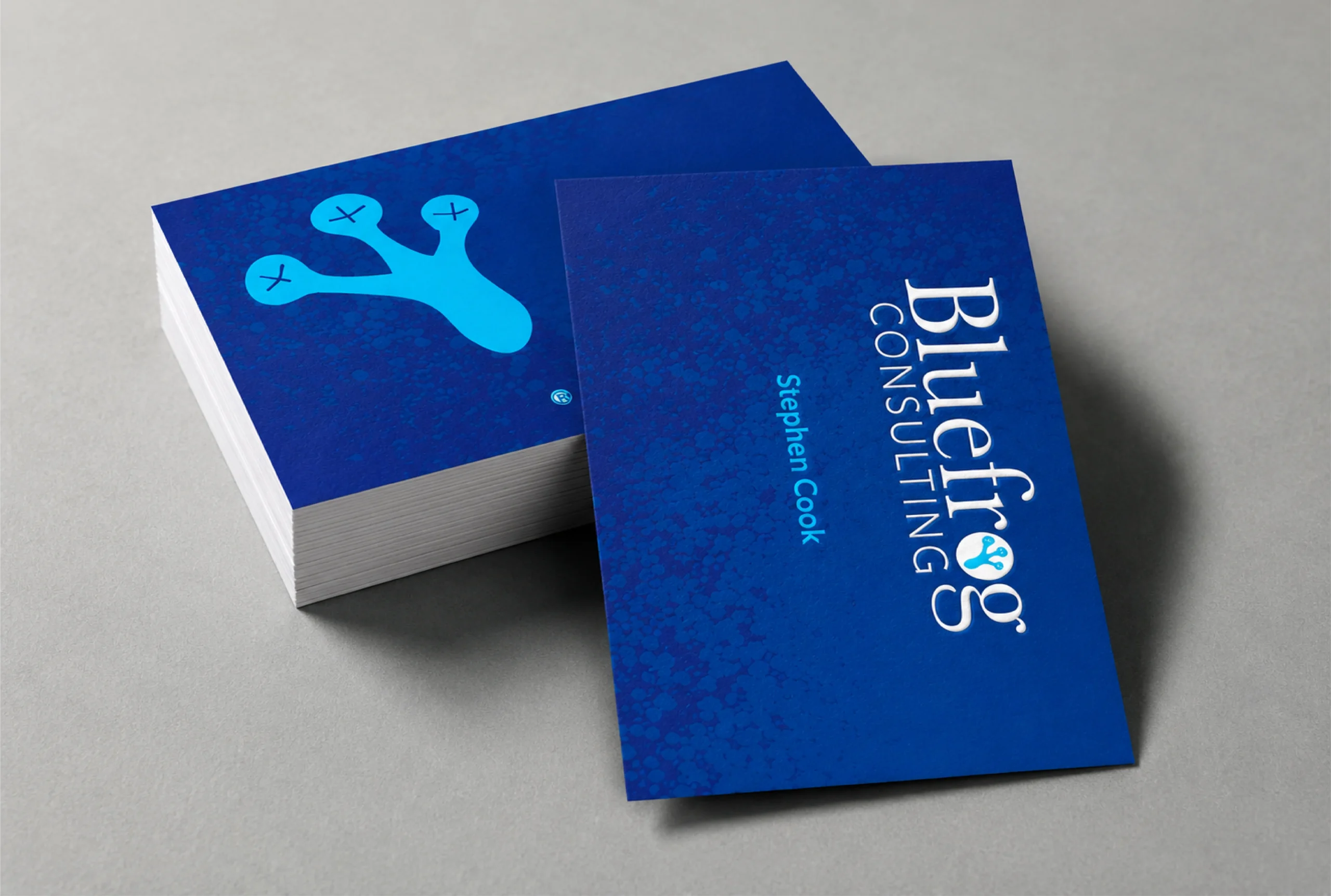
CMYK uses four ink colors to create full-color designs. It is commonly used for printed packaging such as boxed christmas cookies, where detailed graphics and gradients are required.
RGB
RGB is a digital color format used on screens. When designs are converted from RGB to print, careful color management is required. This helps maintain accuracy, especially for styles similar to blue box cookies, where color tone matters.
PMS (Pantone Matching System)
PMS uses standardized inks for precise color matching. This ensures consistent branding, which is important for packaging like cookie boxes for gifts, where visual uniformity builds trust.
Color Accuracy and Brand Consistency
Consistent color builds recognition and reliability. Therefore, controlled printing processes help maintain the same appearance across batches.
Printing Methods Used for Cookie Boxes
Digital Printing
Digital printing applies artwork directly to the material surface. Because of this, it produces sharp text, clean edges, and accurate detailing. This printing method works well when packaging designs require clarity and consistency, such as a cookies gift box where branding details must remain readable and neat.
Offset Printing
Offset printing transfers ink through plates and rollers, which creates smooth and even coverage. As a result, this method supports stable output across larger quantities. Customers searching for cookie box packaging often value this consistency, especially when repeat orders must look identical.
Flexographic Printing
Flexographic printing uses flexible plates and fast-drying inks. Therefore, it supports steady production speed and controlled ink application on different materials. This method is often considered when packaging is produced in volume, including cookie boxes bulk, where uniformity and efficiency matter.
Print Quality, Sharpness, and Consistency Standards
Print quality is influenced by ink balance, alignment, and surface compatibility. For this reason, printing methods must align with material choice. Buyers comparing cookie packaging boxes often look for clarity and consistency rather than decorative language.
Finishing Options for Cookie Boxes
Finishing is the final layer applied to packaging after printing. It directly affects how a box feels, looks, and holds up during handling. Therefore, finishing is not decorative only; instead, it supports durability, surface protection, and visual consistency.
For packaging such as cookie boxes for gifts or a cookie gift box, finishing often influences how premium or simple the box appears to customers.
Gloss Finish
Gloss finishing adds a shiny and reflective surface to packaging. As a result, printed colors appear brighter and more vivid. This finish also creates a smooth outer layer that can help resist light scuffing.
Gloss is often considered when packaging needs to look clean and polished, especially for visually focused options like window cookie boxes or cookie boxes with window, where surface clarity matters.
Matte Finish
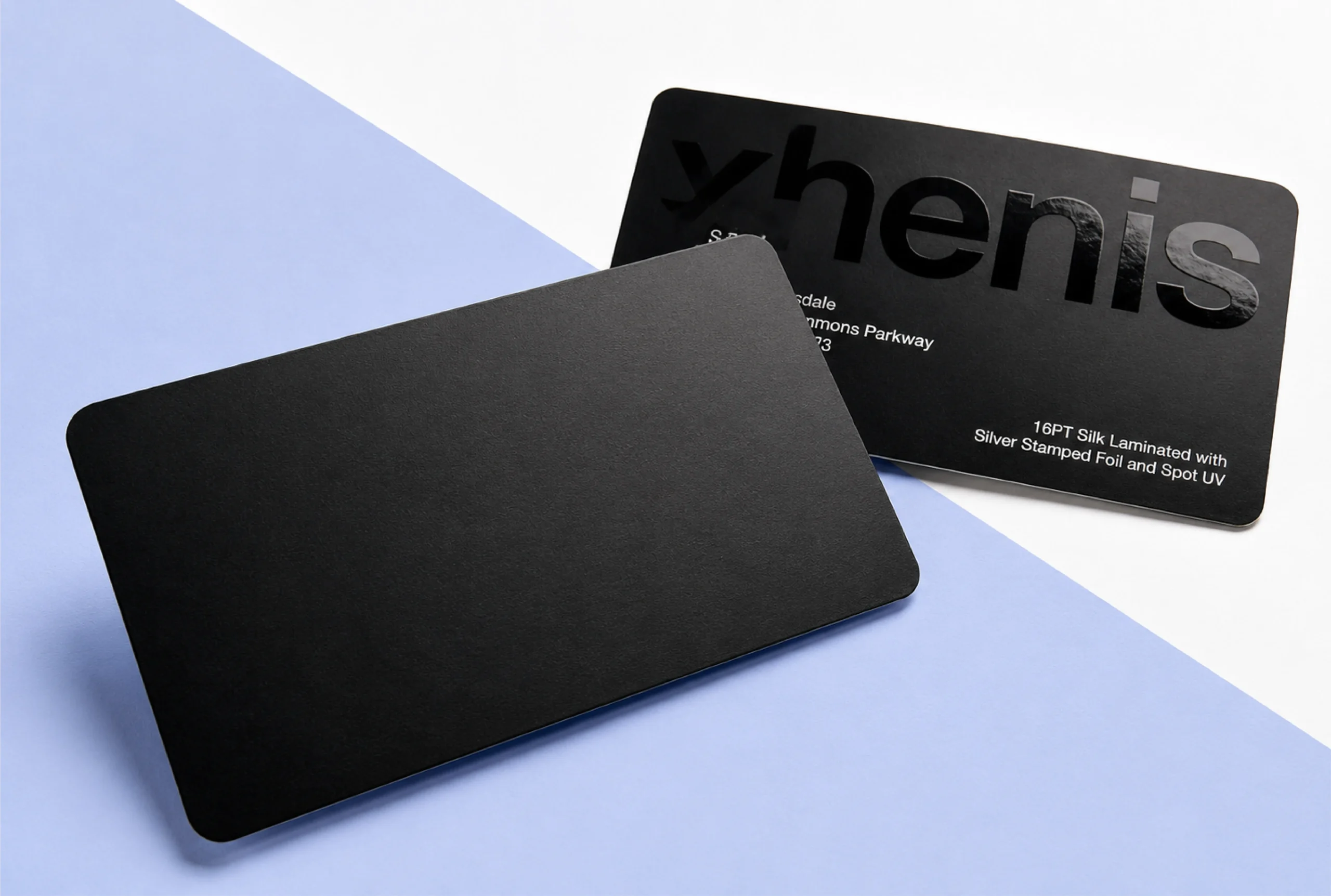
Matte finishing produces a soft, non-reflective surface. Therefore, it reduces glare and creates a smooth, understated appearance. Many businesses prefer matte because it feels more refined and professional. Matte is commonly used on custom cookie boxes where readability and surface texture are more important than shine.
Embossing
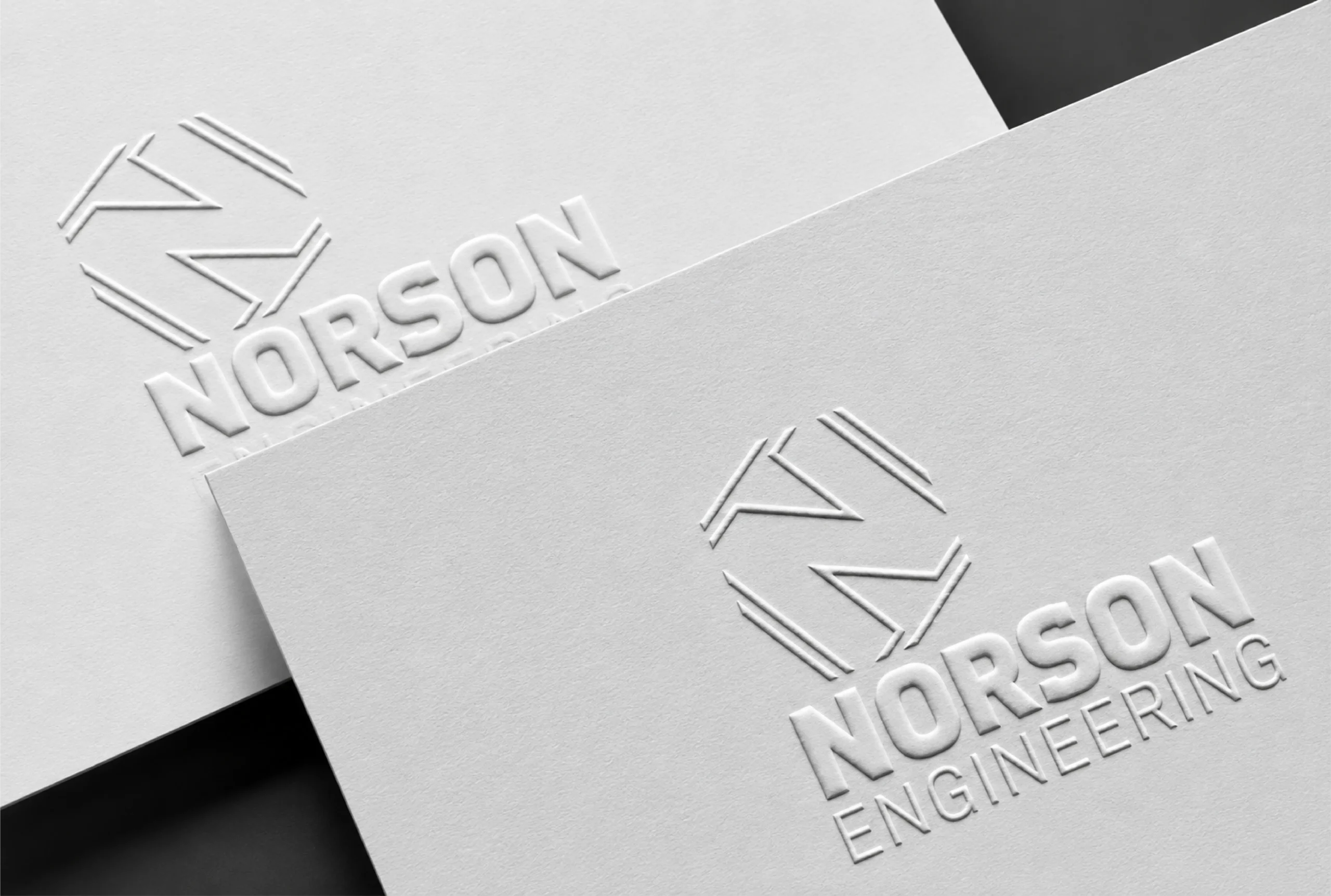
Embossing raises specific parts of the design above the surface. This adds texture that customers can feel when they touch the box. Because of this, embossing improves perceived quality and detail without changing the structure of the packaging. It is often used on branding elements such as logos or titles on cookie box packaging.
Debossing
Debossing presses selected areas inward rather than raising them. As a result, it creates subtle depth and texture differences. Debossing works well when a clean, professional look is required without adding shine or heavy decoration.
Spot UV Coating
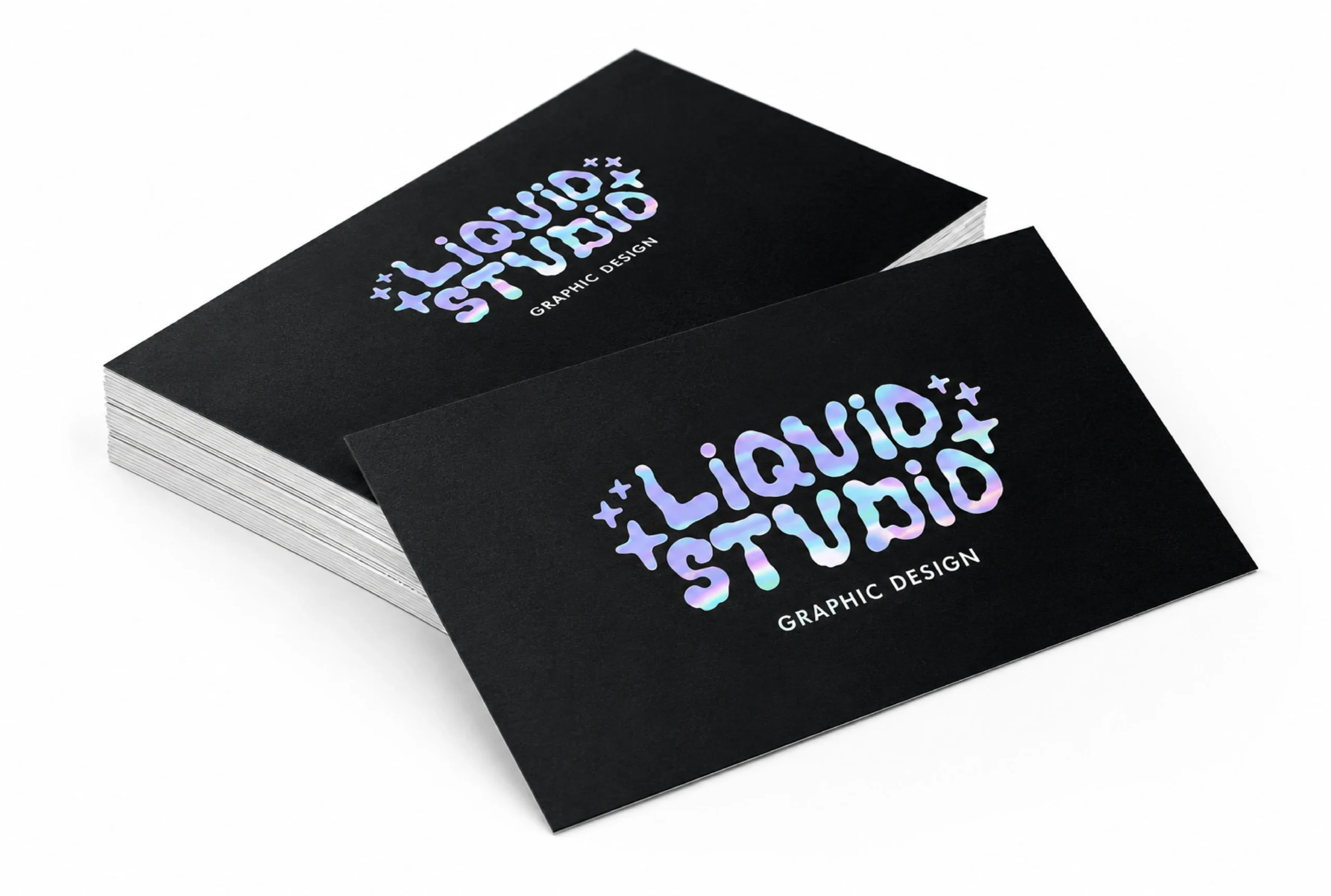
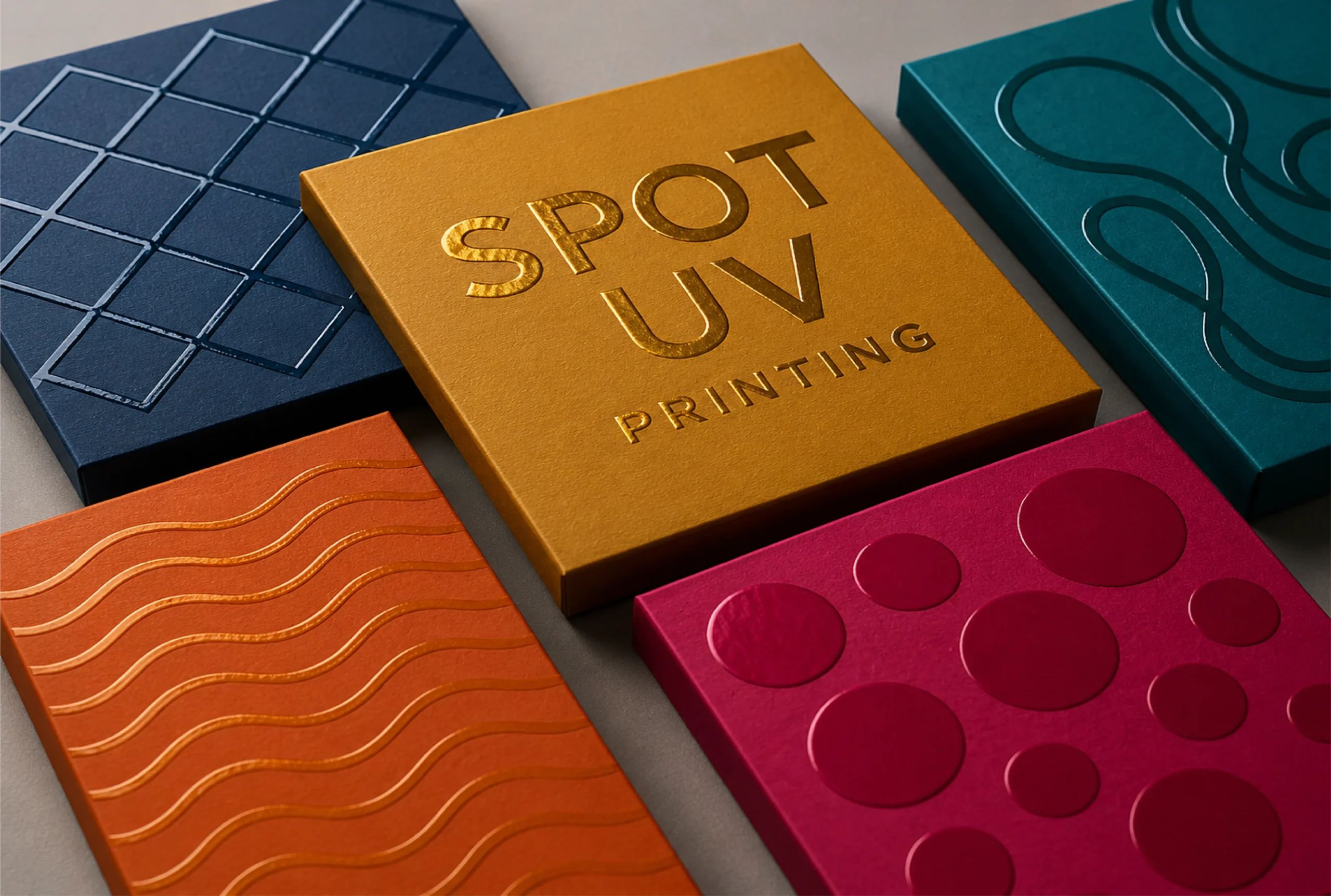
Spot UV applies a glossy coating to selected areas only. Therefore, it creates contrast between matte and shiny sections on the same box. This finish helps draw attention to specific design elements while keeping the overall surface controlled.
Foil Stamping
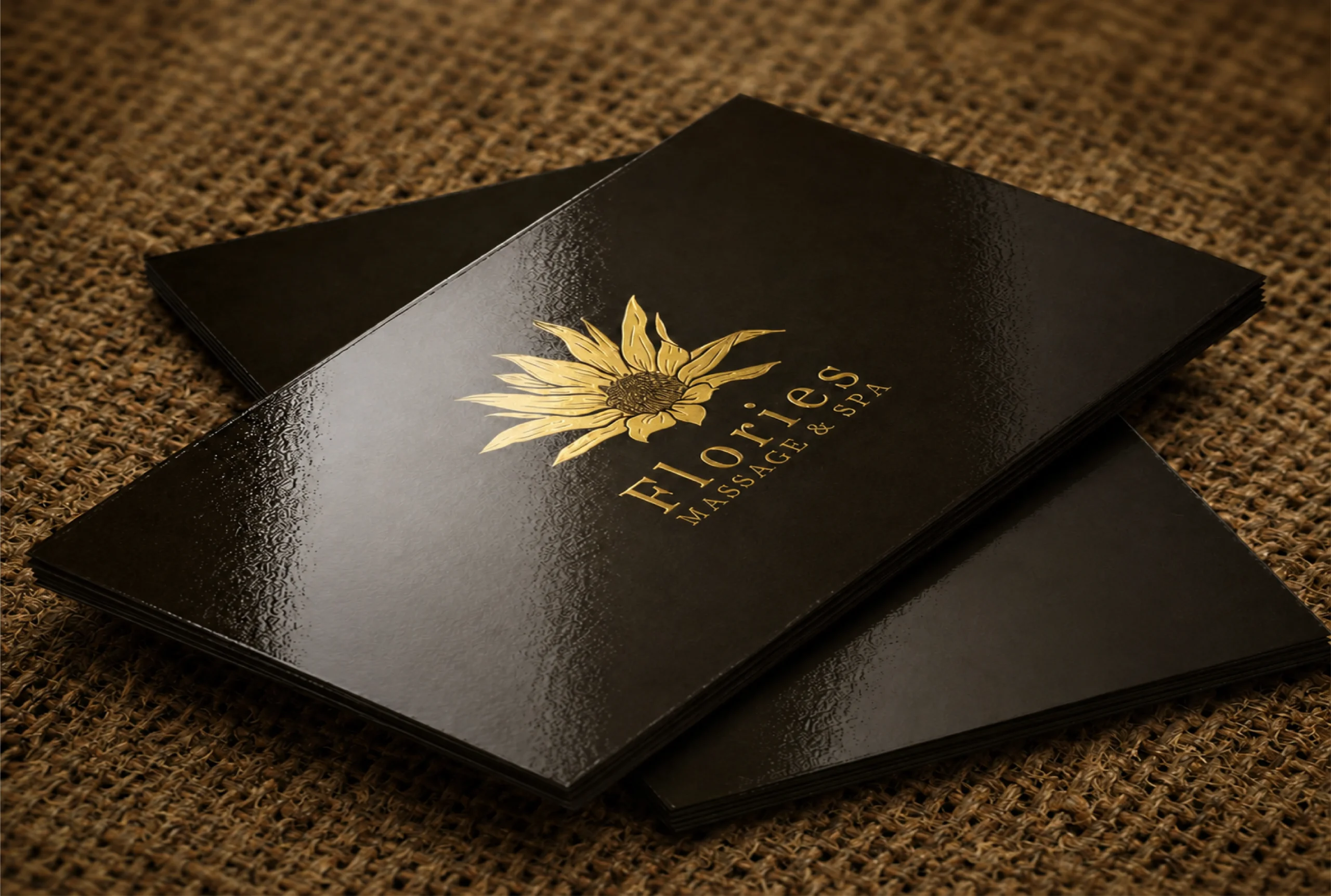
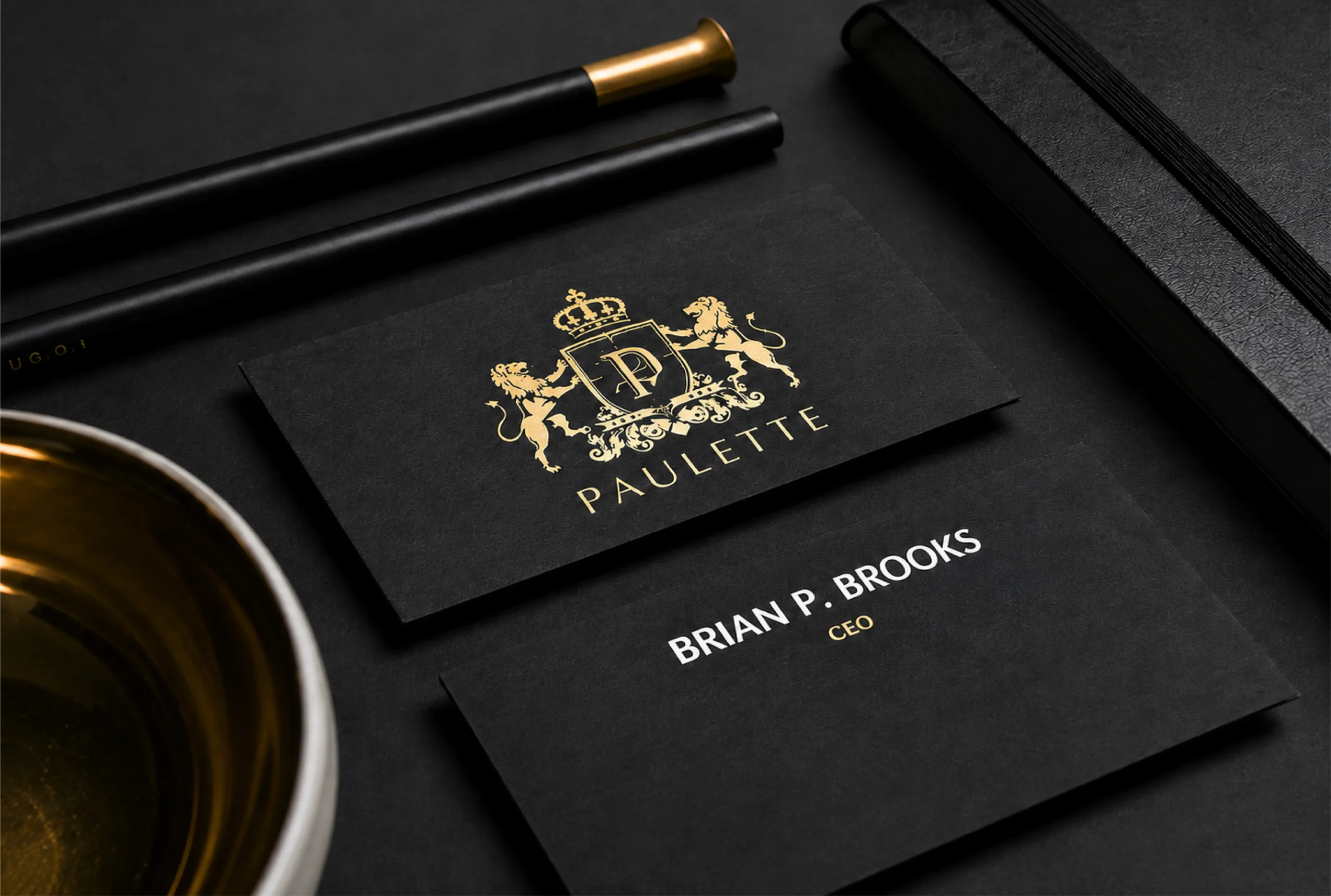
Foil stamping applies metallic foil to certain areas of the packaging. It adds visual emphasis and distinction without affecting the box’s structure. Foil stamping is often chosen for packaging where presentation matters, such as holiday cookie boxes or christmas cookie boxes.
Lamination and Protective Coatings
Lamination adds a thin protective layer over the printed surface. As a result, it helps protect against moisture, scratches, and surface wear. Lamination is especially useful for packaging that will be handled frequently, such as cardboard cookie box designs used for transport or display.
Cookie Box Sizes and Dimensions
Small Cookie Boxes
Small sizes usually measure around 6 × 4 × 2 inches. These are often associated with individual cookie boxes, where compact structure is important.
Medium Cookie Boxes
Medium sizes typically measure 8 × 6 × 3 inches, offering balanced internal space and stability.
Large Cookie Boxes
Large boxes commonly measure 10 × 8 × 4 inches. These sizes support additional capacity and stronger structure.
Size Accuracy and Structural Balance
Accurate sizing affects folding precision, internal space, and stability. This matters when packaging items such as cookies in gift boxes, where presentation and structure must align.
Structural Features and Design Elements
Window Cut-Out Options
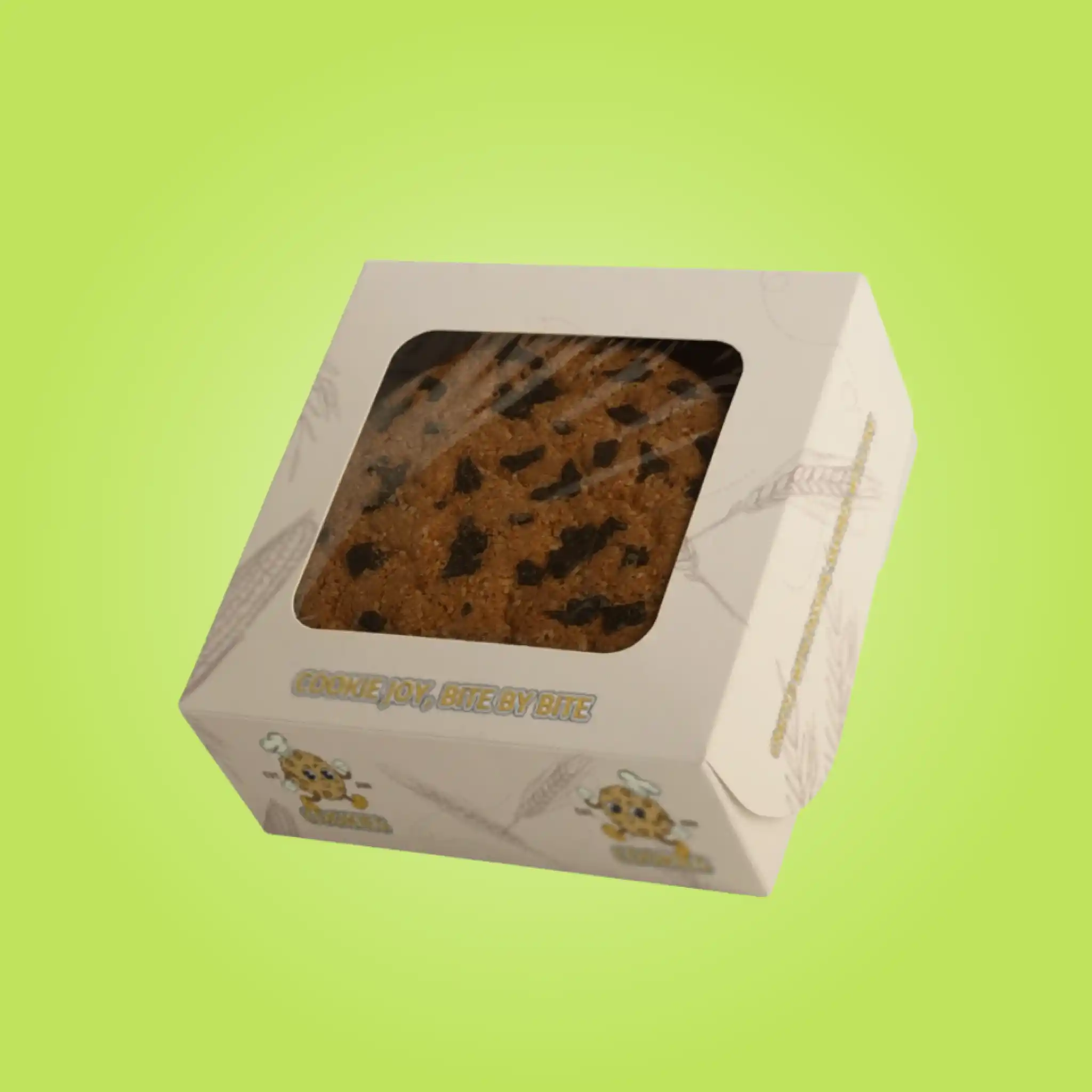
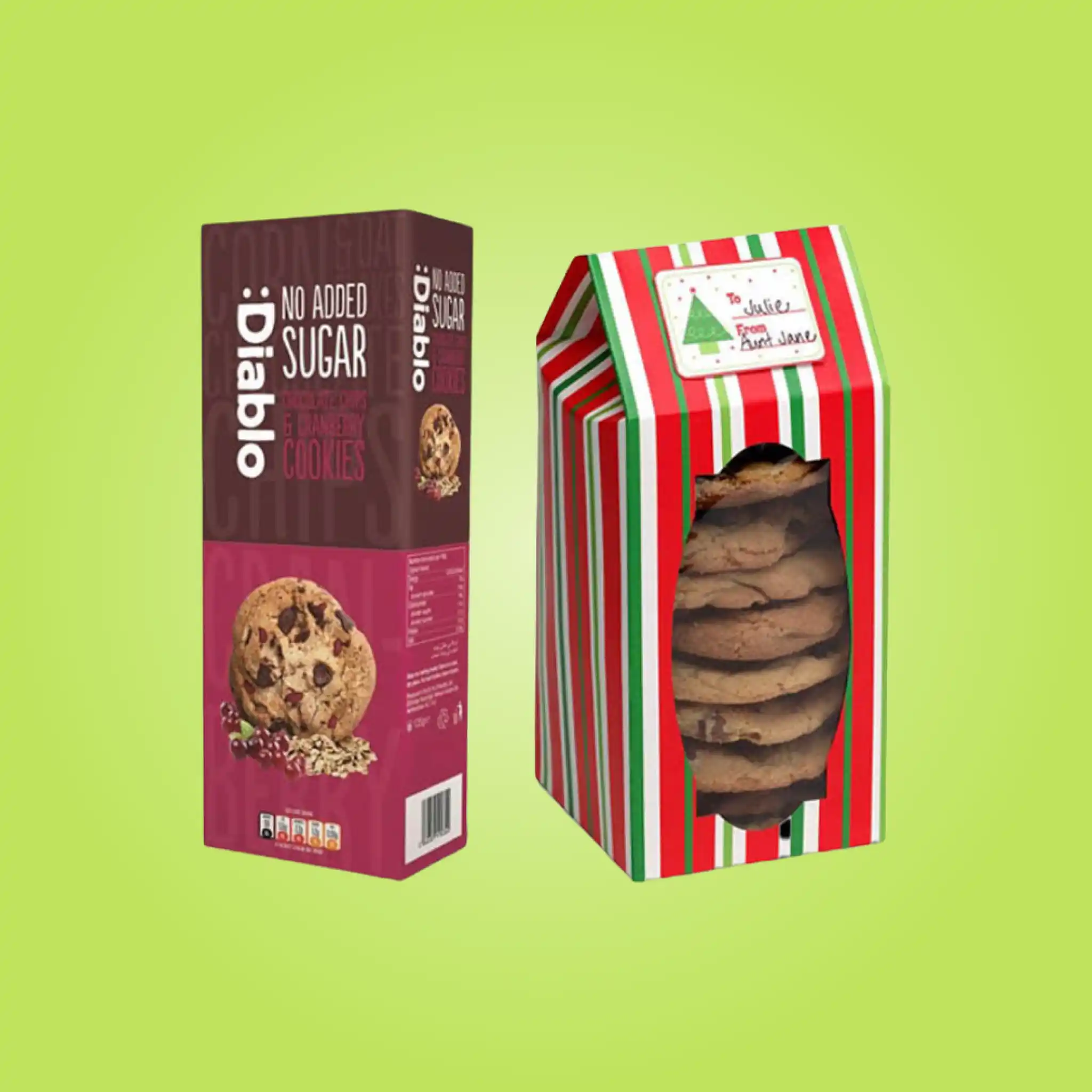
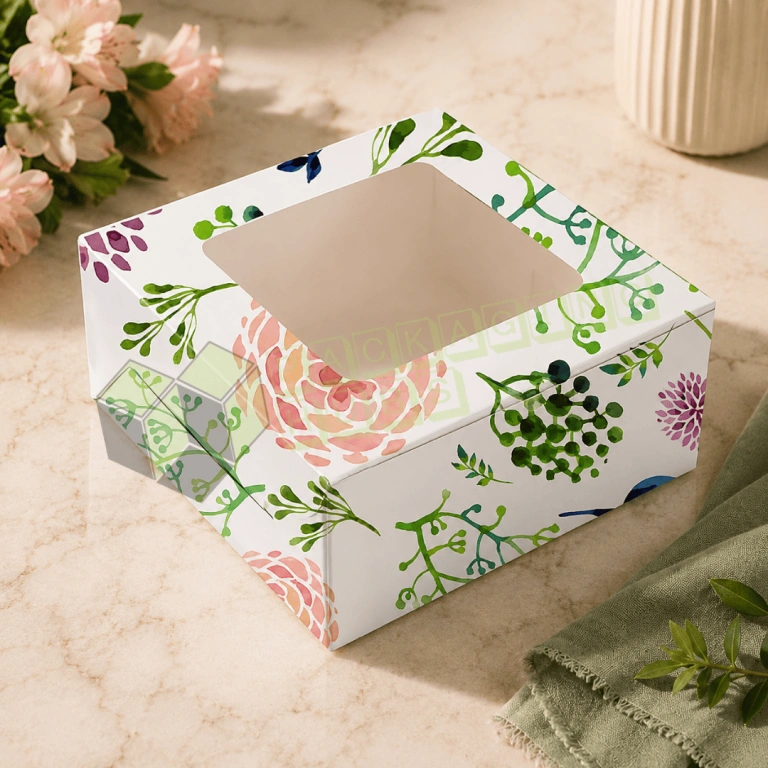
Window cut-outs allow visibility without opening the box. This feature is often requested in cookie boxes with window and cookie boxes with windows, where product display matters.
Dividers and Inserts
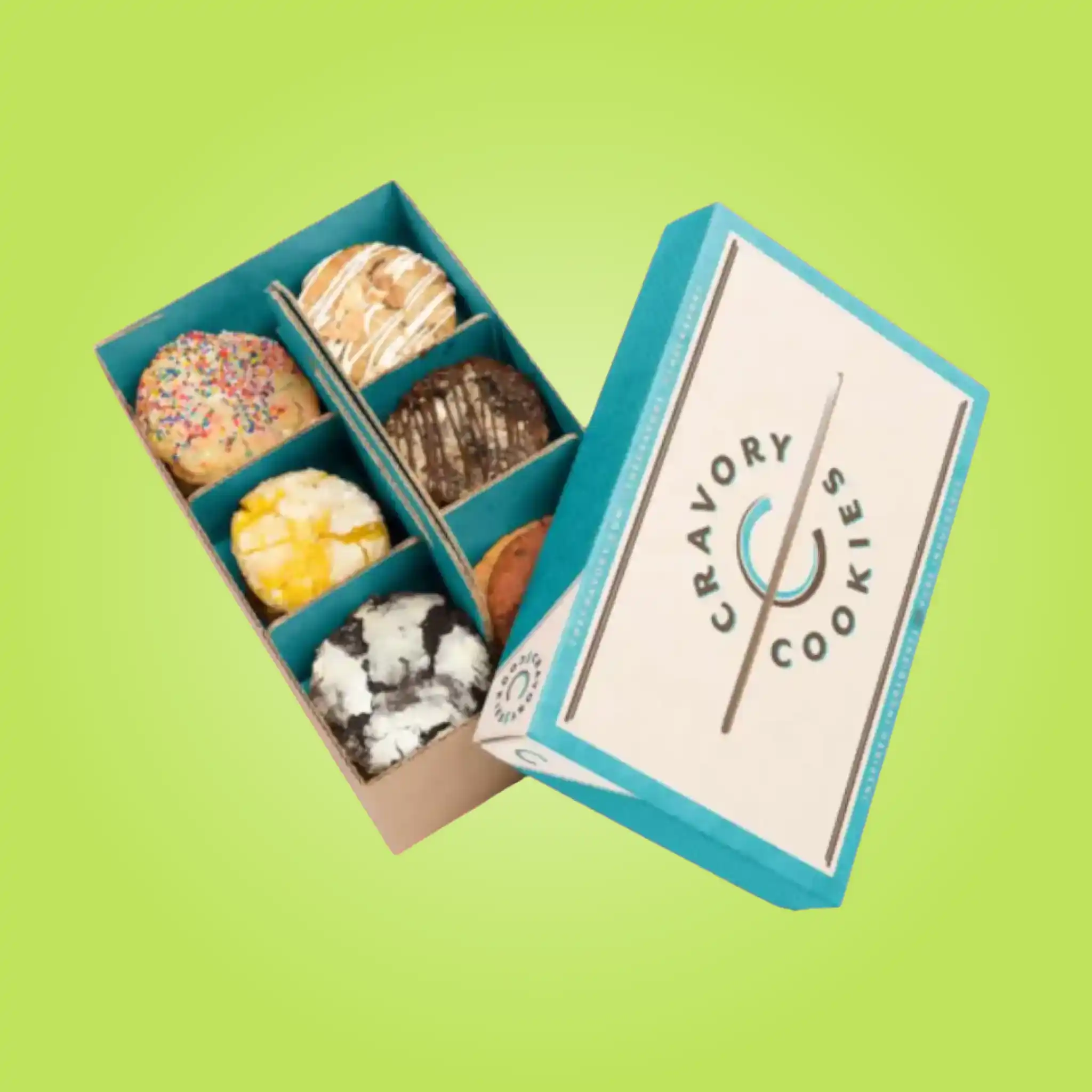
Dividers separate items inside the box, reducing movement. This is important for packaging searches such as cookie boxes with dividers, where internal organization is required.
Folding Style and Construction
Strong folds and balanced construction help boxes hold shape. This matters for packaging like boxed brownie cookies, where structure supports presentation.
Quality Control and Packaging Standards
Quality control ensures that packaging remains consistent, accurate, and reliable. At Packaging Hubs, quality checks focus on material thickness, print alignment, surface finish, and structural stability. Therefore, every box meets expected standards before production moves forward.
Packaging standards also include the use of safe and appropriate materials. This matters for products like cookies in gift boxes, where cleanliness and material reliability influence customer trust. Consistent quality control helps prevent variations between batches, which is essential for businesses ordering cookie boxes bulk or repeat packaging runs.
Budget Considerations for Cookie Packaging
Budget planning is influenced by material choice, thickness, printing method, and finishing selection. Thicker boards generally increase cost because they require more material. Similarly, premium finishes add extra production steps, which affects pricing.
However, clear information makes budget decisions easier. When customers compare packaging options such as a cookies box or cookie brownies box, understanding how materials and finishes affect cost helps them choose wisely without sacrificing quality. Packaging Hubs focuses on transparency so customers can balance durability, appearance, and budget effectively.
Turnaround Time and Production Capability in the USA
Turnaround time refers to how long production takes once specifications are finalized. Reliable turnaround time is important because businesses plan launches, promotions, and inventory around packaging schedules. Therefore, consistency matters more than rushed timelines.
Packaging Hubs focuses on dependable production capability across the USA. This allows customers ordering items like holiday cookie gift boxes, single cookie boxes or christmas cookie gift boxes to plan confidently, knowing that quality and timelines remain consistent.
Nationwide Service Coverage in the USA
Packaging Hubs supports customers across the United States, including major demand areas such as New York, Los Angeles, Chicago, Dallas, Houston, Miami, Atlanta, and Philadelphia. Nationwide service coverage ensures consistent access to packaging solutions regardless of location.
This wide reach helps businesses manage packaging needs for products such as cookie subscription box, boxed brownie cookies, and boxed animal cookies without worrying about regional limitations.
Why Packaging Hubs Is a Trusted Name
Trust is built through clarity, consistency, and honest communication. Packaging Hubs focuses on providing clear packaging details, reliable quality standards, and transparent processes. This approach helps customers feel confident when selecting packaging such as cookie boxes packaging or cookie packaging boxes.
In addition, Free Shipping and No MOQ support flexibility for businesses of all sizes. Combined with dependable turnaround time in the USA, these factors help Packaging Hubs build long-term trust with customers looking for reliable packaging solutions like cookie cake boxes and sugar cookie box options.