
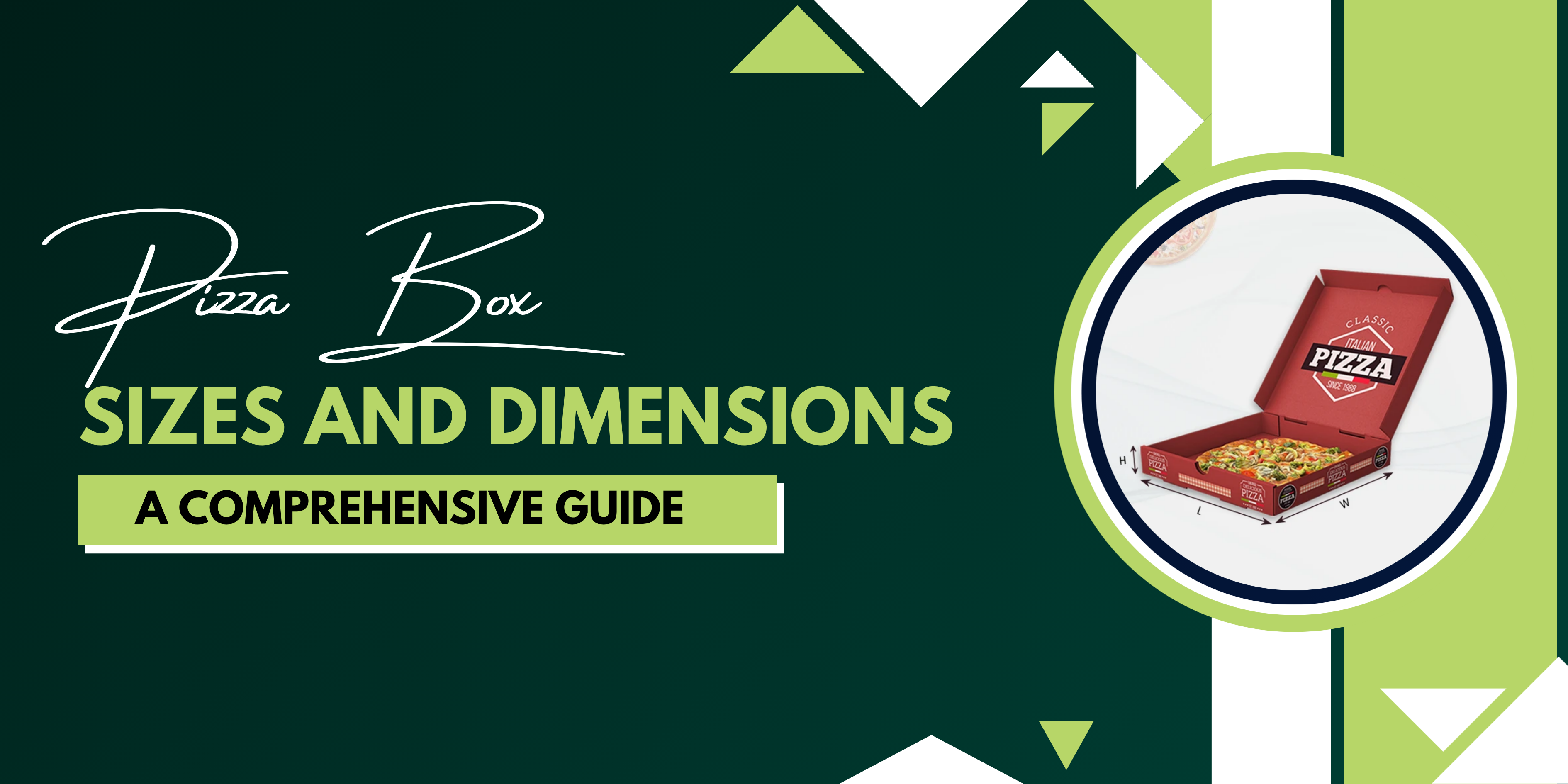
When you order a pizza, one of the first things you notice, aside from that irresistible aroma, is the box it comes in. The pizza box size isn’t just about convenience; it affects how your pizza travels, stays warm, and even how it looks when you open the lid. Whether you run a pizzeria or simply love understanding what goes behind your favorite slice, knowing the right pizza box sizes and dimensions makes a difference.
At Packaging Hubs, we’ve created this in-depth guide to help you understand every aspect of pizza box sizes and dimensions, from the large pizza box size used for parties to compact slice boxes designed for quick service. Let’s break down everything you need to know.
Understanding Standard Pizza Box Sizes
In the U.S., most pizza restaurants follow fairly consistent standard box sizes. A typical pizza box size depends on the diameter of the pizza it’s meant to hold. While an 8-inch pizza fits perfectly in a 9″ x 9″ x 2″ box, a 16-inch pizza might need a 17″ or 18″ square box.
The key here is clearance, allowing enough space around the crust so cheese and toppings aren’t pressed against the lid. This simple detail ensures your food arrives in picture-perfect condition.
Common pizza box sizes range from 8 inches (personal) up to 26 inches (family and catering). The big box dimensions used for oversized pizzas often need stronger fluting and deeper sides to handle the extra weight.
Many pizza makers also refer to pizza sizing chart standards to determine the average size of a large pizza in their region, which is typically around 14 to 16 inches in diameter.
Pizza Box Size Reference Table
To make your selection easier, here’s a quick guide comparing the average size of a pizza, its number of slices, and the box it requires.
| Pizza Diameter | Typical Slices | Recommended Box Dimensions (L × W × H) | Clearance & Notes |
| 8″–9″ | 4–6 | 9″ × 9″ × 2″ (23 × 23 × 5 cm) | Ideal for personal pizzas and small thin crusts |
| 11″–13″ | 6–8 | 13″ × 13″ × 2″ (33 × 33 × 5 cm) | Medium size; standard crust and toppings |
| 14″–16″ | 8–10 | 16″ × 16″ × 2.5″ (41 × 41 × 6 cm) | Large pizza box size; deeper height for toppings |
| 16″–18″ | 10–12 | 18″ × 18″ × 3″ (46 × 46 × 7 cm) | Used for heavy or loaded pizzas |
| 20″+ | 12–16 | 20″ × 20″ × 3.5″+ (51 × 51 × 9 cm) | Extra-large catering pizzas; reinforced board strength |
This chart helps you match your pizza box size with the dimensions of a large pizza box, avoiding fit issues that can ruin presentation.
Common Pizza Box Size Categories
There’s no one-size-fits-all approach to pizza packaging. Here’s how pizza shops typically divide their box options:
Small Pizza Boxes (7×10 inches): Perfect for individual orders or kids’ meals. Ever wondered how many pieces does a small pizza have? Usually 4.
Medium Boxes (11×13 inches): The most common for two people. Fits standard crusts and medium toppings without crushing.
Large Boxes (14×16 inches): The crowd favorite. The size of a large pizza is often around 14,16 inches, and the average size large pizza can easily feed 3,4 people. This is where most brands define their typical large pizza size.
Extra-Large or Family Boxes (18×26 inches): For catering, parties, and shared dining. Here, the dimensions of a large pizza box can go beyond 18″×18″, often closer to big box dimensions with extra depth.
Pizza Box Dimensions for Specific Types of Pizza
Each pizza style has its own demands when it comes to packaging. The dough type, crust thickness, and toppings determine how deep or wide your box should be.
Thin Crust Delights
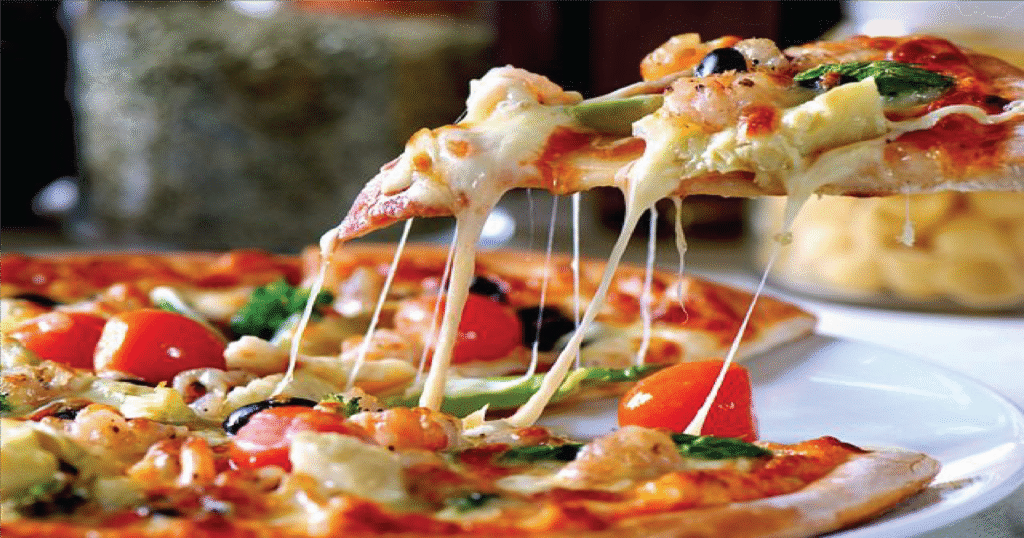
Thin crust pizzas are light, flat, and best served in low-profile boxes about 1.75″,2″ high. This keeps them from sliding during delivery and preserves crispness. They often represent the average size of a large pizza at 14 inches, though some pizzerias offer personal thin crust options.
Deep Dish
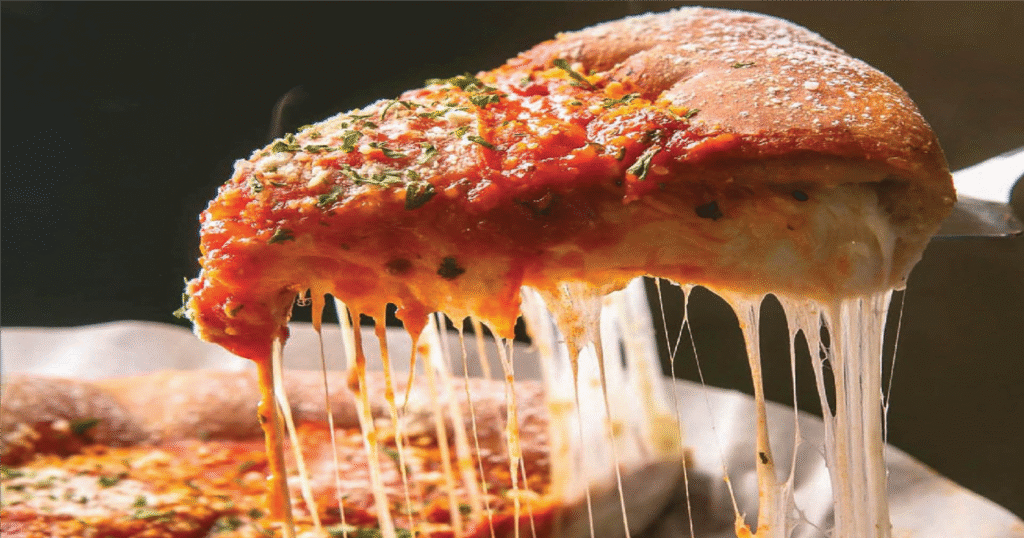
Chicago-style deep-dish pizzas need boxes at least 2.5″,3.5″ tall. The large pizza box dimensions for these pies often use thicker corrugated boards to handle the weight of cheese and sauce. If you’ve ever asked what size is a large pizza box, for deep-dish pies, the answer is: it’s big, tall, and sturdy.
Specialty Pizza Spectaculars
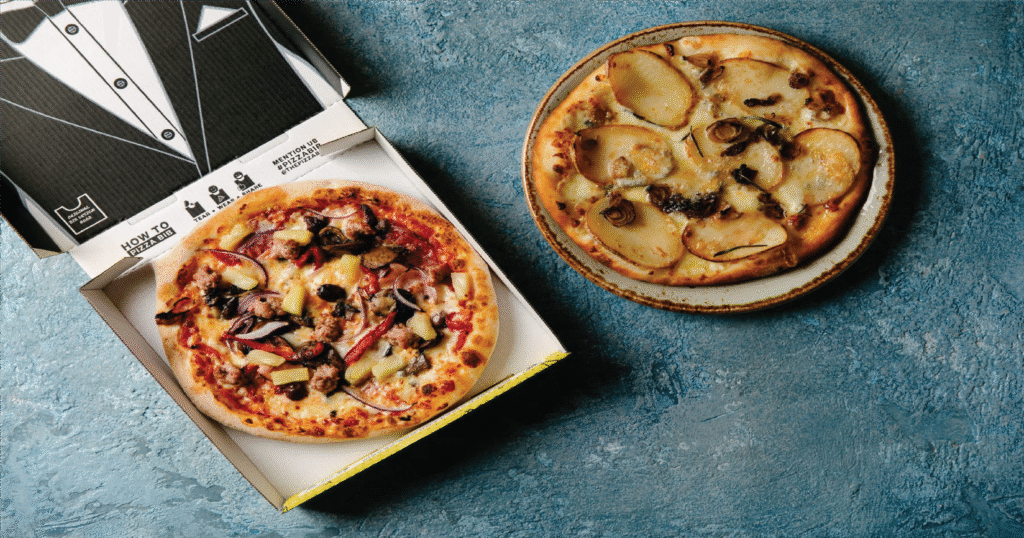
From rectangular Sicilian slices to long flatbread shapes, these specialty boxes break the norm. Their pizza box dimensions vary widely, some measure 18″×26″ or more. They’re excellent examples of pizza size guide flexibility.
The Toppings
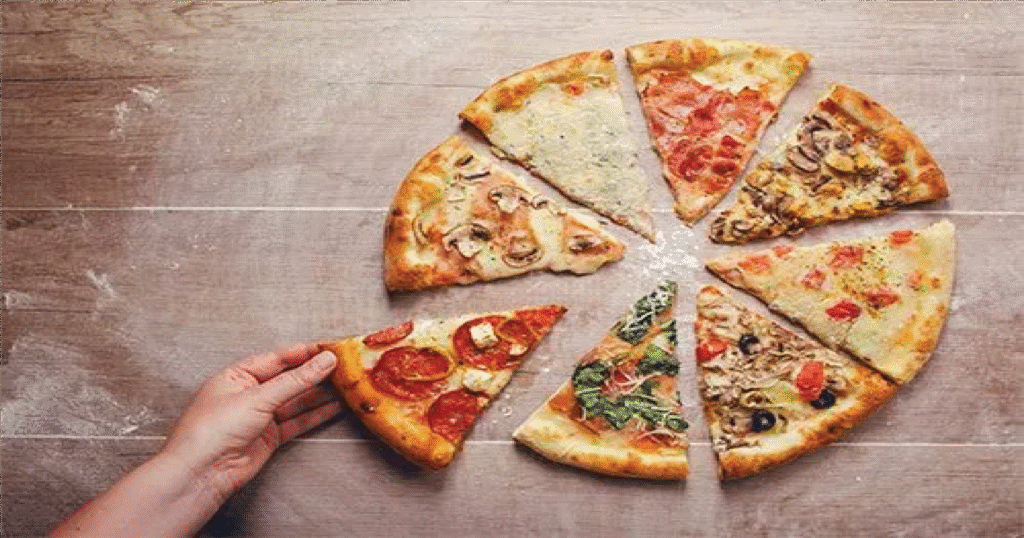
Toppings add both flavor and height. A pizza with extra cheese, vegetables, or meats will need a box at least 0.5″ taller than a plain cheese pizza. This is where brands often turn to Custom Pizza Boxes, allowing them to control lid clearance, fluting, and venting according to their menu.
The Aesthetics Factor
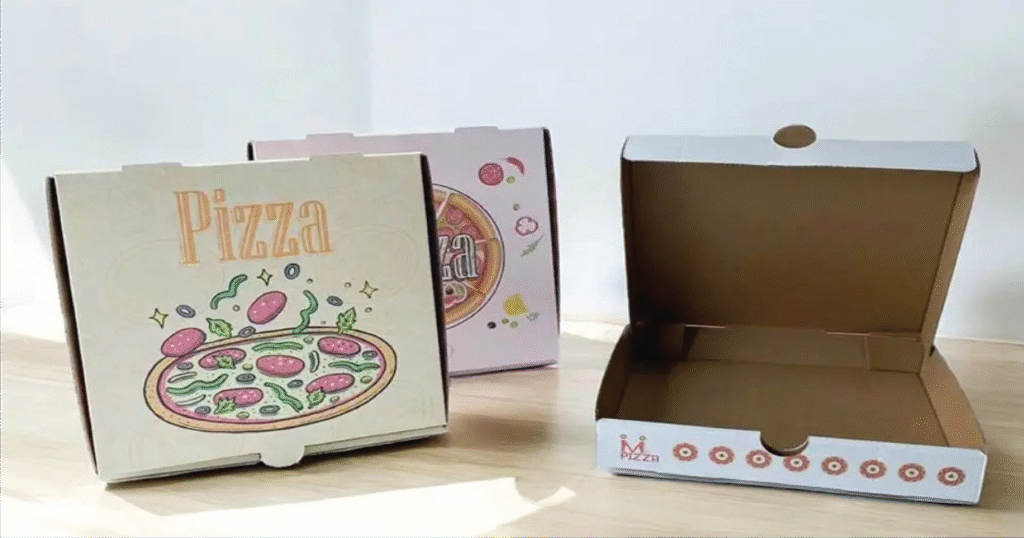
The outer look of the box plays a vital role. Customers associate neat packaging with quality. Businesses that use Personalized Pizza Boxes not only enhance their presentation but also strengthen branding. A well-designed box that fits perfectly adds that wow factor every pizzeria wants.
Material Strength and Flute Selection
Choosing the right material matters as much as selecting the correct pizza box size. For smaller boxes, B-flute corrugation (around 1/8″ thick) is ideal, it offers rigidity without bulk.
Larger pizzas or those with dense toppings benefit from C-flute or even double-wall constructions. The large pizza box dimensions for catering often use BC-flute for maximum stacking strength.
Also, consider ECT ratings: 32 ECT works for standard pies, while 44 ECT or 48 ECT is preferred for heavy, deep-dish pizzas or larger orders.
Grease Resistance and Food Safety
No one likes a soggy box bottom. Modern packaging now uses PFAS-free coatings that protect cardboard from oils and cheese residue.
High-end boxes are tested for grease resistance using KIT ratings (TAPPI T559). The higher the KIT number, the better the barrier.
A box with a KIT rating of 8 or higher ensures your pizza box dimensions stay strong throughout transport, even under hot, greasy conditions.
Crafting the Perfect Fit
A general rule of thumb: add 0.5″–1″ clearance beyond your pizza’s actual diameter. For example, if the average size of a pizza is 14″, a 15″×15″ box offers the ideal balance of fit and airflow.
When considering average size of large pizza delivery boxes, always account for crust rise and toppings height.
This ensures that heat circulates properly, the lid doesn’t press into the cheese, and the pizza retains that fresh-out-of-the-oven look.
Regional & Industry Variations
Across the U.S., the average size of a large pizza ranges from 14″ to 16″. However, some chains go bigger, offering 18-inch pizzas in oversized boxes. Internationally, sizes shift slightly, for instance, Italian pizzerias often call a 12-inch pizza “large.”
So when asking how big is a normal pizza, the answer depends on where you are. In the U.S., it’s usually 14–16 inches, making the large pizza box size around 16″×16″×2.5″.
Advanced Customization Options
For pizzerias focused on branding and freshness, customization is key. Adding foil stamping, matte lamination, or kraft finishes enhances appearance and sustainability.
Custom-printed boxes not only improve presentation but help businesses standardize packaging according to their pizza sizing chart.
That’s where Custom Pizza Boxes from Packaging Hubs stand out, they offer flexibility in depth, coating, and printing while maintaining consistent quality across all standard box sizes.
Why Quality and Precision Matter in Pizza Box Packaging
When it comes to pizza delivery, the box is more than packaging, it’s a protector, a preserver, and a reflection of your brand. The correct pizza box size isn’t just about fit; it safeguards your pizza’s texture, temperature, and presentation from kitchen to doorstep. Every detail, from the dimensions of a large pizza box to the height of a small slice box, plays a crucial role in maintaining quality and freshness.
At Packaging Hubs, we understand this connection better than anyone. Our boxes are engineered with premium corrugated strength, PFAS-free coatings, and precise dimensions that balance durability with eco-conscious performance. Every batch is tested for ECT strength, ventilation, and thermal control, ensuring your pizza arrives hot, fresh, and picture-perfect.
Why Packaging Hubs Leads the Way in Custom Pizza Box Solutions
Unlike many suppliers, Packaging Hubs stands apart with complete flexibility and reliability. Our No MOQ policy means you can order exactly what your business needs, from a few hundred boxes for local deliveries to thousands for nationwide chains. Plus, we offer free U.S. shipping and a quality assurance guarantee, with reprints available if you ever find a flaw (though you likely won’t need them).
Beyond performance, we specialize in genuine customization, from tailored pizza box sizes and custom coatings to bold brand prints and dieline support for every crust type. Our in-house designers bring your brand vision to life, while our production team ensures perfect fit, strength, and stack stability. It’s this mix of engineering precision, design creativity, and service flexibility that makes Packaging Hubs the trusted partner for pizza brands across the U.S., from California to New York.
FAQs
What size is a large pizza box?
A standard large box measures around 16″×16″×2.5″, though dimensions of a large pizza box may vary depending on crust and toppings.
What’s the average size of a large pizza?
Most large pizzas range between 14″ and 16″, serving about 3,4 people. The average size of large pizza in the U.S. is approximately 15″.
How many pieces does a small pizza have?
A small pizza usually has 4,6 slices, depending on diameter and crust type.
What’s the typical large pizza size?
The typical large pizza size sits around 14×16 inches, while pizza box size adds about an inch of clearance for comfort.
What’s the average size of a pizza box used for deep-dish or specialty pies?
It can reach up to 18″×18″×3″, making it one of the larger pizza box sizes used commercially.